
The Best Ocean Moments Cannot Be Scheduled
You can book a boat, a qualified guide, a safety briefing and breakfast. You cannot put a whale in the itinerary. When we plan an ocean trip, wildlife is the one guest who never confirms, and I have come to believe the best moments are exactly the ones nobody could schedule.
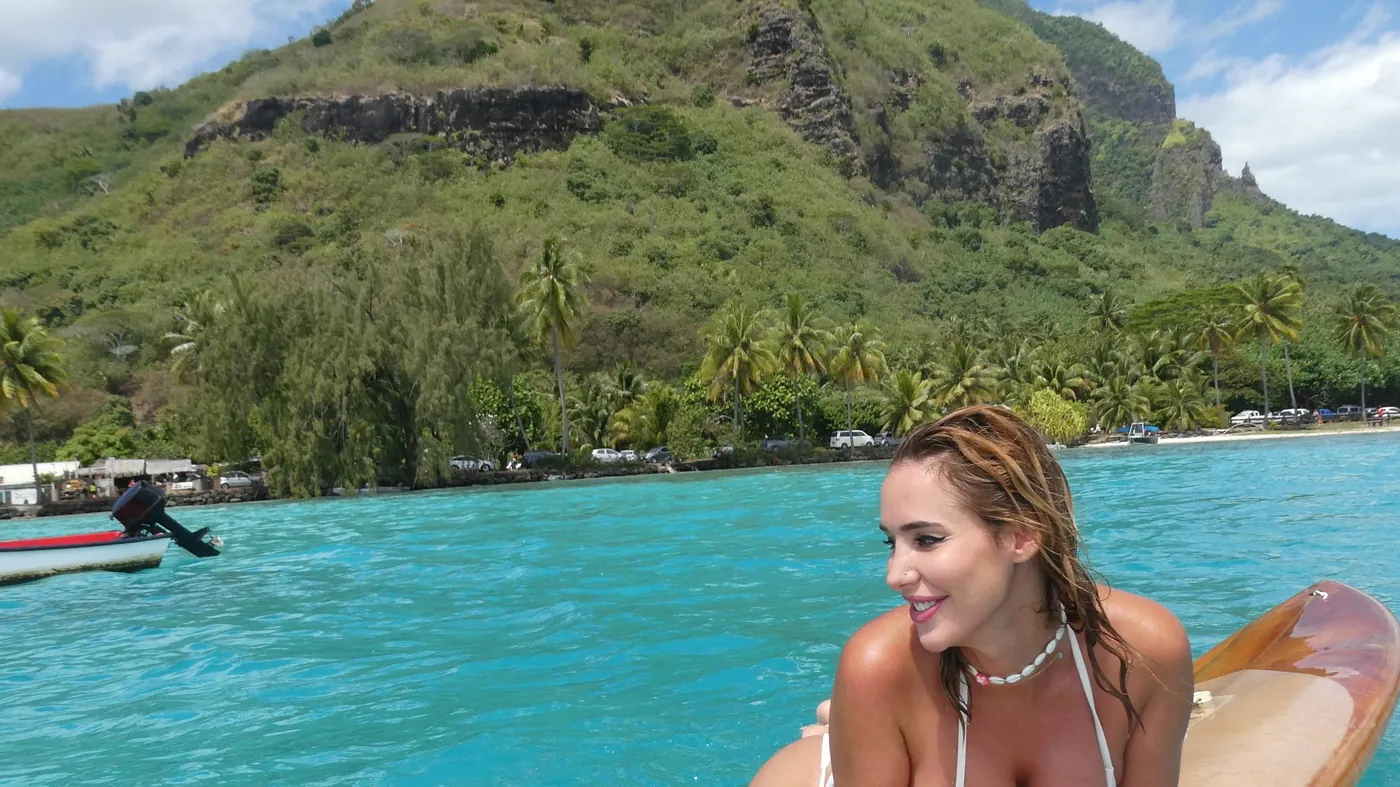
That is one of the reasons I love the ocean. Preparation matters, and I take it seriously. But a wild animal makes its own decisions, and no booking system can change that. So can you plan the perfect wildlife day? No. You can plan everything around it, and then leave the door open.
A wild animal makes its own decisions
It chooses where to swim, when to come up, whether to stay or to leave. We are visitors in its day, not the other way round.
Even the best-known seasons are windows, not appointments. In Hawaiʻi, for example, NOAA says humpback whales are generally seen from November to April, with the peak from January to March. That is useful when you are choosing a month. It is not a promise about a Tuesday morning.
A peak is a probability. It tells you that your chances are better in January than in May. It does not say a particular whale will appear in front of a particular boat, and an operator who talks as if it does is selling you a feeling, not information. I wrote more about this in why wildlife encounters can never be guaranteed.
What can you actually plan on an ocean trip?
The less romantic details. Does everyone know how the day works? Is there an easy way to say “I would rather stay on the boat”? Can the team change plans when the weather turns?
From my years organising complex travel and events, I know that guests feel the difference when those questions are answered before anyone asks them. People relax when they know what will happen, who to ask, and that nobody will push them.
And a relaxed person notices more. They see the light on the water, the birds working over a bait ball, the small fish under the boat. A guest who is worried about missing something often looks in one direction only, and the ocean is rarely that polite.
So we plan the parts that can be planned, with real care: safety, timing, the team, the briefing, food, rest, and the option to do less. Nobody posts these moments, but they are what make the other moments possible. Our hosted groups are never more than six guests, partly for this reason. It is easier to be unhurried when you are not managing a crowd.
What we leave open on purpose
An animal may appear far away, or not at all. Someone who felt ready yesterday may feel nervous today. A different stretch of reef might become the memory they carry home. None of this is a failure of the trip.
I think we should be honest about uncertainty before a guest spends money, and then give the day enough space to become itself. Honesty at the start makes the day lighter. Nobody is waiting for something that was promised. Everyone is simply paying attention.
This is also why our days are not packed from morning to night. Space in a programme is not empty time. It is room for the unexpected, and room to stay a little longer with what is already there. I explain this way of building a day in why our retreats are designed around silence, not itineraries.
The animal is not there to perform
We do not chase, feed or touch an animal for a photo. We do not ask a skipper to push closer because the light is good or because the group has waited a long time.
This is not only our preference. In Hawaiʻi, approaching a humpback whale within 100 yards (about 90 metres) is prohibited under federal rules, whether you are on a boat, a paddleboard, a kayak or in the water. NOAA also lists placing yourself in a whale’s path, and disturbing its normal behaviour, as things you may not do. If a whale surprises you by coming close to your boat, the guidance is to stop and let it pass. In Costa Rica, the national rules, as summarised by the IWC, set a limit of 30 minutes for a boat with a group of whales or dolphins. These rules differ from country to country, so check the current rule before you travel.
And it is not only about politeness. Researchers have found that noise matters as well as distance. In an experiment off Australia, loud vessel noise played to humpback mothers and calves reduced their resting time by around 30 percent and made them swim faster. A separate study in Tenerife found that a louder petrol-engine boat, even approaching within the guidelines, was linked to pilot whale mothers resting and nursing less, while a quieter electric boat was not. These are specific studies of specific animals, so I do not want to stretch them too far. But they explain why good guides care about engines, patience and timing, and not only about metres.
A respectful distance can still bring us closer to understanding what we came to see. Sometimes it means fewer sightings, and I think that is fine. I wrote more about that trade-off in why ethical whale encounters often mean fewer sightings. Wildlife encounters are unpredictable. Whale watching should always follow local regulations and experienced professional guidance.
How to be a good guest of the day
Let the animal choose the distance and the time. If it moves away, let it go. If it stays, stay calm and quiet, and follow the local rules for how long and how close.
Tell your guide or host how you feel on the day. Staying on the boat, watching from the surface or skipping a session is always a valid choice, and a good team will make it easy. A roll-top dry bag keeps a phone and a warm layer dry on a boat day, so staying on deck is a comfortable choice, not a cold one. If you are packing for several islands, a tropical travel kit with packing cubes and a refillable bottle keeps the small things in order.
Come with curiosity, not a checklist. The day may give you something you did not know you were hoping for. If this made you curious about travelling this way, you can explore our retreats: careful planning, small groups, and room for the unexpected.
Questions people ask
What happens if we do not see the animals?
Then we have still spent a day on the ocean with a good team, and we are honest about that from the start. Wildlife is never guaranteed, and a missed sighting is not a failure of the trip.
Can I choose not to get in the water?
Yes. There should always be an easy way to say “I would rather stay on the boat”. It is part of how a day is planned, not an exception.
Why not stay longer or move closer for a better photo?
Because the animal is not there to perform. NOAA advises viewing from a distance and suggests limiting time with marine mammals to around 30 minutes, and in Hawaiʻi it is prohibited to approach a humpback whale within 100 yards.
Is there a best month to see whales?
Seasons exist, but they are windows. NOAA says humpbacks are generally seen in Hawaiʻi from November to April, with the peak from January to March. Other regions have different seasons, so check the local one, and remember it is still not a guarantee.
Does a quiet boat really make a difference?
Research suggests it can. A Tenerife study linked a louder petrol-engine boat, even when following the guidelines, to less resting and nursing in pilot whale mothers, while a quieter electric boat showed no significant reduction. It is one study, so we treat it as a reason to ask operators about their boats, not as a final answer.
Wildlife encounters are never guaranteed and never forced. Ocean Calling works only with vetted, ethical local operators, and every animal is free to approach, or not, entirely on its own terms.
Sources & further reading
- Approach regulations for humpback whales in the waters surrounding the Hawaiian Islands under the Marine Mammal Protection Act NOAA Fisheries.
- Boating guidelines NOAA Hawaiian Islands Humpback Whale National Marine Sanctuary.
- Wildlife viewing guidelines NOAA Office of National Marine Sanctuaries.
- Marine life viewing guidelines: guidelines and distances NOAA Fisheries.
- About the sanctuary (humpback season in Hawaiʻi) NOAA Hawaiian Islands Humpback Whale National Marine Sanctuary.
- Whale Watching Handbook, country profile: Costa Rica International Whaling Commission.
- Vessel noise levels drive behavioural responses of humpback whales with implications for whale-watching eLife, 2020.
- Whale-watching guidelines don’t include boat noise. It’s time they did University of Western Australia, 2023 (discusses the Tenerife pilot whale study).
Further reading on Ocean Calling: Why wildlife encounters can never be guaranteed · Why our retreats are designed around silence, not itineraries · Why ethical whale encounters often mean fewer sightings · Ocean Atlas
Find the retreat that fits you
Small groups of up to six guests, unhurried days and local experts. Tell us how you feel in the water and we will point you to the right trip.