
Why I Created Ocean Calling: A Dewdrop and a Pine Forest
People sometimes ask me why I created Ocean Calling Retreats, and they often expect a story about someone born in the sea. That is not my story. I grew up close to people who protected forests. The ocean came later, and deep water made me nervous.
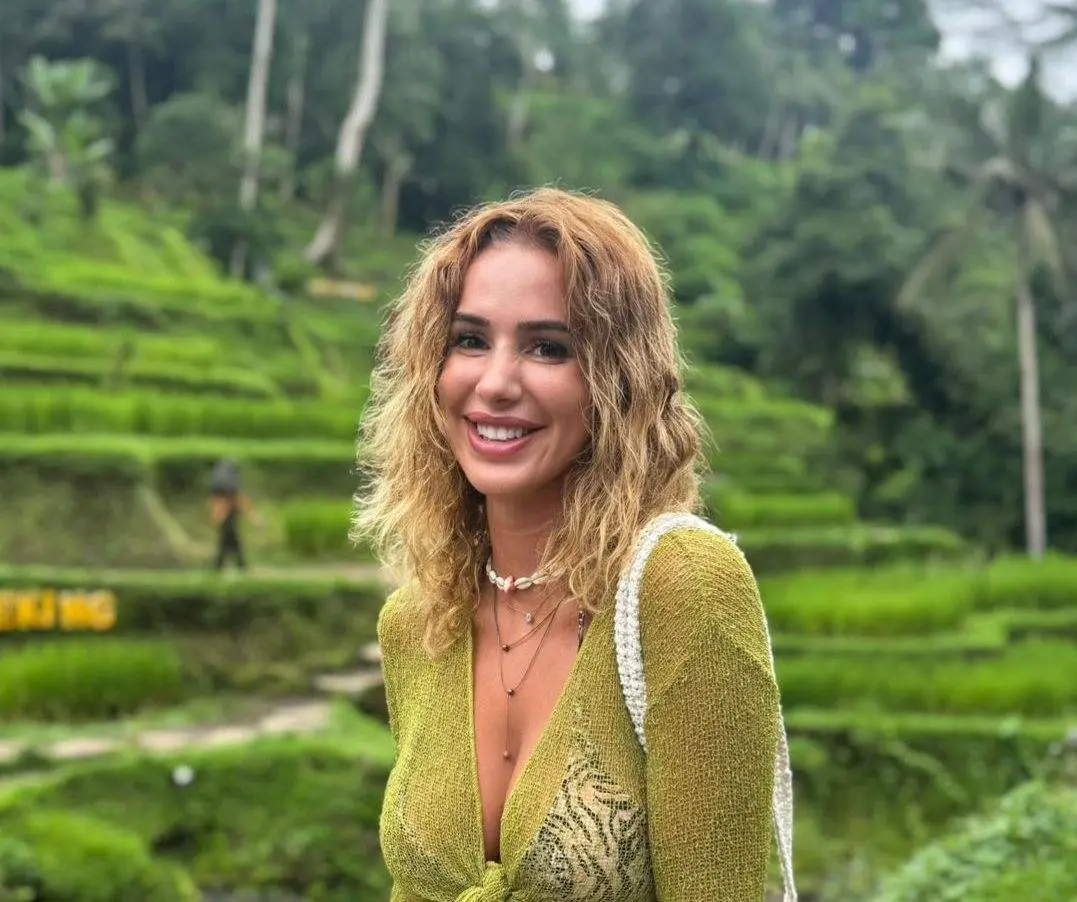
So why did I create it? Because I wanted a way to meet the ocean that I would have needed myself: slow, honest, well looked after, and kind to the animals. This is for anyone who is curious about the sea and a little afraid of it, as I was.
Growing up close to people who protect nature
I did not grow up fearless in the ocean. I grew up in a family of forest rangers.
In our home, caring for wildlife was not a special project or a weekend activity. It was part of normal life, something the adults around me simply did.
I think this shaped me more than I understood at the time. When you grow up near people whose work is to protect wild places, you learn early that nature is not there for our entertainment. An animal is not there to be collected, or photographed at any cost, or made to perform. It has its own life, and our job is to make room for it.
That idea came with me later, into the water. It is still at the centre of everything we do.
The sea came later
Deep water once made me nervous. I want to be honest about that, because I know many people carry the same feeling and think it means the ocean is not for them.
Learning to scuba dive, and then to freedive, in different countries did not make every doubt disappear. It gave me something else. It taught me to learn, to listen, and to move at a pace I could trust.
Freediving especially became a way of paying attention: to my breath, to my teacher’s voice, and to what the water was telling me that day. I write more about this slow process in from fear of deep water to confidence.
Confidence, for me, did not arrive as the absence of fear. It arrived as trust: in good teaching, in preparation, and in my own ability to stop, breathe and decide.
Why do the small details matter so much on an ocean retreat?
Before Ocean Calling, I spent years coordinating travel, logistics and events for leaders, delegations, athletes and artists.
Most of that work was invisible when it went well. Nobody notices the transfer that arrived on time, or the plan that quietly changed in the background. People only notice when something goes wrong.
I brought the same care to ocean travel, because I saw how much the small things decide whether a person can really be present. The person who is nervous on the boat and needs a little more time. The local team who knows the place far better than any visitor. The conditions that ask for a change of plan, and the calm way of explaining it. The warm meal after everyone has dried off.
Those details give a guest enough room to live the day, instead of spending it worrying about what comes next.
This is also why I value working with people who know their own waters. Local expertise is not a line in a brochure. It is the difference between a day that follows the ocean and a day that tries to force it.
The animal remains wild
I care about animals too much to treat them as a promised attraction. A whale may come closer, or it may not appear at all. A turtle can leave whenever it wants. That is how it should be. I explain this more slowly in why wildlife encounters can never be guaranteed.
We never need to chase, touch or feed an animal to make an experience meaningful. I would rather a guest goes home with an honest day than with a moment that was taken from an animal.
It is the same lesson I learned at home, from forest rangers, only carried into the sea. And it is why I created Ocean Calling Retreats: to make space for people to meet the ocean with curiosity and respect, supported by careful planning and local expertise.
You are welcome as you are
If you are thinking of joining us and you feel a little afraid, you are welcome exactly as you are.
Respect, for me, starts with the person. Nobody should be pushed into deeper water than they are ready for, and it is always fine to stay on the boat or at the surface and watch.
Then it reaches the ocean and its animals. We follow the guidance of local teams who know the place, we accept that conditions can change the plan, and we never chase, touch or feed wildlife. An encounter is something an animal chooses. Our part is to be calm, patient and ready to let it go.
Small practical things can also make a first day feel lighter. A well-fitting rash guard gives some sun protection without a lot of sunscreen, a low-volume mask that seals properly means less fiddling at the surface, and a roll-top dry bag keeps a phone and a towel dry on the boat. None of this replaces good teaching, but it takes away a few small worries.
You do not have to arrive fearless, only open. If you would like help finding the ocean experience that fits you, Ocean Match is a good place to start. If this made you curious about experiencing it yourself, you can explore our retreats.
Questions people ask
Do I need to be fearless to join an Ocean Calling retreat?
No. I was nervous in deep water myself. What matters is curiosity and the wish to learn at a pace you can trust.
Will we definitely see whales, turtles or other animals?
No one can promise that. A whale may come closer or may not appear, and a turtle can leave. We never chase, touch or feed animals to make a moment happen.
Who guides us in the water?
We work with local teams who know their waters, and we plan carefully around the conditions of each day, including changing plans when the sea asks for it.
What do the names Rocío and Pineda mean?
In Spanish, rocío is the dew that forms in the cool of the night, and a pineda is a pine grove. Both meanings are in the dictionary of the Real Academia Española, listed in the sources below.
What did Rocío do before Ocean Calling?
She spent years coordinating travel, logistics and events for leaders, delegations, athletes and artists. That experience is why the retreats put so much care into small details.
Can I stay on the boat or at the surface if I do not feel ready?
Yes. Nobody is pushed into deeper water than they are ready for. Staying on the boat or at the surface and watching is always fine.
Wildlife encounters are never guaranteed and never forced. Ocean Calling works only with vetted, ethical local operators, and every animal is free to approach, or not, entirely on its own terms.
Sources & further reading
- Real Academia Española. Diccionario de la lengua española: pineda.
- Real Academia Española. Diccionario de la lengua española: rocío.
Further reading on Ocean Calling: Why wildlife encounters can never be guaranteed · The experience that led me to create Ocean Calling Retreats
Find the retreat that fits you
Small groups of up to six guests, unhurried days and local experts. Tell us how you feel in the water and we will point you to the right trip.