
Baikal seal
Pusa sibirica
The seal that lives its whole life in a freshwater lake. Meeting one depends on the lake, the weather and chance.
Least Concern (IUCN, 2016) means it is not close to threatened at present. Estimates are about 80,000 to 100,000 seals.
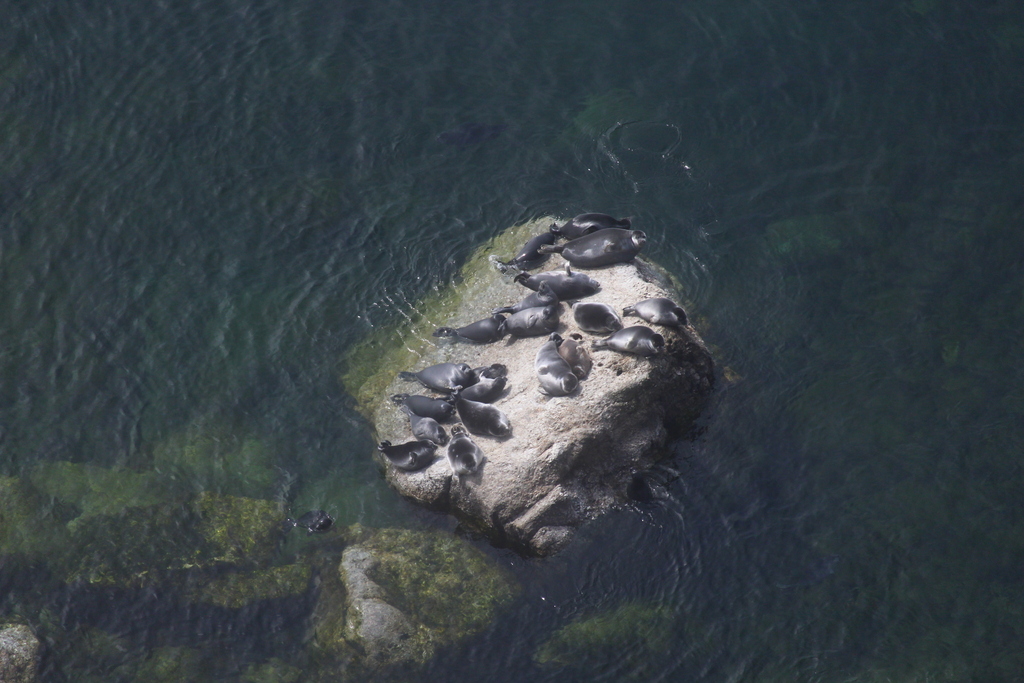
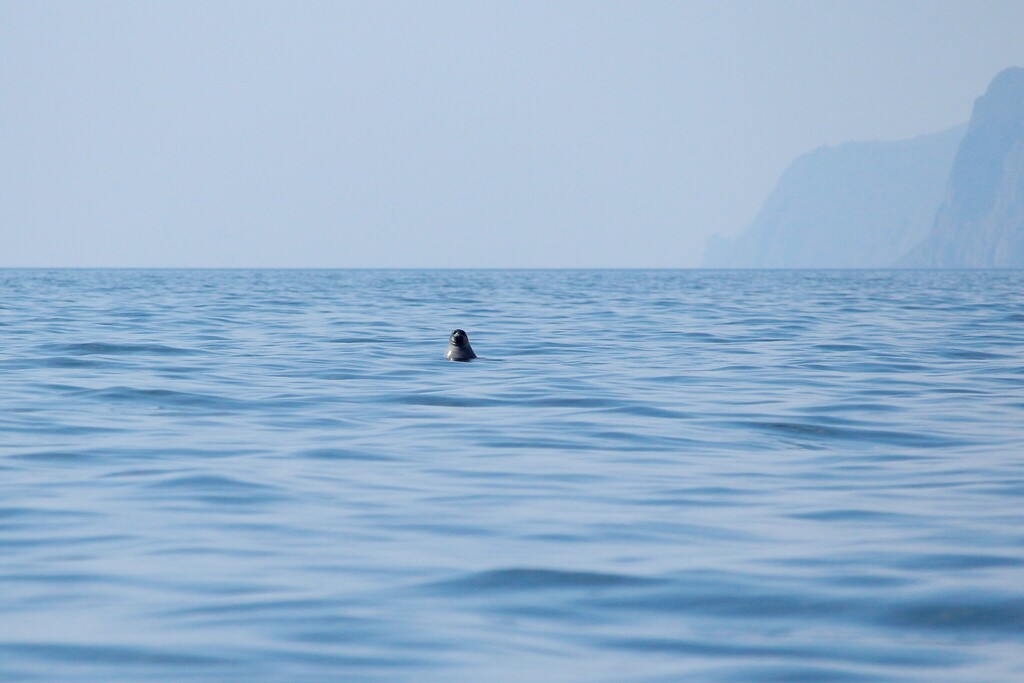
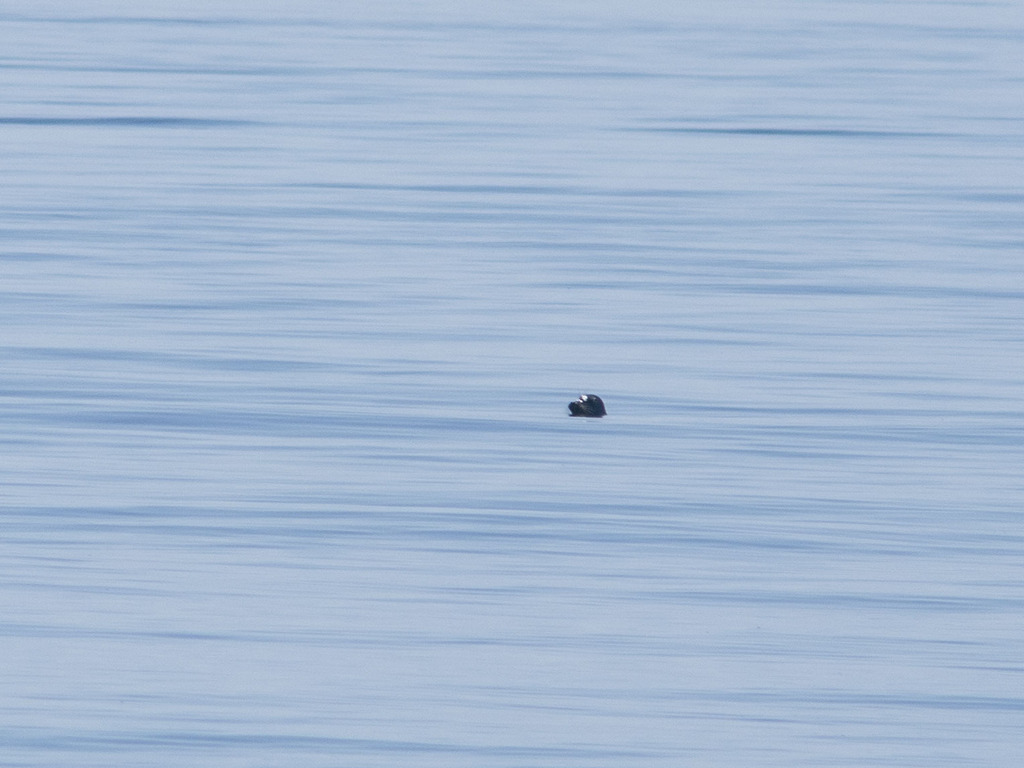
Photos show the species, not always the places on this page.
Length
Adults about 1.1 to 1.4 m (3.6 to 4.6 ft); up to about 1.65 m (5.4 ft) recorded
Weight
Adults about 63 to 70 kg (139 to 154 lb); up to about 130 kg (290 lb) recorded. Pups weigh roughly 3 to 4 kg (6.6 to 8.8 lb) at birth
Next to a person
Shorter than most adults, but about as heavy as one
What it eats
Mainly pelagic fish called golomyanka (Comephorus) and Cottocomephorus species, plus small amphipods. In winter and spring more than 90% of the diet is golomyanka, by one account. Most dives are short, but they can last over 40 minutes and reach depths of 300 to 400 m.
Around people
Calm, give space
How it lives
Baikal seals are mostly dark silvery grey above and paler below. Females give birth on the lake ice in snow-covered lairs with a hole to the water, from about February to March. Pups are born with a white woolly coat, weigh around 3 to 4 kg, and are nursed for about 2 to 2.5 months. Females reach maturity at about 3 to 7 years. Males mature later, at about 4 to 10 years depending on the source. Males can live to about 52 years and females to about 56.
Where it goes
Young seals travel widely, covering roughly 400 to 1,600 km over a season, while adults are usually solitary in winter. The lake ice gives pups protection from predators.
We only draw a journey on the map when scientists have tracked it or clearly documented it. For this animal we have not found one yet.
Populations
It is found only in Lake Baikal, Russia. A 2000 expedition estimated about 85,000 seals, down from about 104,000 in 1994. A recent summary gives 80,000 to 100,000, roughly the lake's carrying capacity. An older source puts yearly hunting at about 10,000 seals and bycatch at about 1,000. As an ice-breeding species living in a closed lake, it may be vulnerable to future climate change. IUCN: Least Concern (listed that way since 2008; latest assessment 2016).
Meet it respectfully
Watch quietly from a boat kept well back, and let the seals choose whether to come near. Never chase, touch, feed or bait them, and keep clear of hauled-out groups so nobody is pushed into the water. Pups on the ice need space and quiet. Follow local rules and your guide. Sightings are never guaranteed.
Fun fact
Tap the bulb to light it up.
It is the only seal whose whole population lives in fresh water.
Males can live to about 52 years and females to about 56.
Locals call it the nerpa.
Baikal seal in the Ocean Atlas
Places we have researched where this animal is recorded. It is never guaranteed, and some places are for watching from the boat only.
Travel with usComing soonTrusted referralExploringOn pause, story onlyEthics pass
Country colour: pink where we travel, blue where we are exploring or refer, grey for story only.
 Russia
Sources for this page
- Wikipedia, Baikal seal, 2026
- Pinniped Conservation, Baikal seal, 2026
- Leibniz Institute of Freshwater Ecology (IGB), Baikal seal, 2026
- GBIF, IUCN Red List category, 2026
Facts checked 5 October 2026. Photos: Unsplash licence, or Creative Commons as shown on each photo.
Work in ocean travel?
We are always happy to hear from exceptional local operators, accommodation, conservation organisations and destination experts. If your work fits responsible, small-group ocean travel, we would love to learn more.
Partner with Ocean CallingGili Trawangan in 5 days
from CHF 790