
Burmeister's porpoise (spiny porpoise)
Phocoena spinipinnis
A shy, dark porpoise that slips past without much fuss. It is easy to miss, and no sighting is ever a promise.
Near Threatened (IUCN, 2018) means it is close to qualifying as threatened, mainly because of deaths in fishing nets. Note that the CMS page still shows the older Data Deficient label.
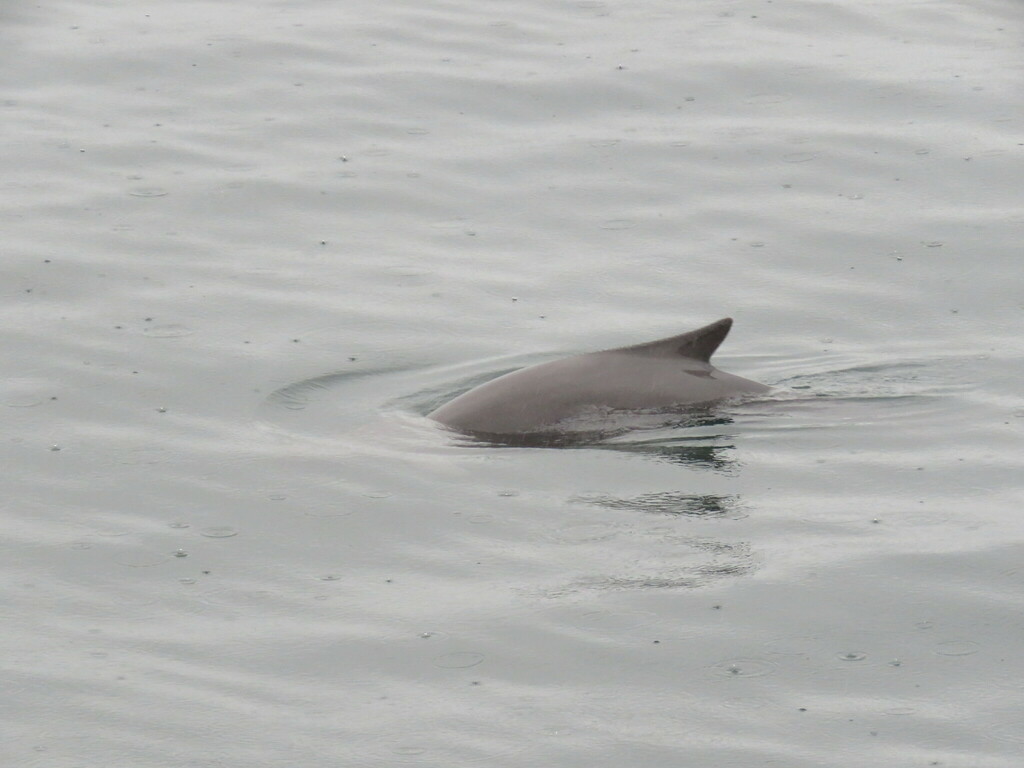
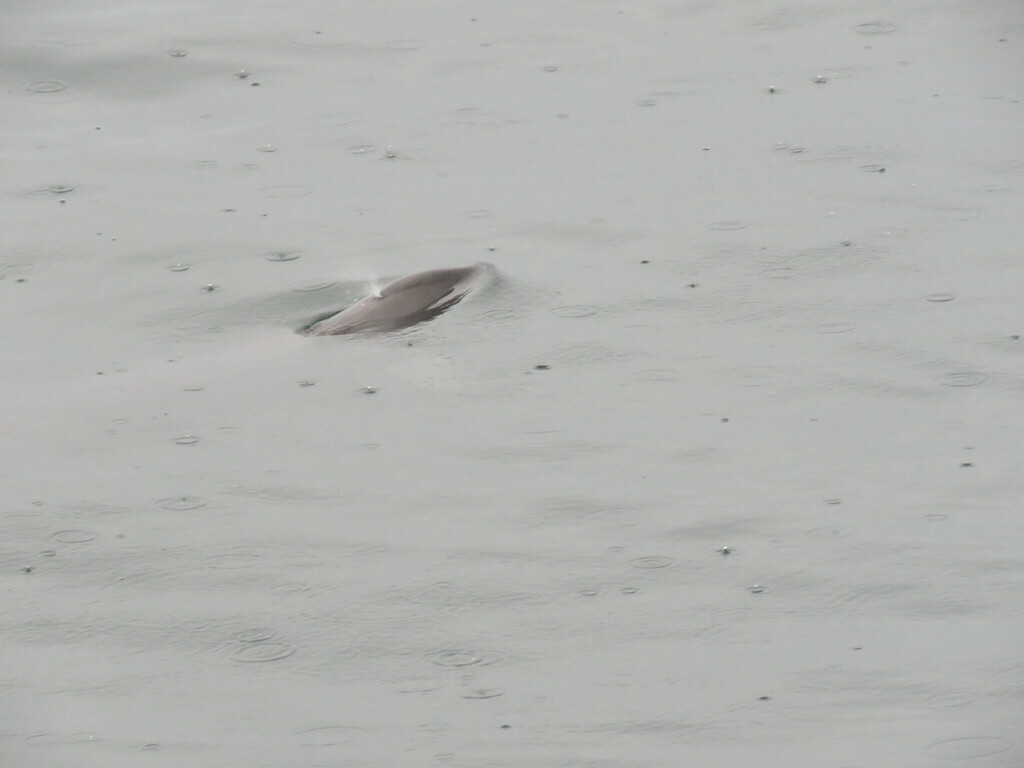
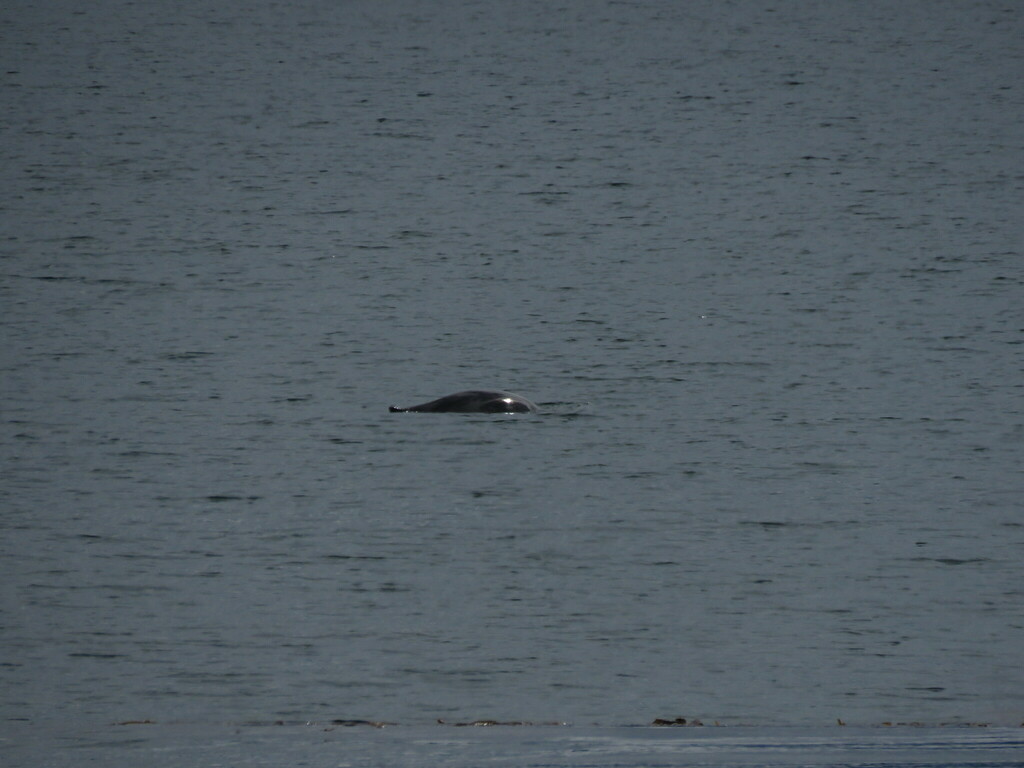
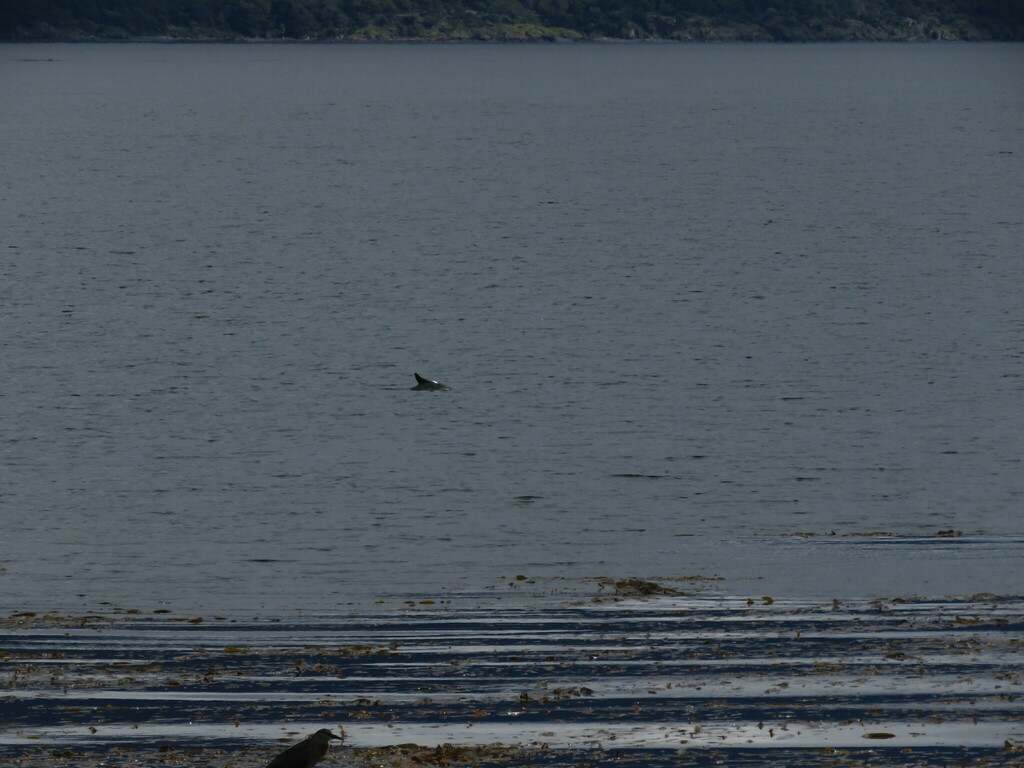
Photos show the species, not always the places on this page.
Length
About 1.5 m (4.9 ft) is typical; SeaLifeBase lists a maximum of 2 m (6.6 ft)
Weight
About 50 to 75 kg (110 to 165 lb) when mature; 105 kg (231 lb) is the heaviest recorded in one source, 85 kg (187 lb) in another
Next to a person
About as long as a small adult is tall, and about as heavy as an adult
What it eats
Small schooling fish such as anchovy and hake, and squid. In one study in northern Chile, anchovy made up about 89 percent of the diet, followed by Chilean silverside at about 6.5 percent.
Around people
Shy, watch quietly
How it lives
Burmeister's porpoises are hard to watch. They are usually seen alone or in pairs, with occasional larger groups, and they surface briefly with little splash. They stay mostly in shallow coastal water and have been recorded up to about 50 km offshore. In Mejillones Bay in Chile, sound recordings showed that about 77 percent of feeding and echolocation clicks happened at night, so much of their feeding is out of sight. Mother and calf pairs were seen more often in spring and summer. The sources I opened do not give a lifespan.
Where it goes
Their range runs along the Pacific coast from northern Peru south to Tierra del Fuego and up the Atlantic coast to southern Brazil. They favour inshore waters such as bays and fjords. Detailed movement patterns are not well known. In a study off northern Peru, the highest densities were within 25 km of shore and in water 50 m deep or less.
We only draw a journey on the map when scientists have tracked it or clearly documented it. For this animal we have not found one yet.
Populations
IUCN lists the species as Near Threatened (2018). The total is thought to be at least tens of thousands, but this is a rough guess. Fishing is the main concern. A survey off Salaverry in northern Peru in February 2023 estimated 1,696 porpoises (range 1,087 to 2,648) in a 3,500 sq km area. Interviews with gillnet fishers suggested about 420 caught each year in that area (range 210 to 700), about a quarter of the estimate, which the authors say is far above sustainable levels. Direct hunting for food and crab bait is reported to have continued in Peru until the late 1990s. In Mejillones Bay, Chile, a study estimated 76 animals. The species is on CMS Appendix II (since 1979).
Meet it respectfully
Keep a boat slow and steady, and never chase or follow a porpoise, because it surfaces without warning and is easily disturbed. Do not try to touch or swim with it. Keep fishing nets and lines out of its path where you can. I did not open a specific local viewing rule for Peru, so follow your guide and the port authority.
Fun fact
Tap the bulb to light it up.
The small, triangular dorsal fin sits unusually far back on the body.
In a study in northern Chile, most feeding sounds were recorded at night.
Peru is thought to account for around 2,000 porpoises caught in nets in a year, in one estimate.
Burmeister's porpoise (spiny porpoise) in the Ocean Atlas
Places we have researched where this animal is recorded. It is never guaranteed, and some places are for watching from the boat only.
Travel with usComing soonTrusted referralExploringOn pause, story onlyEthics pass
Country colour: pink where we travel, blue where we are exploring or refer, grey for story only.
 Peru
PeruSources for this page
- Wikipedia, Burmeister's porpoise, 2026
- SeaLifeBase, Phocoena spinipinnis, 2026
- GBIF, IUCN Red List category lookup, 2026
- ICES Journal of Marine Science, bycatch and population of Burmeister's porpoises in northern Peru, 2025
- Frontiers in Marine Science, Burmeister's porpoise in Mejillones Bay, 2025
- Convention on Migratory Species, Burmeister porpoise listing, 2026
Facts checked 5 October 2026. Photos: Unsplash licence, or Creative Commons as shown on each photo.
Work in ocean travel?
We are always happy to hear from exceptional local operators, accommodation, conservation organisations and destination experts. If your work fits responsible, small-group ocean travel, we would love to learn more.
Partner with Ocean Calling7-day freediving course in Coron, Palawan
CHF 1,480