
Chilean dolphin
Cephalorhynchus eutropia
A small, shy dolphin of quiet Chilean bays and channels. Every glimpse is a privilege, never a promise.
Near Threatened (IUCN, 2017) means it is close to qualifying for a threatened category. The total number is not known, and numbers are thought to be falling.
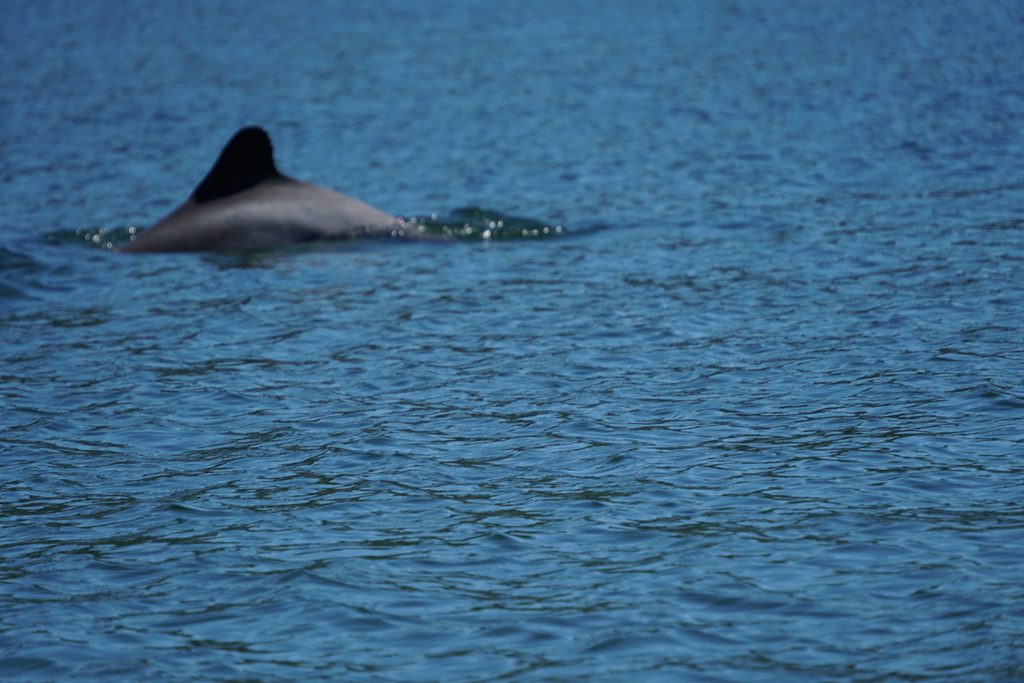
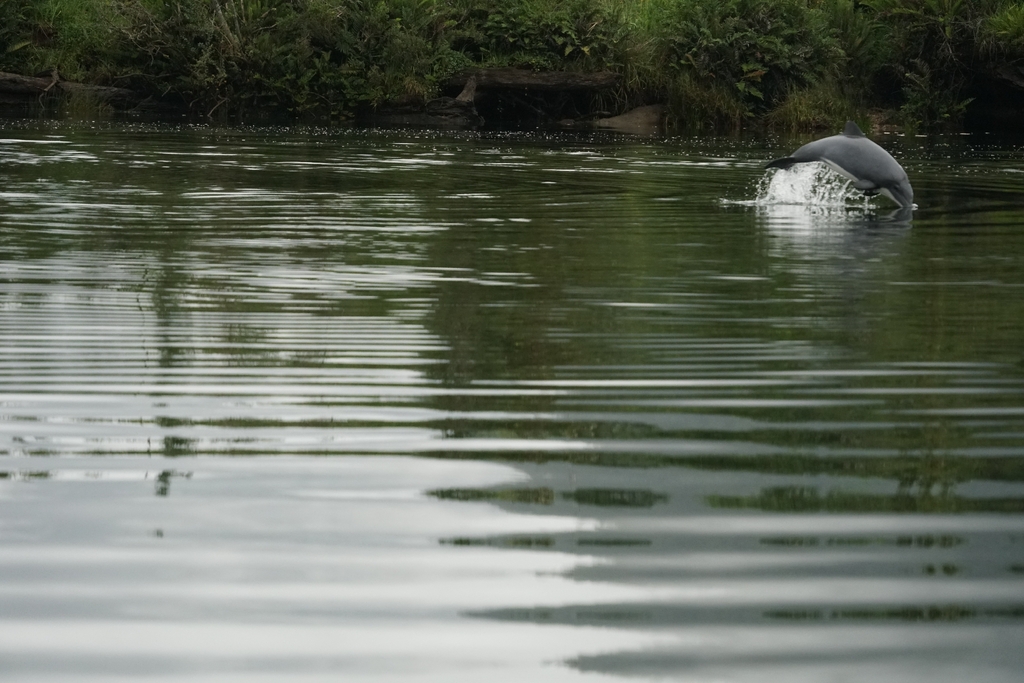
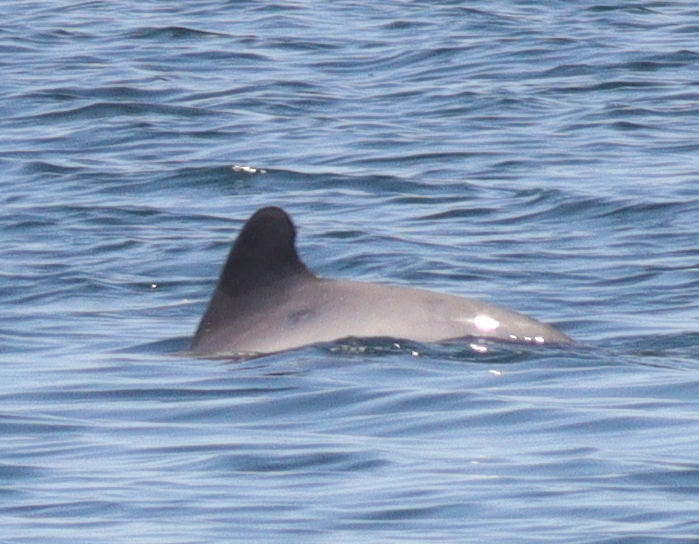
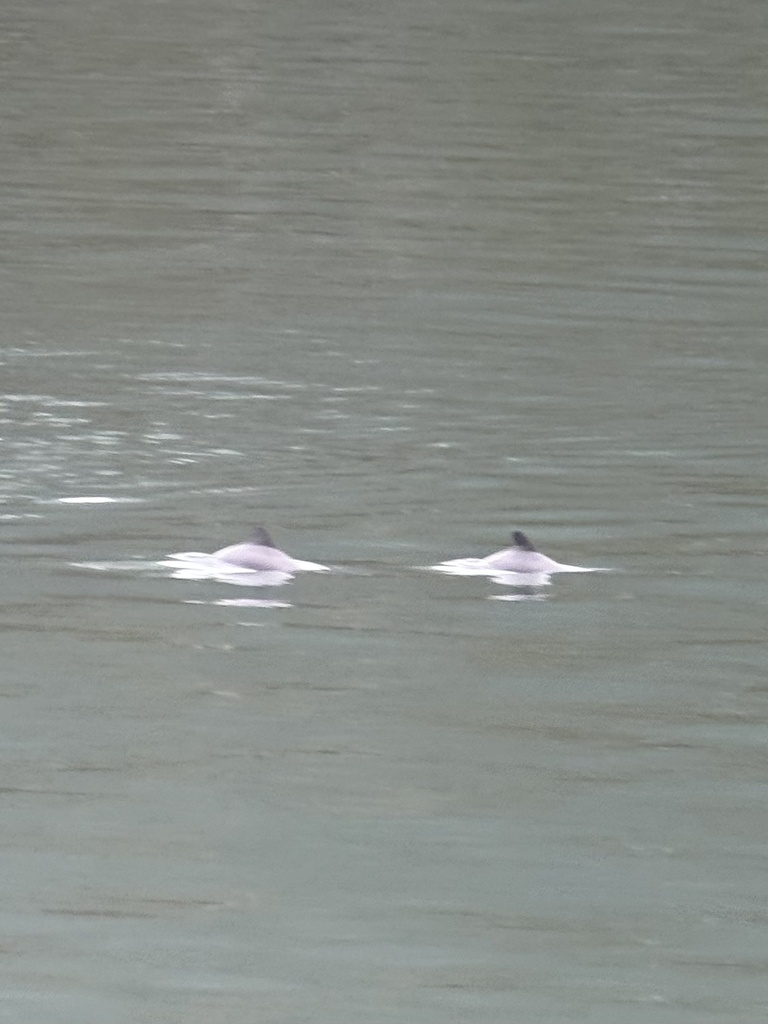
Photos show the species, not always the places on this page.
Length
About 1.65 to 1.7 m (5.4 to 5.6 ft) as adults
Weight
Roughly 25 to 75 kg (55 to 165 lb), with an average of about 57 kg (125 lb); females are slightly larger than males
Next to a person
About as long as an adult person is tall, and roughly as heavy as one adult
What it eats
Small schooling fish such as sardines and anchovies, plus squid and crustaceans. Dolphins are reported to swim in circles or zig-zags to herd fish.
Around people
Shy, give space
How it lives
Chilean dolphins usually travel in small groups of about 2 to 10, and sometimes up to 50. They are described as shy and hard to approach. They mate in early winter, and calves are born in spring. A female has one calf every 2 to 3 years. Young reach maturity at about 5 to 9 years. How long they live in the wild is not known.
Where it goes
Mostly non-migratory, and each local group stays in its own area. In the inner seas of Chiloé there is clear site fidelity, and no individual has been confirmed moving even between neighbouring study areas. Two separate genetic lineages are known along the coast.
We only draw a journey on the map when scientists have tracked it or clearly documented it. For this animal we have not found one yet.
Populations
Found only in Chile, from near Valparaiso (about 33 degrees south) to south of Navarino Island (about 55 degrees south). The total number is not known. It is thought to be in the low thousands, and some sources say fewer than 5,000. About 300 live in the inner seas of Chiloé, and about 134 individuals were identified in Bahia Llico in the Gulf of Arauco. Numbers are considered to be declining. IUCN: Near Threatened (2017). It has been listed under CMS Appendix II since 1979.
Meet it respectfully
Keep boats slow and steady, and let the dolphins decide whether to come close. Never chase, drive towards, surround, touch, feed or bait them. Chilean dolphins live in the same shallow bays where fishing nets and salmon farms operate, so give any net or farm a wide berth. Follow local rules and your guide. Sightings are never guaranteed.
Fun fact
Tap the bulb to light it up.
It lives only along the coast of Chile.
It stays in shallow water, usually less than 30 m deep and within about 1 km of shore.
Two separate genetic lineages are known along the Chilean coast.
Chilean dolphin in the Ocean Atlas
Places we have researched where this animal is recorded. It is never guaranteed, and some places are for watching from the boat only.
Travel with usComing soonTrusted referralExploringOn pause, story onlyEthics pass
Country colour: pink where we travel, blue where we are exploring or refer, grey for story only.
 Chile
ChileSources for this page
- Wikipedia, Chilean dolphin, 2026
- Animal Diversity Web, University of Michigan, 2026
- Marine Mammal Protected Areas Task Force, Chiloé Interior IMMA, 2026
- Marine Mammal Protected Areas Task Force, Gulf of Arauco IMMA, 2026
- CMS, Cephalorhynchus eutropia, 2026
- GBIF, IUCN Red List category, 2026
Facts checked 5 October 2026. Photos: Unsplash licence, or Creative Commons as shown on each photo.
Work in ocean travel?
We are always happy to hear from exceptional local operators, accommodation, conservation organisations and destination experts. If your work fits responsible, small-group ocean travel, we would love to learn more.
Partner with Ocean CallingGili Trawangan in 5 days
from CHF 790