
North Atlantic right whale
Eubalaena glacialis
Only a few hundred North Atlantic right whales remain. Any sighting, always from far away, is a reminder of why protecting them matters.
Critically Endangered (IUCN, 2020) means it is at extremely high risk of extinction in the wild.
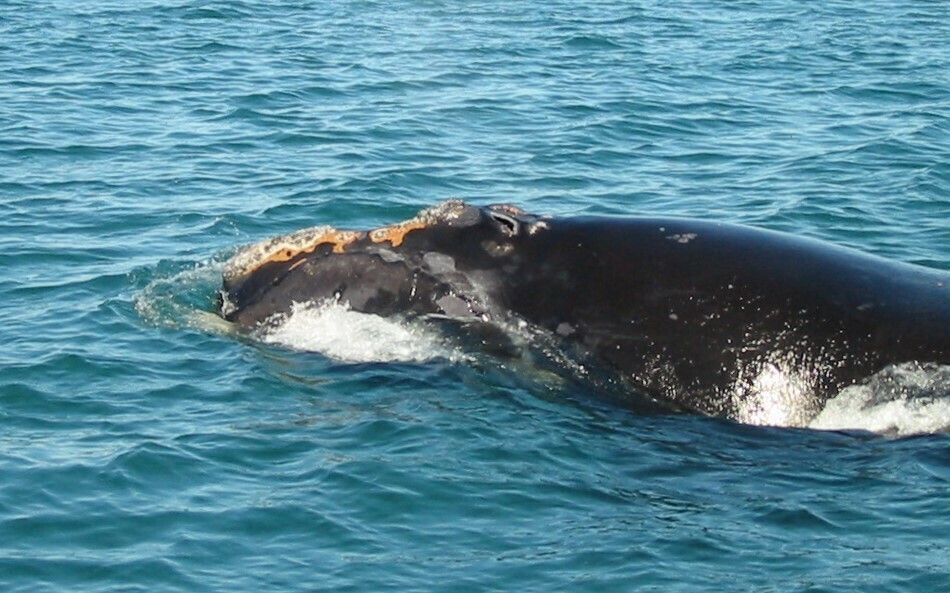
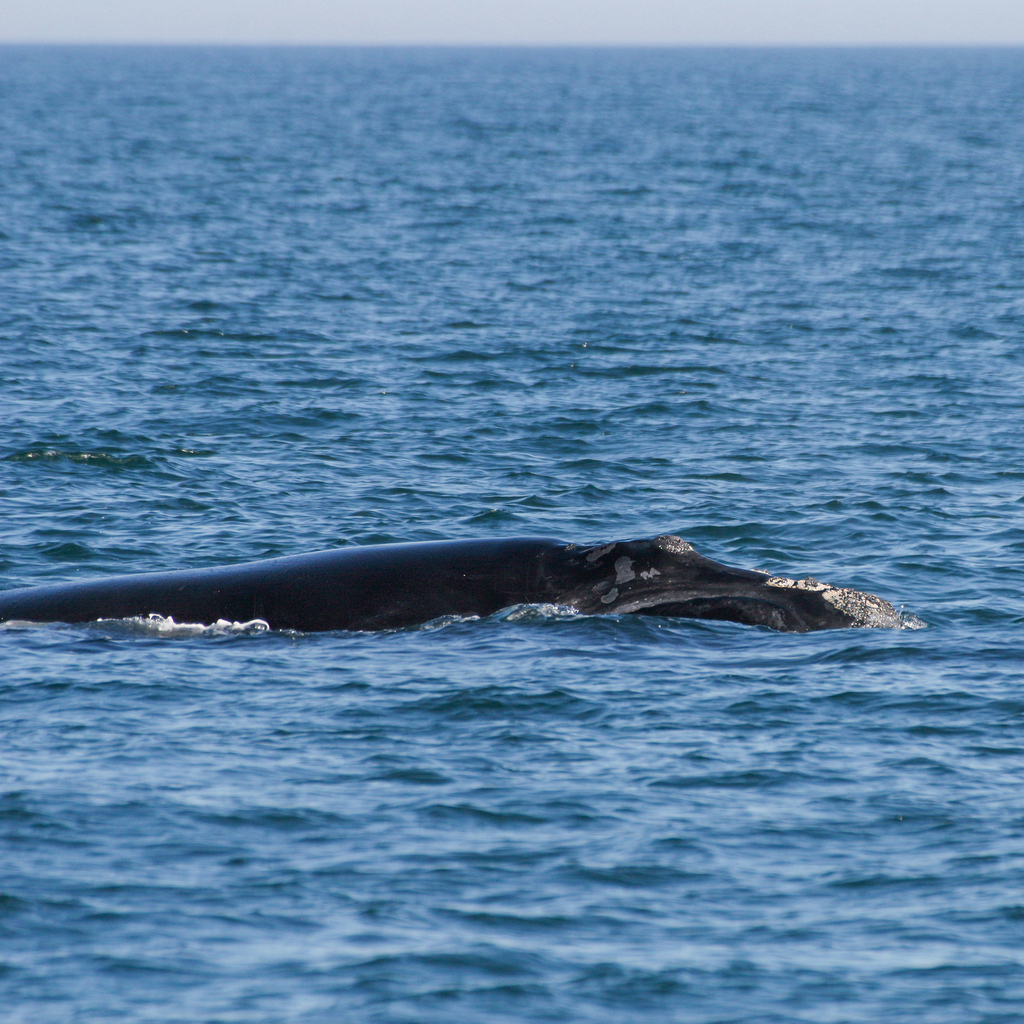
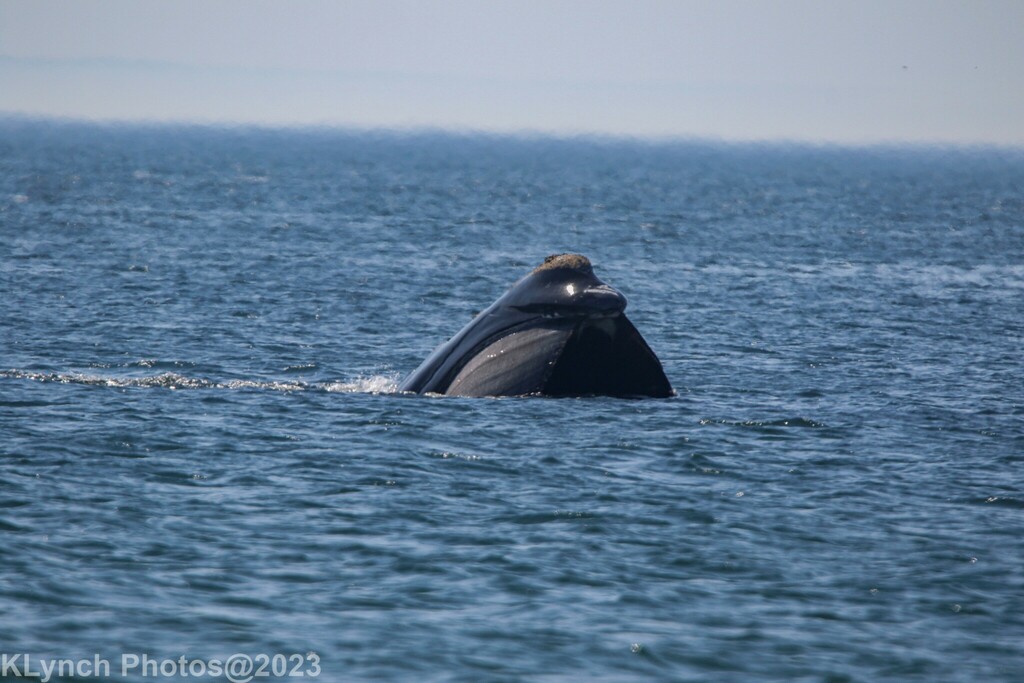
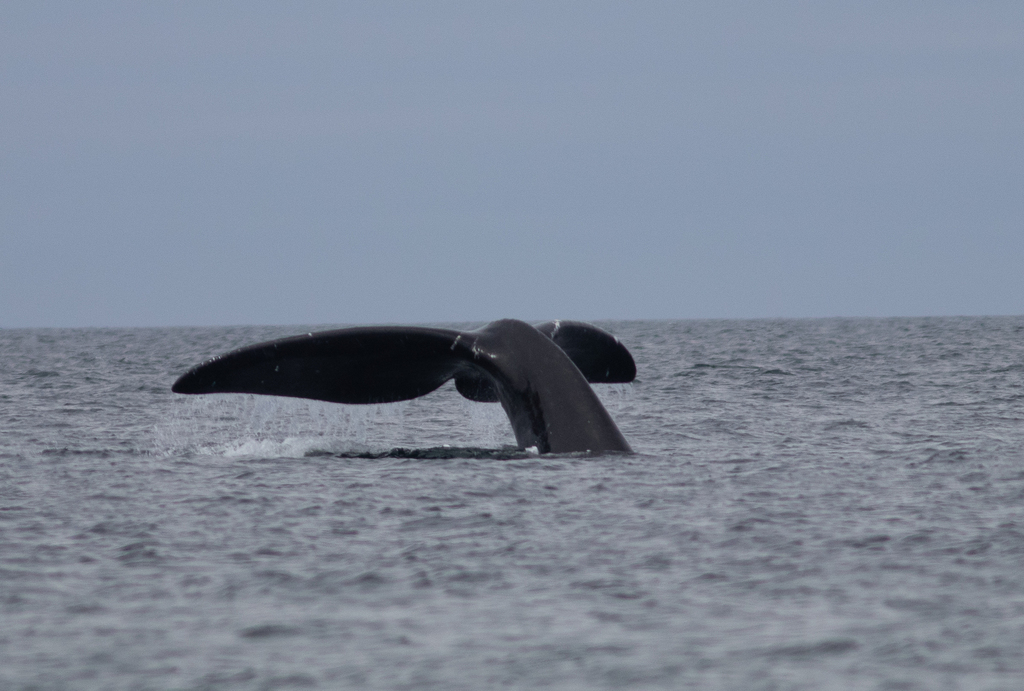
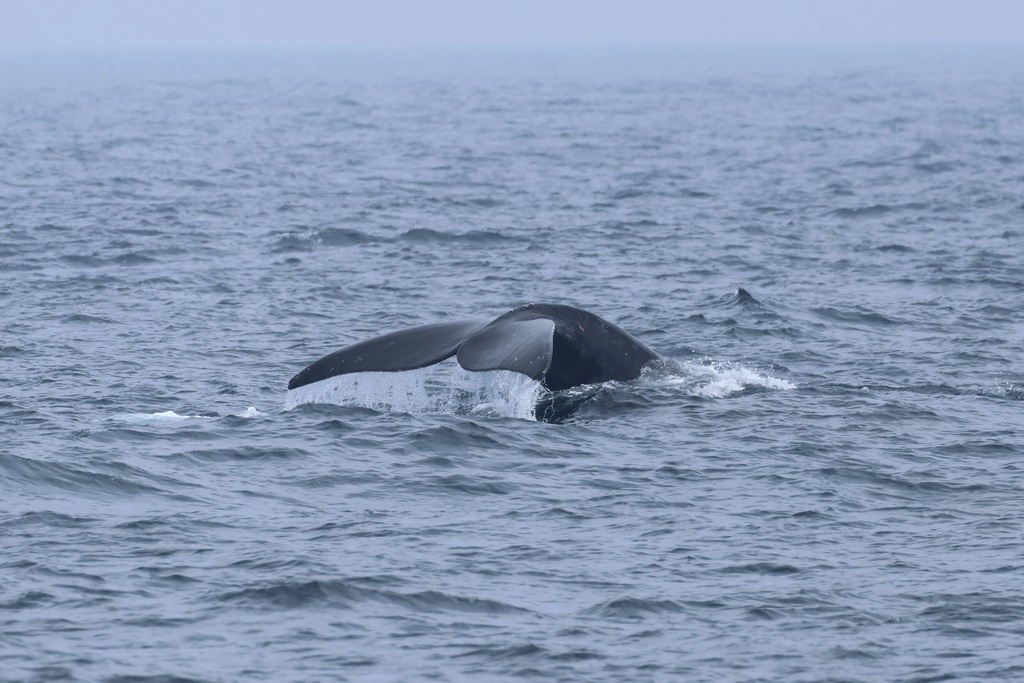
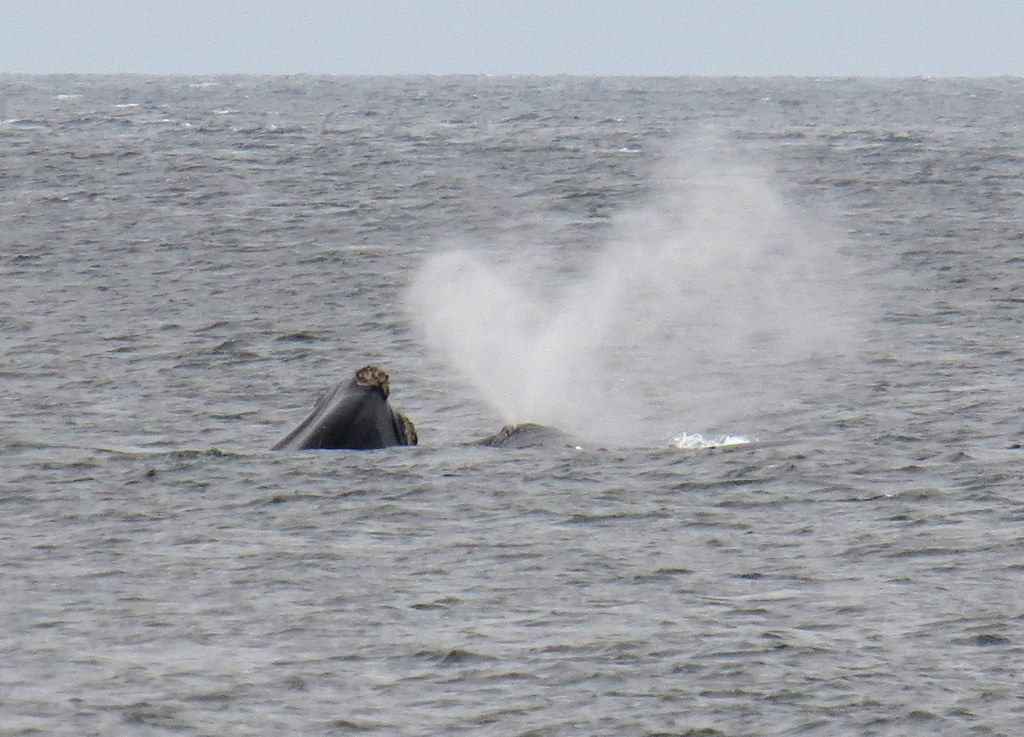
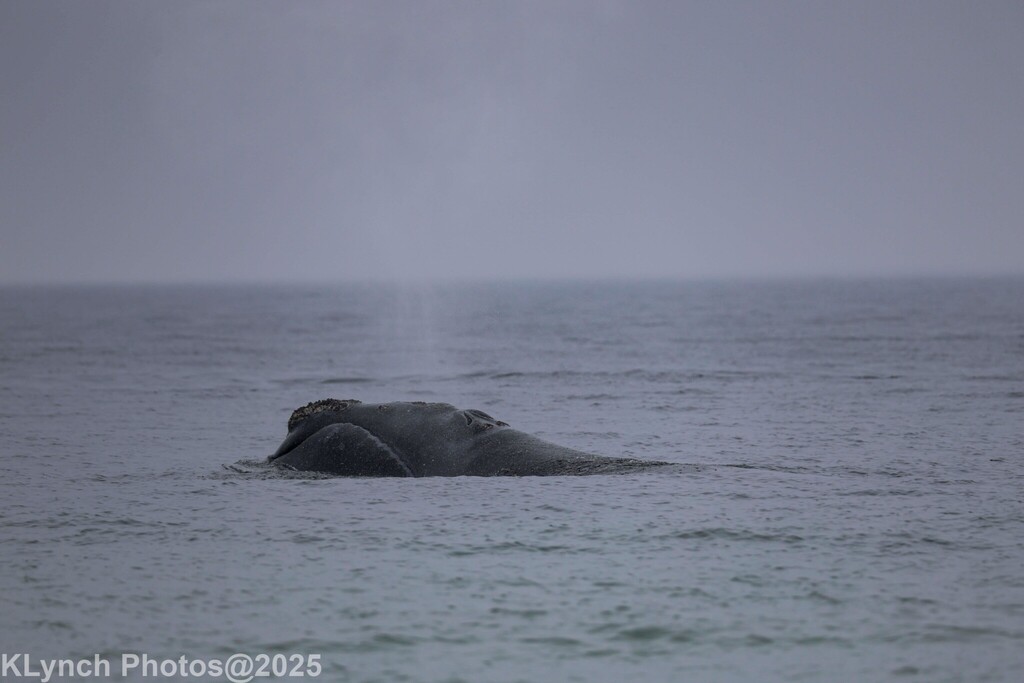
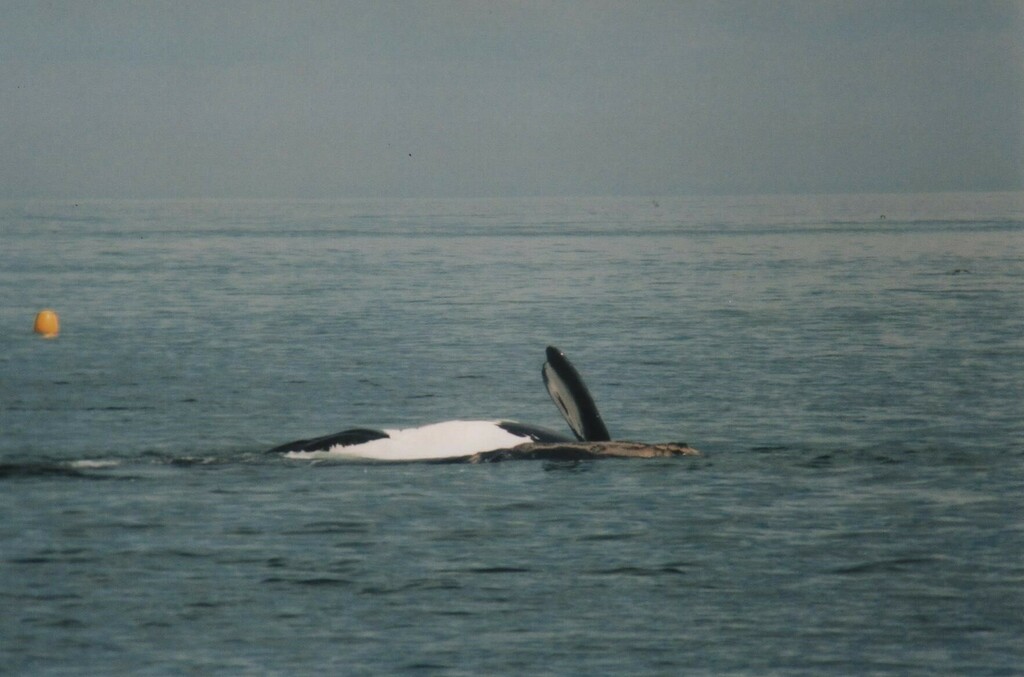
Photos show the species, not always the places on this page.
Length
Up to about 15.8 m (52 ft)
Weight
Up to about 63.5 tonnes (140,000 lb)
Next to a person
About 9 adults lying head to toe
What it eats
Tiny crustaceans called copepods.
Around people
Calm, give space
How it lives
North Atlantic right whales feed by swimming slowly through dense patches of copepods with their mouths open, straining them out through their baleen. They gather in 'surface-active groups' to mate and socialise. Mothers give birth off the south-eastern United States. Only about 380 remain.
Where it goes
They spend spring to autumn feeding off New England and in Canadian waters, such as the Gulf of Maine and the Bay of Fundy. Mothers travel to the south-eastern United States, from Florida to the Carolinas, to give birth.
Populations
There is one Critically Endangered population in the western North Atlantic, numbering only in the low hundreds. Females tend to use the same nursery areas as their mothers. The eastern North Atlantic population is effectively extinct. This is a separate species from the southern and North Pacific right whales.
Meet it respectfully
US federal law bans approaching or staying within 500 yards (457 m) of a right whale, and swimming with whales is not allowed in US waters. Ship strikes and entanglement in fishing gear are the main threats, so slow speeds and a wide berth are essential. We watch only from far away and never chase or block a whale.
Fun fact
Tap the bulb to light it up.
It is a separate species from the southern right whale and the North Pacific right whale.
Right whales in the eastern North Atlantic are effectively gone.
Mothers give birth off the south-eastern United States, from Florida to the Carolinas.
The rough white patches on its head are called callosities. They look white because whale lice cover them, and each whale's pattern is unique, like a fingerprint.
Source: NOAA Fisheries, North Atlantic right whale species page
Ear wax can tell a life story. From the ear wax of right whales that have died, scientists can work out how old they were.
Source: NOAA Fisheries, North Atlantic right whale species page
Follow its journey
Watch it travel. Every line comes from satellite tracking or documented research, and the source is named.
StartEndJourney (the line joins documented areas; real paths vary)
North Atlantic right whale in the Ocean Atlas
Places we have researched where this animal is recorded. It is never guaranteed, and some places are for watching from the boat only.
Travel with usComing soonTrusted referralExploringOn pause, story onlyEthics pass
Country colour: pink where we travel, blue where we are exploring or refer, grey for story only.
 Canada
 Ireland
 United Kingdom
 United States
Sources for this page
Facts checked 24 September 2026. Photos: Unsplash licence, or Creative Commons as shown on each photo.
Work in ocean travel?
We are always happy to hear from exceptional local operators, accommodation, conservation organisations and destination experts. If your work fits responsible, small-group ocean travel, we would love to learn more.
Partner with Ocean CallingShop with Ocean Calling
Visit the Ocean Calling storefront on Amazon.
As an Amazon Associate I earn from qualifying purchases. You are not only choosing products that respect the ocean, you are also helping us keep going: paying our local partners fairly and keeping our retreats ethical, sustainable and honestly priced for you. 💗