
Southern bottlenose whale
Hyperoodon planifrons
A deep-diving whale that spends most of its life far below the surface. Sightings are rare and never a promise.
Least Concern (IUCN) means it is not close to being threatened at present. The assessment year was not shown in the record I read.
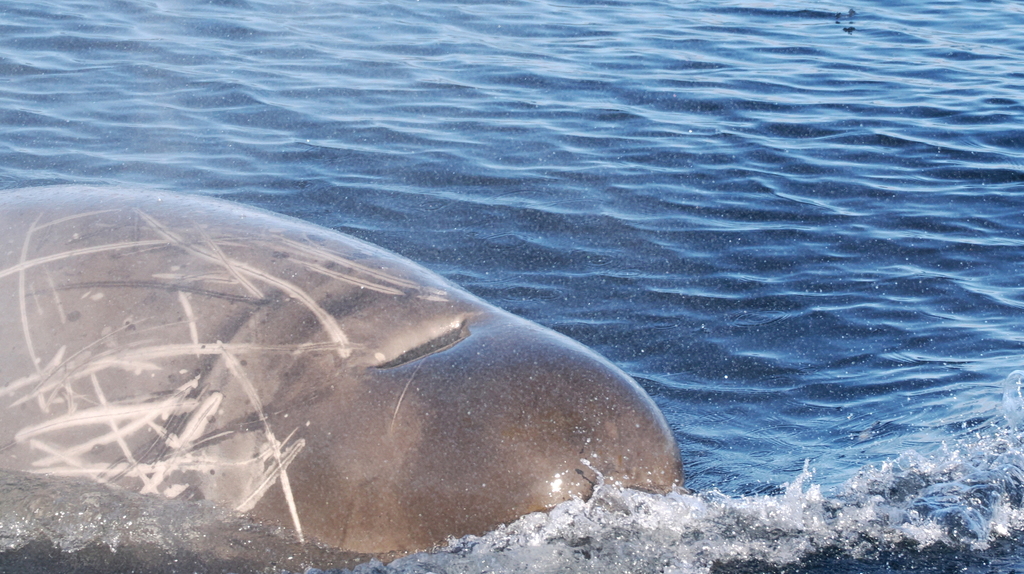
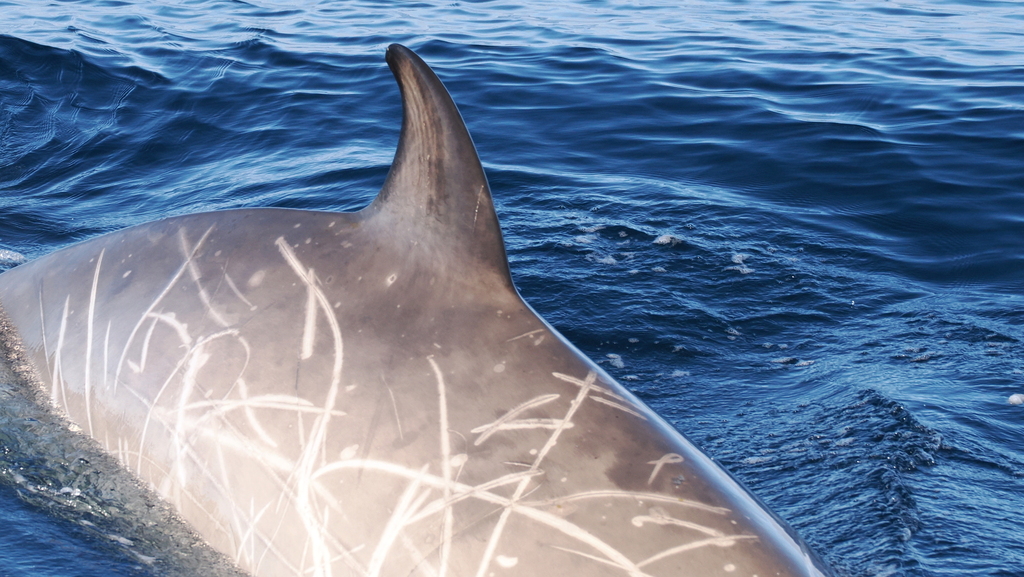
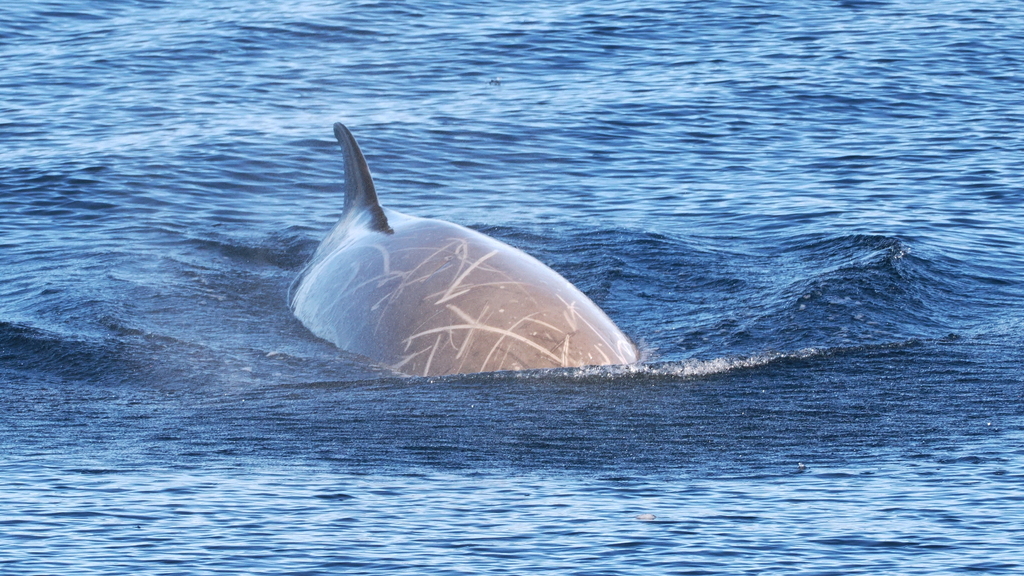
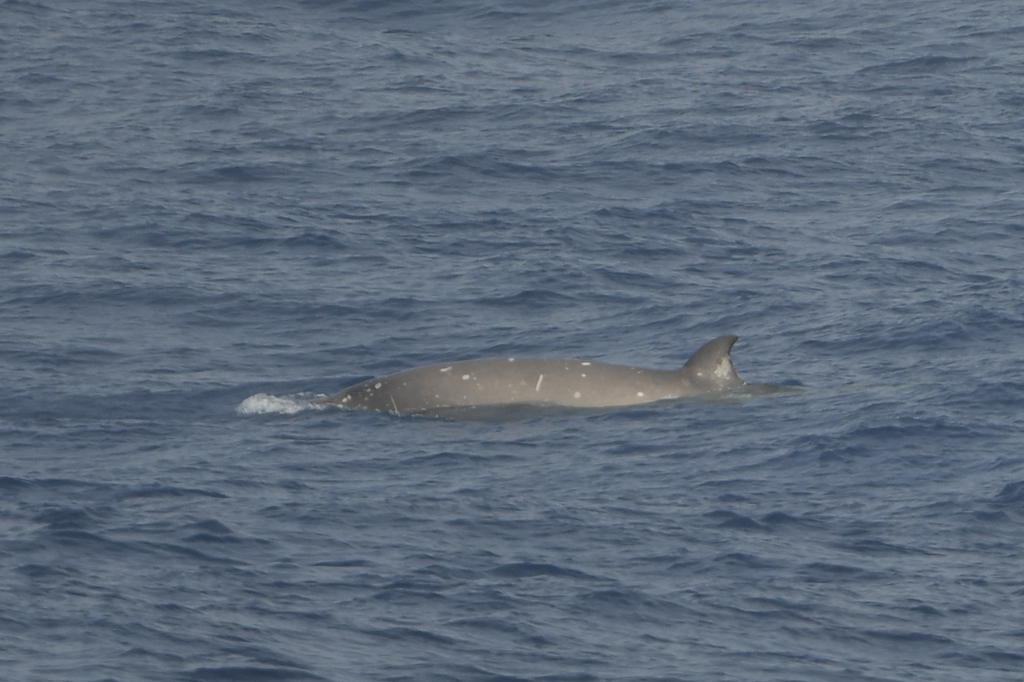
Photos show the species, not always the places on this page.
Length
Typically about 6 to 9 m (20 to 30 ft); males average about 7.5 m (24.6 ft) and females about 6.5 m (21.3 ft)
Weight
Estimated at about 6 to 8 tonnes (13,200 to 17,600 lb); this is an estimate, not a measured range
Next to a person
About four to five adults lying head to toe, and as heavy as roughly 80 to 100 adults
What it eats
Mainly squid, including several deep-sea species and juvenile colossal squid. It also takes some fish, such as Patagonian toothfish, plus krill and tunicates.
Around people
Calm, give space
How it lives
Dives are long. Reports give 15 to 40 minutes, up to 45 minutes, and in one source up to 60 minutes. After a deep dive it may blow every 30 to 40 seconds for 10 minutes or more. Groups are small, usually 2 to 12, and sometimes up to about 25. Gestation is thought to be about 12 months and calves about 3 m long at birth, but this is based on related species. Individuals have lived at least 37 years.
Where it goes
Southern bottlenose whales live in deep open water beyond the continental shelf, usually over 1,000 m deep and rarely in less than 200 m. They range from the Antarctic coast north to the tip of South Africa, New Zealand's North Island and southern Brazil, and are reported to approach Antarctic waters in summer. I did not find a clear migration route.
We only draw a journey on the map when scientists have tracked it or clearly documented it. For this animal we have not found one yet.
Populations
The global population is unknown. A 1995 study estimated about 599,300 beaked whales south of the Antarctic Convergence, mostly this species. In Antarctic waters it made up over 90 percent of beaked whale sightings. The IUCN record I read lists it as Least Concern. Whaling took some animals, including 42 by Japanese whalers and more by Soviet operations between 1970 and 1982, and the species is covered by the 1994 Southern Ocean Whale Sanctuary.
Meet it respectfully
Look for blows and backs from a boat and let the whales set the pace. Keep a steady, slow speed, never chase, surround or block them, and keep noise low. Stay clear after a long dive, because the whale needs time at the surface to breathe. Rules differ by place, so follow your guide.
Fun fact
Tap the bulb to light it up.
Dive times of 15 to 40 minutes have been recorded.
It feeds on squid, including juvenile colossal squid.
In Antarctic waters it made up over 90 percent of beaked whale sightings.
Southern bottlenose whale in the Ocean Atlas
Places we have researched where this animal is recorded. It is never guaranteed, and some places are for watching from the boat only.
Travel with usComing soonTrusted referralExploringOn pause, story onlyEthics pass
Country colour: pink where we travel, blue where we are exploring or refer, grey for story only.
 Antarctica
 Argentina
 Australia
Sources for this page
- Wikipedia, Southern bottlenose whale
- Animal Diversity Web, Hyperoodon planifrons
- MarineBio, Southern bottlenose whales
- GBIF, IUCN Red List category record
- Society for Marine Mammalogy, species list, April 2026
Facts checked 5 October 2026. Photos: Unsplash licence, or Creative Commons as shown on each photo.
Work in ocean travel?
We are always happy to hear from exceptional local operators, accommodation, conservation organisations and destination experts. If your work fits responsible, small-group ocean travel, we would love to learn more.
Partner with Ocean CallingNew: mobula rays in La Ventana, May 2027
CHF 2,720