
Weddell seal
Leptonychotes weddellii
A Weddell seal lying on the ice looks half asleep, and the ice, the weather and the seal decide how close anyone gets, so no sighting is ever a promise.
Least Concern (IUCN, 2015) means it is not at high risk of extinction worldwide today.
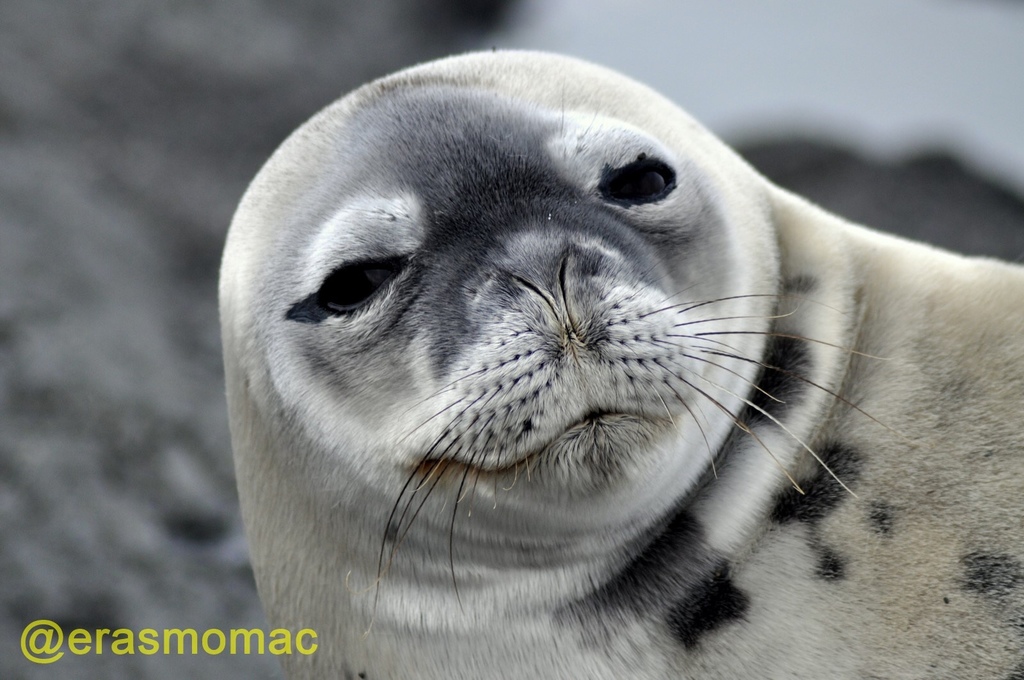
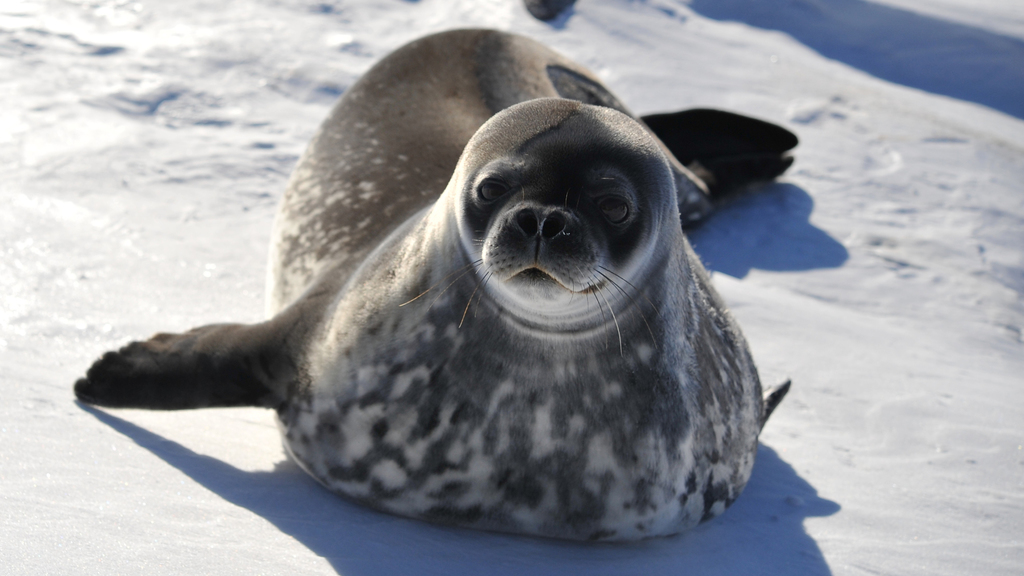
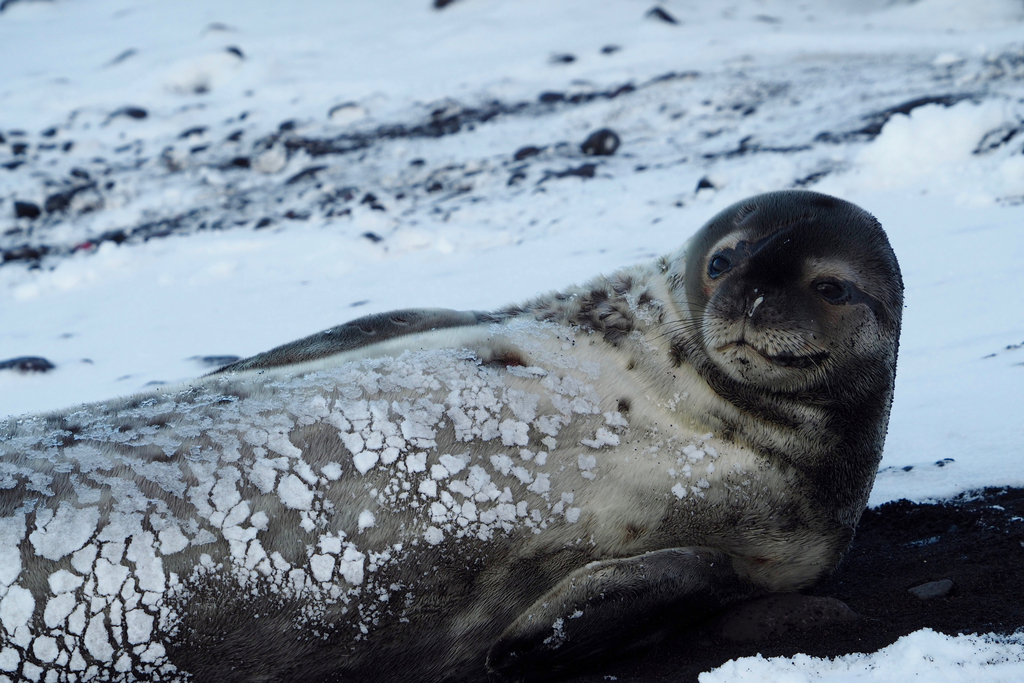
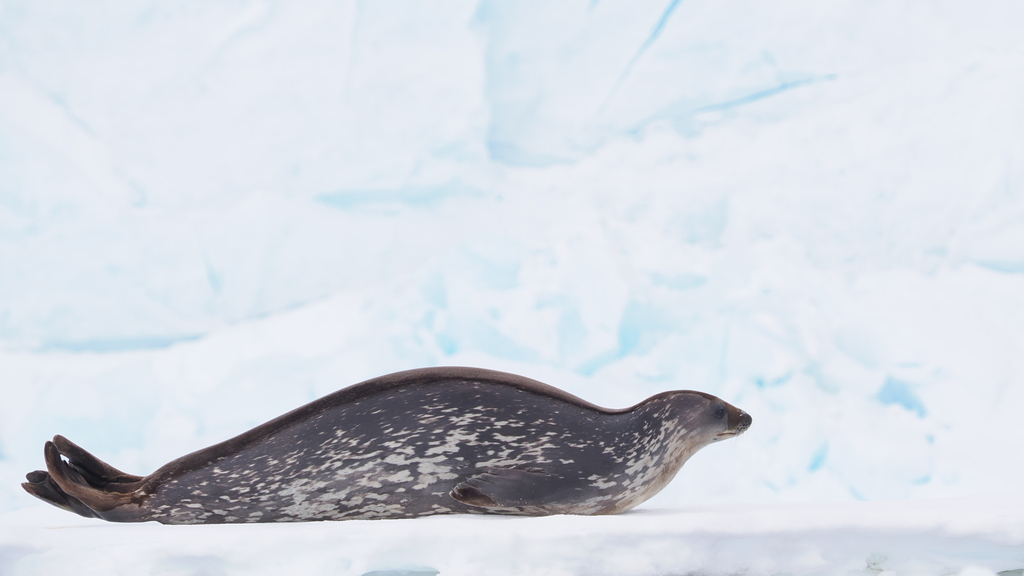
Photos show the species, not always the places on this page.
Length
About 2.5 to 3.5 m (8.2 to 11.5 ft); one source says about 3 m (9.8 ft)
Weight
About 400 to 600 kg (880 to 1,320 lb); another source gives 400 to 500 kg (880 to 1,100 lb). Sources differ on whether males or females are larger
Next to a person
About 1.5 to 2 times as long as an adult is tall, and as heavy as roughly five to eight adults
What it eats
Fish, squid, octopus and prawns, from mid-water and from the seabed. Antarctic cod and silverfish make up most of the diet in one source. One seal was seen catching a fish of more than 40 kg, and Antarctic toothfish of up to 54 kg are reported as prey.
Around people
Calm, give space
How it lives
One of the most southerly mammals, living around fast ice close to the Antarctic coast. Weddell seals are very capable divers. Reported dives reach about 600 to 720 m and last 45 minutes to an hour, depending on the source. They use their canine and incisor teeth to rasp open breathing holes in new ice, which wears the teeth down. Females have one pup a year, born between September and November depending on latitude. Pups weigh 25 to 30 kg at birth and are weaned at about six weeks. Maximum lifespan is estimated at least 25 years.
Where it goes
Weddell seals do not make long migrations. They stay near the fast ice that clings to the Antarctic coast and feed within about 15 to 20 km of it. In winter they stay in the water and keep breathing holes open in the ice.
We only draw a journey on the map when scientists have tracked it or clearly documented it. For this animal we have not found one yet.
Populations
A satellite study of 2011 images estimated about 200,000 adult female Weddell seals around Antarctica, much lower than the older figure of about 800,000. The lead researcher said the older estimate rested on many assumptions. In Victoria Land, one hotspot, numbers were reported to fall from nearly 2,000 in the 1970s to four in 2018 as fast ice disappeared. IUCN lists the species as Least Concern (2015). There are no named subspecies in the sources I opened, and I found no current trend for the whole population.
Meet it respectfully
Watch from a distance and let the seal choose. Never chase, touch, feed or bait it, and keep clear of mothers with pups and of any breathing hole in use. The Australian Antarctic Division's guidelines recommend at least 15 m from Weddell seals and more if the animal shows signs of disturbance. If you sit still, a seal may come closer on its own, and then you stay quiet until it moves away. Tour operator guidelines (IAATO) set a minimum of 5 m from wildlife on shore and no touching, so keep the larger distance. Follow your guide, and remember that ice, weather and sightings are never guaranteed.
Fun fact
Tap the bulb to light it up.
Weddell seals rasp open breathing holes in the ice with their teeth, which wears the teeth down over time.
Underwater they make high whistles, repeated chirps and slowly falling tones.
Adults can dive to about 600 to 720 m and stay under for 45 minutes to an hour.
Weddell seal in the Ocean Atlas
Places we have researched where this animal is recorded. It is never guaranteed, and some places are for watching from the boat only.
Travel with usComing soonTrusted referralExploringOn pause, story onlyEthics pass
Country colour: pink where we travel, blue where we are exploring or refer, grey for story only.
 Antarctica
Sources for this page
- Wikipedia, 2026
- Australian Antarctic Division, 2026
- University of Michigan, Animal Diversity Web
- Columbia Climate School, 2022
- GBIF, IUCN Red List category, 2026
- Australian Antarctic Division, Animal approach distances, 2026
- IAATO, 2026
Facts checked 5 October 2026. Photos: Unsplash licence, or Creative Commons as shown on each photo.
Work in ocean travel?
We are always happy to hear from exceptional local operators, accommodation, conservation organisations and destination experts. If your work fits responsible, small-group ocean travel, we would love to learn more.
Partner with Ocean Calling