
Solo Island Hopping: A Practical, Ethical Guide
The ferry leaves when the weather allows, not when the timetable says. A calm, practical guide to solo island hopping: ferries, packing light, staying safe, and moving at island time.
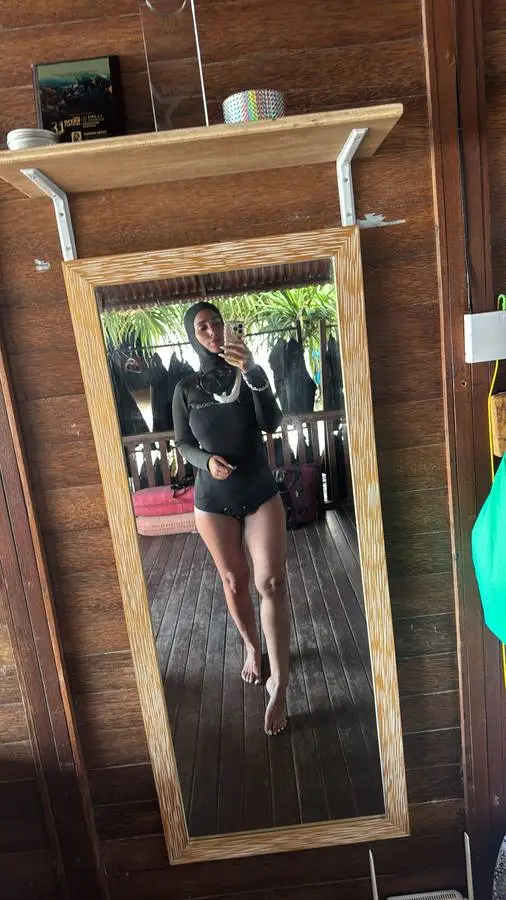
The timetable says nine. The sea says maybe eleven. You sit on your bag at the pier, watching the harbour wake up. That is solo island hopping: not only visiting several places in one trip, but moving between them on island time, where a ferry leaves when the weather allows it. Is it worth doing alone? For many people, yes. Done alone, that unpredictability stops being an inconvenience and becomes part of the rhythm. You stop trying to control the schedule and start moving with it.
Being alone and choosing to travel solo are not the same thing. One can feel accidental, the other is intentional. Made on purpose, that choice tends to sharpen attention rather than create isolation. Without a group itinerary to negotiate, most people notice more: the timing of the local boats, the mood of a harbour, what they actually want from a day rather than what was planned for them.
The UN Tourism definition of sustainable tourism is useful here: tourism that takes full account of its current and future economic, social and environmental impacts, while addressing the needs of visitors, the industry, the environment and host communities. Solo island hopping without hurry sits quite naturally inside that idea. There is more room to think about how you move, not only where.
A different rhythm
Island travel runs on its own logic. Ferries follow weather, tides and demand more than a printed schedule. Local life often follows daylight and community routine more than the clock. Travelling alone, it is far easier to adapt to that rhythm than to fight it.
That flexibility is often the best part of the trip. A morning that starts with a swim can turn into an unplanned boat crossing and end in a quiet harbour café, with nobody else's preferences to manage along the way. The goal stops being a perfect itinerary and becomes staying open to whatever the day offers.
The slower pace makes small details more vivid: the sound of a rope against a wooden pier, the colour of the water changing between islands, an afternoon with nothing to rush toward. These are usually the moments people remember afterwards, more than the islands themselves.
Confidence built in small, practical decisions
Confidence on solo trips rarely arrives in one big moment. It builds through repetition: choosing a place to sleep within walking distance of the ferry terminal, working out an unfamiliar dock on your own, changing plans when a crossing is cancelled for weather, deciding to stay an extra night somewhere that feels worth it.
Small, practical habits help too. A roll-top dry bag is worth having on inter-island crossings: spray and the odd soaked deck are part of island hopping, and it is a small thing that can save a passport or a phone from a bad afternoon. Packing light helps even more. A few packing cubes and a refillable water bottle make it easier to live out of one bag and to move quickly when a boat leaves earlier than expected.
None of this is about being fearless. It is closer to responding calmly when a plan shifts, and that grows through preparation as much as spontaneity. UK government travel advice puts it plainly: no foreign travel can be guaranteed as safe, and travellers carry personal responsibility for their own trips. It also recommends travel insurance that covers your itinerary, your planned activities and emergency costs, which matters more than people think when your plan includes boats and water. That is not a reason to stay home. It is a reminder that freedom moves more easily on a practical foundation.
The quiet of moving alone
Group travel is often joyful, but it can also fill every hour with conversation. Solo travel leaves space for a kind of quiet that is getting rare: a ferry ride between islands, a long beach walk, an early swim before a crossing. These become moments to sit with, not moments to fill.
That quiet changes what you notice. Without the need to narrate or compare an experience in real time, you take it in more privately. A sunset stops being only something to photograph and becomes something to simply watch. If that kind of attention interests you, it is close to what we explore in what a mindful ocean experience actually feels like.
In many island places the sea is not scenery. It is transport, livelihood and daily rhythm for the people who live there. Moving through slowly, instead of rushing between checklist stops, makes that relationship easier to see, and easier to respect.
Is solo island hopping safe?
Safety deserves a realistic answer, not a reassuring one. Travelling alone does not remove risk, but it often sharpens awareness. Without a group to lean on for conversation or logistics, most people simply pay closer attention to where they are.
Preparation turns that awareness into something useful. Knowing roughly how you will move between islands, when transport tends to run, where you sleep on arrival and how you will get in touch if plans change takes away a lot of unnecessary stress. Sharing your route with someone at home costs nothing and adds real peace of mind without giving up independence. It is a simple habit many solo travellers rely on.
Travelling solo can also make boundaries clearer. Saying no is simpler when it does not need a group's agreement first. If something feels off, leaving does not need consensus. Over time, telling plain unfamiliarity apart from real discomfort gets easier, a skill that carries well beyond travel.
Freedom that supports gentler choices
Moving independently makes lower-impact choices easier by default. Solo travellers are often better placed to take the slower boat when there is time, stay longer in one place instead of ticking off islands, and support small local operators rather than the biggest one around. None of this is a rule. It is simply what tends to happen when nobody else's timetable needs to fit.
That matters most around wildlife. Marine encounters can be truly memorable, but they ask for restraint. Wildlife-viewing guidance from bodies like NOAA is consistent: close approach and physical contact with marine animals can cause stress and disrupt natural behaviour, which is why keeping a respectful distance and never chasing, touching or feeding animals matters more than getting close. Good local guides know this well, which is one reason it is worth going out with vetted local operators rather than whoever is cheapest at the dock. Sightings of any kind are never guaranteed, and a guide who treats them that way is usually the right one to trust.
Without the pressure to fill every day, it also becomes easier to choose one respectful encounter over several rushed ones, and a long conversation with a local guide over a full schedule of activities. That is close to how we try to work at Ocean Calling: intentional and small-scale, learning as we go rather than claiming to have it perfect.
Connection without constant company
A common assumption is that solo travel means loneliness. Most people find the opposite. Being alone makes conversation feel more natural, not less: a chat at a harbour café, a tip from a guesthouse owner, an exchange on a shared boat crossing often lands more directly without a group around it.
At the same time, solitude stays available whenever you want it. That balance is a big part of what makes solo island hopping appealing: connection without obligation. If a question comes up mid-trip, our planning page covers the practical ones.
It is not about proving anything
The healthiest version of solo travel is not a performance. It is not about proving bravery or forcing constant growth. Usually it is much simpler: getting comfortable making decisions at your own pace, noticing where you feel calm and curious, and learning that unstructured time can be valuable without being filled.
For many travellers, the real discovery on a trip like this is not a remote crossing or a hidden beach. It is the quiet realisation that their own company is enough. Once that feels familiar, travel tends to feel less intimidating and much more open.
A calmer way to move through islands
Solo island hopping builds confidence slowly, without pressure, through many small acts of finding your way, paying attention and trusting yourself. It leaves room for reflection, rewards flexibility, and tends to encourage a more respectful relationship with the places it takes you through.
For anyone drawn to the ocean, that slower, more attentive way of moving between islands is worth choosing on its own terms. Not because it is flawless, but because it asks you to pay closer attention along the way.
Questions people ask
What is solo island hopping?
Travelling independently between islands, usually by ferry or local boat, on your own schedule rather than a fixed group itinerary. It tends to suit travellers who want flexibility and a closer connection to place.
Is solo island hopping safe?
It can be, with preparation. UK government advice is clear that no foreign travel can be guaranteed as safe, and recommends insurance that covers your itinerary, activities and emergencies. Research transport, accommodation and current travel advice for your destination before you go.
What should I pack for island ferries?
Keep it light and keep valuables dry: one bag you can carry yourself, a dry bag for passport and phone, and a refillable bottle. Ferries can be wet, and schedules change with the weather.
What does sustainable tourism actually mean?
UN Tourism defines it as tourism that takes full account of its current and future economic, social and environmental impacts, addressing the needs of visitors, the industry, the environment and host communities.
How can solo travellers be more responsible around marine wildlife?
Go out with operators who keep a respectful distance, never chase or touch animals, and are honest that sightings are never guaranteed. NOAA guidance is consistent that close approach and contact can stress marine animals.
Who does this kind of travel suit best?
People who value independence, a slower pace and real experience over a packed schedule, and who are happy with both a quiet ferry ride and an unplanned conversation at a harbour café.
If this made you curious about meeting the ocean this way, you can explore our upcoming retreats.
Wildlife encounters are never guaranteed and never forced. Ocean Calling works only with vetted, ethical local operators, and every animal is free to approach, or not, entirely on its own terms.
Sources & further reading
- United Nations, Department of Economic and Social Affairs. Sustainable tourism (UN Tourism definition).
- UK Foreign, Commonwealth & Development Office. Foreign travel advice guide.
- NOAA Fisheries. Marine life viewing guidelines: guidelines and distances.
Further reading on Ocean Calling: More from the journal · Wildlife & the law · See the retreats · Ocean Atlas
Find the retreat that fits you
Small groups of up to six guests, unhurried days and local experts. Tell us how you feel in the water and we will point you to the right trip.