
Solo Travel Destination Guide: How to Choose Your Island
How to choose a solo travel destination that fits your pace and comfort, with five real islands compared along the way.
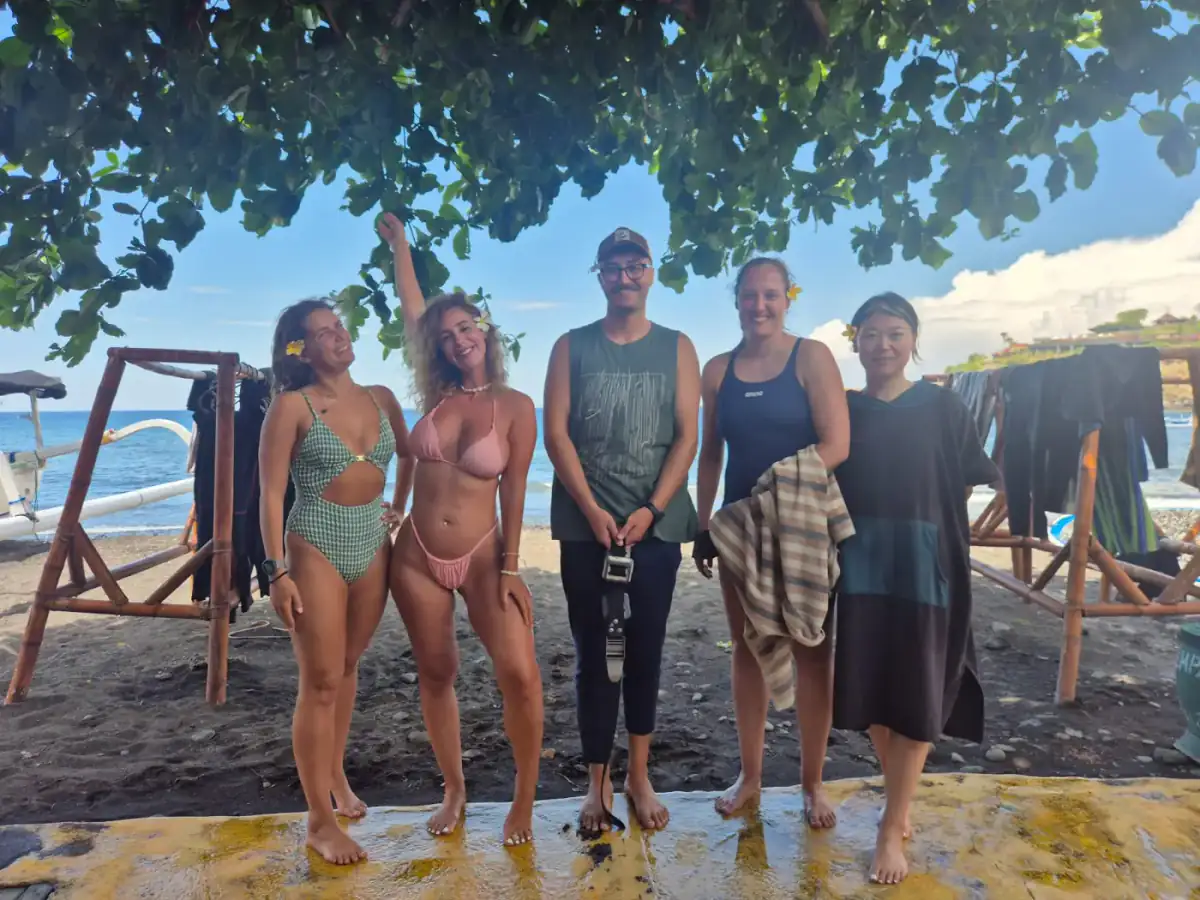
Solo travel starts long before the plane ticket. Picture two people landing on the same evening. One steps into a busy capital and feels alive. The other feels like the noise is swallowing her. Same courage, different match. Where you go quietly decides how the whole trip feels: not only what you see, but how much you have to think, negotiate and work out on your own.
So this solo travel destination guide begins with one simple idea. The right destination is the one that matches how you actually like to move through a place. A busy city and a quiet fishing village ask very different things of a solo traveller, and neither is the "right" answer. Matching yourself to a place is less about bravery and more about honesty.
Start with how you like to move, not how you think you should
Before you compare places, be honest about what makes travel feel good to you, not what sounds impressive. Some people do best with structure: clear transport times, a full day planned, something to tick off. Others need open space in the day and feel frustrated the moment it gets over-organised.
Neither instinct is wrong. But travelling against it creates a low, constant friction that is easy to misread as "this place is not for me", when really it is a mismatch of pace. A few honest questions before you book can save a lot of second-guessing later:
- Do I feel steadier with a full plan, or with only the first two days decided?
- Am I looking for quiet, or for easy conversation with other travellers?
- Do I want one base for a week, or somewhere I can hop between islands?
- How much do I want to organise myself, and how much would I rather hand to someone else?
There is no wrong answer here. Just clarity you will thank yourself for later.
Comparing solo travel destinations honestly
Ocean Calling has trips in a handful of island places: a hosted retreat in Moʻorea, and referral trips with trusted local teams in Bali, the Gili Islands, Coron and Moalboal. So it makes sense to be specific instead of abstract. These are short sketches, not full guides, and transport details change, so check them before you travel.
Moʻorea, French Polynesia is a small volcanic island next to Tahiti. Ferries from Papeete take about 30 minutes, according to Tahiti Tourisme, and several operators run the crossing. It suits a solo traveller who wants one calm base, with mountains on one side and a lagoon on the other, more than a lot of moving around. It rewards slowness more than exploring.
Bali, Indonesia is a big, well-known island with a lot of tourism infrastructure. That makes it an easier landing for a first solo trip: more transport options, more people doing what you are doing, more flexibility if plans change. The other side is that some areas are busy, so the part of Bali you choose matters as much as the island itself.
The Gili Islands, off Lombok, have no cars or motorbikes for getting around. People walk, cycle or ride in a cidomo, a small horse-drawn cart. That limit is exactly what some solo travellers want: a smaller world, on purpose, for a few days. If animal welfare matters to you, read about how the cidomo horses are treated and choose to walk or cycle when you can.
Coron, Palawan, in the Philippines, is known for the Japanese ships sunk in a US air raid on 24 September 1944. Many of the wrecks lie at roughly 10 to 30 metres, within recreational limits, while a few sit deeper, around 36 to 45 metres. Coron often suits a more purposeful solo traveller, someone coming for a skill, a course or a certain kind of diving, with the day already built around it. We write about visiting those wrecks with care in Coron's WWII wrecks and reverence.
Moalboal, Cebu is a small, quieter place built around the reef. Its best-known sight is the huge sardine school just off Panagsama Beach, which travel writers say you can often reach by swimming from shore. Lonely Planet notes that nobody is quite sure why the sardines settled there, and they have moved over the years, so it is never a promise. Moalboal fits if you want very little to plan.
None of these is "the best" solo destination. They ask different things of you, and that is exactly why it helps to compare them before you book, not after.
How do you stay safe on your first solo trip?
Safety comes from preparation, not luck. Wherever you choose, the same basics make the first day easier: knowing your route from the airport, having your accommodation address saved offline, and a rough idea of transport that does not depend on perfect signal. Simple, boring things, but they are the difference between a shaky first afternoon and a smooth one.
On islands, a lot of travel happens on small boats, so practical kit matters. A roll-top dry bag keeps your phone, passport and cash dry on a wet transfer, and a simple tropical travel kit with packing cubes and a refillable water bottle makes moving between places less chaotic. It is a small thing, but it removes one worry while you are still finding your feet somewhere new.
It also helps to tell someone at home where you will be, keep a copy of important documents apart from the originals, and check your government's travel advice for the country before you go. Once the basics are handled, most of what people worry about in advance matters much less when they are actually there.
Travelling solo, lightly: the ethical layer
Choosing a destination is also choosing who your money supports and what your visit asks of a place. Small islands often have limited water, waste systems and space. Travelling slowly, staying longer in one base and choosing locally owned guesthouses and operators spreads the benefit and eases the strain. We are honest that flying has a real environmental cost, and fewer, longer trips are usually kinder than many short ones.
The same thinking applies in the water. Wherever you go, choose operators who keep groups small and never chase, touch or feed wildlife. Our piece on island tourism and sustainability goes deeper into what this looks like on the ground.
Confidence builds in small steps, not one leap
Nobody arrives fully at ease in an unfamiliar place, and that is fine. Confidence on a solo trip grows the same way everywhere: a first walk around the block, a first right bus, a first meal ordered without hesitating. Small, unremarkable wins that add up faster than you expect.
A few things help that along, wherever you land:
- Learning a handful of local phrases, even just hello and thank you
- Booking one guided activity for your first full day, so you are not improvising everything at once
- Staying somewhere central enough that getting back "home" never feels complicated
If you would rather move between several islands than settle in one base, our guide to solo island hopping covers the logistics in more detail. This one is really about choosing where to start.
The destination is a starting point, not a test
Choosing well does not mean choosing perfectly. It means picking somewhere that fits how you travel today, knowing that may look different next year. Our hosted retreats are built around small groups of no more than six guests, partly because it is easier to feel steady somewhere new when the pace is human-sized, and every guest can skip any activity. If you are weighing a guided trip against a fully independent one, our planning page answers the questions we hear most.
Wherever you land, the map feels a little less intimidating once you realise you chose it on purpose. If this made you curious about travelling solo but not alone, you can explore our retreats.
Questions people ask
How do I choose a solo travel destination?
Start with your pace. Do you want structure or open days, quiet or social, one base or several stops? Then pick a place that matches, not the one that sounds most impressive.
Is Bali good for a first solo trip?
It can be. Bali has a lot of tourism infrastructure and transport options, which makes it easier to change plans. Some areas are busy, so choose the part of the island that fits your pace.
Are there cars on the Gili Islands?
No cars or motorbikes are used for getting around. People walk, cycle or use horse-drawn carts called cidomos. The rules change, for example on e-bikes, so check locally.
How long is the ferry from Tahiti to Moʻorea?
Tahiti Tourisme gives about 30 minutes from Papeete, with several operators. Check schedules before you travel.
Can I see the Moalboal sardines without a boat?
Travel writers describe the sardine school as close to Panagsama Beach and reachable from shore, but it has moved over the years and is never guaranteed.
Wildlife encounters are never guaranteed and never forced. Ocean Calling works only with vetted, ethical local operators, and every animal is free to approach, or not, entirely on its own terms.
Sources & further reading
- Wikipedia. Gili Islands (cidomo transport).
- Indonesia Travel, Ministry of Tourism of Indonesia. Gili Trawangan.
- BASK Gili Meno. Cidomos on Gili Meno: are they ethical?
- Scubatech Philippines. The shipwrecks of Coron, Philippines.
- The National. Japanese ships, casualties of war, make for fascinating dives.
- Rome2Rio. Ferry and car ferry options to Moorea (schedules and durations).
- Johnny Jet. The island of Moorea (fast ferry from Papeete).
- Lonely Planet. The sardine run in Moalboal, Philippines.
- The Manduls. Moalboal sardine run at Panagsama Beach.
- Tahiti Tourisme. Island hopping: getting from island to island (ferry Tahiti to Moorea about 30 minutes)
- Bupati Lombok Utara, 2024. Peraturan Bupati Lombok Utara Nomor 1 Tahun 2024, second amendment of Perbup Nomor 27 Tahun 2011 on non-motorised passenger transport in Gili Matra (Meno, Air, Trawangan). JDIH BPK
Further reading on Ocean Calling: More from the journal · Wildlife & the law · See the retreats · Ocean Atlas
Find the retreat that fits you
Small groups of up to six guests, unhurried days and local experts. Tell us how you feel in the water and we will point you to the right trip.