
WWII Wreck Diving in Coron: What Reverence Looks Like
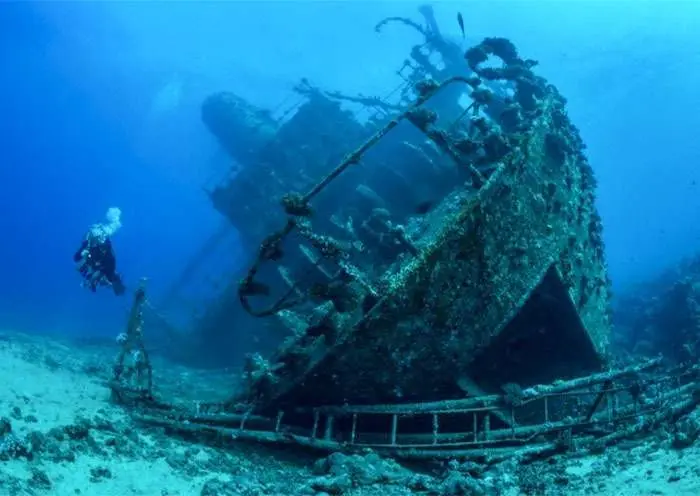
Imagine floating above a hull in clear, warm water. Hard corals cover the metal, small fish slip in and out of the shadows, and the light makes it all look like a garden. It is beautiful. It is also a place of war, and the dive asks us to hold both truths at once.
So how do you dive a WWII wreck in Coron with respect? It comes down to a few quiet habits. Look, and do not touch. Take nothing home. Stay outside the wreck unless you are trained and guided. Keep your buoyancy calm so you do not kick up silt. And learn the history before you descend, because these ships went down in a war, and some of them had people on board.
Most people come to Coron, in the north of Palawan in the Philippines, for the colour and the calm. That is fine. The first time you see one of these wrecks, you probably notice the light first. Beams fall through open hatches. Soft corals have taken the rails. Then the guide points to a davit, a gun mount, a hold that once carried fuel or men, and the mood changes. Before we go down, it helps to know where this garden came from.
What happened in Coron Bay on 24 September 1944
The Coron wrecks come from a single day. Some time before, heavy American air strikes on shipping in Manila Bay had sunk 15 ships, and the Japanese moved their remaining vessels to quieter anchorages. Coron Bay, 12 to 16 hours by sea from Manila, was chosen as a refuge because people thought it lay beyond the range of American aircraft.
It did not. On 24 September 1944, aircraft from US Navy carriers attacked the Japanese supply fleet in the bay. Divernet describes a raid by 96 Hellcat fighters and 24 Helldiver dive bombers against a fleet of up to 24 ships.
How many ships actually sank is less clear. One source names nine that day, others say ten, and dive operators usually speak of about a dozen wrecks. Among the names you will hear are the Akitsushima, the Irako, the Olympia Maru and the Okikawa Maru. Some wrecks still have no confirmed name at all. I think the honest thing is to not quote a single number with confidence.
These were not empty ships. For the Okikawa Maru alone, Divernet notes reports that three gunners and five or six sailors were killed in the attack. I did not find a reliable figure for the whole day, so I will not offer one. It is easy to forget all this when the water is warm and the hull is full of colour. It is worth remembering it, quietly, before we go down.
What a wreck is now: steel, coral and memory
Over eighty years, steel has become habitat. Fish shelter in doorways, and corals settle on rails and masts. The wreck is a reef with a human past, and that past does not get lighter because the colours are pretty.
Most of the Coron wrecks lie between about 14 and 46 metres. Two are gentler places to begin. The Lusong Gunboat is small and shallow, with a maximum depth of 11 metres according to PADI, and its stern breaks the surface at low tide, so snorkellers and freedivers can enjoy it too. The Terukaze Maru lies at about 5 to 20 metres, a depth that suits beginners.
PADI describes the Lusong as “either a gunboat or submarine hunter”, now nicely covered in hard corals and home to many fish. I like the honesty in that. Even the kind of vessel is uncertain, and I would rather say so than fill the silence with a dramatic story nobody can confirm. A wreck does not need an invented history to deserve respect.
This variety is part of why Coron is so popular, and popularity is also the risk. Every kick of a fin and every hand on a rail wears at something that cannot be replaced.
Are the Coron wrecks war graves?
Here I want to be honest about what I do not know. In some countries, certain wartime wrecks are protected by law as war graves. I searched Philippine heritage law and the National Museum of the Philippines, and I did not find an official document that says how the Coron wrecks are classified. I also could not confirm what lies inside any particular ship.
So I follow a simple rule. If I am not sure, I behave as if people are still there, because they may be. The international principles for underwater heritage help here, even for wrecks they do not yet cover. The UNESCO Convention says heritage should first be preserved where it lies, should not be used for commercial gain, and that all human remains at sea deserve proper respect. It also welcomes careful, non-intrusive visits, so people can look and learn.
In simple words: visiting is welcome. Taking, moving or disturbing is not. I could not find the current rules, permits or fees in an official text, so please check them with the Municipality of Coron or the National Museum of the Philippines, and ask your local operator, before you travel.
How do you dive a WWII wreck with respect?
Reverence does not start with solemn words. It starts with small choices underwater, and with a good briefing before you get wet. UNESCO’s code of ethics for divers is short and worth reading once. Leave wrecks untouched, because an object moved without being recorded loses its story. Take no souvenirs. A camera is not a licence to move anything, and many objects are fragile. Never dive alone, and dive with a professional guide when you can.
In practice that means no tiles, bottles or china in your pocket. No sitting on the rail for a photo. No kicking inside a hold just because your torch can reach it. Good wreck diving is buoyancy, a line, a plan and a quiet exit. Removing objects may be illegal where you are, and it breaks the site for everyone who comes after you.
A simple, small camera is enough. I keep mine on a short strap at my wrist, so my hands stay close to my body and away from the hull, and I leave the strobe off near silt. Stirring the bottom does not make a better picture. It makes the next team swim in dust and can hide the very thing you came to see. Our piece on why we leave the flash off explains more.
Going inside: only with training
Entering a wreck is a technical skill. Only go inside if you are trained for it, your guide agrees, and the site is stable. Many beautiful wreck dives never go inside, and a good guide will say so without any embarrassment. If you ask whether penetration is allowed and the answer is a shrug, stay outside. Silt, low light and narrow passages are a poor mix with nerves.
On a freedive, we stay outside
On a single breath, care has one more meaning. We do not enter a hull, ever. That is a line we do not cross. Keep a trained buddy at the surface, follow the one-up, one-down rule, and never freedive alone.
The reef on the steel
The living reef that now covers the metal is part of what you protect. Hover above the structure instead of resting on it, keep your fins off the coral and your hands to yourself, and never anchor on a wreck or a reef. Ask how the operator moors the boat. Our guides to what happens when anchors drop in the wrong spot and to Coron reef conservation for visitors show what careful operators do.
A small thing, but it matters on a long boat day in the sun: a roll-top dry bag keeps a phone, a towel and a jacket dry, and a calm diver makes better choices. Coron is also far from most of us, and that travel has a cost, so it is worth staying long enough to dive slowly and thoughtfully.
How to choose a guide for a Coron wreck dive
Choose a guide who tells the history with care and without invention, not only the maximum depth. Ask how many divers share the site, how long the group stays, and what the plan is if the visibility drops. A good guide talks about the ship by name, briefs you before you enter, keeps the group small, and says clearly what is allowed and what is not.
And if the story of the place moves you, let it. A quiet moment at the surface before you descend is a small thing to give. We treat wrecks as places we pass through, not places we consume, and the fish will still be there if we leave the rust alone.
If this made you curious to see Coron for yourself, we can connect you with a vetted local team through Ocean Match, and you book with them directly. There is a Coron scuba trip and a Coron freediving trip. Just message me on WhatsApp or at hello@oceancallingretreats.com and we can talk it through.
Questions people ask
When were the Coron wrecks sunk?
The best-known wrecks were sunk on 24 September 1944, when US Navy carrier aircraft attacked a Japanese supply fleet anchored in Coron Bay, after earlier strikes on Manila Bay. Sources disagree on how many ships were lost.
How deep are the Coron wrecks?
Most lie between about 14 and 46 metres. The Terukaze Maru lies at about 5 to 20 metres, which suits beginners.
How deep is Lusong Gunboat?
PADI gives a maximum depth of 11 m, and the stern breaks the surface at low tide. That makes it possible for snorkellers and freedivers as well as scuba divers.
Can I go inside the wreck?
Only if you are trained for wreck penetration, the guide agrees, and the site is stable. Many beautiful wreck dives never go inside.
Can I enter the wrecks while freediving?
We do not. Entering a wreck on a single breath adds serious risk, and staying outside also protects the structure and the reef growing on it.
Are Coron wrecks graves?
I could not confirm how the Philippines classifies them, or what lies in any particular ship. Some wartime wrecks elsewhere are protected as war graves. People may have died here, so dive as if they did.
Can I take a small object home as a souvenir?
No. UNESCO’s code of ethics asks divers not to take any object from a wreck and not to disturb the site. Removing objects may also be illegal, and it takes something from a place that may be a grave.
Do I need special rules or permits to dive Coron wrecks?
I could not find the current permits, fees or site rules in an official text. Check them with the local authority in Coron and ask your operator before you travel.
Wrecks and the reefs that grow on them are fragile, and sea conditions change from day to day. Wildlife encounters are never guaranteed and never forced. Ocean Calling works only with vetted, ethical local operators, and every visit follows the local guide’s briefing and leaves the site as we found it.
Sources & further reading
- Historical background to the 24th September 1944 attack on Japanese ships, Coron Bay, Busuanga Island, Palawan (coronwrecks.com).
- Narrative of US Navy aerial attack on Japanese ships on 24 September 1944 in Coron Bay (coronwrecks.com).
- Divernet, 2016. Attack on Coron Bay.
- PADI. Lusong Gunboat dive site.
- UNESCO, 2001. Convention on the Protection of the Underwater Cultural Heritage.
- UNESCO. Code of Ethics for Diving on Submerged Archaeological Sites.
- Chimiak, J. and Valdivia-Valdivia, J., 2023. Freediving risk assessments. Alert Diver, Divers Alert Network.
- Wikipedia. Coron Bay (general background; check against the sources it cites).
- Mymola. Scuba diving in the WWII wrecks of Coron, Philippines (dive operator source, depths and sites).
- Scuba Tech Philippines. The shipwrecks of Coron (dive operator source).
Further reading on Ocean Calling: Philippines in the Ocean Atlas · Why we leave the flash off · Freediving Coron’s lakes as a guest on Tagbanwa land · Reverence at the Coron WWII wrecks
Freediving certification in Coron: Barracuda Lake, WWII wrecks and dugongs
Freediving certification · Coron, Palawan, Philippines
A lake, a wreck and a quiet day in dugong waters. Coron is where we dive wrecks, a lake and dugong waters, always without promising a sighting.
Explore in the Ocean Atlas
Places in this article