
Orkney Pilot Whale Stranding 2025: What the Response Teaches
A beach on a small island, a row of dark bodies on the sand, and people who want so badly to help. A stranding is painful to witness. It is also a complicated event, where animal welfare, safety, science and the people who live nearby all meet.
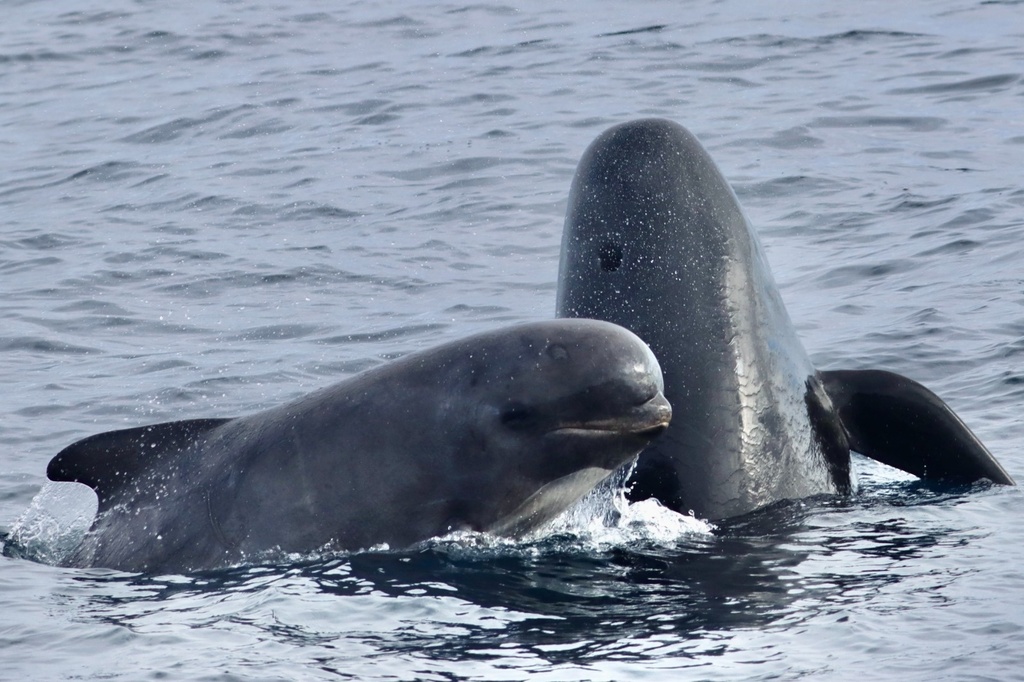
In August 2025, a group of pilot whales stranded on Roo Beach on Sanday, Orkney. Orkney Islands Council explained why the whales were left where they were. Public-health advice was given, and specialist agencies were involved.
Why do pilot whales strand?
Pilot whales are social and often travel in groups. When one animal becomes sick or disoriented, the others may stay close. This can contribute to a mass stranding.
But no single explanation fits every event. Investigators may look at health, environmental conditions, navigation, social behaviour and other factors.
The public announcement about Sanday described the response and why officials chose not to move the animals. That is more reliable than guessing from a photograph or a viral post.
Why leave stranded whales in place?
Moving large whales can be dangerous, both for the animals and for the people trying to help. Sometimes responders decide that moving or refloating them is not safe, practical or likely to work. Decomposition also creates health risks for the local community.
The council pointed residents to guidance from the Scottish Marine Animal Strandings Scheme and NHS Orkney.
If you find a stranded marine mammal, keep well back and keep dogs away. Contact the right local authority or stranding network. Do not touch or try to move the animal. Wildlife encounters are unpredictable. Any response to a stranding should always follow local regulations and experienced professional guidance.
What happens to the information?
Stranding reports support science. They help agencies understand patterns over time. A good response balances collecting data with animal welfare, community safety and respect for the place.
This story is not a wildlife spectacle. It is a reminder that wild animals sometimes need space, even at the end.
For more about the marine life of the region, see our UK ocean guide. Sometimes the most helpful thing a visitor can do is step back and let the trained response begin.
Questions people ask
What happened at Roo Beach, Sanday?
In August 2025, a group of pilot whales stranded there. Orkney Islands Council explained why the whales were left in place, with public-health advice and specialist agencies involved.
Why are stranded whales sometimes not moved?
Moving large whales can be dangerous for the animals and the people helping. Responders may decide that moving or refloating them is not safe, practical or likely to work.
What should I do if I find a stranded marine mammal?
Keep well back, keep dogs away and contact the right local authority or stranding network. Do not touch or try to move the animal.
Wildlife encounters are never guaranteed and never forced. Ocean Calling works only with vetted, ethical local operators, and every animal is free to approach, or not, entirely on its own terms.
Sources & further reading
- Orkney Islands Council. Pilot whale stranding at Roo Beach, Sanday (15 August 2025).
- Scottish Marine Animal Strandings Scheme.
Further reading on Ocean Calling: Why pilot whale strandings keep making headlines · Pilot whale facts · United Kingdom in the Ocean Atlas
Swim with humpback whales in Moʻorea: an ethical whale retreat
Whale encounter retreat · Moʻorea, French Polynesia
Time in the blue, on the whales’ terms. September 2027. If you love whales, this is our whale retreat: small group, slow pace, on the animals’ terms.