
Coron, Palawan: wrecks, reefs and island life
Seven days in Coron, floating above ships that sank in 1944, over quiet reefs and on the still water of Barracuda Lake.
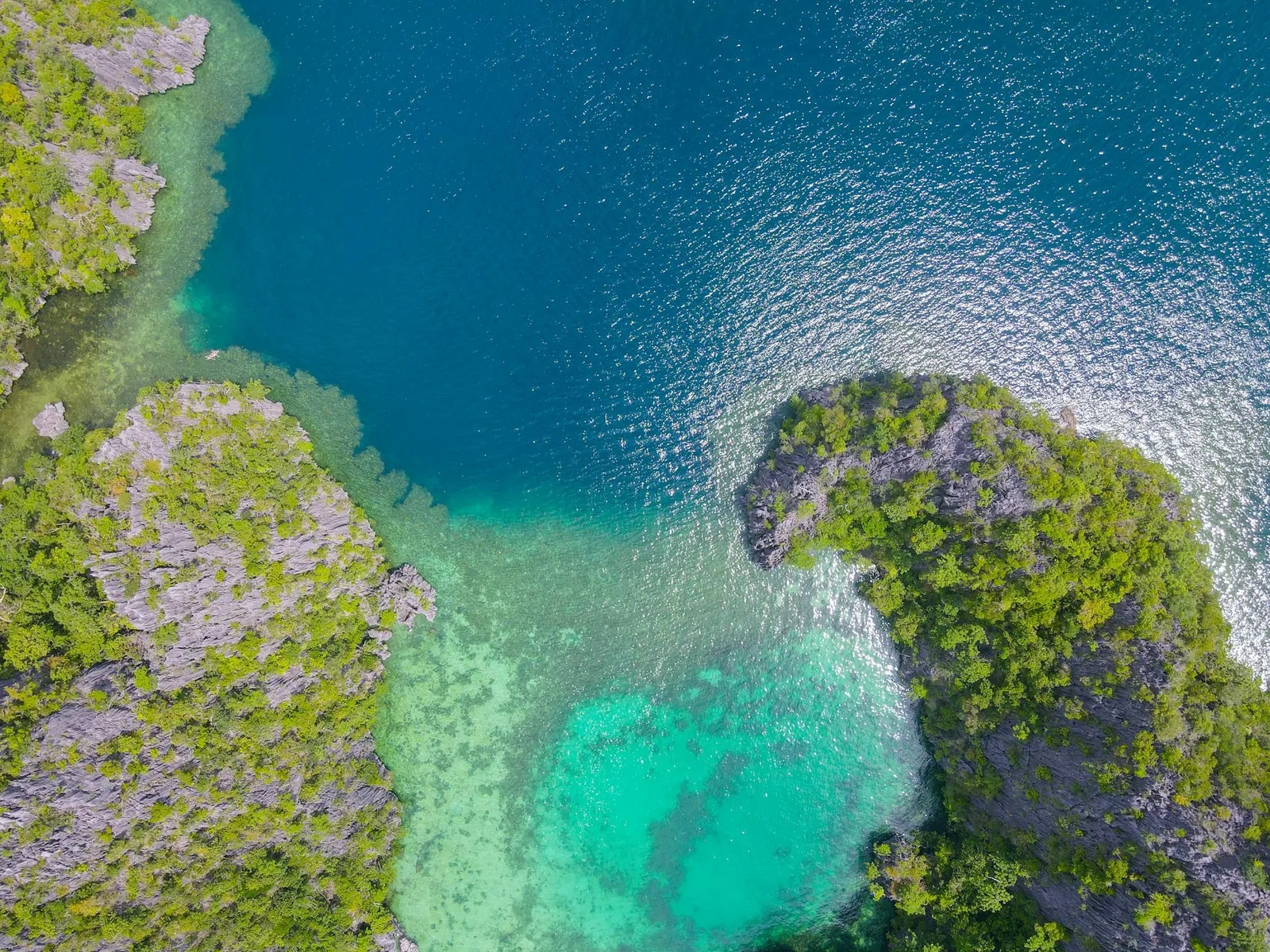
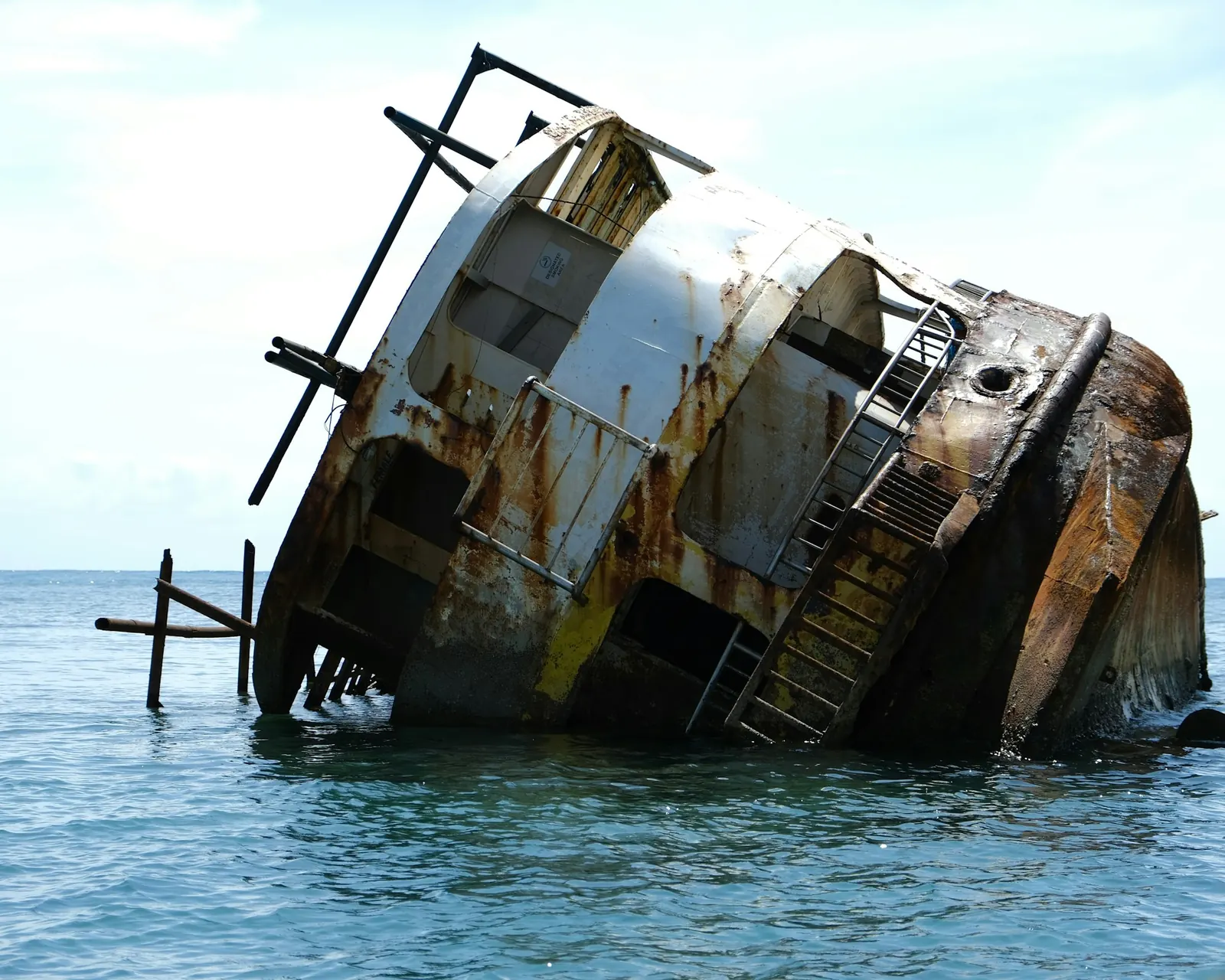
This retreat is built around one experience: floating above ships that sank in 1944, in clear and quiet bays. No rush, no crowd of forty on one boat, no touching. You arrive on Monday 5 April 2027 at Busuanga airport, and we drive together to Coron town. Three boat days with local guides take us over shallow wrecks, reefs and the still, layered water of Barracuda Lake, and on Day 2 a photographer joins us in the water. In between, a day in Coron town, a sunset walk up Mt Tapyas and a warm soak at the Maquinit hot springs.
- 5.00 from 33 public reviews on BookRetreats · Read guest stories
- Small group, six guests at most
- Licensed local boat operators
- Travel insurance required (water-activity cover from your own policy or the dive centre’s insurance)
- Pause or skip any activity, any time
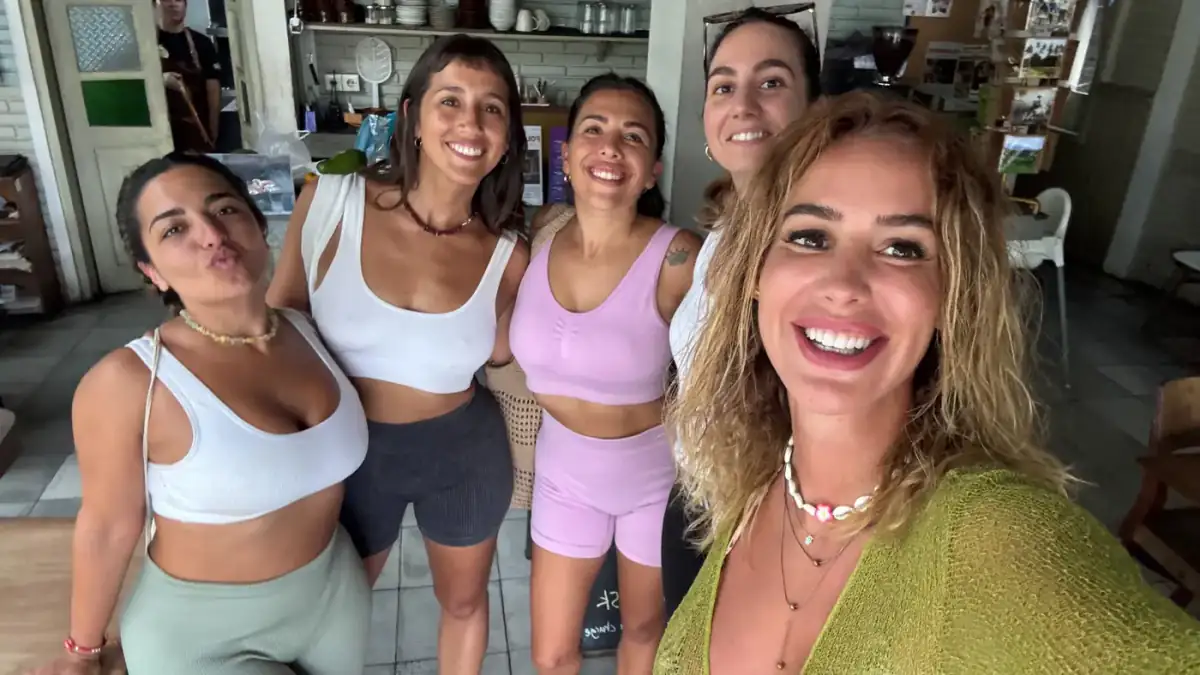
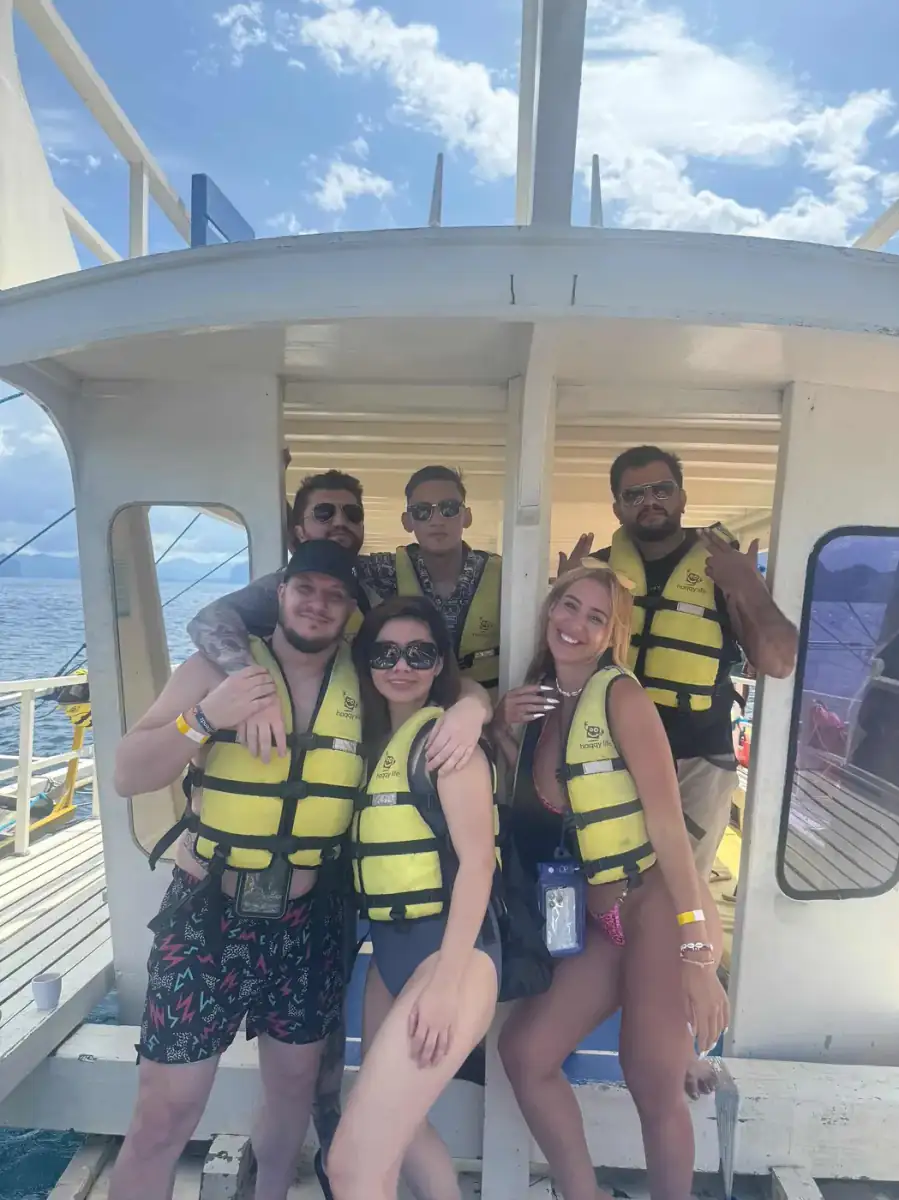
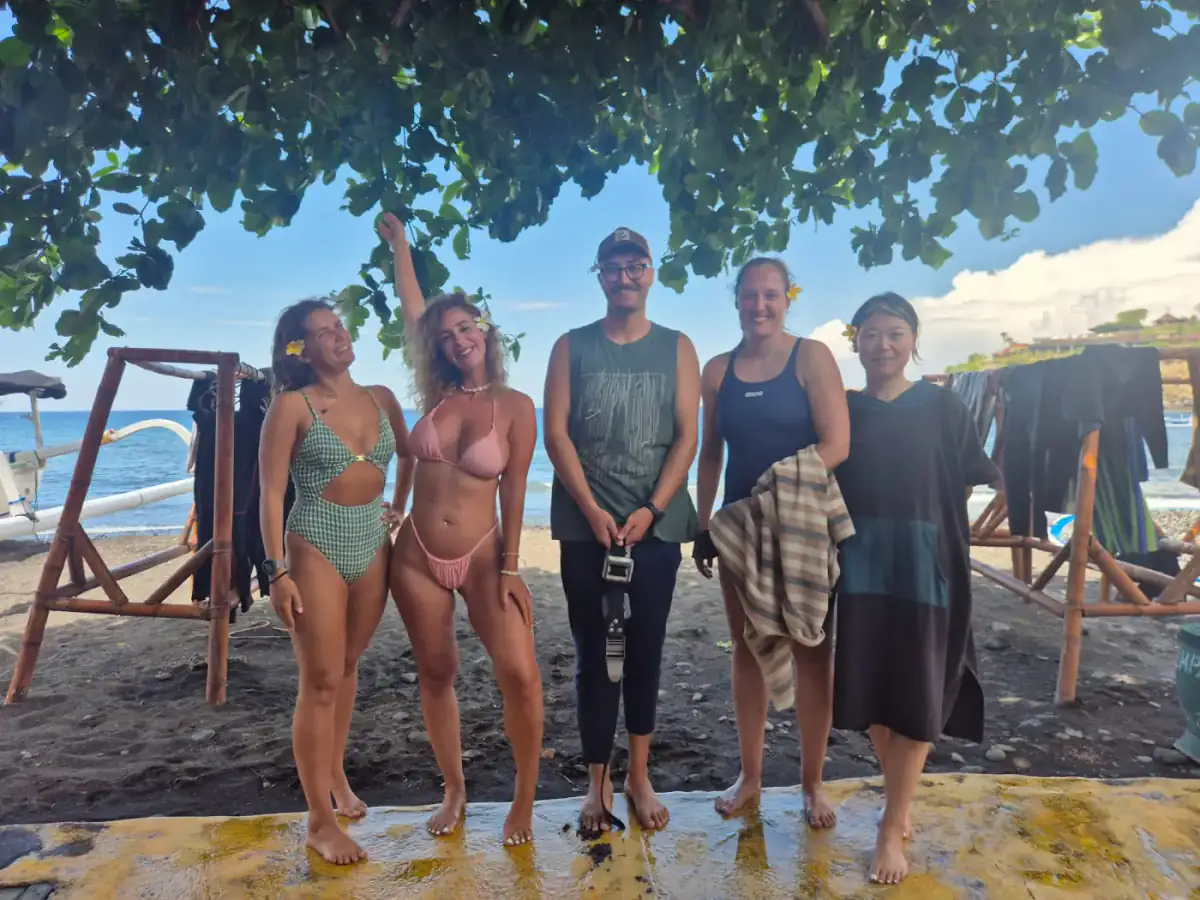
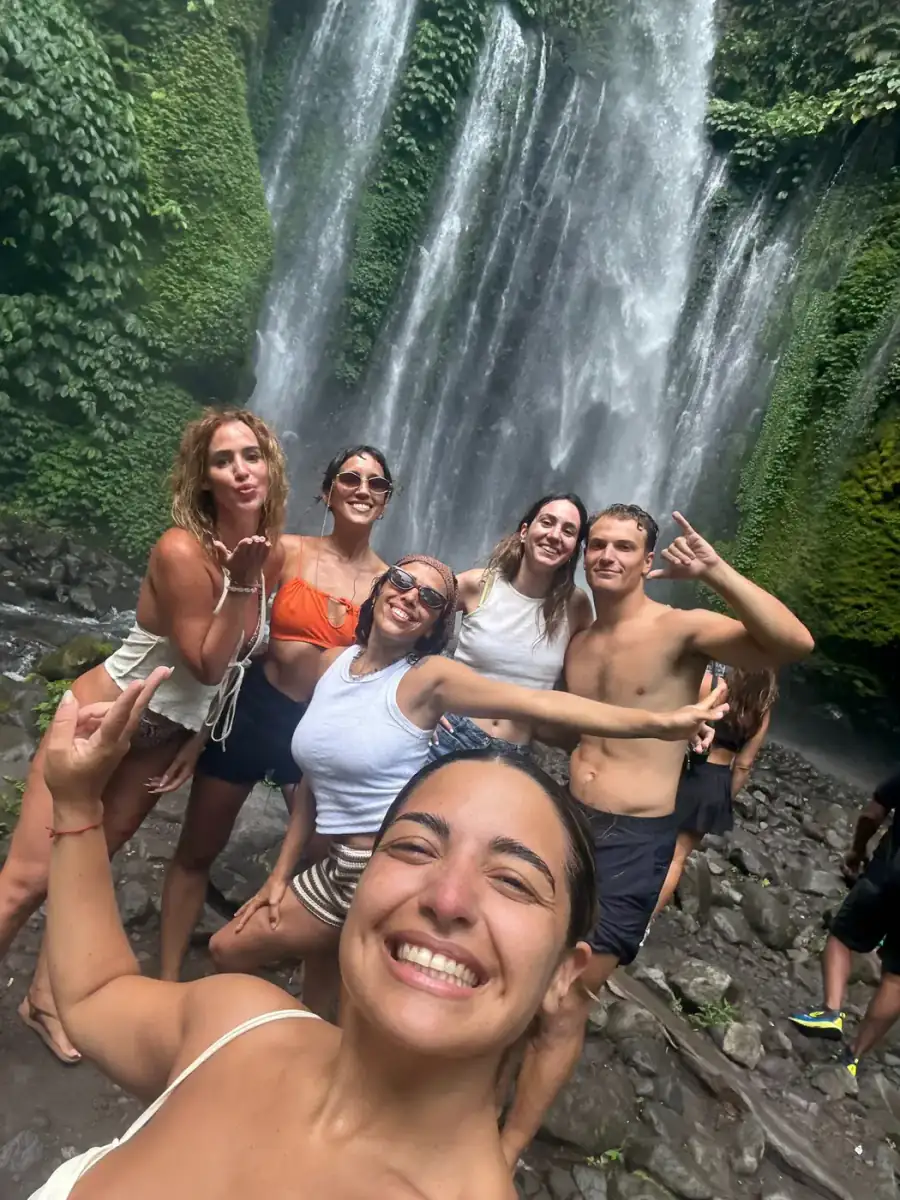
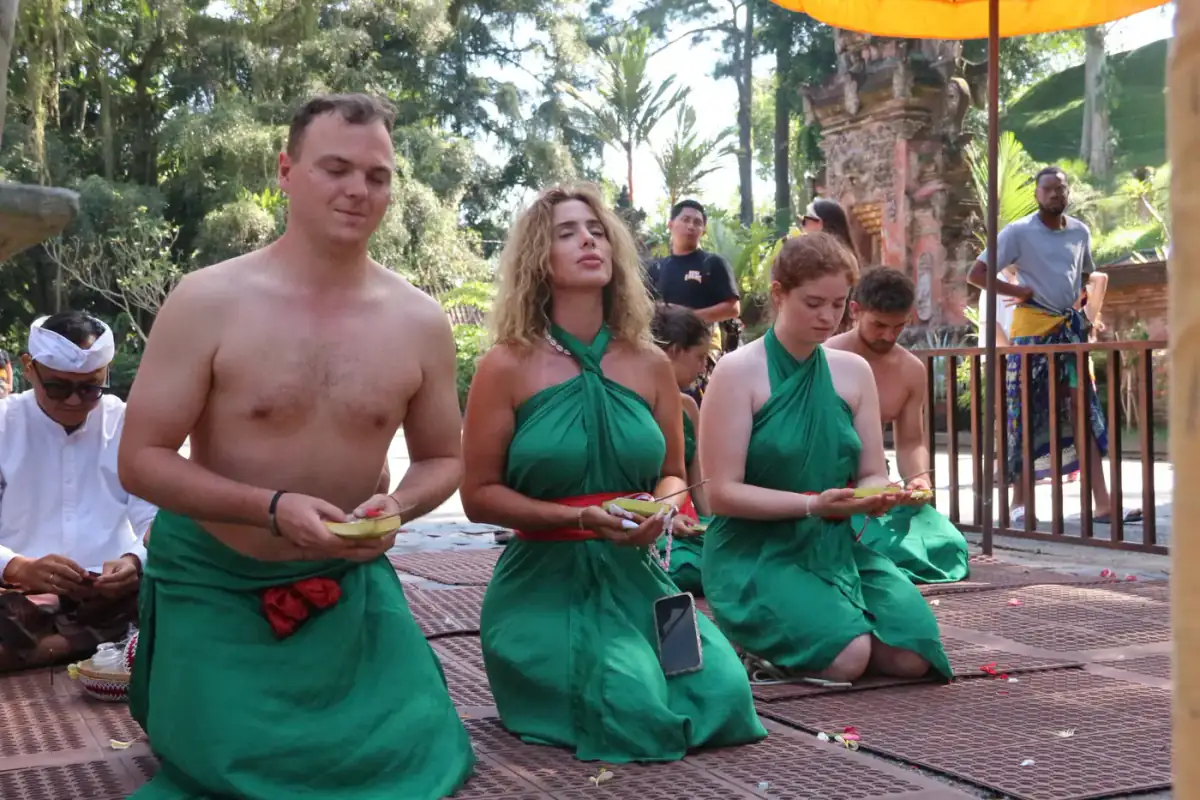
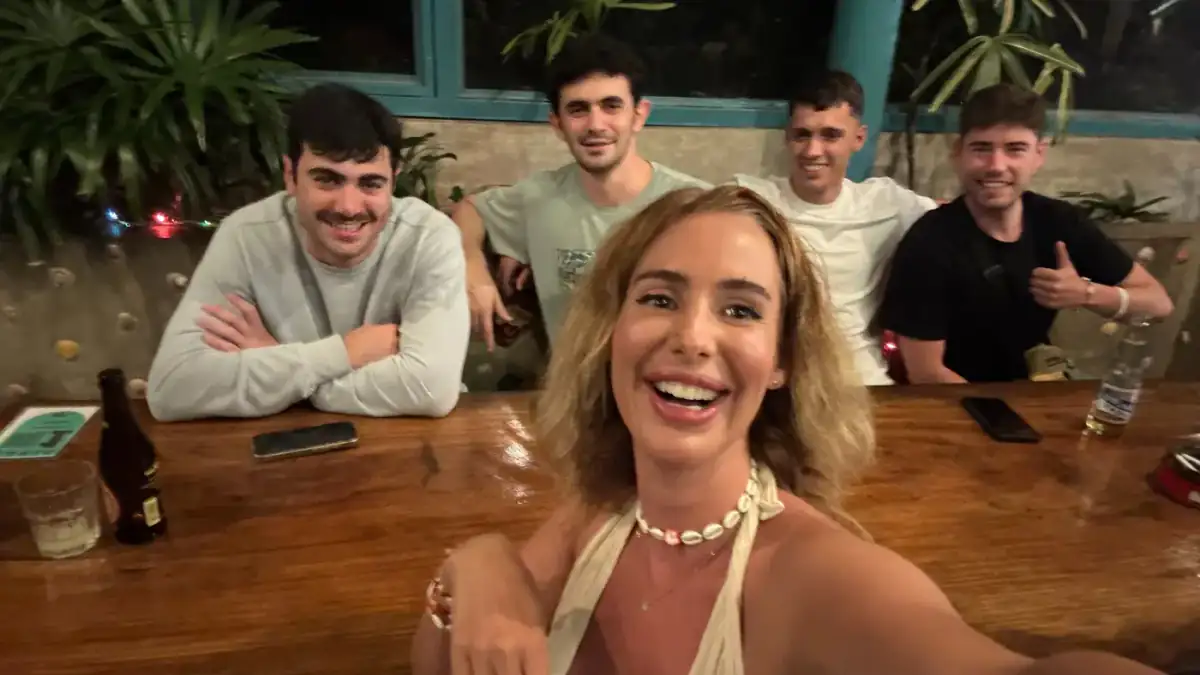 Real guests on past trips
“Joining Ocean Calling Retreats was honestly one of the most special travel experiences I’ve had. It’s so much more than just a trip — it’s a beautiful mix of adventure, connection, and time to truly reset.”
“Oh my, if I could give 6 or 7 stars, I would. She is very lovely, very easy to talk to, and she listens to you.”
Quotes are copied as written from public reviews on BookRetreats. See all guest photos · Read all reviews
At a glance
USD 1,950 per person in a twin room, deposit USD 585, single room on request. 5–11 April 2027, 7 days and 6 nights, six guests at most. International flights are not included.
- Click Book on WeTravel and choose a twin or single room.
- Pay securely on WeTravel. Card fees are included in the price.
- Rocío welcomes you personally by email or WhatsApp.
Questions first? Message Rocío.
Book on WeTravelMessage RocíoEmail Rocío
Wildlife encounters are unpredictable. Snorkelling with sea turtles should always follow local regulations and experienced professional guidance.
Real guest reviews: Google · BookRetreats
Conservation-led. Ocean Calling guests never chase, touch or bait animals.
Why Easy? Snorkelling from a boat in sheltered bays and over wrecks, plus a calm lake swim. You should feel comfortable in the water.
Who it is for. Everyone who can float with a mask and snorkel, or is ready to learn with a life vest on: beginners, solo travellers and ocean lovers who are happy that wild encounters are never guaranteed. You don't need to arrive fearless, only open.
Your first day, step by step
- Day 1 · Welcome to Coron: fly to Busuanga airport (USU), where we meet every flight that day, then about 45 minutes by van to Coron town, time to settle in and our first dinner together.
- Your guide explains the plan and the signals before anything starts in the water.
- You choose your pace. You can pause, rest or skip any activity, at any moment, with no pressure to continue.
- Nobody chases, touches or baits an animal. The animals decide whether they come close.
Questions beginners ask
What if I feel nervous in the water?
What if I cannot clear my ears?
Will I hold the group back?
Do I need to be fit or experienced?
Highlights
- Float above wrecks from 1944, a few of them shallow enough to see from the surface, quietly and never inside.
- Local guides who know these waters read the sea with Rocío before every stop.
- Three dedicated boat days, with Day 6 kept free so a boat day can move if the weather says no.
- An in-water photographer is included on Day 2, so you can stay in the moment and still take it home.
- Six nights in a twin room in Coron town, close to the boats, the market and the people who live here.
- Filipino home cooking, a day in town, a sunset walk up Mt Tapyas and a warm soak at the Maquinit hot springs.
- A small group of five to six guests, with Rocío with you the whole week.
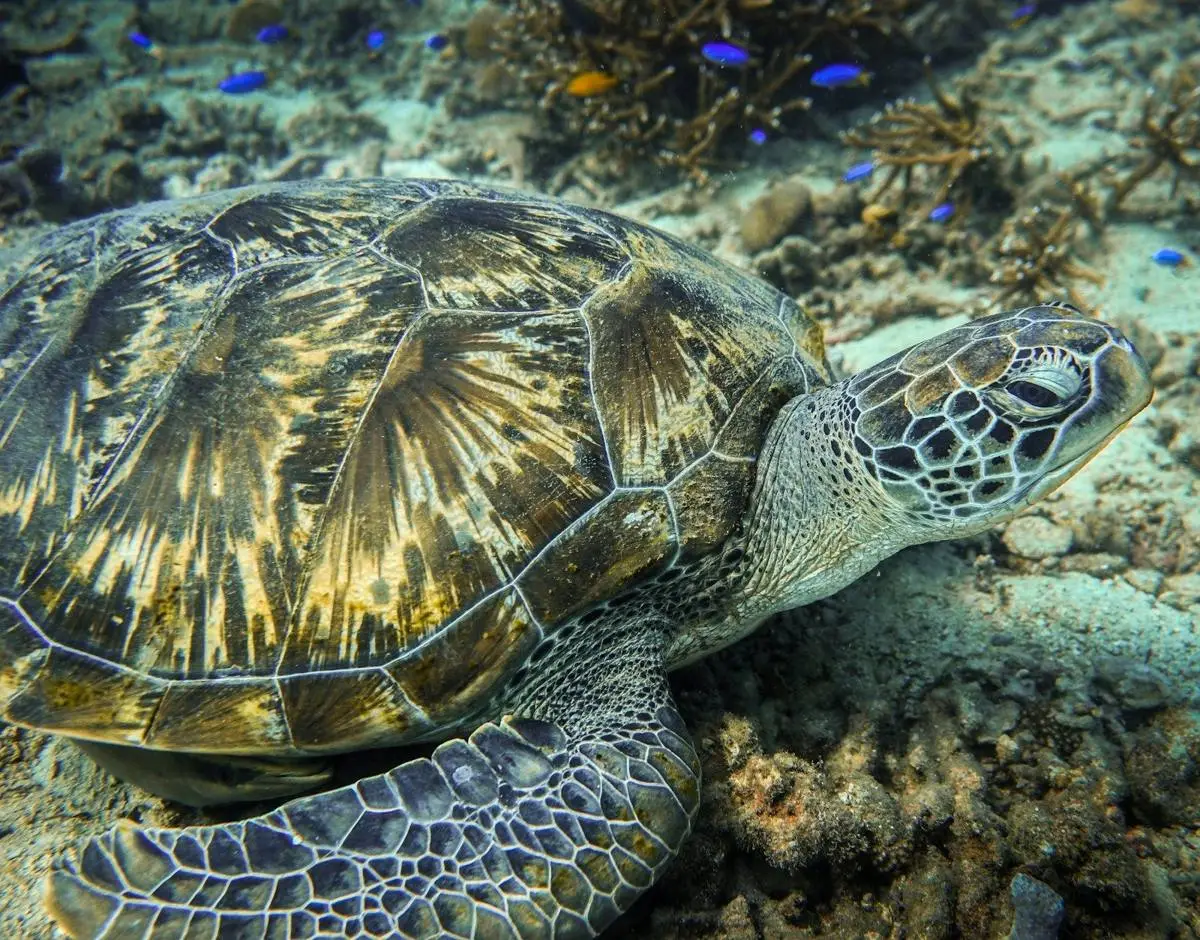
- Wildlife-first: sea turtles are sometimes seen on the reefs, never promised, and never chased, touched or fed.
The rhythm of your days
- Day 1 · Welcome to Coron: fly to Busuanga airport (USU), where we meet every flight that day, then about 45 minutes by van to Coron town, time to settle in and our first dinner together.
- Day 2 · Wrecks & Reef: from a morning pick-up around 7:30–8:30 until about 5 pm, a snorkel briefing, then we float above shallow wrecks from 1944 and a reef, with a photographer in the water and lunch on the boat or on a small beach.
- Day 3 · Barracuda Lake: from a morning pick-up around 7:30–8:30 until about 5 pm, by boat to Coron Island, a short climb over limestone to float on the layered water of Barracuda Lake, then a reef where sea turtles are sometimes seen.
- Day 4 · Coron Town & Mt Tapyas: a day in Coron town with the people who live here, free time for the market, and a sunset walk up Mt Tapyas, about 700 steps at your own pace.
- Day 5 · Lagoons & Reefs: from a morning pick-up around 7:30–8:30 until about 5 pm, an early start because it is a national holiday in the Philippines, with lagoons and reefs where sea turtles are sometimes seen.
- Day 6 · A Free Day: free on purpose to sleep, read or walk in town, or for a boat day moved by the weather, then a warm soak at the Maquinit hot springs and a last evening together.
- Day 7 · Until Next Time: final breakfast in town, then the van to Busuanga airport.
Trip details
Included
- 6 nights in a twin room in Coron town
- Breakfast every day and most lunches and dinners
- 3 snorkel boat days with park permits, from a morning pick-up around 7:30–8:30 until about 5 pm, with lunch on the boat or on a small beach
- One boat day with an in-water photographer. You receive your photos after the trip.
- Barracuda Lake
- Coron town day and the Mt Tapyas sunset walk
- Maquinit hot springs, entry included
- Snorkel briefing and life vests on every boat day
- Busuanga airport pickup and drop-off (about 45 minutes each way)
- Rocío as your host all week
- Pre and post-retreat support
Not included
- Flights to and from Busuanga
- Travel insurance (strongly recommended, with medical evacuation)
- Local government fees: environmental fee PHP 400 and Siete Pecados fee PHP 100 per person, paid in cash on the day
- The few meals on your own
- Tips for boat crews and guides, if you wish
- Scuba diving
- Extra nights before or after the retreat
- Single room supplement (single room on request)
Photo gallery
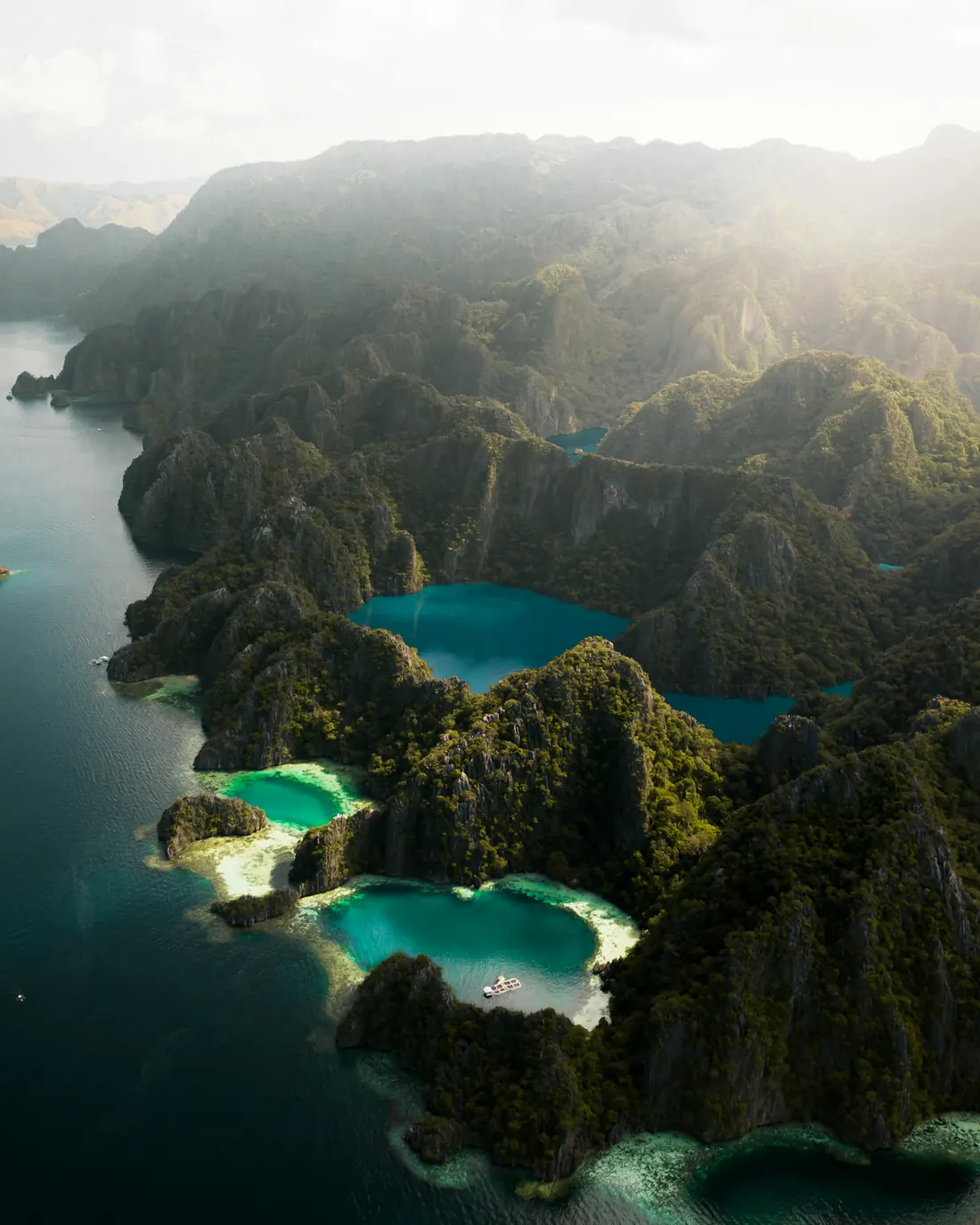
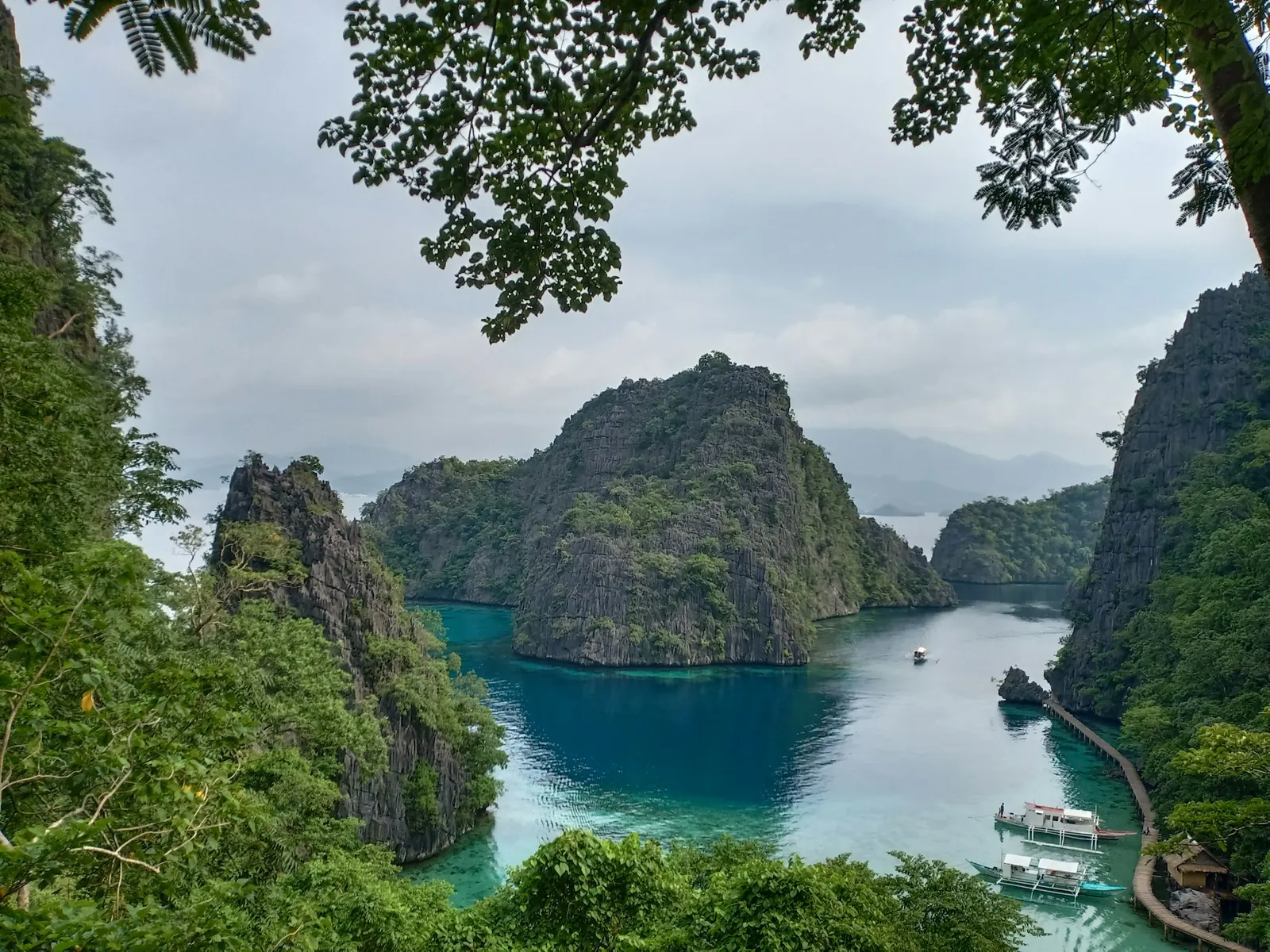
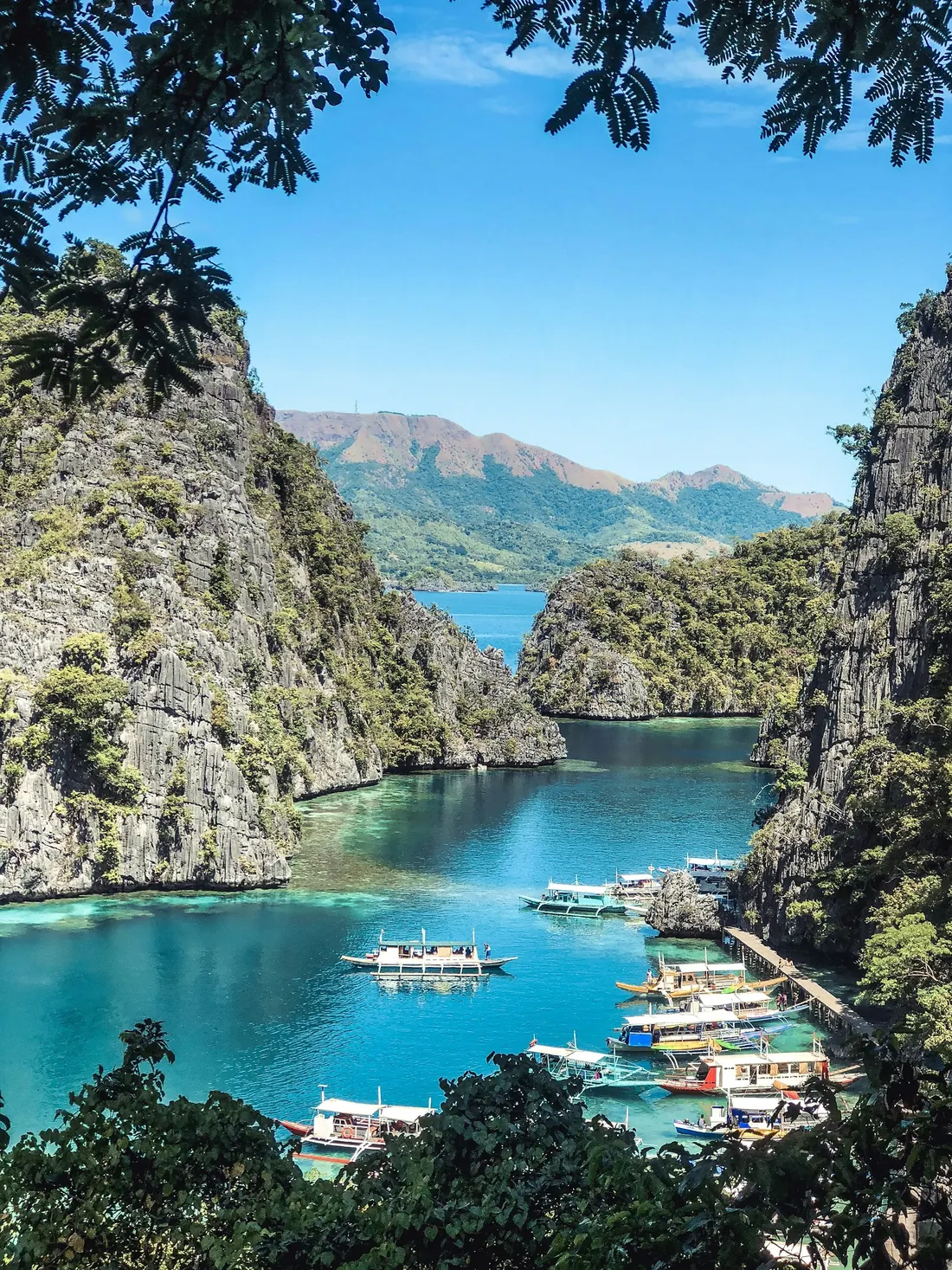
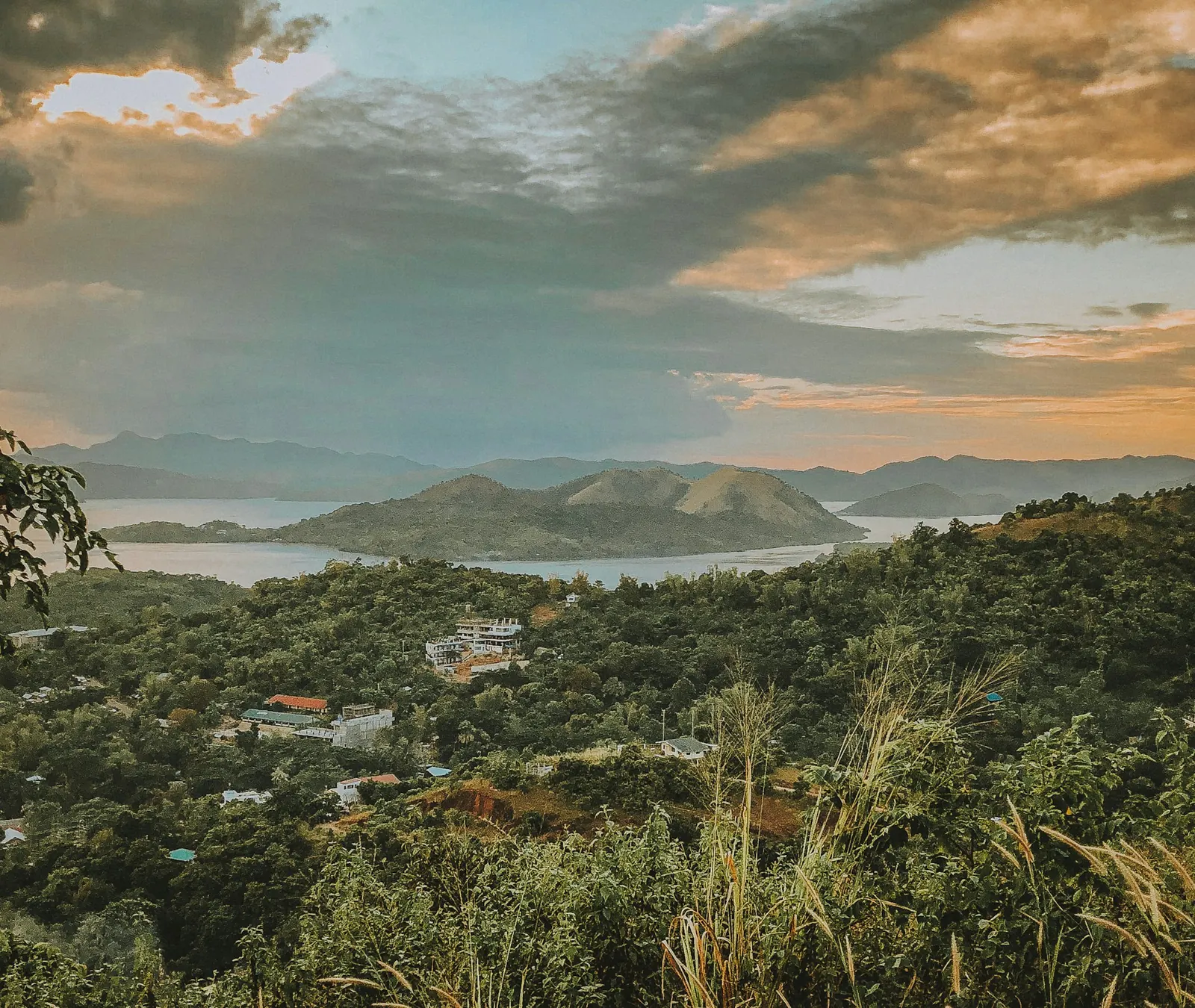
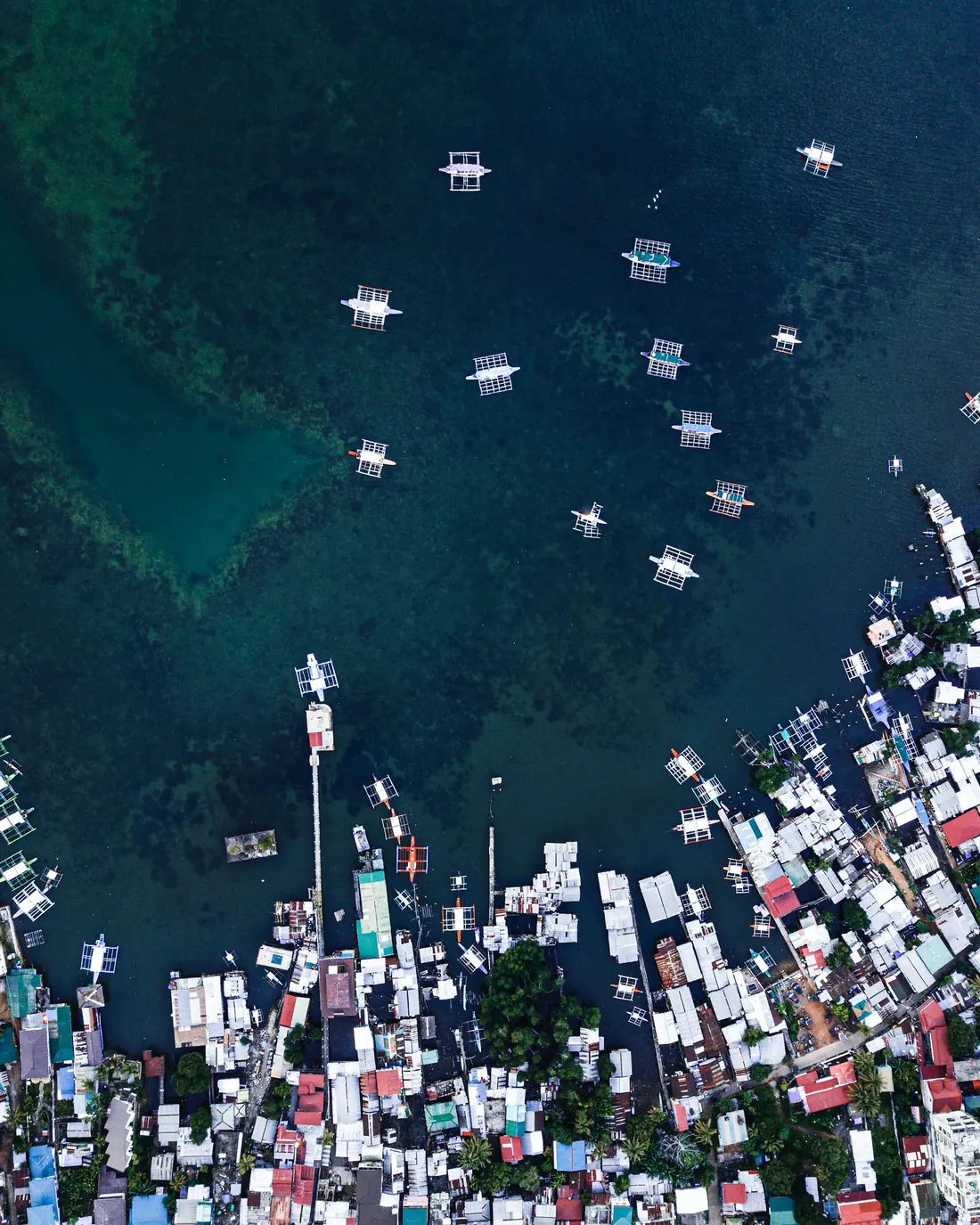
The animals and places of this trip. Each caption says where the photo was taken.
Animals you may meet
Never guaranteed, never chased. Tap an animal to see how it lives, where it travels and a fun fact.

Before you choose Coron town and Busuanga, Palawan, Philippines
An honest look at food, noise, smells, heat and local customs, so you can decide calmly. If something matters to you, tell Rocío. She will check it for you.
EasyPossible with planningAsk Rocío
Vegetarian and vegan
EasyCoron town has a few places with vegetarian and vegan dishes, and at least one fully plant-based place. Meals on island hopping boats may be simpler, so tell the boat team in advance.
Gluten free
Ask RocíoWe could not confirm gluten free options in Coron. If you need to avoid gluten, tell Rocío early so she can check with the course and boat team.
Noise and crowds
Possible with planningCoron town can be loud, with bars and karaoke in the evenings. Kayangan Lake is calm in the early morning but often packed by about 10am, and group boats tend to visit the same spots at the same time. Early starts or afternoon visits are quieter.
Smells, smoke and air
Ask RocíoWe did not find any documented haze or air pollution problem for Coron. Please ask Rocío if you are sensitive to boat engines or smoke in bars.
Heat and humidity
Possible with planningFrom January to April, days reach about 32 to 34°C (90 to 93°F) with humidity around 75 to 78%. May is the hottest month and gets wetter. June to November is the typhoon and heavy rain season.
Predictable days and quiet breaks
Ask RocíoCoron is a course place: Rocío matches you with a freediving or scuba course, and each school sets its own timetable. Ask Rocío how the days are planned and where you can add rest days.
Getting around and mobility
Possible with planningYou fly about 1 hour from Manila, then drive about 30 to 45 minutes to town. In town you use tricycles or walk. Most sights are by boat, and Kayangan Lake needs a short climb up and down stairs. Life jackets are compulsory there.
Breathing and health
Ask RocíoIt is hot and humid. The US health agency lists Palawan, including Coron, as a malaria area, and dengue is present, so please see a doctor or travel clinic before you go. No decompression chamber is confirmed working in Coron; the nearest one listed as working is in Puerto Princesa. Divers with asthma need a dive medical check first.
Local customs
- Most people are Catholic. In churches, cover your shoulders and knees. Casual clothes are fine in town, but keep swimwear for the boat and the beach.
- Alcohol is legal. In tourist areas, only drink from sealed bottles or trusted places, because UK advice warns about methanol in some drinks.
- Public kissing and cuddling can offend people and can even be treated as an offence. Keep affection private.
- Carry some ID at all times. A printed copy of your passport is fine.
- Drug laws are very strict, even for tiny amounts. Never eat or buy sea turtle meat or products.
Sources for this section
Ethics and safety
- The wrecks are war graves. We watch them from above, and never go inside or touch them.
- We never chase, touch, feed, ride or corner an animal, never stand on coral and never use flash on animals.
- Turtles get space and are never followed or blocked. Barracuda Lake is visited at the surface only.
- Coron Island is the ancestral domain of the Tagbanwa people. We are guests, and we pay the park and community fees.
- Turtles are sometimes seen, never guaranteed. Dugongs live farther north, near Calauit, and are not part of this week.
- Wildlife encounters are unpredictable. Snorkelling with sea turtles should always follow local regulations and experienced professional guidance.
Practical details
- Getting there: fly into Busuanga airport (USU). The van to Coron town, about 45 minutes, is included, and we meet every flight on Monday 5 April. On Sunday 11 April, book a flight after breakfast and leave buffer for your connection in Manila or Cebu.
- Travel insurance with medical evacuation is strongly recommended.
- Payment plan: 30% deposit (USD 585) when you book, then monthly payments charged automatically, balance due on Thursday 4 February 2027, 60 days before the trip. If you book later, the plan adjusts by itself.
- If the crew or the coast guard says no boats, we don't go, and we move the day.
- Every activity is optional, and you can rest whenever you need.
Why we choose slower boats
Speed is one of the simplest things a boat captain controls, and it matters a lot to the animals we visit. Research from many oceans shows the same pattern: a slower boat is less likely to hit a whale, turtle or manatee, gives animals time to move away, and makes less noise under the water.
Slower ships kill fewer whales
A study of 47 recorded ship strikes on large whales found the chance of a deadly injury was 21 per cent at 8.6 knots but 79 per cent at 15 knots. Below 11.8 knots, a strike is more likely to be survived than not.
A 10 knot limit works for right whales
Since 2008, the United States has required vessels 65 feet (about 20 metres) or longer to travel at 10 knots or less in set areas and seasons along the East Coast, to protect North Atlantic right whales. A later study estimated these limits cut the risk of deadly ship strikes by 80 to 90 per cent.
Turtles cannot escape fast boats
In Moreton Bay, Queensland, Australia, researchers watched 1,890 green turtle encounters. 60 per cent of turtles moved away from a boat going 4 km/h, but only 22 per cent at 11 km/h and 4 per cent at 19 km/h.
Slow zones save manatees
In Sykes Creek and the Barge Canal on Merritt Island, Florida, eight manatees were killed by boats in the 42 months before year-round slow speed was enforced. In the 42 months after, only one was killed.
Faster boats are louder
Recordings of 1,582 ships in Haro Strait, between Washington State and British Columbia, showed that most ships get about 1 decibel louder for every extra knot of speed. This noise reaches the high sounds that killer whales use to find food.
Going slow gives whales quiet time to feed
When ships in Haro Strait were asked to slow to 11 knots, underwater noise fell by 2.5 decibels, about 44 per cent less sound energy. Scientists estimated this cut the feeding time killer whales lose to noise by 22 per cent.
Questions
How much does it cost?
How does the deposit and payment plan work?
Can I have a single room?
What is included?
Will we see sea turtles or dugongs?
Do I need to be a strong swimmer?
Is this a diving retreat?
What if the weather is bad?
How do I book?
USD 1,950 per person in a twin room, deposit USD 585, single room on request. 5–11 April 2027, 7 days and 6 nights, six guests at most. International flights are not included.
- Click Book on WeTravel and choose a twin or single room.
- Pay securely on WeTravel. Card fees are included in the price.
- Rocío welcomes you personally by email or WhatsApp.
Questions first? Message Rocío.
Book on WeTravelMessage RocíoEmail Rocío
Wildlife encounters are unpredictable. Snorkelling with sea turtles should always follow local regulations and experienced professional guidance.
Real guest reviews: Google · BookRetreats
Conservation-led. Ocean Calling guests never chase, touch or bait animals.
Shop with Ocean Calling
Visit the Ocean Calling storefront on Amazon.
As an Amazon Associate I earn from qualifying purchases. You are not only choosing products that respect the ocean, you are also helping us keep going: paying our local partners fairly and keeping our retreats ethical, sustainable and honestly priced for you. 💗