
Bahamas Sharks Tested Positive for Caffeine and Cocaine
A shark in clear Bahamian water looks like pure wilderness. A 2026 study makes that picture a little more complicated.
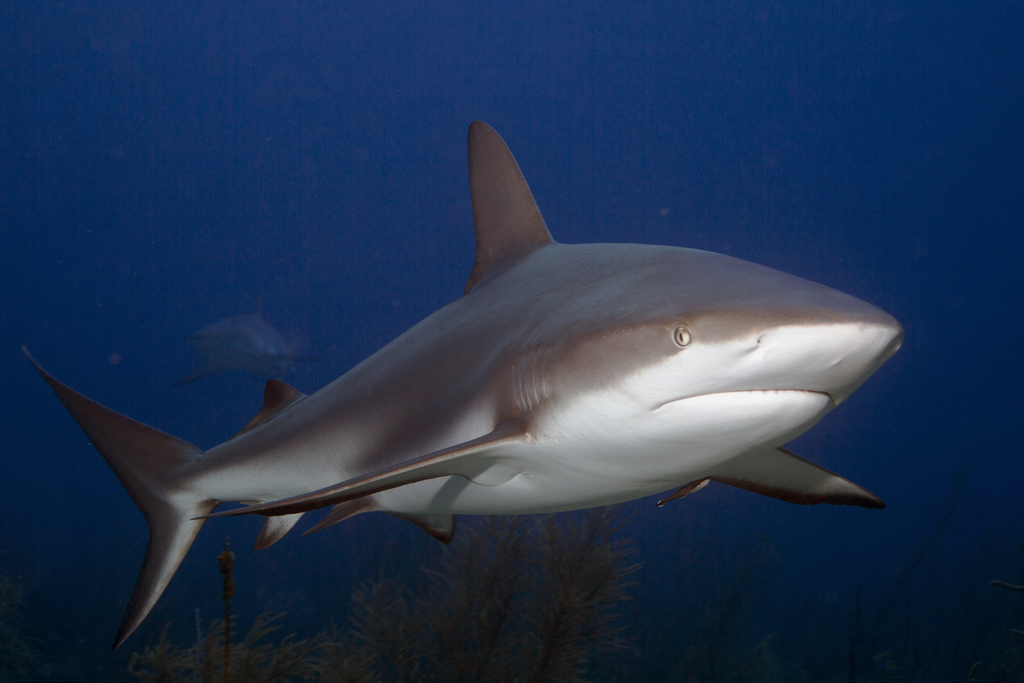
Coffee, painkillers and cocaine. It sounds like the start of a bad joke about a party. It is actually a list of what researchers found in the blood of some sharks off Eleuthera, in The Bahamas.
Does it mean the sharks were “high”? No. It means they were exposed. The study analysed blood serum from five shark species sampled in south and central Eleuthera. Four compounds were detected at different levels: diclofenac, cocaine, acetaminophen and caffeine. They turned up in Caribbean reef sharks, nurse sharks and lemon sharks.
What the researchers actually found
The authors report the first known detection of caffeine and acetaminophen in sharks. They also report the first detection of cocaine and diclofenac in sharks from The Bahamas. The team also looked at whether the chemicals might be linked to physiological health markers.
That is not the same as proving the sharks were “high”, addicted or behaving differently. A detection shows exposure. It does not show what a dose does to a shark over time. This is an important first signal, not the final word.
It is also a local study. It looked at sharks sampled around Eleuthera. It does not show that every shark in The Bahamas is contaminated.
How can medicines and drugs reach a shark?
Medicines and other chemicals can enter the sea through wastewater, runoff or poorly managed waste. The study raises a question about human pollution in coastal places we often call pristine.
It does not name one source for every compound. That would mean tracing the chemicals through water, infrastructure and food webs. “Tourism did it” would be too neat a conclusion from this paper alone.
Why this story matters for shark lovers
The Bahamas is famous for sharks, including tiger sharks, Caribbean reef sharks and nurse sharks. The country’s long-running shark research helps us understand how these animals use coastal habitats, and how human activity reaches them.
The surprise is not that sharks became a danger to people. The finding is about pollution moving through an ecosystem. A useful response is better wastewater and pollution monitoring, plus more research into whether repeated exposure affects shark health.
Keep the headline playful if you like, but let the science do the talking. Sharks are not ordering a cocktail. They live in the water we all share.
What to take into the water
A shark is not a villain and not a prop. Give it room, follow local guidance and never touch or feed wild sharks. Wildlife encounters are unpredictable. Shark watching should always follow local regulations and experienced professional guidance. If you want to help, support responsible research and clean-water infrastructure, and do not repeat claims the study did not make.
The best shark encounter leaves you curious about the animal and the water it lives in, not afraid of either.
Questions people ask
Were Bahamian sharks really found with cocaine?
Researchers detected cocaine in blood samples from some sharks sampled near Eleuthera. The study reports it as the first detection of cocaine in sharks from The Bahamas.
Does this mean the sharks were high?
No. A detection shows exposure. It does not show what a dose does to a shark over time, or that the animals behaved differently.
Are all sharks in The Bahamas contaminated?
The study does not show that. It sampled sharks around Eleuthera only.
Where did the chemicals come from?
The study does not name one source for every compound. Medicines and other chemicals can reach the sea through wastewater, runoff or poorly managed waste.
Wildlife encounters are never guaranteed and never forced. Ocean Calling works only with vetted, ethical local operators, and every animal is free to approach, or not, entirely on its own terms.
Sources & further reading
- Wosnick et al. (2026), “Drugs in paradise: caffeine, cocaine, and painkillers detected in sharks from The Bahamas”, Environmental Pollution.
- Cape Eleuthera Institute Shark Research and Conservation Program.
Further reading on Ocean Calling: Caribbean reef shark · The Bahamas in the Ocean Atlas · Why sharks matter to ecosystems · How tourism can protect sharks
Find the retreat that fits you
Small groups of up to six guests, unhurried days and local experts. Tell us how you feel in the water and we will point you to the right trip.