
Choosing a Dive Operator When You Travel Solo
My first dive almost made me quit diving. My second one made me fall in love with it. The difference was not the ocean. It was the team.
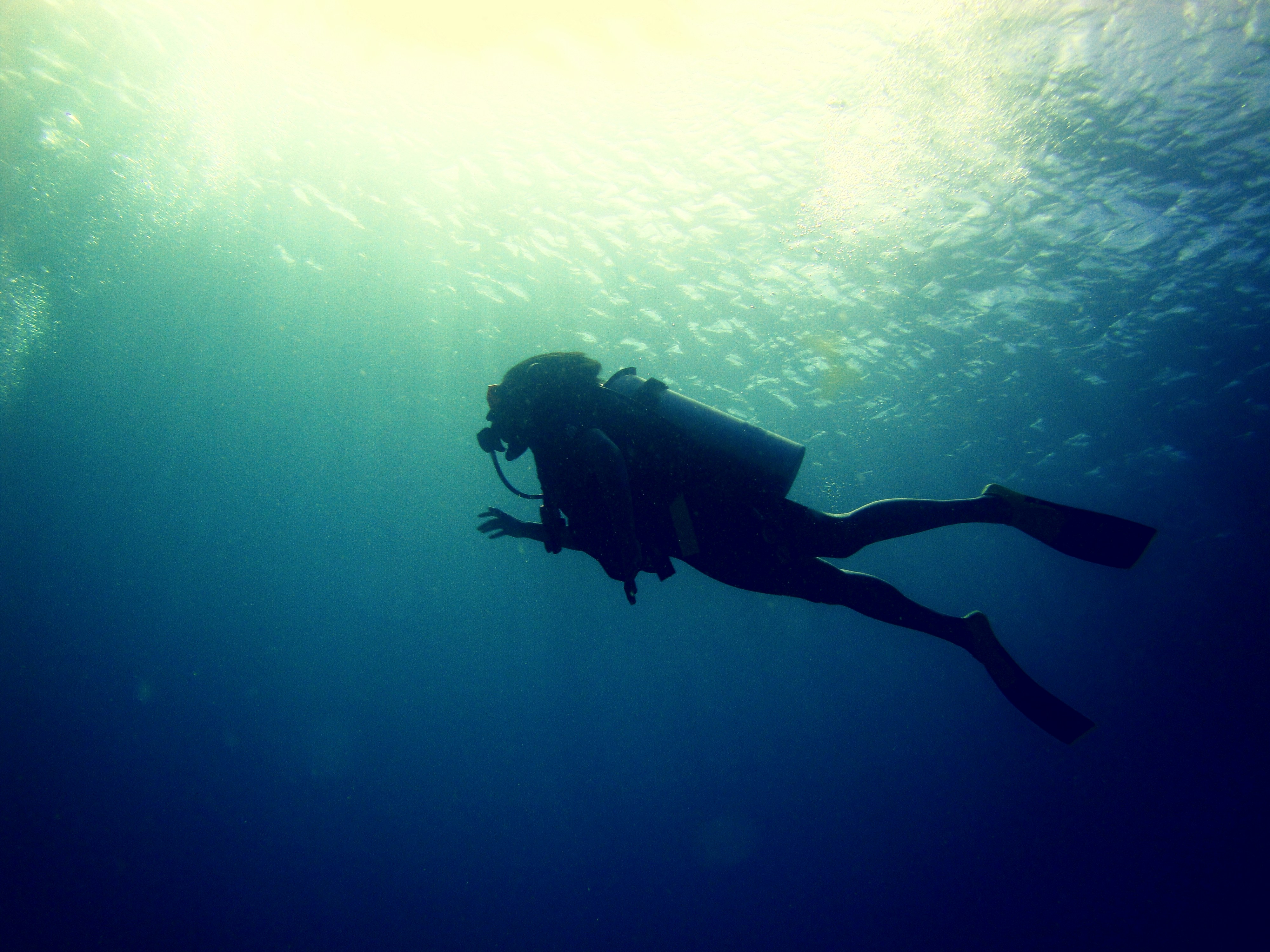
My first attempt at scuba diving was nothing like I expected. It was a "baptism dive", in a large group, close to twenty people on one boat. The briefing lasted a few rushed minutes, the equipment was handed to us with almost no explanation, and before I had time to feel steady, I was already in the water. So if you are travelling alone, here is the short answer to choosing a dive operator: choose the team before the dive site. Small groups, clear briefings and respectful staff matter more than any reef.
Why feeling safe changes everything
I remember feeling completely unprepared. I did not understand my own gear, I did not feel looked after, and the whole thing felt chaotic instead of calm. Where I expected curiosity, I found stress. Where I expected excitement, I found fear.
The atmosphere on the boat made it worse. Some of the crew were unprofessional, flirting in a way that made the place feel less safe, not more. Diving already asks you to be a little vulnerable. Feeling unsupported on top of that, or looked at the wrong way, adds a tension that has no place where people are learning.
That first dive convinced me that scuba diving was not for me. But the problem was never the ocean. It was the way I was introduced to it.
The right instructor changes everything
The second time I tried, with a different dive professional, everything was different. The group was small, the briefing was clear, the pace was calm. I understood my equipment before I got in the water, and every step was explained in a way that let me really feel ready.
I felt guided, not rushed. Supported, not watched. Capable, not unsafe. Having someone attentive and truly professional next to me changed my whole relationship with diving. I could focus on my breathing, my buoyancy and the world around me, instead of managing anxiety.
The difference was not the dive site or the conditions. It was the quality of the teaching, and the respect shown to the people in the water.
How do you choose a dive operator for solo travel, especially as a woman?
Feeling safe underwater is not a luxury. It is what allows learning to happen at all. Many women who travel alone think about emotional safety as well as physical safety, especially somewhere new, and that instinct is worth trusting, not talking yourself out of.
Good dive teams understand this. They communicate clearly, keep groups small enough to really notice how each diver is doing, and let the pace follow the person, not the schedule. A respectful instructor cares about your skills, not about how you perform in front of others.
Group size is not only a feeling. It is often written into training standards. For PADI's Discover Scuba Diving try-dive, for example, one instructor may take at most eight participants in the pool and four in open water, unless another qualified leader helps. If an operator's numbers for beginners look much bigger than that, it is fair to ask why.
Signs of an operator you can trust
A few signs appear again and again with operators worth diving with:
- clear, unhurried equipment briefings
- patient explanation of every skill before you get in the water
- small groups that allow real, personal attention
- professional communication before you even arrive
- respectful behaviour from every member of staff, not only the instructor leading you
Reviews from other solo travellers are one of the most honest windows into how a dive centre really treats people. You can read ours on our guest reviews page, and it is worth reading a few for any operator you are considering. A message before booking also tells you a lot: the tone of the reply, how much care goes into answering your questions, how long it takes. It is often a fair preview of how the team behaves in person. It is also part of why we only work with local experts we have met, not names picked from a list. Our list of questions to ask a dive operator before booking goes further.
Gear that supports confidence
Knowing your own equipment removes one more thing to think about underwater. A mask that really fits helps you see and stops you fiddling with it every few minutes. A low-volume mask that you have already tested on your own face at home is a small investment that helps on every dive. The right exposure protection for the water temperature keeps you comfortable for the whole session, and a rash guard under a thin wetsuit, or alone in very warm water, also protects you from the sun on the boat. A roll-top dry bag keeps your phone, passport copy and towel dry between dives.
Diving in the same gear, dive after dive, builds a kind of muscle memory. You know where your gauge is and where your clips are without looking down. That frees your attention for the reef, the current, or whatever else is worth noticing.
The ethical layer: buoyancy and operators who share your values
Practising buoyancy in shallow water pays off later, and it matters for more than comfort. A 2026 study from Bangor University found that divers underestimated how often they touched the reef by almost five times, compared with what observers recorded. The researchers suggest better buoyancy training, clearer briefings and stronger leadership from guides to reduce it. The evidence linking buoyancy skills and reef contact is mostly observational, but it points in one direction.
One way to find operators who take this seriously is Green Fins, a programme run by the UN Environment Programme and the Reef-World Foundation. Members follow a code of conduct with 15 environmental standards and are checked by trained assessors. Membership is free and does not guarantee perfect behaviour, but asking about it starts a useful conversation. Diving with operators who take safety, and the ocean itself, seriously tends to shape the whole trip, not only the time underwater.
Knowing your own limits
Independent divers do well to keep their own limits on depth, current and conditions, instead of quietly following someone else's comfort level. Noticing the first signs of tiredness or unease, and acting on them before they become a problem, is a skill in itself. Being willing to shorten, postpone or change a dive when conditions do not feel right is part of real confidence, not a failure of it.
Keeping a respectful distance from marine life protects the animal as much as it protects you. Sightings are never guaranteed, and that uncertainty is part of what makes them worth waiting for. A few habits worth keeping close:
- neutral buoyancy, so you do not brush against the reef
- no touching or chasing marine life, ever
- watching your own air and comfort for the whole dive
- speaking clearly with your guide or buddy, always
Wildlife encounters are unpredictable. Diving near turtles, rays or any marine animal should always follow local regulations and experienced professional guidance.
Finding your people
Travelling solo does not mean diving alone. In most places the diving community is a generous one. A shared love for the ocean is usually enough to start a conversation, no small talk needed. Workshops on underwater photography, marine conservation or one specific skill tend to attract people who come out of curiosity, not to prove anything. Online communities and diving groups led by women can also give good practical advice, from what to pack to how to read a dive site before you decide to dive it.
The decision that really matters
Early dives shape how people feel about diving for years. That was certainly true for me. Patience, safety and a pace that is not rushed build something that lasts long after the trip is over. Sometimes the most important choice in dive travel is not the destination. It is who will be in the water with you. Get that right, and the ocean stops feeling unfamiliar.
If this made you curious about experiencing it yourself, you can explore our small-group retreats.
Questions people ask
How do I choose a safe dive operator when travelling alone?
Look for small groups, clear and unhurried equipment briefings, patient explanation of skills, professional communication before you arrive and respectful behaviour from all staff. Reviews from other solo travellers and the tone of the reply to your first message tell you a lot.
How many beginners should one instructor take?
It depends on the agency and the course. For PADI's Discover Scuba Diving, one instructor may take at most eight participants in the pool and four in open water, unless another qualified leader helps. Ask the operator what their numbers are.
What is Green Fins?
A programme run by the UN Environment Programme and the Reef-World Foundation. Member dive and snorkel centres follow a code of conduct with 15 environmental standards and are checked by trained assessors. Membership is free and is one helpful sign, not a guarantee.
Does buoyancy really matter for the reef?
Yes. A 2026 Bangor University study found that divers underestimated their contact with the reef by almost five times. The researchers suggest better buoyancy training and clearer briefings to reduce it.
Is it okay to cancel a dive if I feel uneasy?
Yes. Shortening, postponing or changing a dive when the conditions, or your own feelings, do not feel right is part of diving safely. A good operator will respect that without pressure.
Wildlife encounters are never guaranteed and never forced. Ocean Calling works only with vetted, ethical local operators, and every animal is free to approach, or not, entirely on its own terms.
Sources & further reading
- PADI blog. Discover Scuba Diving FAQs (age, depth limits and participant ratios).
- PADI. Discover Scuba Diving: about the course.
- Bangor University, 2026. Scuba divers underestimate how much damage they do to coral reefs.
- Hakai Magazine. Divers: please keep your hands off the coral (on buoyancy training and reef contact).
- Universiti Sultan Zainal Abidin. The influence of scuba divers' experience on their underwater behaviour in marine ecosystem (Tioman Island study).
- Coral Triangle Center. Sustainable tourism: Green Fins.
- PANORAMA Solutions. Green Fins: an approach to managing a sustainable diving industry.
- PADI Pros blog. Introducing the Reef-World Foundation's Green Fins code of conduct.
Further reading on Ocean Calling: More from the journal · Wildlife & the law · See the retreats · Ocean Atlas
Find the retreat that fits you
Small groups of up to six guests, unhurried days and local experts. Tell us how you feel in the water and we will point you to the right trip.