
Pygmy blue whale
Balaenoptera musculus brevicauda
Pygmy blue whales filter krill in rich Indian Ocean waters. A distant blow on the horizon is a quiet reminder of how alive these seas are.
Data Deficient (IUCN, 2008) means there is not enough data to judge the risk, which does not mean it is safe. This status is for the pygmy blue whale only. The blue whale as a whole is Endangered.
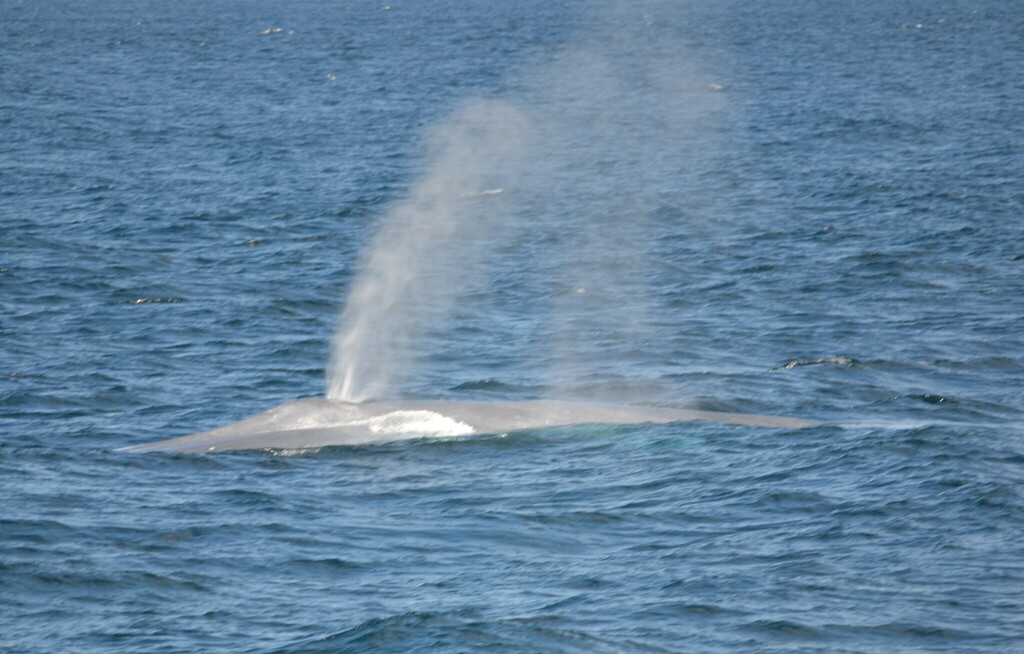
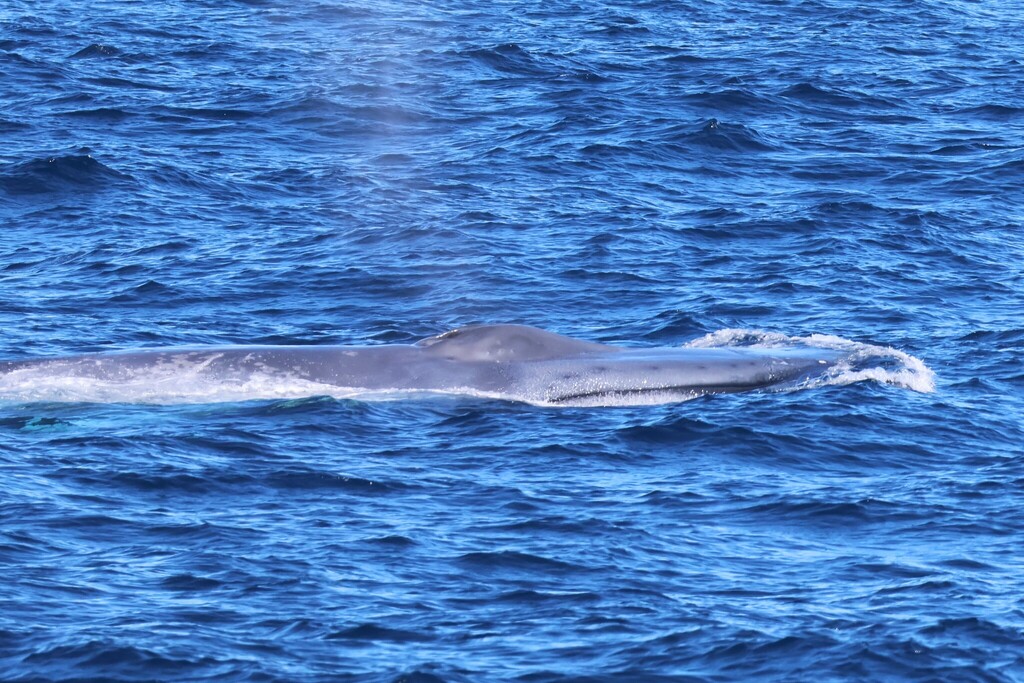
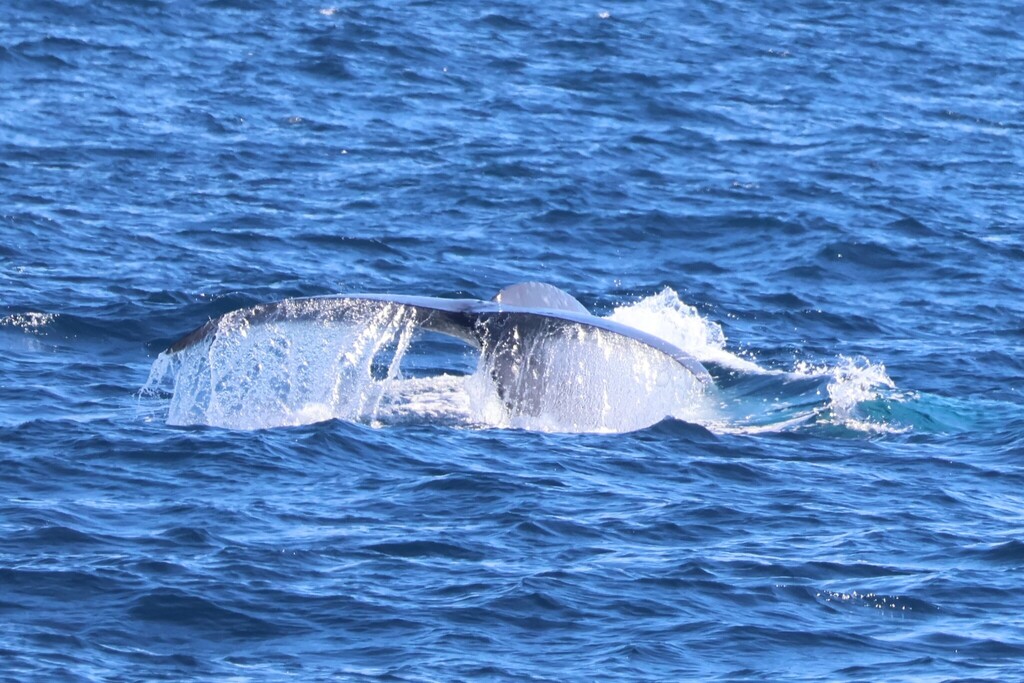
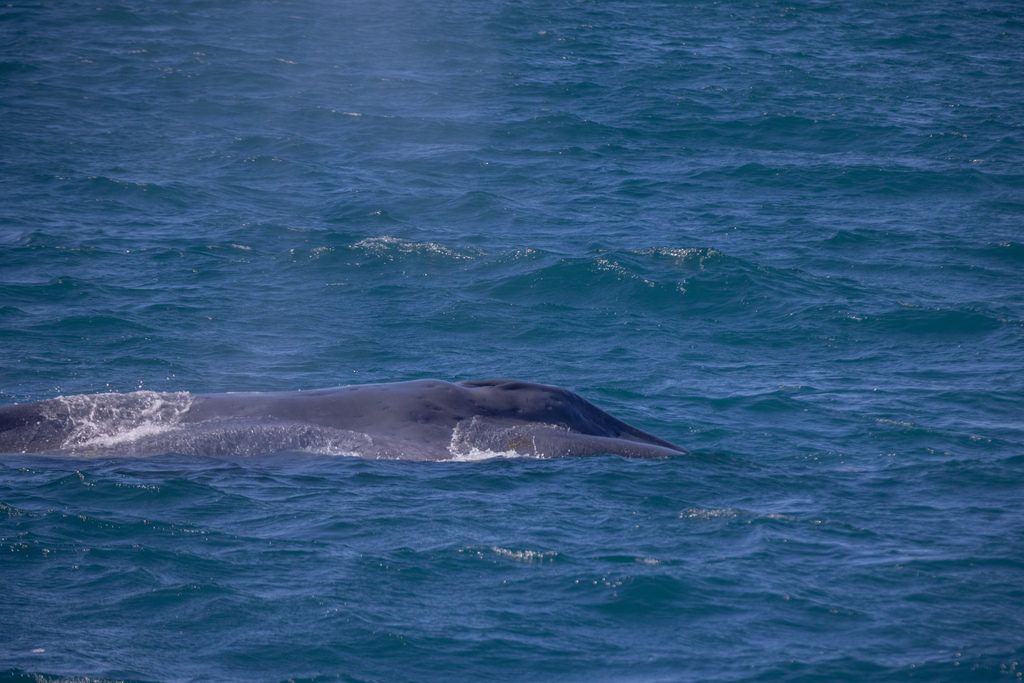
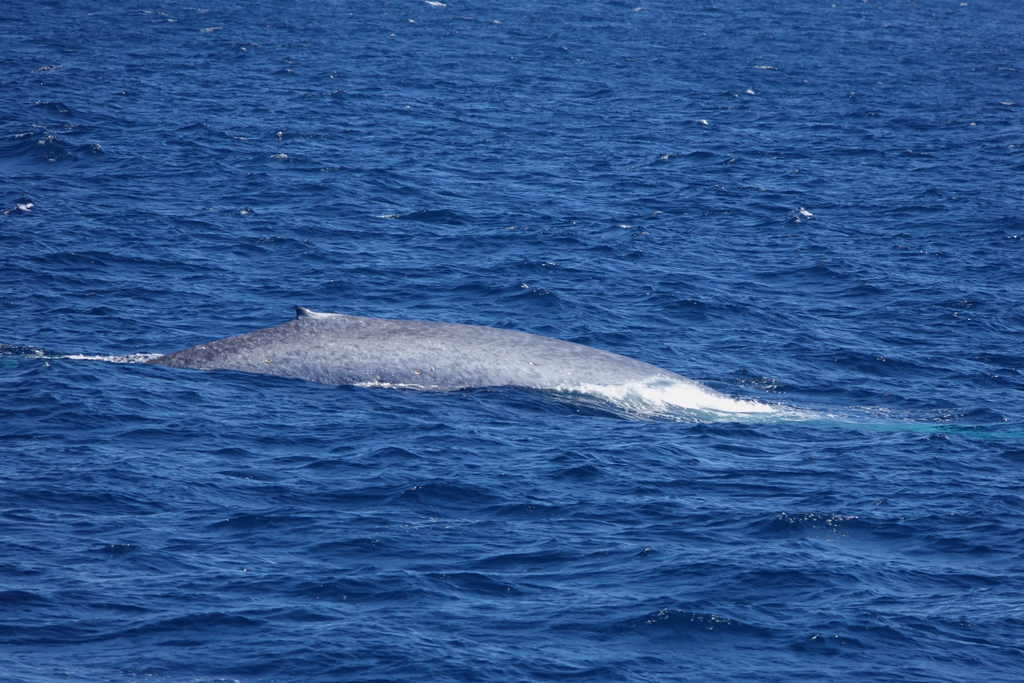
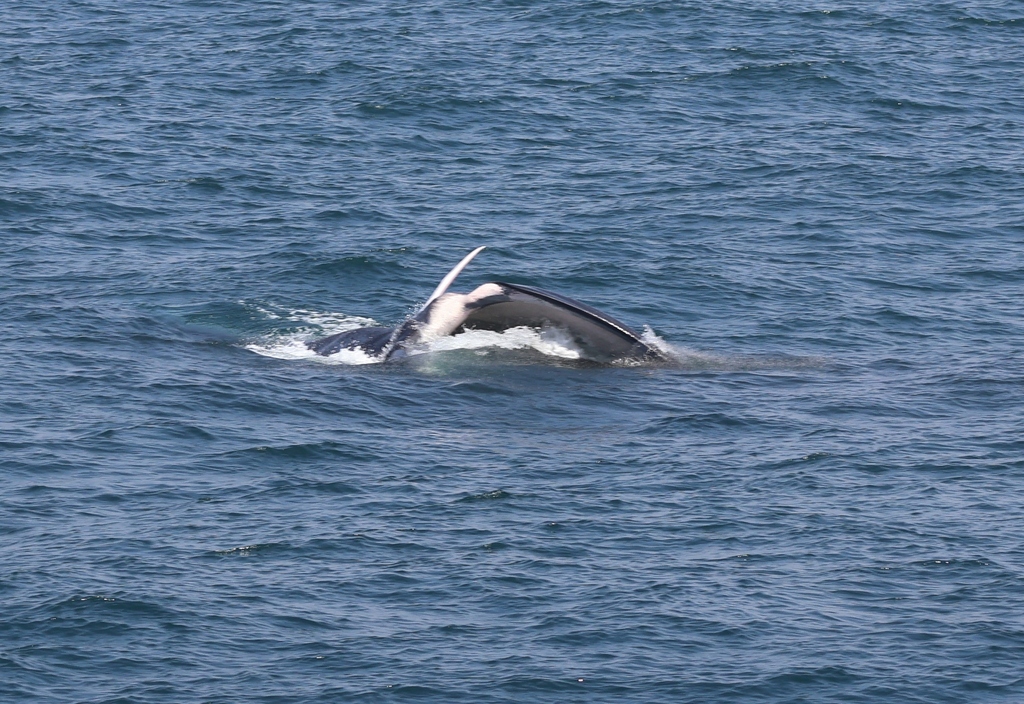
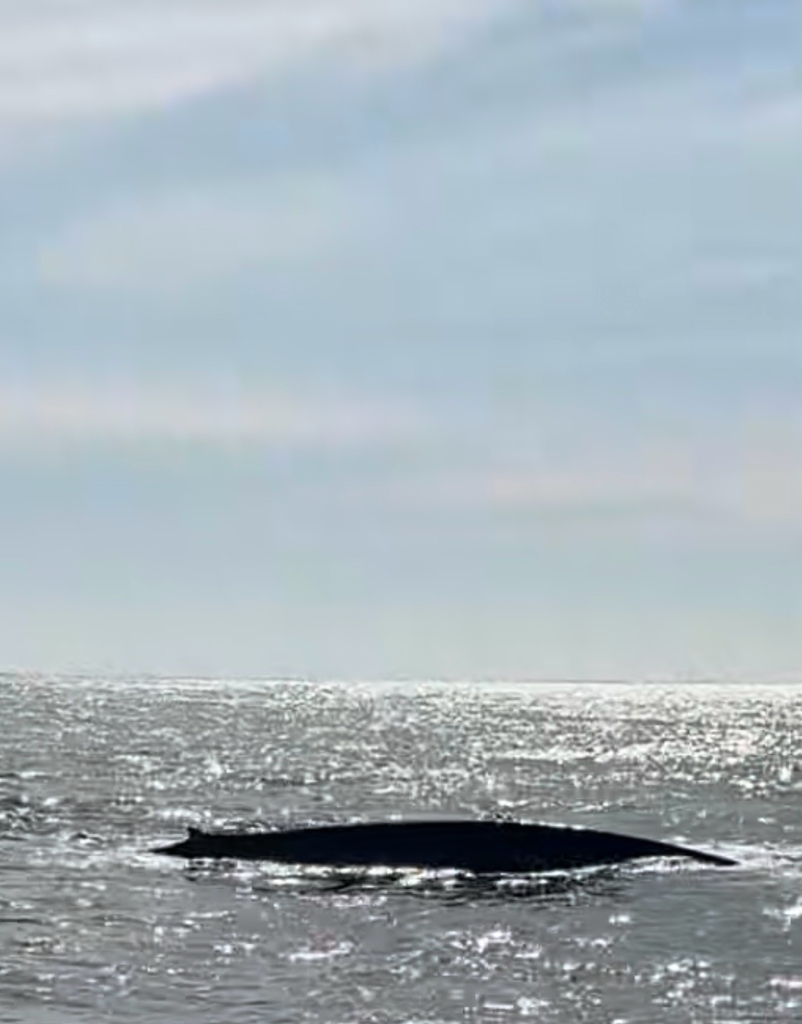
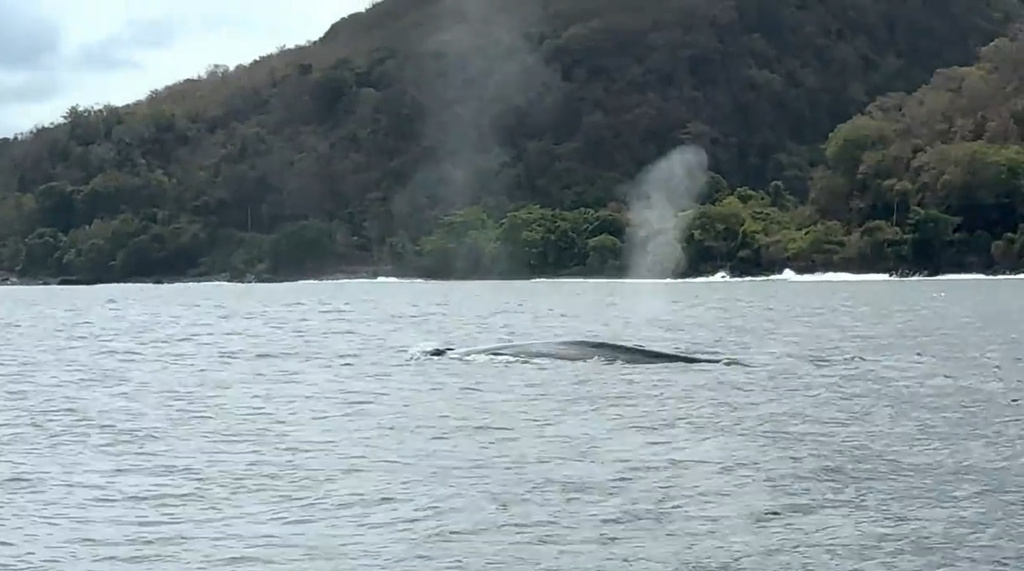
Photos show the species, not always the places on this page.
Length
Adults often about 20.7 to 22.5 m (68 to 74 ft); larger whales of about 24 to 25 m (79 to 82 ft) reported
Weight
Not weighed directly; calculated averages are about 75.5 tonnes (166,500 lb) for males and 90 tonnes (198,400 lb) for females
Next to a person
About 12 to 13 adults lying head to toe
What it eats
Krill, and possibly small fish.
Around people
Calm, give space
How it lives
The pygmy blue whale is a slightly smaller, shorter-tailed subspecies of the blue whale. It feeds by filtering krill through its baleen. It is most common off Australia, Madagascar and New Zealand, and different populations have their own songs, ranges and movements. Researchers have recorded nursing and breeding behaviour, but much about its social life is still unknown.
Where it goes
Pygmy blue whales of the Australia to Indonesia population migrate more than 5,000 km through the Ombai-Wetar and Timor waters, between Australian feeding grounds and Indonesian waters, broadly heading north in June to August and south in October to December. Whales tagged in Perth Canyon followed the coast north and reached the Banda Sea by June. In 2015, 13 whales tagged in the upwelling off southern Australia later swam west, then north along the coast, to West Timor and Indonesia. Other pygmy blue populations move in different ways.
Populations
A smaller subspecies of the blue whale, with several separate populations in the Indian and Southern oceans. In Timor-Leste, feeding was recorded off Manatuto on 20 November 2025, and breeding behaviour and nursing have also been recorded there. The blue whales off Sri Lanka belong to a different population, often placed in another subspecies.
Meet it respectfully
A pygmy blue whale is still enormous, so we give it a lot of space. In Australian waters, local rules ask boats to keep at least 100 m away, and 300 m from calves, and to go slowly within 300 m. In Sri Lanka, local rules ask for 100 m and do not allow entering the water. We never chase, cut across a whale's path or approach calves, and we give feeding whales and mothers with calves extra space. We know of no place with a legal in-water programme for blue whales, so we watch only from the boat.
Fun fact
Tap the bulb to light it up.
Australia to Indonesia pygmy blue whales travel more than 5,000 km between southern Australia and the Banda Sea, passing Timor-Leste.
Researchers following these whales recorded nursing and breeding behaviour, a rare look into blue whale family life.
Off Sri Lanka, the pitch of one part of the local blue whale song has dropped by about 0.54 Hz a year.
Follow its journey
Choose a journey and watch it travel. Every line comes from satellite tracking or documented research, and the source is named.
StartEndJourney (the line joins documented areas; real paths vary)
Pygmy blue whale in the Ocean Atlas
Places we have researched where this animal is recorded. It is never guaranteed, and some places are for watching from the boat only.
Travel with usComing soonTrusted referralExploringOn pause, story onlyEthics pass
Country colour: pink where we travel, blue where we are exploring or refer, grey for story only.
 Australia
 Indonesia
 New Zealand
Sources for this page
- IWC, blue whale
- CMS, Balaenoptera musculus
- Australian Government DCCEEW, Blue Whale Conservation Management Plan
- NOAA Fisheries
- Whales & Dolphins of Timor-Leste, 2026
- ANU, 2024
- Double et al., 2014, PLOS ONE, pygmy blue whales between Australia and Indonesia
- Möller et al., 2020, Scientific Reports, blue whales satellite tagged in an Australian upwelling system
Facts checked 26 September 2026. Photos: Unsplash licence, or Creative Commons as shown on each photo.
Work in ocean travel?
We are always happy to hear from exceptional local operators, accommodation, conservation organisations and destination experts. If your work fits responsible, small-group ocean travel, we would love to learn more.
Partner with Ocean Calling5-day freediving course in Bali
CHF 1,180