
Ocean Atlas · Pacific
 New Zealand
Cool, wild seas with sperm whales and rare dolphins watched from the boat, and rich reef diving in protected marine reserves.

Ethics pass, open for travel. We found a way to visit this country that meets our animal-welfare standard. Checked by Ocean Calling on 30 Sep 2026. Sources: Restrictions for Te Pewhairangi (Bay of Islands) Marine Mammal Sanctuary, Department of Conservation; Proposed changes aim to better target dolphin protection efforts, Department of Conservation, 2 Mar 2026; Shark cage dive permits granted, Otago Daily Times, 2014.
🧭 Travel advice, checked 30 Sep 2026. The US State Department rates New Zealand at Level 1, exercise normal precautions (April 2026). Australia's Smartraveller also advises normal safety precautions and notes earthquakes and volcanic activity. Sources: US State Department travel advisory, New Zealand · Smartraveller travel advice, New Zealand Advice differs by passport: check your own government before you plan.
Why New Zealand
At Kaikōura a deep sea canyon comes close to the coast, and sperm whales, dusky dolphins and fur seals may be seen from the boat all year. The Poor Knights Islands are a marine reserve with arches, caves and kelp reefs, and stingrays often move through the arches in the warmer months. In the Bay of Islands and the Hauraki Gulf, dolphins, Bryde's whales and sometimes orcas are watched from the boat, and in the Bay of Islands nobody enters the water within 300 m of them. At Akaroa the small Hector's dolphin lives only in New Zealand, so daily boat trips there are limited. Stewart Island and its clear kelp reserve suit very quiet trips. New Zealand law does not allow swimming with whales, and we keep all dolphin and seal time from the boat. The water is cool, so good wetsuits matter.
Conservation-led. Ocean Calling guests never chase, touch or bait animals.
When to go
Year-round. Timing changes by place and by animal, so check each place below.
We have researched this place and keep learning about it. There is no trip here yet.
Can we travel here ethically?
Ethics pass
Meets the Ocean Calling standard.
New Zealand has strong marine mammal laws, with fines up to 250,000 dollars or prison for harassing them, and in the Bay of Islands sanctuary nobody may enter the water within 300 m of a marine mammal. Shark cage dives in the south are allowed with berley, so we do not join them. We watch whales, dolphins and seals from the boat, at a calm distance.
Checked 30 Sep 2026. Places change, so we look again every year.
Where in New Zealand
Short notes from our research. Wildlife is never guaranteed.
Kaikōura
ExploringA deep sea canyon close to the mountains, with sperm whales, dusky dolphins and fur seals watched from the boat.
⛵ From the boat or shore, never in the water: Sperm whales (all year), Dusky dolphins (all year, often in big groups), New Zealand fur seals, Humpback whales (winter, passing), Orcas (occasional), Albatross and seabirds
When: Year-round. Sperm whales and dusky dolphins are here all year. Summer is warmer and calmer but busier. Humpback whales pass in winter.
Poor Knights Islands
ExploringA protected island reserve with arches, caves and kelp reefs, for diving and snorkelling with rays and schooling fish.
🤿 In the water: Short-tail and long-tail stingrays (warmer months, in the arches), Schooling fish such as blue maomao, Kingfish, Moray eels and nudibranchs, Sponge gardens and black coral in deep water, Devil rays (occasional in summer)
⛵ From the boat or shore, never in the water: Common dolphins (from the boat), Seabirds such as shearwaters
When: Year-round. Water is warmest from January to April, around 20 to 23°C. Winter is colder but often clearer. Rays come in the warmer months, not every year the same.
Rules and fees: The Poor Knights have been a marine reserve since 1981. Nothing may be taken or disturbed, including shellfish and seaweed, and nobody may land on the islands or rocks.
Bay of Islands
ExploringA sheltered bay of many islands with reef diving, freediving training and dolphins watched from a respectful distance.
🤿 In the water: Kelp and rocky reef life, Reef fish around the outer islands, A well known wreck covered in sea life
⛵ From the boat or shore, never in the water: Bottlenose dolphins (from the boat, 300 m away), Common dolphins (from the boat), Orcas (occasional), Bryde's whales (occasional)
When: Year-round. Diving and freediving run all year. Summer is warmest. Nobody enters the water within 300 m of dolphins or whales here.
Hauraki Gulf
ExploringA large gulf near Auckland where Bryde's whales and common dolphins live all year, with easy snorkelling in a marine reserve.
🤿 In the water: Snapper and reef fish in the marine reserve, Kelp and rocky reef life
⛵ From the boat or shore, never in the water: Bryde's whales (all year), Common dolphins (all year), Orcas (occasional), Seabirds
When: Year-round. Whales and dolphins are here all year. Summer is best for snorkelling. Big ships slow down in the gulf to protect the whales.
Akaroa and Banks Peninsula
ExploringA calm volcanic harbour where the small Hector's dolphin, found only in New Zealand, is watched quietly from the boat.
⛵ From the boat or shore, never in the water: Hector's dolphins (mostly in summer), New Zealand fur seals, Little penguins
When: Oct-Apr. Hector's dolphins are most often in the harbour from October to April. Boat trips are limited each day to protect them.
Animals recorded in New Zealand
Tap an animal to learn how it lives, where it travels and how to meet it respectfully.
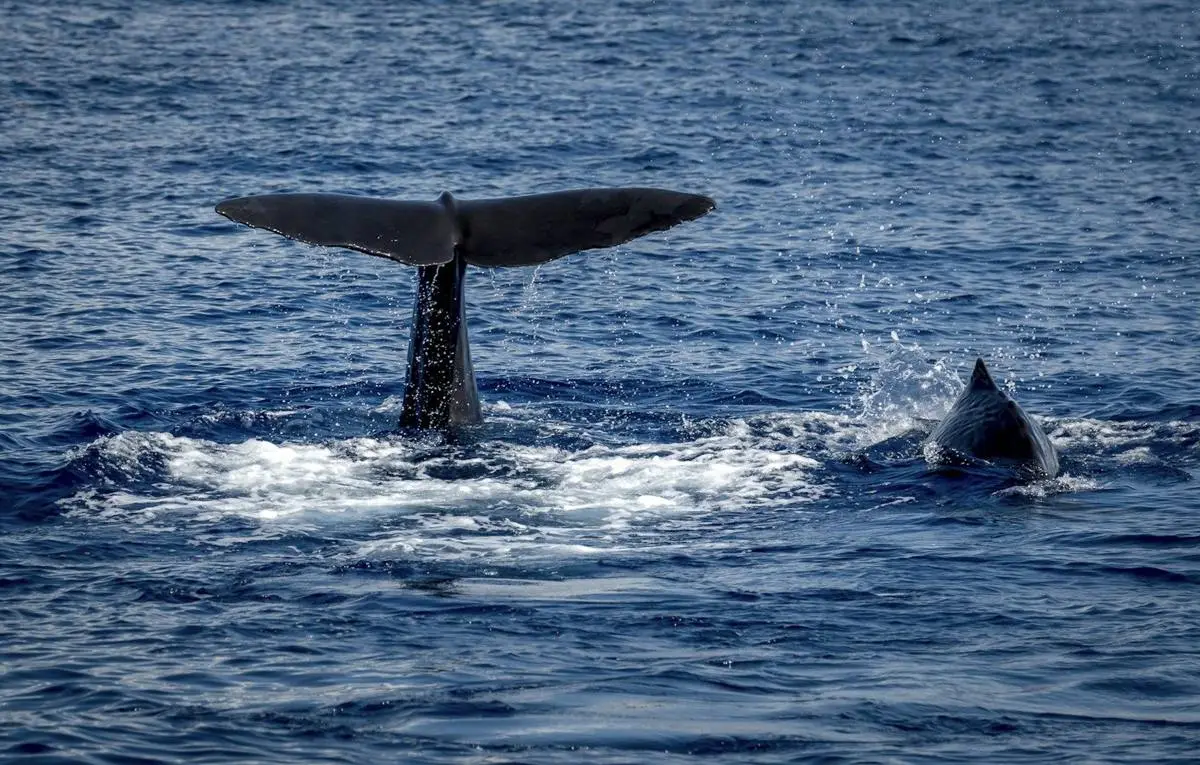 Sperm whalePhyseter macrocephalusSeen in 114 countries in the AtlasVulnerable
 Common dolphinDelphinus delphisSeen in 53 countries in the AtlasLeast Concern
 Common bottlenose dolphinTursiops truncatusSeen in 89 countries in the AtlasLeast Concern
 Orca (killer whale)Orcinus orcaSeen in 55 countries in the AtlasData Deficient
 Bryde's whaleBalaenoptera edeniSeen in 36 countries in the AtlasLeast Concern
 Humpback whaleMegaptera novaeangliaeSeen in 87 countries in the AtlasLeast Concern
 Southern right whaleEubalaena australisSeen in 7 countries in the AtlasLeast Concern
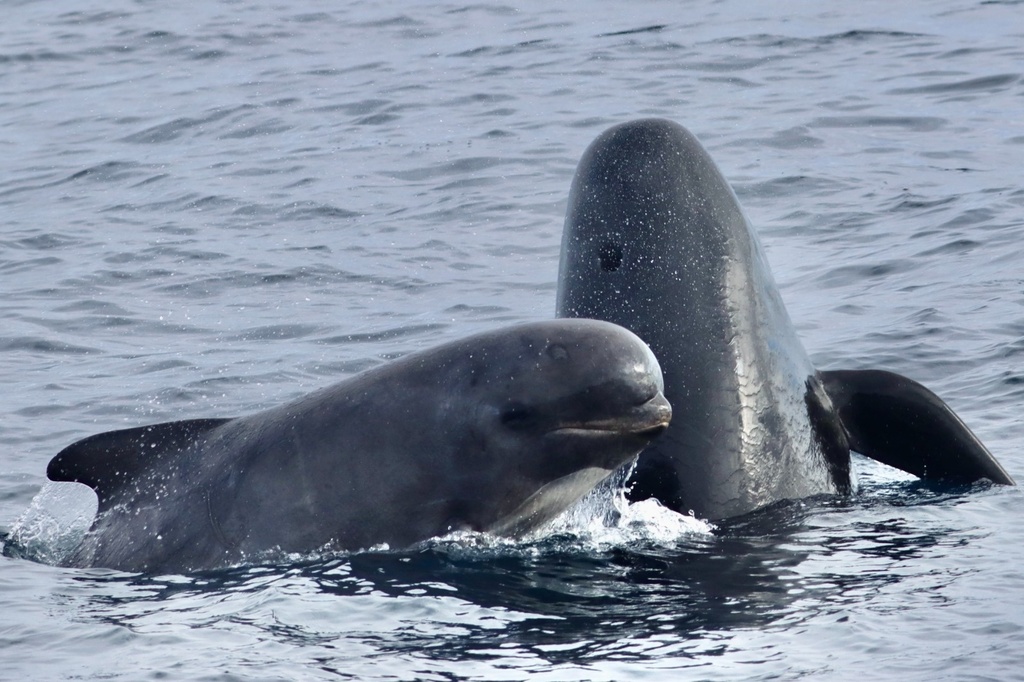 Long-finned pilot whaleGlobicephala melasSeen in 24 countries in the AtlasLeast Concern
 White sharkCarcharodon carchariasSeen in 17 countries in the AtlasVulnerable
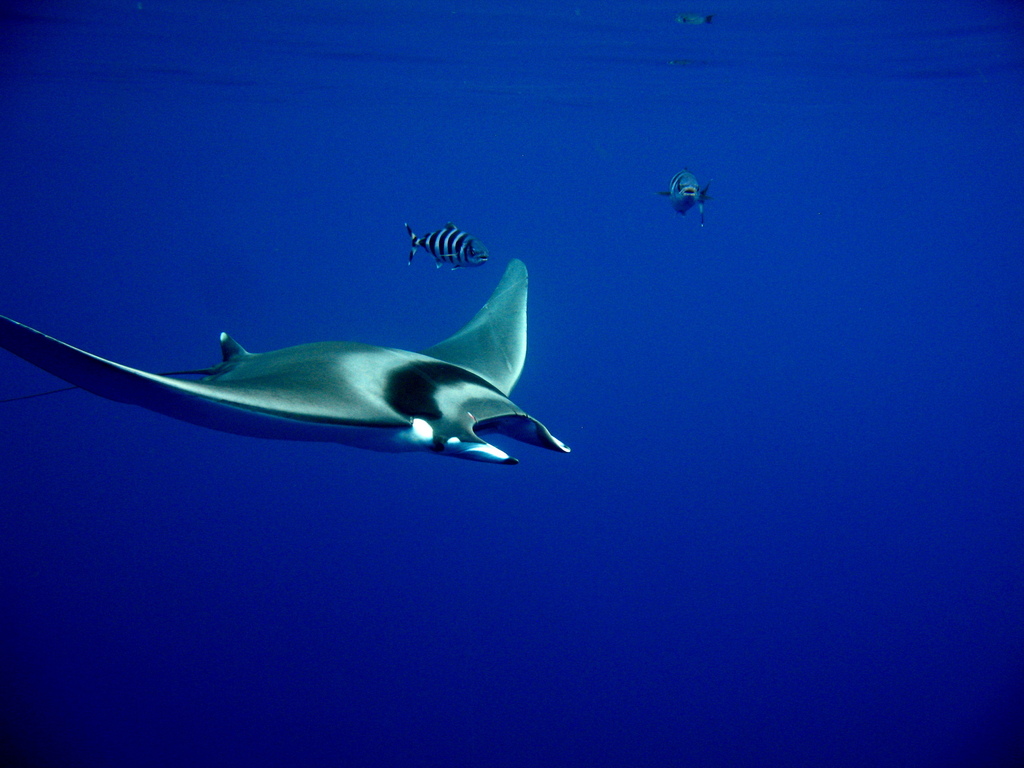 Spinetail devil rayMobula mobularSeen in 18 countries in the AtlasCritically Endangered
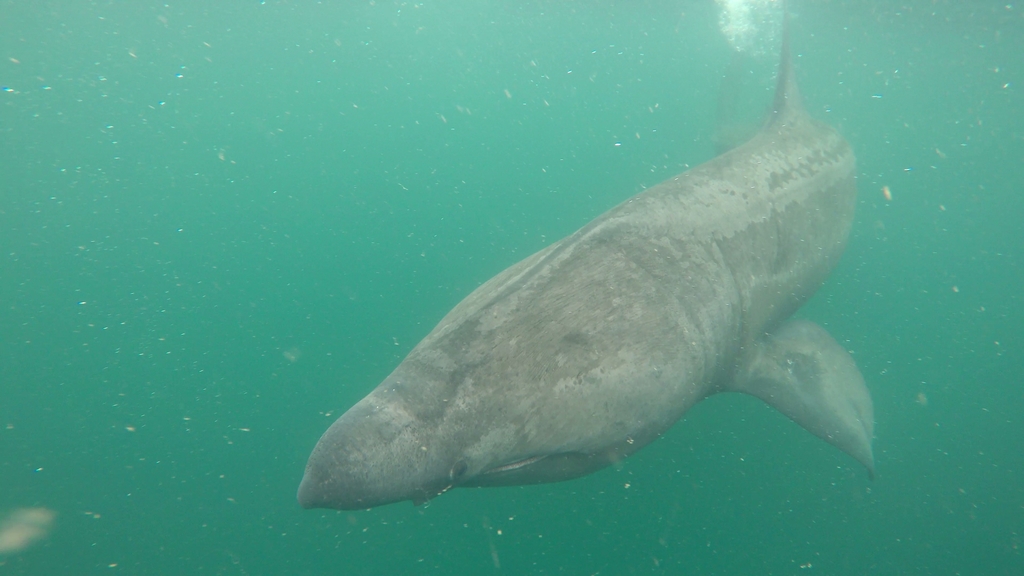 Basking sharkCetorhinus maximusSeen in 23 countries in the AtlasEndangered
 Dusky dolphinLagenorhynchus obscurusSeen in 7 countries in the AtlasLeast Concern
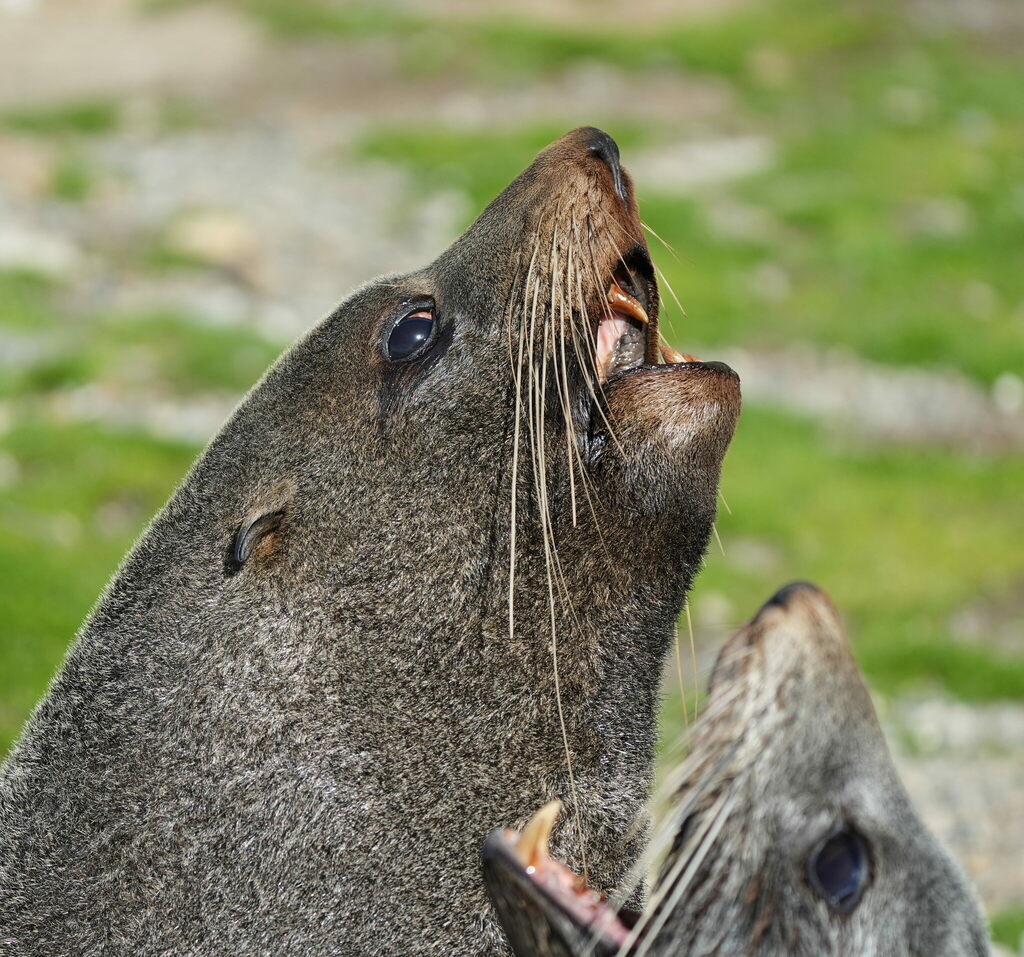 New Zealand fur sealArctocephalus forsteriSeen in 2 countries in the AtlasLeast Concern
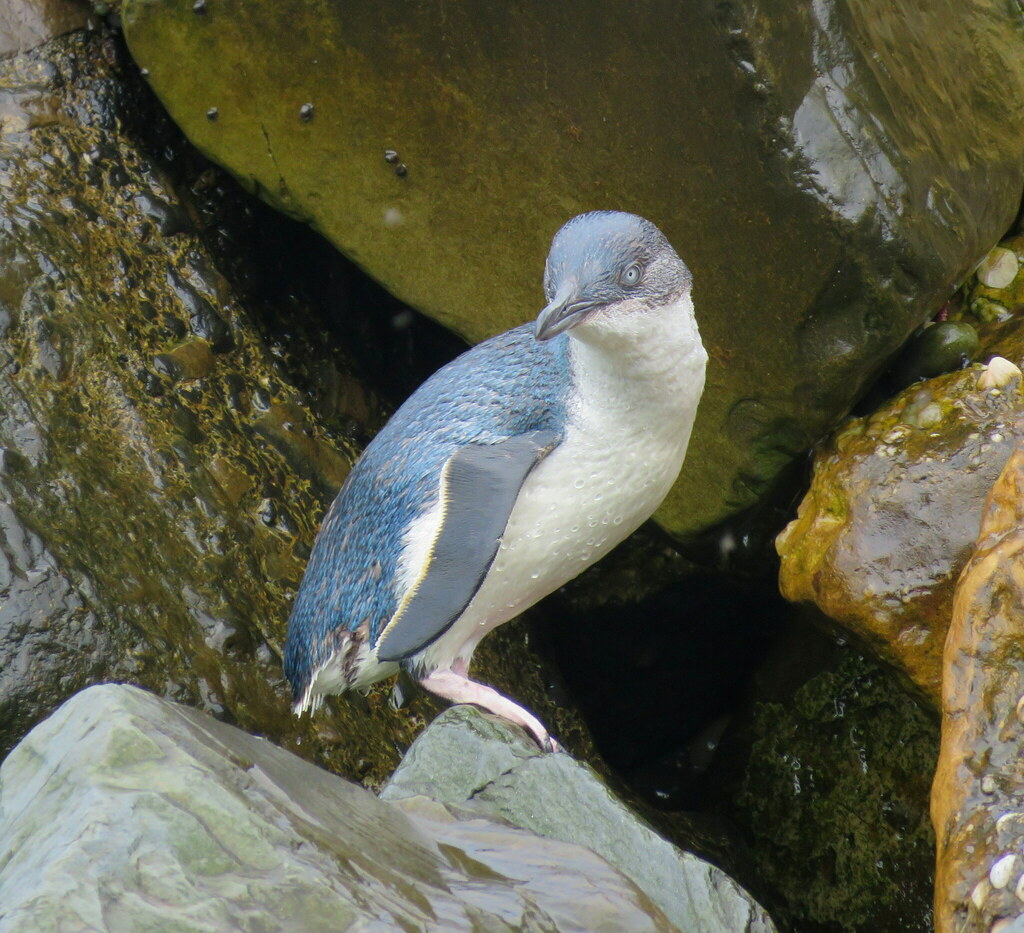 Little penguinEudyptula minorSeen in 3 countries in the AtlasLeast Concern
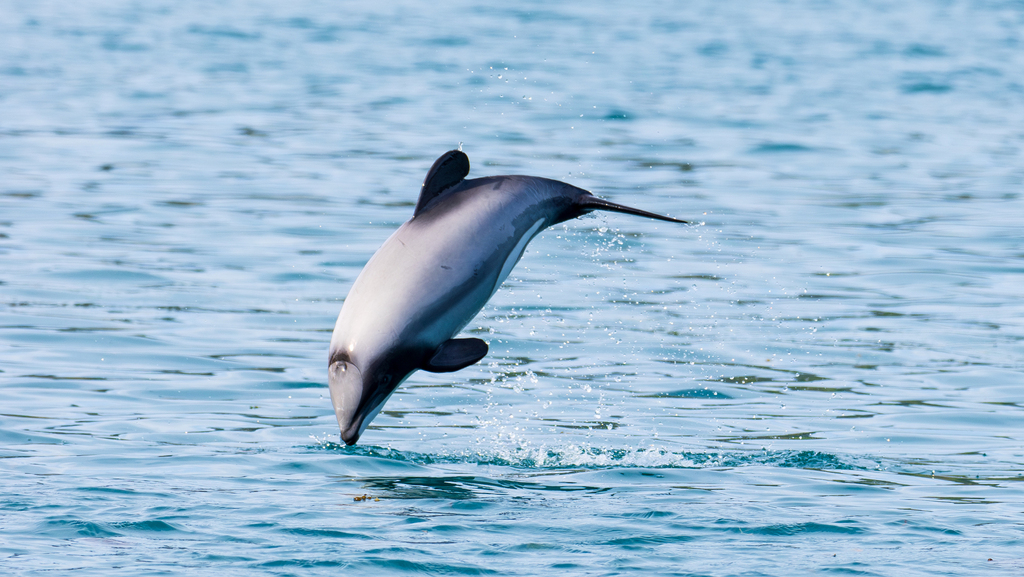 Hector's dolphinCephalorhynchus hectoriSeen in 1 country in the AtlasEndangered
 Whale sharkRhincodon typusSeen in 54 countries in the AtlasEndangered
 Green turtleChelonia mydasSeen in 103 countries in the AtlasLeast Concern
 Hawksbill turtleEretmochelys imbricataSeen in 88 countries in the AtlasCritically Endangered
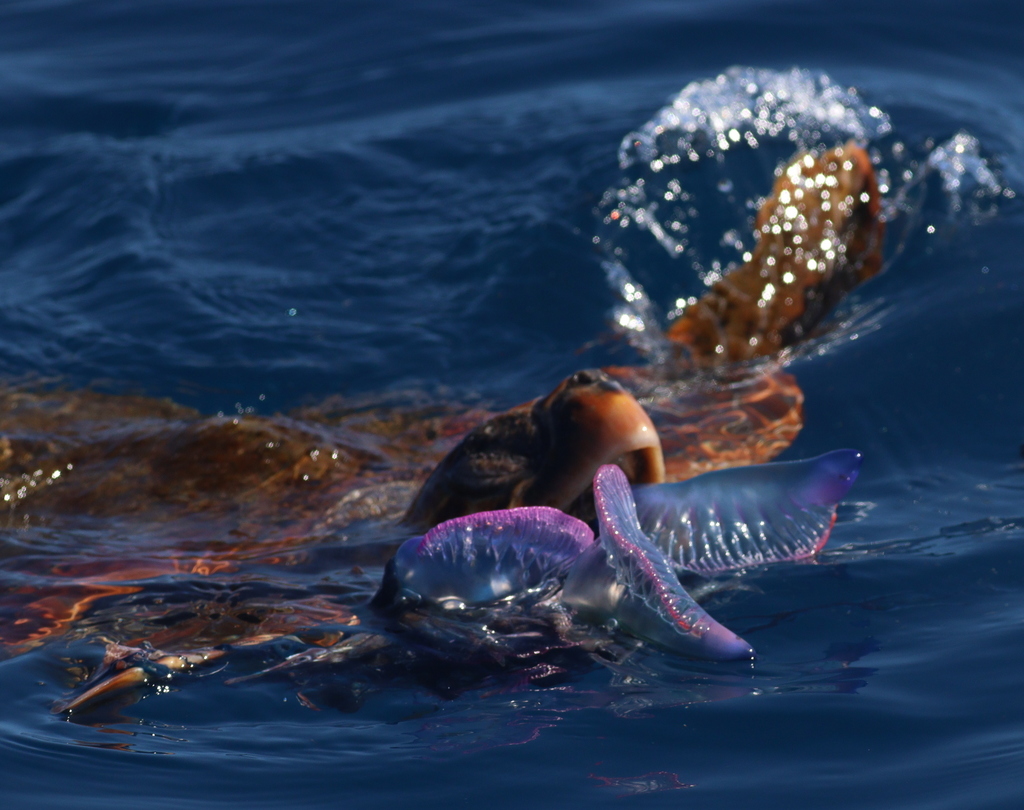 Loggerhead turtleCaretta carettaSeen in 89 countries in the AtlasVulnerable
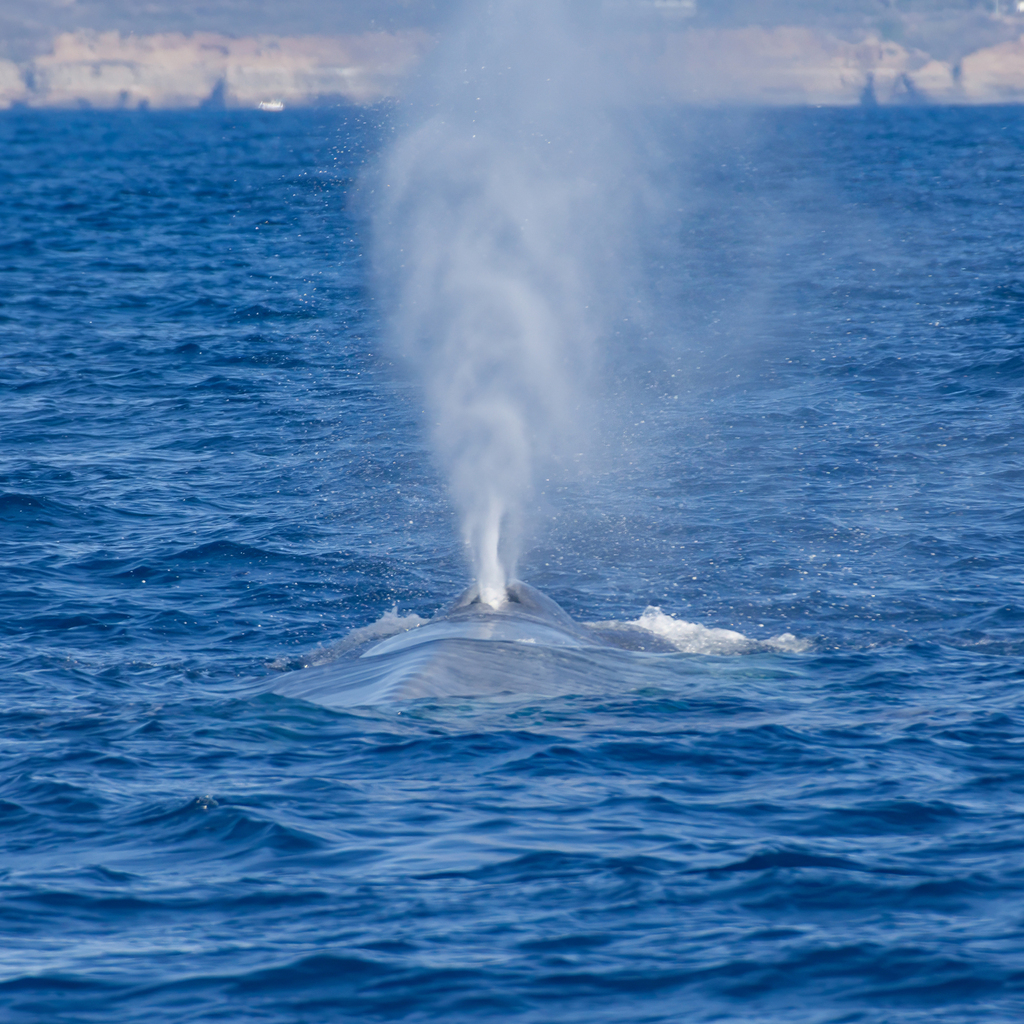 Blue whaleBalaenoptera musculusSeen in 29 countries in the AtlasEndangered
 Fin whaleBalaenoptera physalusSeen in 37 countries in the AtlasVulnerable
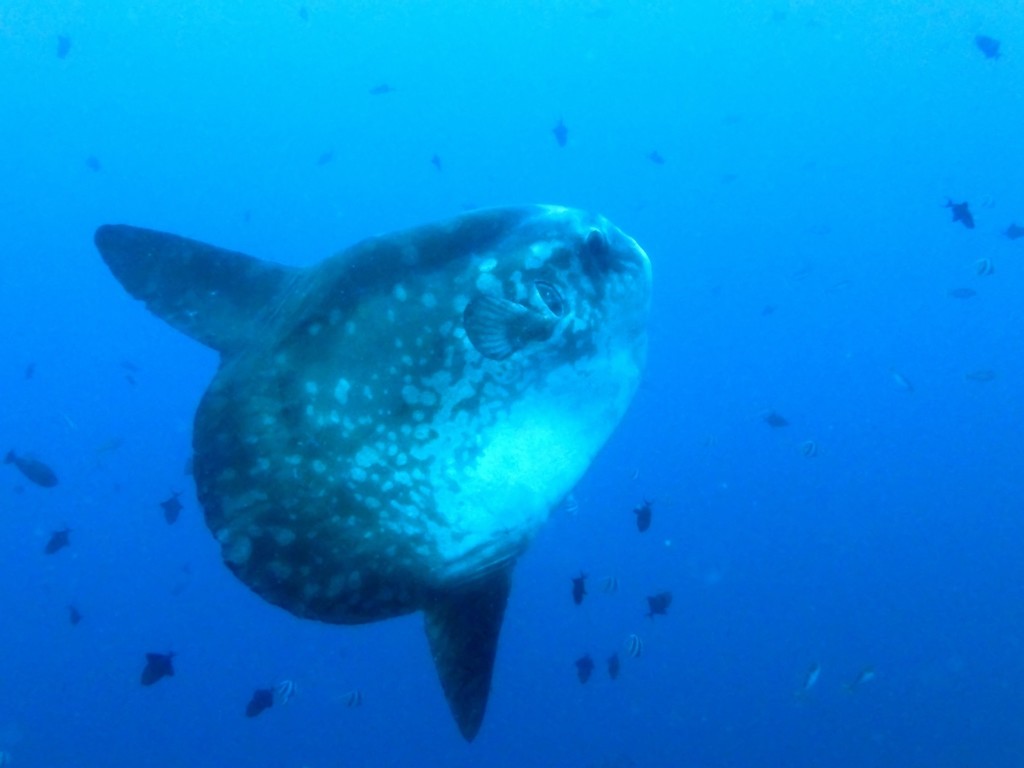 Ocean sunfish (mola)Mola molaSeen in 29 countries in the AtlasVulnerable
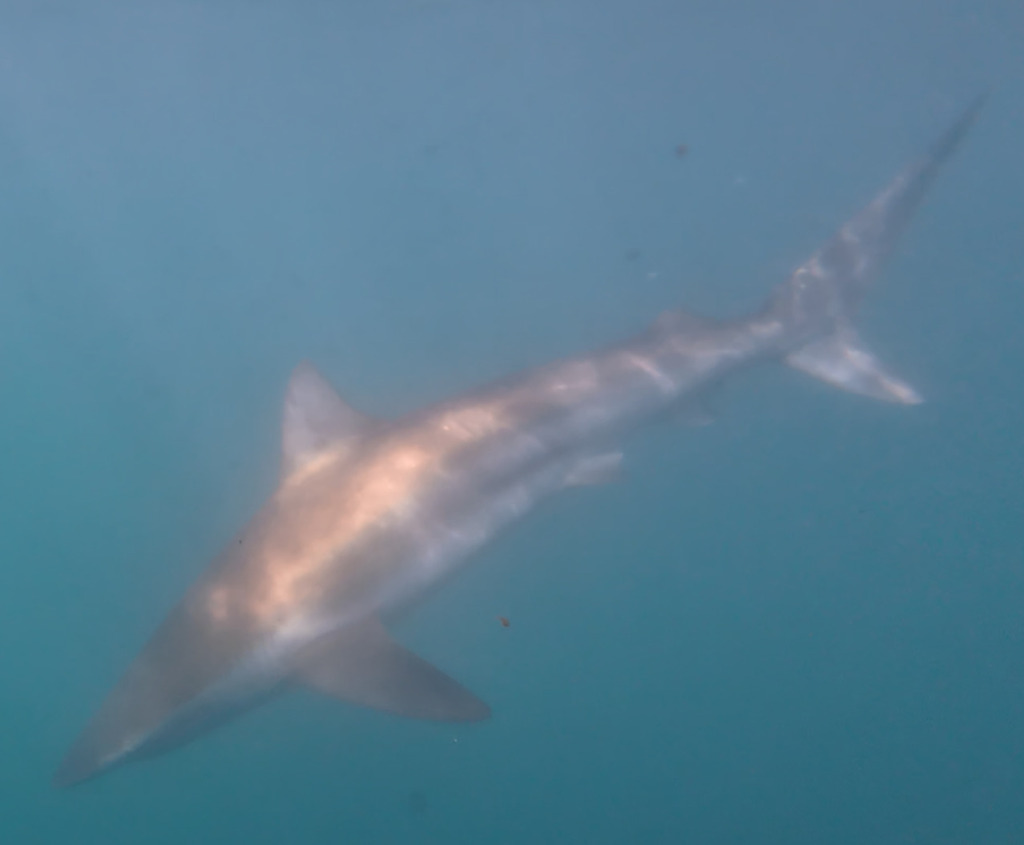 Bronze whaler (copper shark)Carcharhinus brachyurusSeen in 11 countries in the AtlasVulnerable
 Cape gannetMorus capensisSeen in 7 countries in the AtlasEndangered
 Blue-spotted stingrayNeotrygon kuhlii complexSeen in 15 countries in the AtlasVaries by species
 Oceanic manta ray (giant manta)Mobula birostrisSeen in 31 countries in the AtlasEndangered
 Sei whaleBalaenoptera borealisSeen in 24 countries in the AtlasEndangered
 False killer whalePseudorca crassidensSeen in 41 countries in the AtlasNear Threatened
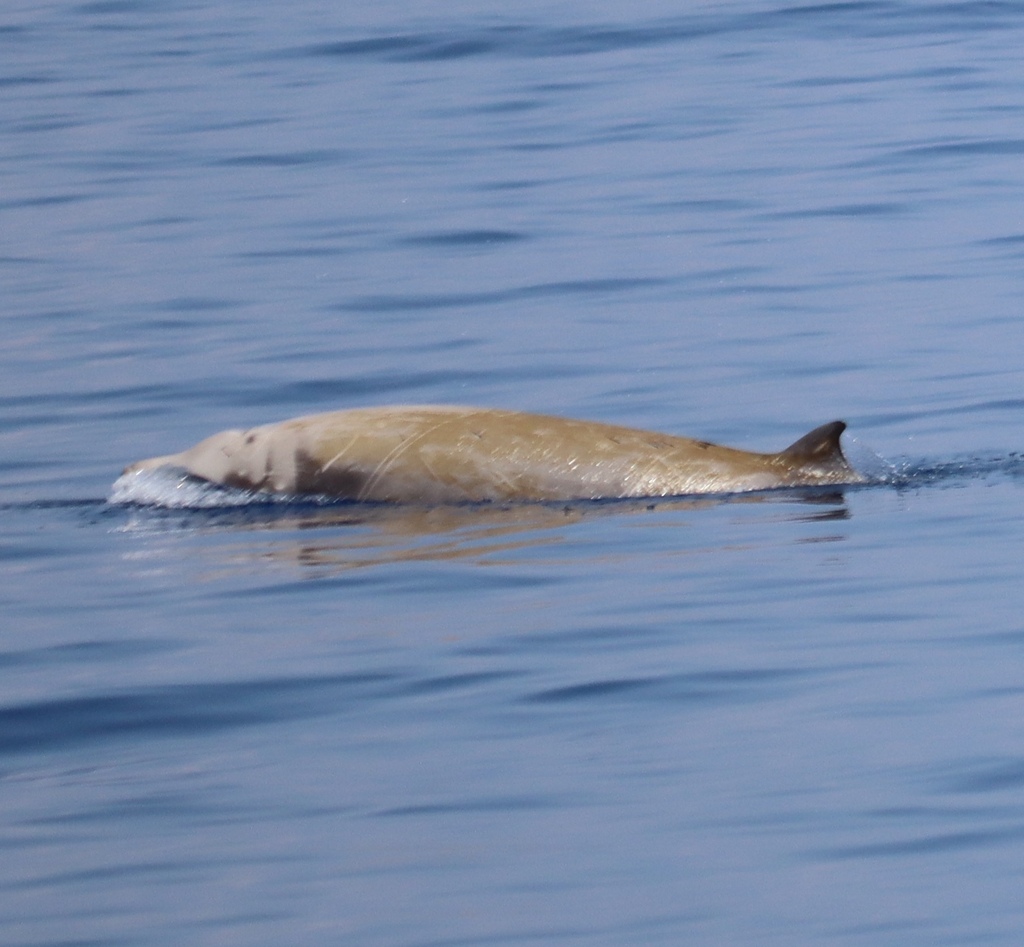 Cuvier's beaked whaleZiphius cavirostrisSeen in 42 countries in the AtlasLeast Concern
 Leatherback turtleDermochelys coriaceaSeen in 76 countries in the AtlasVulnerable
 Oceanic whitetip sharkCarcharhinus longimanusSeen in 43 countries in the AtlasCritically Endangered
 Olive ridley turtleLepidochelys olivaceaSeen in 40 countries in the AtlasVulnerable
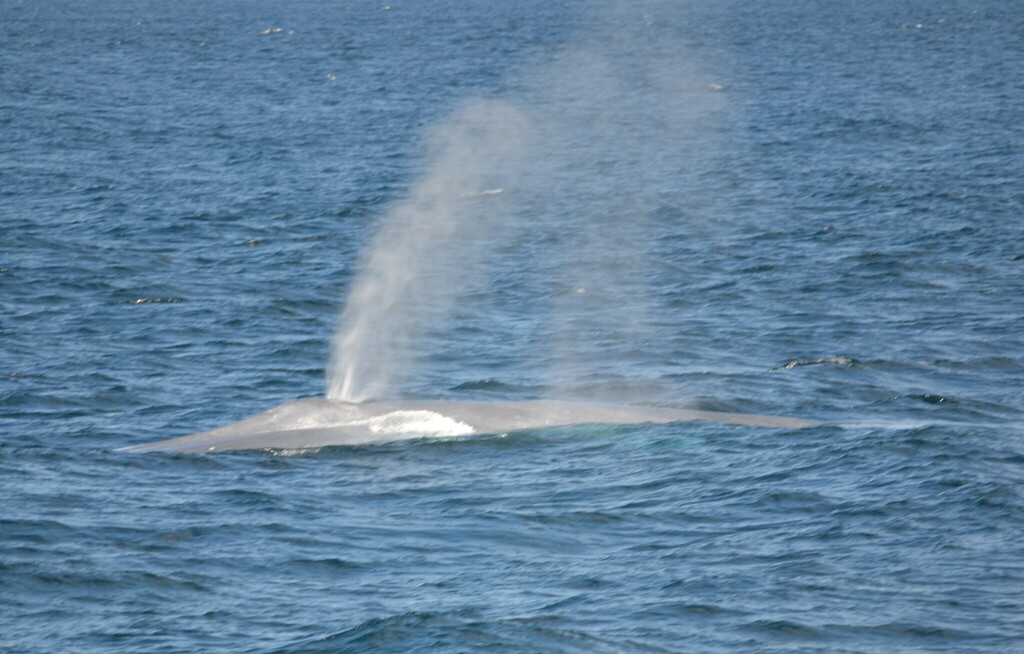 Pygmy blue whaleBalaenoptera musculus brevicaudaSeen in 3 countries in the AtlasData Deficient
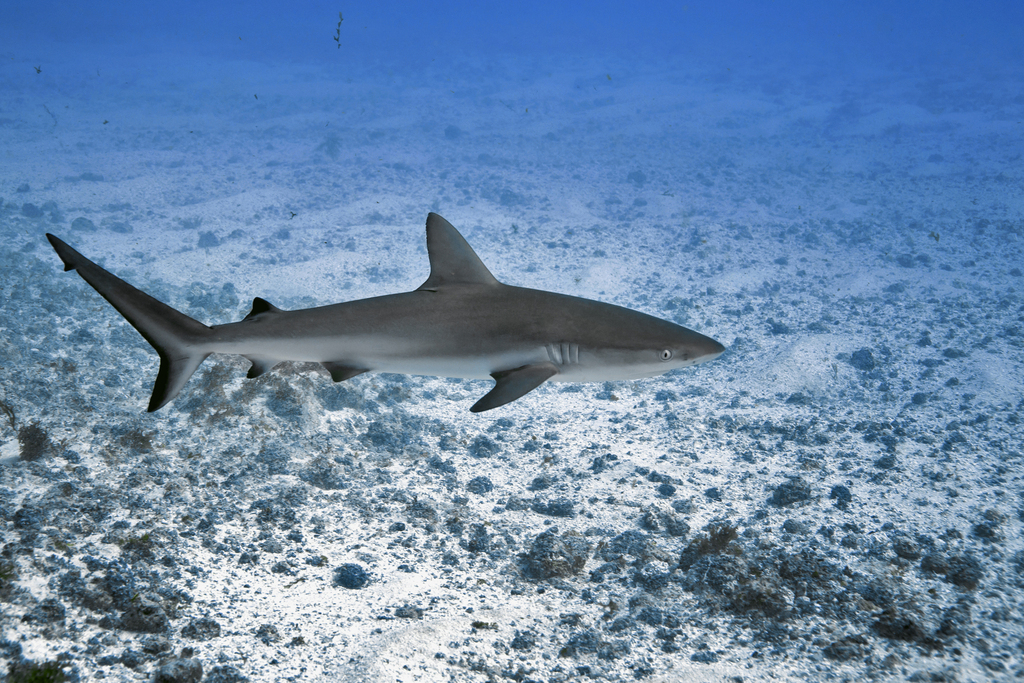 Galápagos sharkCarcharhinus galapagensisSeen in 15 countries in the AtlasLeast Concern
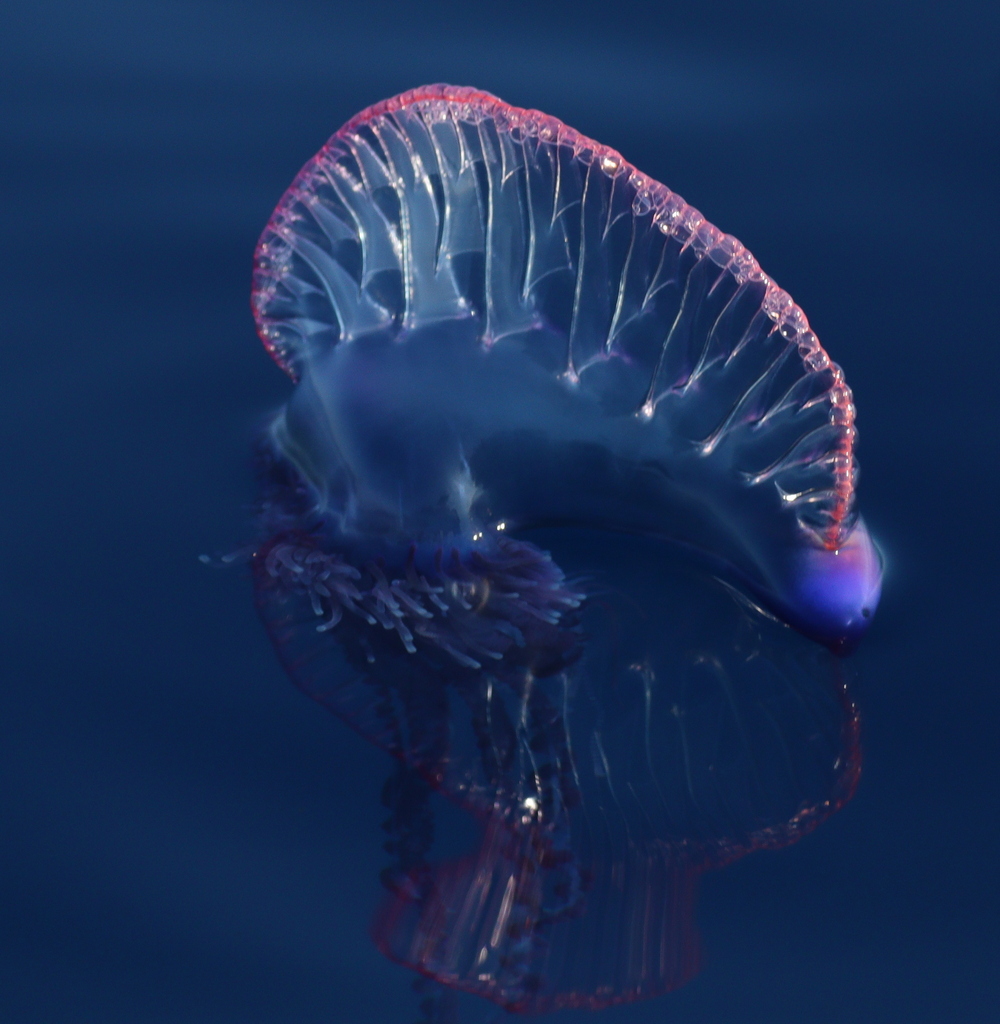 Portuguese man o' warPhysalia physalisSeen in 36 countries in the AtlasNot Evaluated
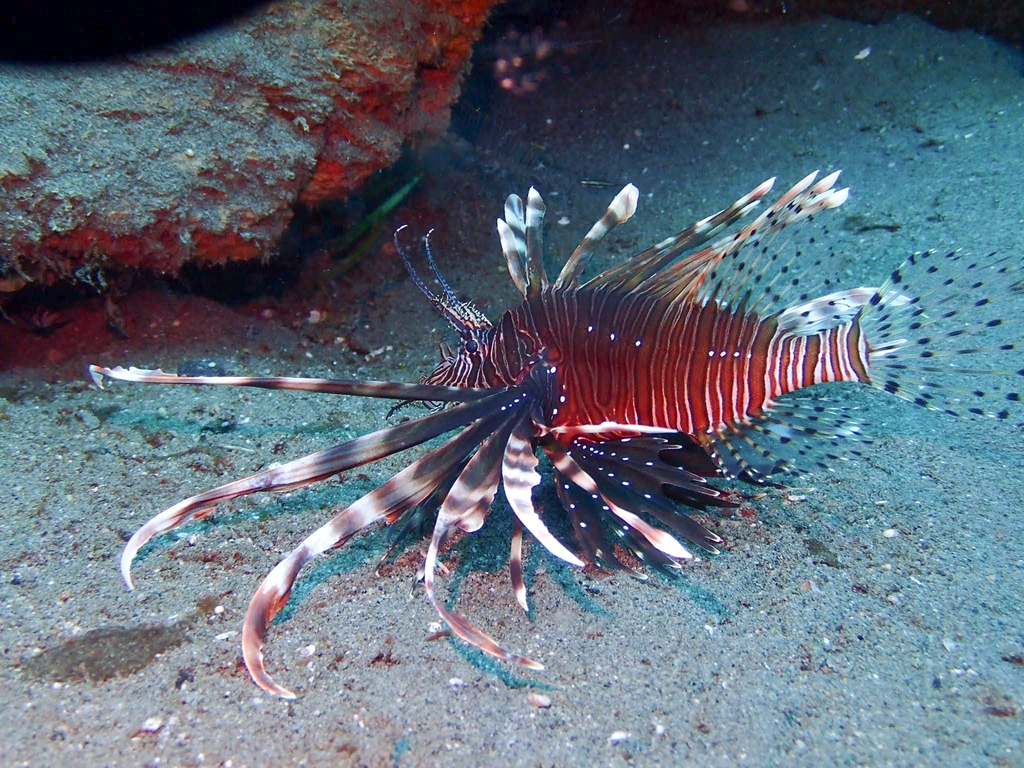 Lionfish (red and common lionfish)Pterois volitans and Pterois milesSeen in 80 countries in the AtlasLeast Concern
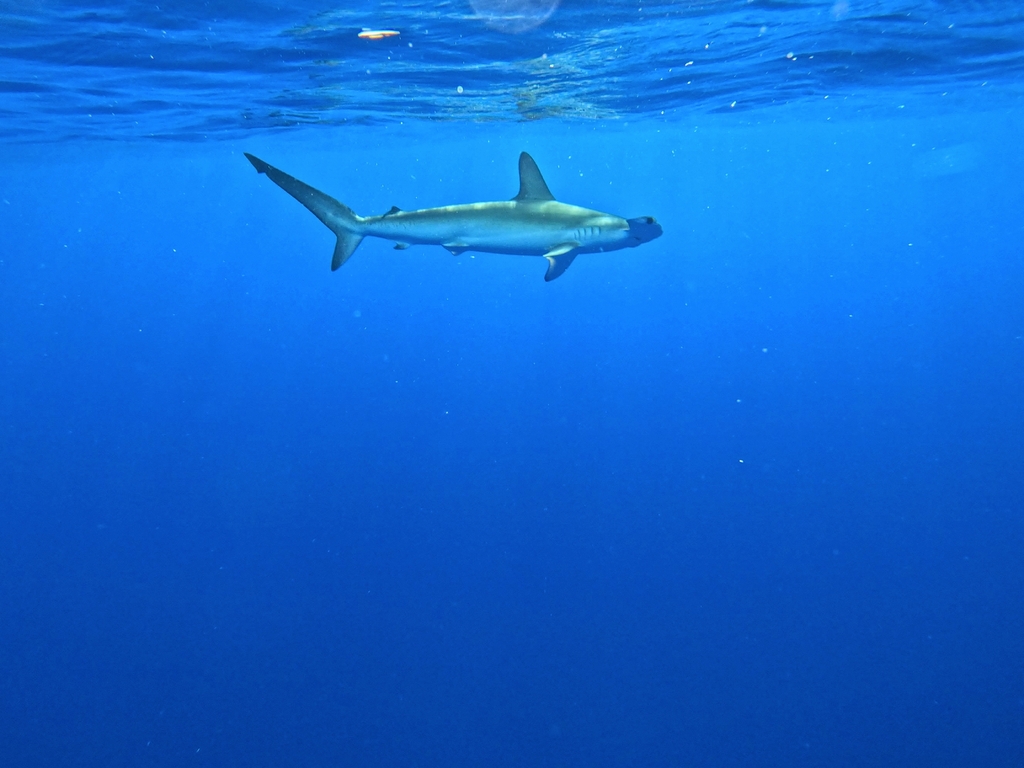 Smooth hammerheadSphyrna zygaenaSeen in 26 countries in the AtlasVulnerable
 Shortfin makoIsurus oxyrinchusSeen in 40 countries in the AtlasEndangered
 Blue sharkPrionace glaucaSeen in 50 countries in the AtlasNear Threatened
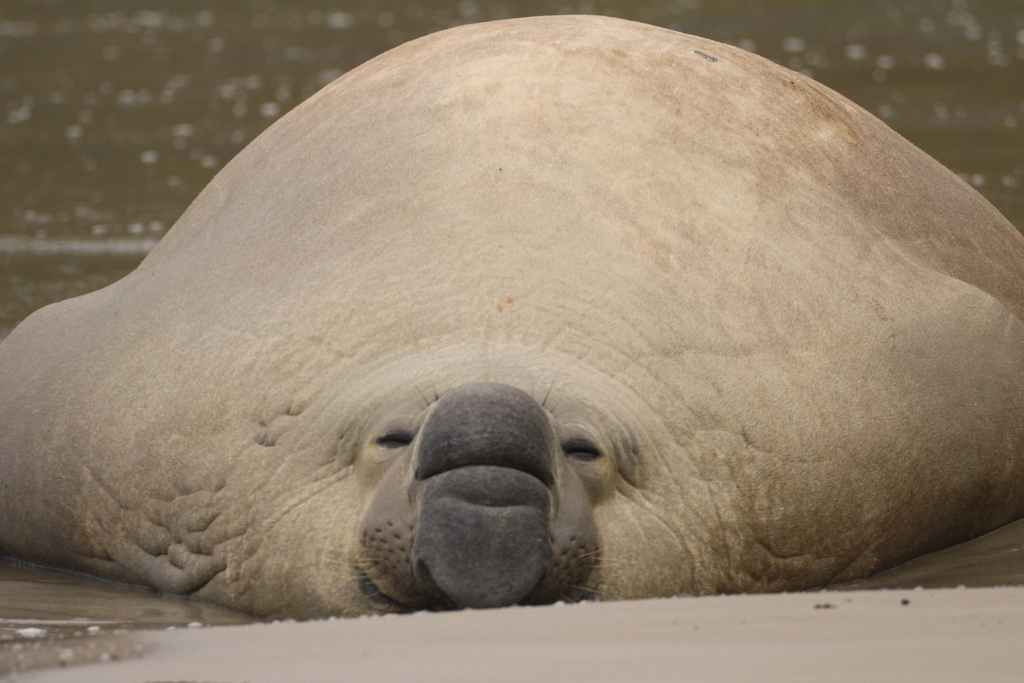 Southern elephant sealMirounga leoninaSeen in 11 countries in the AtlasVulnerable
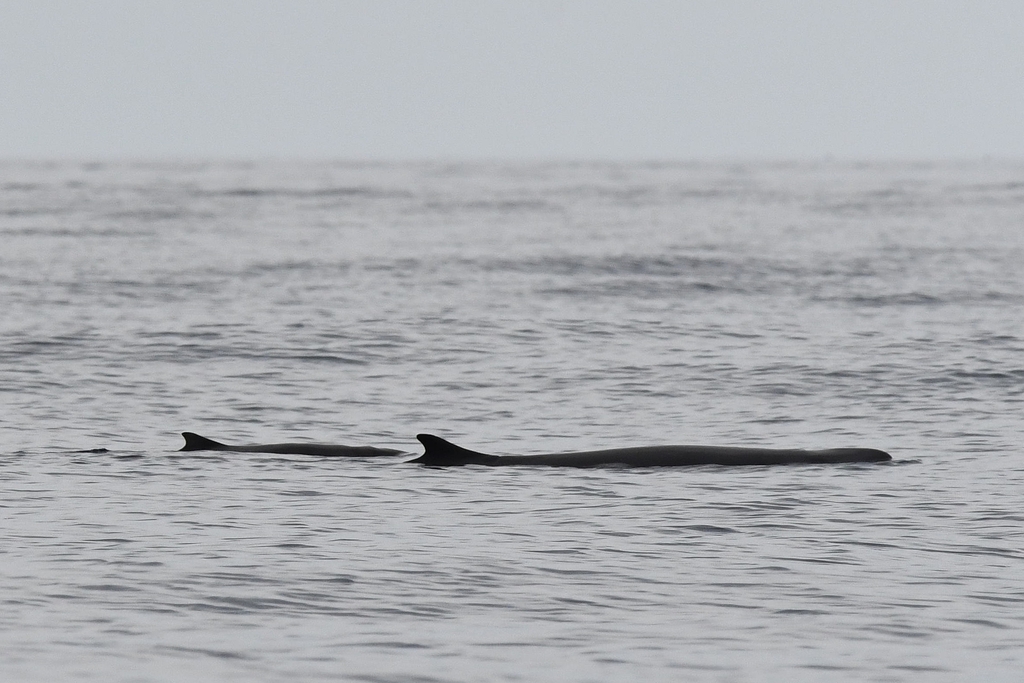 Pygmy sperm whaleKogia brevicepsSeen in 23 countries in the AtlasLeast Concern
 Spiny dogfishSqualus acanthiasSeen in 47 countries in the AtlasVulnerable
 Wedge-tailed shearwaterArdenna pacificaSeen in 46 countries in the AtlasLeast Concern
 Masked boobySula dactylatraSeen in 80 countries in the AtlasLeast Concern
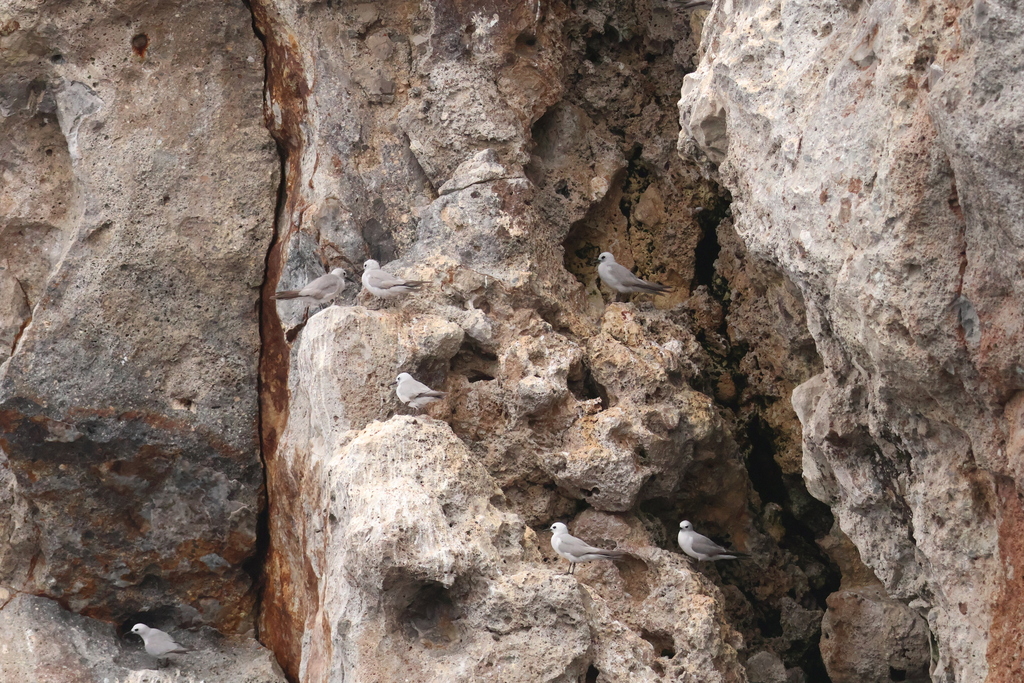 Grey noddyAnous albivittaSeen in 5 countries in the AtlasLeast Concern
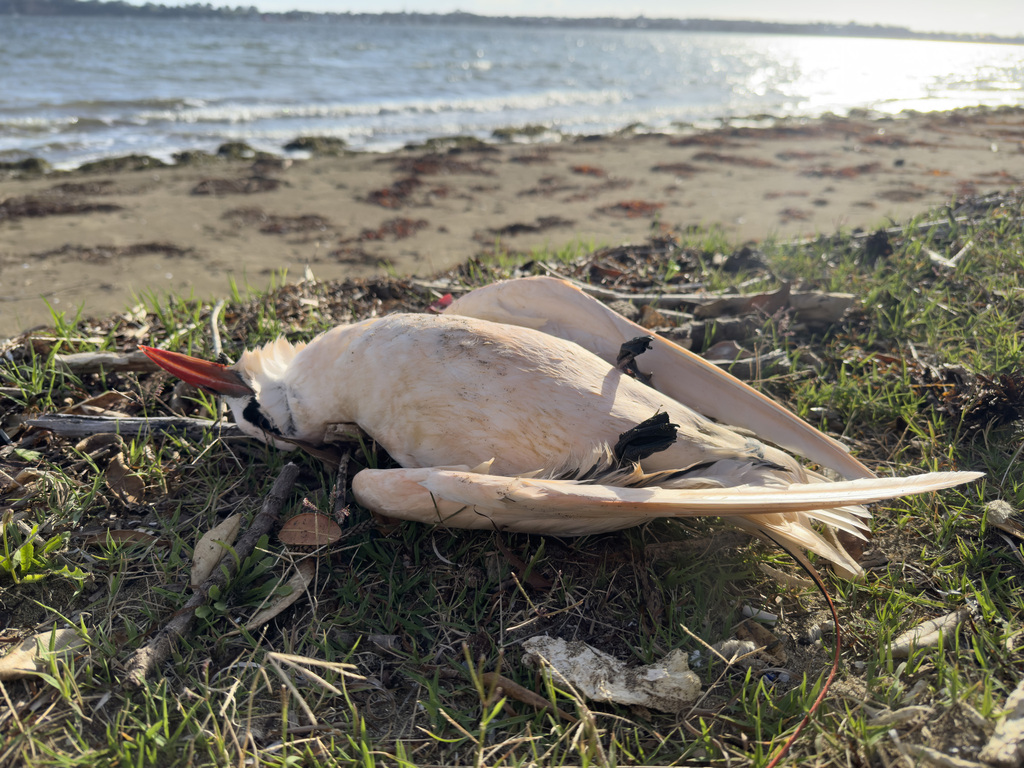 Red-tailed tropicbirdPhaethon rubricaudaSeen in 28 countries in the AtlasLeast Concern
 Black noddyAnous minutusSeen in 37 countries in the AtlasLeast Concern
 Pygmy right whaleCaperea marginataSeen in 3 countries in the AtlasLeast Concern
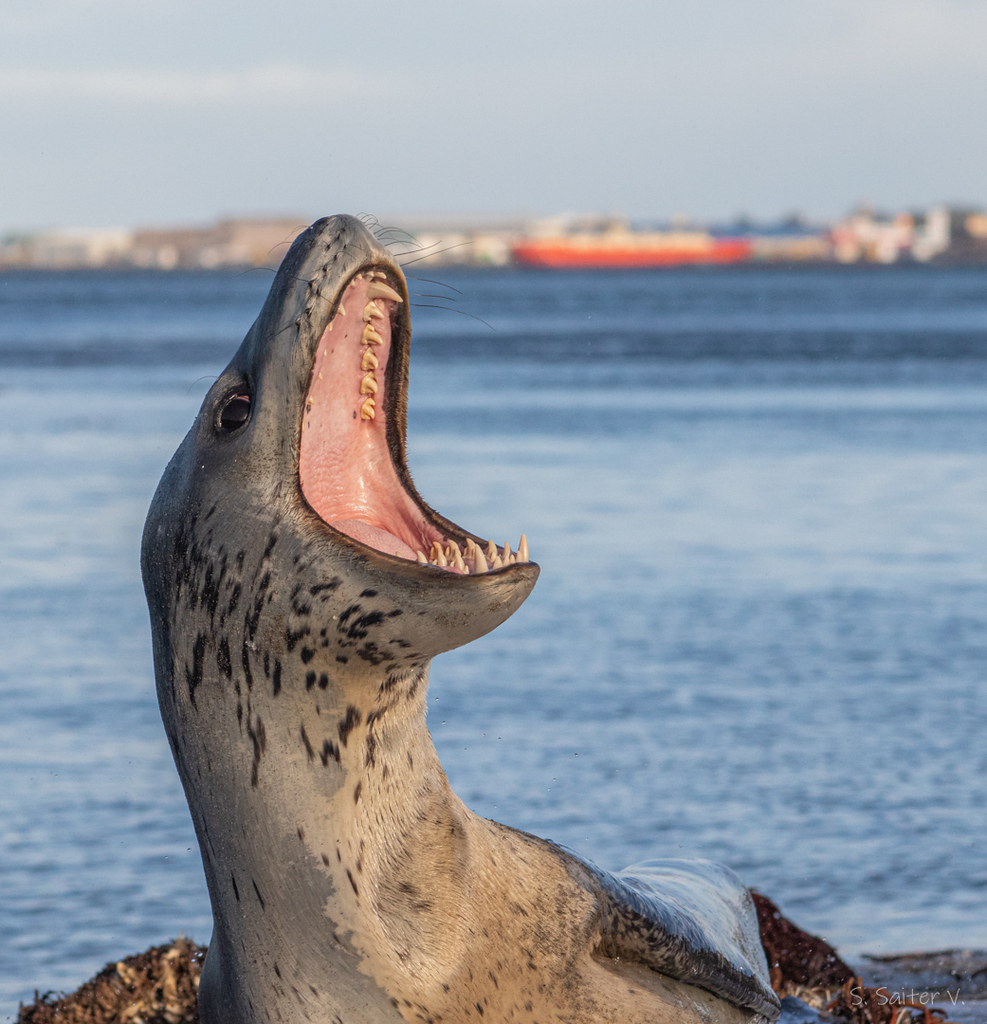 Leopard sealHydrurga leptonyxSeen in 7 countries in the AtlasLeast Concern
 Brown boobySula leucogasterSeen in 104 countries in the AtlasLeast Concern
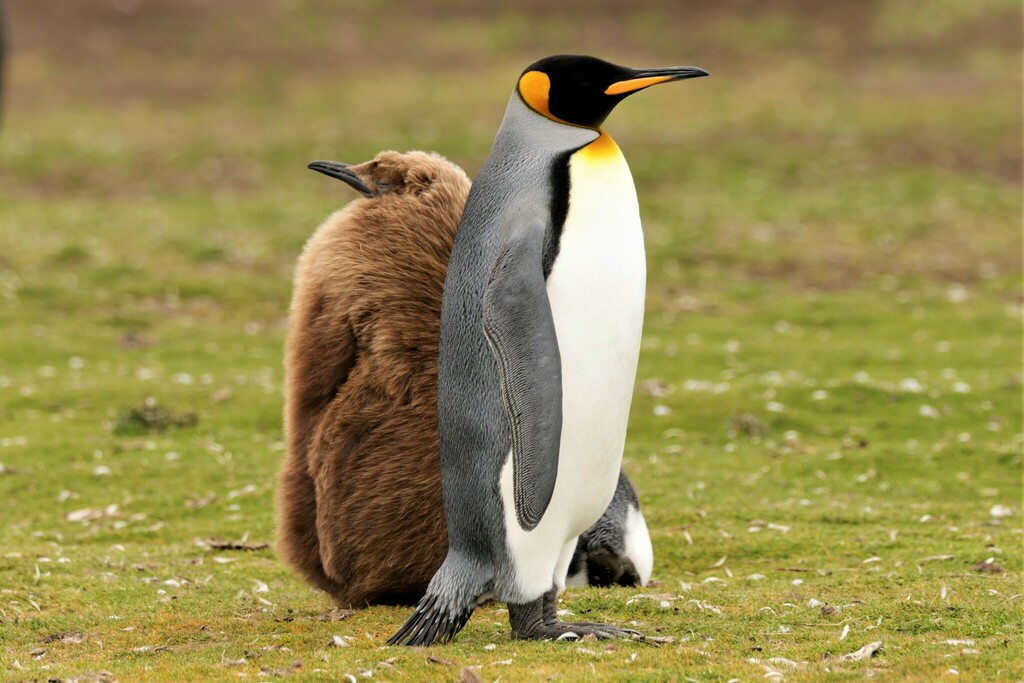 King penguinAptenodytes patagonicusSeen in 10 countries in the AtlasLeast Concern
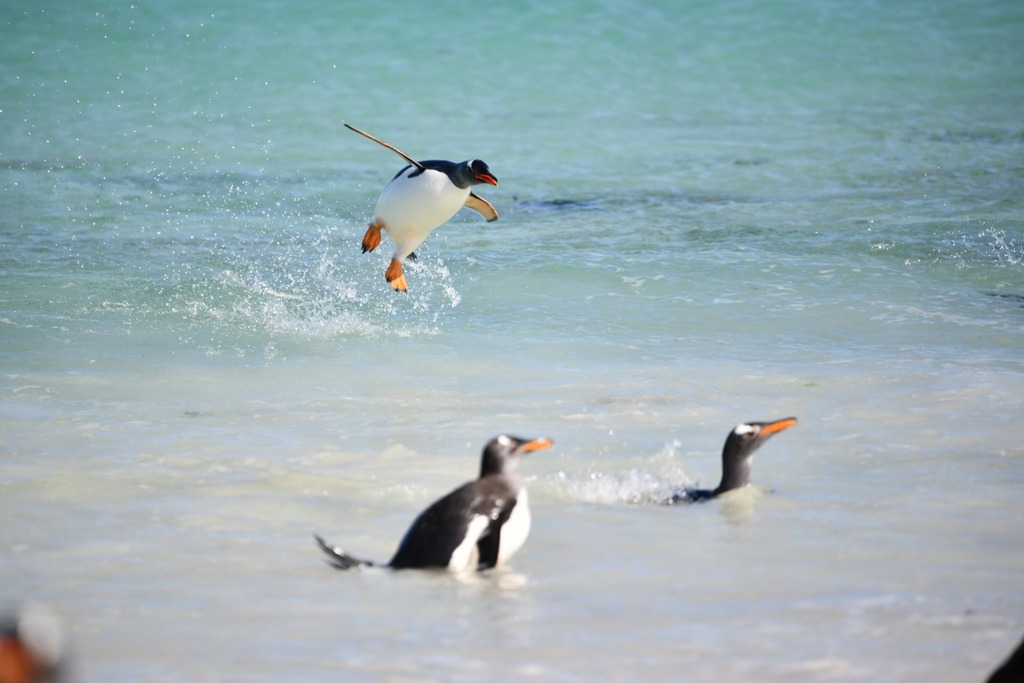 Gentoo penguinPygoscelis papuaSeen in 9 countries in the AtlasLeast Concern
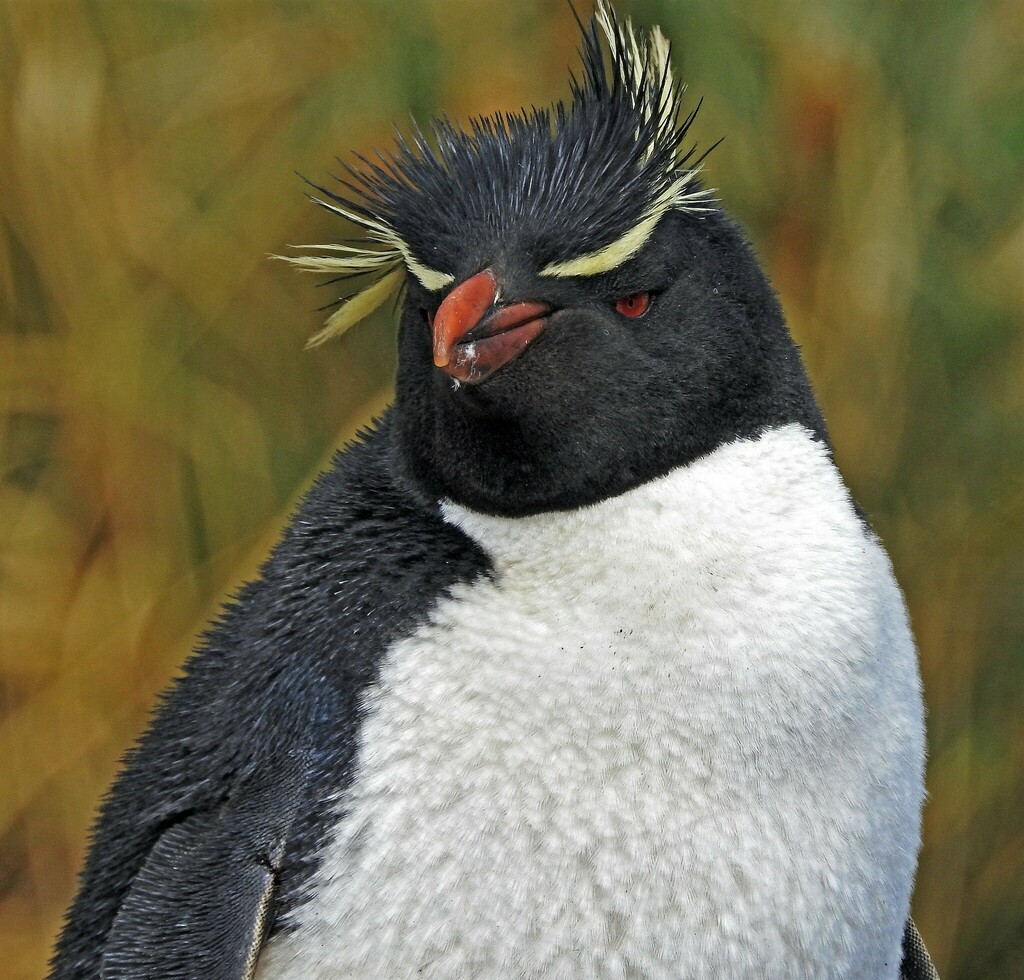 Southern rockhopper penguinEudyptes chrysocomeSeen in 9 countries in the AtlasVulnerable
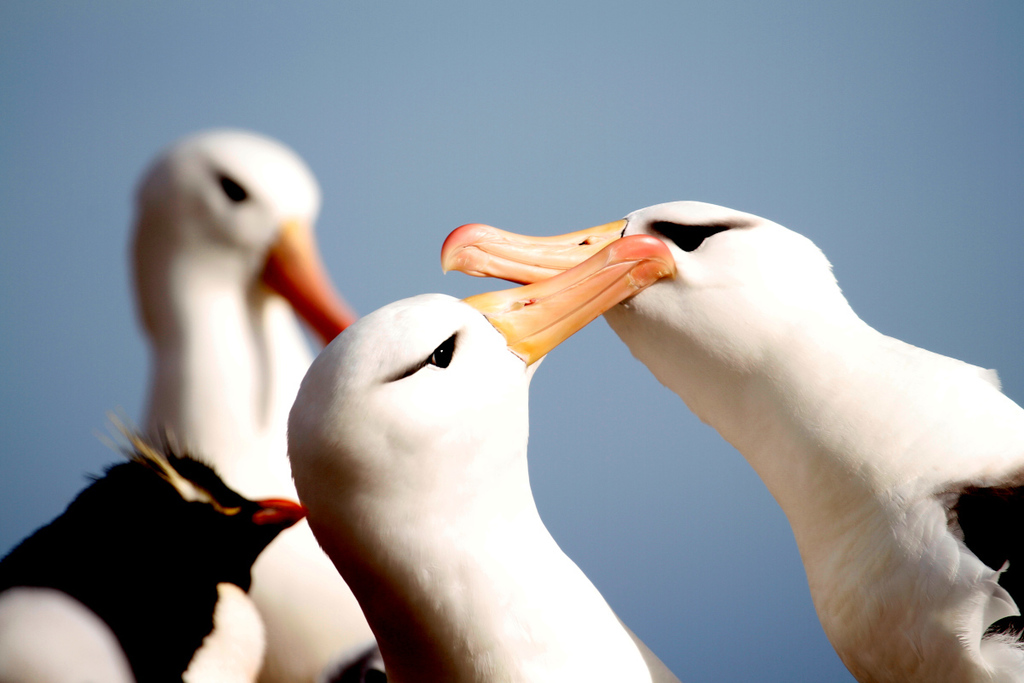 Black-browed albatrossThalassarche melanophrisSeen in 21 countries in the AtlasLeast Concern
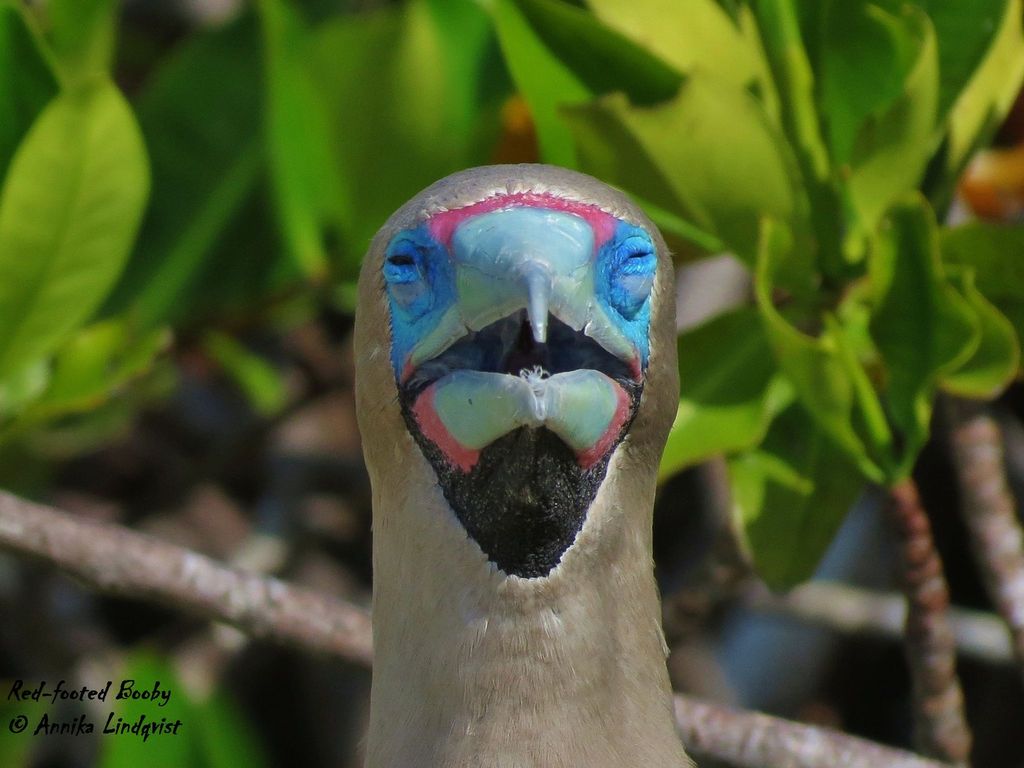 Red-footed boobySula sulaSeen in 91 countries in the AtlasLeast Concern
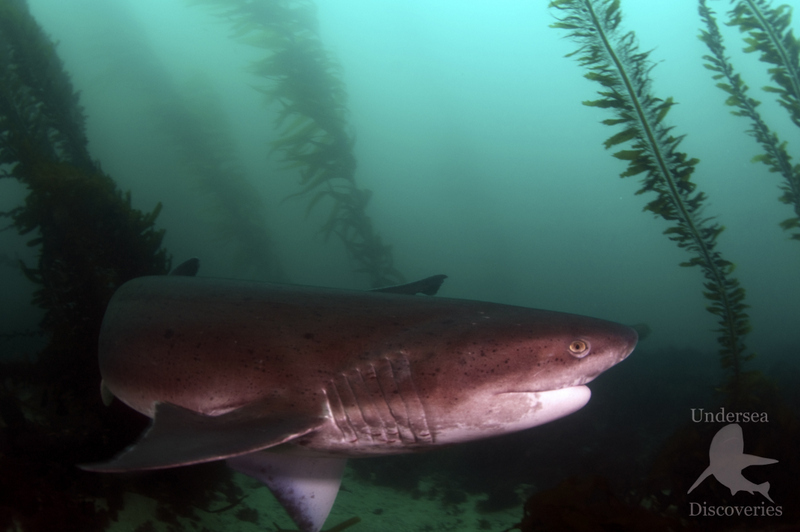 Broadnose sevengill sharkNotorynchus cepedianusSeen in 8 countries in the AtlasVulnerable
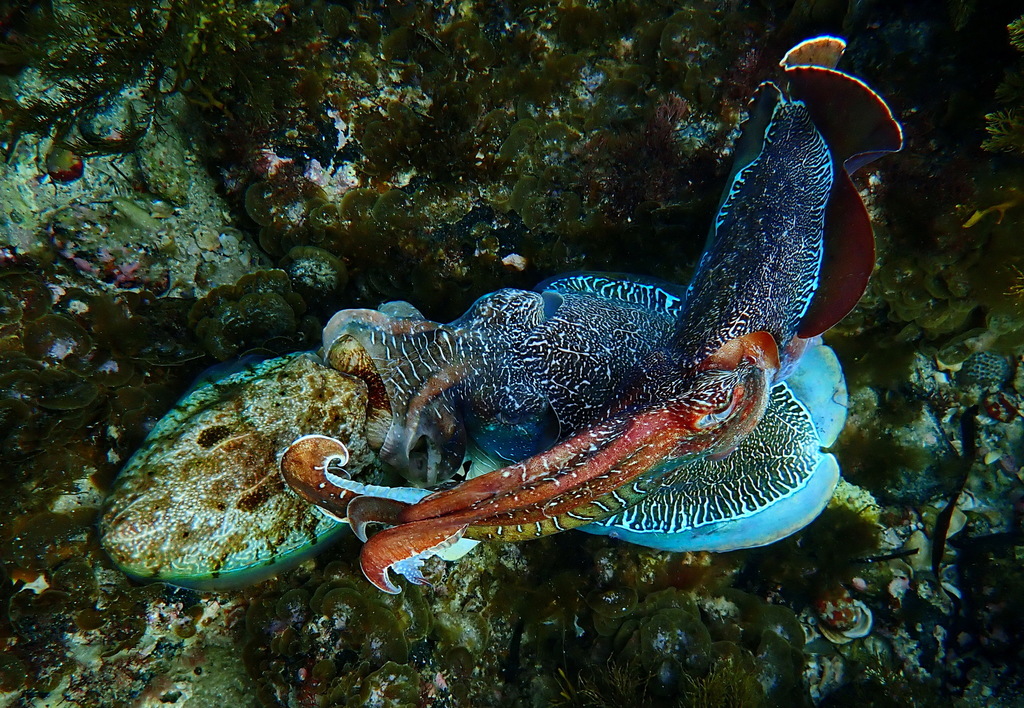 Giant Australian cuttlefishAscarosepion apamaSeen in 2 countries in the AtlasNear Threatened
 Southern African sardine (sardine run)Sardinops sagaxSeen in 13 countries in the AtlasLeast Concern
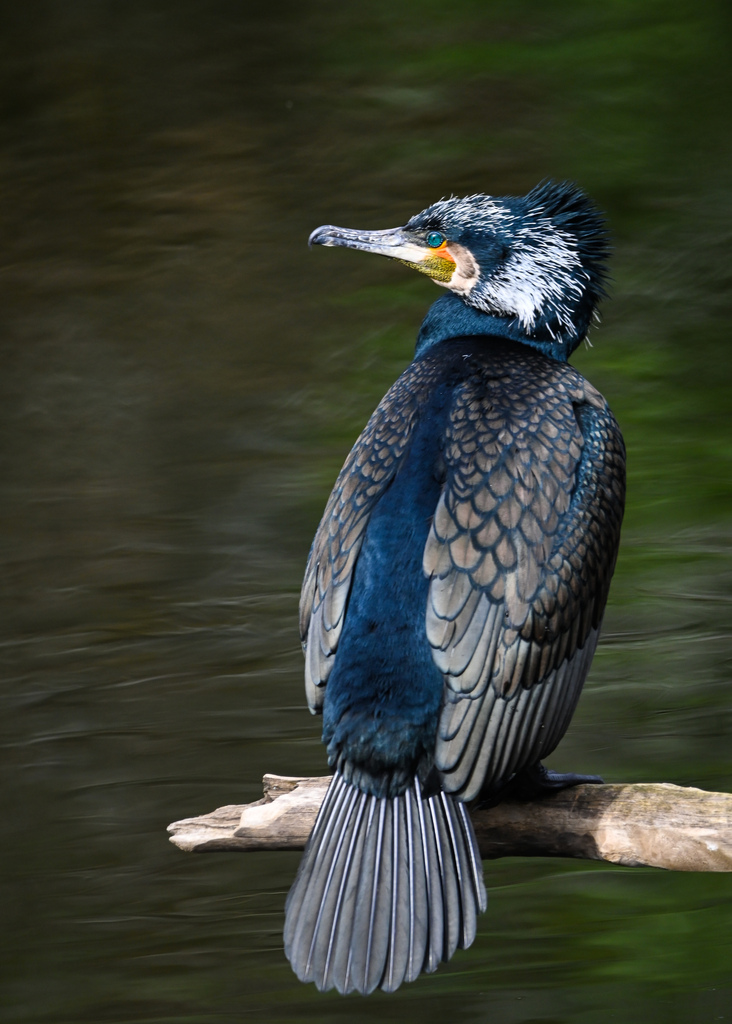 Great cormorantPhalacrocorax carboSeen in 90 countries in the AtlasLeast Concern
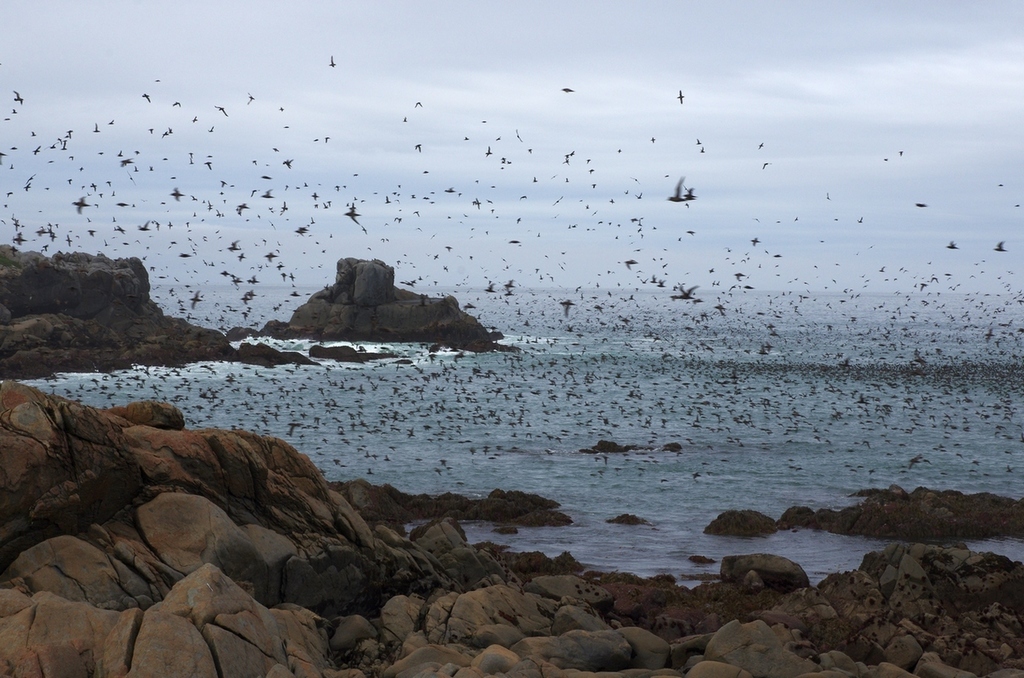 Sooty shearwaterArdenna griseaSeen in 53 countries in the AtlasNear Threatened
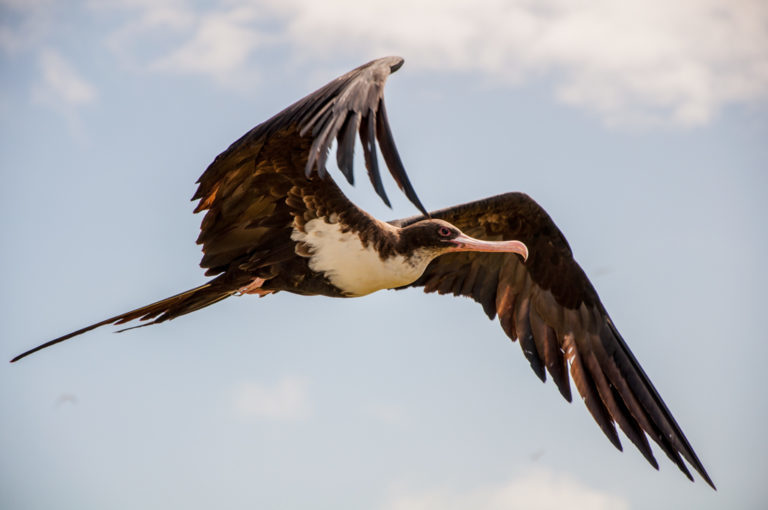 Great frigatebirdFregata minorSeen in 44 countries in the AtlasLeast Concern
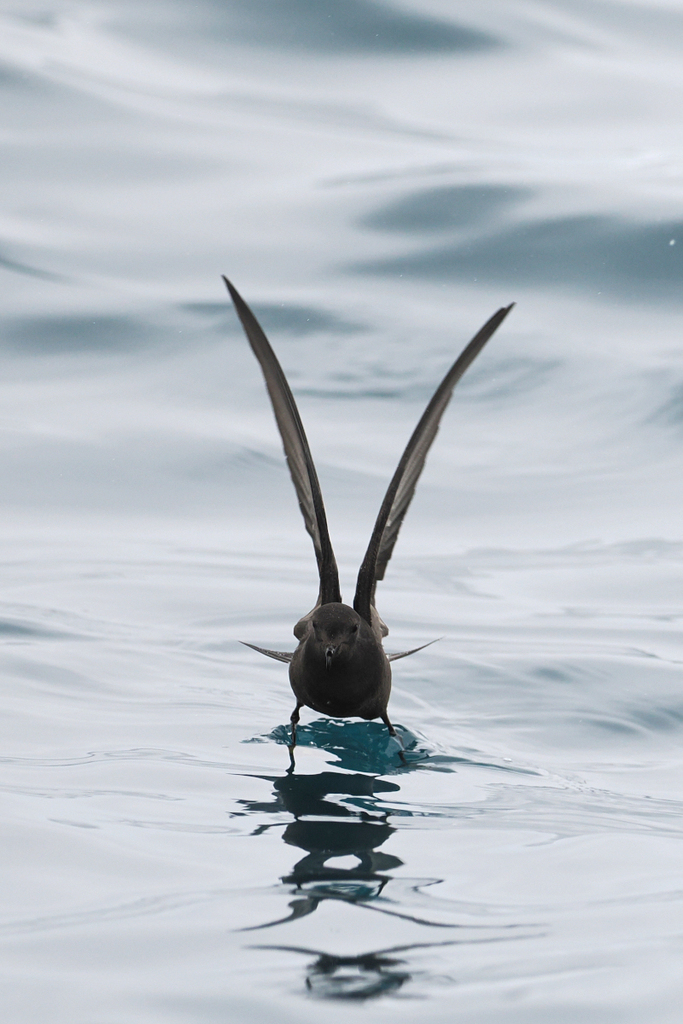 Wilson's storm-petrelOceanites oceanicusSeen in 41 countries in the AtlasLeast Concern
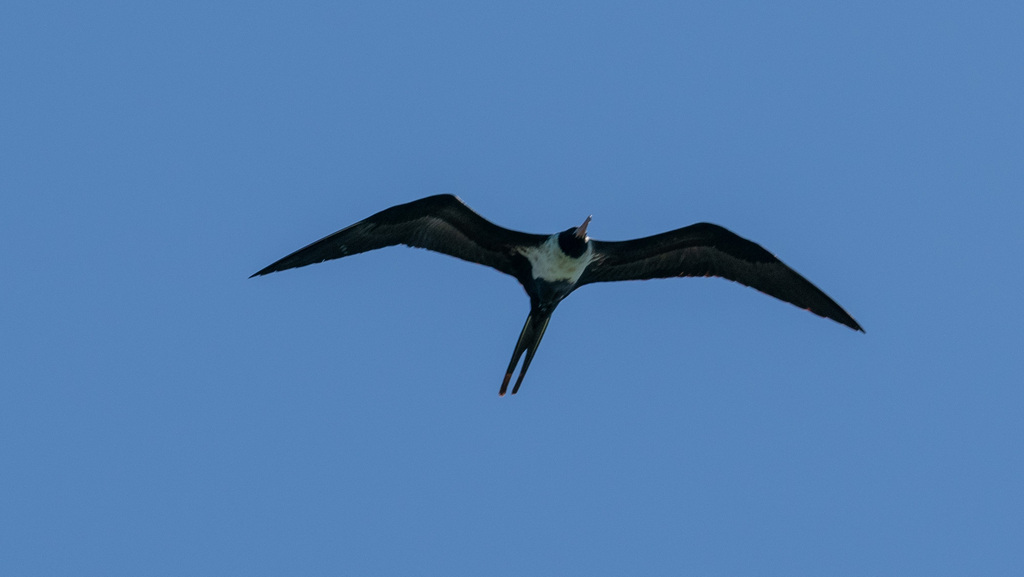 Lesser frigatebirdFregata arielSeen in 39 countries in the AtlasLeast Concern
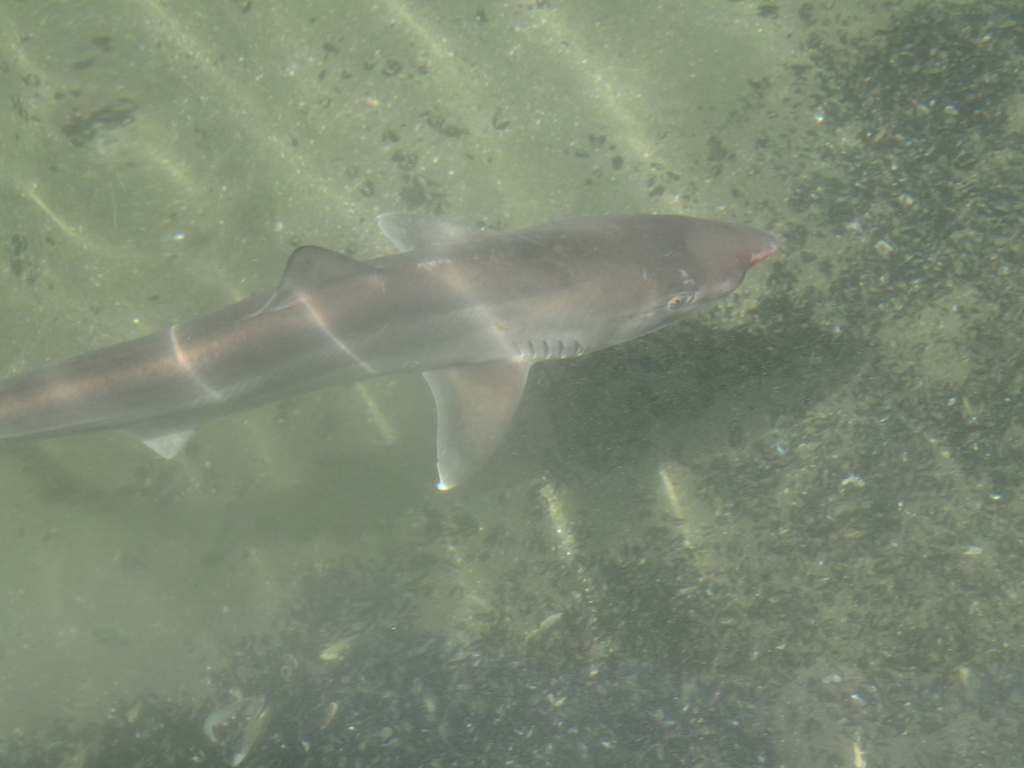 Tope shark (school shark)Galeorhinus galeusSeen in 25 countries in the AtlasCritically Endangered
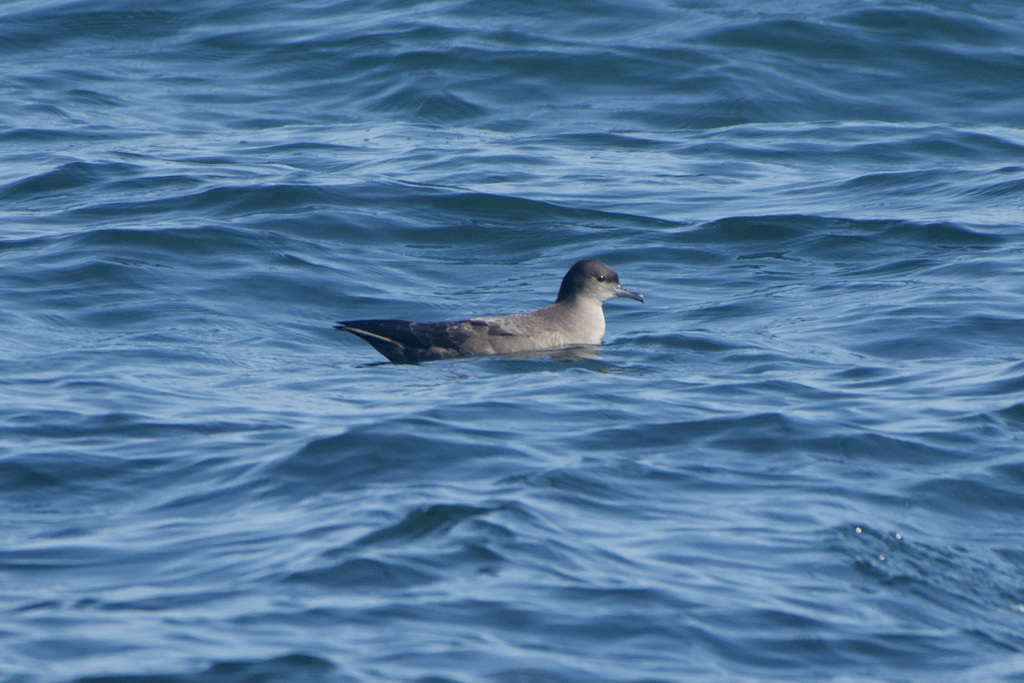 Short-tailed shearwaterArdenna tenuirostrisSeen in 24 countries in the AtlasLeast Concern
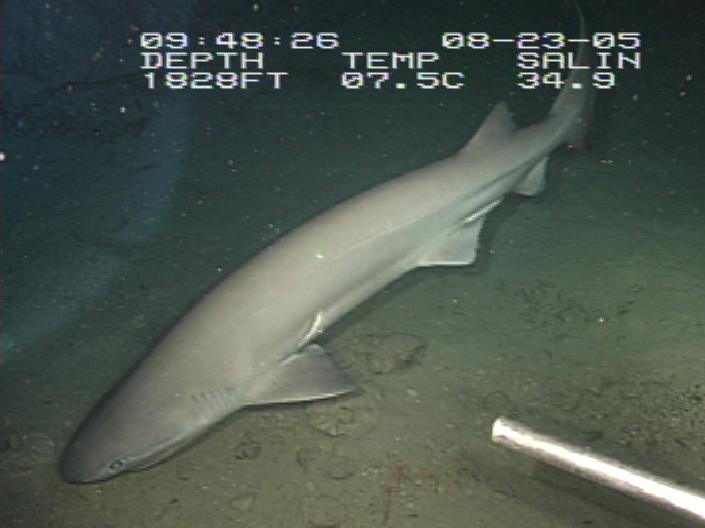 Bluntnose sixgill sharkHexanchus griseusSeen in 18 countries in the AtlasNear Threatened
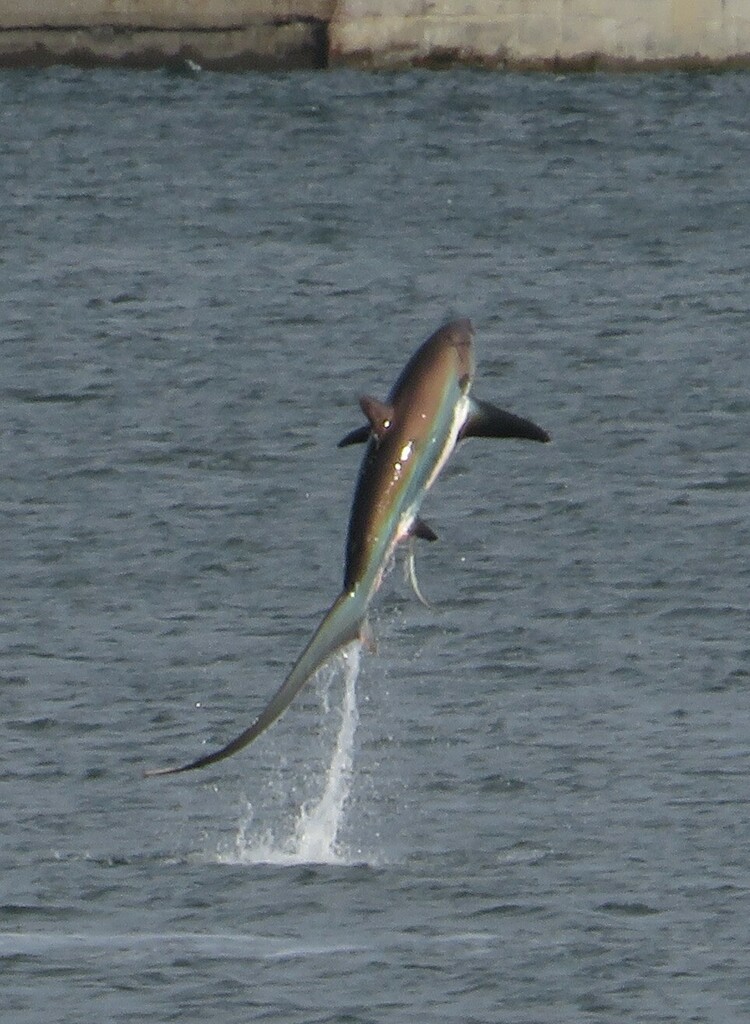 Common thresherAlopias vulpinusSeen in 16 countries in the AtlasVulnerableKitefin sharkDalatias lichaSeen in 17 countries in the AtlasVulnerableSmooth lanternsharkEtmopterus pusillusSeen in 16 countries in the AtlasLeast ConcernSharpnose sevengill sharkHeptranchias perloSeen in 15 countries in the AtlasNear ThreatenedAtlantic torpedo (electric ray)Tetronarce nobilianaSeen in 15 countries in the AtlasLeast Concern
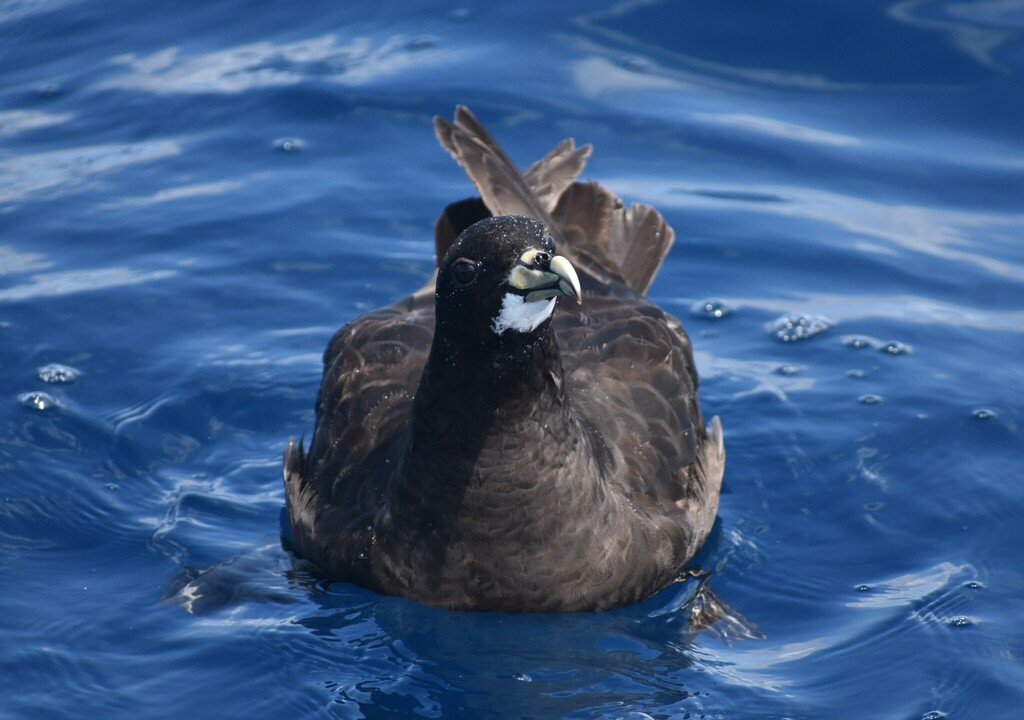 White-chinned petrelProcellaria aequinoctialisSeen in 14 countries in the AtlasVulnerable
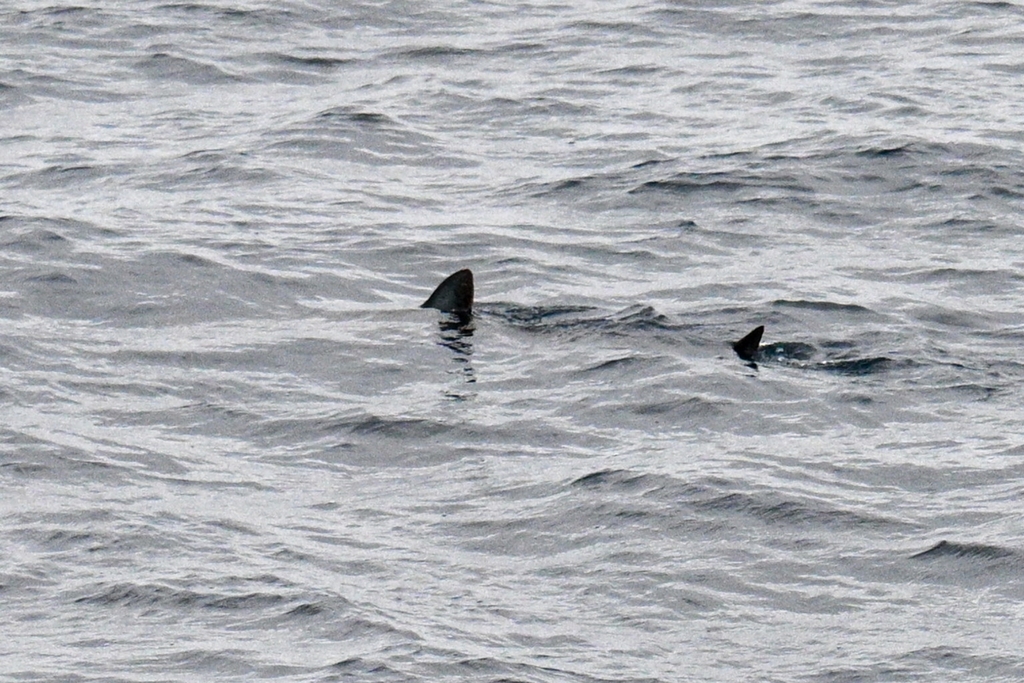 PorbeagleLamna nasusSeen in 11 countries in the AtlasVulnerableLongnose velvet dogfishCentroselachus crepidaterSeen in 11 countries in the AtlasNear ThreatenedLeafscale gulper sharkCentrophorus squamosusSeen in 11 countries in the AtlasEndangered
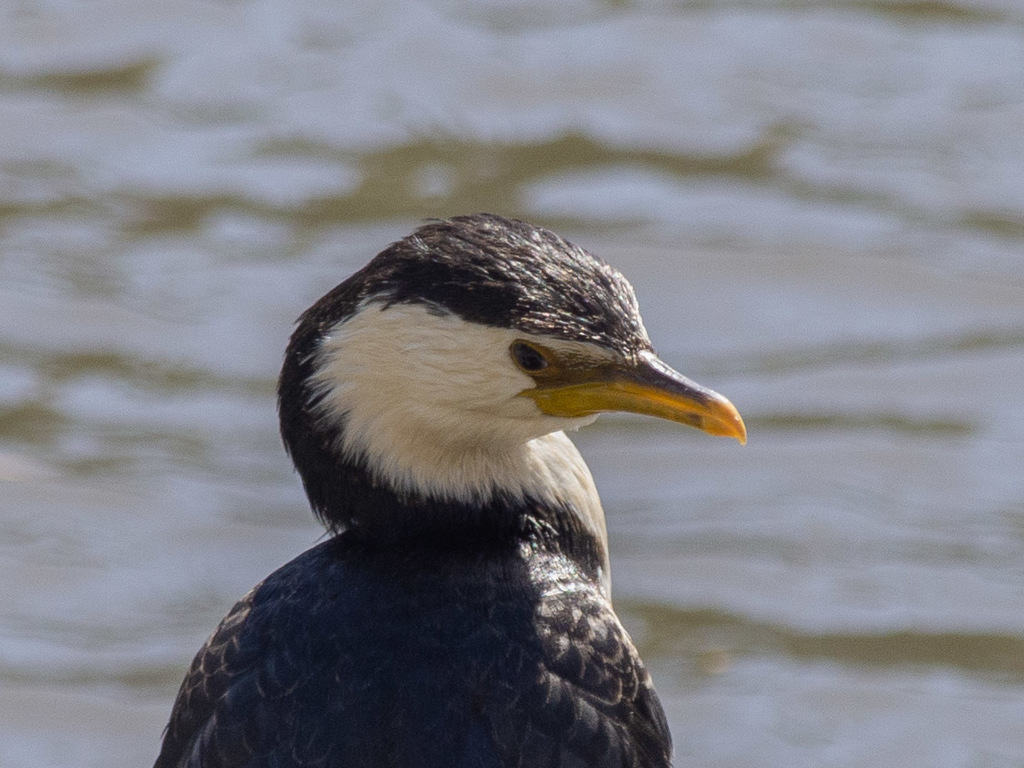 Little pied cormorantMicrocarbo melanoleucosSeen in 10 countries in the AtlasLeast ConcernBirdbeak dogfishDeania calceaSeen in 8 countries in the AtlasNear ThreatenedPortuguese dogfishCentroscymnus coelolepisSeen in 8 countries in the AtlasNear Threatened
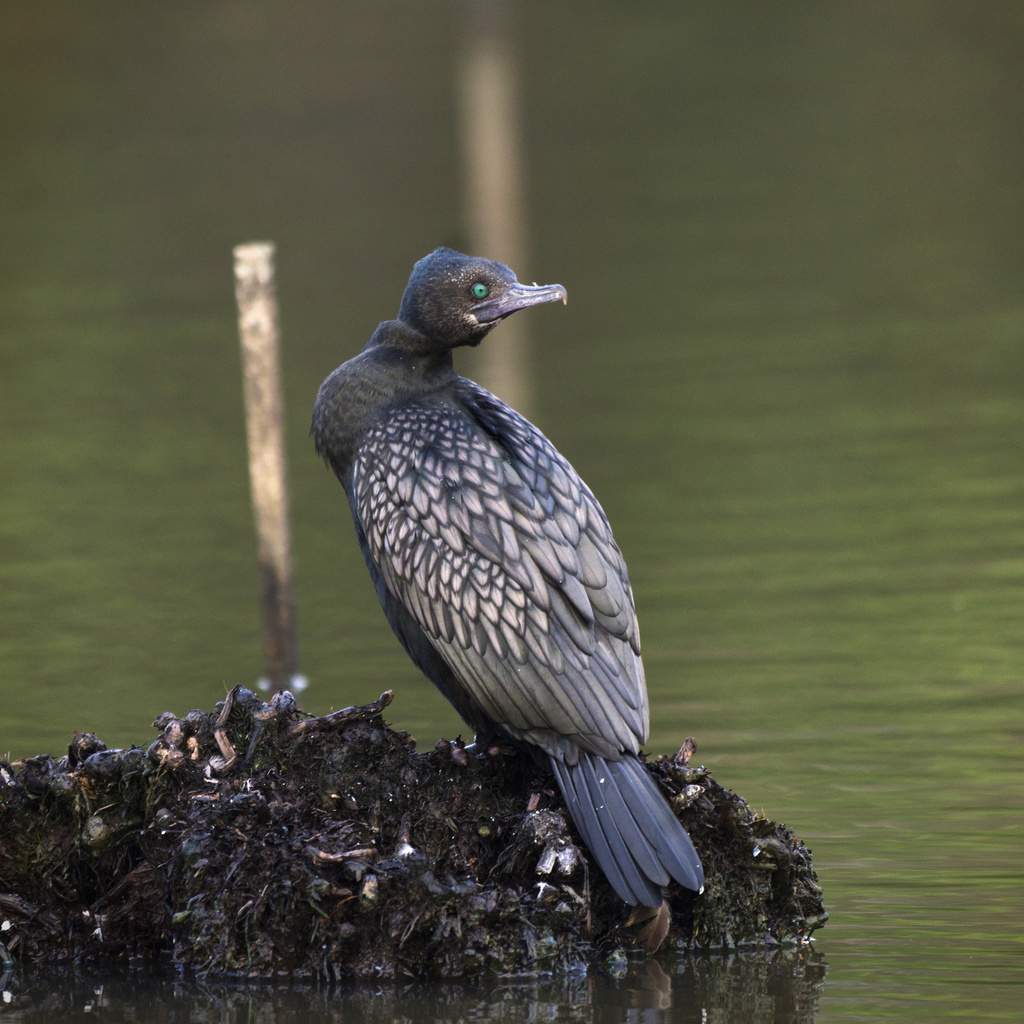 Little black cormorantPhalacrocorax sulcirostrisSeen in 7 countries in the AtlasLeast Concern
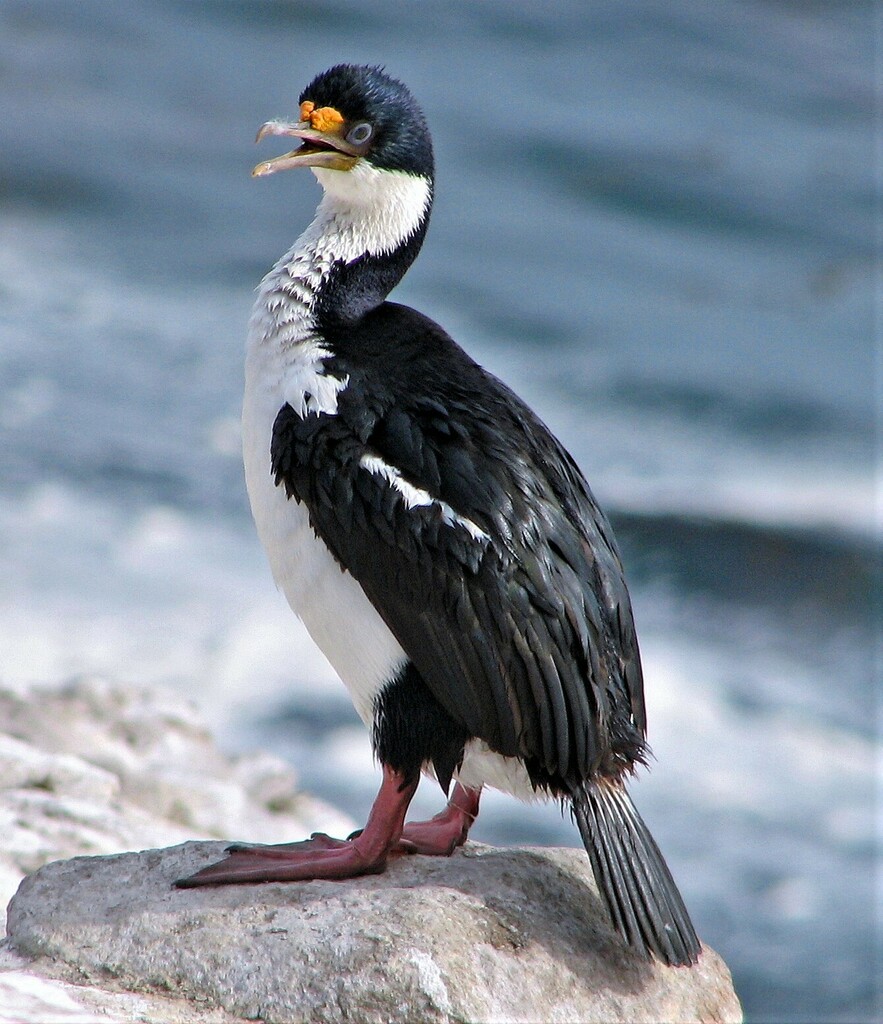 Imperial shagLeucocarbo atricepsSeen in 7 countries in the AtlasLeast ConcernShortnose spurdogSqualus megalopsSeen in 6 countries in the AtlasLeast ConcernBlackbelly lanternsharkEtmopterus luciferSeen in 6 countries in the AtlasLeast Concern
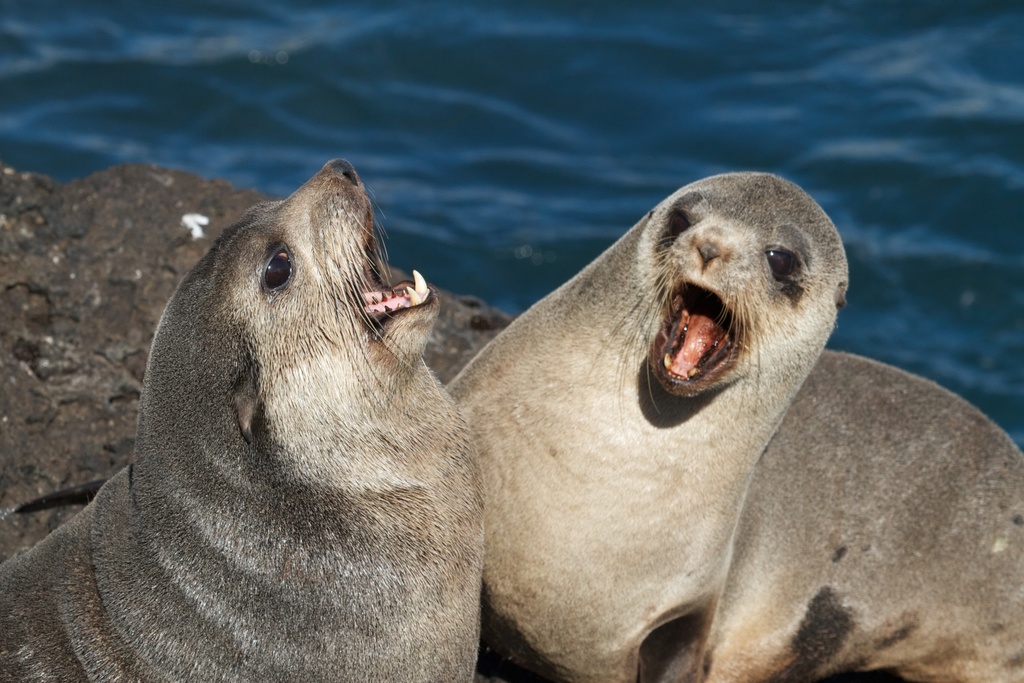 Subantarctic fur sealArctocephalus tropicalisSeen in 5 countries in the AtlasLeast Concern
 Strap-toothed whaleMesoplodon layardiiSeen in 4 countries in the AtlasLeast Concern
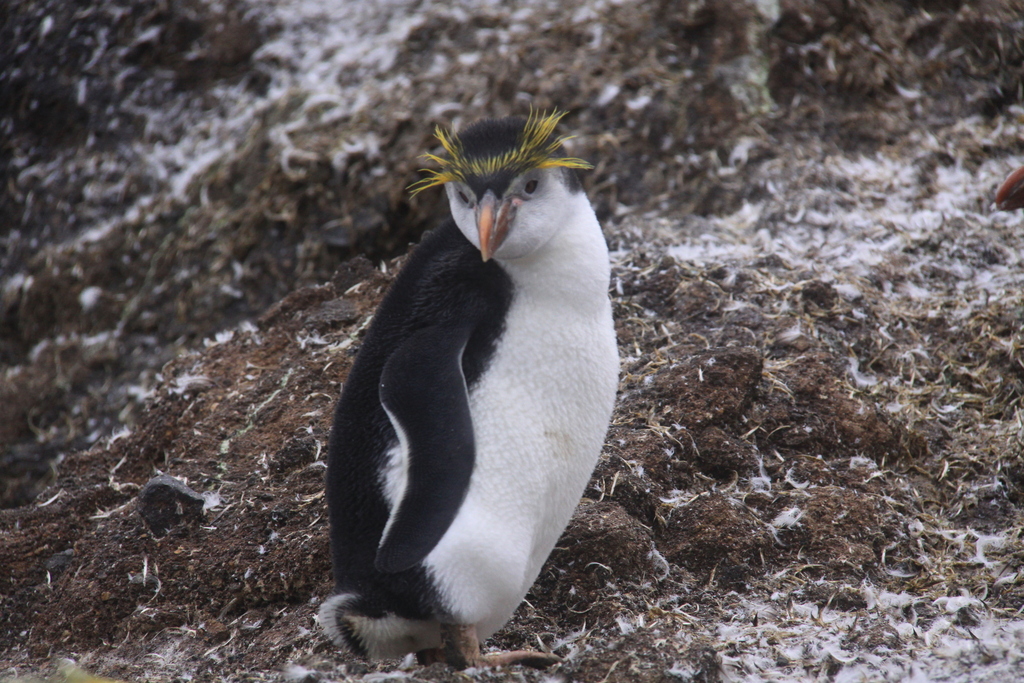 Royal penguinEudyptes schlegeliSeen in 3 countries in the AtlasLeast Concern
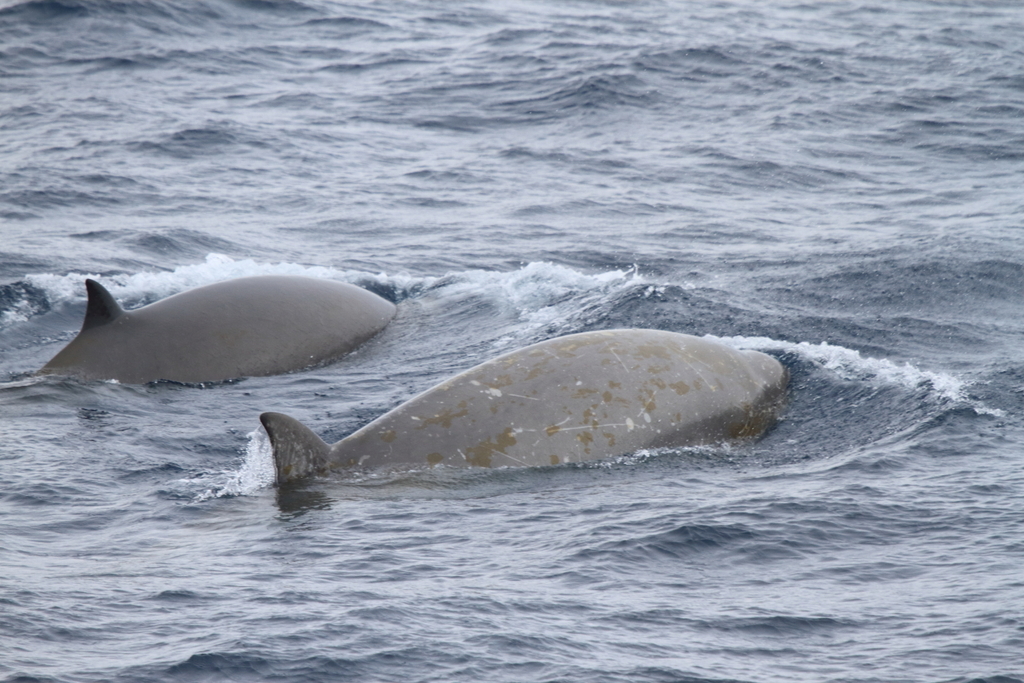 Gray's beaked whaleMesoplodon grayiSeen in 3 countries in the AtlasLeast Concern
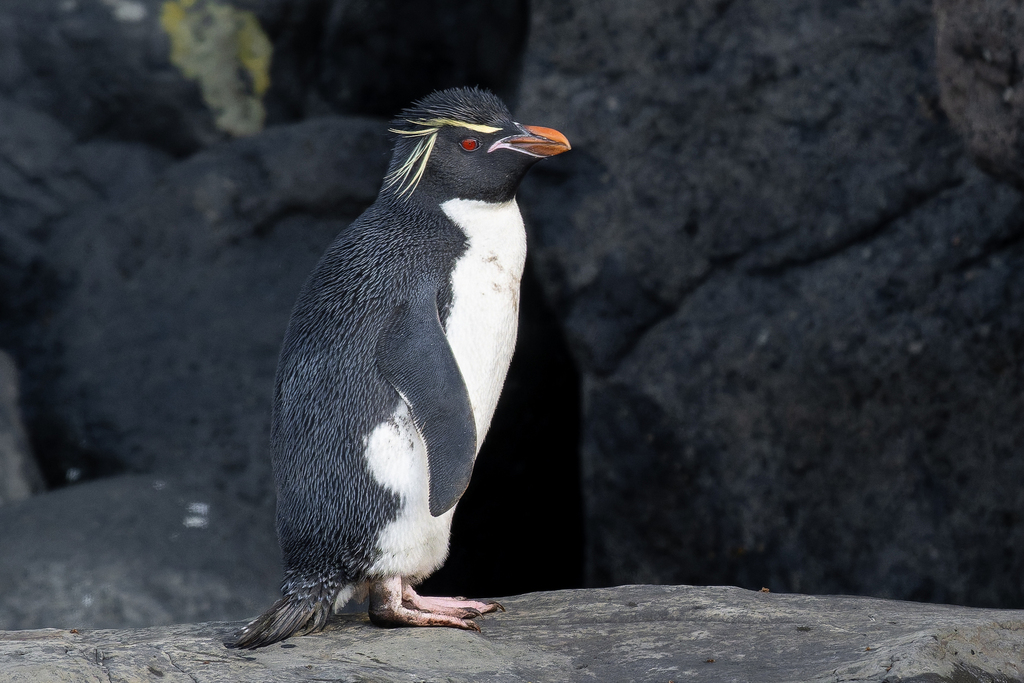 Eastern rockhopper penguinEudyptes filholiSeen in 3 countries in the AtlasNot Evaluated
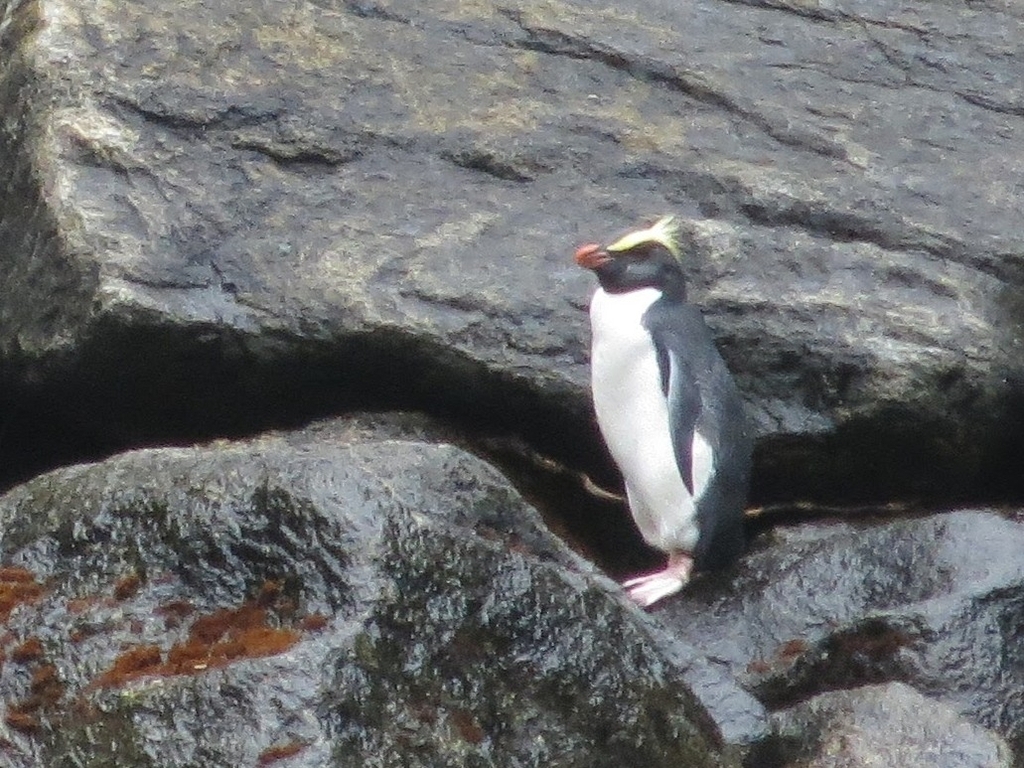 Fiordland crested penguinEudyptes pachyrhynchusSeen in 2 countries in the AtlasNear Threatened
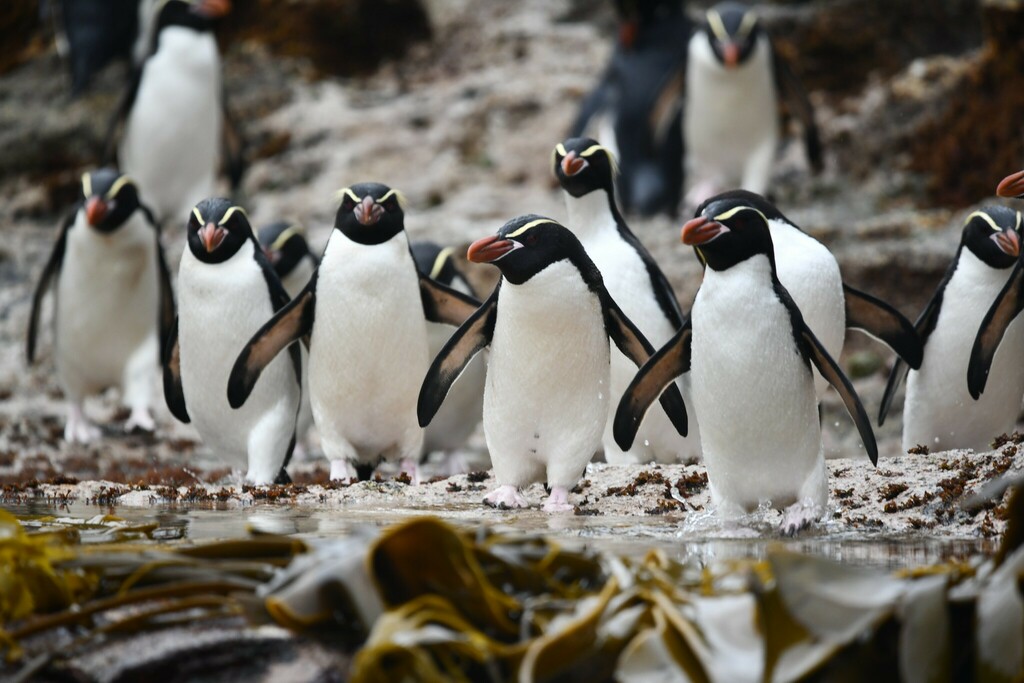 Snares penguinEudyptes robustusSeen in 2 countries in the AtlasVulnerable
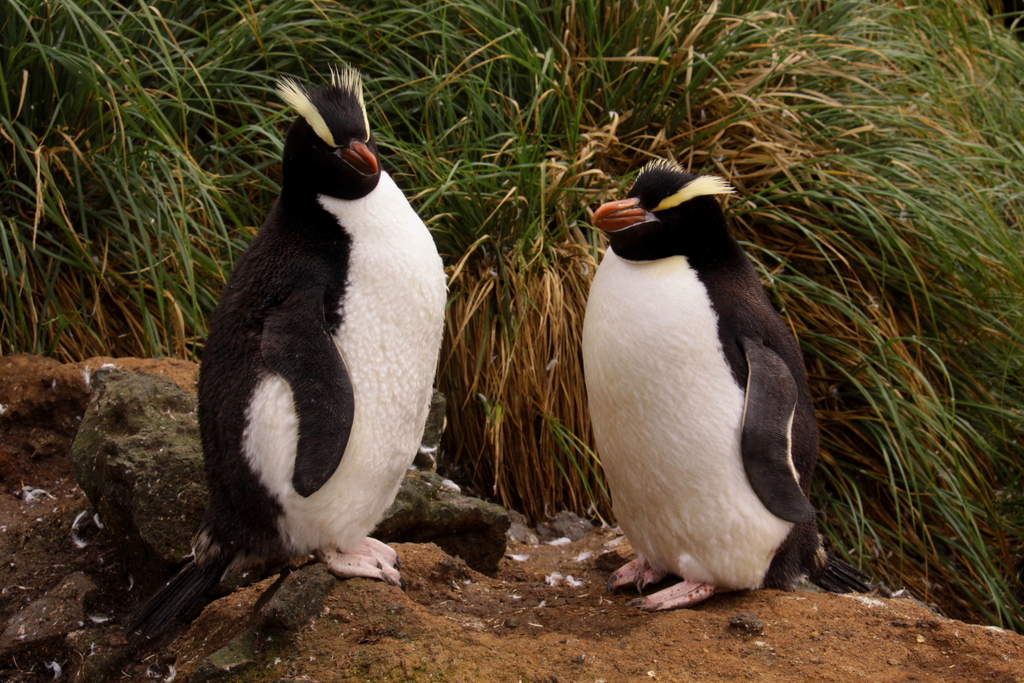 Erect-crested penguinEudyptes sclateriSeen in 2 countries in the AtlasEndangered
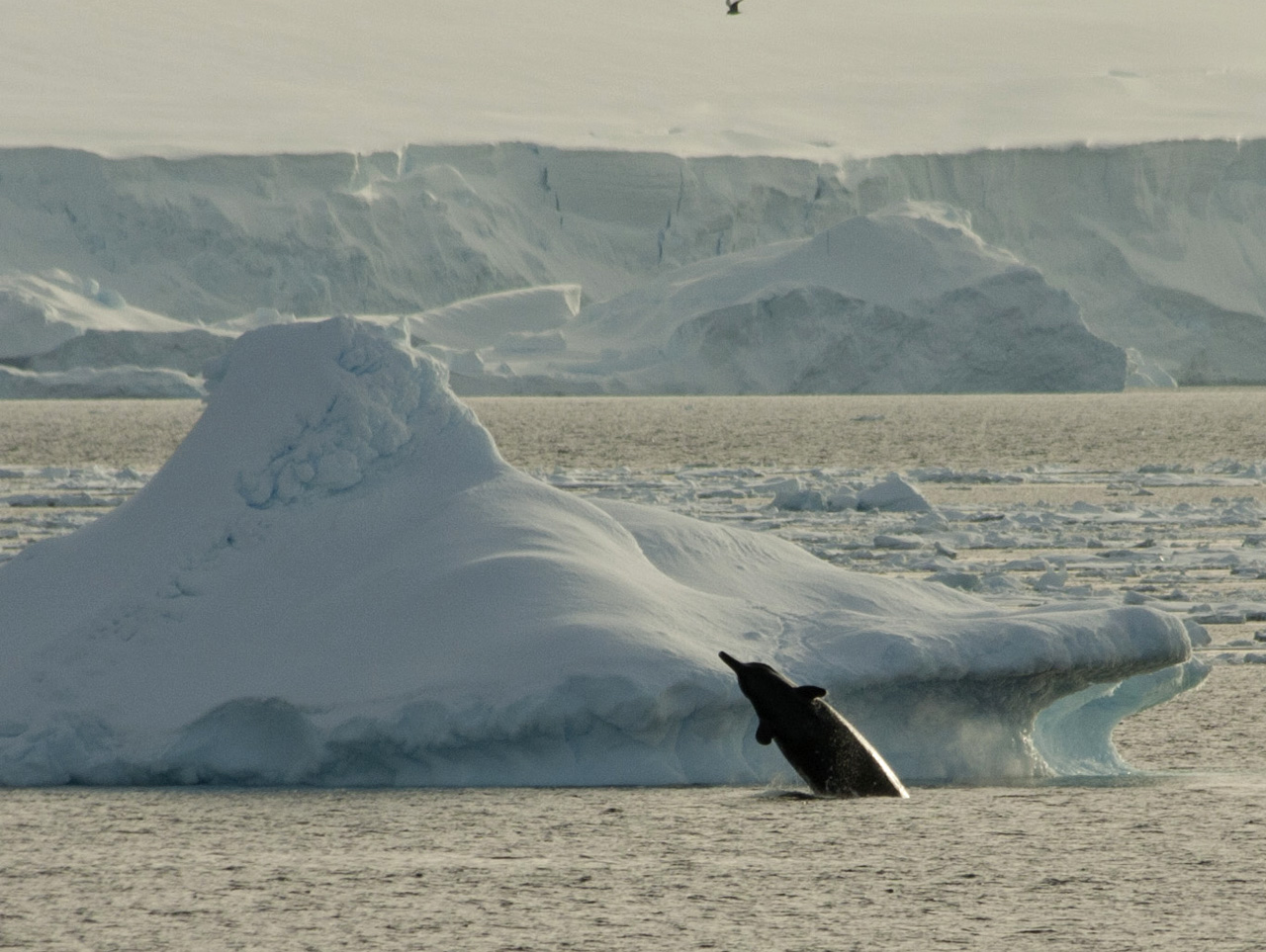 Arnoux's beaked whaleBerardius arnuxiiSeen in 2 countries in the AtlasLeast Concern
 Shepherd's beaked whaleTasmacetus shepherdiSeen in 2 countries in the AtlasData Deficient
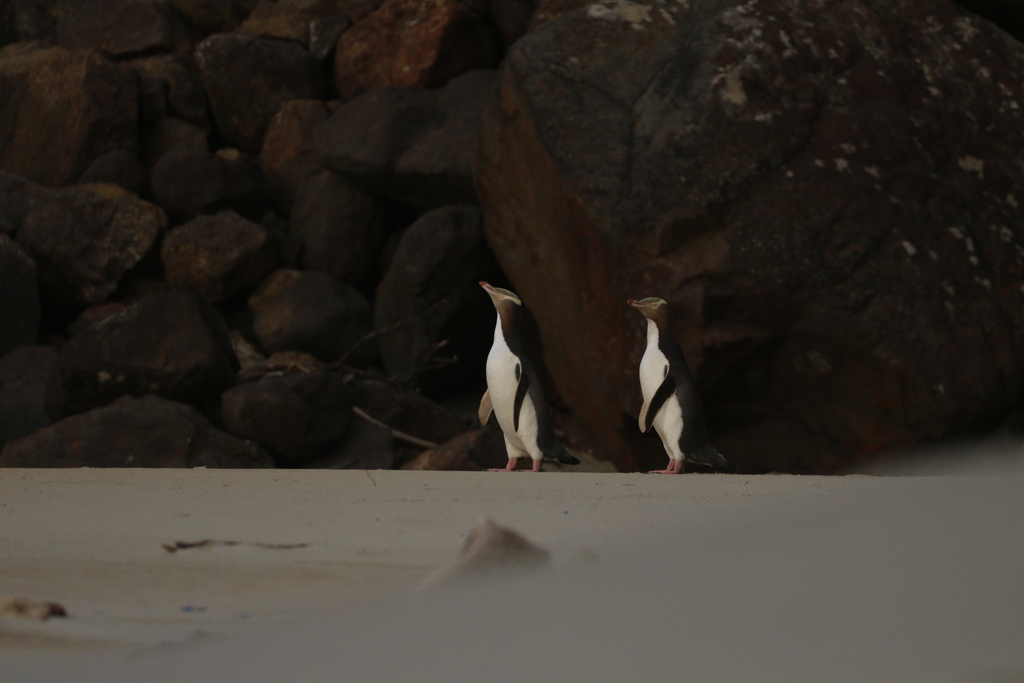 Yellow-eyed penguinMegadyptes antipodesSeen in 1 country in the AtlasEndangered
Tell Rocío what you would love to see
There is no trip here yet. If enough people ask, it helps us decide where to go next.
 American Samoa
 Australia
 Cook Islands
 Fiji
Fiji French Polynesia
 Guam
Guam Kiribati
 Marshall Islands
 Nauru
Nauru New Caledonia
 Niue
Niue Norfolk Island
 Northern Mariana Islands
 Papua New Guinea
 Pitcairn Islands
 Samoa
Samoa Solomon Islands
 Tokelau
 Tonga
Tonga Tuvalu
 Vanuatu
 Wallis and Futuna
Based in New Zealand?
We are always happy to hear from exceptional local operators, accommodation, conservation organisations and destination experts in New Zealand. If your work fits responsible, small-group ocean travel, we would love to learn more.
Partner with Ocean Calling5-day freediving course in Bali
CHF 1,180