
Ocean Atlas · Pacific
 Solomon Islands
Quiet lagoons for small-group diving, with wartime history, local culture and nesting hawksbill turtles.
Ethics pass, with care. We found a way to visit this country that meets our animal-welfare standard, as long as we work with the right local operator. Checked by Ocean Calling on 26 Sep 2026. Sources: Guardians of the reef: protecting the hawksbill turtle in Arnavon, IUCN, Mar 2026; Solomon Islands dolphin hunts cast spotlight on small cetacean survival, ScienceDaily (Oregon State University), May 2015; Solomon Islands restore ban on dolphin exports, Dolphin Project, May 2026.
🧭 Travel advice, checked 30 Sep 2026. Australia's Smartraveller rates Solomon Islands green, exercise normal safety precautions, with a high degree of caution advised in Honiara because of security issues. Sources: Smartraveller travel advice, Solomon Islands Advice differs by passport: check your own government before you plan.
Why Solomon Islands
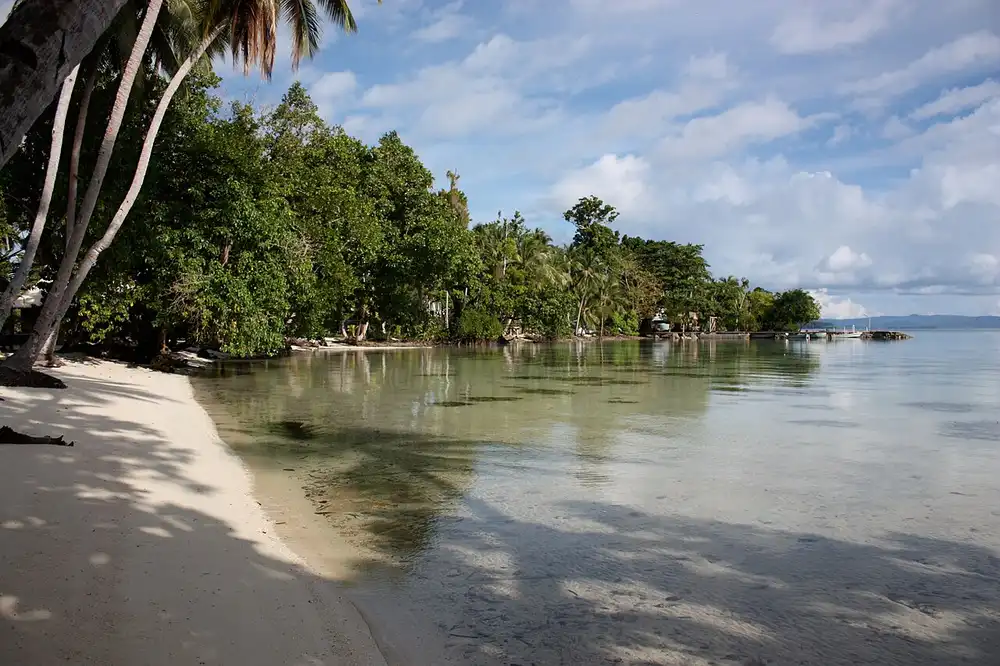
The Solomon Islands are quiet places for small-group diving. Gizo and the Western Province offer scuba, snorkelling and island picnics, Marovo Lagoon and Uepi suit specialist reef diving, and Munda and Roviana Lagoon add Second World War history and local culture. In the community-protected Arnavon marine area, hawksbill turtles nest year-round, most often from May to July. For diving, June to September is the first choice.
Conservation-led. Ocean Calling guests never chase, touch or bait animals.
When to go
Jun-Sep. Timing changes by place and by animal, so check each place below.
We have researched this place and keep learning about it. There is no trip here yet.
Can we travel here ethically?
Ethics pass, with care
Good with the right operator. Here is how we choose.
The Arnavon marine park is cared for by local communities and rangers, and it protects the largest hawksbill turtle nesting place in the South Pacific. In one village on Malaita, a traditional dolphin hunt was still active in 2013, as dolphin teeth are used in wedding customs, and export of live dolphins was banned again in 2026. We only watch dolphins at sea and never buy dolphin teeth or turtle shell.
Checked 26 Sep 2026. Places change, so we look again every year.
Sources for this check
- Guardians of the reef: protecting the hawksbill turtle in Arnavon, IUCN, Mar 2026
- Solomon Islands dolphin hunts cast spotlight on small cetacean survival, ScienceDaily (Oregon State University), May 2015
- Solomon Islands restore ban on dolphin exports, Dolphin Project, May 2026
- Solomon Islands dolphin captures, IUCN SSC Cetacean Specialist Group
Where in Solomon Islands
Short notes from our research. Wildlife is never guaranteed.
Arnavon Community Marine Park
ExploringA quiet community protected marine area where hawksbill turtles nest all year. We share its story and do not offer visits.
⛵ From the boat or shore, never in the water: Nesting hawksbill turtles
When: Year-round. Hawksbill turtles nest year-round, with a typical peak from May to July.
Rules and fees: Arnavon became the first national marine park of the Solomon Islands in 2017, and it is cared for by the communities of Kia, Wagina and Katupika. They make sure the park rules are followed on every visit.
Gizo and Western Province
ExploringA quiet base for small-group scuba and snorkelling, with island picnics.
When: Jun-Sep. June to September is the first choice, within the wider dry season from May to October.
Rules and fees: Second World War objects may not be taken out of the Solomon Islands, so the wrecks here are for looking only.
Marovo Lagoon and Uepi
ExploringA quiet lagoon for specialist reef diving.
When: Jun-Sep. June to September is the first choice.
Munda and Roviana Lagoon
ExploringA quiet lagoon for small-group scuba, reef life, Second World War history and local culture.
When: Jun-Sep. June to September is the first choice, within the wider dry season from May to October.
Animals recorded in Solomon Islands
Tap an animal to learn how it lives, where it travels and how to meet it respectfully.
 Hawksbill turtleEretmochelys imbricataSeen in 88 countries in the AtlasCritically Endangered
 Leatherback turtleDermochelys coriaceaSeen in 76 countries in the AtlasVulnerable
 Grey reef sharkCarcharhinus amblyrhynchosSeen in 33 countries in the AtlasEndangered
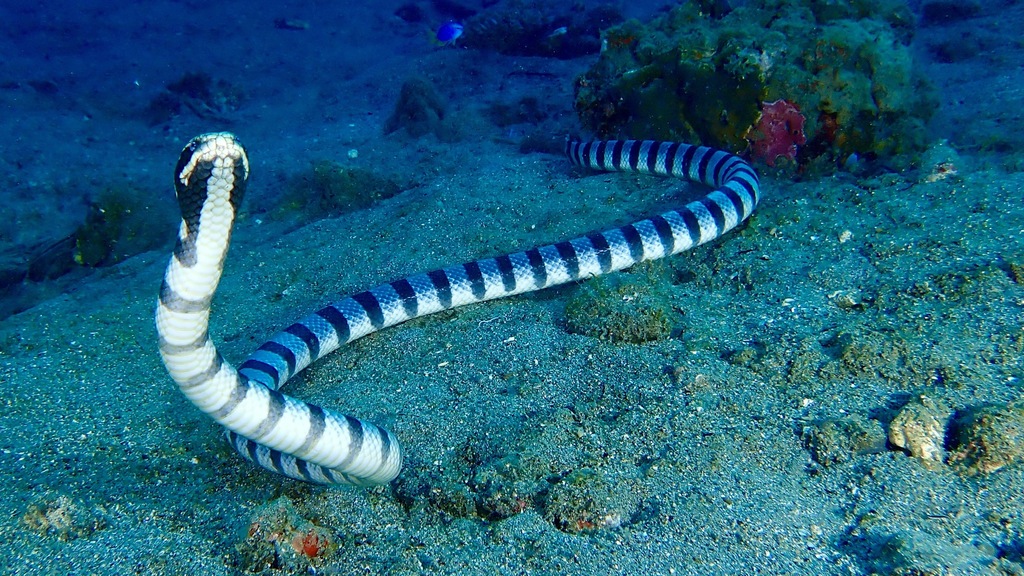 Banded sea krait (yellow-lipped sea krait)Laticauda colubrinaSeen in 18 countries in the AtlasLeast Concern
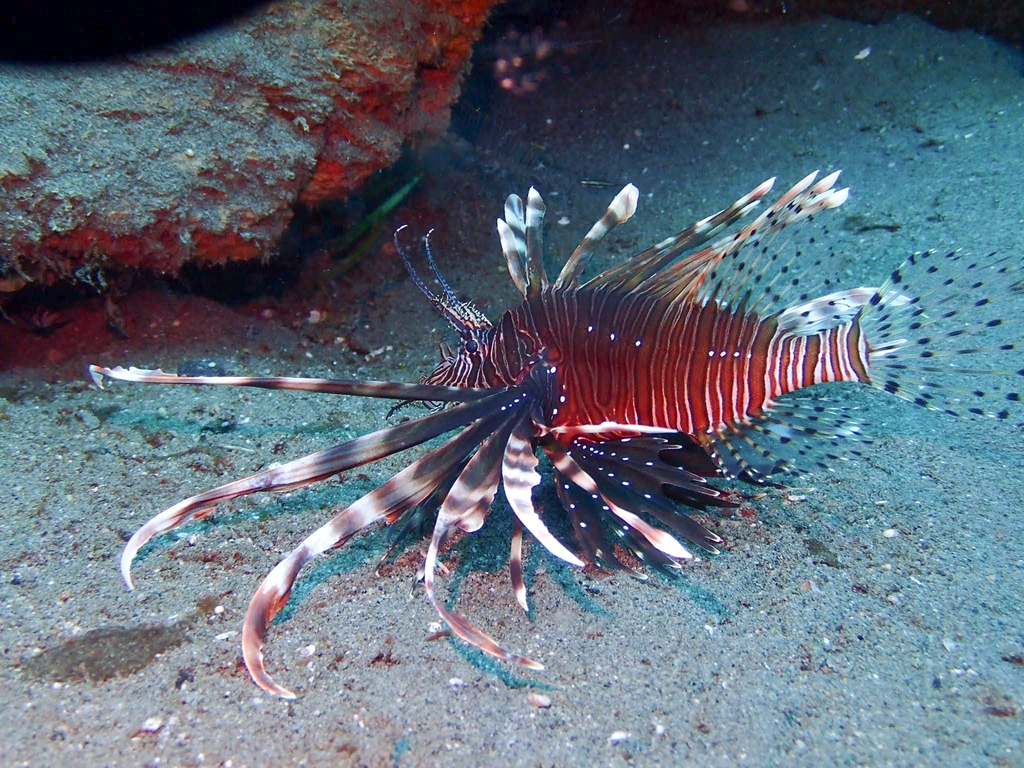 Lionfish (red and common lionfish)Pterois volitans and Pterois milesSeen in 80 countries in the AtlasLeast Concern
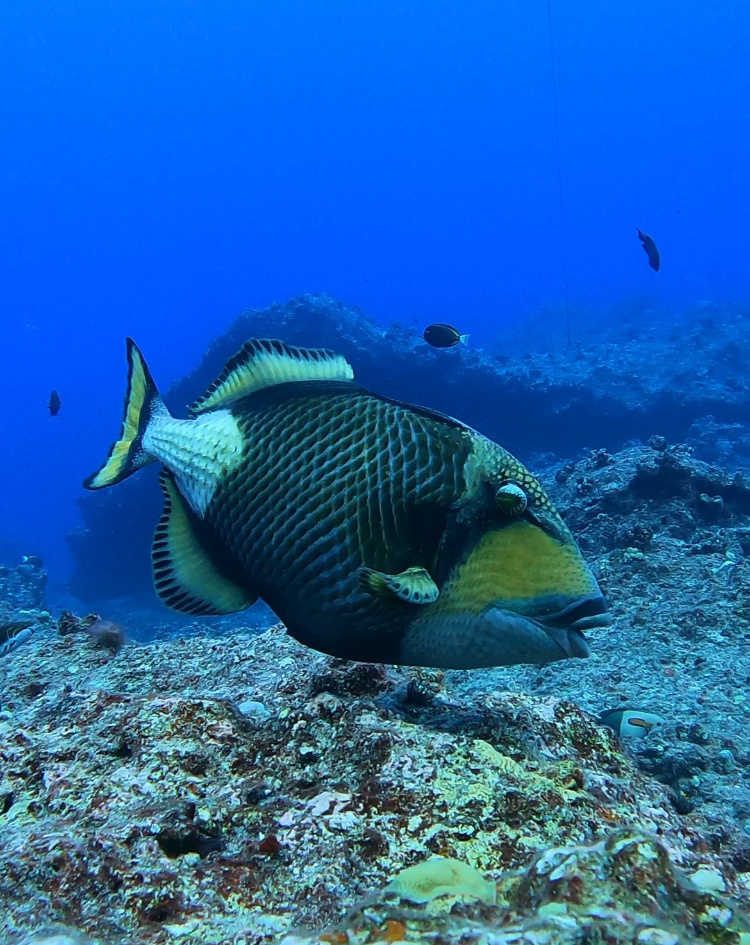 Titan triggerfishBalistoides viridescensSeen in 40 countries in the AtlasLeast Concern
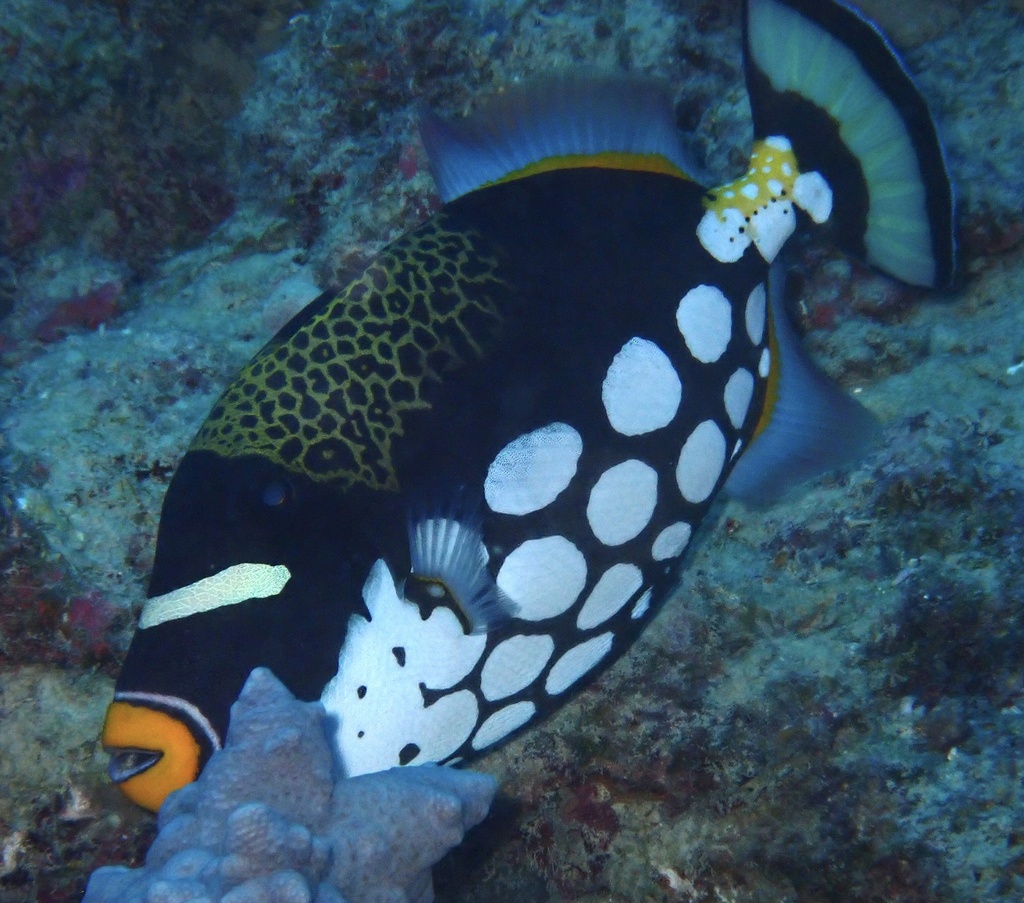 Clown triggerfishBalistoides conspicillumSeen in 29 countries in the AtlasLeast Concern
 DugongDugong dugonSeen in 32 countries in the AtlasVulnerable
 Indo-Pacific bottlenose dolphinTursiops aduncusSeen in 29 countries in the AtlasNear Threatened
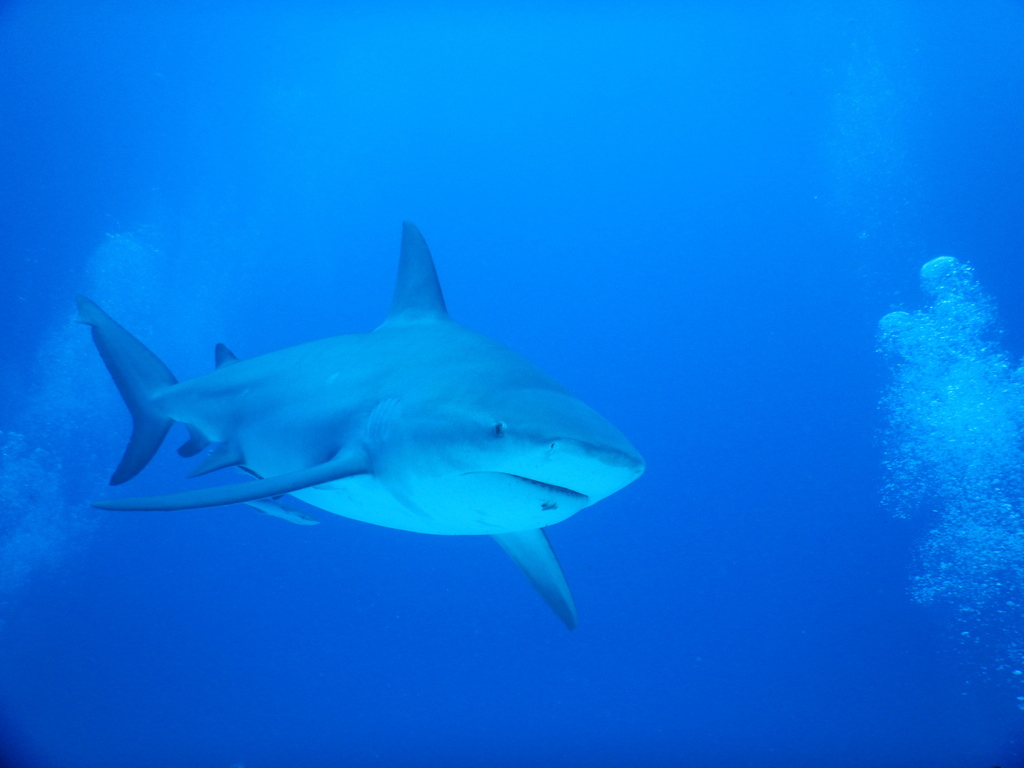 Bull sharkCarcharhinus leucasSeen in 30 countries in the AtlasVulnerable
 Tiger sharkGaleocerdo cuvierSeen in 47 countries in the AtlasNear Threatened
 Omura's whaleBalaenoptera omuraiSeen in 6 countries in the AtlasData Deficient
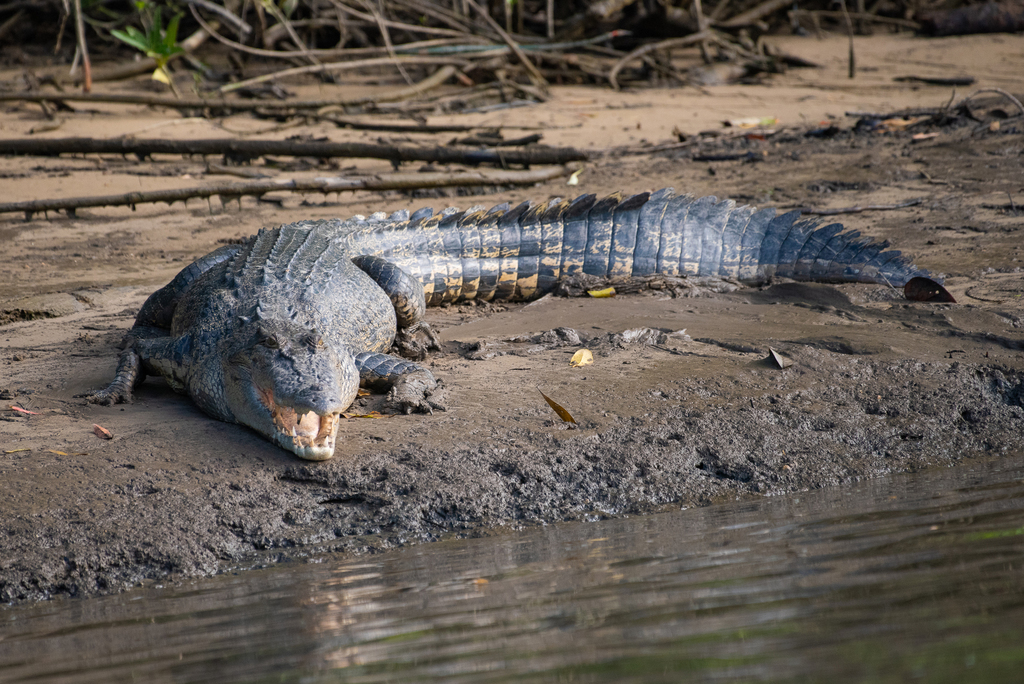 Saltwater crocodileCrocodylus porosusSeen in 14 countries in the AtlasLeast Concern
 Reef manta rayMobula alfrediSeen in 20 countries in the AtlasVulnerable
 Green turtleChelonia mydasSeen in 103 countries in the AtlasLeast Concern
 Blacktip reef sharkCarcharhinus melanopterusSeen in 38 countries in the AtlasVulnerable
 Bumphead parrotfishBolbometopon muricatumSeen in 16 countries in the AtlasVulnerable
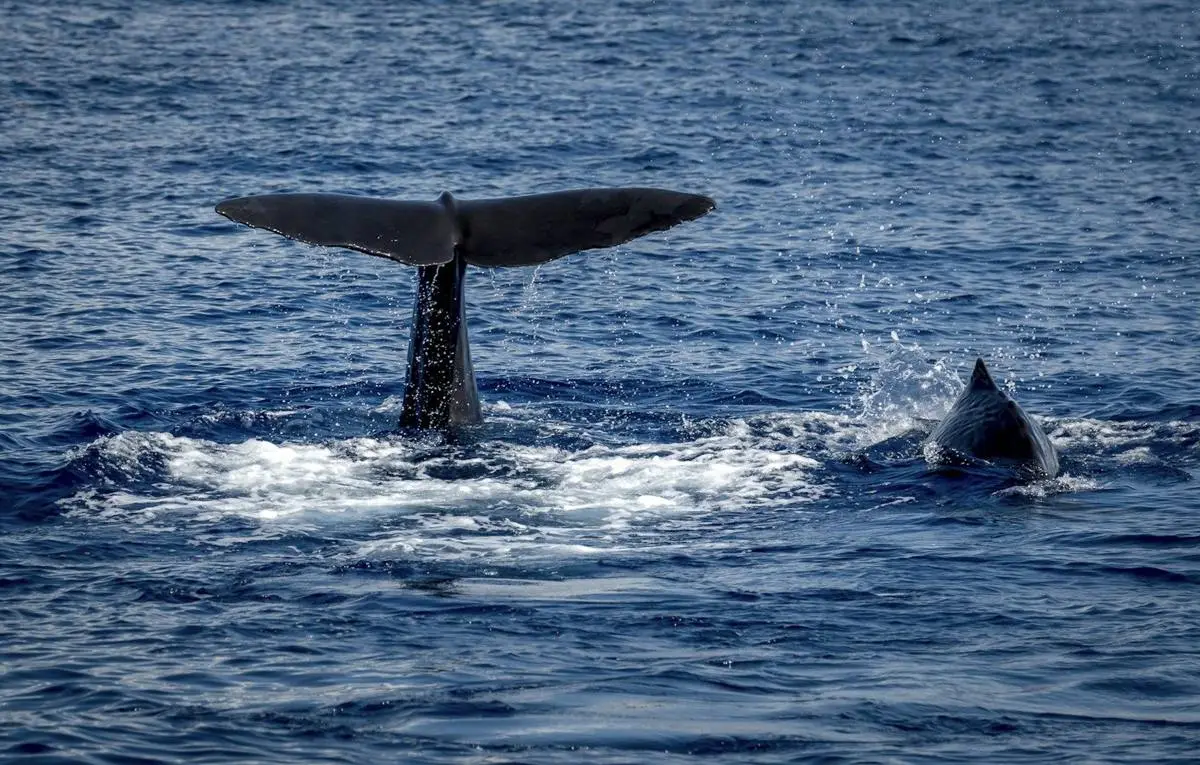 Sperm whalePhyseter macrocephalusSeen in 114 countries in the AtlasVulnerable
 Whitetip reef sharkTriaenodon obesusSeen in 43 countries in the AtlasVulnerable
 Chevron barracudaSphyraena qenieSeen in 19 countries in the AtlasLeast Concern
 Bigeye trevallyCaranx sexfasciatusSeen in 48 countries in the AtlasLeast Concern
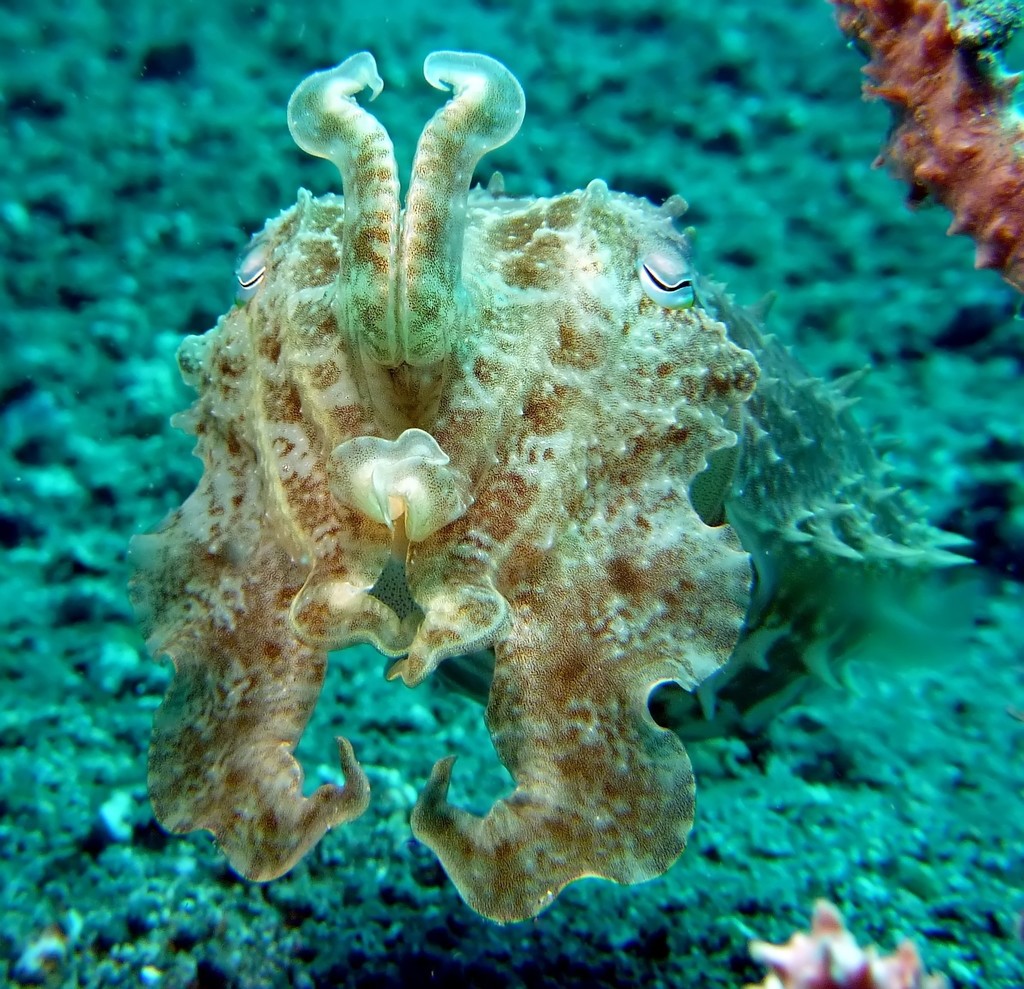 Broadclub cuttlefishAscarosepion latimanusSeen in 15 countries in the AtlasData Deficient
 Spinner dolphinStenella longirostrisSeen in 66 countries in the AtlasLeast Concern
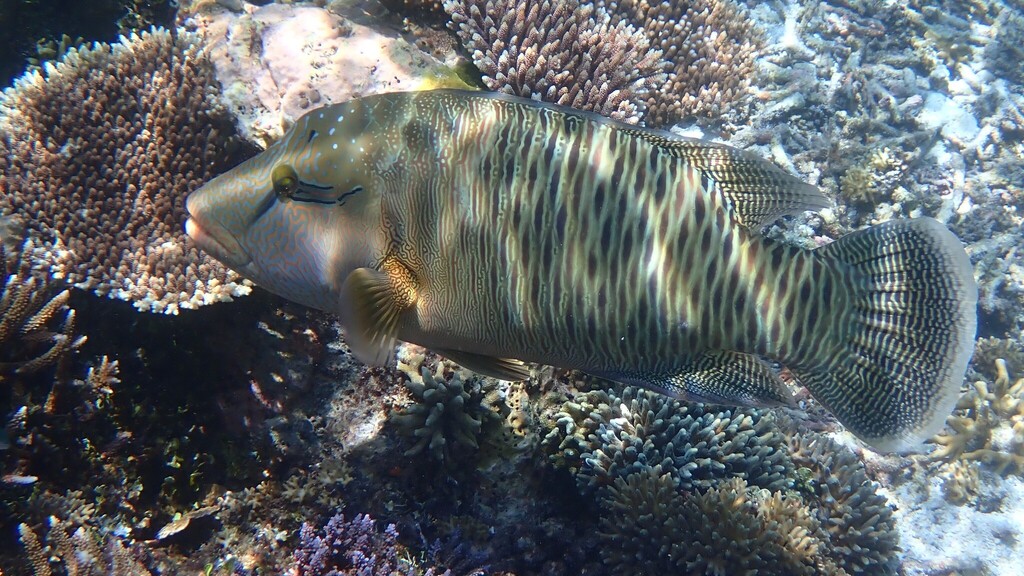 Humphead wrasse (Napoleon wrasse)Cheilinus undulatusSeen in 34 countries in the AtlasEndangered
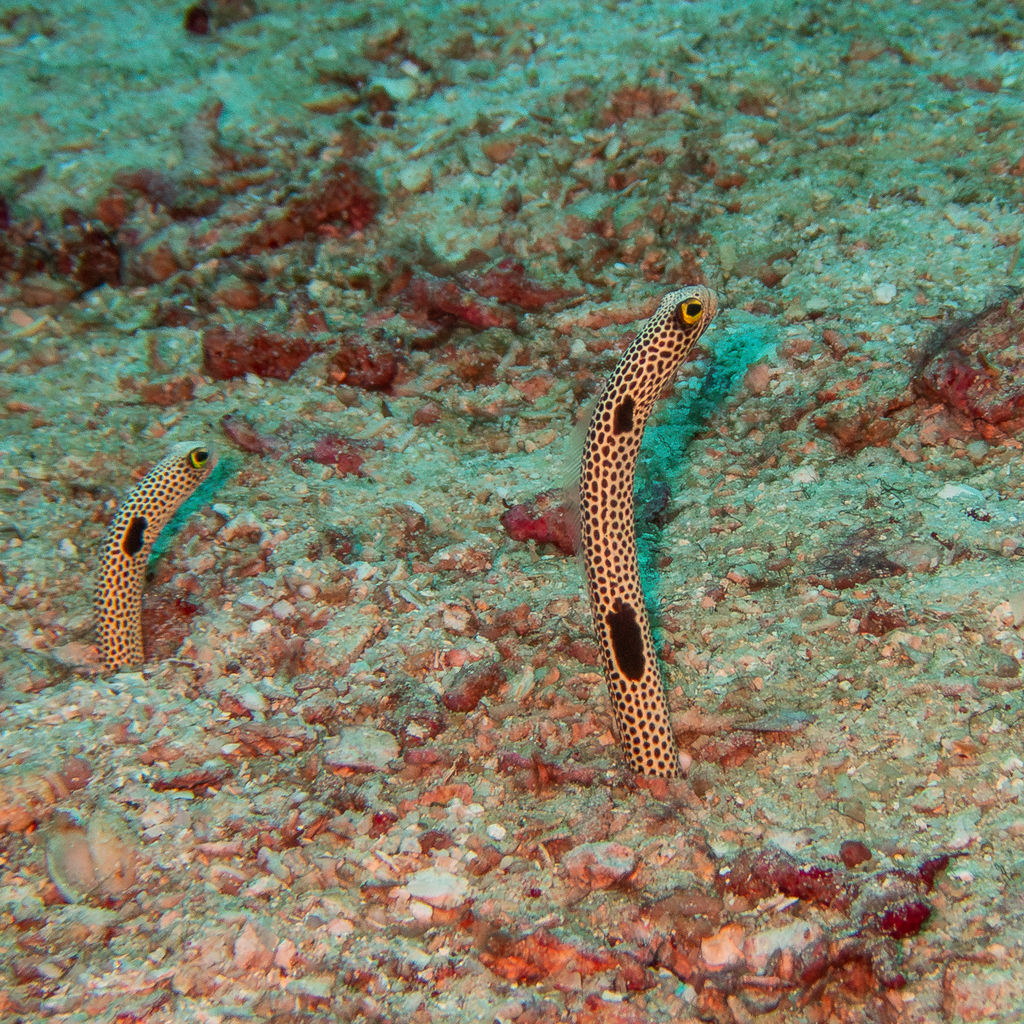 Spotted garden eelHeteroconger hassiSeen in 19 countries in the AtlasLeast Concern
 Great barracudaSphyraena barracudaSeen in 84 countries in the AtlasLeast Concern
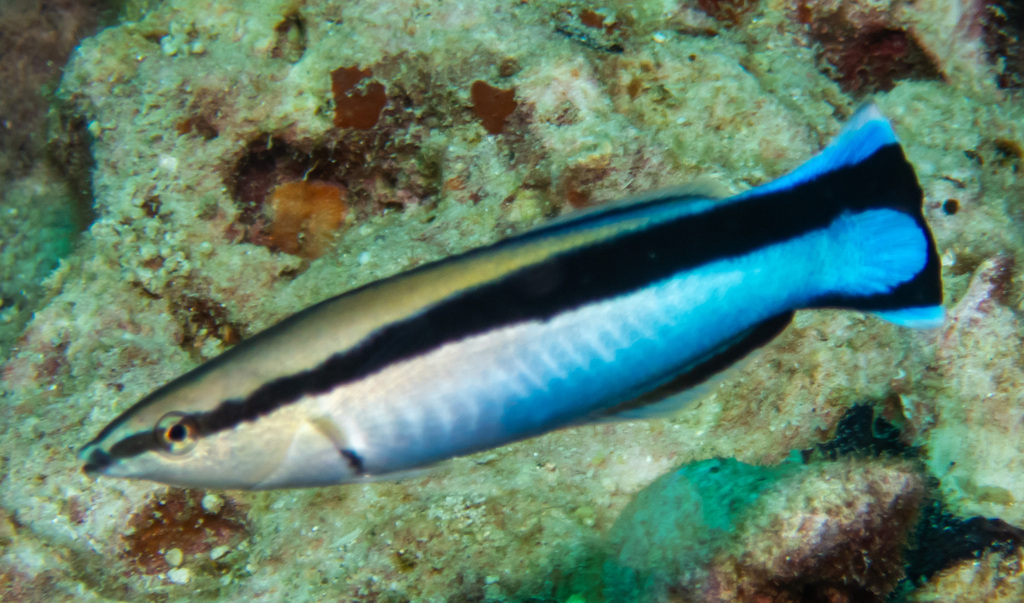 Bluestreak cleaner wrasseLabroides dimidiatusSeen in 51 countries in the AtlasLeast Concern
 Pantropical spotted dolphinStenella attenuataSeen in 56 countries in the AtlasLeast Concern
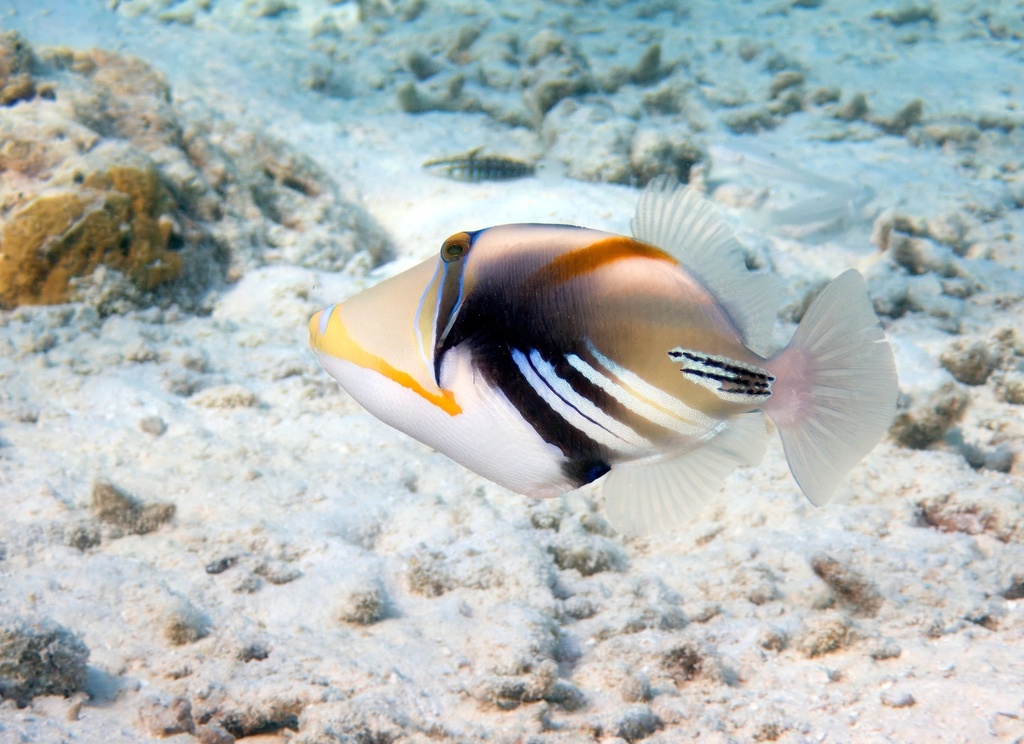 Picasso triggerfish (lagoon triggerfish)Rhinecanthus aculeatusSeen in 41 countries in the AtlasLeast Concern
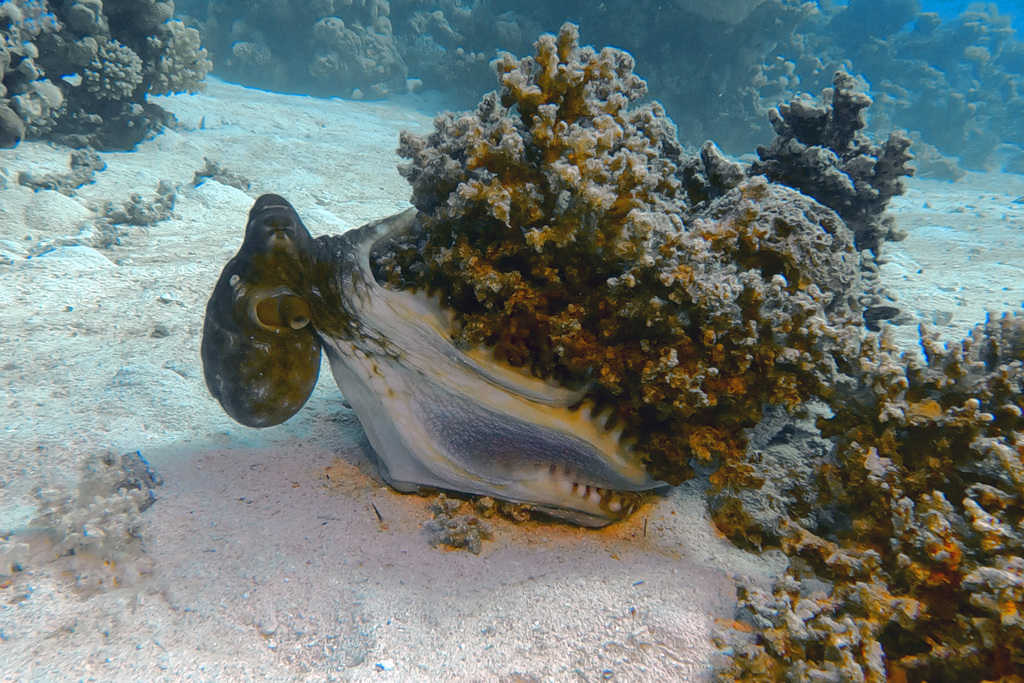 Day octopusOctopus cyaneaSeen in 35 countries in the AtlasLeast Concern
 Wedge-tailed shearwaterArdenna pacificaSeen in 46 countries in the AtlasLeast Concern
 Masked boobySula dactylatraSeen in 80 countries in the AtlasLeast Concern
 Black noddyAnous minutusSeen in 37 countries in the AtlasLeast Concern
 Giant clamTridacna gigasSeen in 12 countries in the AtlasCritically Endangered
 Brown boobySula leucogasterSeen in 104 countries in the AtlasLeast Concern
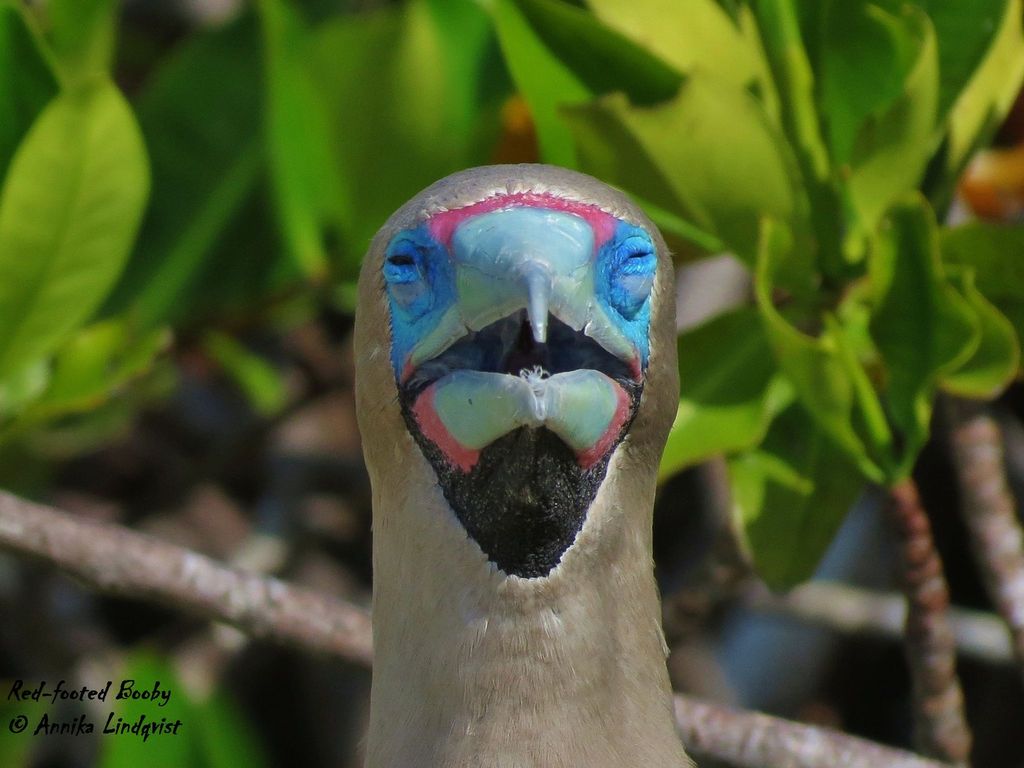 Red-footed boobySula sulaSeen in 91 countries in the AtlasLeast Concern
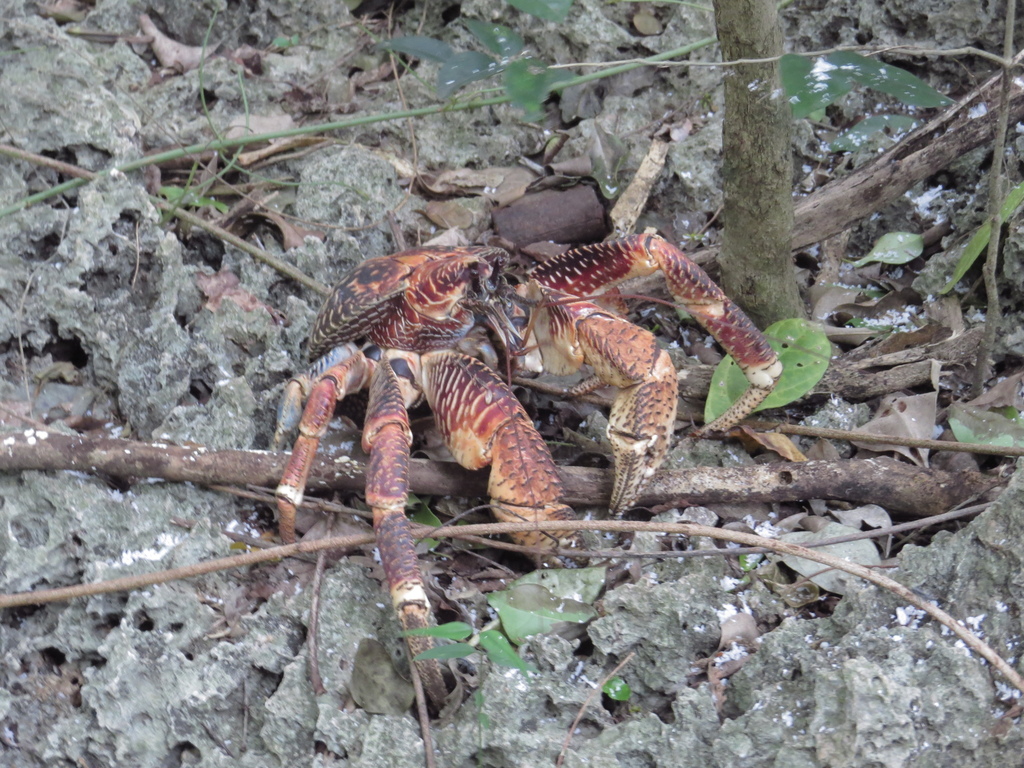 Robber crab (coconut crab)Birgus latroSeen in 17 countries in the AtlasLives on landVulnerable
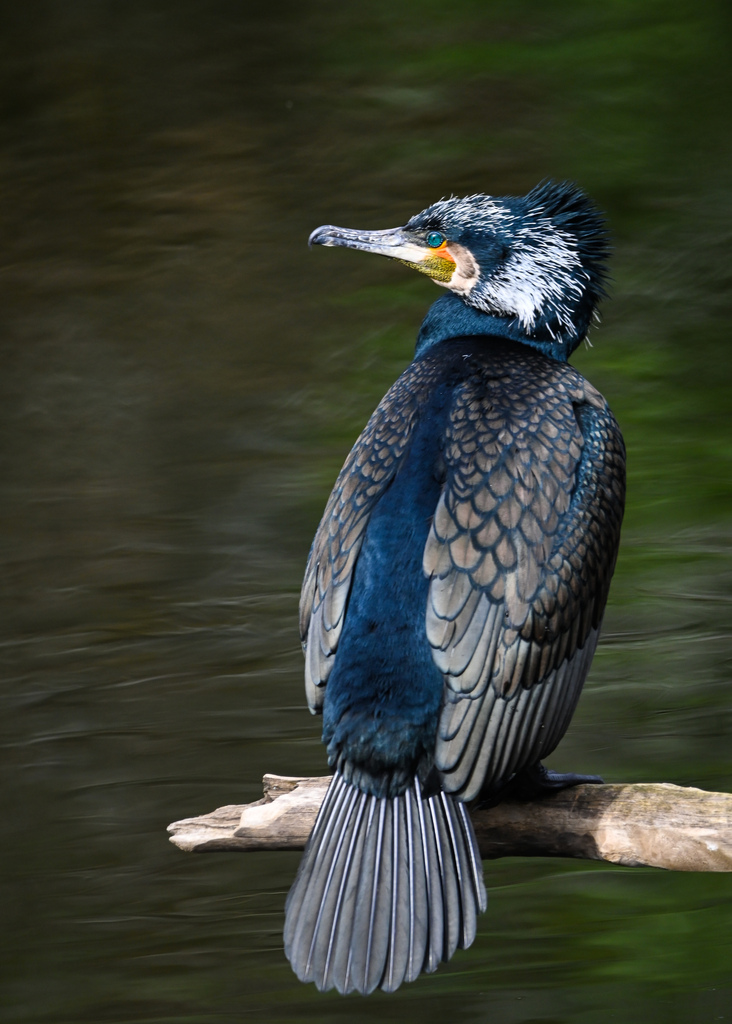 Great cormorantPhalacrocorax carboSeen in 90 countries in the AtlasLeast Concern
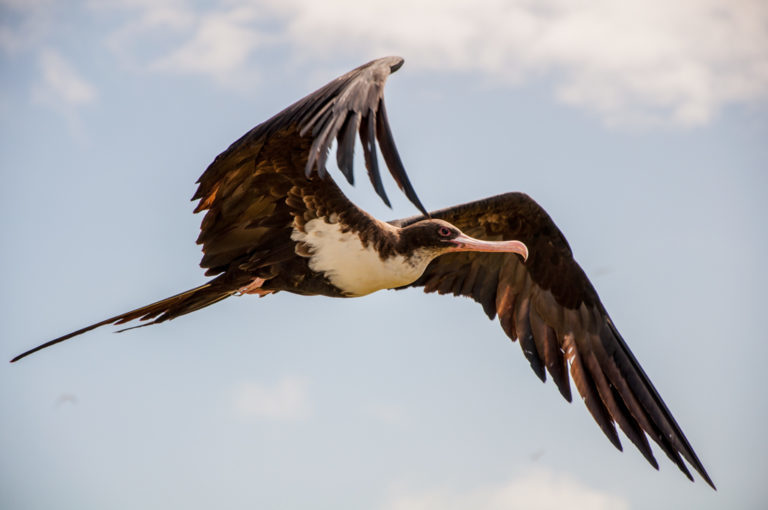 Great frigatebirdFregata minorSeen in 44 countries in the AtlasLeast Concern
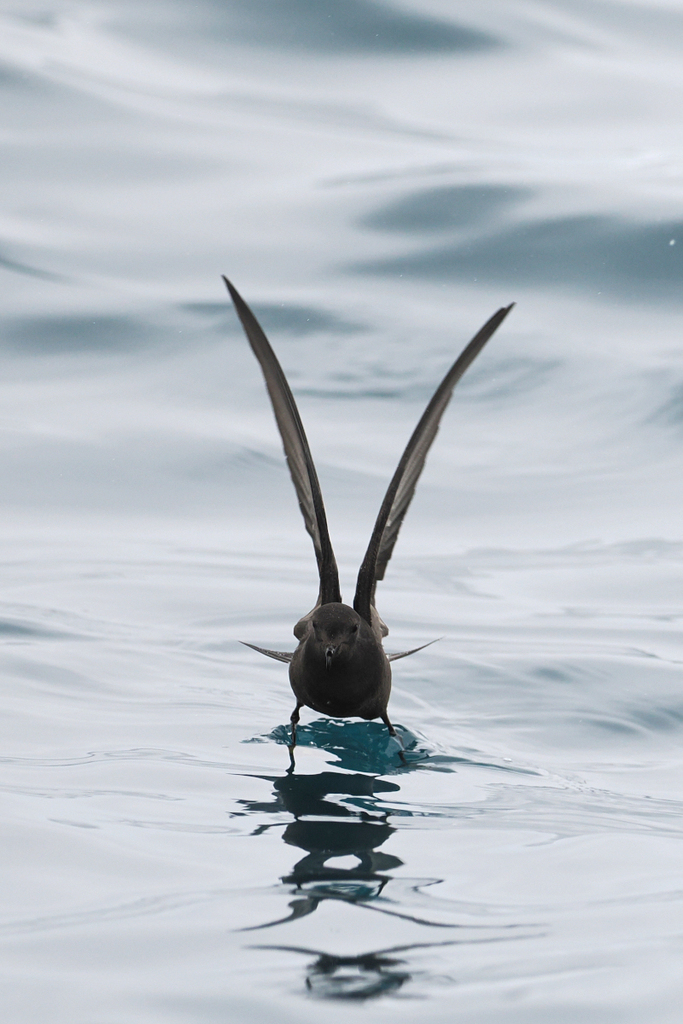 Wilson's storm-petrelOceanites oceanicusSeen in 41 countries in the AtlasLeast Concern
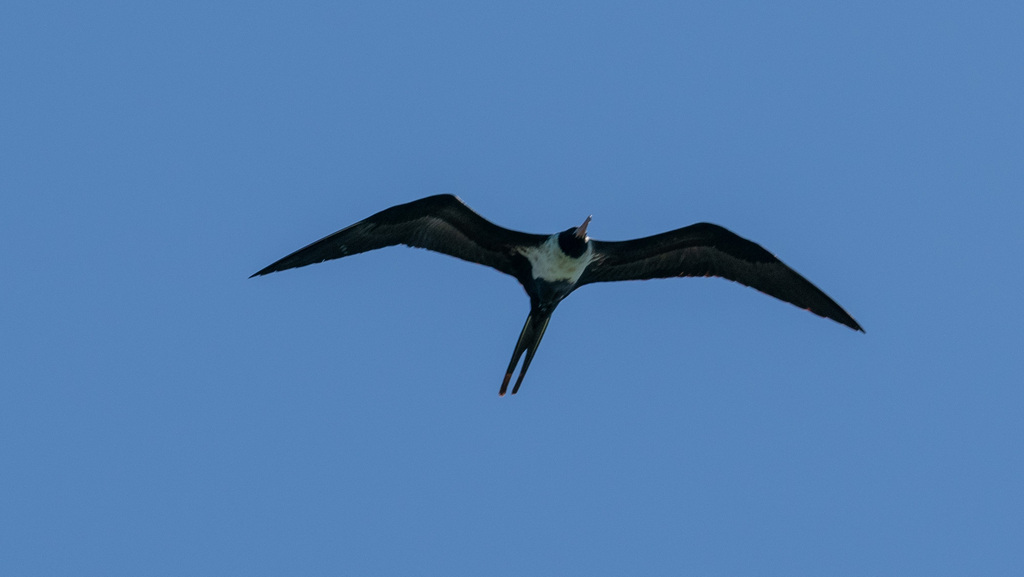 Lesser frigatebirdFregata arielSeen in 39 countries in the AtlasLeast Concern
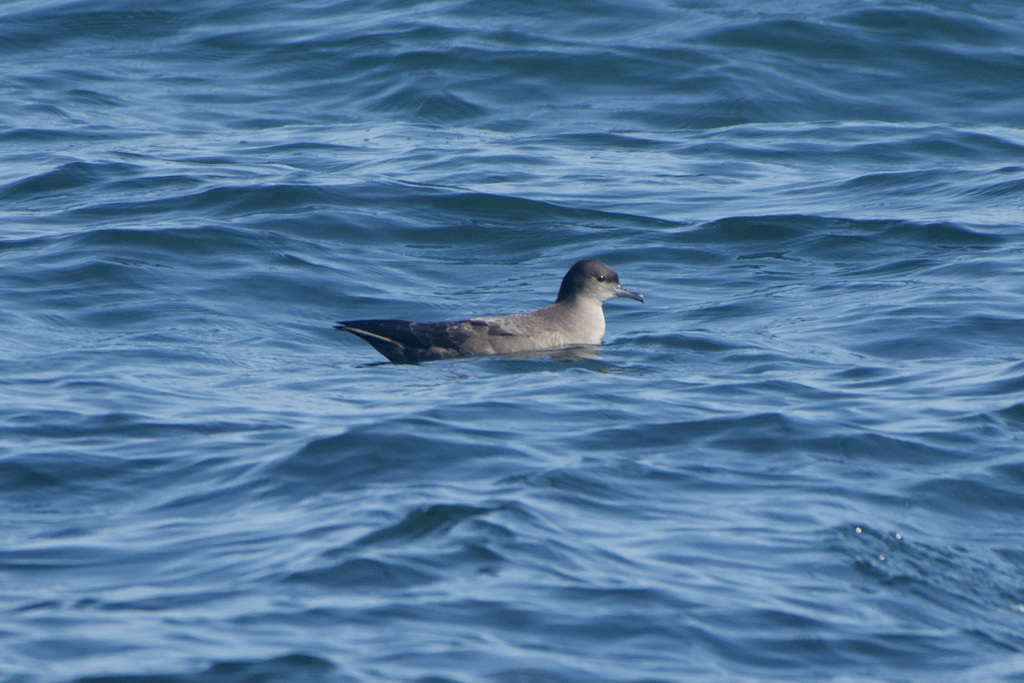 Short-tailed shearwaterArdenna tenuirostrisSeen in 24 countries in the AtlasLeast Concern
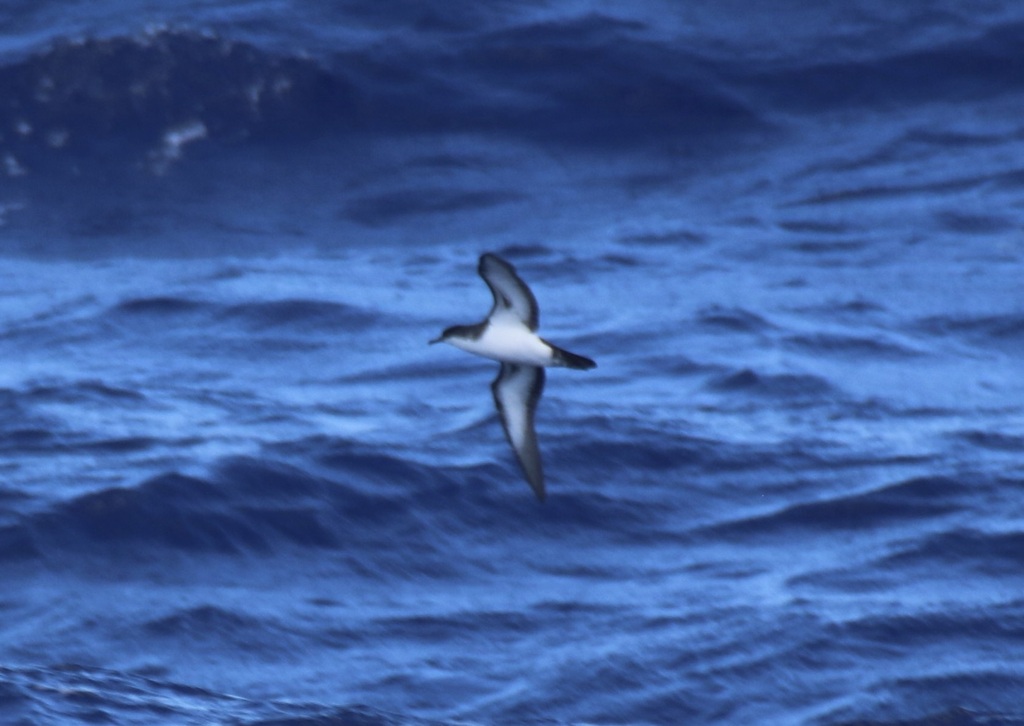 Tropical shearwaterPuffinus bailloniSeen in 15 countries in the AtlasLeast Concern
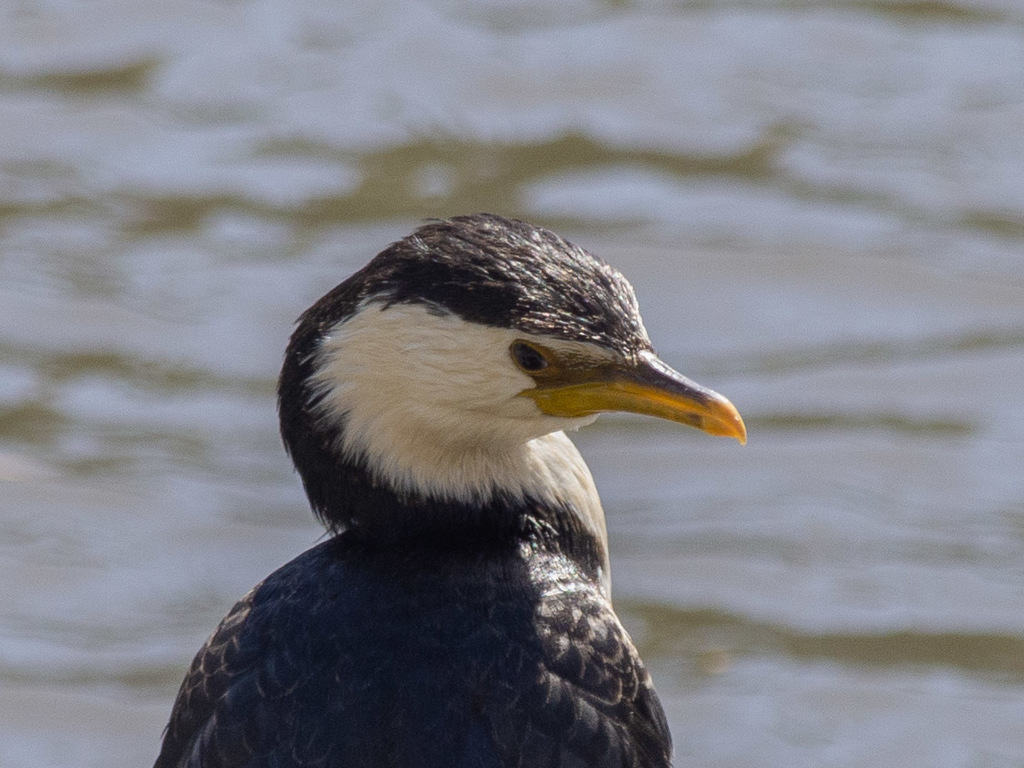 Little pied cormorantMicrocarbo melanoleucosSeen in 10 countries in the AtlasLeast Concern
Tell Rocío what you would love to see
There is no trip here yet. If enough people ask, it helps us decide where to go next.
 American Samoa
 Australia
 Cook Islands
 Fiji
Fiji French Polynesia
 Guam
Guam Kiribati
 Marshall Islands
 Nauru
Nauru New Caledonia
 New Zealand
 Niue
Niue Norfolk Island
 Northern Mariana Islands
 Papua New Guinea
 Pitcairn Islands
 Samoa
Samoa Tokelau
 Tonga
Tonga Tuvalu
 Vanuatu
 Wallis and Futuna
Based in Solomon Islands?
We are always happy to hear from exceptional local operators, accommodation, conservation organisations and destination experts in Solomon Islands. If your work fits responsible, small-group ocean travel, we would love to learn more.
Partner with Ocean CallingNot sure where to go? Get your Ocean Match
from CHF 19