
Short-tailed shearwater
Ardenna tenuirostris
Short-tailed shearwaters pass over open water at their own pace, and no sighting is ever a promise.
Least Concern (IUCN, 2018) means it is not at high risk of extinction at present, and it is one of the most numerous seabirds in Australian waters.
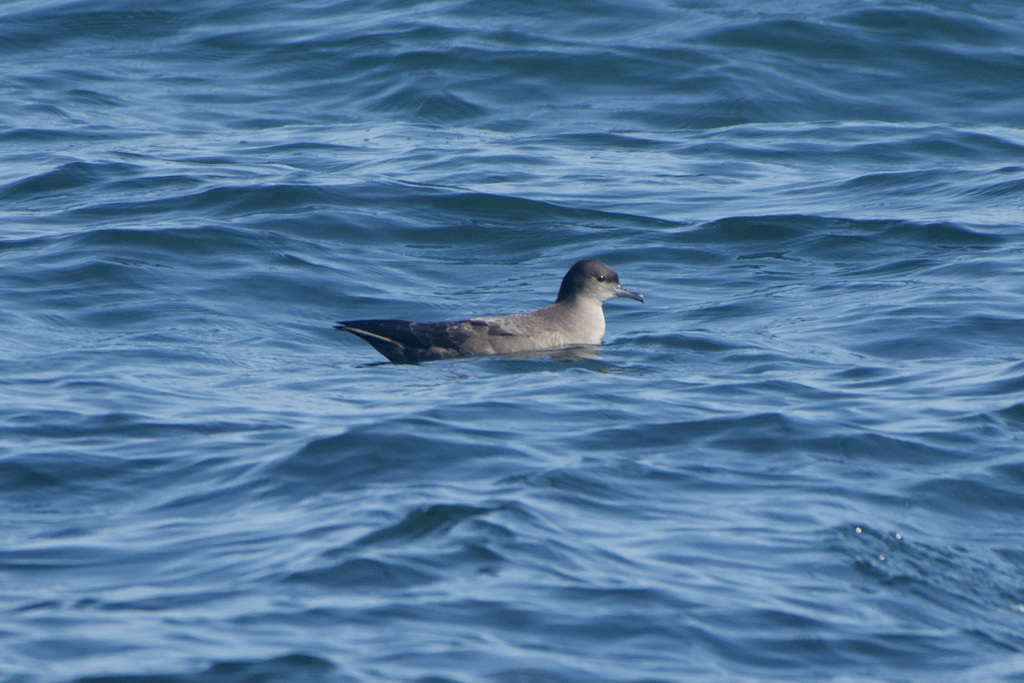
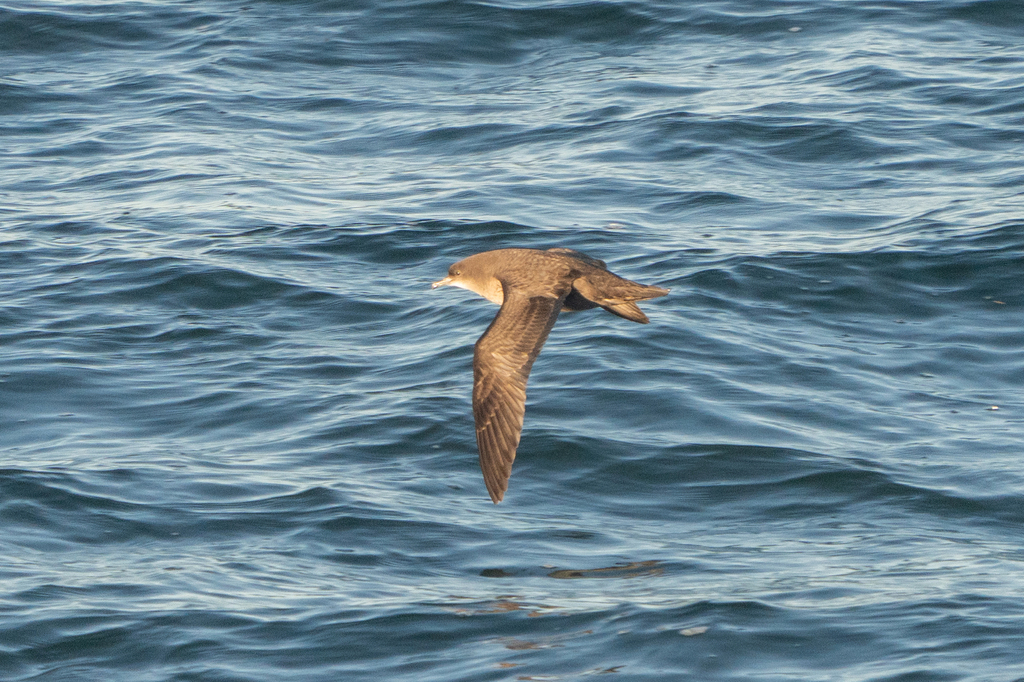
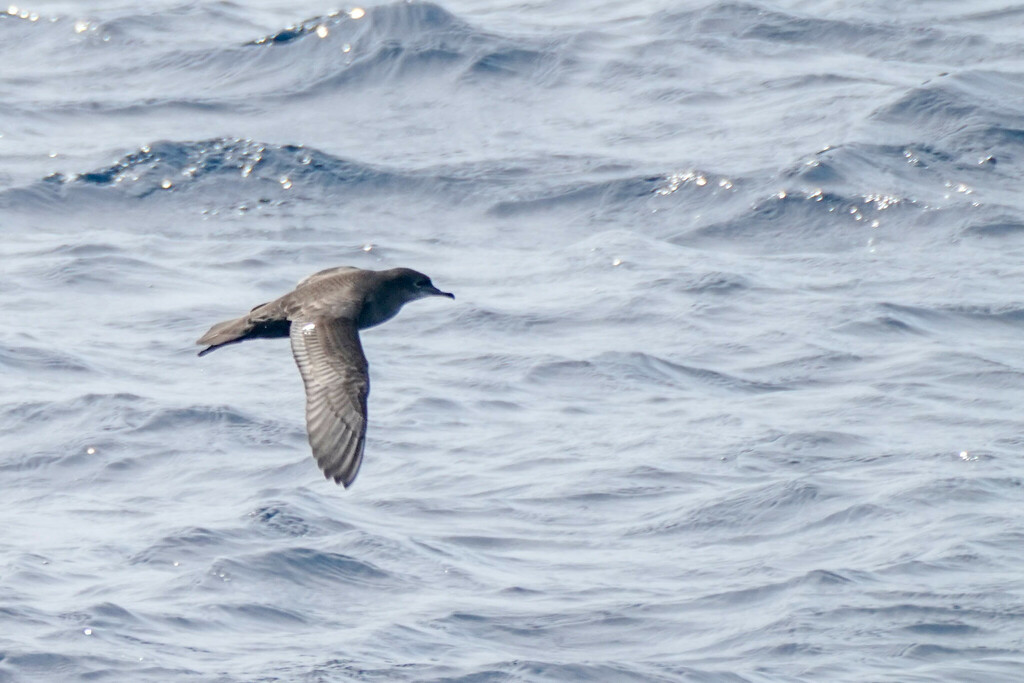
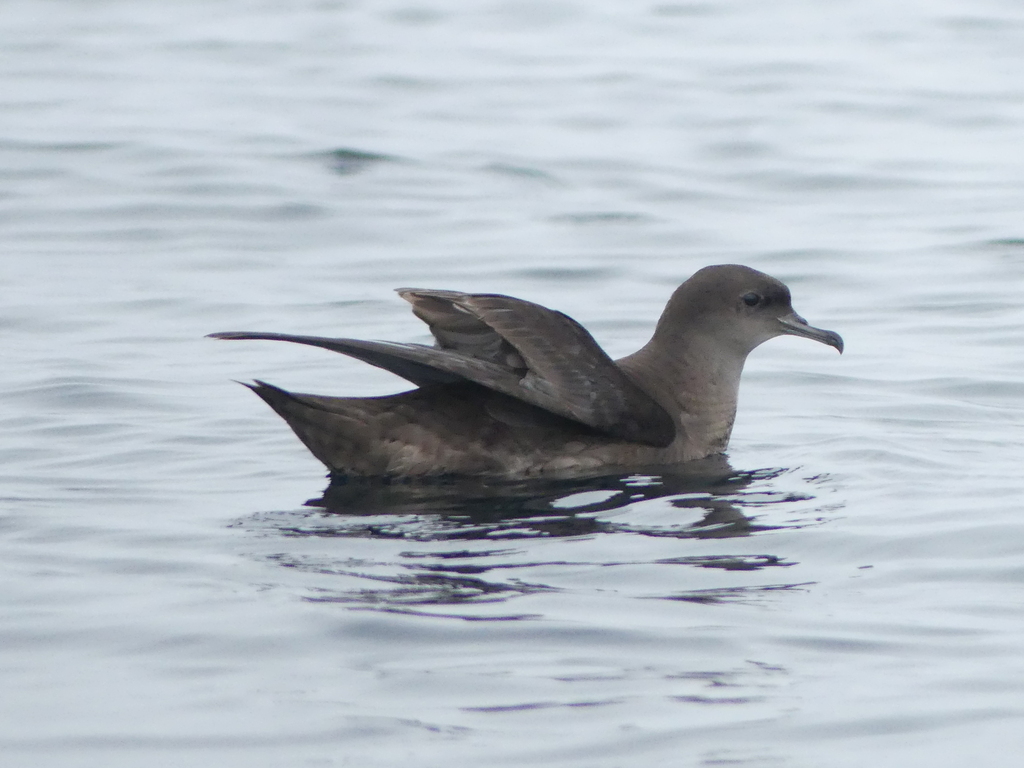
Photos show the species, not always the places on this page.
Length
About 40 to 43 cm (16 to 17 in) long (Birds in Backyards); wingspan about 1 m (3.3 ft) (Tasmanian government)
Weight
Adults about 500 g (1.1 lb) (Tasmanian government). Fledglings can be heavier, about 900 g (2 lb) (Wikipedia)
Next to a person
Body about as long as an adult forearm and hand, with a wingspan a little over half an adult arm span, and about as heavy as a small bag of rice
What it eats
Krill, small fish and squid. They plunge from just above the water or chase prey underwater. The Tasmanian government says they can dive to about 10 m, and Audubon says up to about 18 m (60 ft).
Around people
Calm, keep distance
How it lives
They nest in burrows about 1 m long, in colonies on islands and coasts of southern and eastern Australia, from September to April. Tasmania has about 11.4 million burrows in 209 known colonies, and the largest colony, on Babel Island, has about 3 million. A single egg is laid in late November and incubated for about 53 days. It hatches in the third week of January. Each parent feeds the chick for 2 to 3 days, then leaves for up to three weeks to find food. The adults leave in early April and the chicks fledge in early May.
Where it goes
Short-tailed shearwaters breed in burrows around southern Australia, mostly in Tasmania and Bass Strait. In April the adults leave and fly north through the western Pacific. They spend the northern summer off the Aleutian Islands and Kamchatka, and return in spring across the Pacific. The Tasmanian government puts the yearly trip at 15,000 to 17,000 km. Birds are back at the colonies in late September or early October.
We only draw a journey on the map when scientists have tracked it or clearly documented it. For this animal we have not found one yet.
Populations
Least Concern globally (IUCN, 2018). The Tasmanian government says about 18 million birds arrive in Tasmania each year, and Audubon gives more than 20 million overall. Audubon also notes recent declines in some regions. About 200,000 chicks are harvested in Tasmania each year under seasonal controls, according to the Tasmanian government. Threats named include plastic eaten by mistake, fishing gillnets, feral predators and artificial lights.
Meet it respectfully
Watch from the shore, a headland or a boat that keeps its distance and lets the birds move away. Never chase, touch, feed or bait seabirds. Colonies are burrows underground, so avoid walking over nesting ground, and keep lights low near colonies at night, because artificial light can draw birds in and cause collisions. Rules differ by place, so follow your guide and any local notices. Sightings are never promised.
Fun fact
Tap the bulb to light it up.
Each parent feeds the single chick for only 2 to 3 days at a time, then leaves for up to three weeks to find food.
The parents leave for the north Pacific in early April, and the chicks follow 2 to 3 weeks later.
Tasmania has about 11.4 million burrows, and the biggest colony holds about 3 million of them.
Short-tailed shearwater in the Ocean Atlas
Places we have researched where this animal is recorded. It is never guaranteed, and some places are for watching from the boat only.
Travel with usComing soonTrusted referralExploringOn pause, story onlyEthics pass
Country colour: pink where we travel, blue where we are exploring or refer, grey for story only.
 Antarctica
 Australia
 Canada
 China
China Fiji
Fiji Hong Kong
 India
India Japan
Japan Malaysia
 Mexico
 Micronesia (FSM)
 New Caledonia
 New Zealand
 Northern Mariana Islands
 Papua New Guinea
 Russia
 Singapore
 Solomon Islands
 South Korea
 Sri Lanka
 Taiwan
 Thailand
 United States
 Vanuatu
Sources for this page
- Tasmanian Government (NRE Tas), Short-tailed Shearwater
- Birds in Backyards, Short-tailed Shearwater
- Audubon, Short-tailed Shearwater
- Wikipedia, Short-tailed shearwater
- GBIF, IUCN Red List category (BirdLife International, 2018)
Facts checked 5 October 2026. Photos: Unsplash licence, or Creative Commons as shown on each photo.
Work in ocean travel?
We are always happy to hear from exceptional local operators, accommodation, conservation organisations and destination experts. If your work fits responsible, small-group ocean travel, we would love to learn more.
Partner with Ocean CallingNot sure where to go? Get your Ocean Match
from CHF 19