
Blue whale
Balaenoptera musculus
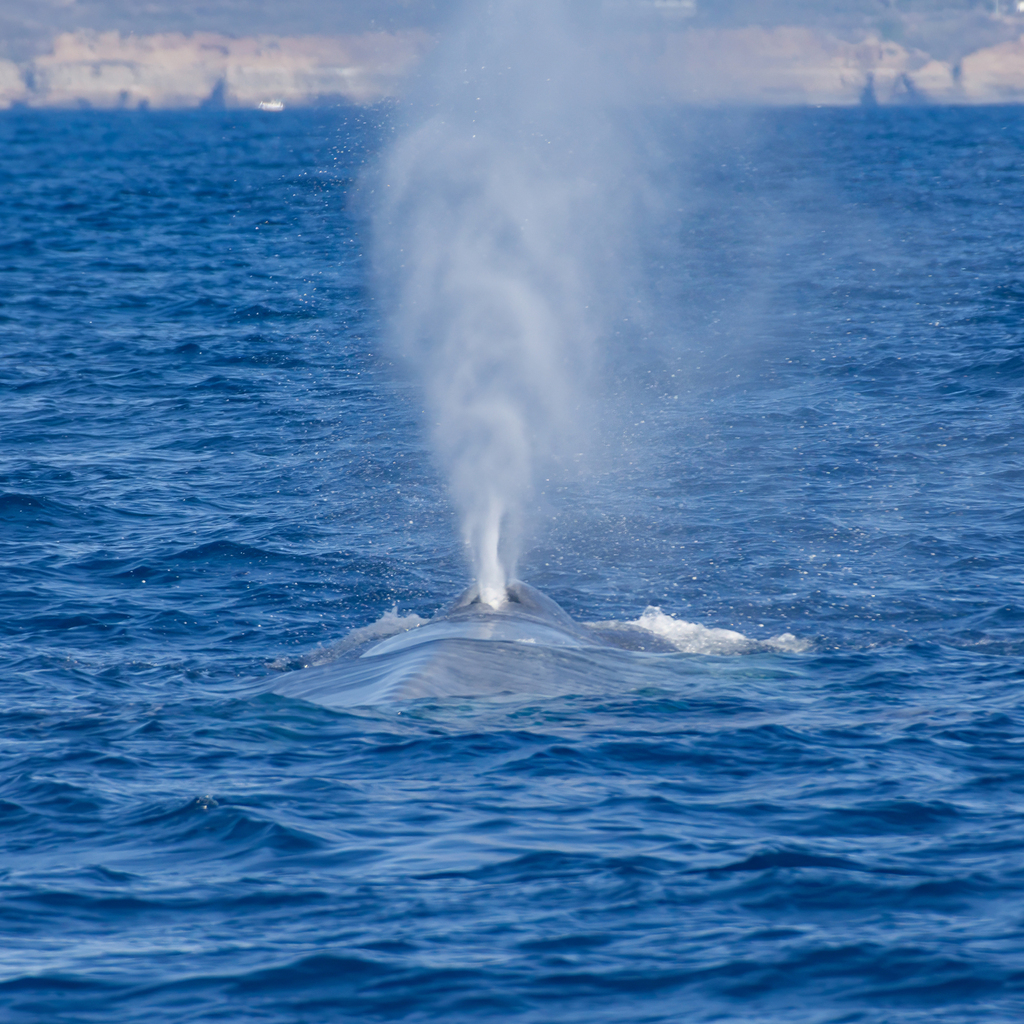
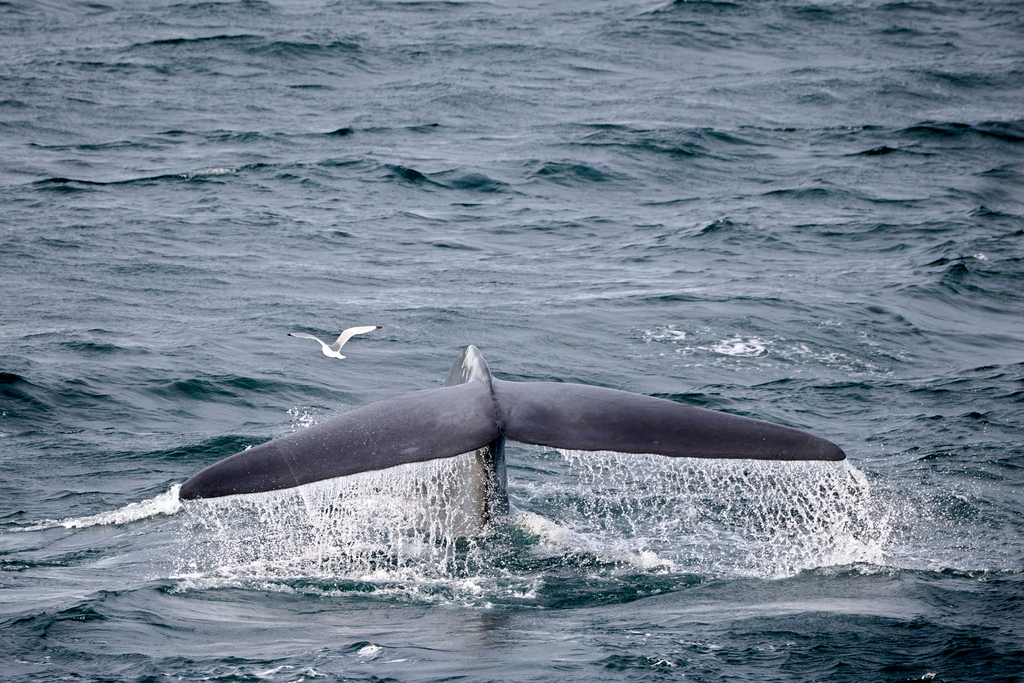
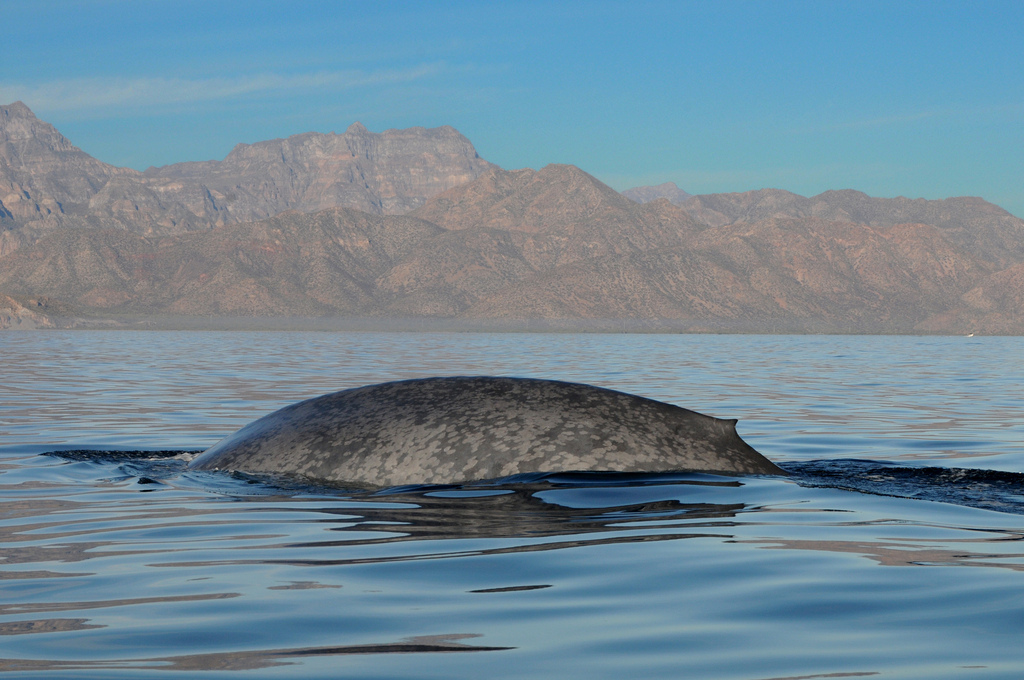
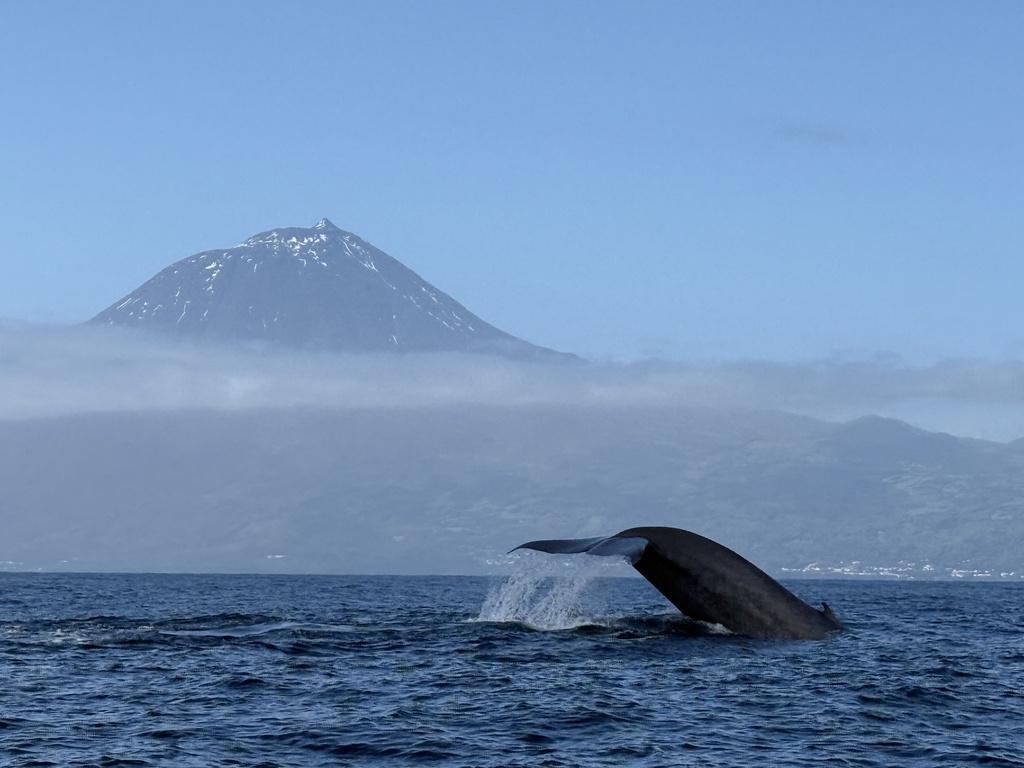
The blue whale is the largest animal known to have lived. Seeing its tall blow from a respectful distance is a rare privilege.
Endangered (IUCN, 2018) means it is at very high risk of extinction in the wild.
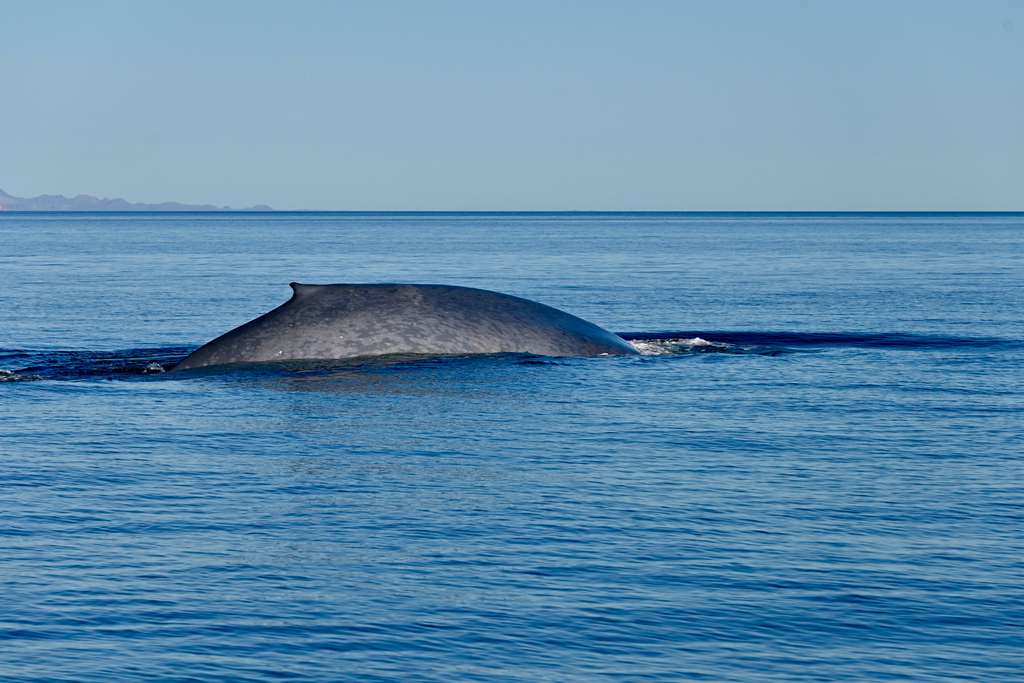
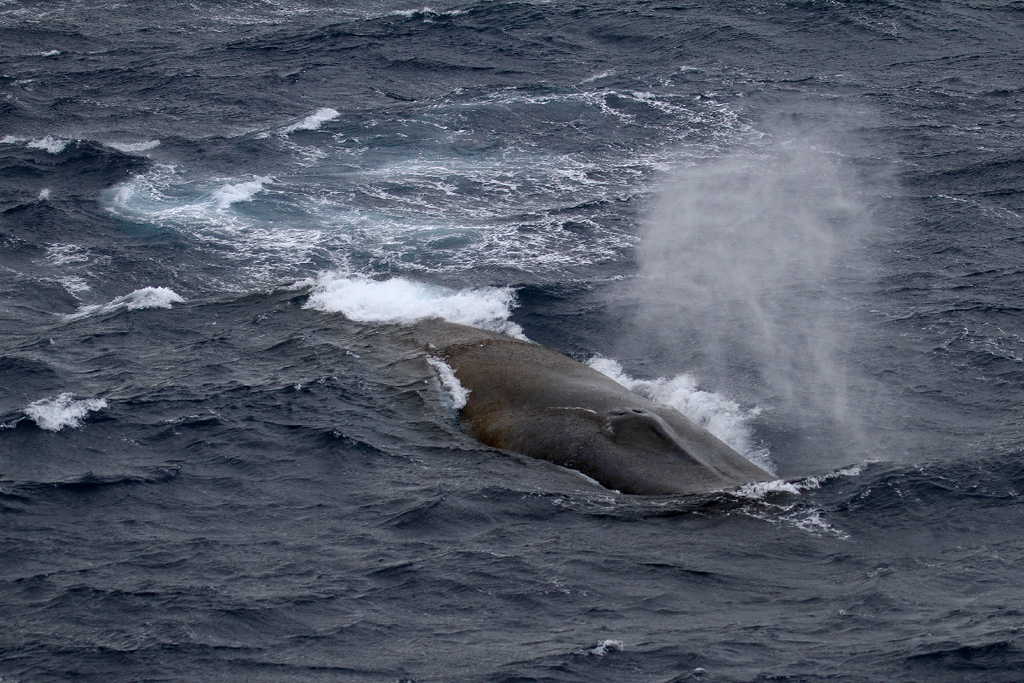
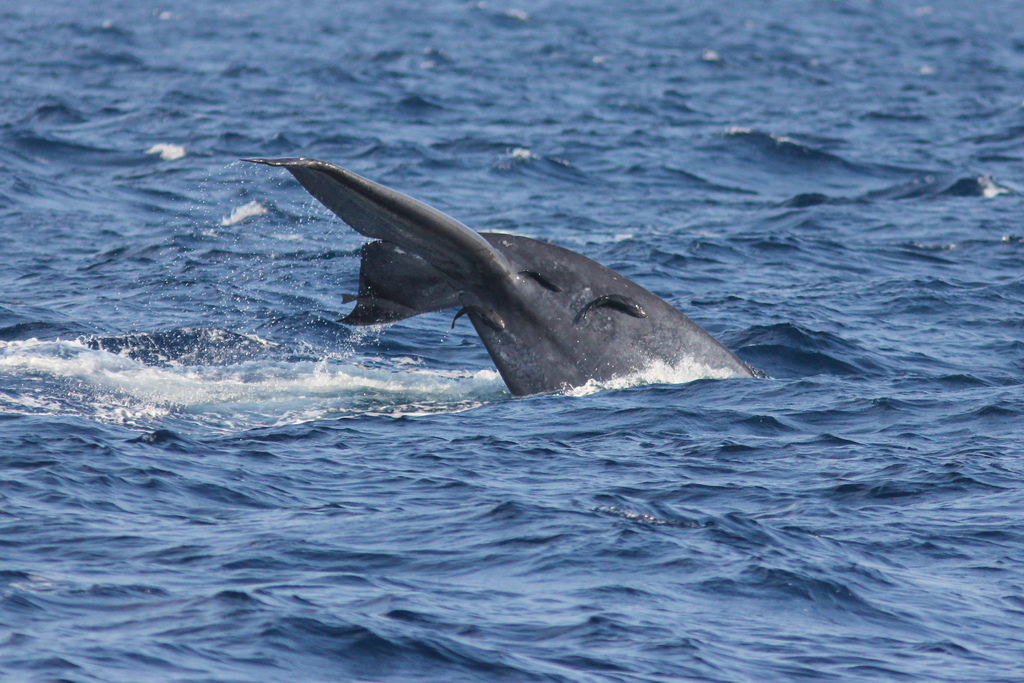
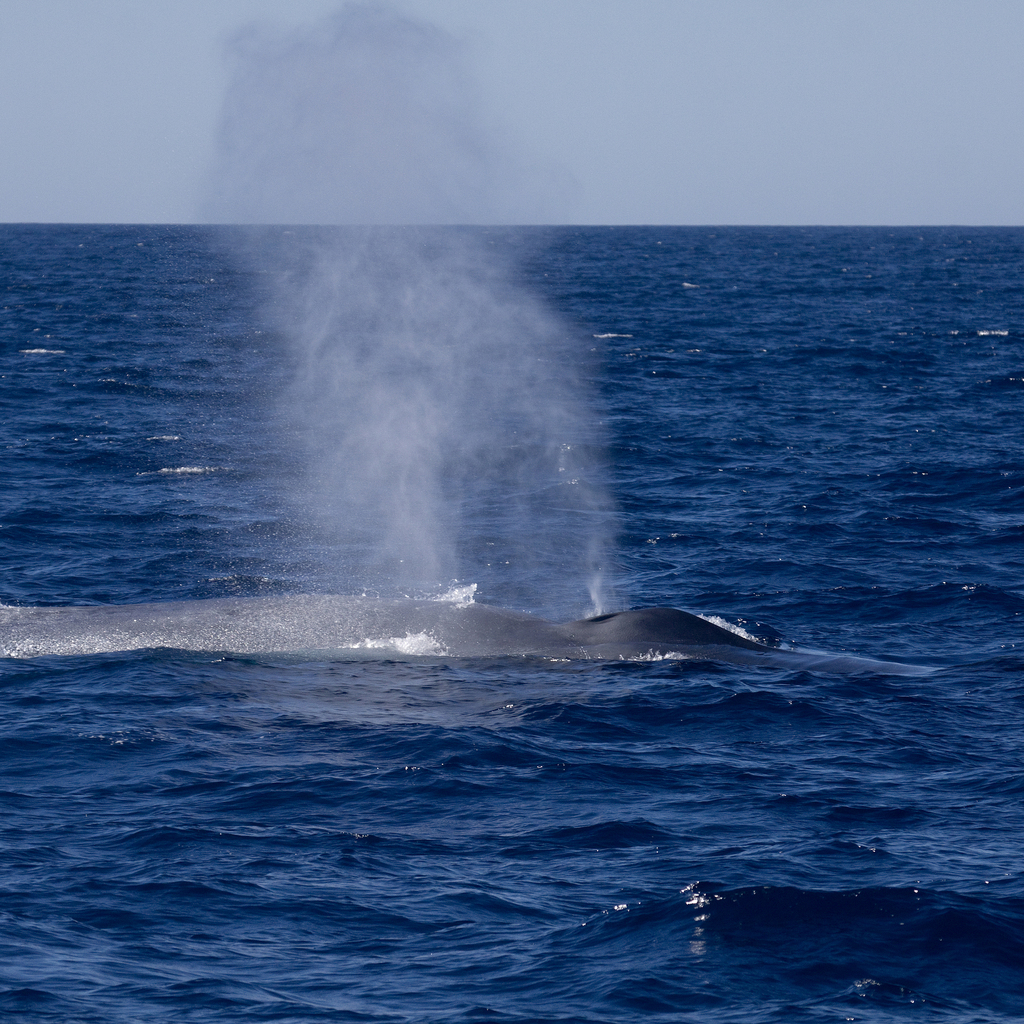
Photos show the species, not always the places on this page.
Length
About 27 m (90 ft) in the North Atlantic and North Pacific; up to about 33.5 m (110 ft), mostly in the Antarctic
Weight
Over 45 tonnes (100,000 lb) in the North Atlantic and North Pacific; up to about 150 tonnes (330,000 lb) in the Antarctic
Next to a person
About 16 adults lying head to toe, and up to about 20 for the largest
What it eats
Almost entirely krill (tiny shrimp-like animals), and sometimes copepods and fish.
Around people
Calm, give space
How it lives
Blue whales swim into dense swarms of krill with their mouths open, then strain the water out through baleen. The largest can eat up to about 5.4 tonnes of krill in a day. They are usually seen alone or in pairs, and sometimes in small groups.
Where it goes
Many blue whales move between feeding areas and wintering areas each year, but routes vary widely and are often poorly understood. Blue whales tagged off California spent the winter off southern Baja California, in the Gulf of California or out near the Costa Rica Dome. Ten whales tagged off Chilean Northern Patagonia between 2013 and 2016 left between late autumn and winter and headed northwest, towards northern Peru and the Galápagos.
Populations
There are five recognised subspecies, and size, migration, feeding grounds and seasonal presence differ between populations. Pygmy blue whales of the Indian Ocean are a distinct, smaller form and are not the same as Antarctic or North Pacific blue whales. The St Lawrence catalogue holds 420 blue whales since 1979, and they are seen most in August and September. Off Sri Lanka, blue whales are watched off Mirissa from about December to March and off Trincomalee from about March to July.
Meet it respectfully
We watch blue whales only from the boat. Rules differ by place. In Sri Lanka the law asks boats to stay at least 100 m away, and no one may enter the water without special approval. In the Azores boats keep at least 50 m away, and 100 m from a whale with a small calf, and swimming with whales is not allowed. Mexico also does not allow swimming or diving with whales. In Australian Commonwealth waters, boats keep at least 100 m away, and 300 m from a calf. In Chile, rules ask boats to keep 300 m from blue whales. In Canada's St Lawrence Estuary, rules set 400 m, because these whales are endangered there. Costa Rica also does not allow swimming with whales. Never chase a whale, cut across its path, crowd it while it feeds or approach a calf. Ship strikes and entanglement are serious threats.
Fun fact
Tap the bulb to light it up.
It is the largest animal known to have lived, bigger than any known dinosaur.
Its heart is roughly the size of a piano and weighs about 180 kg (400 lb).
Despite its huge body, it feeds almost entirely on tiny krill.
Blue whales tagged in the fjords of Chilean Patagonia headed northwest along a corridor more than 2,000 km wide, and one reached the Galápagos.
Source: Hucke-Gaete et al., 2018, PeerJ, blue whale migratory pathways from Chilean Patagonia to Galápagos
Follow its journey
Choose a journey and watch it travel. Every line comes from satellite tracking or documented research, and the source is named.
StartEndJourney (the line joins documented areas; real paths vary)
Blue whale in the Ocean Atlas
Places we have researched where this animal is recorded. It is never guaranteed, and some places are for watching from the boat only.
Travel with usComing soonTrusted referralExploringOn pause, story onlyEthics pass
Country colour: pink where we travel, blue where we are exploring or refer, grey for story only.
 Antarctica
 Argentina
 Australia
 Canada
 Chile
Chile Ecuador
 Faroe Islands
 France
 Greenland
 Guatemala
 Iceland
 India
India Indonesia
 Ireland
 Japan
Japan Jordan
 Mexico
 Netherlands
 New Zealand
 Norway
 Pakistan
 Peru
Peru Portugal
 Spain
Spain Sri Lanka
 Sweden
 Timor-Leste
 United Kingdom
 United States
Sources for this page
- NOAA Fisheries, 2026
- Bailey et al., 2009, Blue whale movements in the Northeast Pacific
- Hucke-Gaete et al., 2018, PeerJ, blue whale migratory pathways from Chilean Patagonia to Galápagos
- IWC Whale Watching Handbook, Sri Lanka
- Mexico, NOM-131-SEMARNAT-2010 on whale watching (PROFEPA)
- Azores Regional Legislative Decree 9/99/A (FAOLEX)
- Queensland Government, 2026
- Diario Usach, legal distances for observing whales in Chile
- Fisheries and Oceans Canada, Watching marine wildlife
- IWC Whale Watching Handbook, Costa Rica
Facts checked 26 September 2026. Photos: Unsplash licence, or Creative Commons as shown on each photo.
Work in ocean travel?
We are always happy to hear from exceptional local operators, accommodation, conservation organisations and destination experts. If your work fits responsible, small-group ocean travel, we would love to learn more.
Partner with Ocean CallingNot sure where to go? Get your Ocean Match
from CHF 19