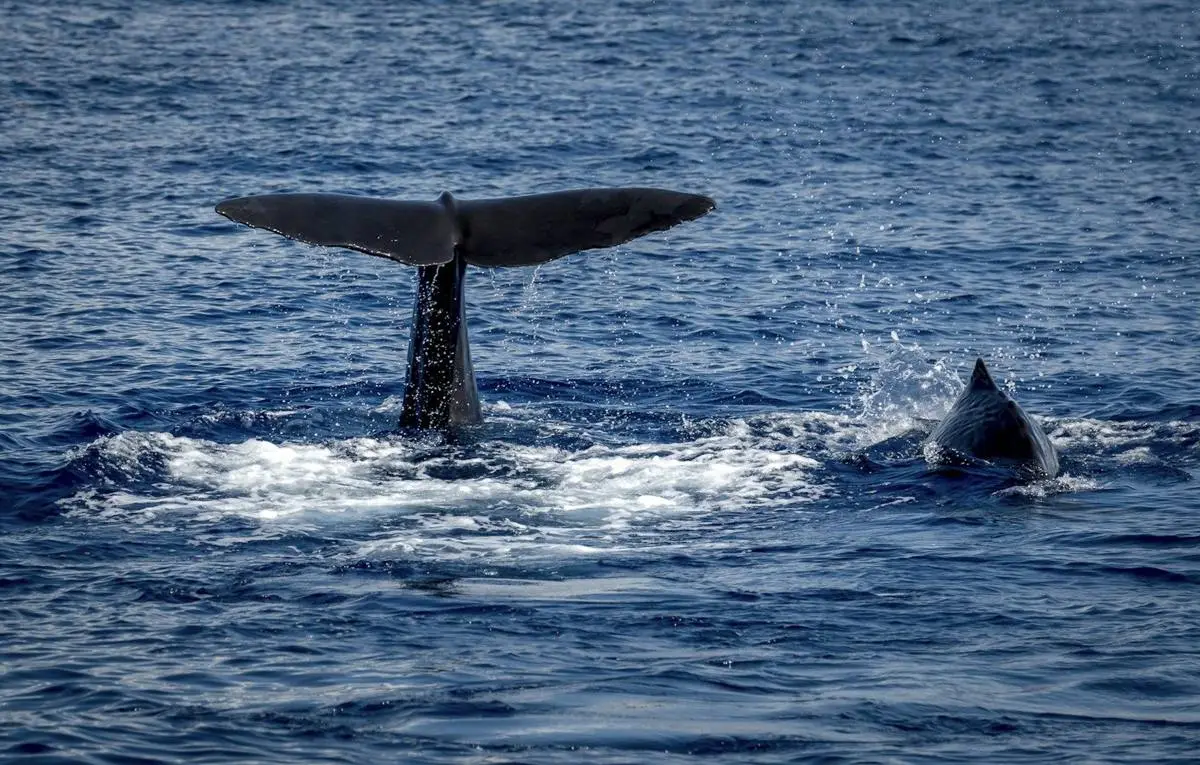
Whale Watching in Sri Lanka: What Is Legal and What Is Sold
Sri Lanka allows boat-based whale watching under rules that keep vessels at least 100 metres from whales. Getting into the water needs prior approval, and the reports I found say tourist swim permits are not being issued.
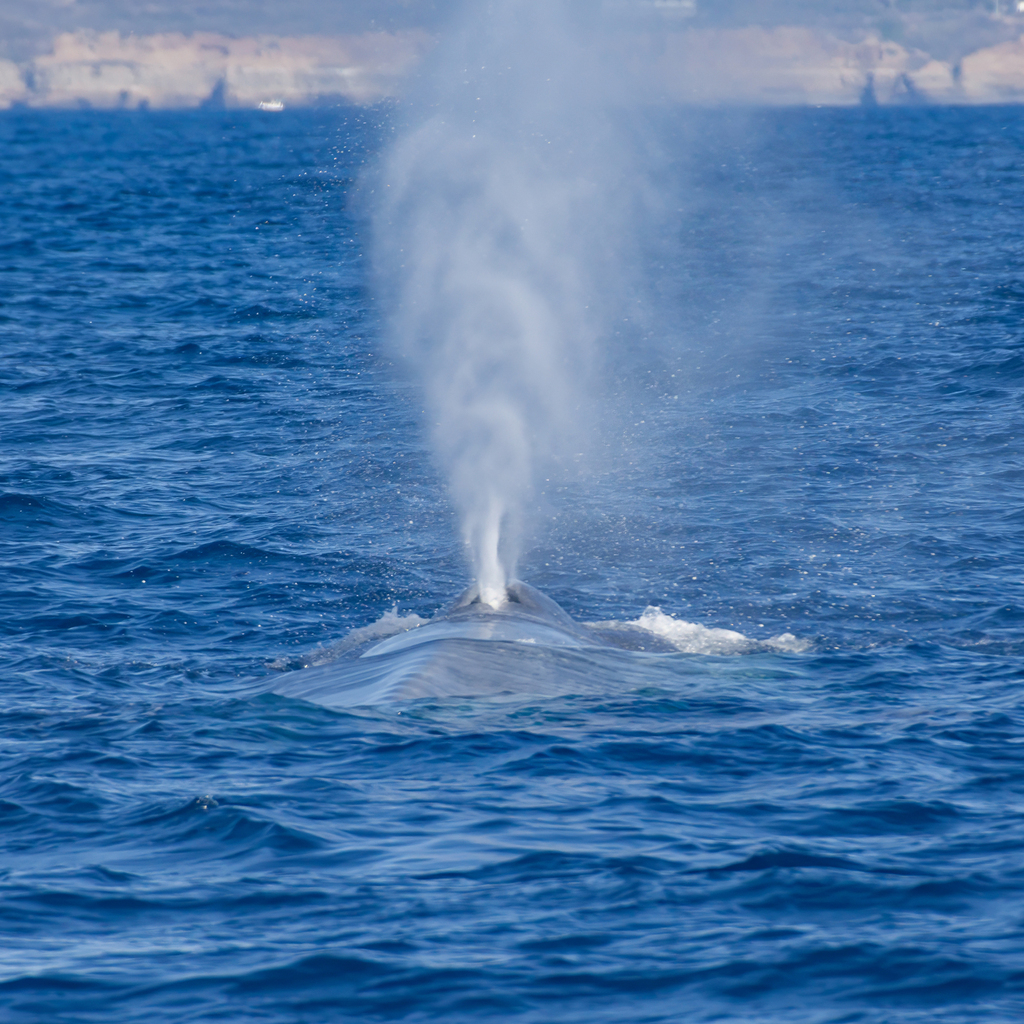
Search for “swim with blue whales Sri Lanka” and you will find a long list of friendly boat companies with beautiful photos. Then read the regulations, and the picture changes. Is it legal? Watching whales from a boat in Sri Lanka is legal and regulated. Getting into the water with them is not allowed without prior permission from the wildlife authority, and the reports I found say that permission is not being given to tourists.
This page is about the gap between what is written and what is sold. I will stick to what I could verify, and I will say where my sources disagree.
What do the rules say?
Sri Lanka’s Sea Mammals (Observation, Regulation and Control) Regulations, No. 1 of 2012, were published in the Gazette Extraordinary No. 1774/27 on 6 September 2012, under the Fauna and Flora Protection Ordinance. The conditions in Schedule III say that once sea mammals are seen, boats reduce speed gradually until they are at a distance of 400 metres. For whales, the engine is switched off from 100 metres, and at no stage should the vessel be closer than 100 metres. For other sea mammals the limit is 50 metres. The IWC whale watching handbook and a 2012 newspaper report give the same distances.
On swimming, the same Schedule says people observing sea mammals should not be allowed to get into the sea, other than for diving after obtaining the prior approval of the Director-General of Wildlife Conservation. Regulation 9 adds that the boat operator must get that approval in advance. Reporting from The Morning and from the conservation group Pearl Protectors adds that the department has refused to issue such permits for swimming. I read the gazette itself, through the scan kept in the FAO legal database. An earlier version of this page also mentioned later amendments in 2019. I could not confirm that, so I leave it out.
Who checks? Reports say the Coast Guard has monitored whale and dolphin watching around Mirissa since 2013, while the wildlife department licenses the vessels. A Coast Guard official quoted in the coverage admitted that “we cannot monitor every inch of the ocean”.
What is being sold anyway
In 2024 Pearl Protectors published a report called Conserving Gentle Giants. It found that 73% of operators contacted in Mirissa and 83% in Trincomalee were offering illegal whale swimming. Operators often took guests within two or three metres of whales, despite the 100 metre rule, and some did not refuse requests to touch them. Many sent photos or video of past swims when asked.
The report also says some operators present themselves as licensed even though the department has not issued permits for swimming. Coverage in The Morning described one workaround: sports fishing licences being used for swim tours, with the Coast Guard saying it had temporarily stopped issuing them. A permit for fishing, or for photography, is not permission for a paying guest to enter the water. If someone explains the swim with a different permit, ask to see which law it comes from.
I want to be fair. Many operators in Sri Lanka run honest boat trips and keep the distances. The point is simply that you cannot tell from the advert, and a lower price for “getting in” should not reassure you.
Season and places
Sources broadly agree on the pattern, though not on the exact months. Mirissa, on the south coast, is usually described as best from about November to April, and Kalpitiya on the north-west coast has a similar window. Trincomalee, on the east coast, is described by most sources as a May to October destination. The IWC handbook lists blue whales off Mirissa between December and March and off Trincomalee between March and July, which does not match the other sources. I would not plan a trip around one month. Ask a local operator what they have seen recently, and see our notes on the best time to visit Sri Lanka.
The ethical layer: more than the whale in the water
There is a second problem, and it has nothing to do with tourists. Blue whales off southern Sri Lanka share the water with one of the busiest shipping routes. A 2014 to 2015 survey by the International Fund for Animal Welfare, the University of Ruhuna and partners found that moving the shipping lane about 15 nautical miles south could cut the risk to blue whales by 95%. The researchers noted that eleven blue whales were known to have been killed by ships between January 2010 and April 2012, and the real number is probably higher. I could not confirm what has changed in the lane since then.
That matters for tourism, because boats crowding a whale add to pressure that already exists. A responsible visitor chooses a boat that keeps its distance, stays on the surface, and leaves when the animal moves away. Our guide on ethical whale watching in Sri Lanka goes into this.
Wildlife encounters are unpredictable. Whale watching should always follow local regulations and experienced professional guidance.
Where we stand
We do not sell it, and we do not compete on price with day boats that do. Ocean Calling has no trip in Sri Lanka, and we would never offer swim-with-whale tourism there, because the rules say no and the evidence says the rule is being broken. Wherever we do work, it is with vetted local operators, in small groups, and with plans that leave room for the animal to decide.
If you go watching from a boat, a roll-top dry bag keeps your phone and a layer dry on a long, bumpy morning. A rash guard protects your shoulders from the sun, and if you choose a mineral sunscreen, read the ingredients, not the front label. None of this changes the whale’s day, but it helps you stay calm and not fidget while the boat holds back.
If this made you curious about experiencing the ocean this way, you can explore our retreats, where we choose places with clear rules. For a wider view, read wildlife and the law.
Questions people ask
Is it legal to swim with whales in Sri Lanka?
Not without prior approval. The 2012 regulations say people watching sea mammals should not be allowed into the sea, other than for diving with the prior approval of the Director-General of Wildlife Conservation, and reports say the department has refused to issue such permits for swimming.
How close can boats get to whales in Sri Lanka?
According to the 2012 regulations, boats slow down gradually until they are 400 metres away, switch off the engine from 100 metres and should never be closer than 100 metres to a whale. For other sea mammals the limit is 50 metres.
If an operator says they have a permit, should I believe them?
Ask which permit and under which law, and ask to see it. Reports say some operators present themselves as authorised although swim permits have not been issued, and sports fishing licences have been used for swim tours.
Are swim-with-whale tours common in Sri Lanka?
Pearl Protectors’ 2024 report found that 73% of operators contacted in Mirissa and 83% in Trincomalee were offering illegal whale swimming. It is a report on the operators the group contacted, not a count of every operator.
When is the best time for whale watching in Sri Lanka?
Most sources give November to April for Mirissa and Kalpitiya and about May to October for Trincomalee, but they disagree on details. Ask a local operator what they have seen recently.
Is boat whale watching in Sri Lanka ethical?
It can be, if the operator is licensed, keeps at least 100 metres from whales and leaves when the animal moves away. Blue whales also face a risk from ships in southern waters, which is a separate problem.
Wildlife encounters are never guaranteed and never forced. Ocean Calling works only with vetted, ethical local operators, and every animal is free to approach, or not, entirely on its own terms.
Sources & further reading
- Government of Sri Lanka, 6 September 2012. Gazette Extraordinary No. 1774/27: Sea Mammals (Observation, Regulation and Control) Regulations, No. 1 of 2012, under the Fauna and Flora Protection Ordinance (scan of the gazette in FAOLEX).
- ECOLEX. Sea Mammals (Observation, Regulation and Control) Regulations No. 1 of 2012 (legislation record).
- International Whaling Commission. Whale Watching Handbook, country profile: Sri Lanka.
- Pearl Protectors, 2024. Conserving gentle giants (report on swim-with-whale tours in Sri Lanka).
- The Morning (Sri Lanka). Maritime tourism: a whale of a gap in regulations.
- Sunday Times (Sri Lanka), 2012. Strict guidelines set for whale and dolphin watching.
- IFAW. Research into blue whale ship strikes off Sri Lanka offers solution to deadly threat.
Further reading on Ocean Calling: All destinations and the rules that apply · Ethical whale watching in Sri Lanka · More from the journal · Ocean Atlas
Swim with humpback whales in Moʻorea: an ethical whale retreat
Whale encounter retreat · Moʻorea, French Polynesia
Time in the blue, on the whales’ terms. If you love whales, this is our whale trip: small group, slow pace, on the animals’ terms.
Explore in the Ocean Atlas
Places in this article
Animals in this article