
Ocean Atlas · Americas
 Ecuador
Islands where turtles, penguins, marine iguanas and sharks share the water.

Ethics pass, open for travel. We found a way to visit this country that meets our animal-welfare standard. Checked by Ocean Calling on 29 Sep 2026. Sources: Galápagos National Park Rules, Galápagos Conservancy; New Galapagos Marine Reserve Hermandad established, Charles Darwin Foundation, 2022; Shark finning in the Galapagos Marine Reserve through illegal fishers' eyes, Biological Conservation, 2025.
🧭 Travel advice, checked 30 Sep 2026. The UK FCDO advises against all but essential travel to the Coastal Region provinces of Esmeraldas, Manabí, Santa Elena, Guayas, El Oro, Los Ríos and Santo Domingo de los Tsáchilas, and within 20km of the Colombian border. Sources: UK FCDO travel advice, Ecuador Advice differs by passport: check your own government before you plan.
Why Ecuador
In the Galápagos, turtles, penguins, marine iguanas and sharks share the water, and sea lions and whales may be seen nearby. Snorkelling works all year and is warmer from December to May. For divers, hammerheads and whale sharks are seasonal at northern sites, from June to November.
Conservation-led. Ocean Calling guests never chase, touch or bait animals.
When to go
Year-round. Timing changes by place and by animal, so check each place below.
We have researched this place and keep learning about it. There is no trip here yet.
Can we travel here ethically?
Ethics pass
Meets the Ocean Calling standard.
In the Galápagos, every visit to the park is with an authorised naturalist guide, and the rules say keep two metres from animals, never touch and never feed them. The marine reserve grew in 2022 with the new Hermandad reserve. Illegal shark fishing is still a problem offshore, so we choose guides who respect the rules and we support shark conservation work.
Checked 29 Sep 2026. Places change, so we look again every year.
Where in Ecuador
Short notes from our research. Wildlife is never guaranteed.
Galápagos
ExploringIslands where turtles, penguins, marine iguanas and sharks share the water, with sea lions nearby.
🤿 In the water: Green turtles, Marine iguanas, Galápagos penguins, Whitetip reef sharks and rays, Hammerheads and whale sharks (Darwin and Wolf liveaboard dives only, not part of a land-based stay)
⛵ From the boat or shore, never in the water: Sea lions, Whales
When: Year-round. Snorkelling works all year, warmer Dec to May. Whale sharks at the far northern islands Jun to Nov, by liveaboard.
Rules and fees: Practical: international visitors aged 12 and over pay a Galápagos National Park entry fee of 200 US dollars in cash on arrival, and children under 12 pay 100. The transit control card is another 20 US dollars on the mainland, before the flight. Stay at least two metres from all wildlife and never feed or touch the animals.
Sea lions and turtles in the water, giant tortoises on land
In the water
In the Galápagos, sea lions, turtles, rays and marine iguanas share the same bays where people snorkel.
On land
Giant tortoises live on several of the islands. Their recovery is one of the great conservation stories: the Española giant tortoise grew from 15 animals in the 1960s to more than 2,300 today. In 2026, tortoises carrying Floreana tortoise genes were returned to Floreana Island.
Here sea animals and land animals share the same islands, so one trip can include both.
We visit only with a licensed Galápagos naturalist guide, stay on the marked trails and keep our distance. Counts of all wild tortoises differ between sources, so we do not give one number.
Wildlife is never guaranteed, on land or at sea. This is research, not a trip on sale.
Animals recorded in Ecuador
Tap an animal to learn how it lives, where it travels and how to meet it respectfully.
 Humpback whaleMegaptera novaeangliaeSeen in 87 countries in the AtlasLeast Concern
 Whale sharkRhincodon typusSeen in 54 countries in the AtlasEndangered
 Green turtleChelonia mydasSeen in 103 countries in the AtlasLeast Concern
 Scalloped hammerheadSphyrna lewiniSeen in 57 countries in the AtlasCritically Endangered
 Blue-footed boobySula nebouxiiSeen in 11 countries in the AtlasLeast Concern
 Galápagos sea lionZalophus wollebaekiSeen in 1 country in the AtlasEndangered
 Magnificent frigatebirdFregata magnificensSeen in 52 countries in the AtlasLeast Concern
 Marine iguanaAmblyrhynchus cristatusSeen in 1 country in the AtlasVulnerable
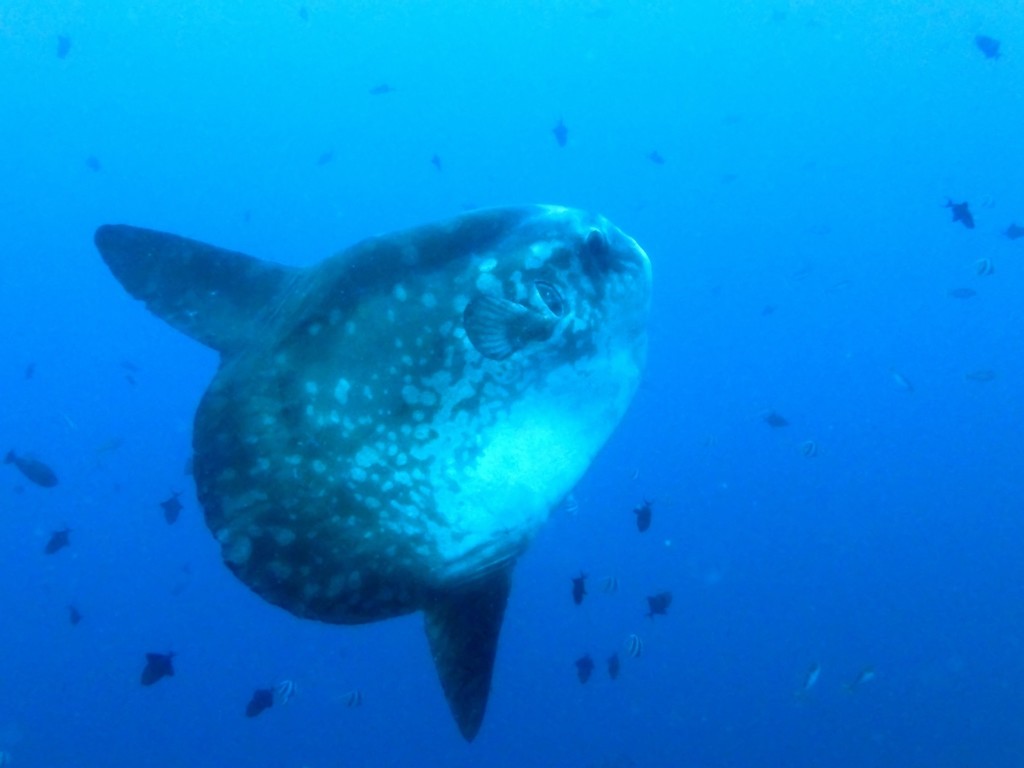 Ocean sunfish (mola)Mola molaSeen in 29 countries in the AtlasVulnerable
 Oceanic whitetip sharkCarcharhinus longimanusSeen in 43 countries in the AtlasCritically Endangered
 Tiger sharkGaleocerdo cuvierSeen in 47 countries in the AtlasNear Threatened
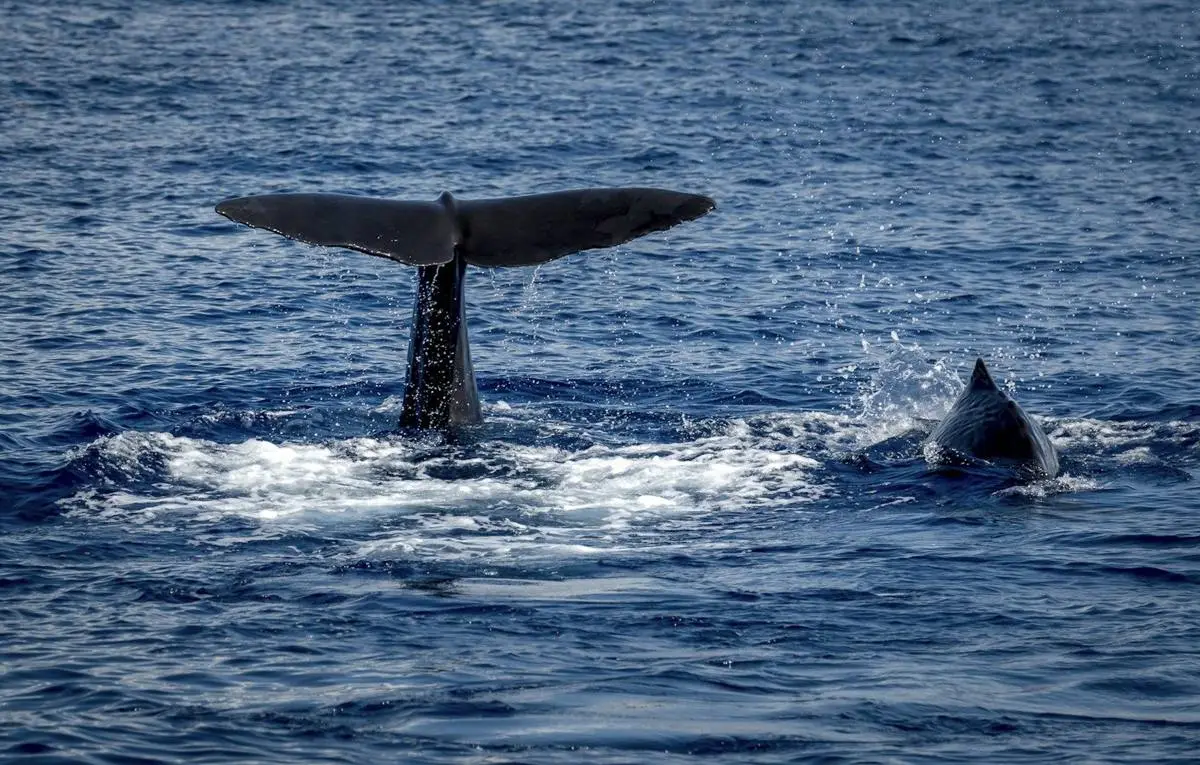 Sperm whalePhyseter macrocephalusSeen in 114 countries in the AtlasVulnerable
 Whitetip reef sharkTriaenodon obesusSeen in 43 countries in the AtlasVulnerable
 Oceanic manta ray (giant manta)Mobula birostrisSeen in 31 countries in the AtlasEndangered
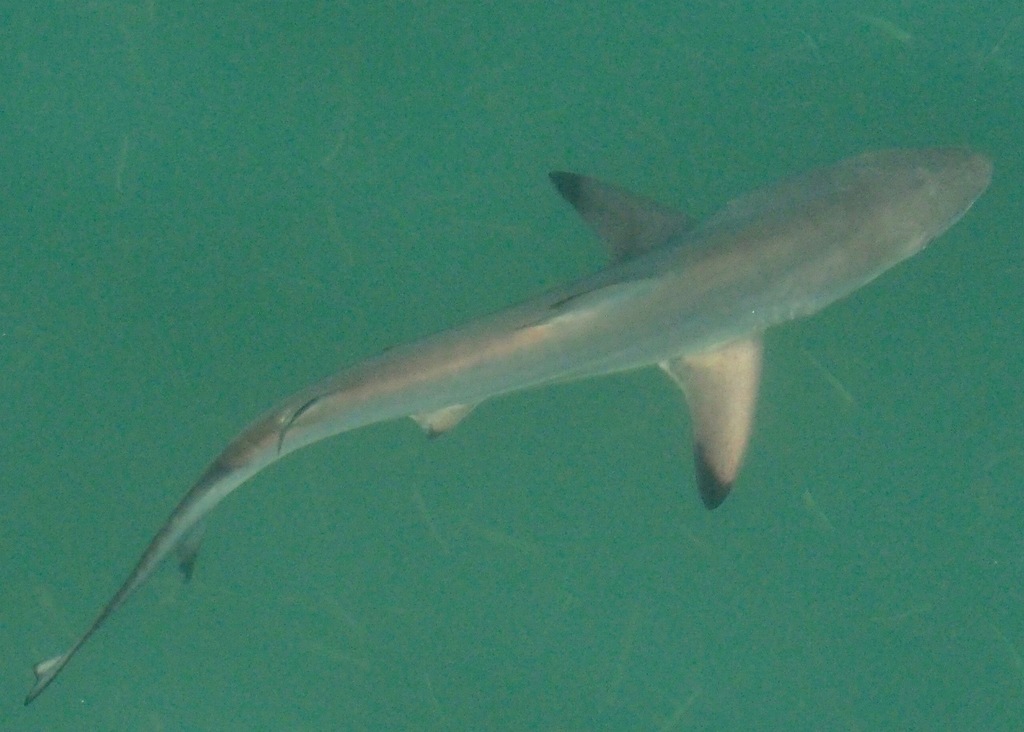 Blacktip sharkCarcharhinus limbatusSeen in 49 countries in the AtlasVulnerable
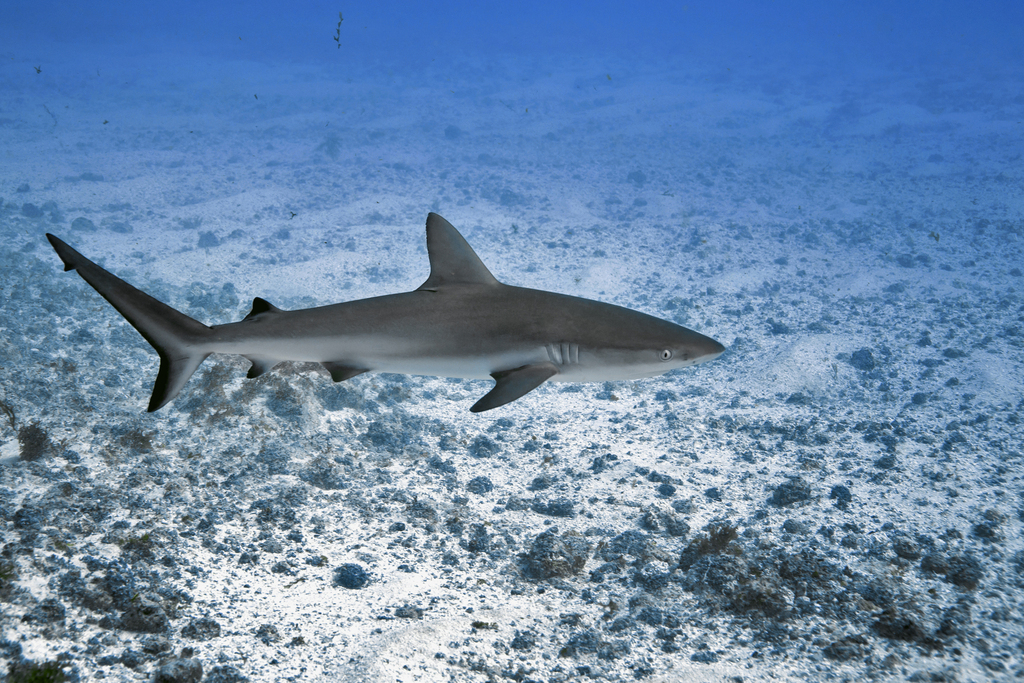 Galápagos sharkCarcharhinus galapagensisSeen in 15 countries in the AtlasLeast Concern
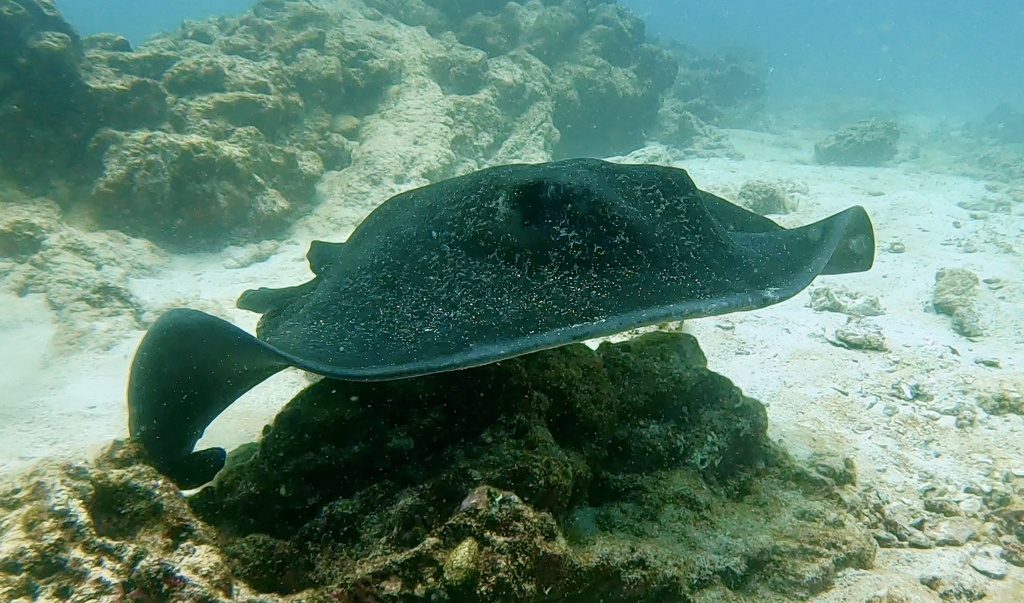 Round ribbontail rayTaeniurops meyeniSeen in 18 countries in the AtlasVulnerable
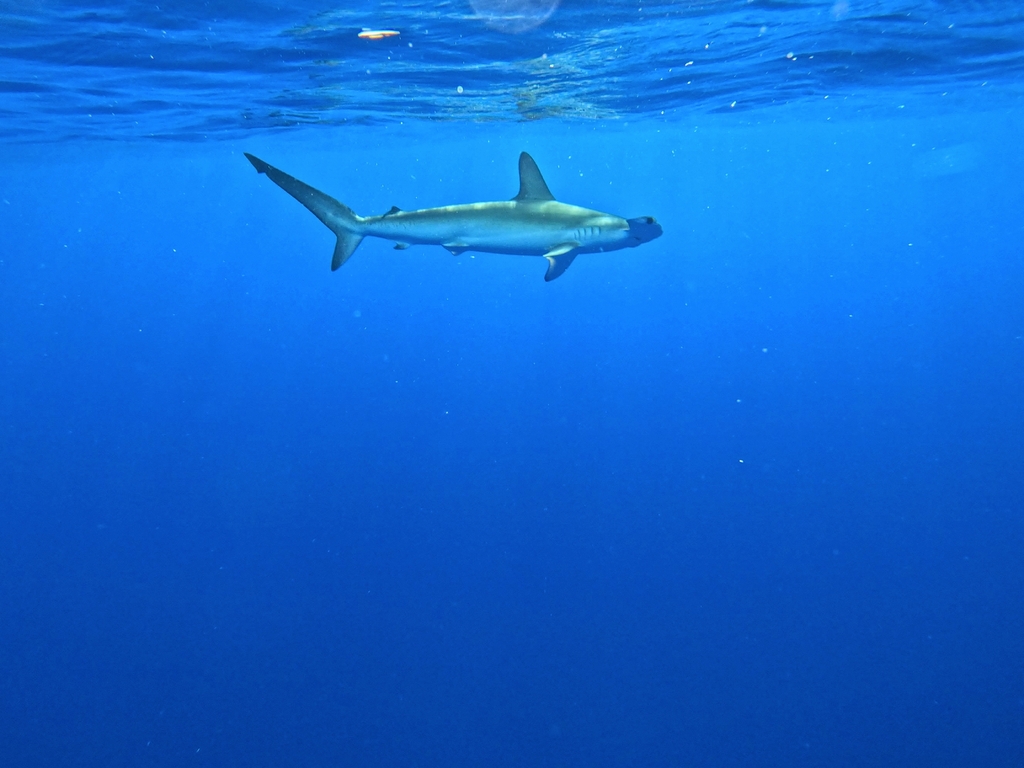 Smooth hammerheadSphyrna zygaenaSeen in 26 countries in the AtlasVulnerable
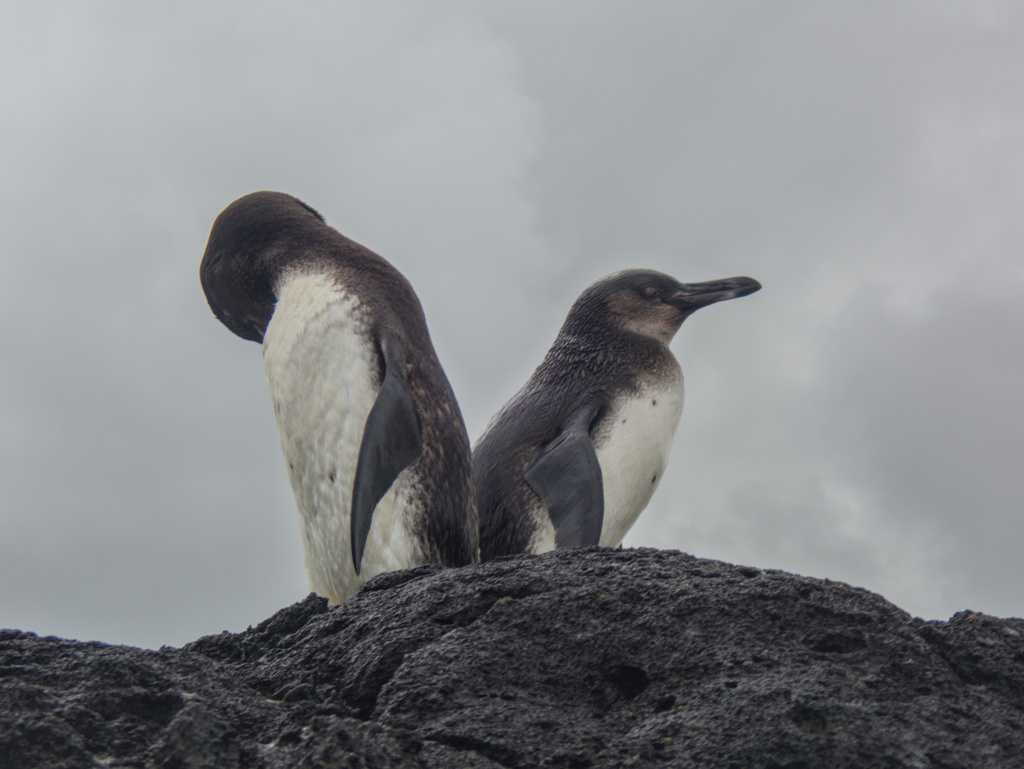 Galápagos penguinSpheniscus mendiculusSeen in 1 country in the AtlasEndangered
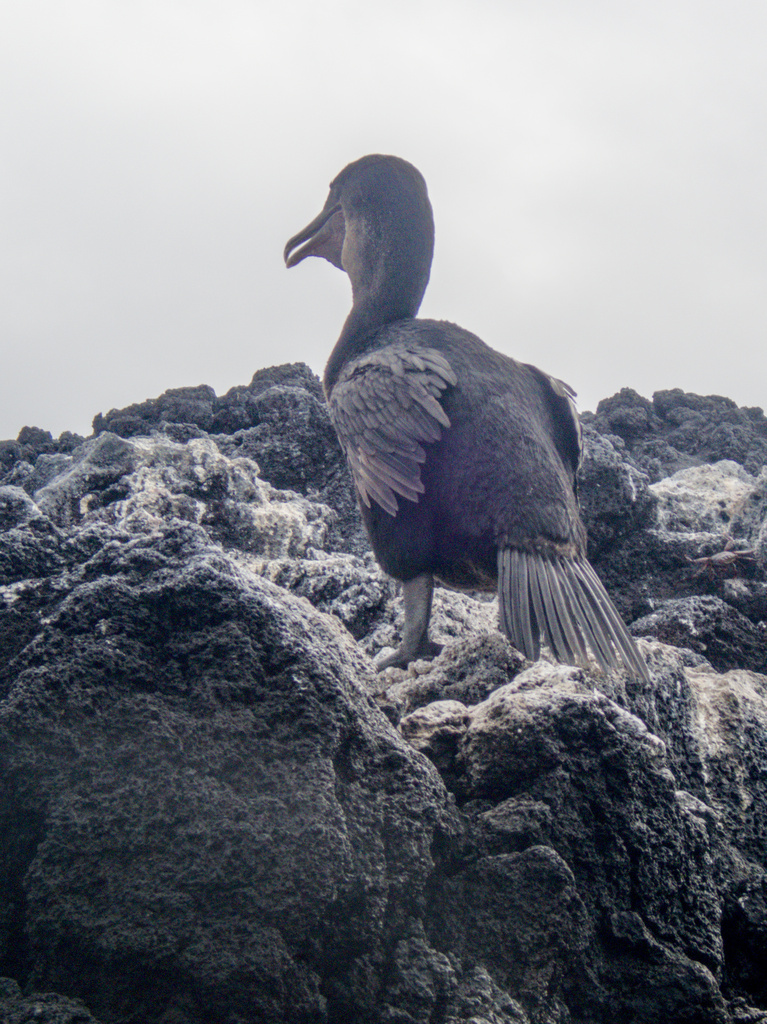 Flightless cormorantNannopterum harrisiSeen in 1 country in the AtlasVulnerable
 Hawksbill turtleEretmochelys imbricataSeen in 88 countries in the AtlasCritically Endangered
 Common bottlenose dolphinTursiops truncatusSeen in 89 countries in the AtlasLeast Concern
 Bryde's whaleBalaenoptera edeniSeen in 36 countries in the AtlasLeast Concern
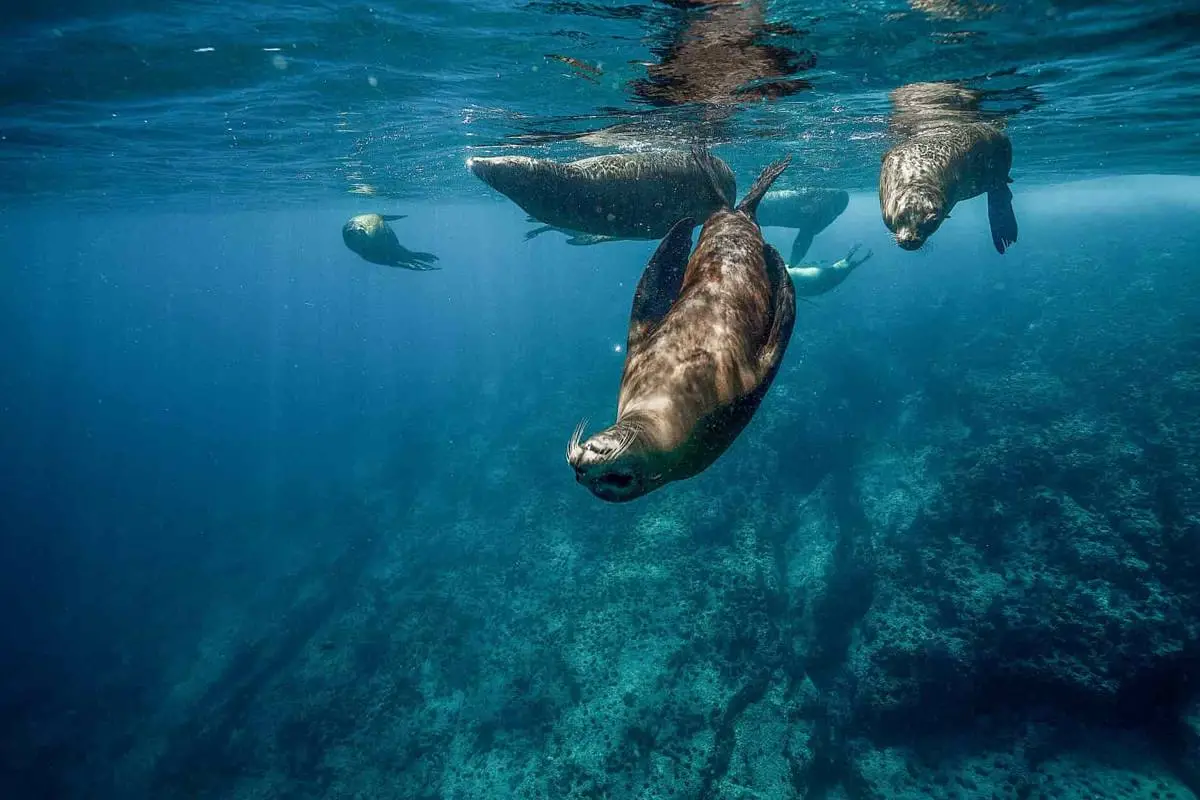 California sea lionZalophus californianusSeen in 6 countries in the AtlasLeast Concern
 Orca (killer whale)Orcinus orcaSeen in 55 countries in the AtlasData Deficient
 Bigeye trevallyCaranx sexfasciatusSeen in 48 countries in the AtlasLeast Concern
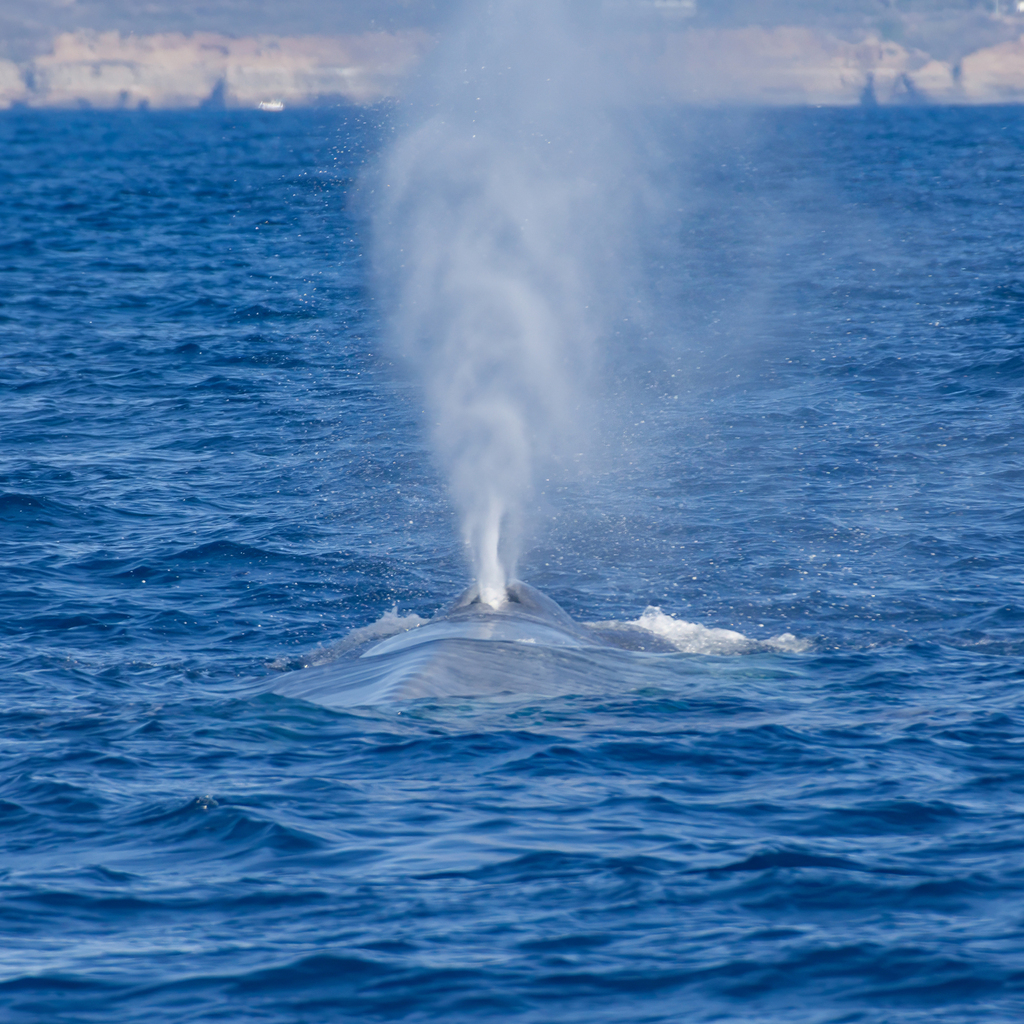 Blue whaleBalaenoptera musculusSeen in 29 countries in the AtlasEndangered
 Short-finned pilot whaleGlobicephala macrorhynchusSeen in 43 countries in the AtlasLeast Concern
 Spinner dolphinStenella longirostrisSeen in 66 countries in the AtlasLeast Concern
 Common dolphinDelphinus delphisSeen in 53 countries in the AtlasLeast Concern
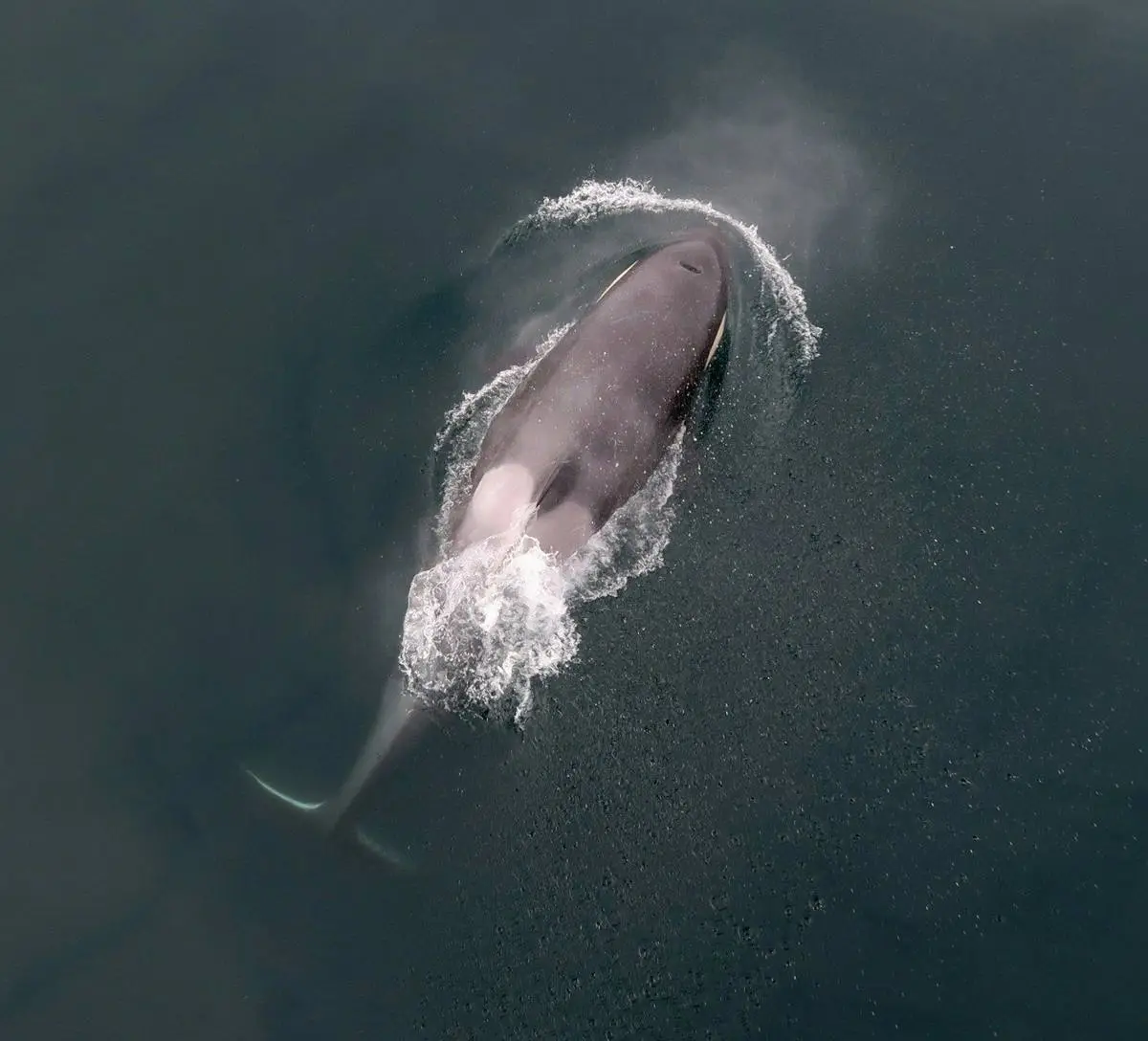 Common minke whale (North Atlantic)Balaenoptera acutorostrataSeen in 30 countries in the AtlasLeast Concern
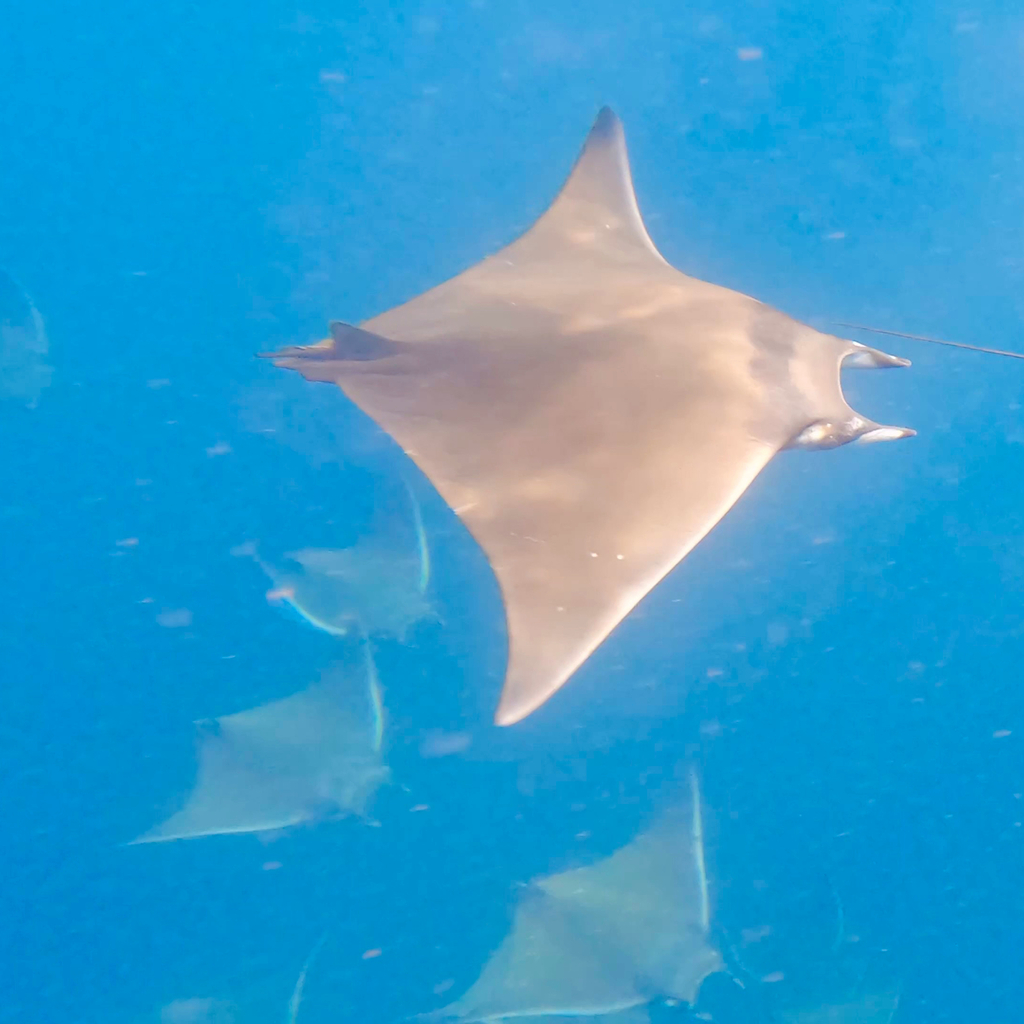 Munk's devil rayMobula munkianaSeen in 4 countries in the AtlasVulnerable
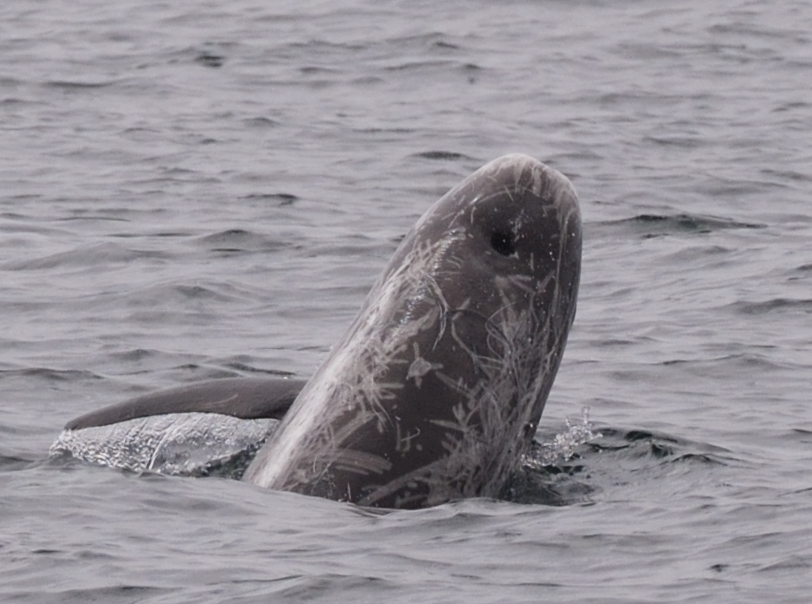 Risso's dolphinGrampus griseusSeen in 56 countries in the AtlasLeast Concern
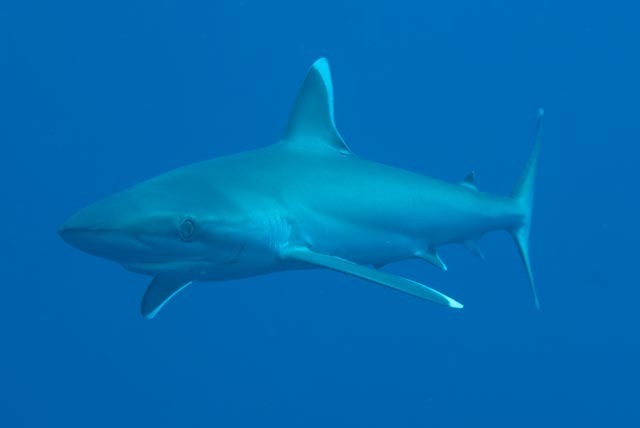 Silvertip sharkCarcharhinus albimarginatusSeen in 28 countries in the AtlasVulnerable
 South American sea lionOtaria byroniaSeen in 6 countries in the AtlasLeast Concern
 Spotted eagle ray (ocellated eagle ray)Aetobatus ocellatusSeen in 28 countries in the AtlasEndangered
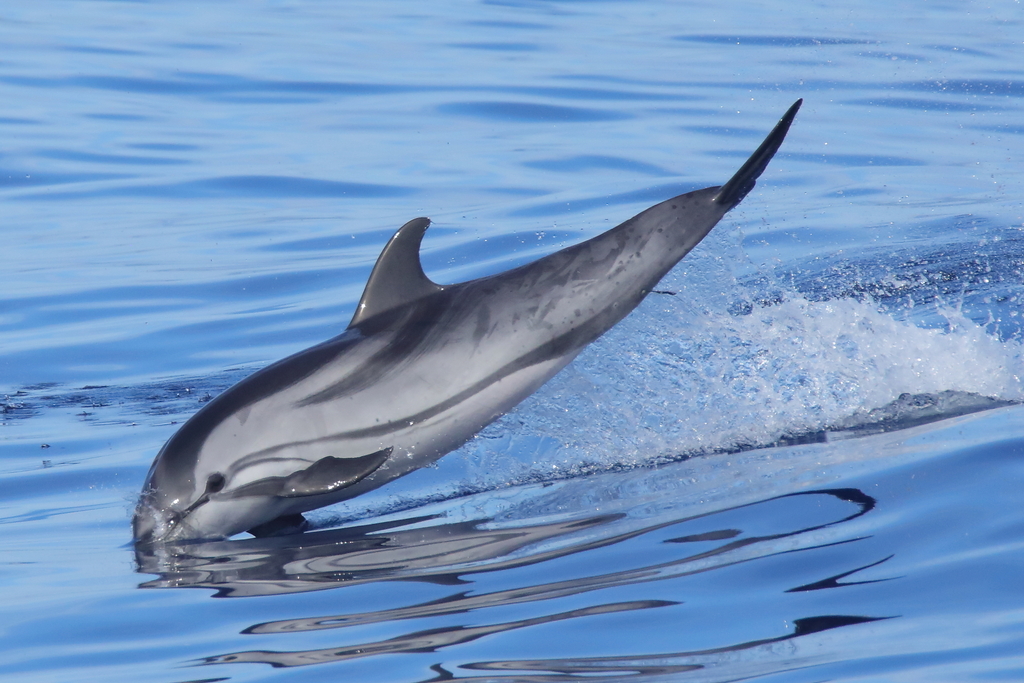 Striped dolphinStenella coeruleoalbaSeen in 43 countries in the AtlasLeast ConcernDwarf minke whaleBalaenoptera acutorostrata (dwarf form)Seen in 30 countries in the AtlasLeast Concern
 False killer whalePseudorca crassidensSeen in 41 countries in the AtlasNear Threatened
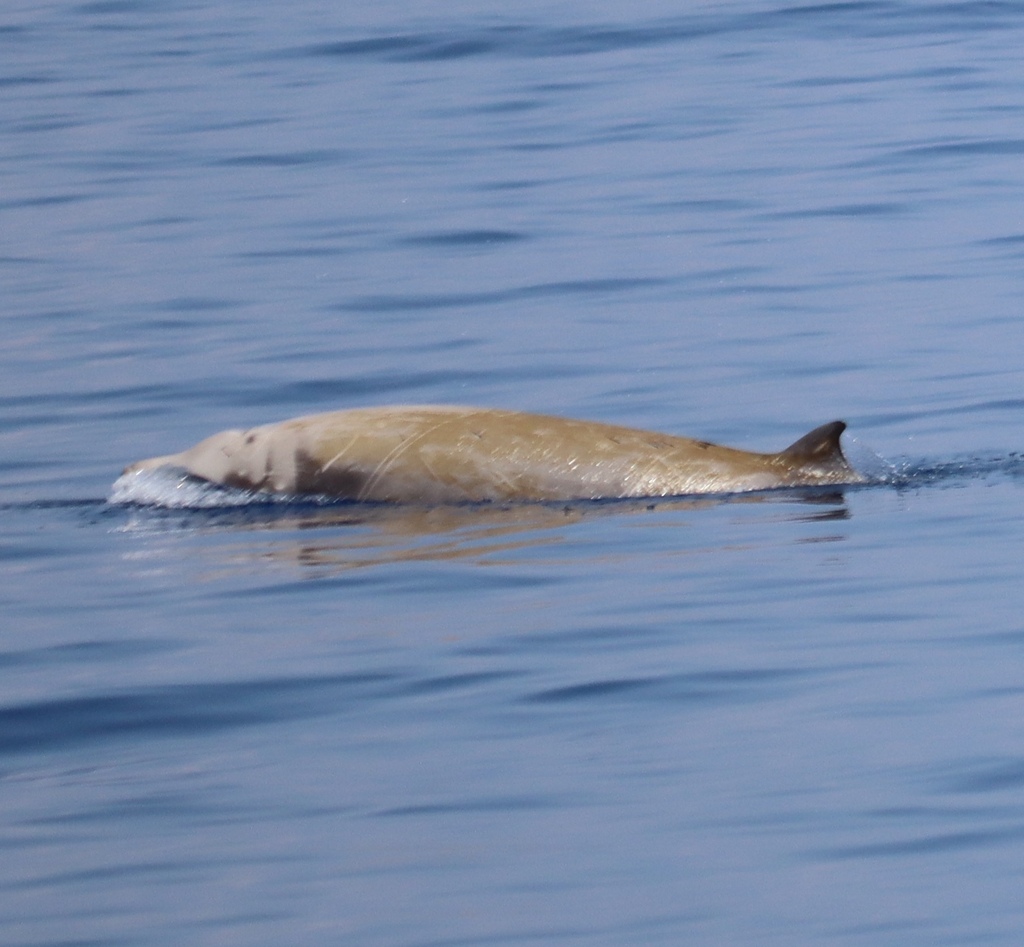 Cuvier's beaked whaleZiphius cavirostrisSeen in 42 countries in the AtlasLeast Concern
 Leatherback turtleDermochelys coriaceaSeen in 76 countries in the AtlasVulnerable
 Pantropical spotted dolphinStenella attenuataSeen in 56 countries in the AtlasLeast Concern
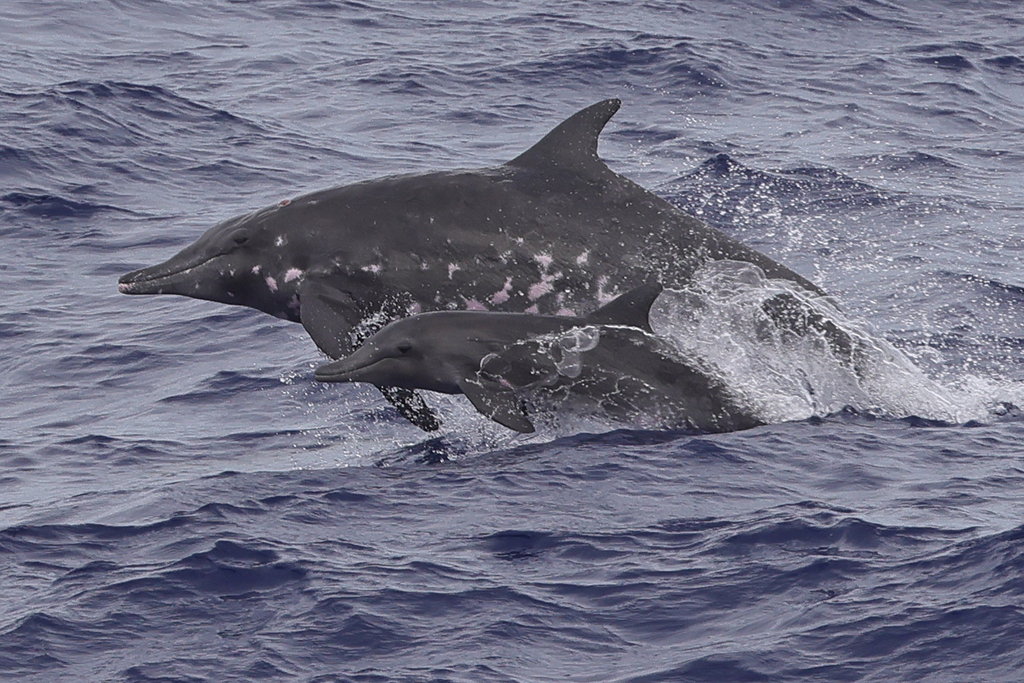 Rough-toothed dolphinSteno bredanensisSeen in 36 countries in the AtlasLeast Concern
 Olive ridley turtleLepidochelys olivaceaSeen in 40 countries in the AtlasVulnerable
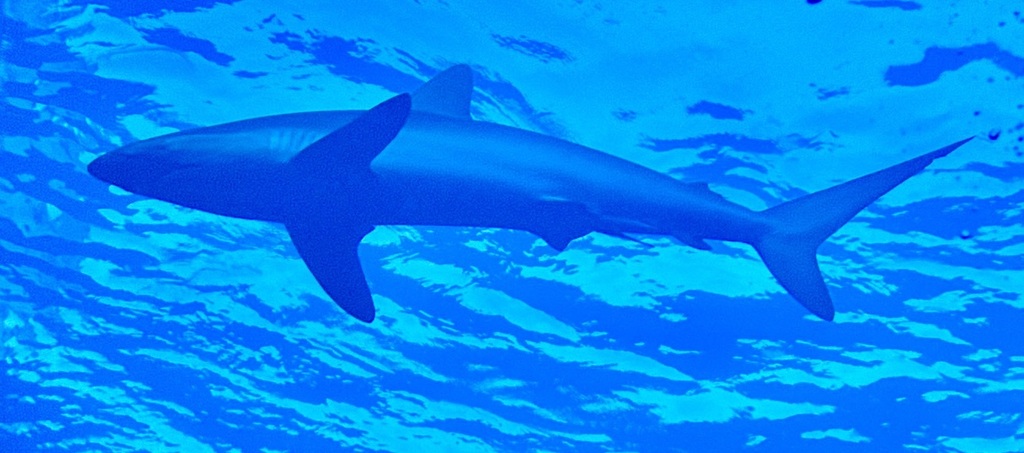 Silky sharkCarcharhinus falciformisSeen in 48 countries in the AtlasVulnerable
 Dwarf sperm whaleKogia simaSeen in 22 countries in the AtlasLeast Concern
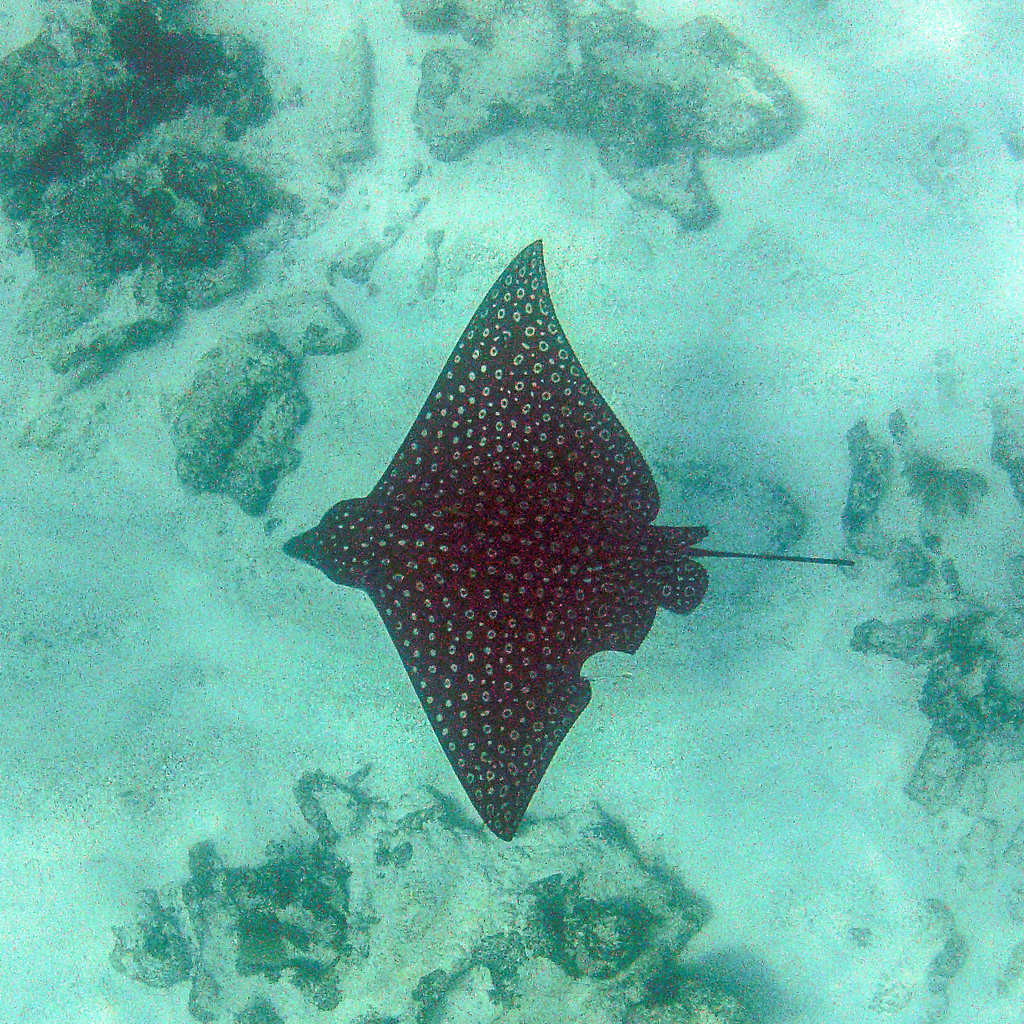 Whitespotted eagle rayAetobatus narinariSeen in 58 countries in the AtlasEndangered
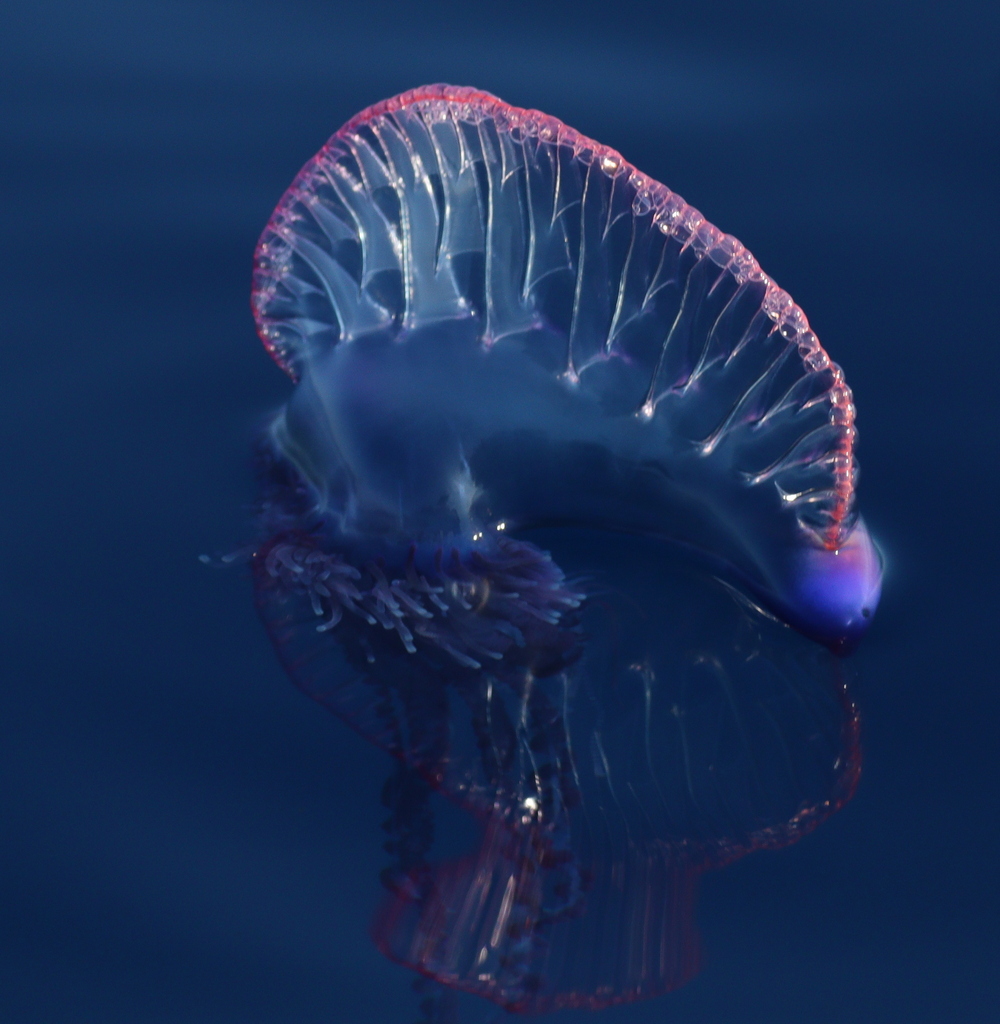 Portuguese man o' warPhysalia physalisSeen in 36 countries in the AtlasNot Evaluated
 South American fur sealArctocephalus australisSeen in 8 countries in the AtlasLeast Concern
 Wedge-tailed shearwaterArdenna pacificaSeen in 46 countries in the AtlasLeast Concern
 Masked boobySula dactylatraSeen in 80 countries in the AtlasLeast Concern
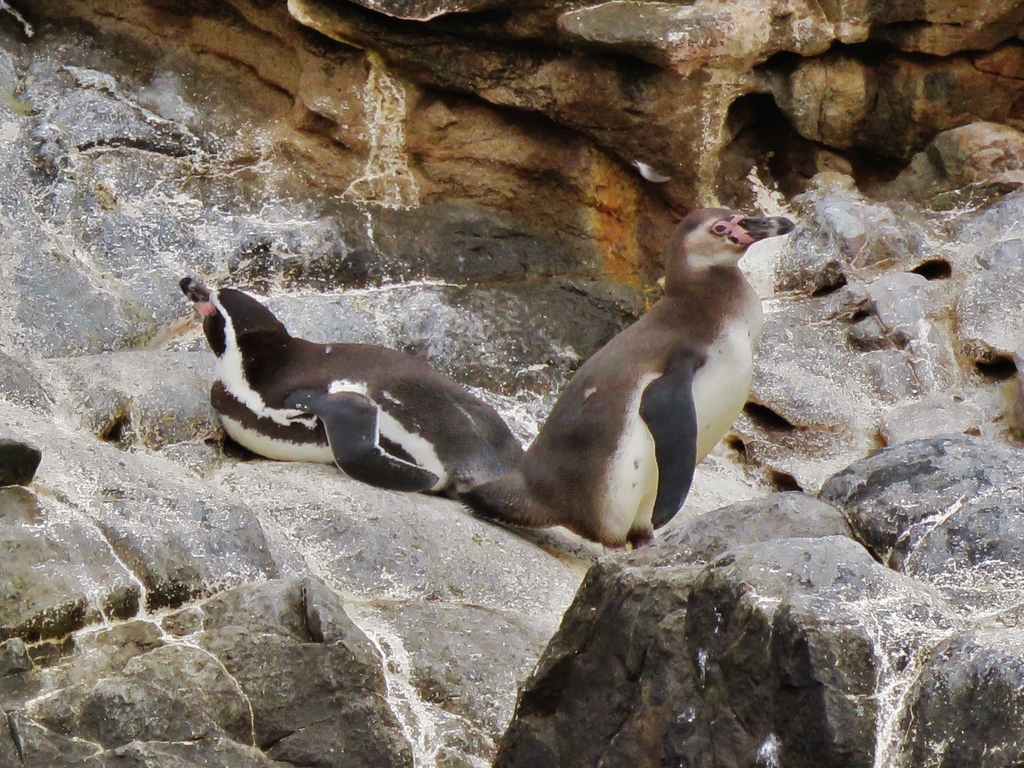 Humboldt penguinSpheniscus humboldtiSeen in 6 countries in the AtlasVulnerable
 Guanay cormorantLeucocarbo bougainvilliorumSeen in 4 countries in the AtlasNear Threatened
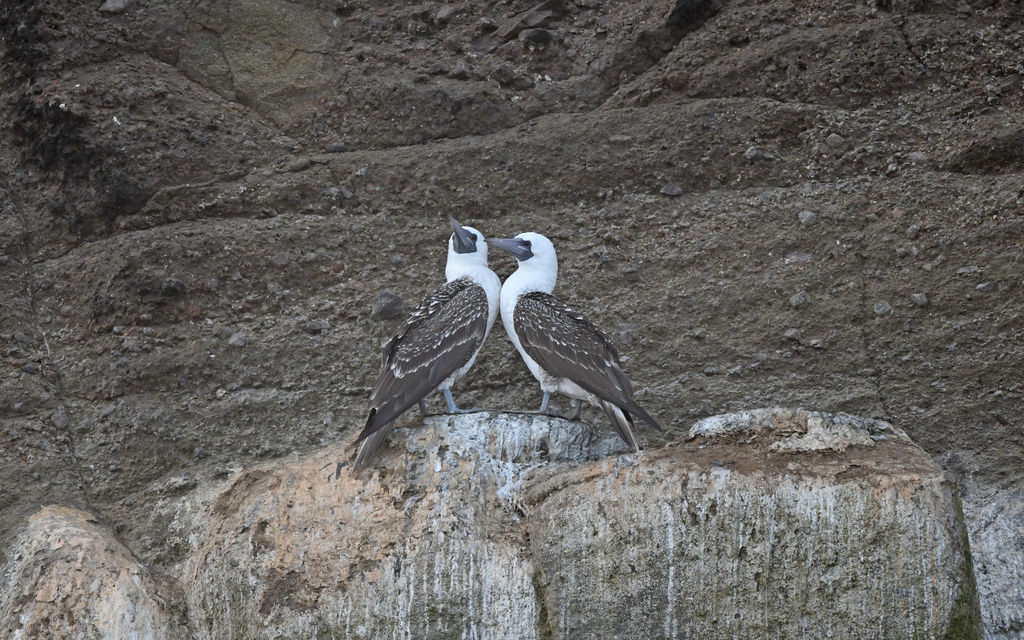 Peruvian boobySula variegataSeen in 6 countries in the AtlasLeast Concern
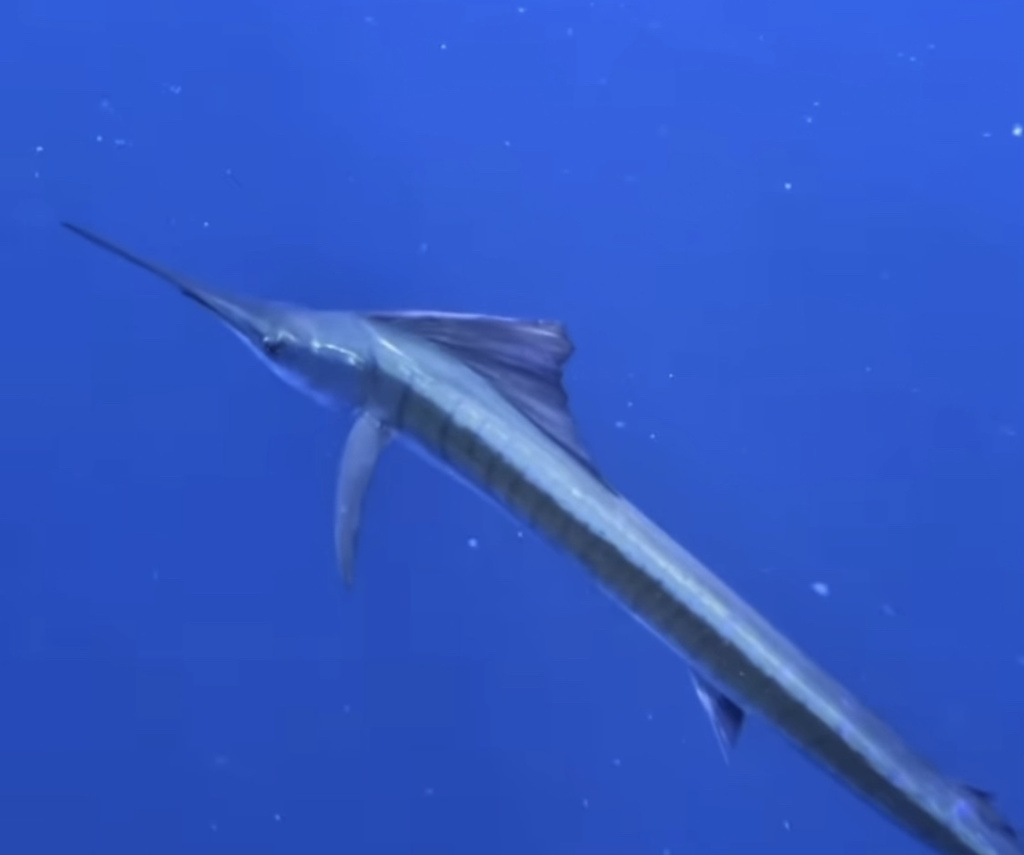 SailfishIstiophorus platypterusSeen in 31 countries in the AtlasVulnerable
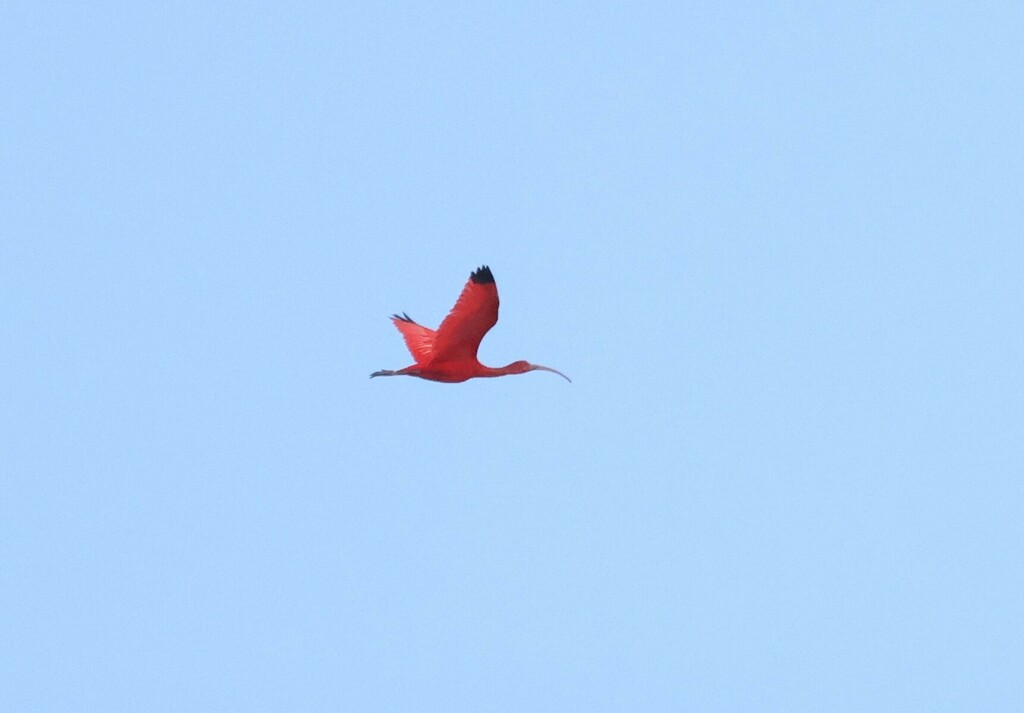 Scarlet ibisEudocimus ruberSeen in 22 countries in the AtlasLives on landLeast Concern
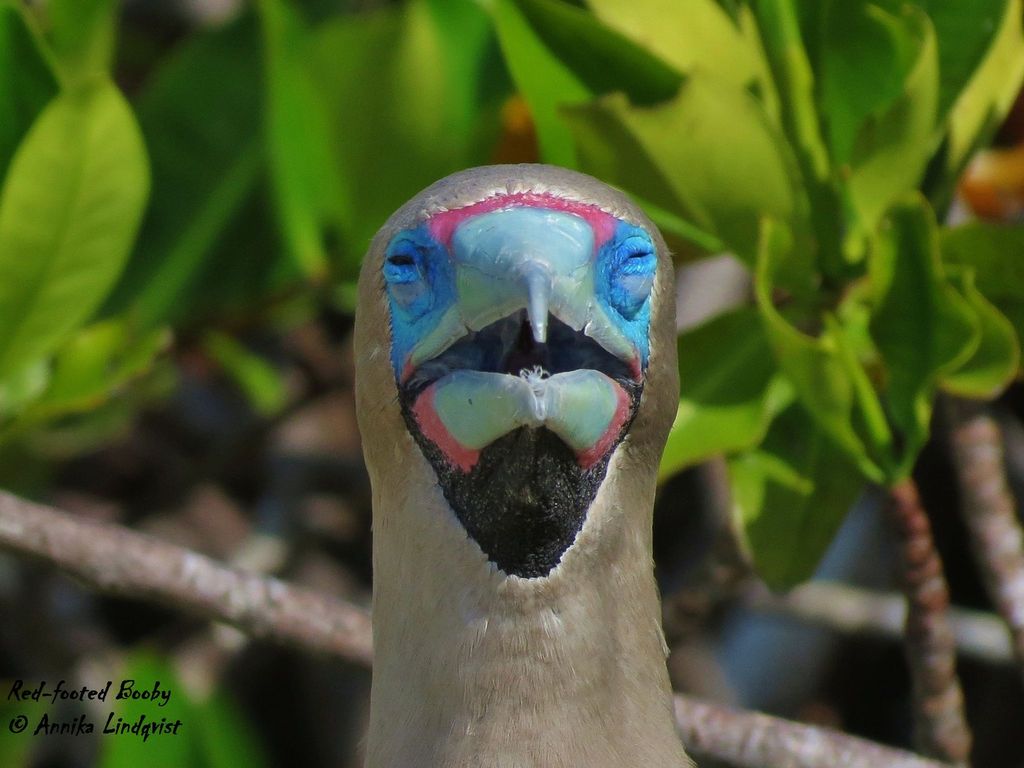 Red-footed boobySula sulaSeen in 91 countries in the AtlasLeast Concern
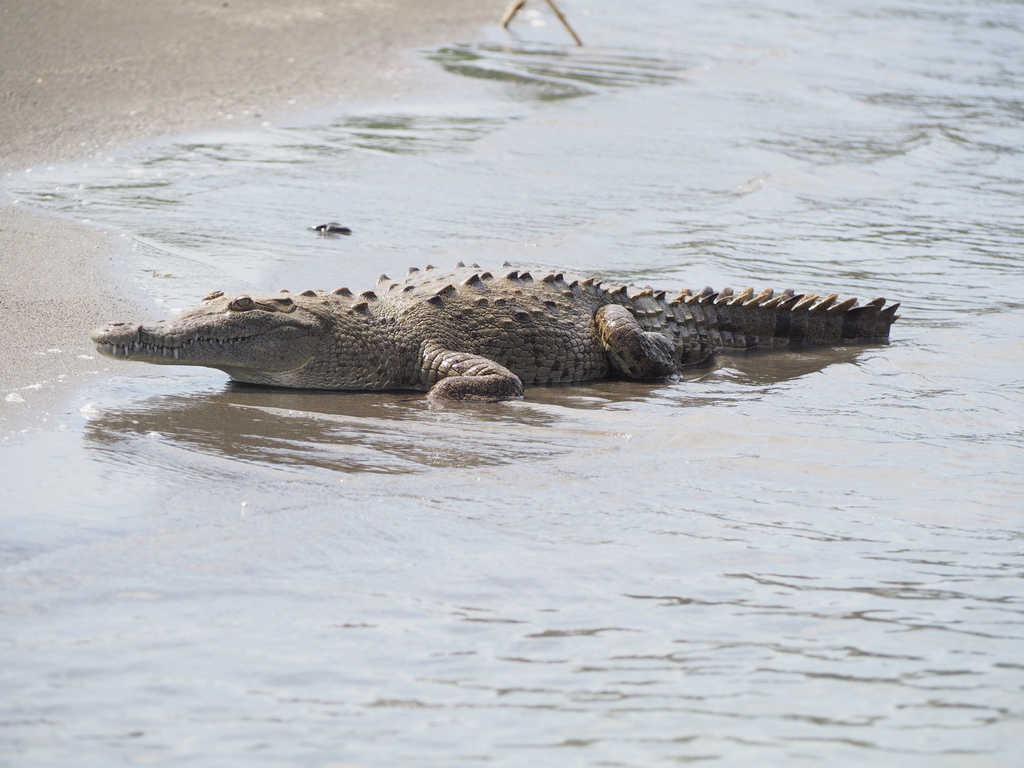 American crocodileCrocodylus acutusSeen in 17 countries in the AtlasVulnerable
 Southern African sardine (sardine run)Sardinops sagaxSeen in 13 countries in the AtlasLeast Concern
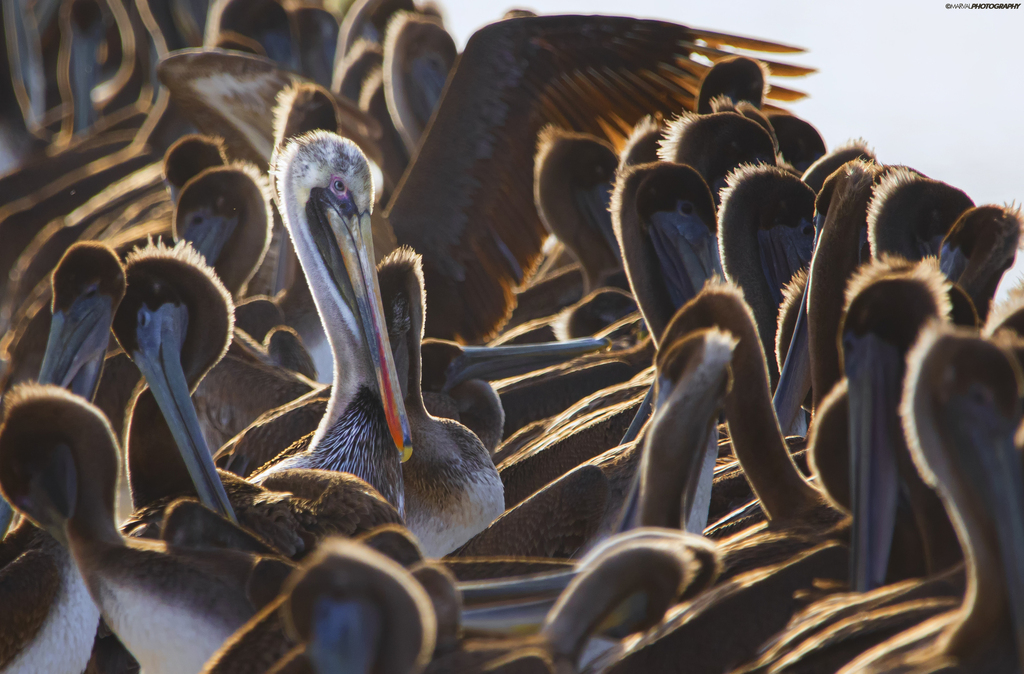 Brown pelicanPelecanus occidentalisSeen in 48 countries in the AtlasLeast Concern
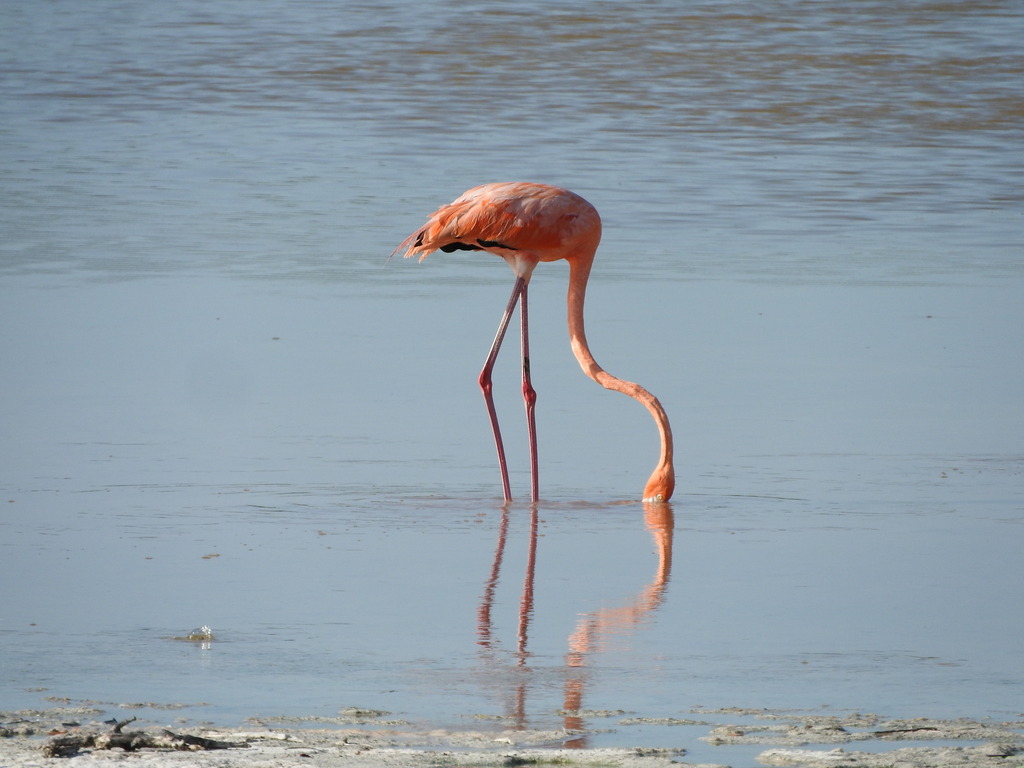 American flamingoPhoenicopterus ruberSeen in 47 countries in the AtlasLives on landLeast Concern
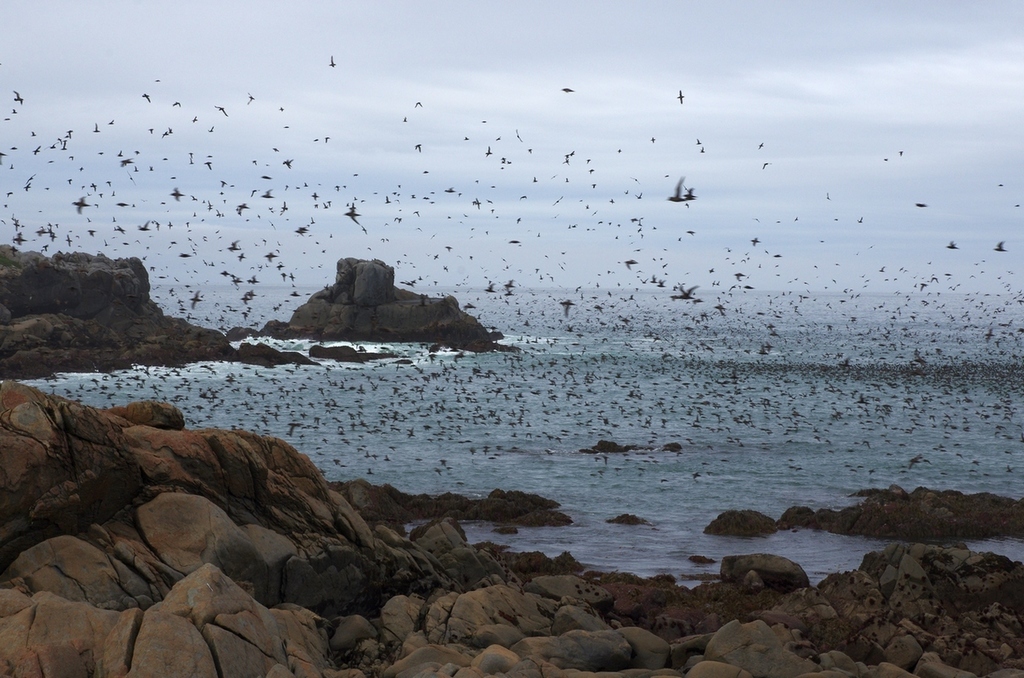 Sooty shearwaterArdenna griseaSeen in 53 countries in the AtlasNear Threatened
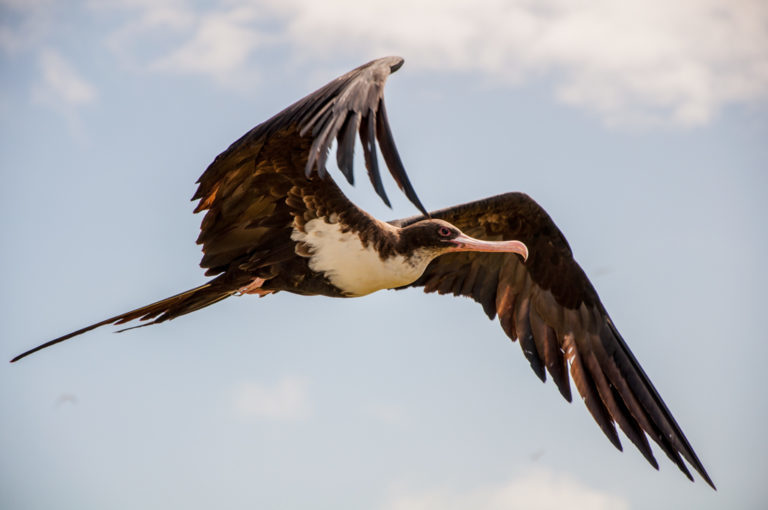 Great frigatebirdFregata minorSeen in 44 countries in the AtlasLeast Concern
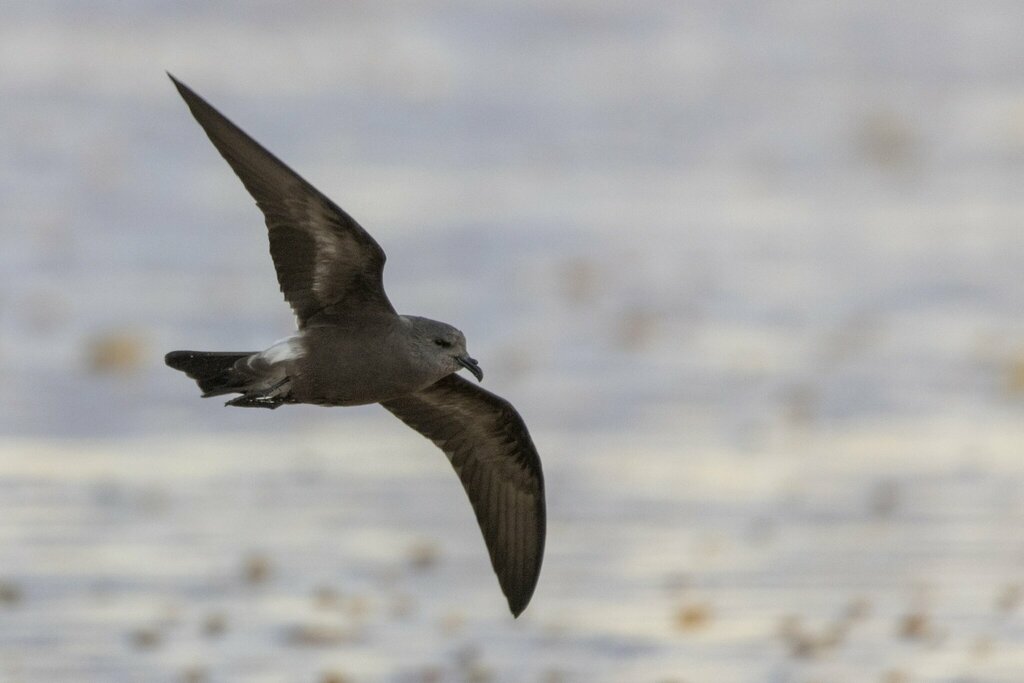 Leach's storm-petrelHydrobates leucorhousSeen in 35 countries in the AtlasVulnerable
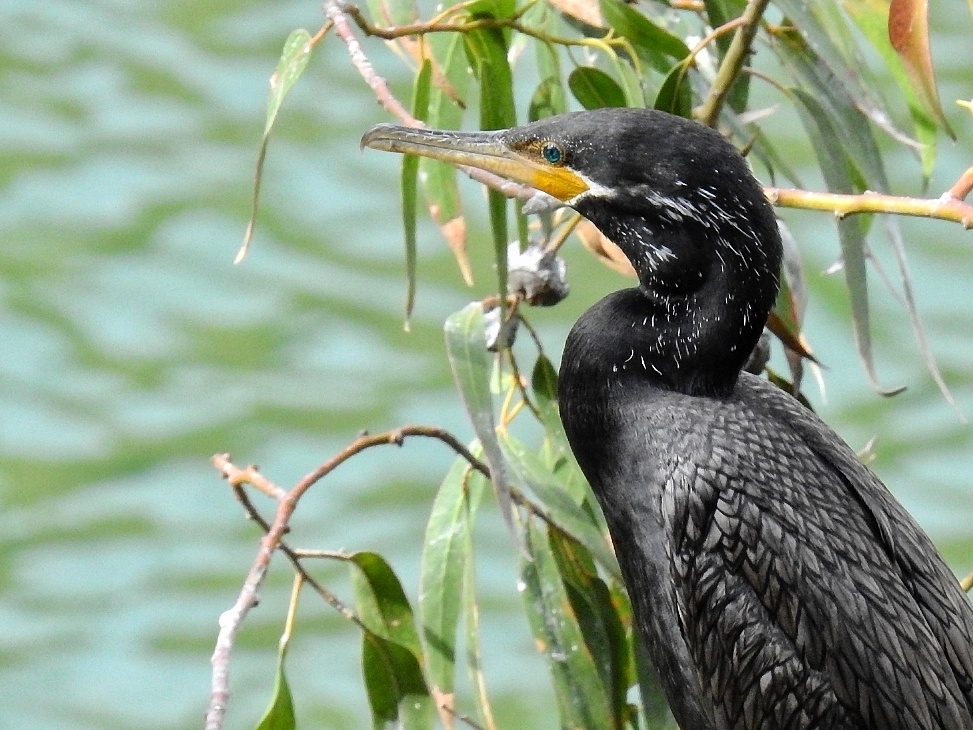 Neotropic cormorantNannopterum brasilianumSeen in 29 countries in the AtlasLeast Concern
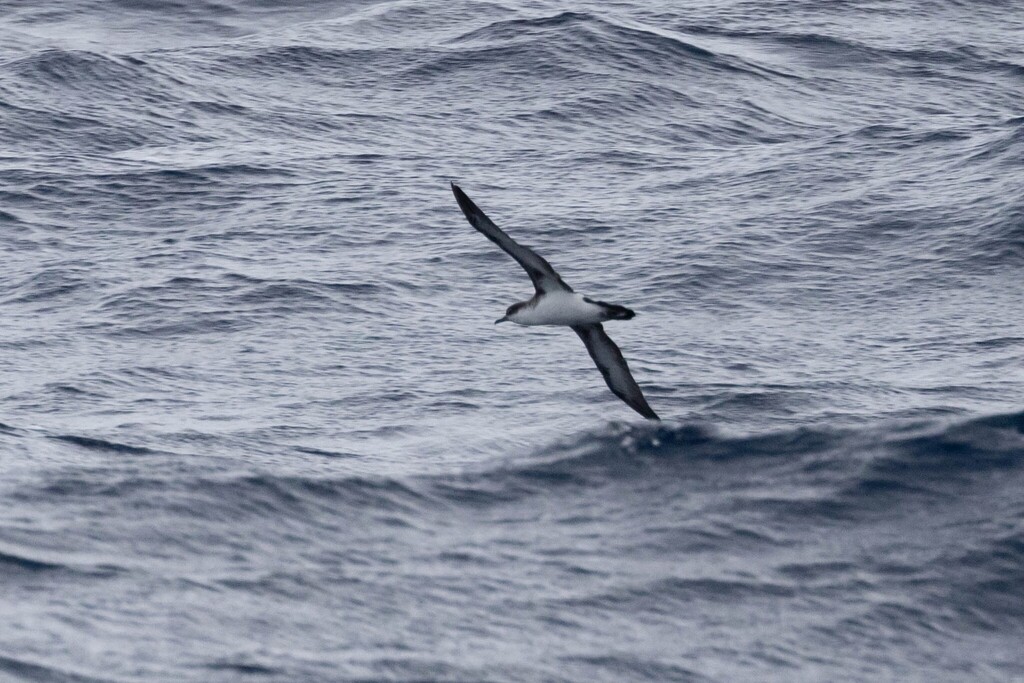 Sargasso shearwater (Audubon's shearwater)Puffinus lherminieriSeen in 27 countries in the AtlasLeast Concern
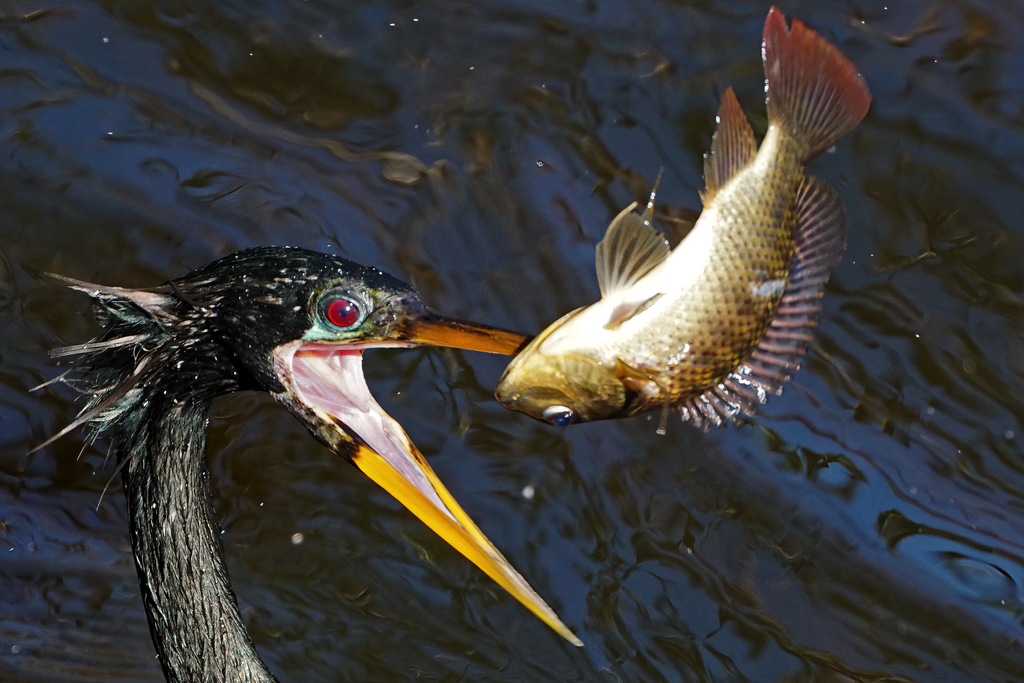 Anhinga (American darter)Anhinga anhingaSeen in 24 countries in the AtlasLeast Concern
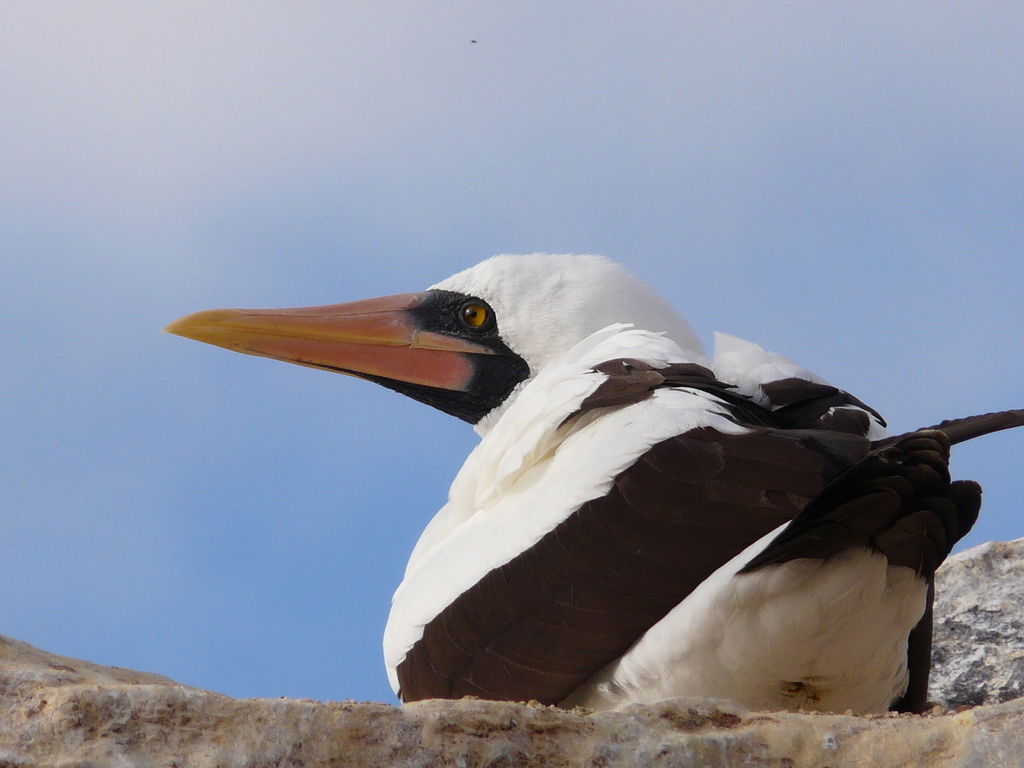 Nazca boobySula grantiSeen in 12 countries in the AtlasLeast Concern
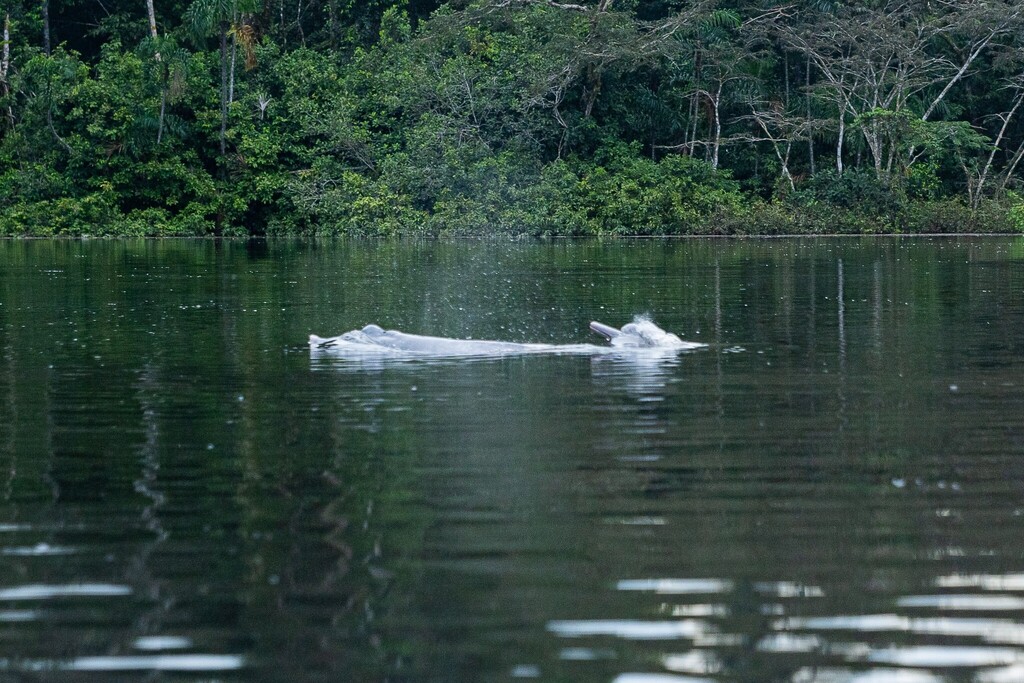 Amazon river dolphinInia geoffrensisSeen in 5 countries in the AtlasEndangered
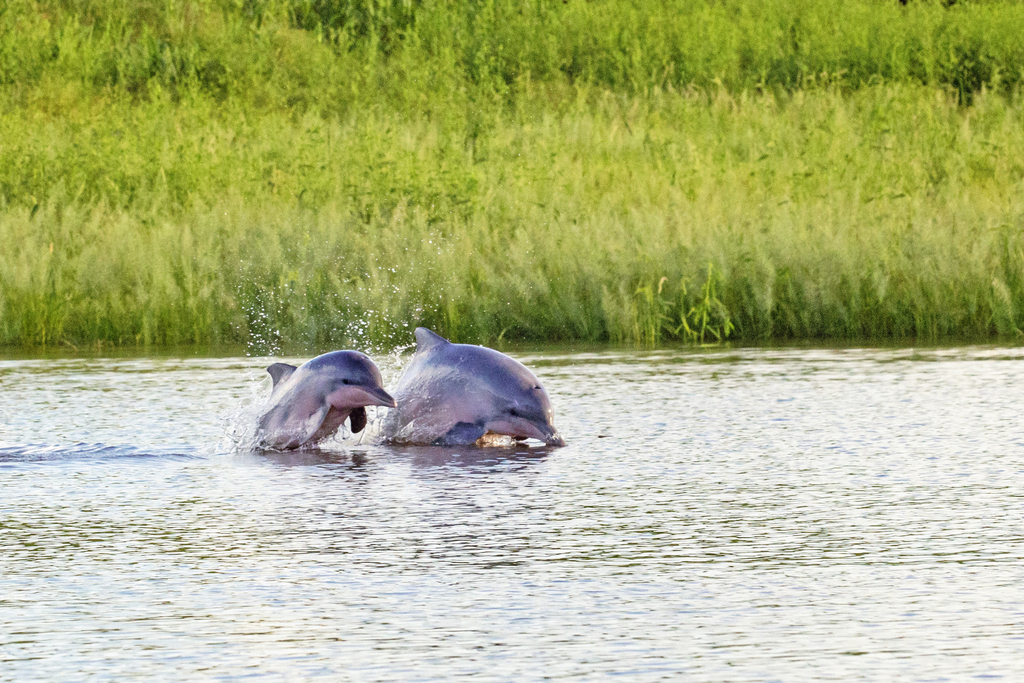 TucuxiSotalia fluviatilisSeen in 5 countries in the AtlasEndangered
Read before you go
Tell Rocío what you would love to see
There is no trip here yet. If enough people ask, it helps us decide where to go next.
 Antarctica
 Argentina
 Bermuda
 Brazil
 Canada
 Chile
Chile Colombia
 Costa Rica
 El Salvador
 Falkland Islands
 French Guiana
 Guatemala
 Guyana
 Mexico
 Nicaragua
 Panama
 Peru
Peru Suriname
 United States
 Uruguay
Based in Ecuador?
We are always happy to hear from exceptional local operators, accommodation, conservation organisations and destination experts in Ecuador. If your work fits responsible, small-group ocean travel, we would love to learn more.
Partner with Ocean CallingShop with Ocean Calling
Visit the Ocean Calling storefront on Amazon.
As an Amazon Associate I earn from qualifying purchases. You are not only choosing products that respect the ocean, you are also helping us keep going: paying our local partners fairly and keeping our retreats ethical, sustainable and honestly priced for you. 💗