
Neotropic cormorant
Nannopterum brasilianum
A slim dark diver on lagoon, mangrove and coast. Neotropic cormorants fish on their own terms, and every sighting is a privilege, never a promise.
Least Concern (IUCN, 2018) means it is not close to being threatened at present. The population is estimated at about 2 million and is increasing.
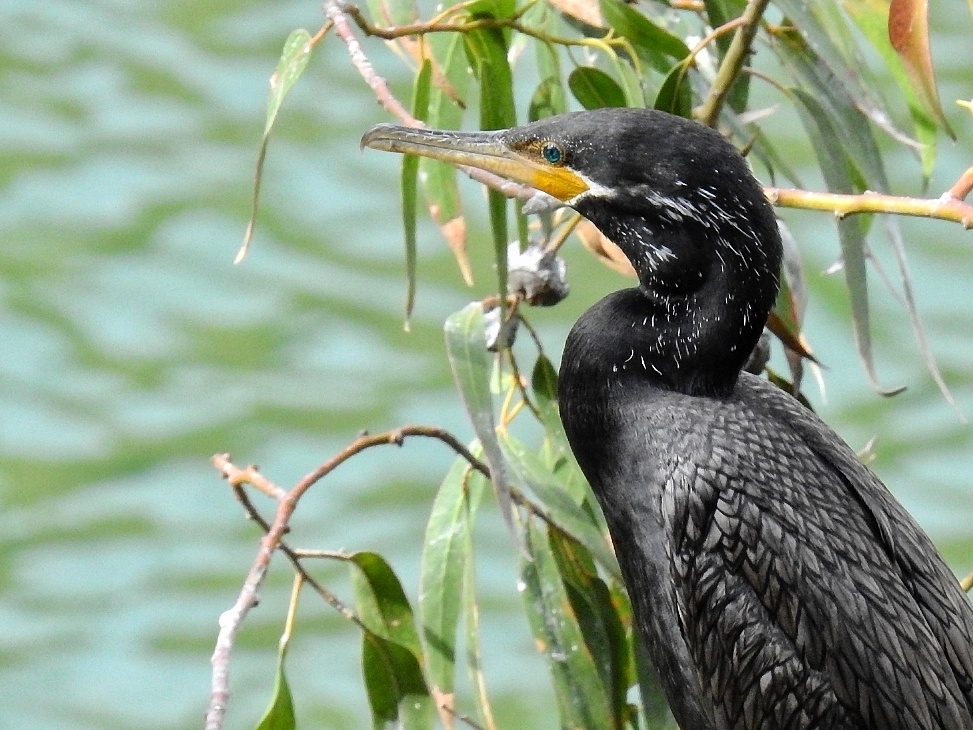
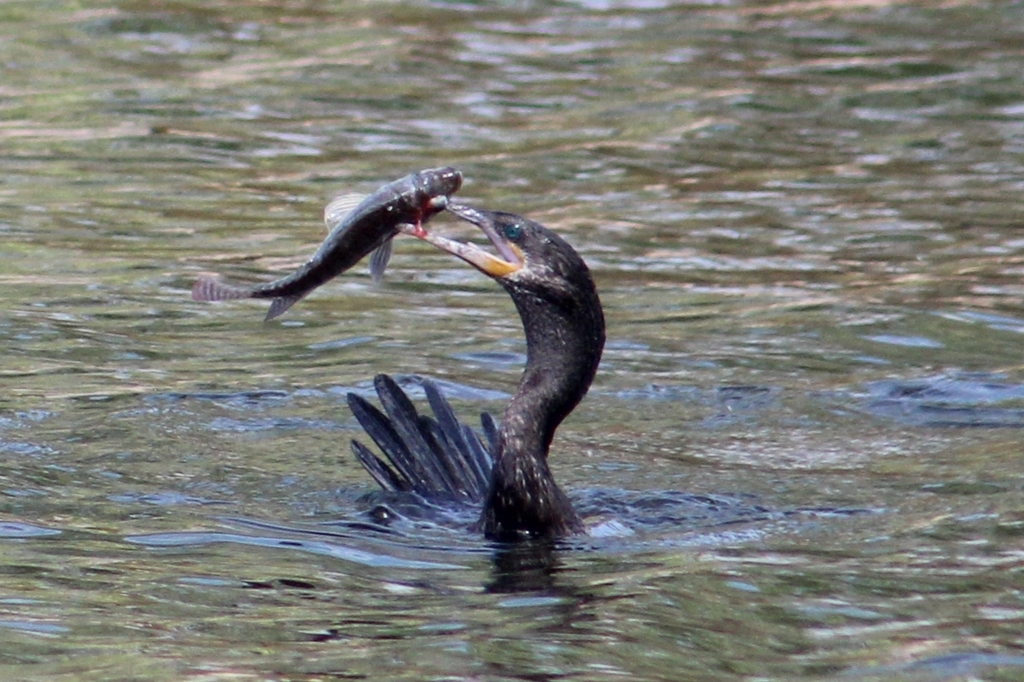
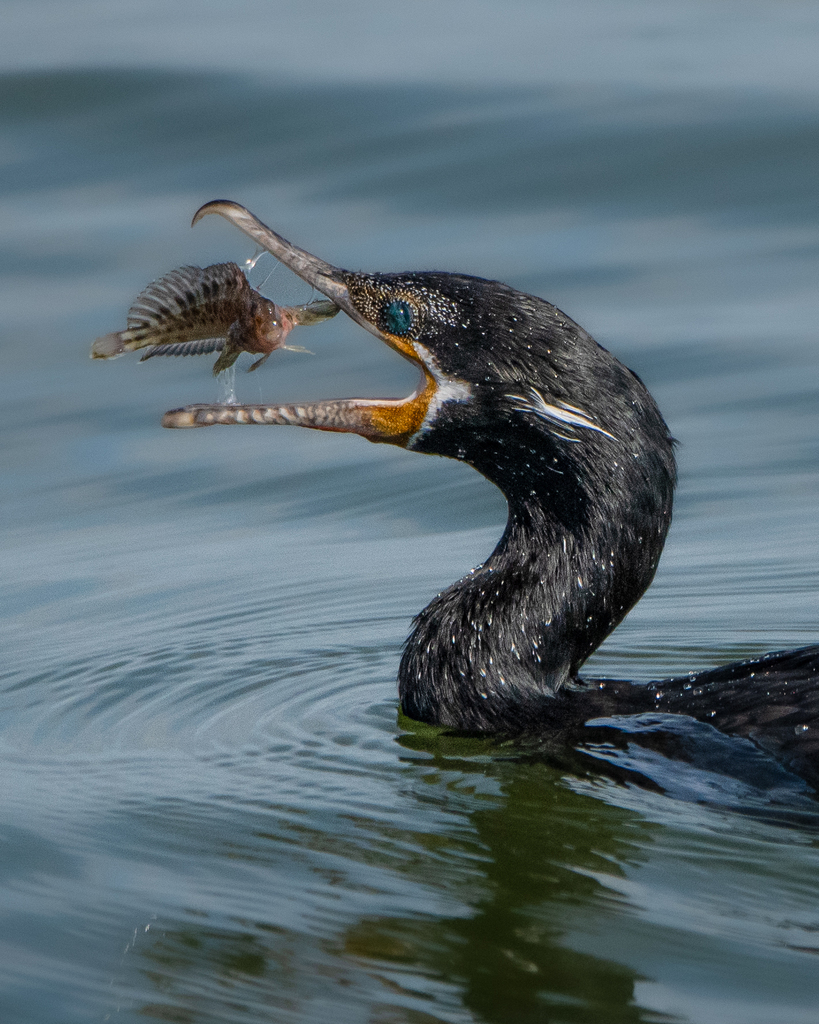
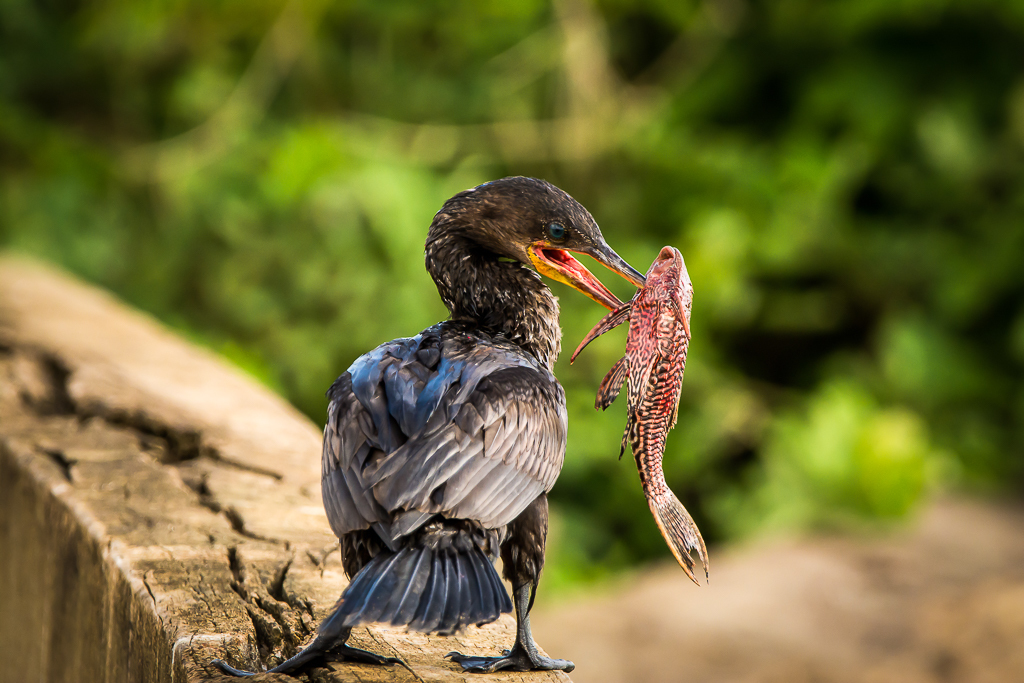
Photos show the species, not always the places on this page.
Length
About 64 cm (25 in) long, or 63.5 to 68.5 cm (25 to 27 in) in one source, with a wingspan of about 100 cm (39 in)
Weight
Adult males about 1.1 to 1.5 kg (2.4 to 3.3 lb); females 50 to 100 g (1.8 to 3.5 oz) lighter. Birds in the south tend to be bigger than those in the north
Next to a person
Wingspan a little over half an adult's arm span, and a little heavier than a bag of sugar
What it eats
Mostly small fish and shrimp, plus frogs, tadpoles and dragonfly nymphs. It dives from the surface and swims after prey, and only hunts in daylight. Sometimes groups beat their wings on the water to push fish into the shallows. Inland birds often take small fish under 10 cm (4 in).
Around people
Calm, give space
How it lives
Neotropic cormorants nest in colonies, sometimes thousands of pairs strong, building stick platforms in trees and bushes or on rocky ground. Breeding can happen all year, with peaks that vary by place. A nest holds 1 to 6 eggs, which hatch after about 23 to 30 days, and the young are independent at about 12 weeks. They spend much of the day out of the water, resting with wings held open to dry. The oldest banded wild bird lived 12 years and 7 months.
Where it goes
Mostly resident. IUCN lists it as not a migrant, and some birds wander north in warmer months. It lives from the Gulf of Mexico and California coasts through Mexico, Central America and the Caribbean to southern South America. It uses fresh, brackish and salt water, from the sea coast to lakes in the Andes at up to about 4,900 m (16,000 ft).
We only draw a journey on the map when scientists have tracked it or clearly documented it. For this animal we have not found one yet.
Populations
IUCN (2018): Least Concern, with an increasing population of about 2 million individuals. In the United States, about 16,000 breeding birds were estimated in 2002, and numbers have been rising slowly after a sharp fall in Texas in the 1960s. The Cornell Lab notes that the world population has not been studied in detail. Two subspecies are recognised: mexicanum from Nicaragua northwards and brasilianum from Costa Rica to Tierra del Fuego. Some birds are shot at fish and shrimp farms and nesting colonies are sometimes disturbed, but IUCN says the effect on the species appears very limited.
Meet it respectfully
Neotropic cormorants perch on posts, rocks and trees to dry their wings, so you can enjoy them from a distance with binoculars. Keep boats and paddlers well away from roosts and nesting trees, and never chase, feed or bait them. Do not leave fish scraps at landing places. No sighting can be promised.
Fun fact
Tap the bulb to light it up.
It often holds its neck in an S-shape.
It lives from sea level to Andean lakes at about 4,900 m (16,000 ft).
Groups sometimes work together, beating their wings on the water to push fish into the shallows.
Neotropic cormorant in the Ocean Atlas
Places we have researched where this animal is recorded. It is never guaranteed, and some places are for watching from the boat only.
Travel with usComing soonTrusted referralExploringOn pause, story onlyEthics pass
Country colour: pink where we travel, blue where we are exploring or refer, grey for story only.
 Argentina
 Aruba
Aruba The Bahamas
 Belize
 Brazil
 Canada
 Caribbean Netherlands
 Chile
Chile Colombia
 Costa Rica
 Cuba
Cuba Curaçao
 Ecuador
 El Salvador
 French Guiana
 Guatemala
 Guyana
 Haiti
Haiti Honduras
 Mexico
 Nicaragua
 Panama
 Peru
Peru Suriname
 Trinidad and Tobago
 Turks and Caicos Islands
 United States
 Uruguay
 Venezuela
Sources for this page
- IUCN Red List (BirdLife International), 2018
- Wikipedia, 2026
- Cornell Lab, All About Birds, 2026
- Animal Diversity Web, University of Michigan
Facts checked 5 October 2026. Photos: Unsplash licence, or Creative Commons as shown on each photo.
Work in ocean travel?
We are always happy to hear from exceptional local operators, accommodation, conservation organisations and destination experts. If your work fits responsible, small-group ocean travel, we would love to learn more.
Partner with Ocean CallingNot sure where to go? Get your Ocean Match
from CHF 19