
Ocean Atlas · Americas
 Panama
Two oceans in one country: a protected Pacific marine park, humpbacks from both hemispheres and easy Caribbean reefs.

Ethics pass, with care. We found a way to visit this country that meets our animal-welfare standard, as long as we work with the right local operator. Checked by Ocean Calling on 26 Sep 2026. Sources: Key rules for whale watching during whale season in Panama, Newsroom Panama, 2026; For Panama's whale watching season, scientists offer tips, Smithsonian Magazine, 2021.
🧭 Travel advice, checked 30 Sep 2026. The US State Department rates Panama at Level 2, exercise increased caution, because of crime, in a search snippet dated 19 Aug 2026. It says do not travel to the Mosquito Gulf or parts of the Darien Region. Smartraveller advises a high degree of caution. Sources: US State Department travel advisory, Panama · Smartraveller travel advice, Panama Advice differs by passport: check your own government before you plan.
Why Panama
Panama has two coasts in one small country. On the Pacific side, Coiba National Park and the Gulf of Chiriquí shelter reefs, rays, sharks and turtles, with whale sharks and manta rays possible in the dry season. Humpback whales come from both hemispheres: southern whales from July to October and a smaller northern group from December to April, and they are watched only from the boat, as the law asks. Around Isla Iguana, whale mothers and calves pass close to the coast, and at Isla Cañas olive ridley turtles come ashore in mass nesting nights. On the Caribbean side, Bocas del Toro offers warm, easy reef dives, and the Guna Yala islands offer snorkelling and a living indigenous culture.
Conservation-led. Ocean Calling guests never chase, touch or bait animals.
When to go
Year-round. Timing changes by place and by animal, so check each place below.
We have researched this place and keep learning about it. There is no trip here yet.
Can we travel here ethically?
Ethics pass, with care
Good with the right operator. Here is how we choose.
Panama has clear whale watching rules: boats keep 250 m from whales, go slow, and swimming or diving near whales is not allowed. But scientists saw boats follow too close for too long and people jump in to swim with mothers and calves. So we choose only calm, rule following boats, watch from a distance, and dive on protected reefs like Coiba without touching or feeding.
Checked 26 Sep 2026. Places change, so we look again every year.
Where in Panama
Short notes from our research. Wildlife is never guaranteed.
Santa Catalina and Coiba
ExploringA protected marine park with rich reefs, sharks, rays and turtles, where whale sharks and mantas may pass in the dry season.
🤿 In the water: Reef fish and schooling jacks, Sharks, including hammerheads (possible), Manta rays (possible, Mar-May), Turtles
⛵ From the boat or shore, never in the water: Whale sharks (possible, Jan-Mar, from the boat, as park rules ask), Humpback whales (Jul-Oct, from the boat), Pantropical spotted dolphins (from the boat), Bottlenose dolphins (from the boat)
When: Year-round. Diving runs all year. January to May brings cooler water and pelagic visitors. Humpbacks visit from July to October. Until about April 2028 the park has building works, so visits are day trips only.
Gulf of Chiriquí
ExploringQuiet Pacific islands where humpbacks from both hemispheres visit and whale sharks may pass in the dry season.
🤿 In the water: Reef fish, Rays, Hammerheads (possible, experienced divers)
⛵ From the boat or shore, never in the water: Whale sharks (possible, Dec to Apr, seen from the boat, never promised)
When: Dec-Apr, Jul-Oct. Southern humpbacks visit from July to October and a smaller northern group from December to April.
Pearl Islands
ExploringAn island group near Panama City where southern humpback whales come to breed and raise their calves.
🤿 In the water: Rocky reefs and reef fish
⛵ From the boat or shore, never in the water: Humpback whales (Jul-Oct, from the boat), Bottlenose and spotted dolphins (from the boat)
When: Jul-Oct. Humpbacks breed and raise calves here from July to October. Ferries run daily from Panama City.
Isla Iguana and Isla Cañas
ExploringA small reef refuge where whale mothers and calves pass, and a beach where olive ridley turtles nest in their thousands.
🤿 In the water: Coral reef, Reef fish
⛵ From the boat or shore, never in the water: Humpback mothers and calves (Jul-Oct, from the boat), Nesting olive ridley turtles (Jul-Dec, with local guides)
When: Jul-Nov. Humpbacks visit from July to October. Mass turtle nesting nights happen from July to December, most often September to November.
Rules and fees: Isla Iguana is a wildlife refuge with a daily visitor limit, and the entry fee is paid online before the visit. Foreign visitors pay 10 balboas, children under 12 enter free, and everyone leaves the island by 3 pm.
Bocas del Toro and Bastimentos
ExploringCaribbean islands with warm, easy reef diving for beginners, nesting turtles and a rich local culture.
🤿 In the water: Coral reef life, Caribbean reef fish, Nurse sharks (occasional), Turtles
⛵ From the boat or shore, never in the water: Nesting leatherback and hawksbill turtles (seasonal, with local guides)
When: Feb-May, Sep-Nov. September to November often brings calmer seas and the clearest water. February to May is another good window.
Guna Yala
ExploringGuna-governed Caribbean islands for snorkelling, sailing and culture. Tank diving is not allowed here.
🤿 In the water: Shallow coral reef, Reef fish
Animals recorded in Panama
Tap an animal to learn how it lives, where it travels and how to meet it respectfully.
 Humpback whaleMegaptera novaeangliaeSeen in 87 countries in the AtlasLeast Concern
 Whale sharkRhincodon typusSeen in 54 countries in the AtlasEndangered
 Scalloped hammerheadSphyrna lewiniSeen in 57 countries in the AtlasCritically Endangered
 Oceanic manta ray (giant manta)Mobula birostrisSeen in 31 countries in the AtlasEndangered
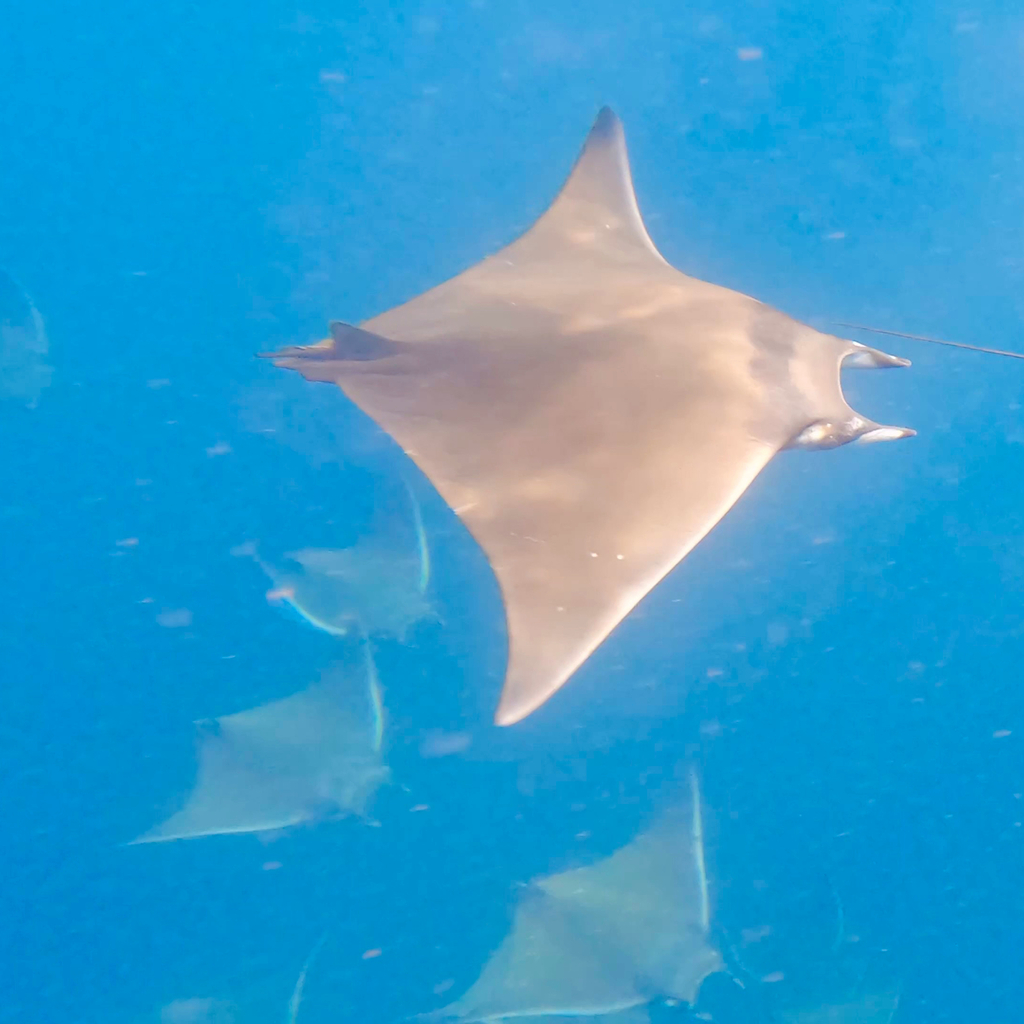 Munk's devil rayMobula munkianaSeen in 4 countries in the AtlasVulnerable
 Olive ridley turtleLepidochelys olivaceaSeen in 40 countries in the AtlasVulnerable
 Hawksbill turtleEretmochelys imbricataSeen in 88 countries in the AtlasCritically Endangered
 Leatherback turtleDermochelys coriaceaSeen in 76 countries in the AtlasVulnerable
 Common bottlenose dolphinTursiops truncatusSeen in 89 countries in the AtlasLeast Concern
 Pantropical spotted dolphinStenella attenuataSeen in 56 countries in the AtlasLeast Concern
 Bryde's whaleBalaenoptera edeniSeen in 36 countries in the AtlasLeast Concern
 False killer whalePseudorca crassidensSeen in 41 countries in the AtlasNear Threatened
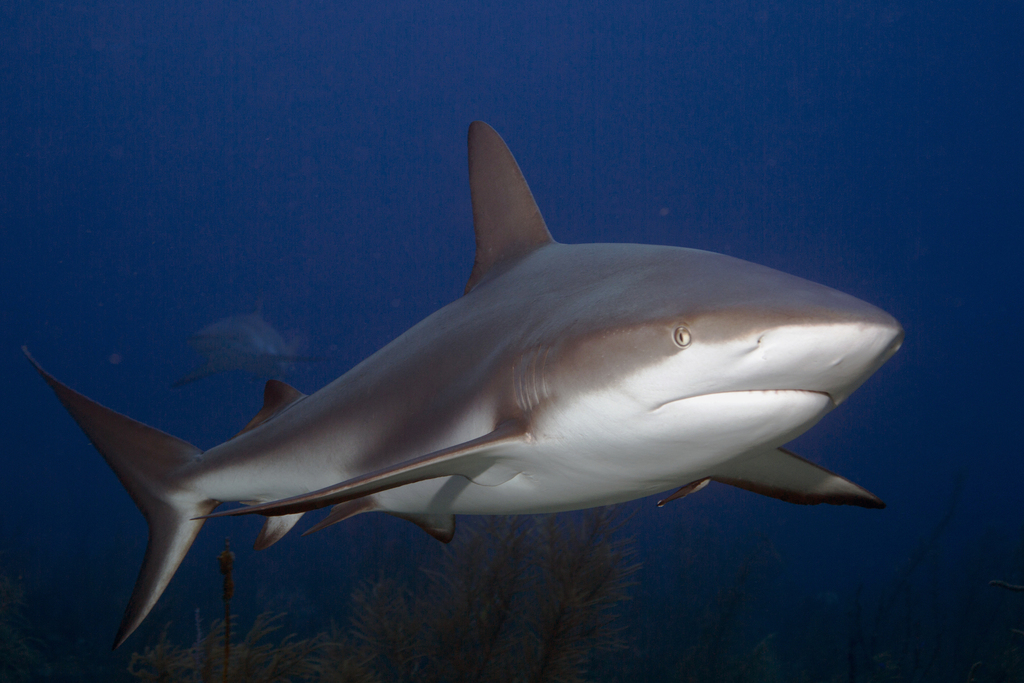 Caribbean reef sharkCarcharhinus pereziSeen in 19 countries in the AtlasEndangered
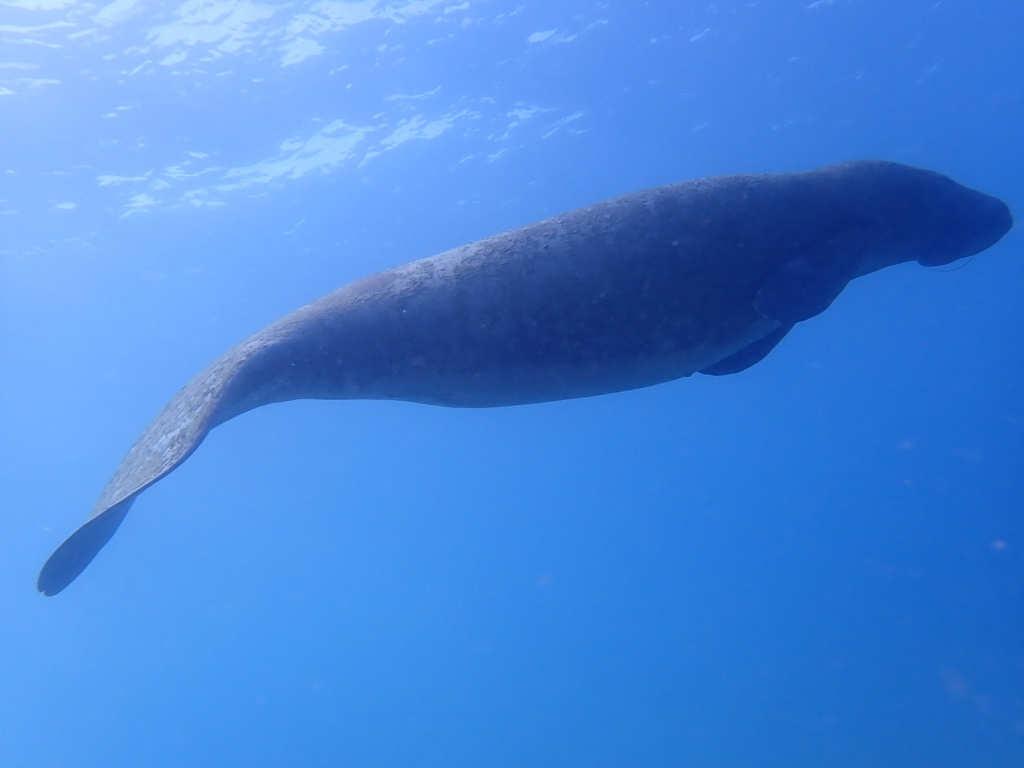 Antillean manateeTrichechus manatus manatusSeen in 14 countries in the AtlasEndangered
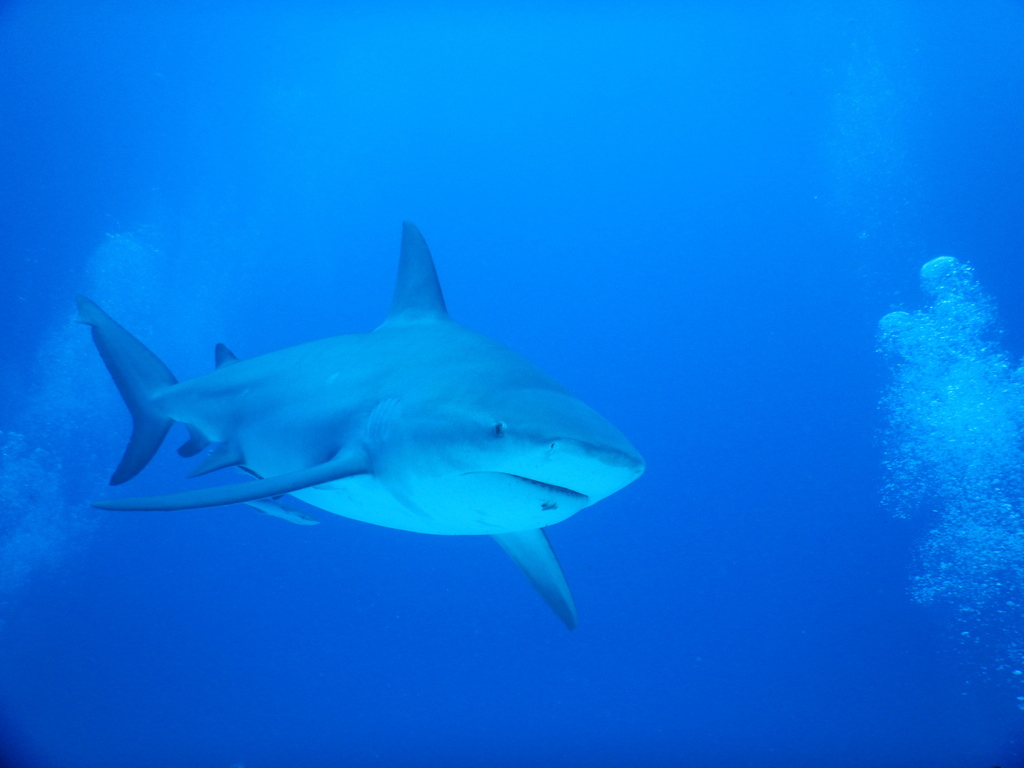 Bull sharkCarcharhinus leucasSeen in 30 countries in the AtlasVulnerable
 Green turtleChelonia mydasSeen in 103 countries in the AtlasLeast Concern
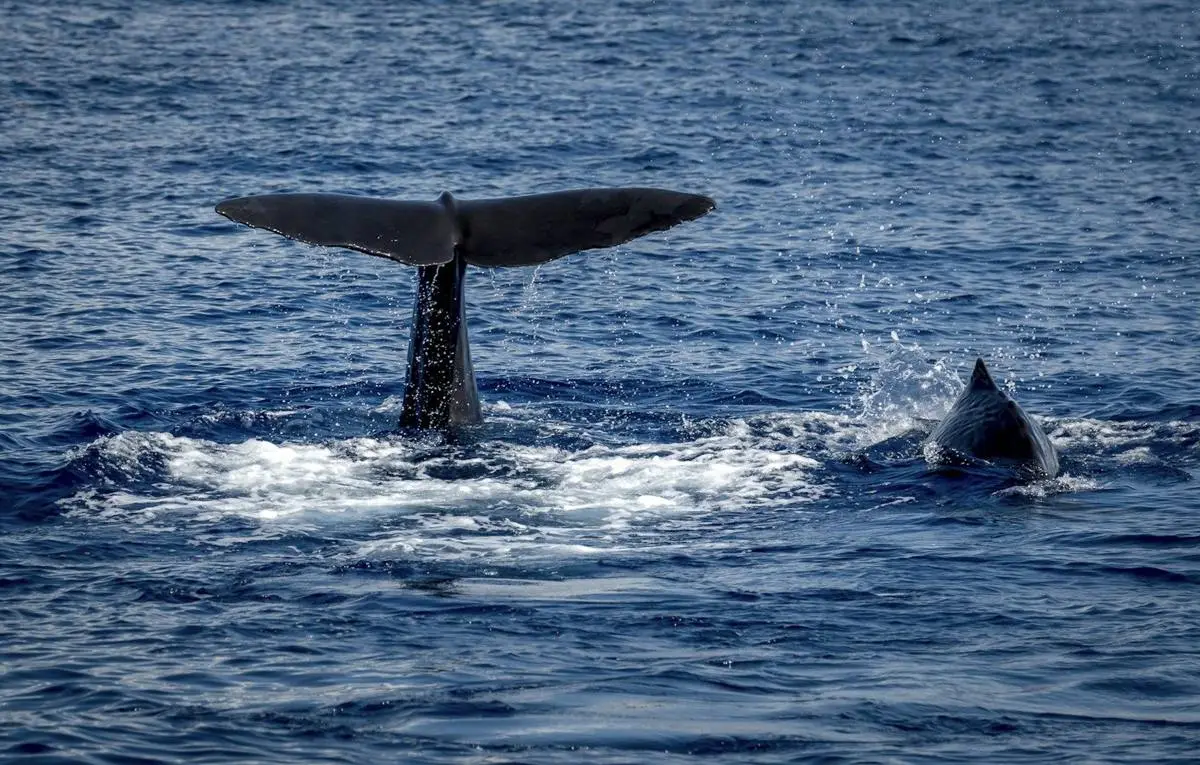 Sperm whalePhyseter macrocephalusSeen in 114 countries in the AtlasVulnerable
 Whitetip reef sharkTriaenodon obesusSeen in 43 countries in the AtlasVulnerable
 Chevron barracudaSphyraena qenieSeen in 19 countries in the AtlasLeast Concern
 Bigeye trevallyCaranx sexfasciatusSeen in 48 countries in the AtlasLeast Concern
 Short-finned pilot whaleGlobicephala macrorhynchusSeen in 43 countries in the AtlasLeast Concern
 Spinner dolphinStenella longirostrisSeen in 66 countries in the AtlasLeast Concern
 Common dolphinDelphinus delphisSeen in 53 countries in the AtlasLeast Concern
 Blue-footed boobySula nebouxiiSeen in 11 countries in the AtlasLeast Concern
 Great barracudaSphyraena barracudaSeen in 84 countries in the AtlasLeast Concern
 Magnificent frigatebirdFregata magnificensSeen in 52 countries in the AtlasLeast Concern
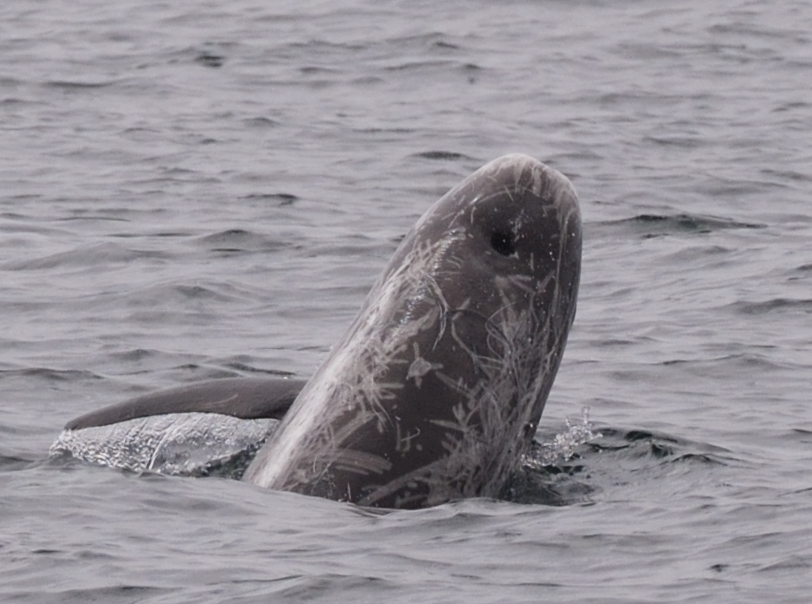 Risso's dolphinGrampus griseusSeen in 56 countries in the AtlasLeast Concern
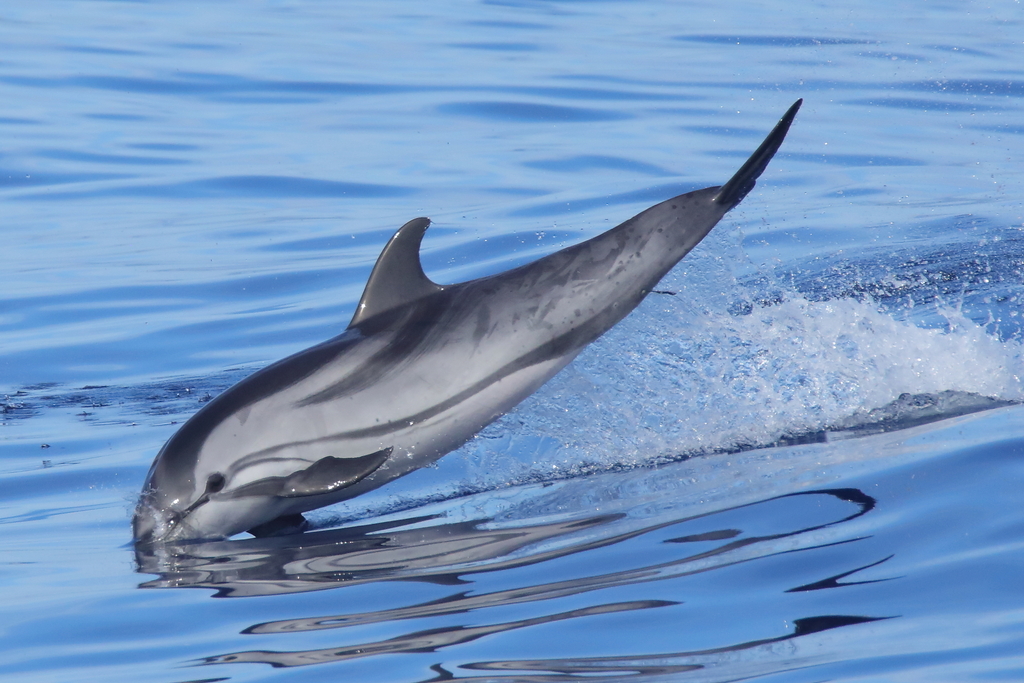 Striped dolphinStenella coeruleoalbaSeen in 43 countries in the AtlasLeast Concern
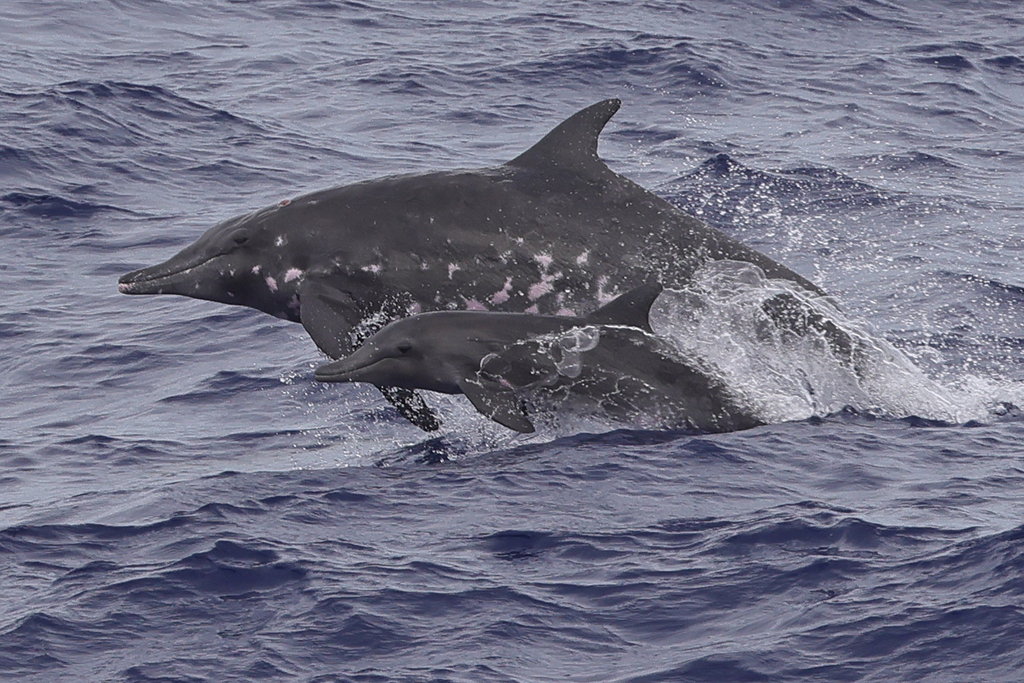 Rough-toothed dolphinSteno bredanensisSeen in 36 countries in the AtlasLeast Concern
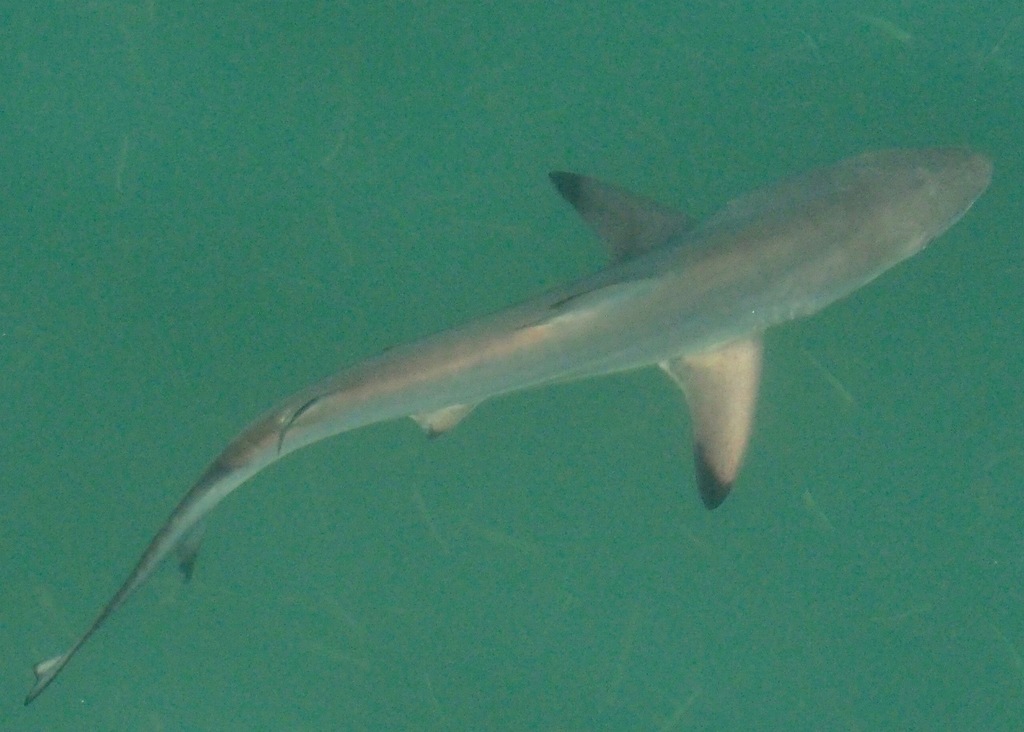 Blacktip sharkCarcharhinus limbatusSeen in 49 countries in the AtlasVulnerable
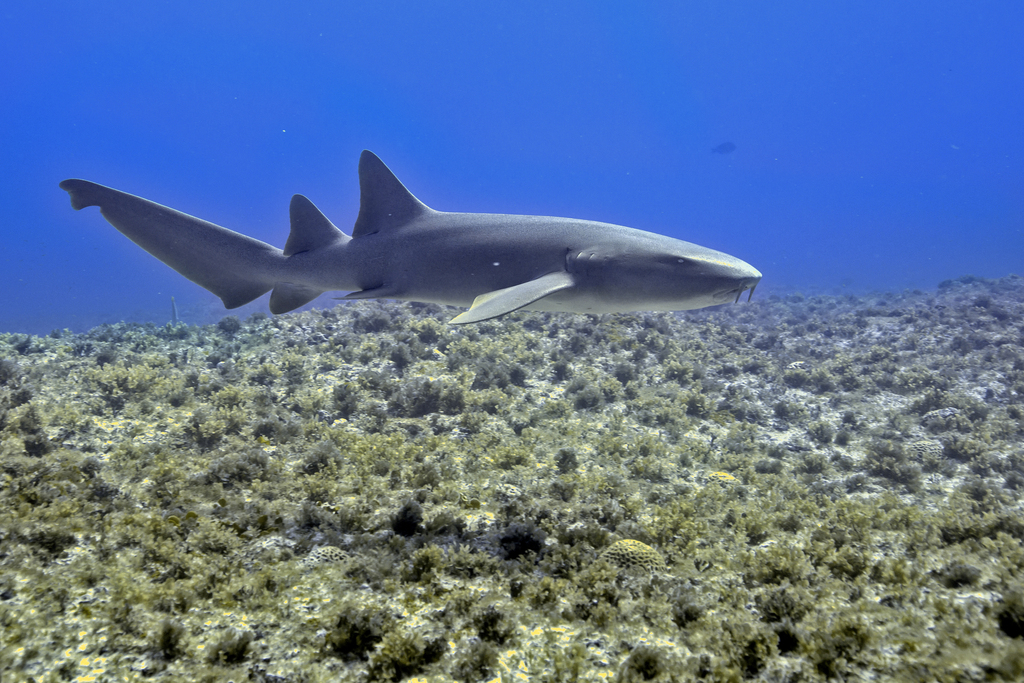 Atlantic nurse sharkGinglymostoma cirratumSeen in 38 countries in the AtlasVulnerable
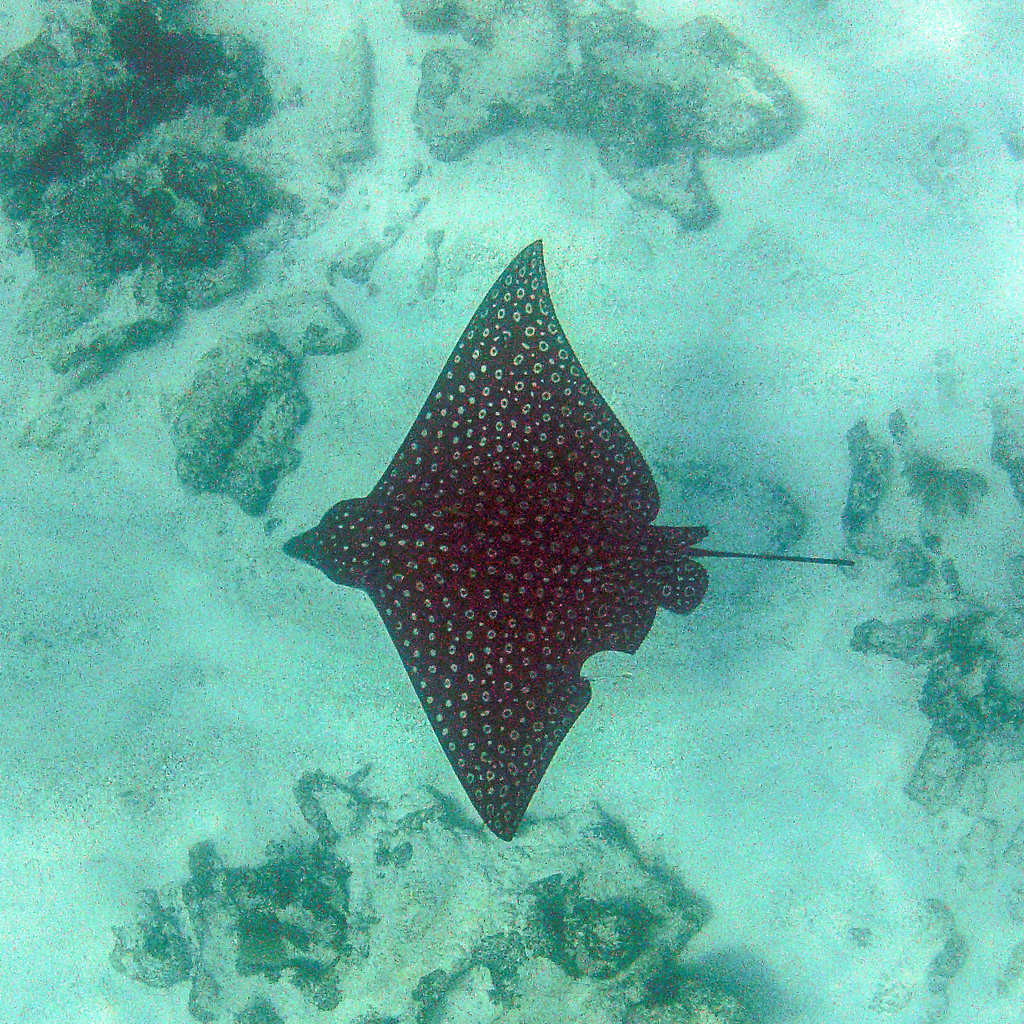 Whitespotted eagle rayAetobatus narinariSeen in 58 countries in the AtlasEndangered
 Lemon sharkNegaprion brevirostrisSeen in 16 countries in the AtlasVulnerable
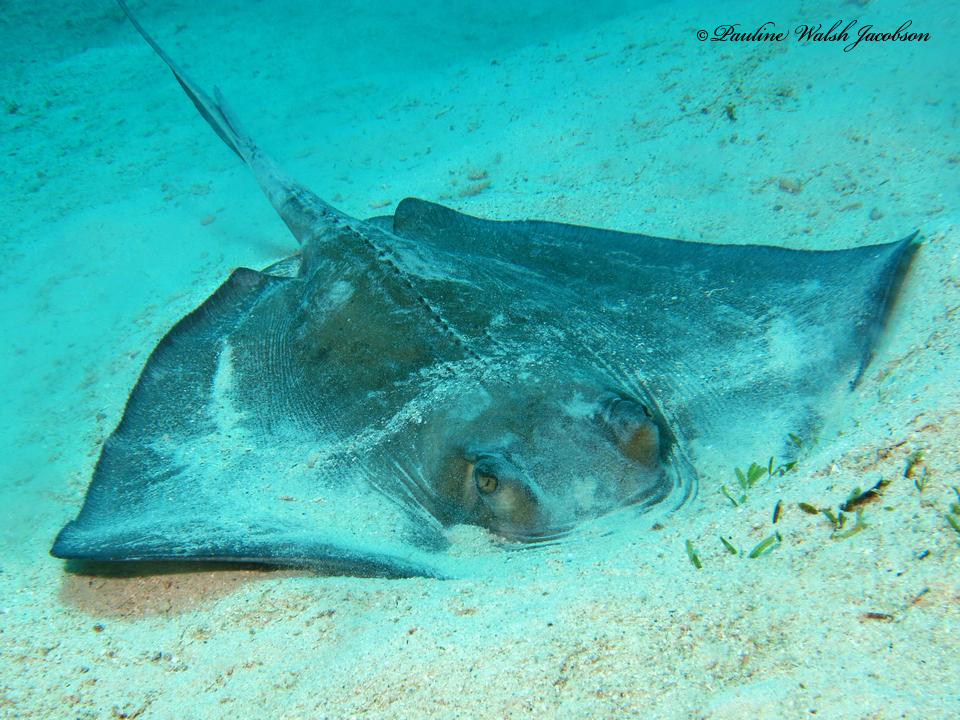 Southern stingrayHypanus americanusSeen in 33 countries in the AtlasNear Threatened
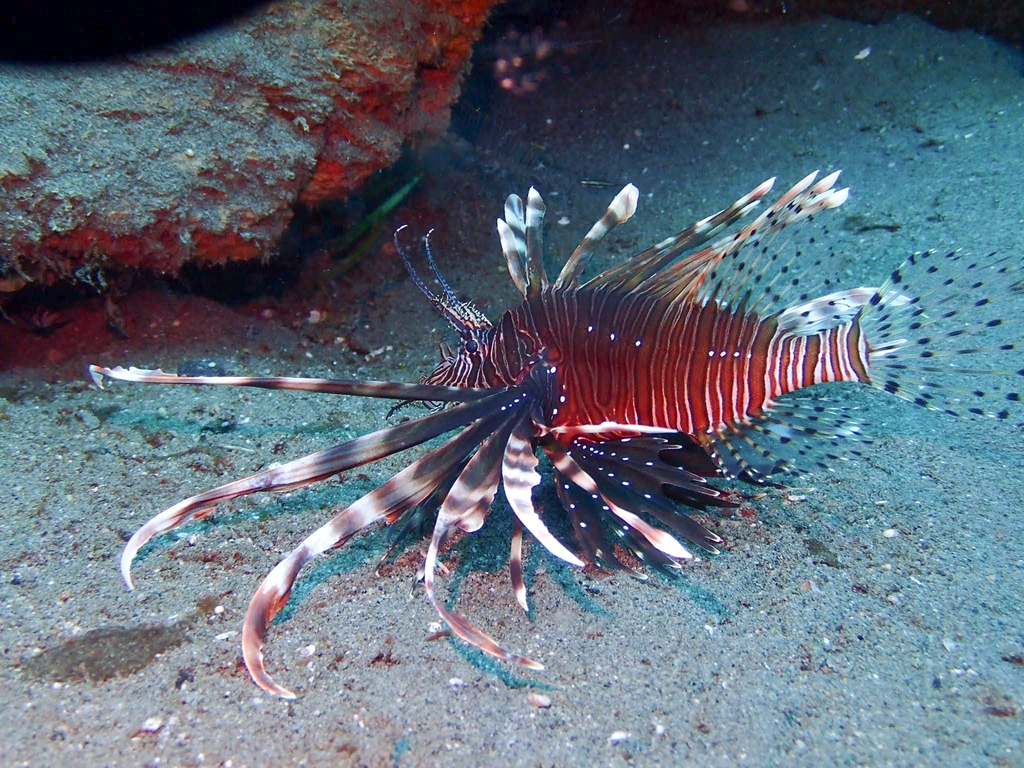 Lionfish (red and common lionfish)Pterois volitans and Pterois milesSeen in 80 countries in the AtlasLeast Concern
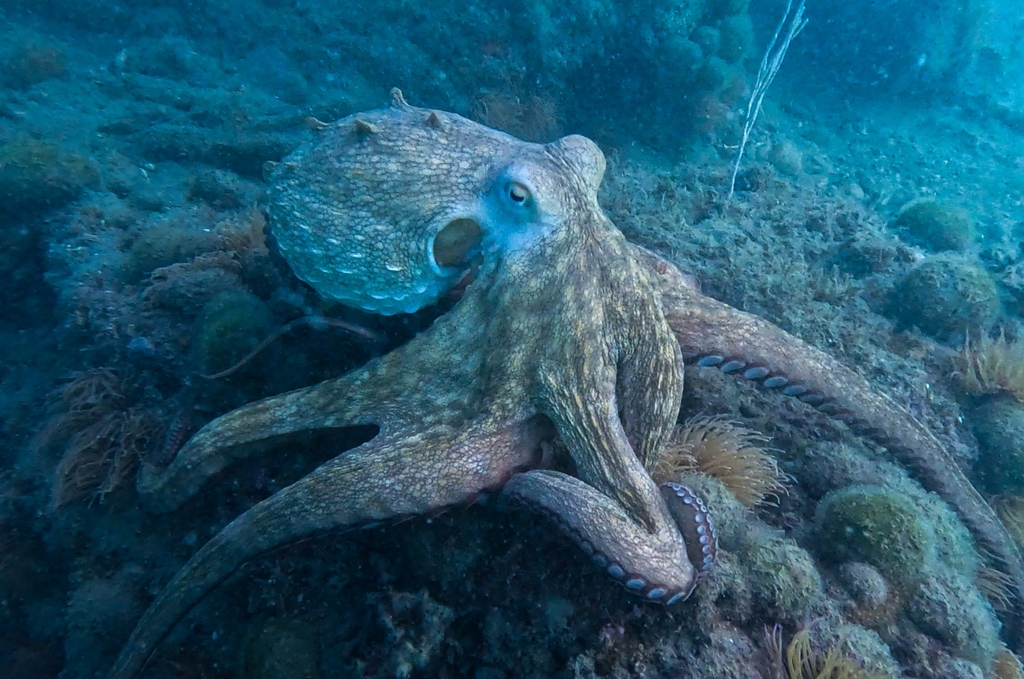 Common octopusOctopus vulgarisSeen in 32 countries in the AtlasLeast Concern
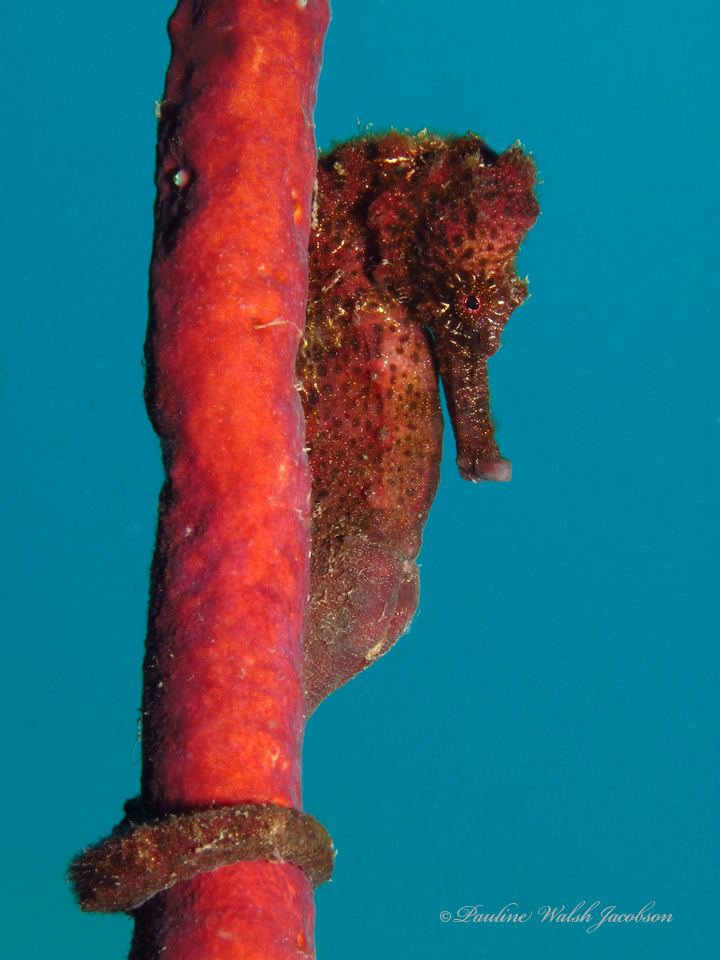 Longsnout seahorseHippocampus reidiSeen in 25 countries in the AtlasNear Threatened
 Nassau grouperEpinephelus striatusSeen in 20 countries in the AtlasCritically Endangered
 Wedge-tailed shearwaterArdenna pacificaSeen in 46 countries in the AtlasLeast Concern
 Masked boobySula dactylatraSeen in 80 countries in the AtlasLeast Concern
 Black noddyAnous minutusSeen in 37 countries in the AtlasLeast Concern
 Goliath grouperEpinephelus itajaraSeen in 25 countries in the AtlasVulnerable
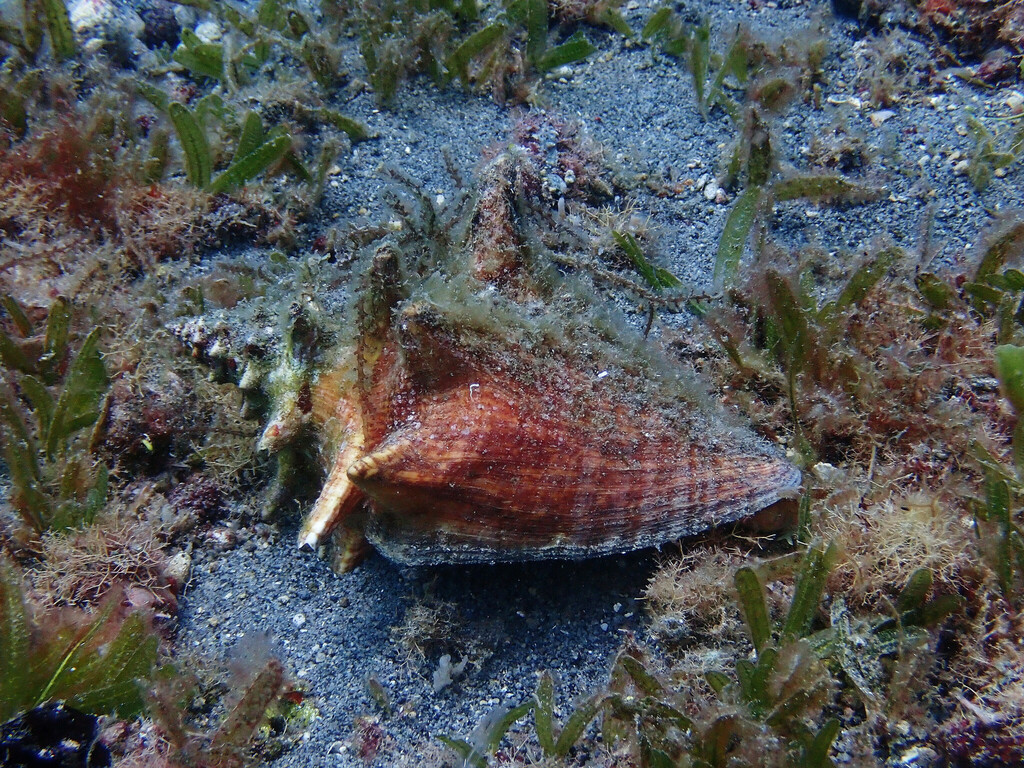 Queen conchAliger gigasSeen in 32 countries in the AtlasNear Threatened
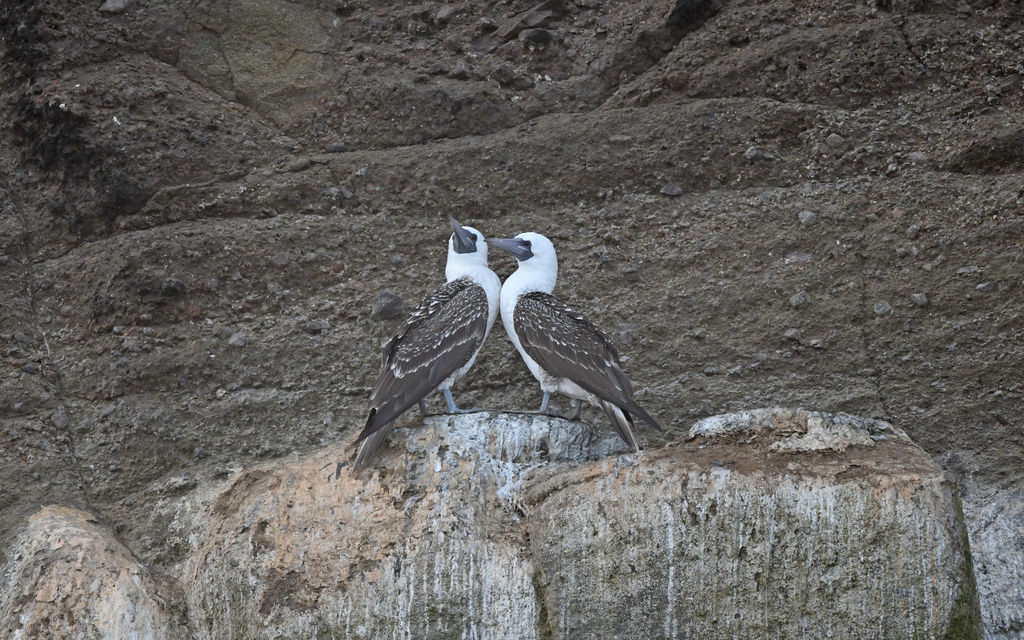 Peruvian boobySula variegataSeen in 6 countries in the AtlasLeast Concern
 Brown boobySula leucogasterSeen in 104 countries in the AtlasLeast Concern
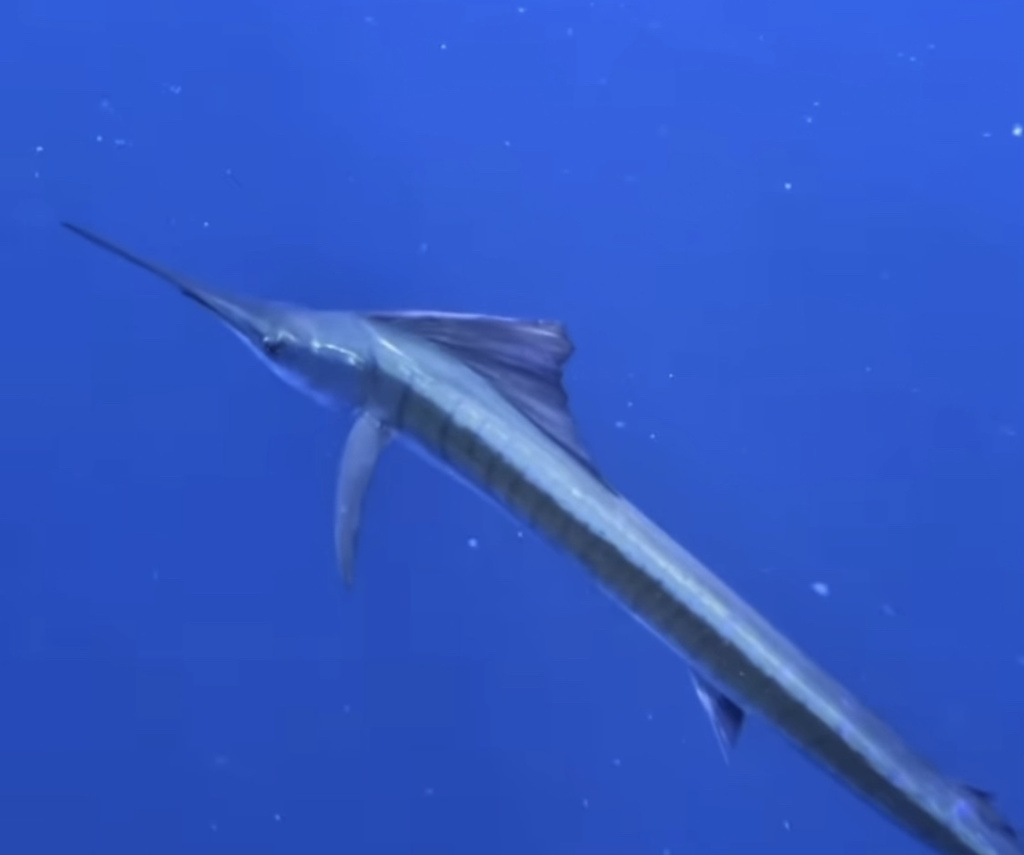 SailfishIstiophorus platypterusSeen in 31 countries in the AtlasVulnerable
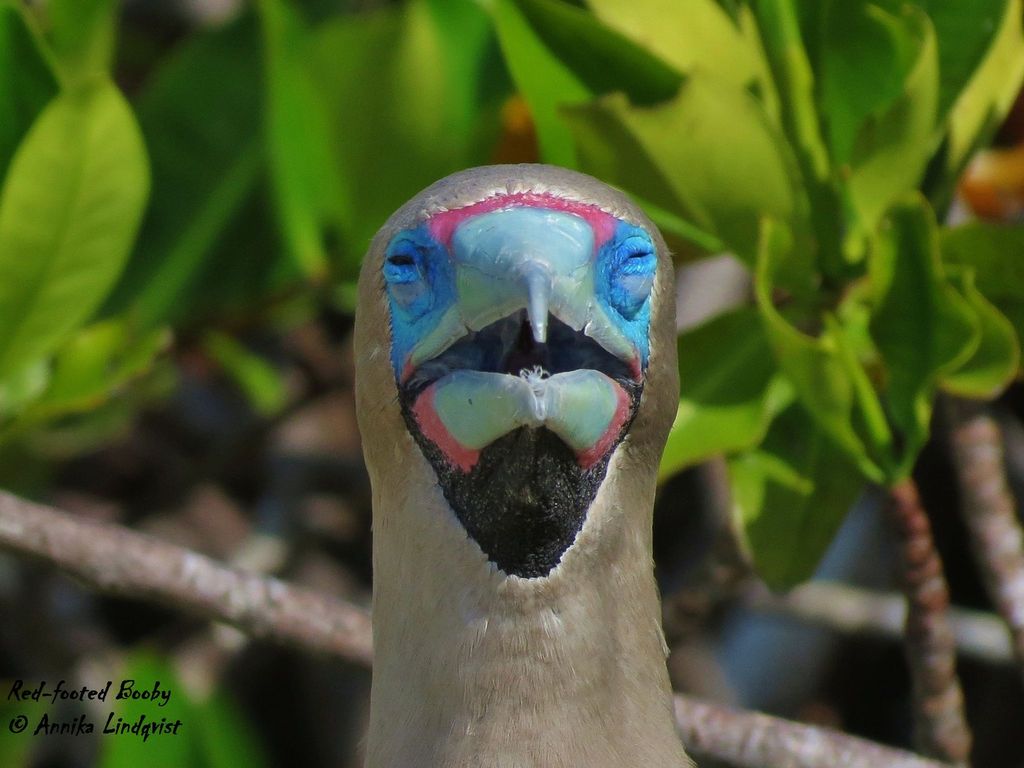 Red-footed boobySula sulaSeen in 91 countries in the AtlasLeast Concern
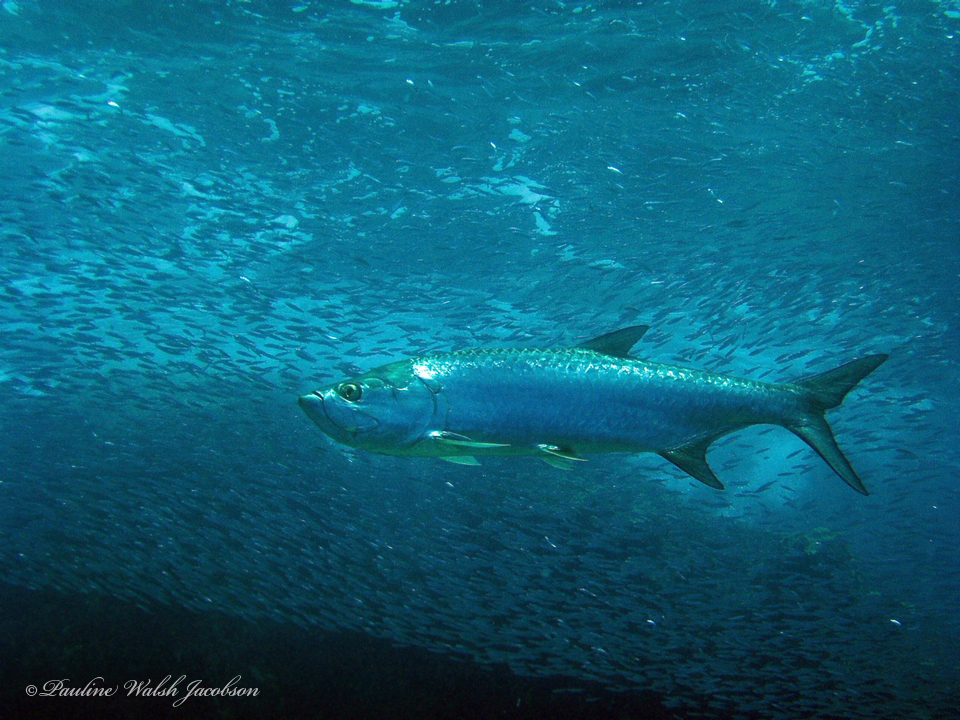 Atlantic tarponMegalops atlanticusSeen in 24 countries in the AtlasVulnerable
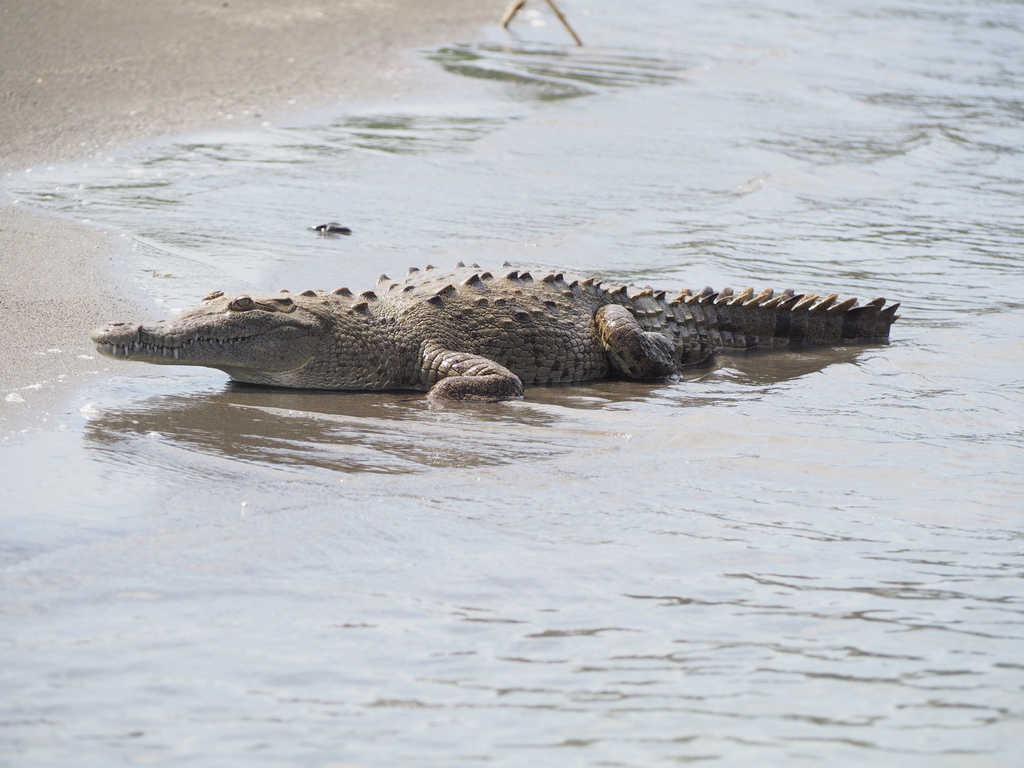 American crocodileCrocodylus acutusSeen in 17 countries in the AtlasVulnerable
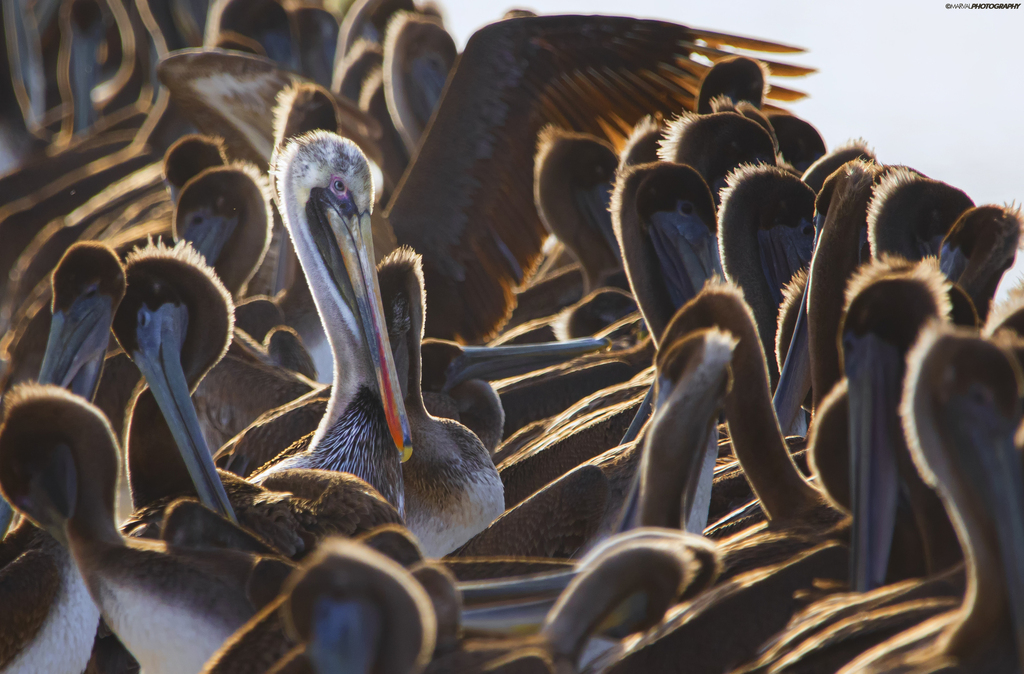 Brown pelicanPelecanus occidentalisSeen in 48 countries in the AtlasLeast Concern
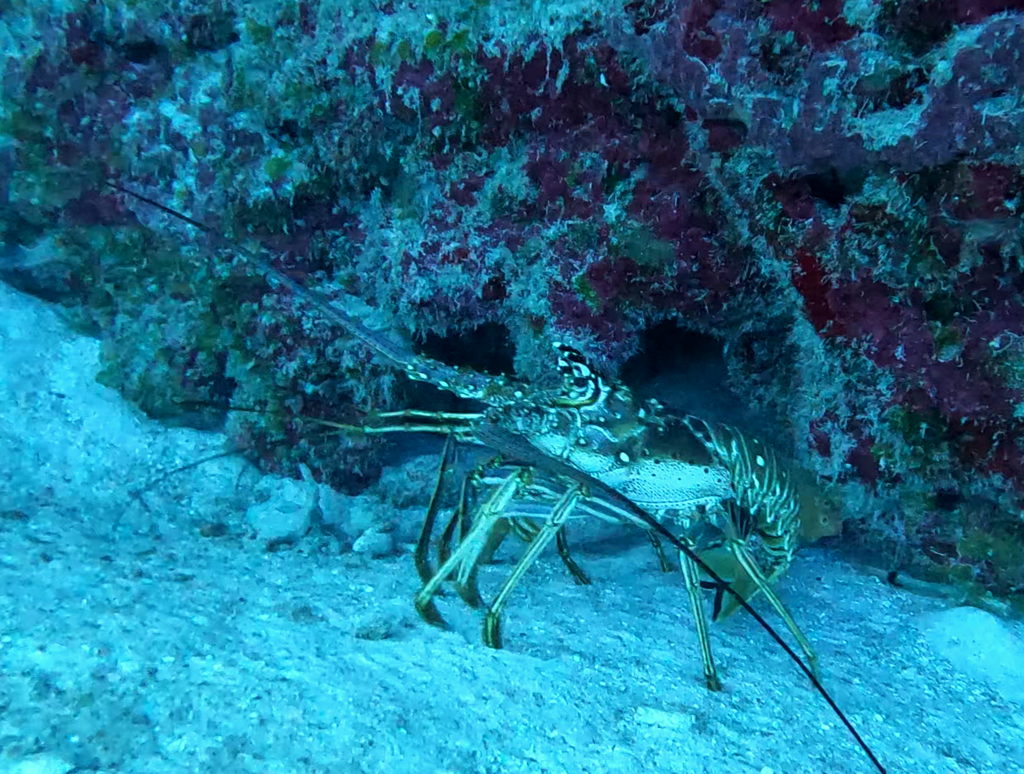 Caribbean spiny lobsterPanulirus argusSeen in 30 countries in the AtlasData Deficient
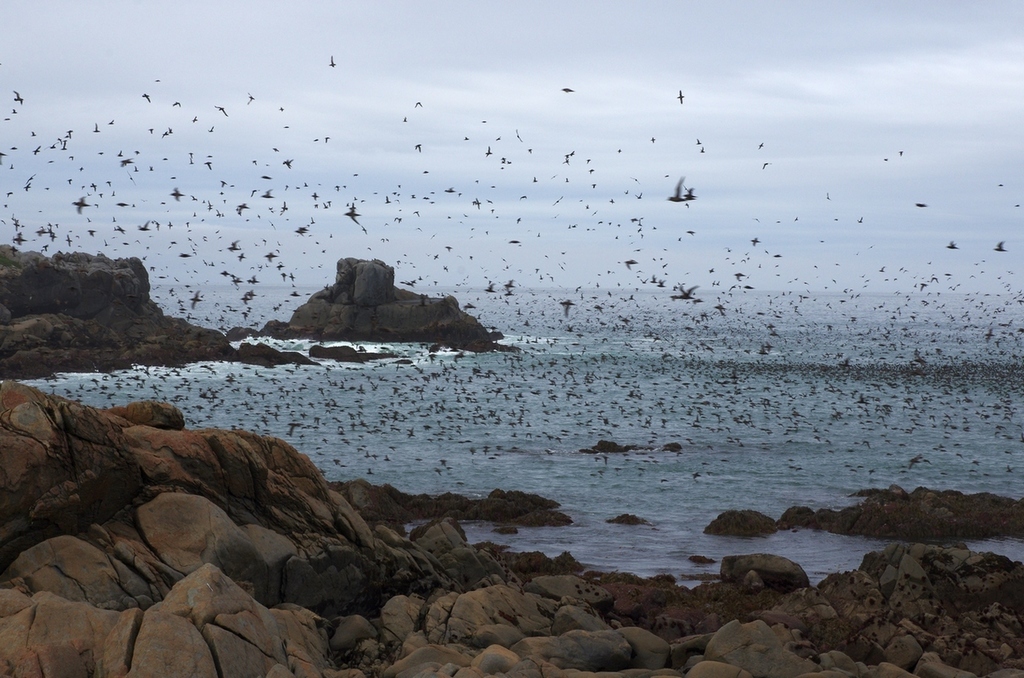 Sooty shearwaterArdenna griseaSeen in 53 countries in the AtlasNear Threatened
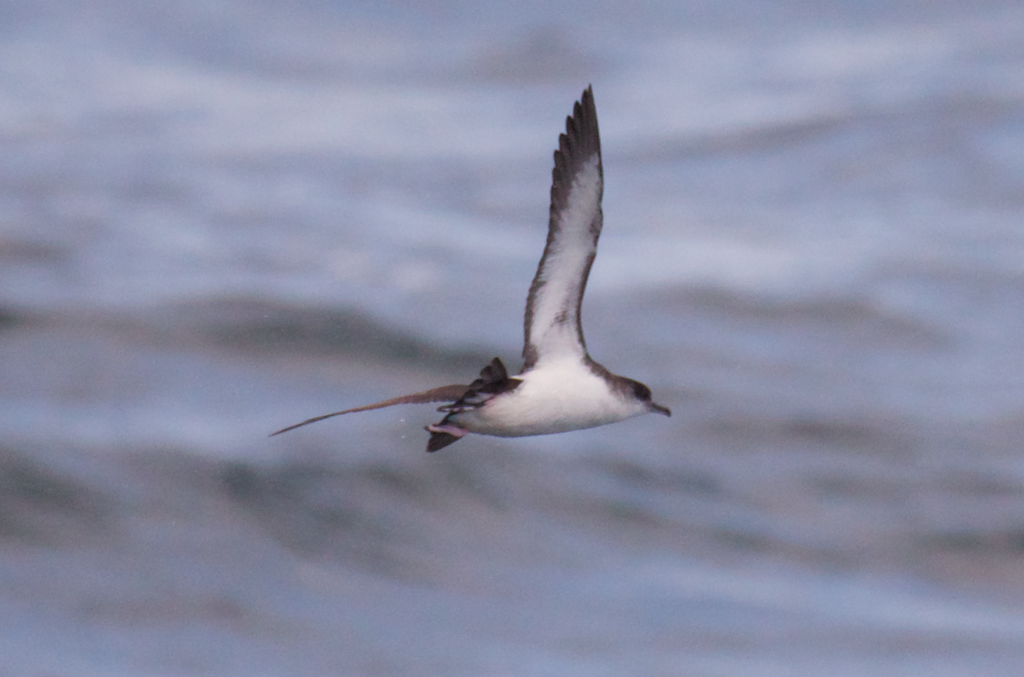 Manx shearwaterPuffinus puffinusSeen in 34 countries in the AtlasLeast Concern
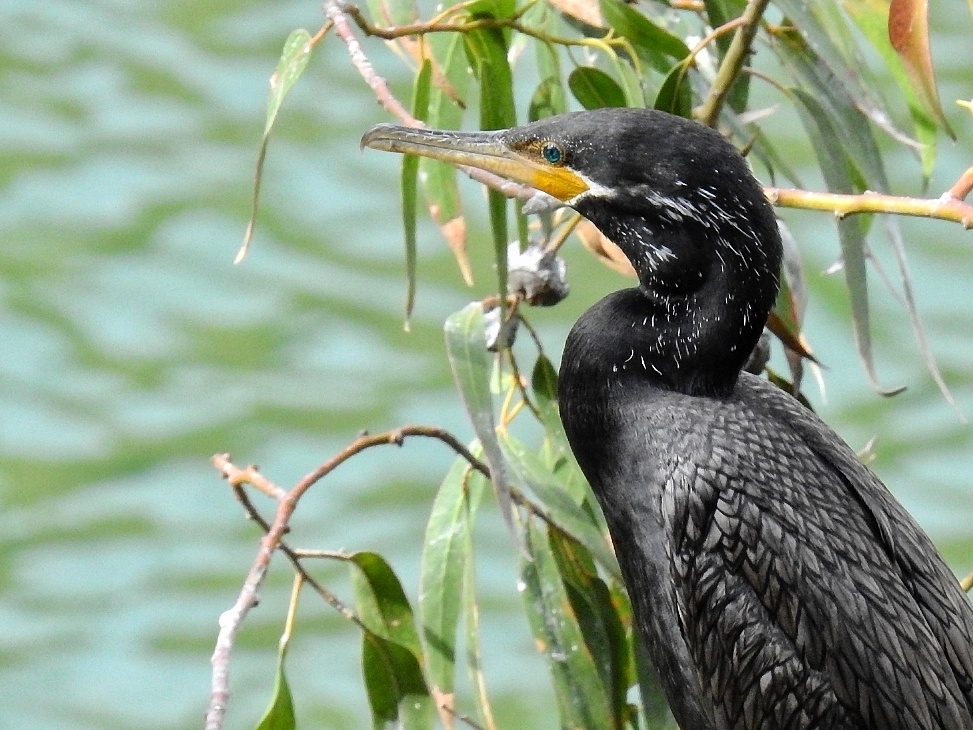 Neotropic cormorantNannopterum brasilianumSeen in 29 countries in the AtlasLeast Concern
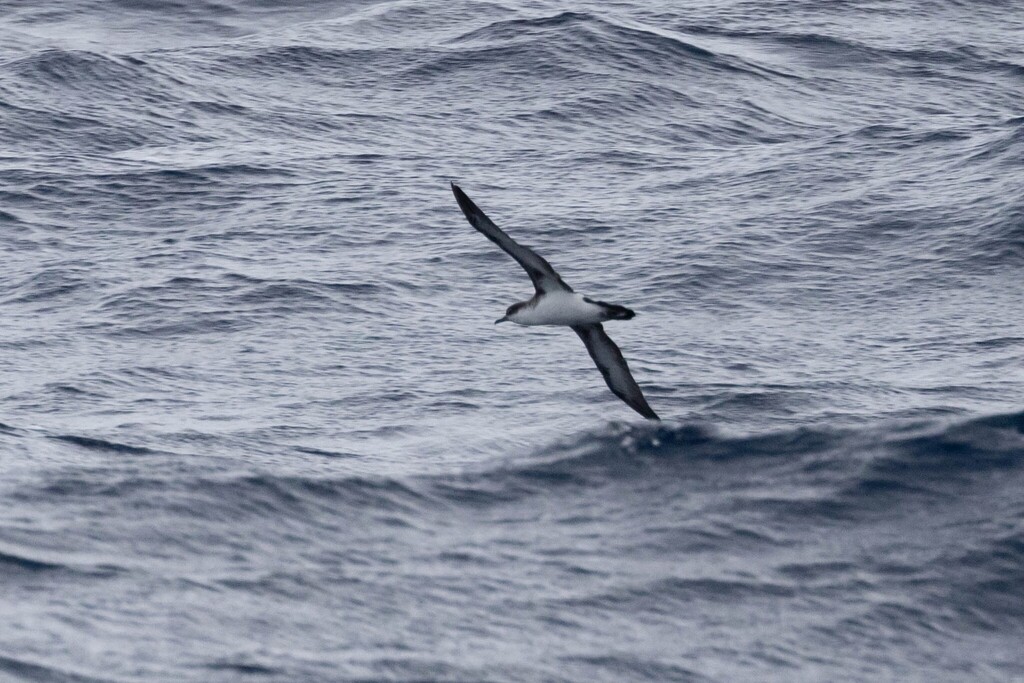 Sargasso shearwater (Audubon's shearwater)Puffinus lherminieriSeen in 27 countries in the AtlasLeast Concern
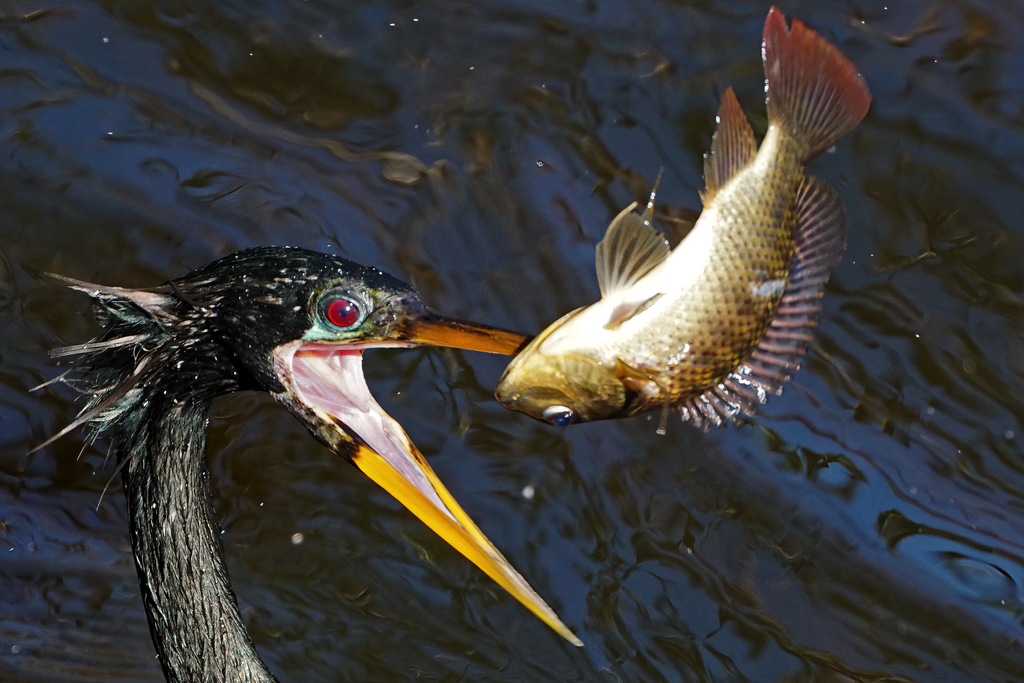 Anhinga (American darter)Anhinga anhingaSeen in 24 countries in the AtlasLeast Concern
 Tahiti petrelPseudobulweria rostrataSeen in 15 countries in the AtlasNear Threatened
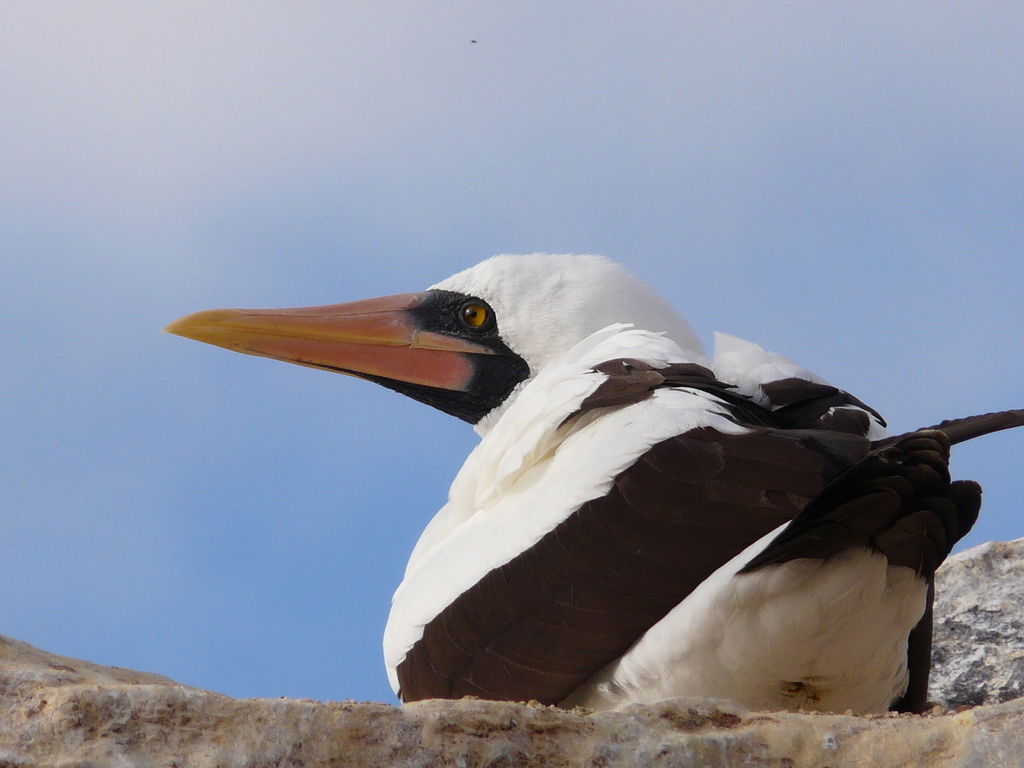 Nazca boobySula grantiSeen in 12 countries in the AtlasLeast Concern
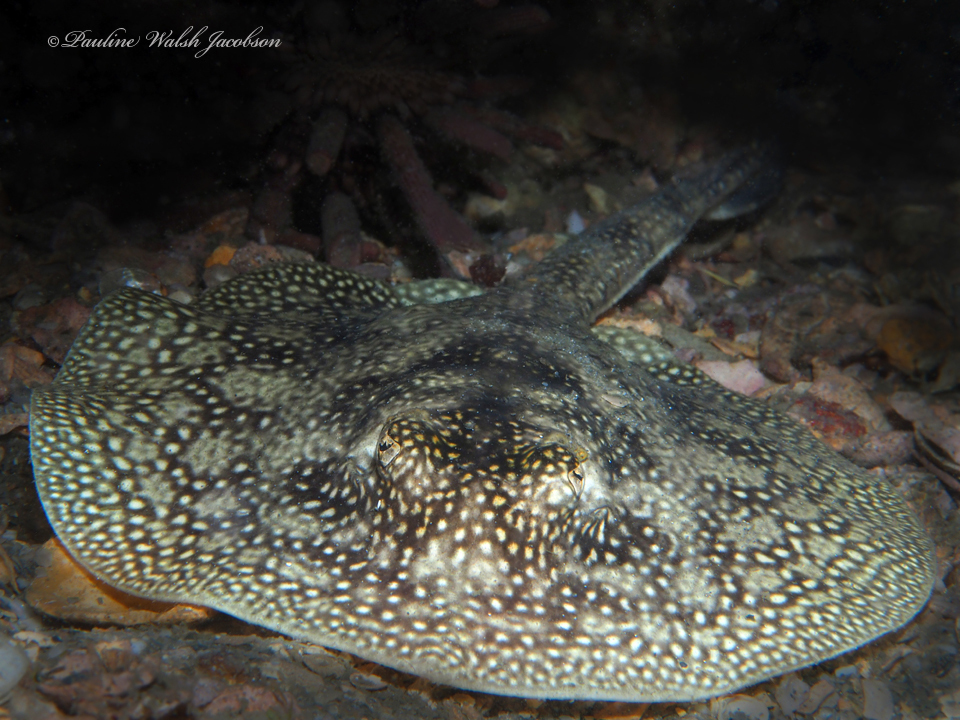 Yellow stingrayUrobatis jamaicensisSeen in 10 countries in the AtlasLeast Concern
Tell Rocío what you would love to see
There is no trip here yet. If enough people ask, it helps us decide where to go next.
 Antarctica
 Argentina
 Bermuda
 Brazil
 Canada
 Chile
Chile Colombia
 Costa Rica
 Ecuador
 El Salvador
 Falkland Islands
 French Guiana
 Guatemala
 Guyana
 Mexico
 Nicaragua
 Peru
Peru Suriname
 United States
 Uruguay
Based in Panama?
We are always happy to hear from exceptional local operators, accommodation, conservation organisations and destination experts in Panama. If your work fits responsible, small-group ocean travel, we would love to learn more.
Partner with Ocean CallingShop with Ocean Calling
Visit the Ocean Calling storefront on Amazon.
As an Amazon Associate I earn from qualifying purchases. You are not only choosing products that respect the ocean, you are also helping us keep going: paying our local partners fairly and keeping our retreats ethical, sustainable and honestly priced for you. 💗