
Ocean Atlas · Americas
 Brazil
Atlantic island reefs, whale nurseries watched from boat or shore, and very clear spring rivers inland.

Ethics pass, with care. We found a way to visit this country that meets our animal-welfare standard, as long as we work with the right local operator. Checked by Ocean Calling on 30 Sep 2026. Sources: Lei 7.643 of 1987, protection of cetaceans, Planalto (Brazil government); Portaria IBAMA 117 of 1996, whale watching rules, IBAMA; Noronha's spinners, Projeto Golfinho Rotador.
🧭 Travel advice, checked 30 Sep 2026. The UK FCDO advises against all but essential travel to certain river areas of Amazonas State, including parts of the Itaquai River, Japura River and Rio Negro. It has no country-wide warning. Sources: UK FCDO travel advice, Brazil Advice differs by passport: check your own government before you plan.
Why Brazil
Brazil has a long Atlantic coast with very different places. Fernando de Noronha is a marine national park with clear warm water, turtles, rays and reef fish for scuba and snorkelling, and spinner dolphins rest in a closed bay that you watch from the cliff. From July to November humpback whales raise their calves off Bahia, watched from licensed boats at Praia do Forte and Abrolhos. In Santa Catarina, southern right whale mothers come close to the beaches and are watched only from land. Inland, Bonito has very clear spring rivers for guided snorkelling with freshwater fish. In Brazil it is a crime to harass whales and dolphins, and swimming closer than 50 m to a whale is not allowed, so we watch all whales and dolphins here and never swim with them.
Conservation-led. Ocean Calling guests never chase, touch or bait animals.
When to go
Aug-Oct. Timing changes by place and by animal, so check each place below.
We have researched this place and keep learning about it. There is no trip here yet.
Can we travel here ethically?
Ethics pass, with care
Good with the right operator. Here is how we choose.
Brazil has strong laws: harassing whales and dolphins is a crime, and nobody may swim closer than 50 m to a whale. At Fernando de Noronha, fewer spinner dolphins now rest in their bay each day and researchers are still studying why, so we watch them from the cliff and skip dolphin boat tours. We choose reef snorkelling and diving, and whale watching with licensed boats that keep their distance.
Checked 30 Sep 2026. Places change, so we look again every year.
Where in Brazil
Short notes from our research. Wildlife is never guaranteed.
Fernando de Noronha
ExploringA volcanic marine park island with clear warm water for scuba and snorkelling, and spinner dolphins watched from the cliff.
🤿 In the water: Green and hawksbill turtles, Reef fish, Rays, Nurse sharks and reef sharks (possible, on dives)
⛵ From the boat or shore, never in the water: Spinner dolphins (from the cliff viewpoint, the bay is closed to people), Dolphins from the boat (passing only)
When: Aug-Jan. Diving runs all year. August to January is often drier with clearer water. March to July is the rainy season. The island has a monthly visitor limit, so plan early.
Rules and fees: Visitors pay the marine national park ticket, R$384 for foreign guests and valid for 10 days. Some trails need a booking and a certified guide, and life jackets are required at most natural pools.
Abrolhos
ExploringA remote marine park on the largest coral bank of the South Atlantic, and a nursery where humpback mothers raise their calves.
🤿 In the water: Reef fish around coral towers, Turtles (possible), Rays
⛵ From the boat or shore, never in the water: Humpback whales with calves (Jul-Nov, from licensed boats), Seabirds nesting on the islands
When: Jul-Nov. Humpbacks are here from about July to November, most in August and September, when the sea can be windy. December to April has warmer water and better visibility for diving. The boat crossing takes about three hours.
Rules and fees: Visits to Abrolhos Marine National Park happen only with tourism companies authorised by the park authority, and they follow the park's own visitor rules.
Praia do Forte
ExploringAn easy Bahia coast village near Salvador, where humpback whales pass close to shore in the winter months.
🤿 In the water: Reef fish in shallow natural pools (calm days)
⛵ From the boat or shore, never in the water: Humpback whales (Jul-Oct, from licensed boats)
When: Aug-Sep. The whale season runs from about July to October, with most whales in August and September.
Santa Catarina whale coast
ExploringSouthern right whale mothers and calves close to the beaches, watched quietly from the shore.
⛵ From the boat or shore, never in the water: Southern right whales with calves (Jul-Nov, from land only), Bottlenose dolphins near Laguna (from the shore)
When: Aug-Oct. Whales arrive from about June or July and stay to November, most in September. Boat whale watching is not allowed here, so all watching is from beaches, trails and viewpoints. It is winter, so bring warm layers.
Bonito
ExploringVery clear spring rivers inland, for guided snorkel floats with freshwater fish, with strict visitor limits.
🤿 In the water: Freshwater fish in clear spring rivers (guided float)
When: May-Sep. The dry months, about May to September, often bring the clearest water, around 22 to 24°C. Heavy summer rain from December to March can cloud the rivers.
Animals recorded in Brazil
Tap an animal to learn how it lives, where it travels and how to meet it respectfully.
 Humpback whaleMegaptera novaeangliaeSeen in 87 countries in the AtlasLeast Concern
 Southern right whaleEubalaena australisSeen in 7 countries in the AtlasLeast Concern
 Spinner dolphinStenella longirostrisSeen in 66 countries in the AtlasLeast Concern
 Common bottlenose dolphinTursiops truncatusSeen in 89 countries in the AtlasLeast Concern
 Bryde's whaleBalaenoptera edeniSeen in 36 countries in the AtlasLeast Concern
 Green turtleChelonia mydasSeen in 103 countries in the AtlasLeast Concern
 Hawksbill turtleEretmochelys imbricataSeen in 88 countries in the AtlasCritically Endangered
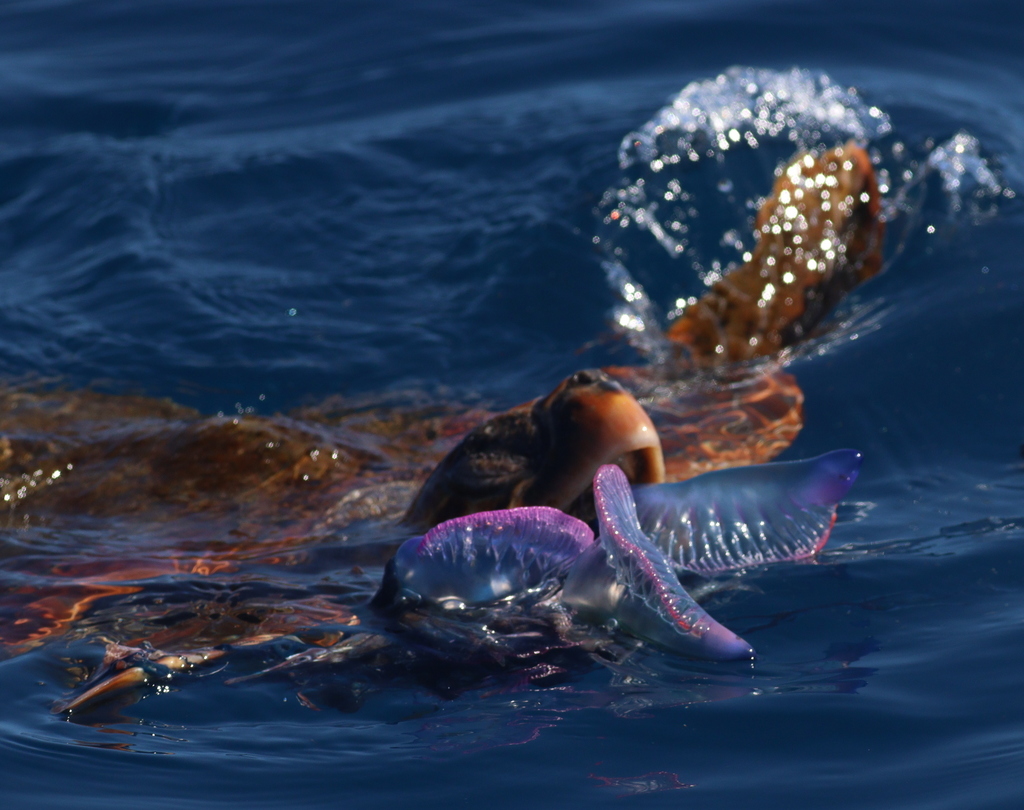 Loggerhead turtleCaretta carettaSeen in 89 countries in the AtlasVulnerable
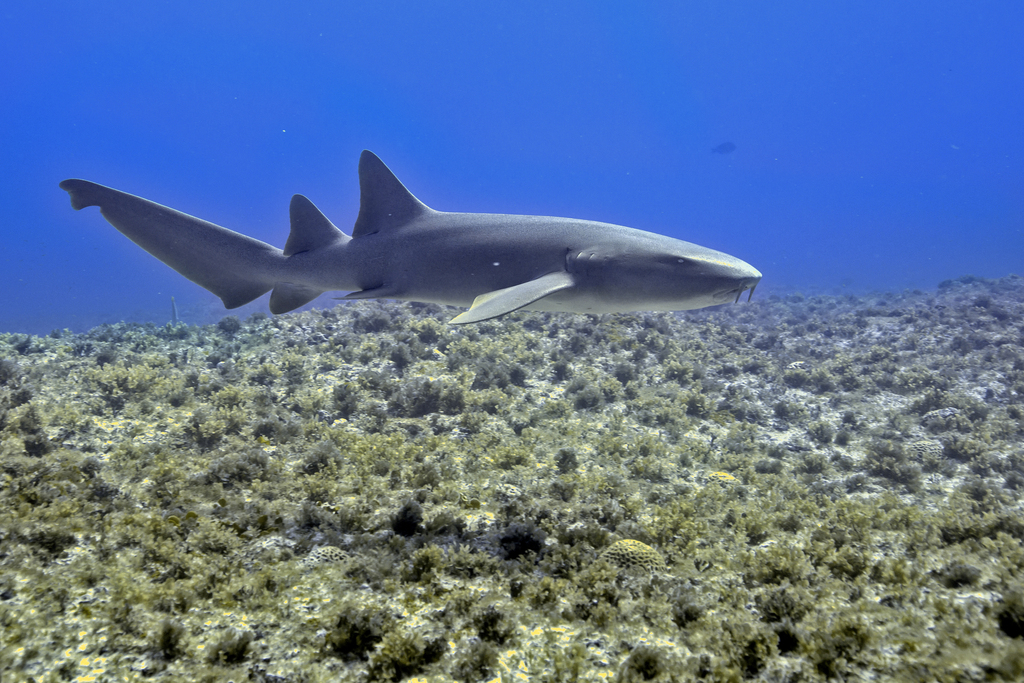 Atlantic nurse sharkGinglymostoma cirratumSeen in 38 countries in the AtlasVulnerable
 Lemon sharkNegaprion brevirostrisSeen in 16 countries in the AtlasVulnerable
 Tiger sharkGaleocerdo cuvierSeen in 47 countries in the AtlasNear Threatened
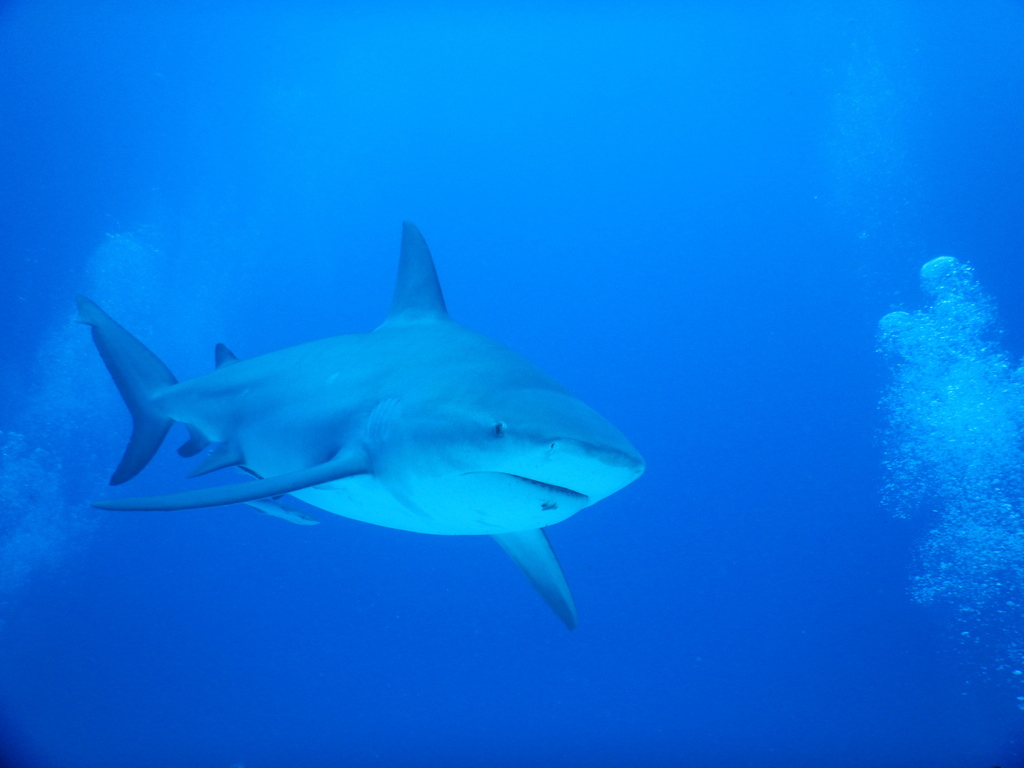 Bull sharkCarcharhinus leucasSeen in 30 countries in the AtlasVulnerable
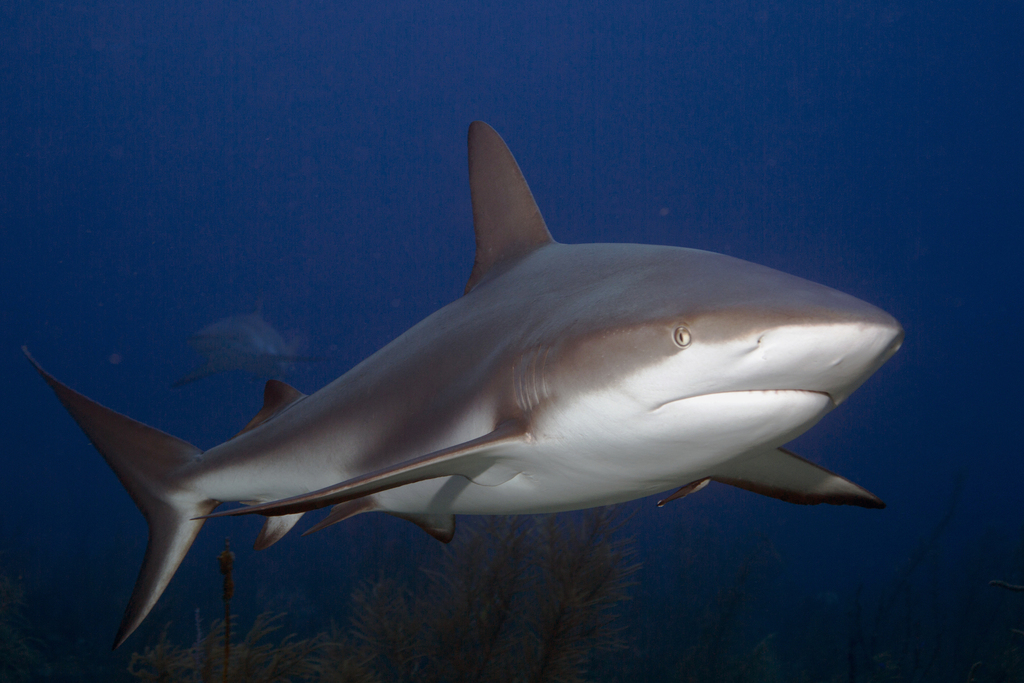 Caribbean reef sharkCarcharhinus pereziSeen in 19 countries in the AtlasEndangered
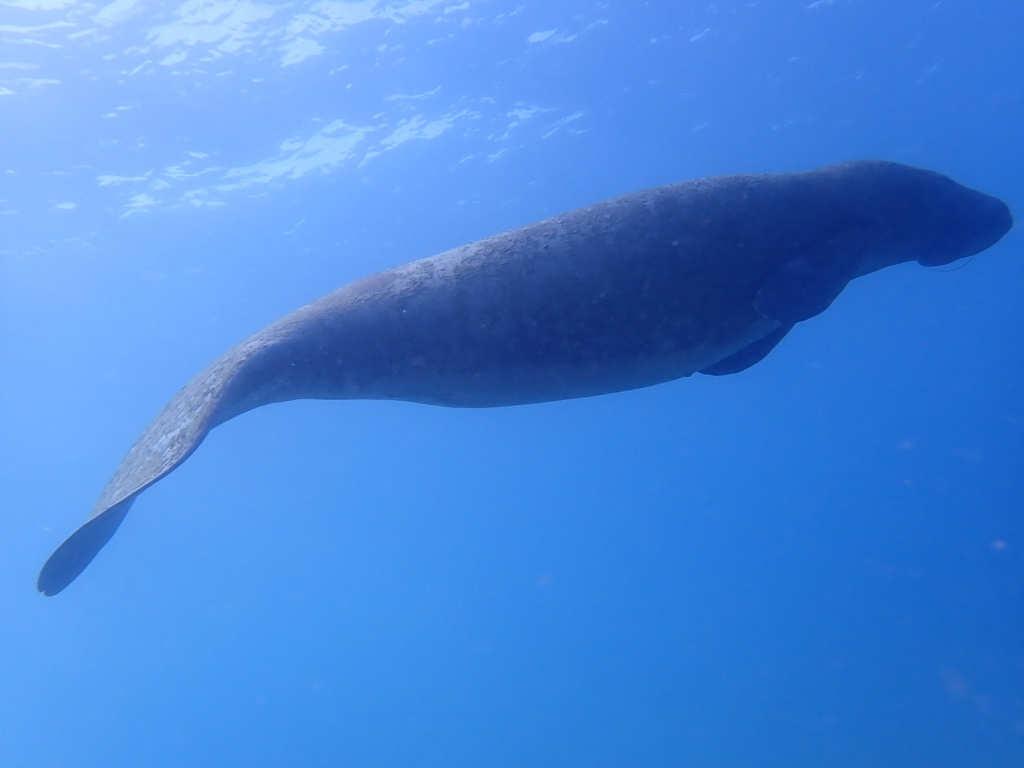 Antillean manateeTrichechus manatus manatusSeen in 14 countries in the AtlasEndangered
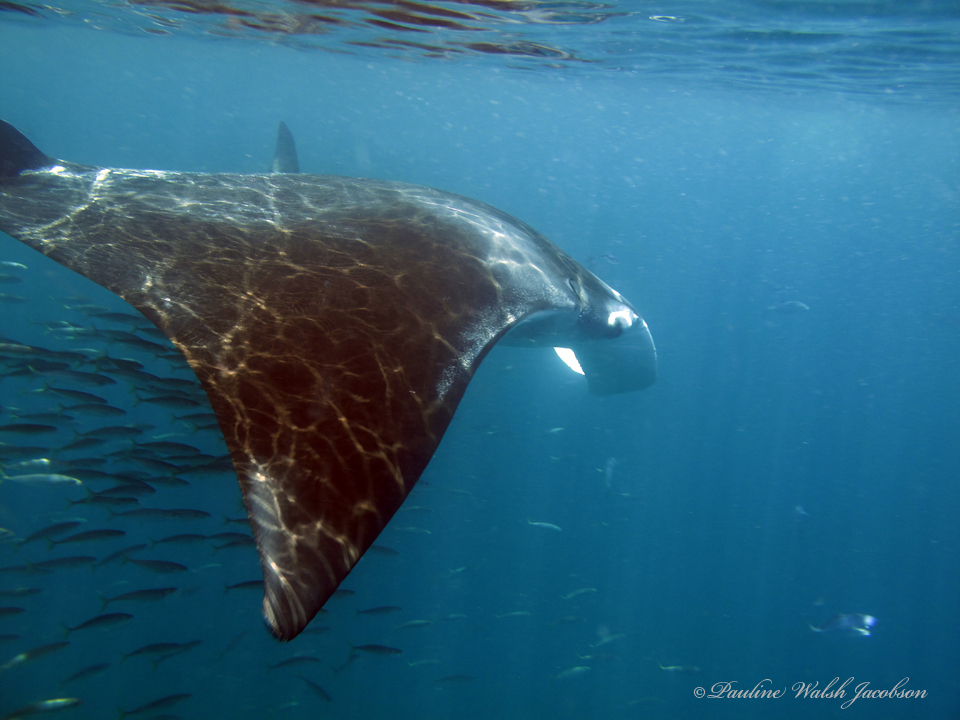 Atlantic manta rayMobula yaraeSeen in 5 countries in the AtlasNot Evaluated
 Whale sharkRhincodon typusSeen in 54 countries in the AtlasEndangered
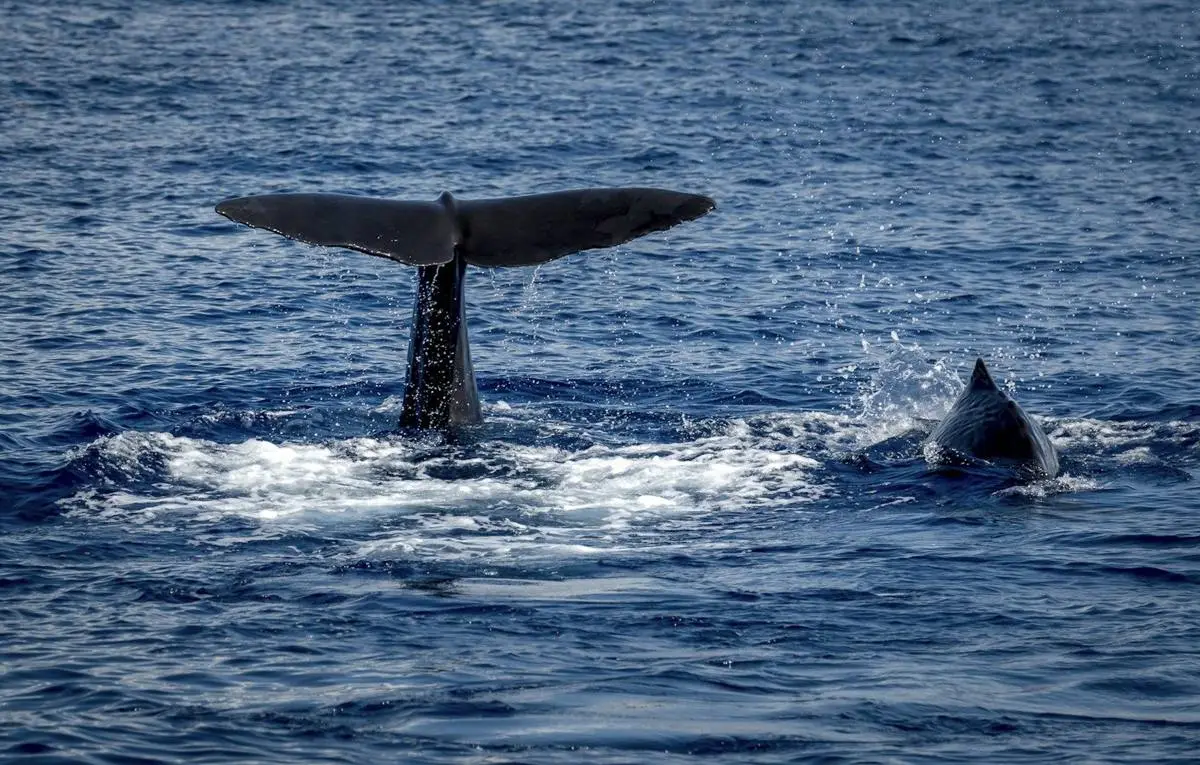 Sperm whalePhyseter macrocephalusSeen in 114 countries in the AtlasVulnerable
 Orca (killer whale)Orcinus orcaSeen in 55 countries in the AtlasData Deficient
 Scalloped hammerheadSphyrna lewiniSeen in 57 countries in the AtlasCritically Endangered
 Short-finned pilot whaleGlobicephala macrorhynchusSeen in 43 countries in the AtlasLeast Concern
 Common dolphinDelphinus delphisSeen in 53 countries in the AtlasLeast Concern
 Fin whaleBalaenoptera physalusSeen in 37 countries in the AtlasVulnerable
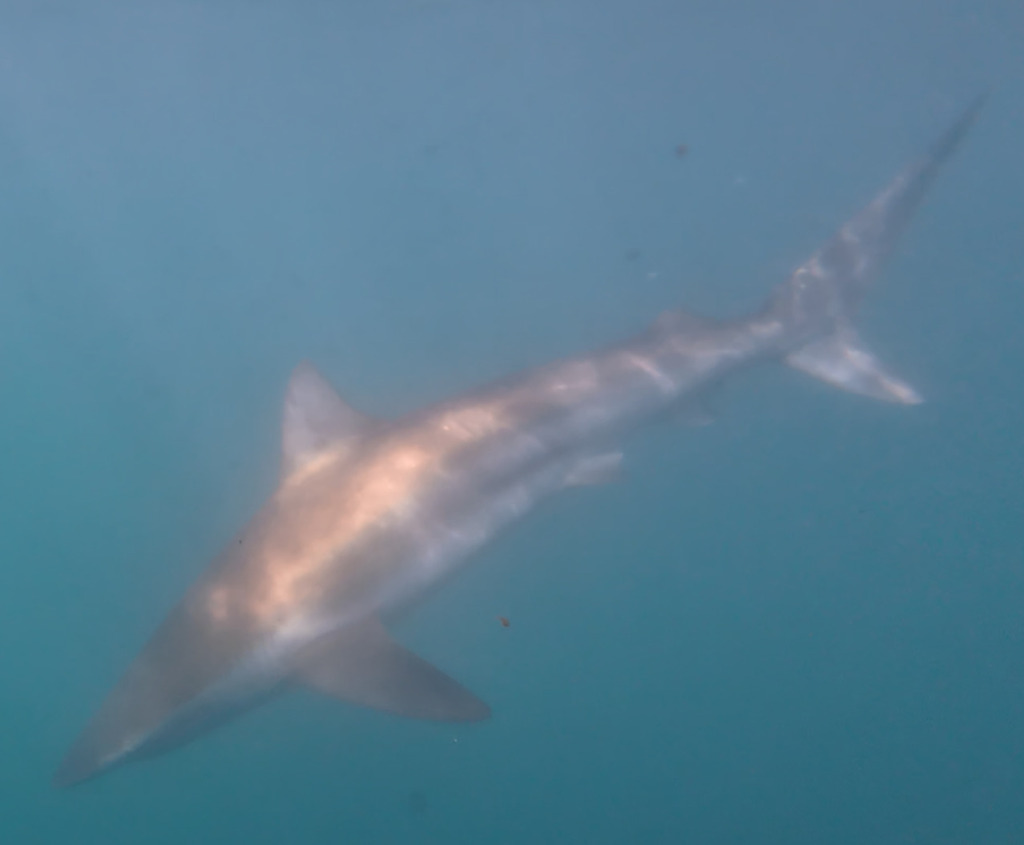 Bronze whaler (copper shark)Carcharhinus brachyurusSeen in 11 countries in the AtlasVulnerable
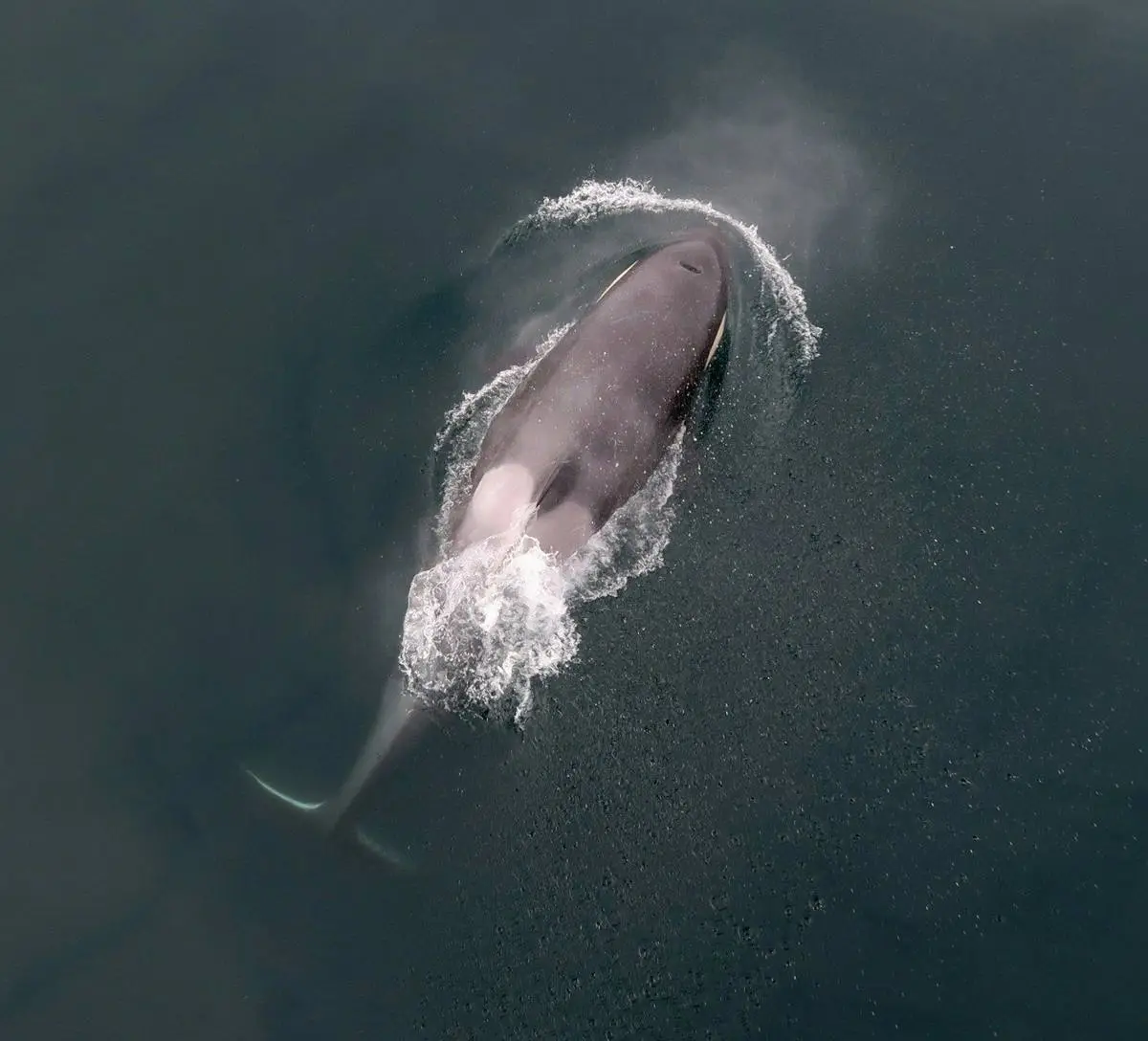 Common minke whale (North Atlantic)Balaenoptera acutorostrataSeen in 30 countries in the AtlasLeast Concern
 Great barracudaSphyraena barracudaSeen in 84 countries in the AtlasLeast Concern
 Oceanic manta ray (giant manta)Mobula birostrisSeen in 31 countries in the AtlasEndangered
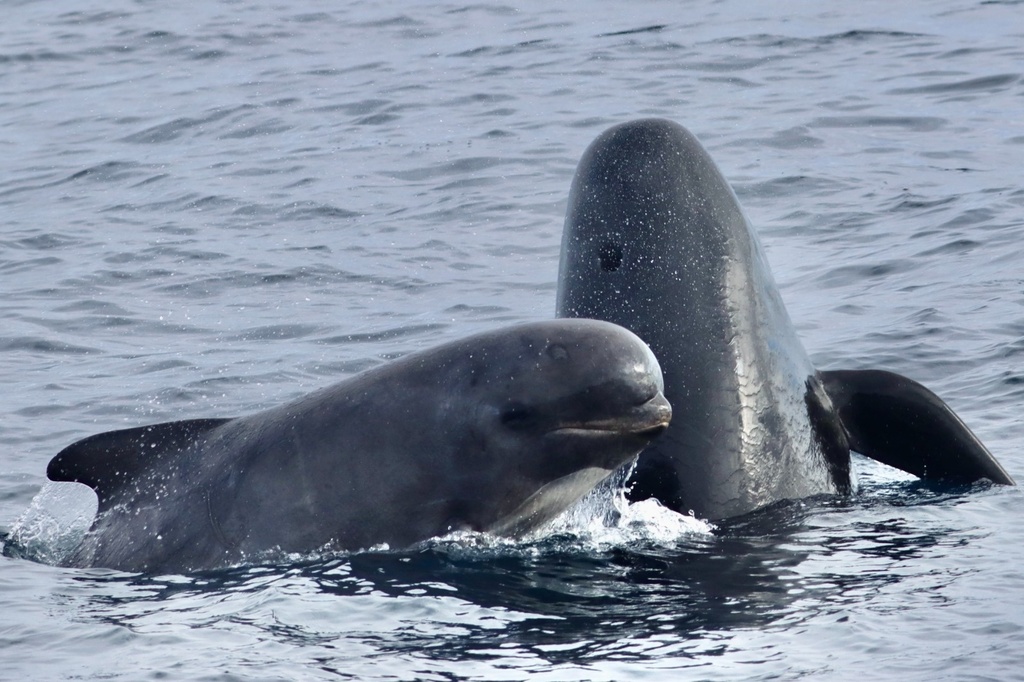 Long-finned pilot whaleGlobicephala melasSeen in 24 countries in the AtlasLeast Concern
 Great hammerheadSphyrna mokarranSeen in 20 countries in the AtlasCritically Endangered
 Magnificent frigatebirdFregata magnificensSeen in 52 countries in the AtlasLeast Concern
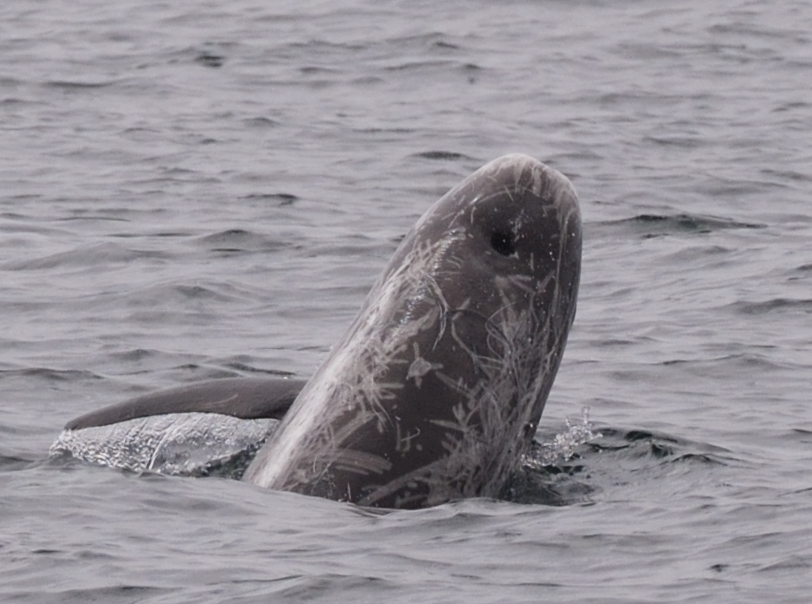 Risso's dolphinGrampus griseusSeen in 56 countries in the AtlasLeast Concern
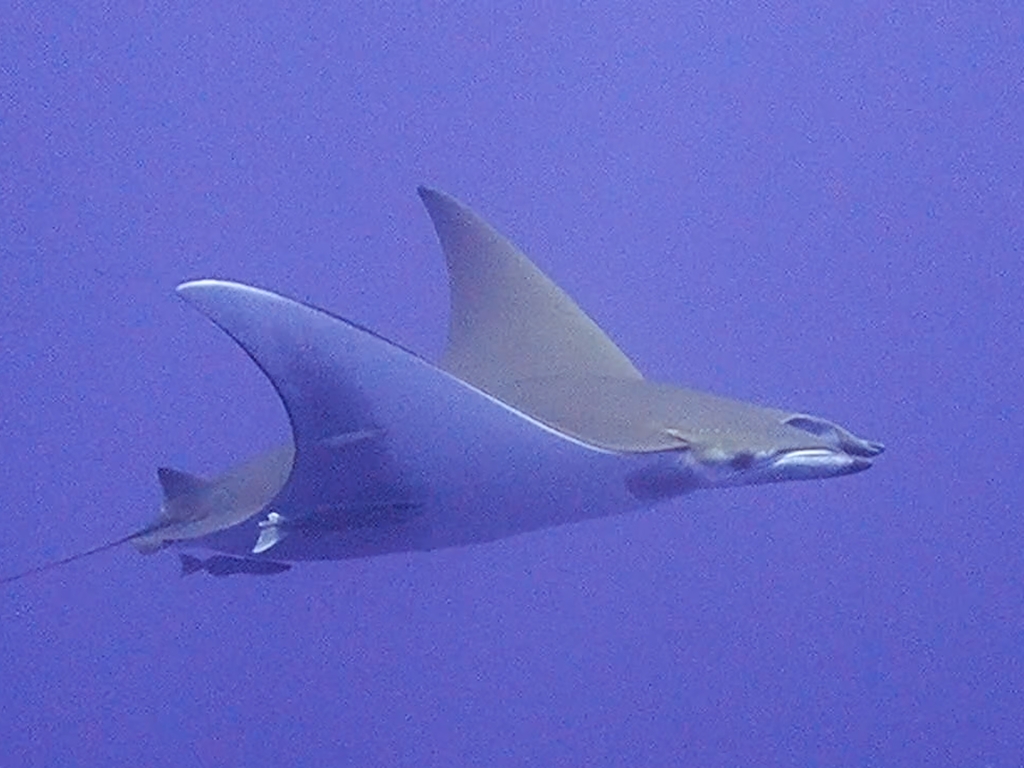 Sicklefin devil ray (Chilean devil ray)Mobula tarapacanaSeen in 9 countries in the AtlasEndangered
 Sei whaleBalaenoptera borealisSeen in 24 countries in the AtlasEndangered
 South American sea lionOtaria byroniaSeen in 6 countries in the AtlasLeast Concern
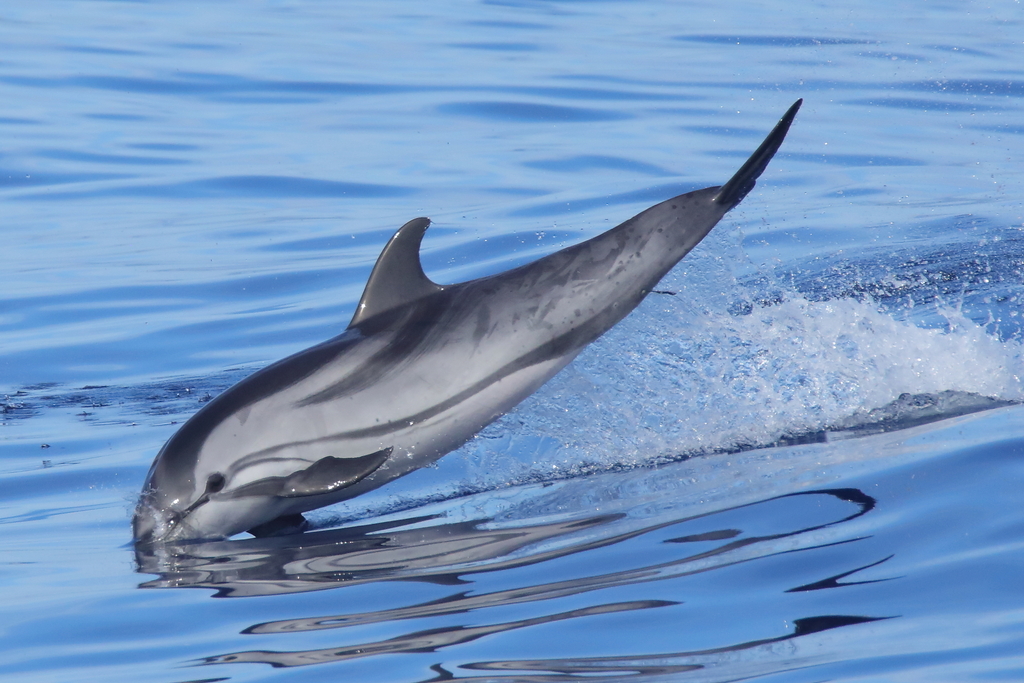 Striped dolphinStenella coeruleoalbaSeen in 43 countries in the AtlasLeast Concern
 White sharkCarcharodon carchariasSeen in 17 countries in the AtlasVulnerable
 Antarctic minke whaleBalaenoptera bonaerensisSeen in 6 countries in the AtlasNear ThreatenedDwarf minke whaleBalaenoptera acutorostrata (dwarf form)Seen in 30 countries in the AtlasLeast Concern
 Atlantic spotted dolphinStenella frontalisSeen in 22 countries in the AtlasLeast Concern
 False killer whalePseudorca crassidensSeen in 41 countries in the AtlasNear Threatened
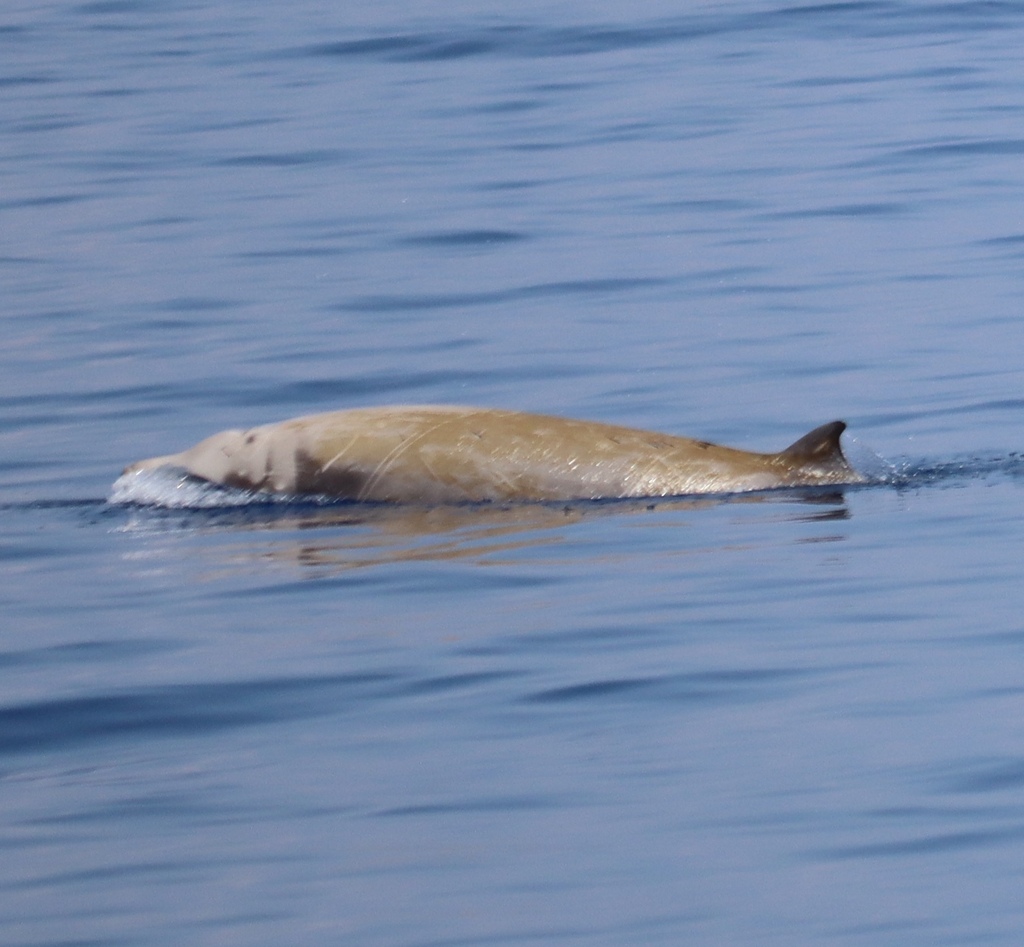 Cuvier's beaked whaleZiphius cavirostrisSeen in 42 countries in the AtlasLeast Concern
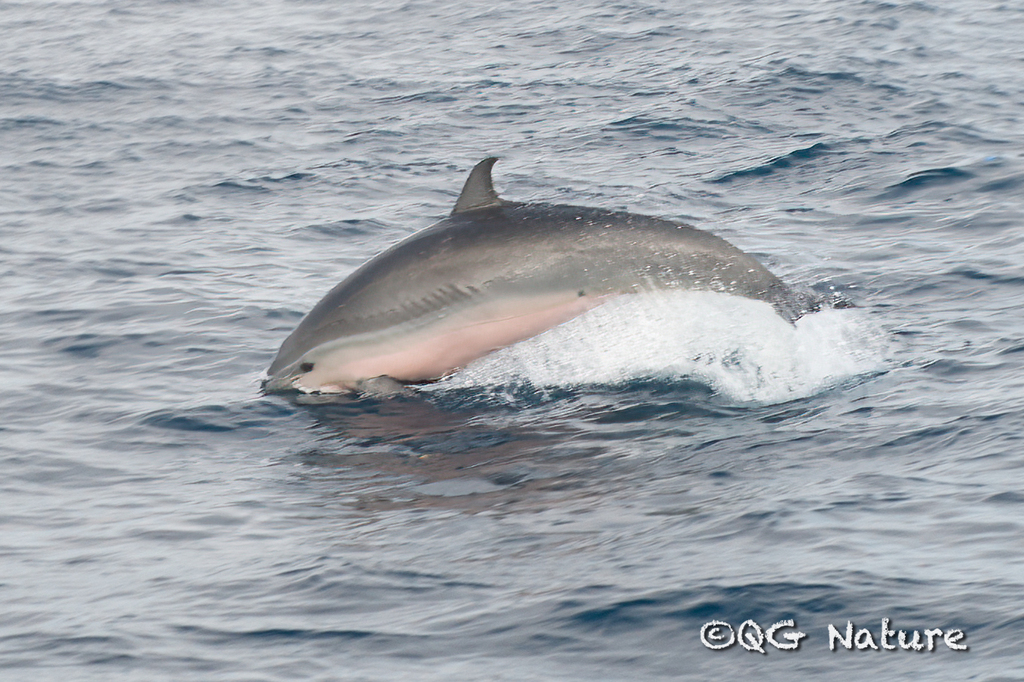 Fraser's dolphinLagenodelphis hoseiSeen in 18 countries in the AtlasLeast Concern
 Leatherback turtleDermochelys coriaceaSeen in 76 countries in the AtlasVulnerable
 Melon-headed whalePeponocephala electraSeen in 22 countries in the AtlasLeast Concern
 Pantropical spotted dolphinStenella attenuataSeen in 56 countries in the AtlasLeast Concern
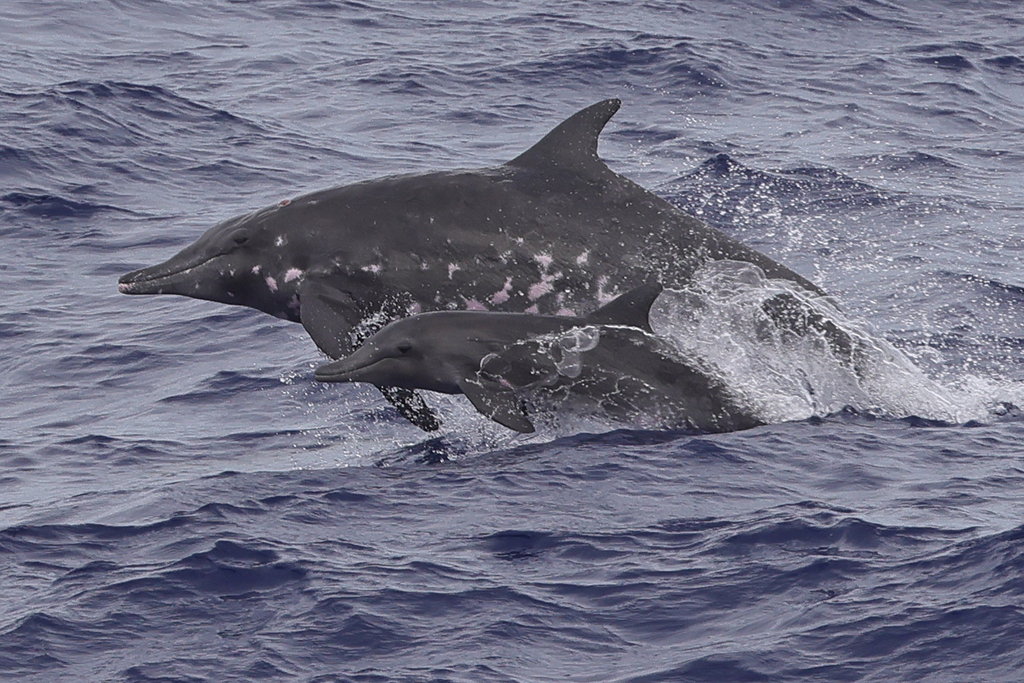 Rough-toothed dolphinSteno bredanensisSeen in 36 countries in the AtlasLeast Concern
 Oceanic whitetip sharkCarcharhinus longimanusSeen in 43 countries in the AtlasCritically Endangered
 Olive ridley turtleLepidochelys olivaceaSeen in 40 countries in the AtlasVulnerable
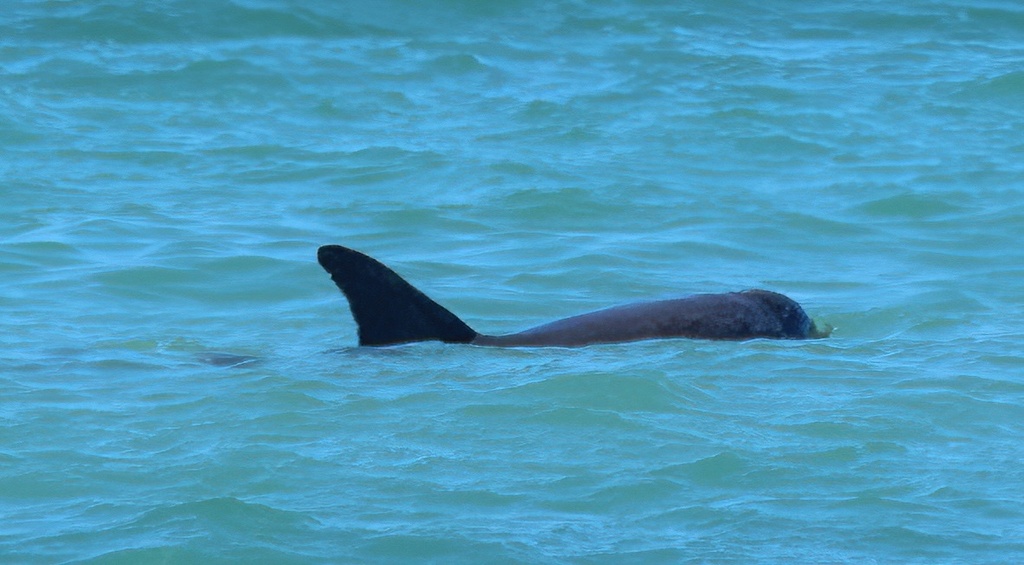 Pygmy killer whaleFeresa attenuataSeen in 11 countries in the AtlasLeast Concern
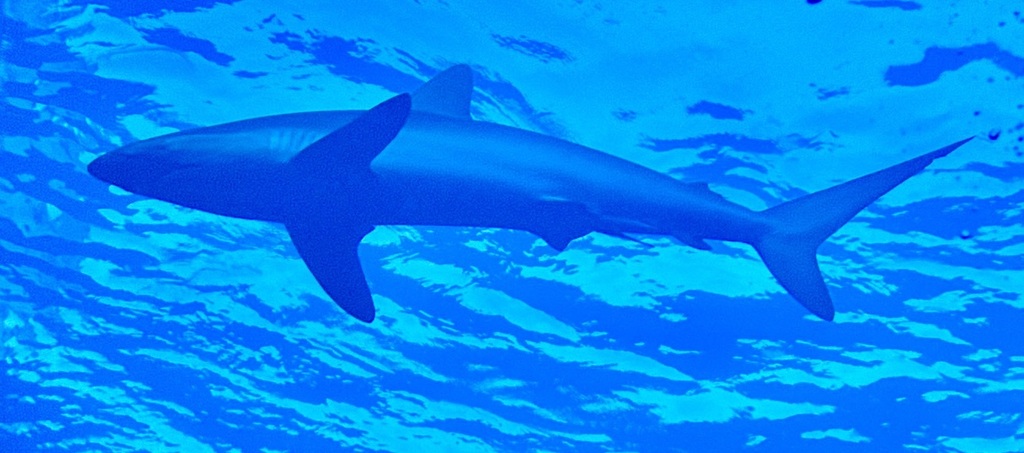 Silky sharkCarcharhinus falciformisSeen in 48 countries in the AtlasVulnerable
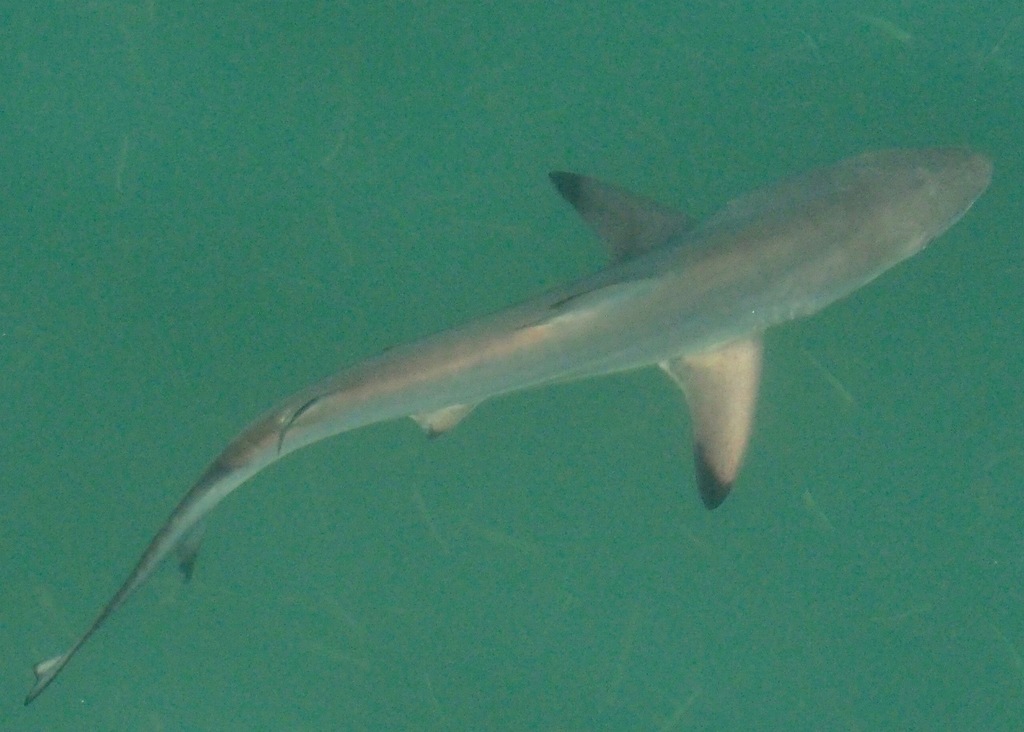 Blacktip sharkCarcharhinus limbatusSeen in 49 countries in the AtlasVulnerable
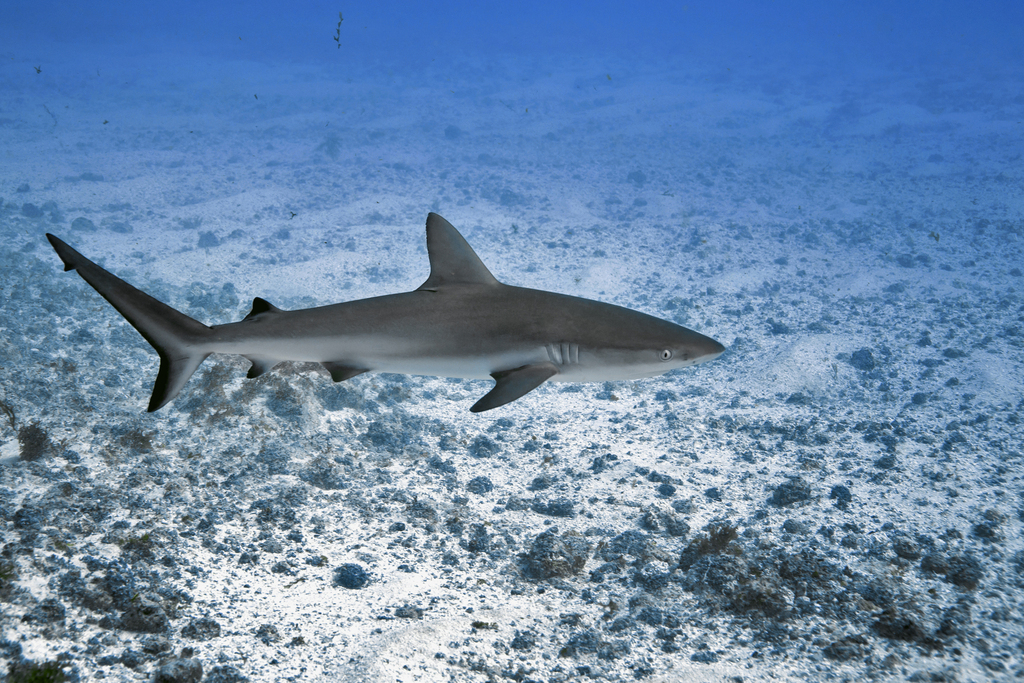 Galápagos sharkCarcharhinus galapagensisSeen in 15 countries in the AtlasLeast Concern
 Dwarf sperm whaleKogia simaSeen in 22 countries in the AtlasLeast Concern
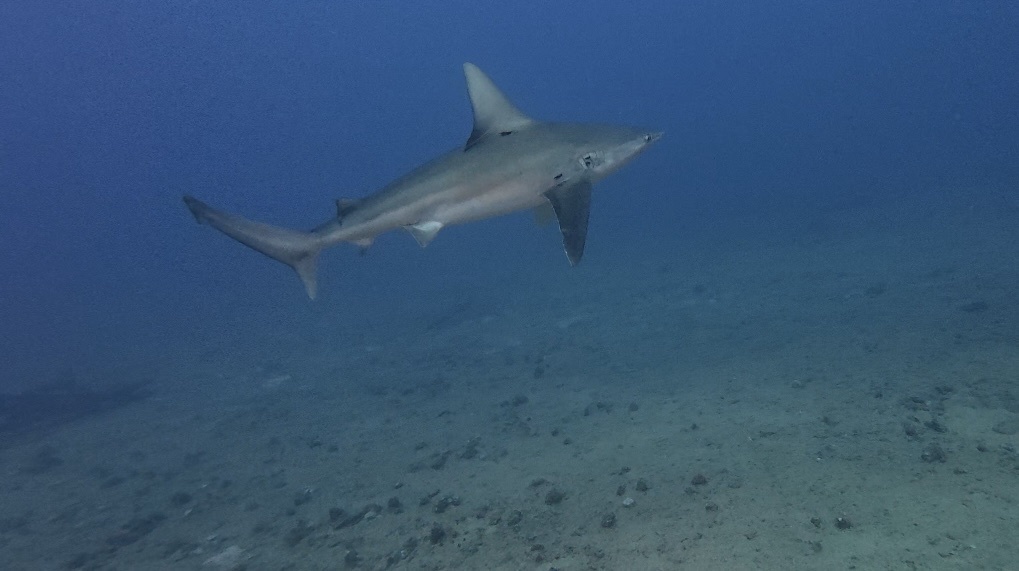 Sandbar sharkCarcharhinus plumbeusSeen in 19 countries in the AtlasEndangered
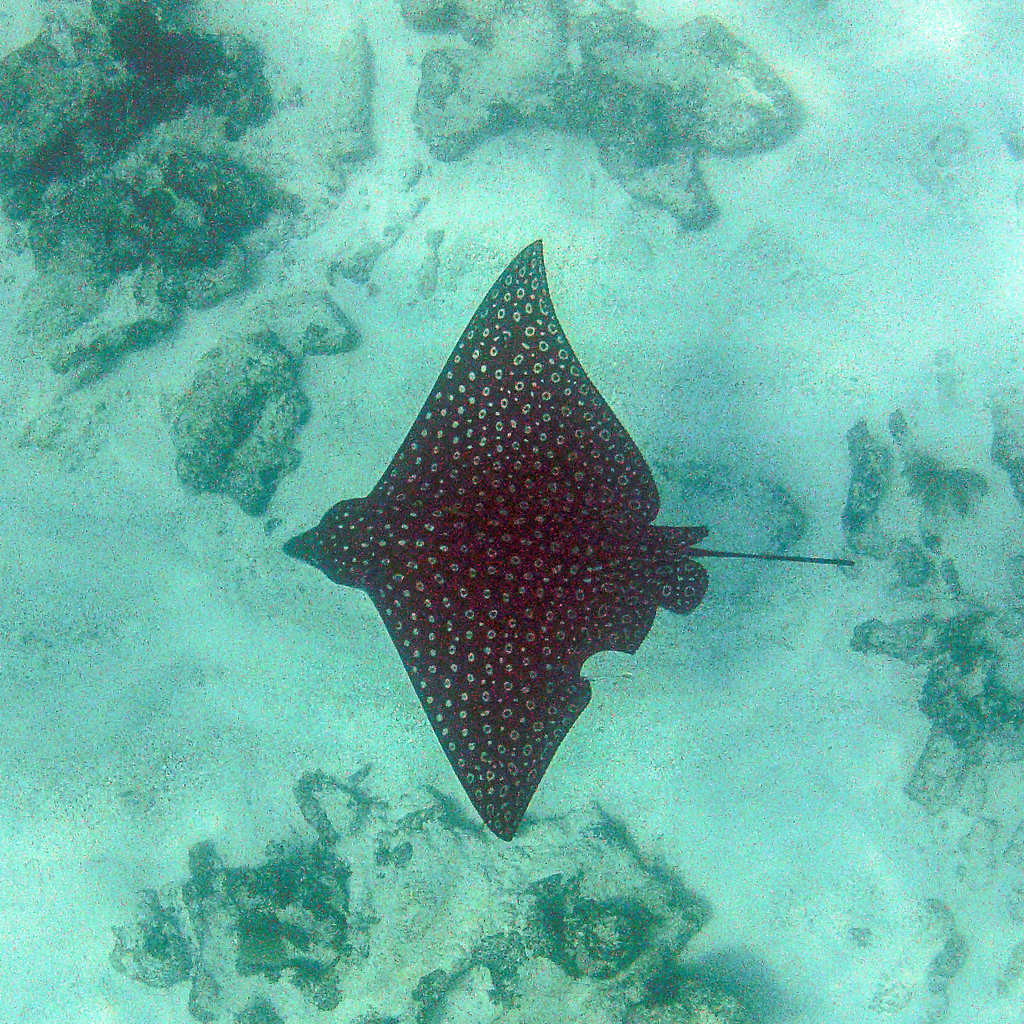 Whitespotted eagle rayAetobatus narinariSeen in 58 countries in the AtlasEndangered
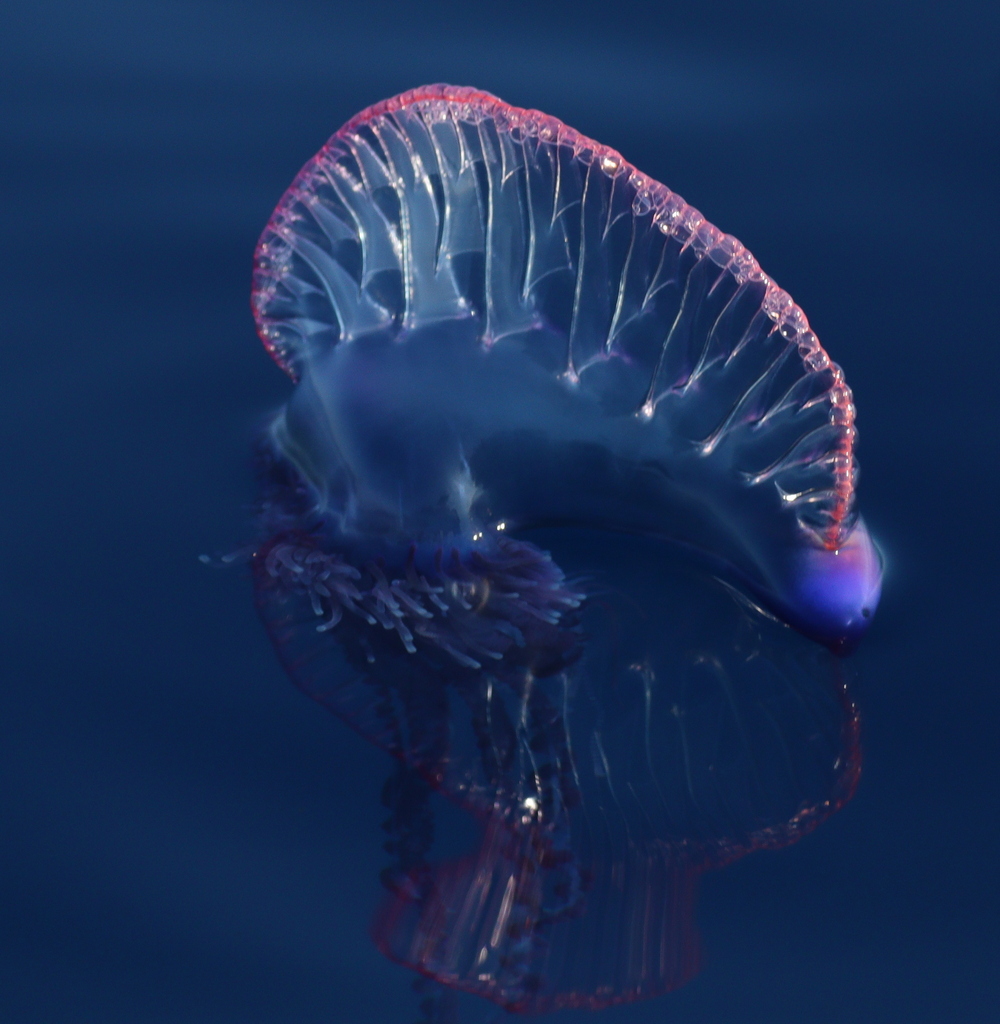 Portuguese man o' warPhysalia physalisSeen in 36 countries in the AtlasNot Evaluated
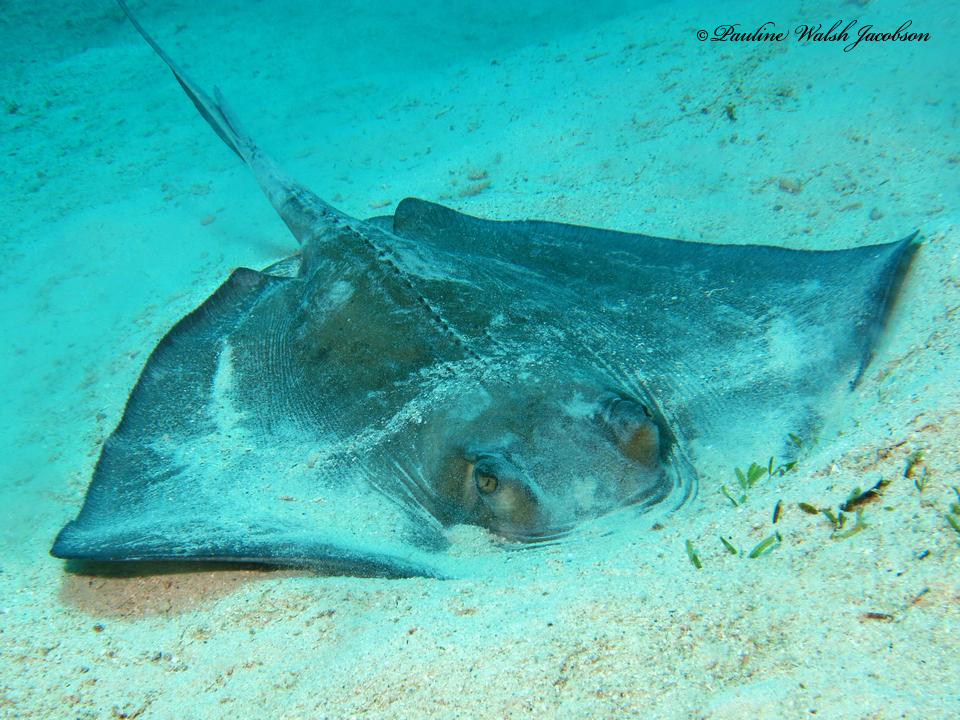 Southern stingrayHypanus americanusSeen in 33 countries in the AtlasNear Threatened
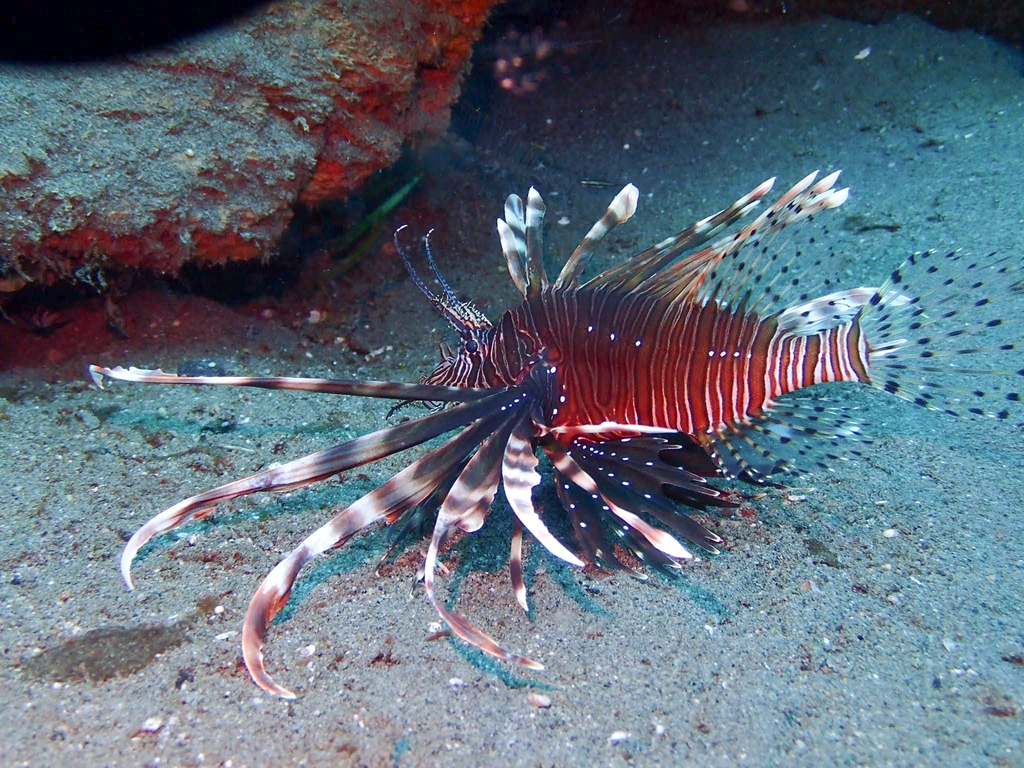 Lionfish (red and common lionfish)Pterois volitans and Pterois milesSeen in 80 countries in the AtlasLeast Concern
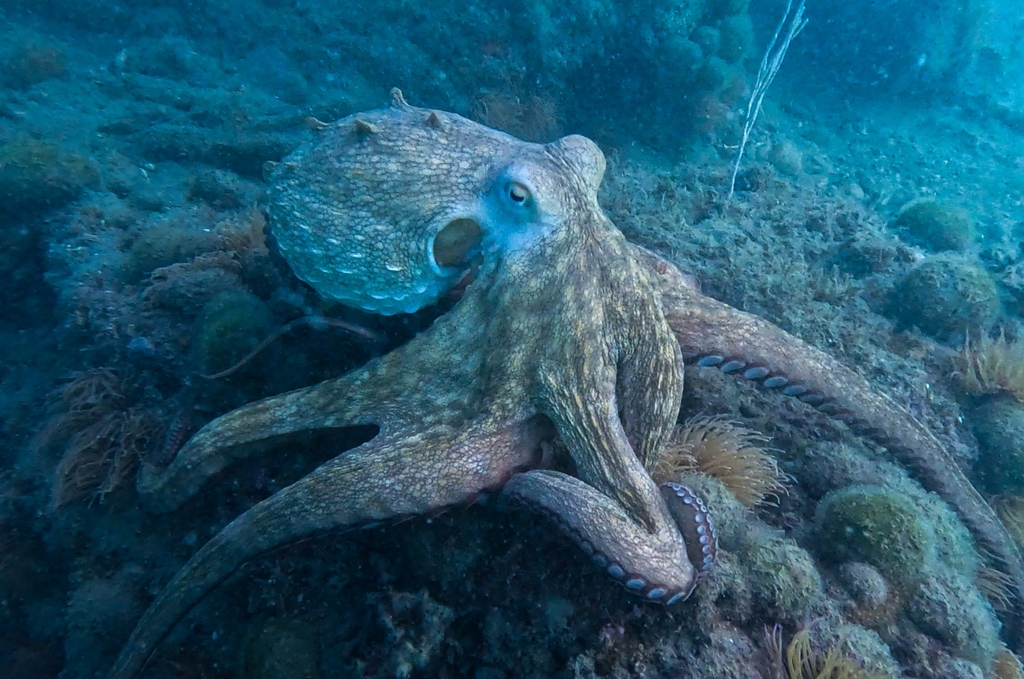 Common octopusOctopus vulgarisSeen in 32 countries in the AtlasLeast Concern
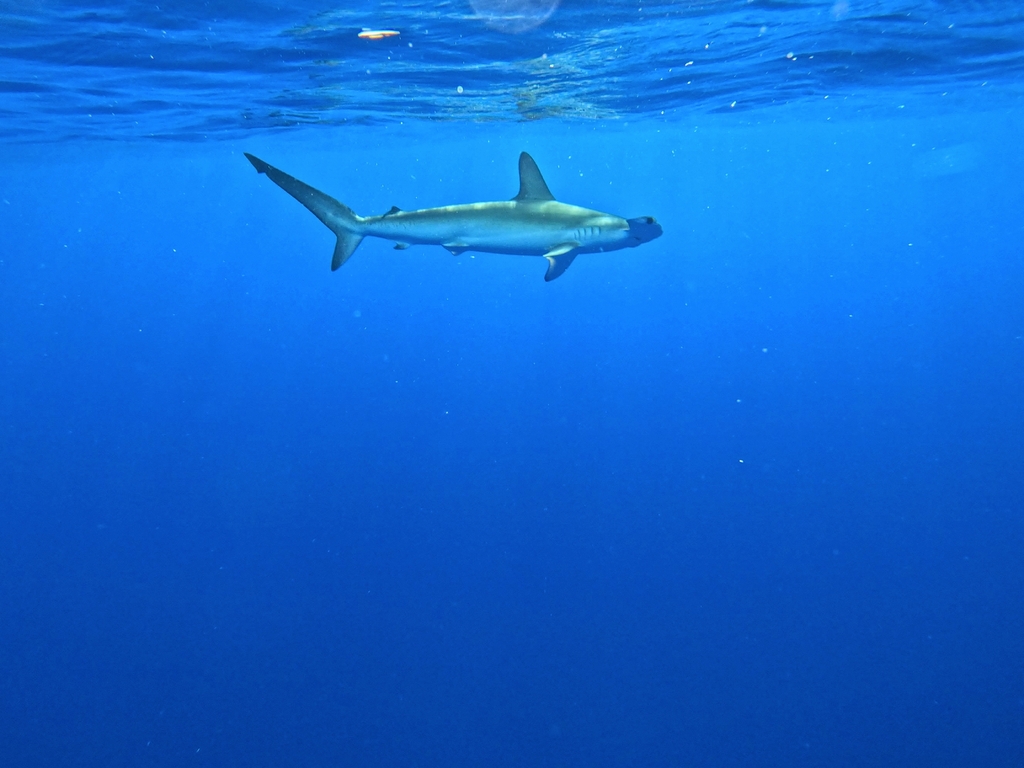 Smooth hammerheadSphyrna zygaenaSeen in 26 countries in the AtlasVulnerable
 Shortfin makoIsurus oxyrinchusSeen in 40 countries in the AtlasEndangered
 Blue sharkPrionace glaucaSeen in 50 countries in the AtlasNear Threatened
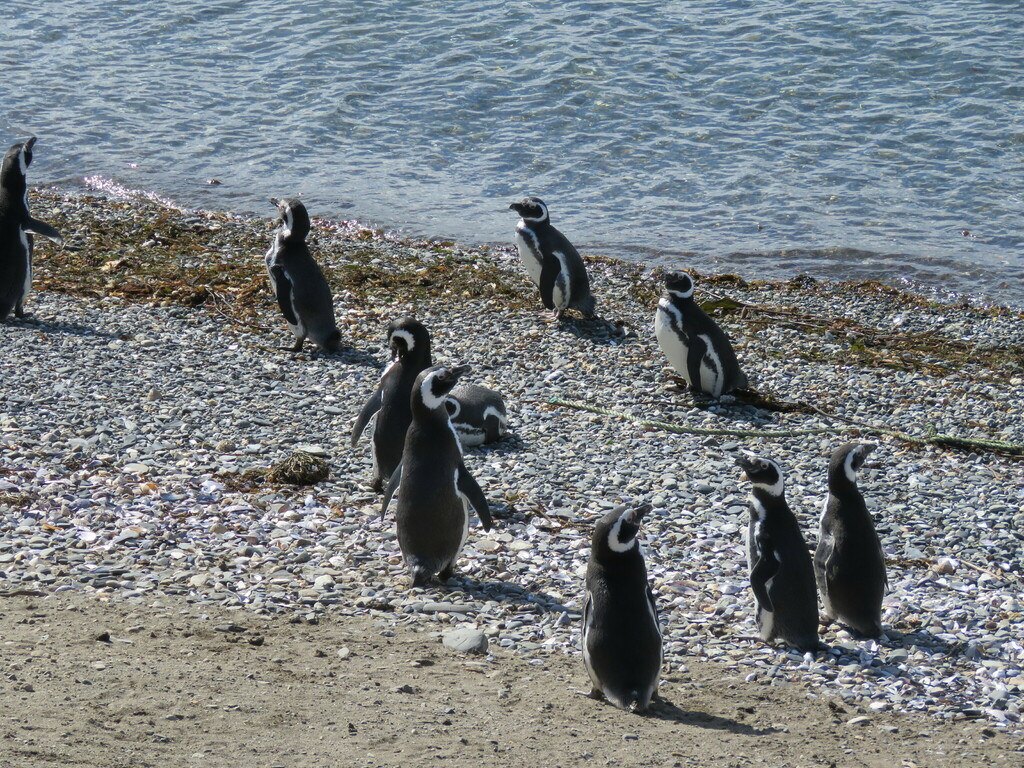 Magellanic penguinSpheniscus magellanicusSeen in 6 countries in the AtlasLeast Concern
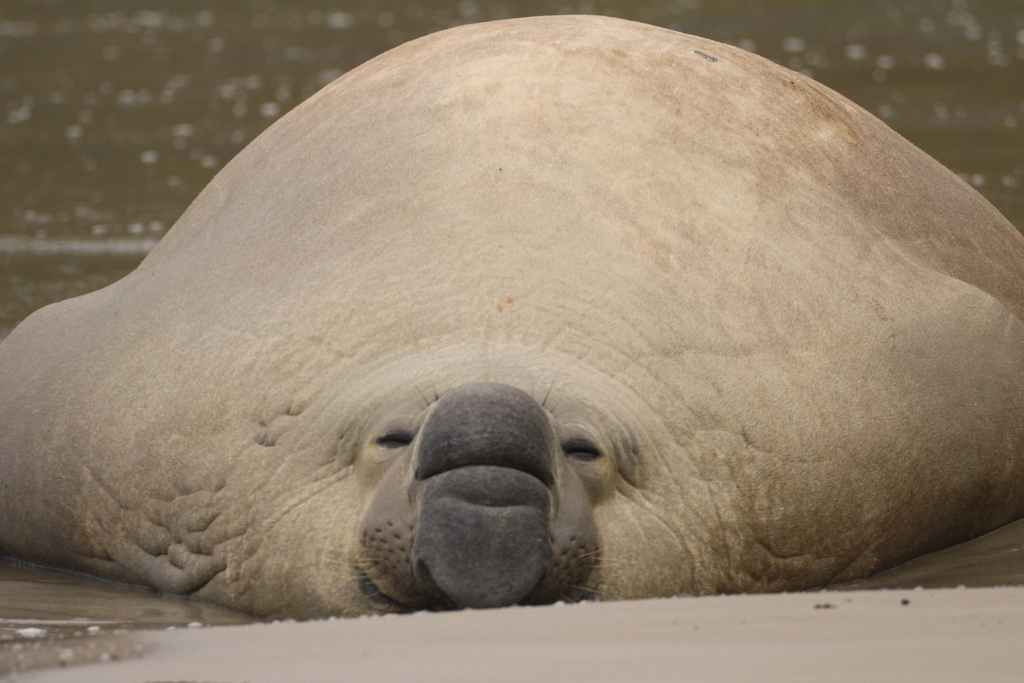 Southern elephant sealMirounga leoninaSeen in 11 countries in the AtlasVulnerable
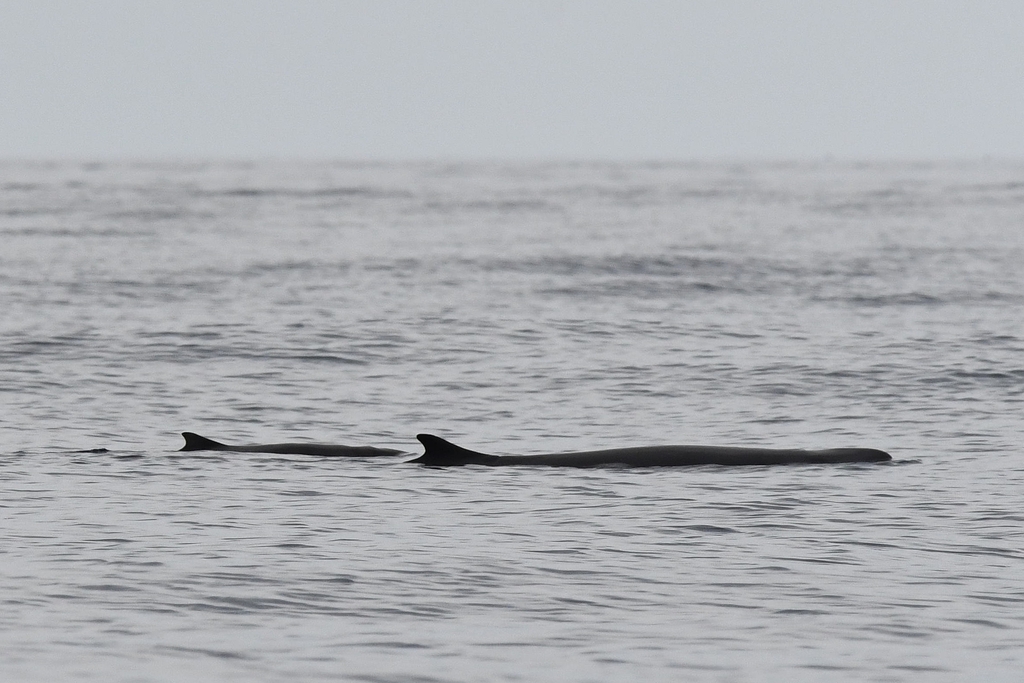 Pygmy sperm whaleKogia brevicepsSeen in 23 countries in the AtlasLeast Concern
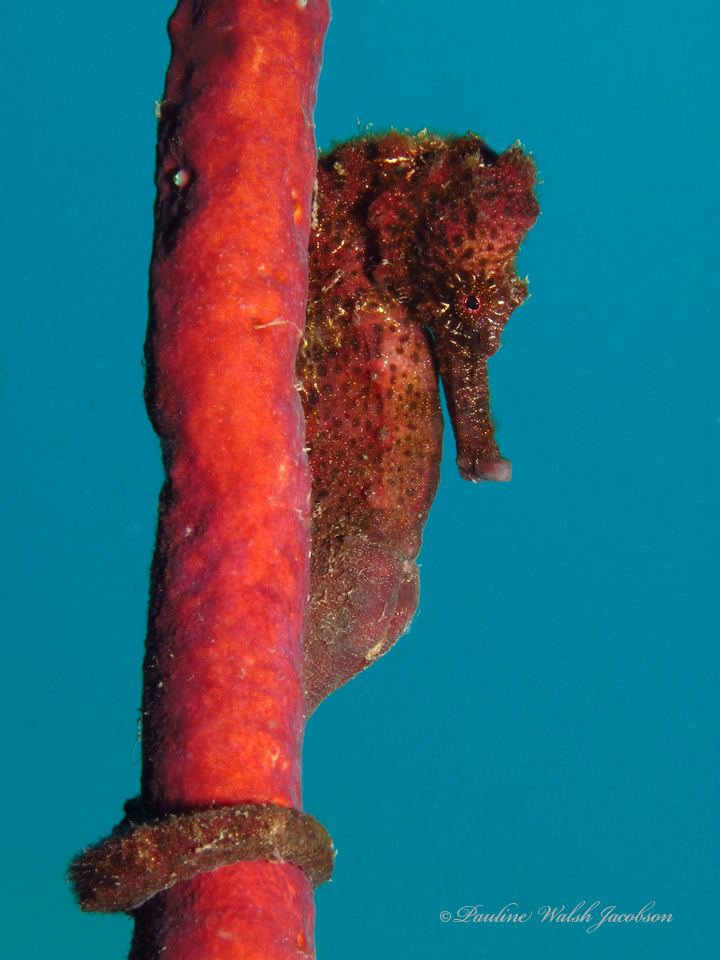 Longsnout seahorseHippocampus reidiSeen in 25 countries in the AtlasNear Threatened
 Sawfish (largetooth and smalltooth)Pristis pristis and Pristis pectinataSeen in 7 countries in the AtlasCritically Endangered
 Long-snouted seahorseHippocampus guttulatusSeen in 21 countries in the AtlasNear Threatened
 Spiny dogfishSqualus acanthiasSeen in 47 countries in the AtlasVulnerable
 South American fur sealArctocephalus australisSeen in 8 countries in the AtlasLeast Concern
 Masked boobySula dactylatraSeen in 80 countries in the AtlasLeast Concern
 Black noddyAnous minutusSeen in 37 countries in the AtlasLeast Concern
 Dusky grouperEpinephelus marginatusSeen in 40 countries in the AtlasVulnerableFranciscana dolphinPontoporia blainvilleiSeen in 3 countries in the AtlasVulnerable
 Goliath grouperEpinephelus itajaraSeen in 25 countries in the AtlasVulnerable
 Clymene dolphinStenella clymeneSeen in 5 countries in the AtlasLeast Concern
 Brown boobySula leucogasterSeen in 104 countries in the AtlasLeast Concern
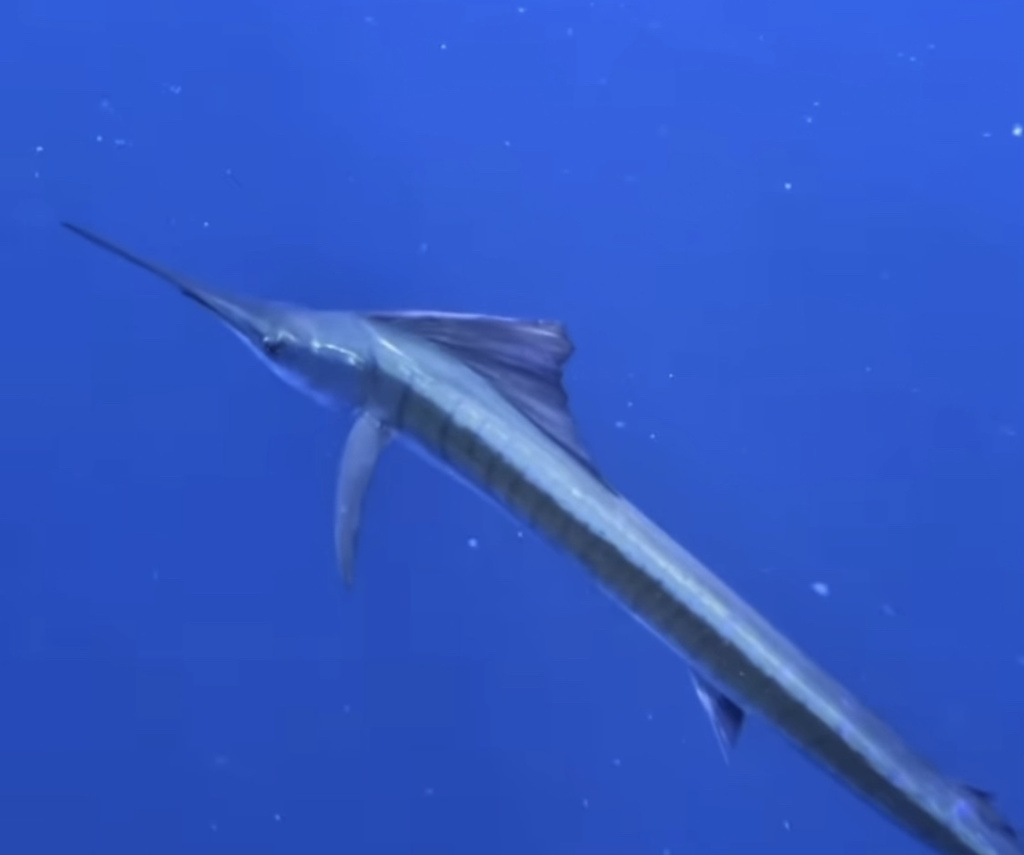 SailfishIstiophorus platypterusSeen in 31 countries in the AtlasVulnerable
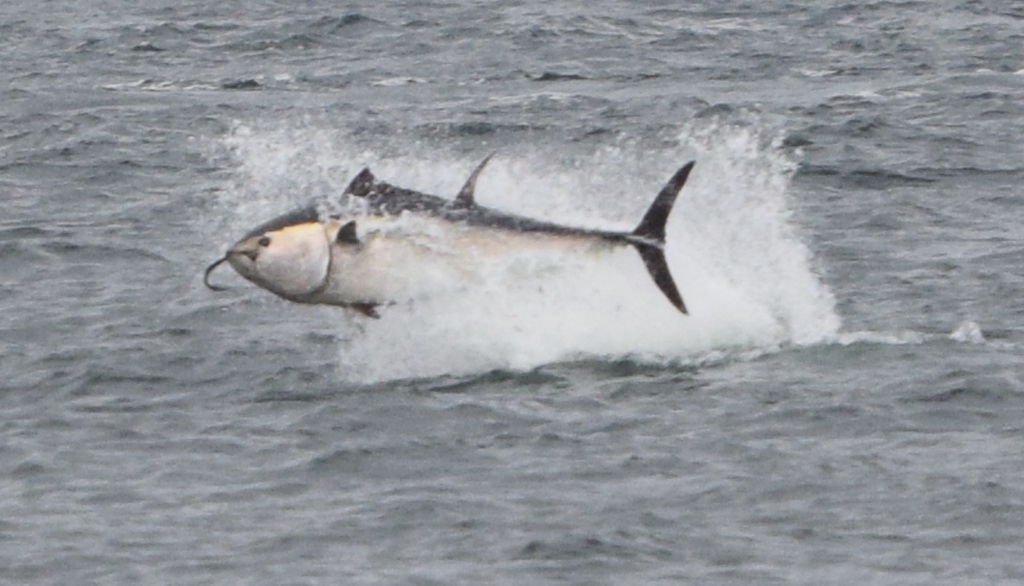 Atlantic bluefin tunaThunnus thynnusSeen in 39 countries in the AtlasLeast Concern
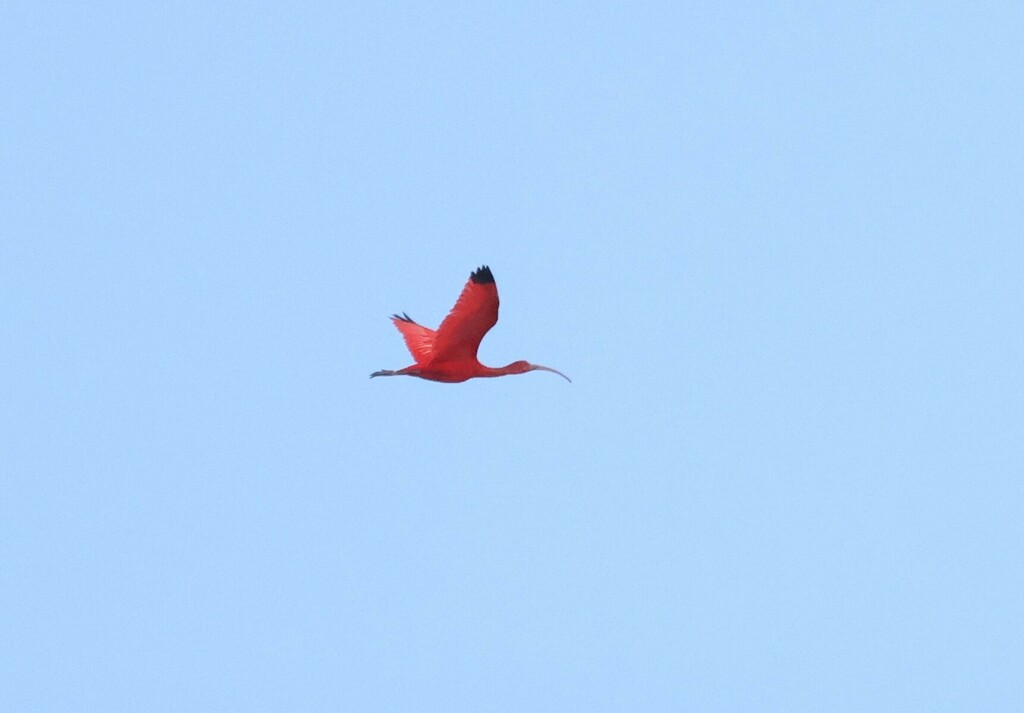 Scarlet ibisEudocimus ruberSeen in 22 countries in the AtlasLives on landLeast Concern
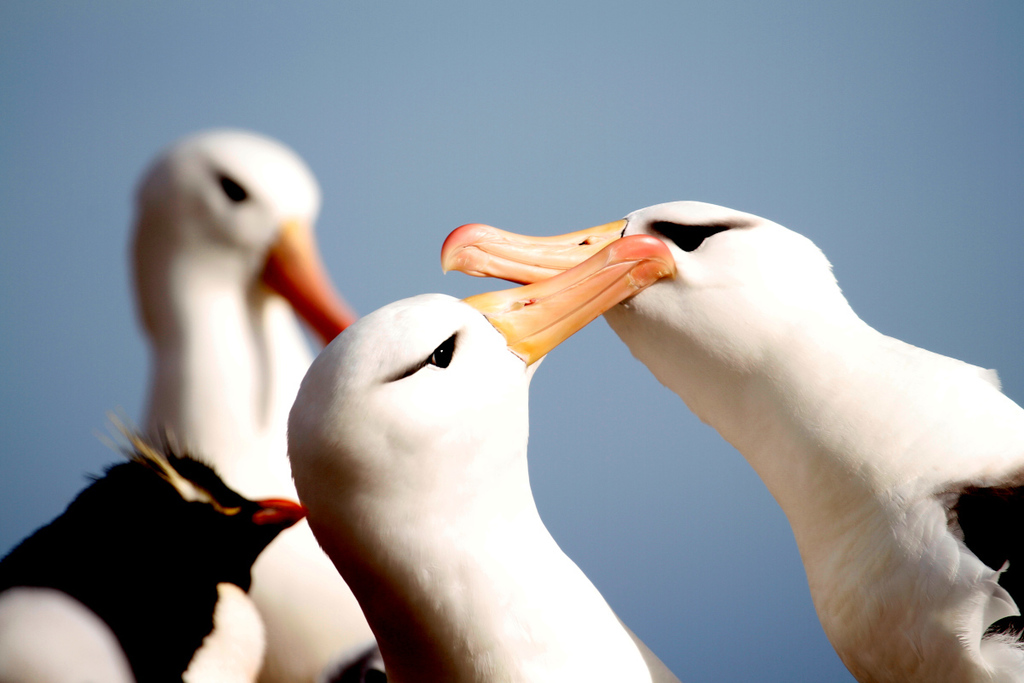 Black-browed albatrossThalassarche melanophrisSeen in 21 countries in the AtlasLeast Concern
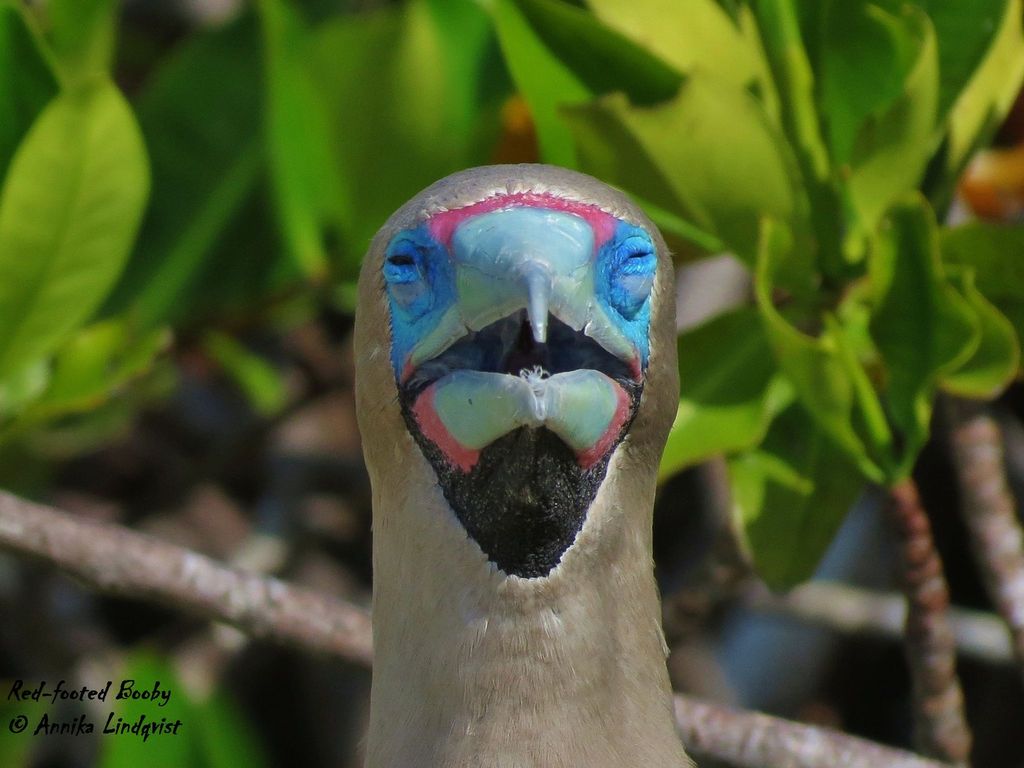 Red-footed boobySula sulaSeen in 91 countries in the AtlasLeast Concern
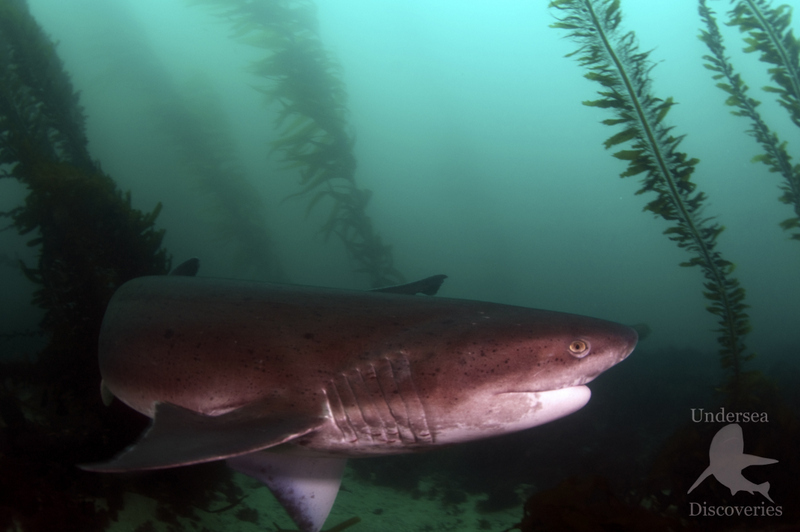 Broadnose sevengill sharkNotorynchus cepedianusSeen in 8 countries in the AtlasVulnerable
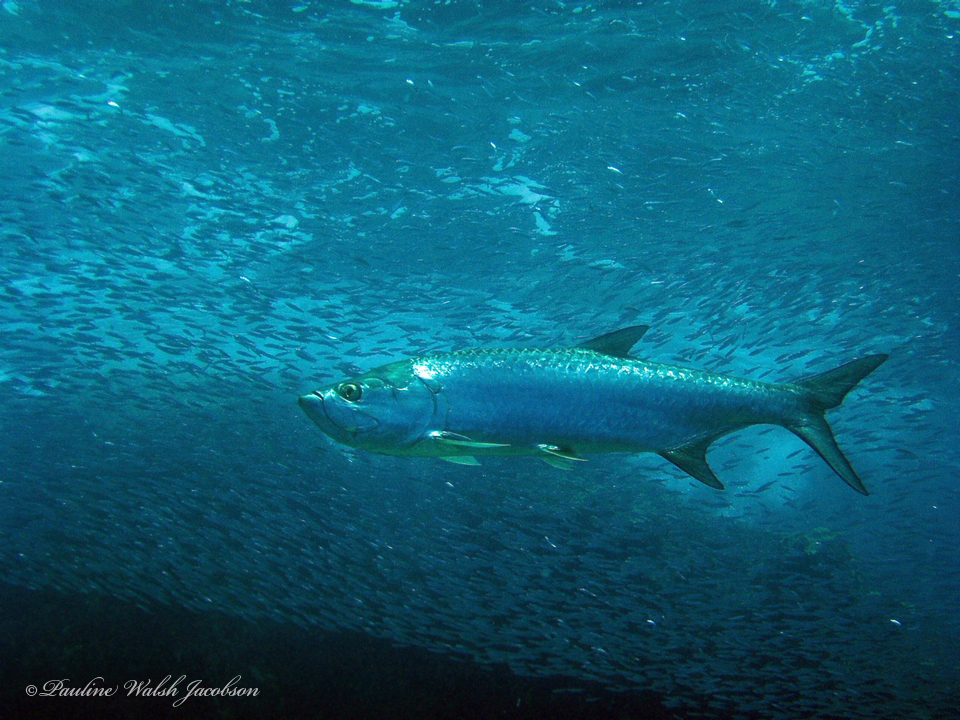 Atlantic tarponMegalops atlanticusSeen in 24 countries in the AtlasVulnerable
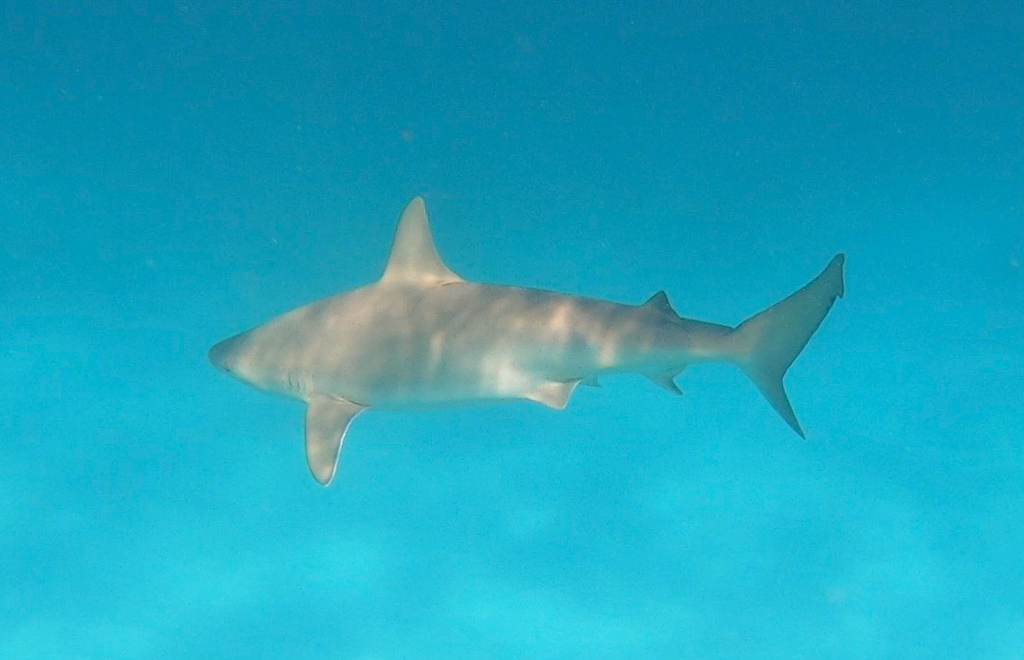 Blacknose sharkCarcharhinus acronotusSeen in 6 countries in the AtlasEndangered
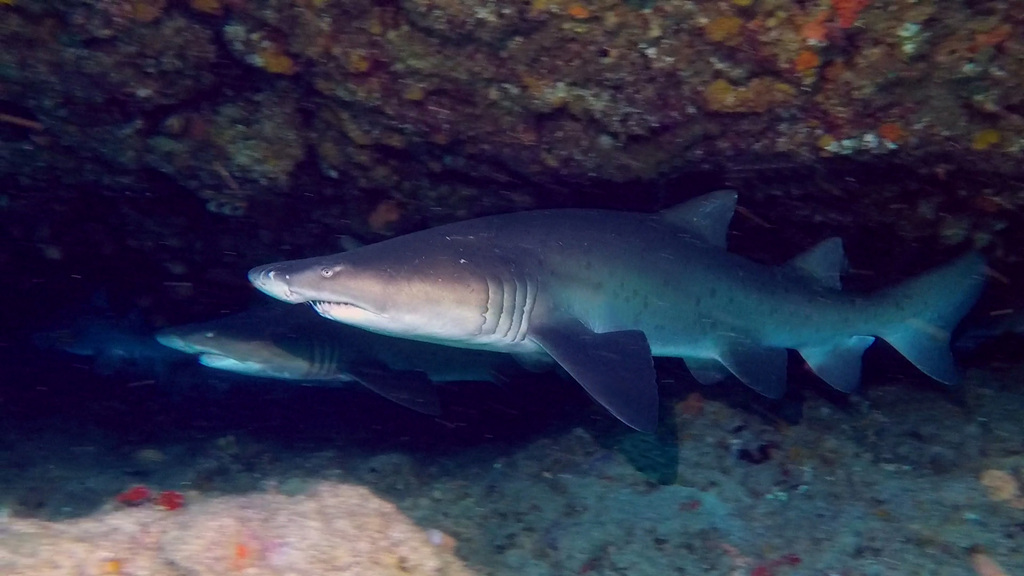 Ragged-tooth shark (sand tiger)Carcharias taurusSeen in 17 countries in the AtlasCritically Endangered
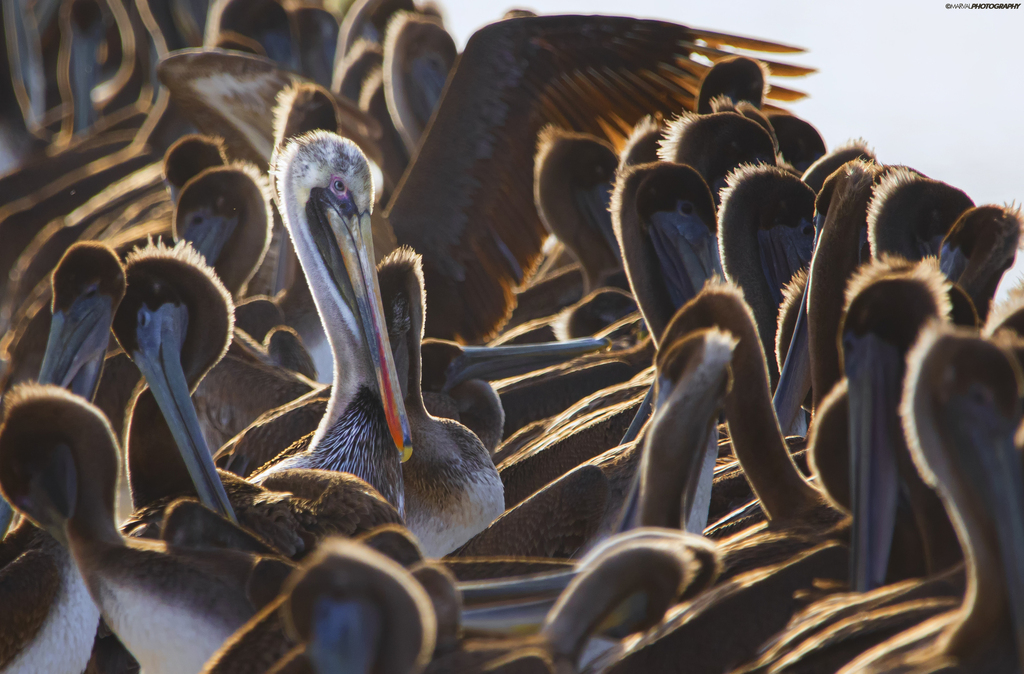 Brown pelicanPelecanus occidentalisSeen in 48 countries in the AtlasLeast Concern
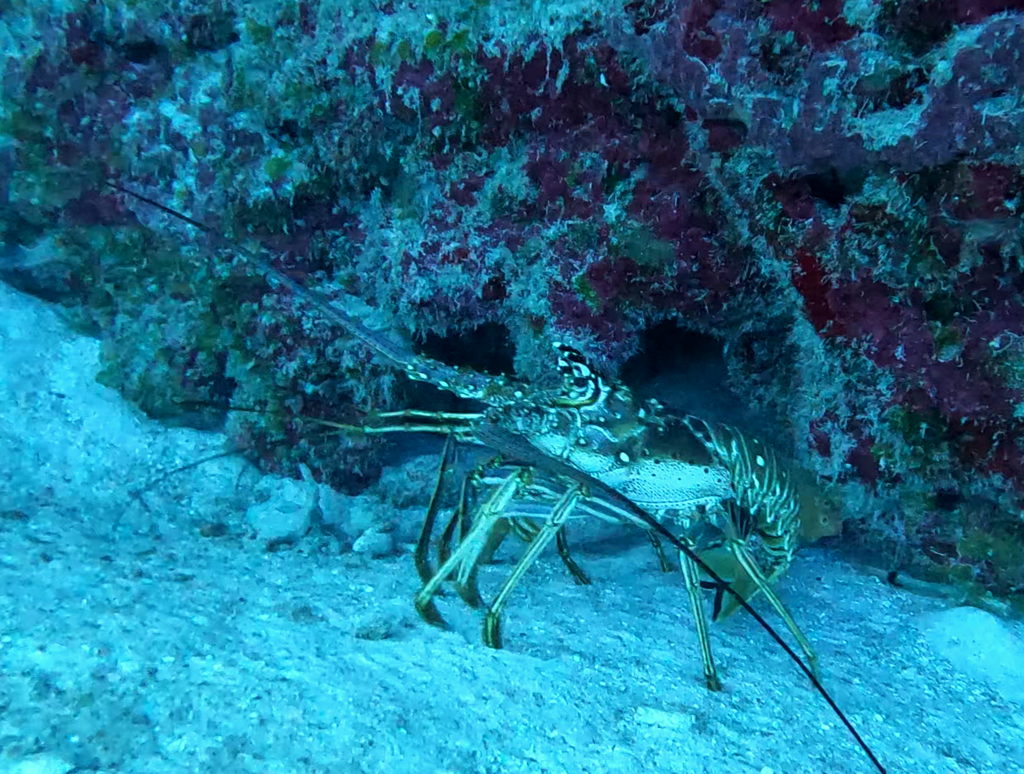 Caribbean spiny lobsterPanulirus argusSeen in 30 countries in the AtlasData Deficient
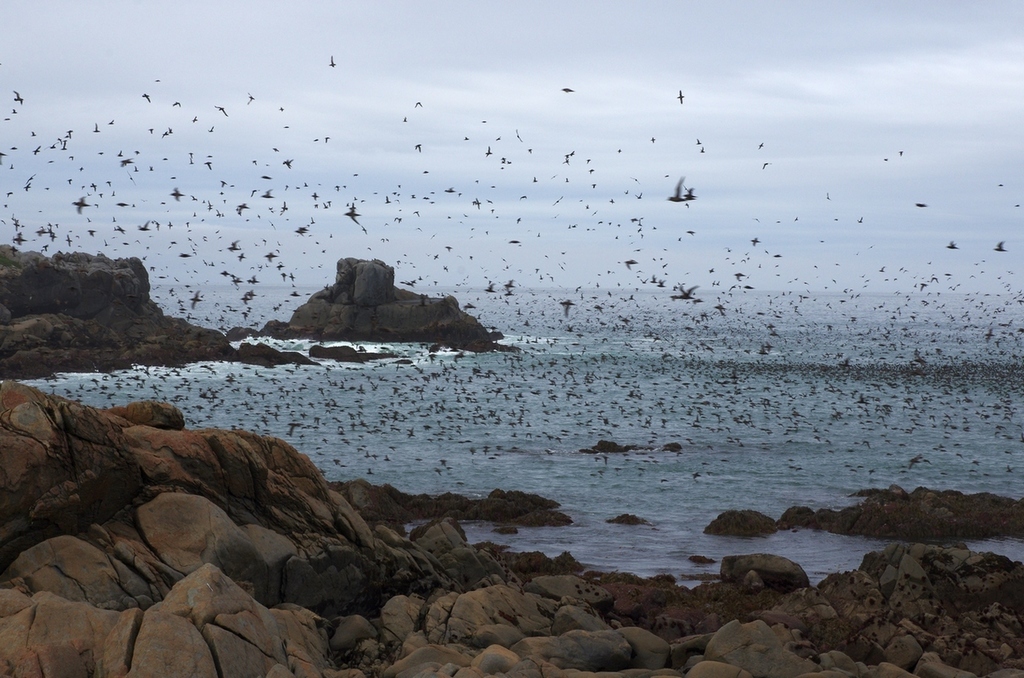 Sooty shearwaterArdenna griseaSeen in 53 countries in the AtlasNear Threatened
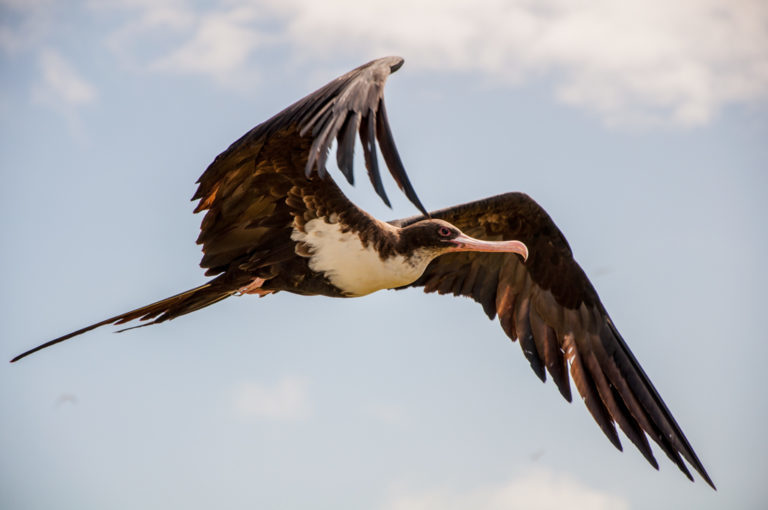 Great frigatebirdFregata minorSeen in 44 countries in the AtlasLeast Concern
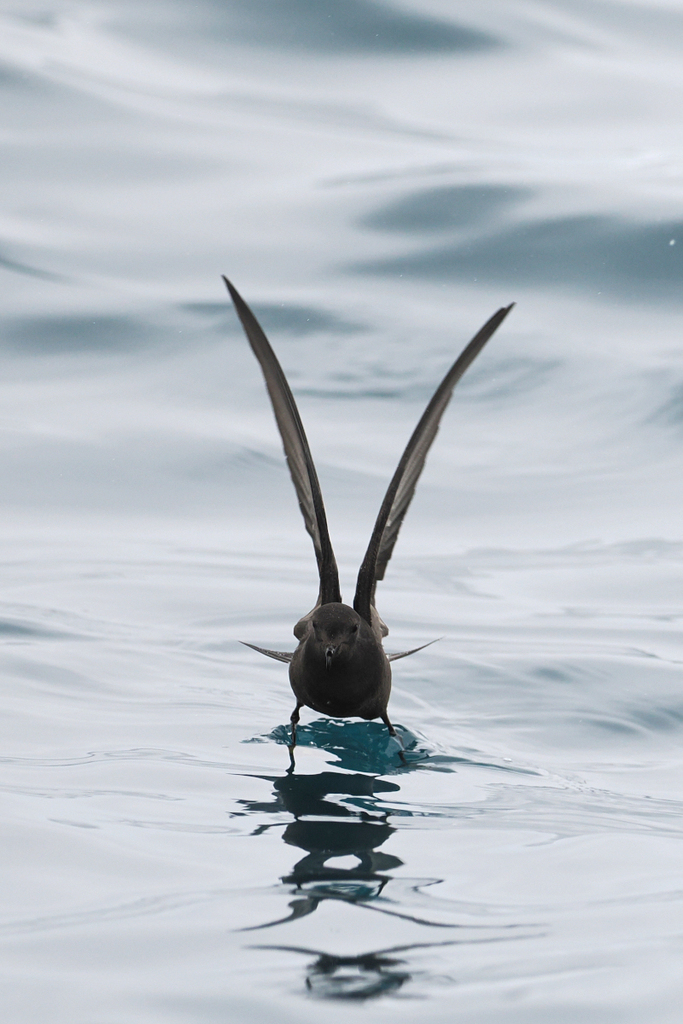 Wilson's storm-petrelOceanites oceanicusSeen in 41 countries in the AtlasLeast Concern
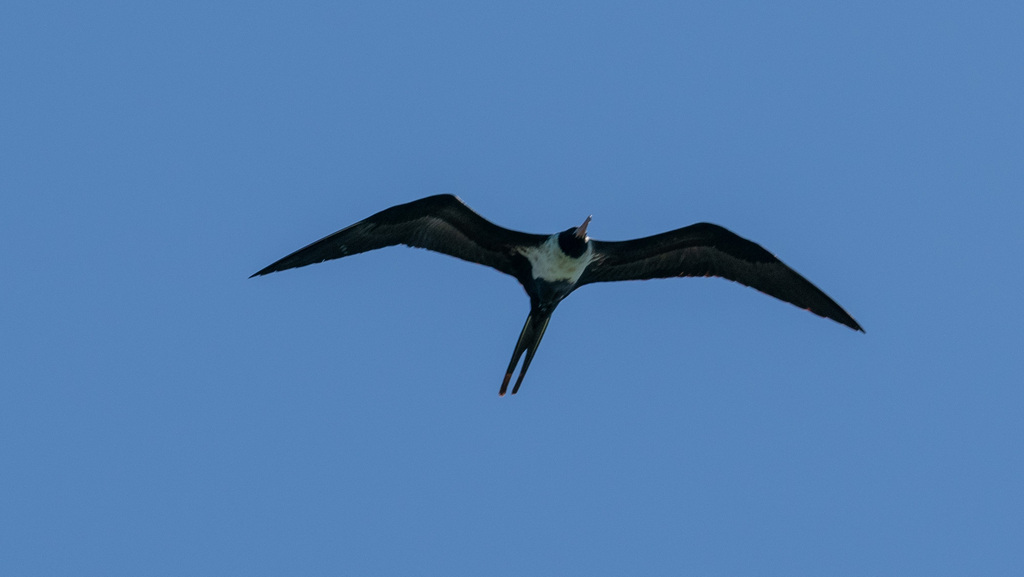 Lesser frigatebirdFregata arielSeen in 39 countries in the AtlasLeast Concern
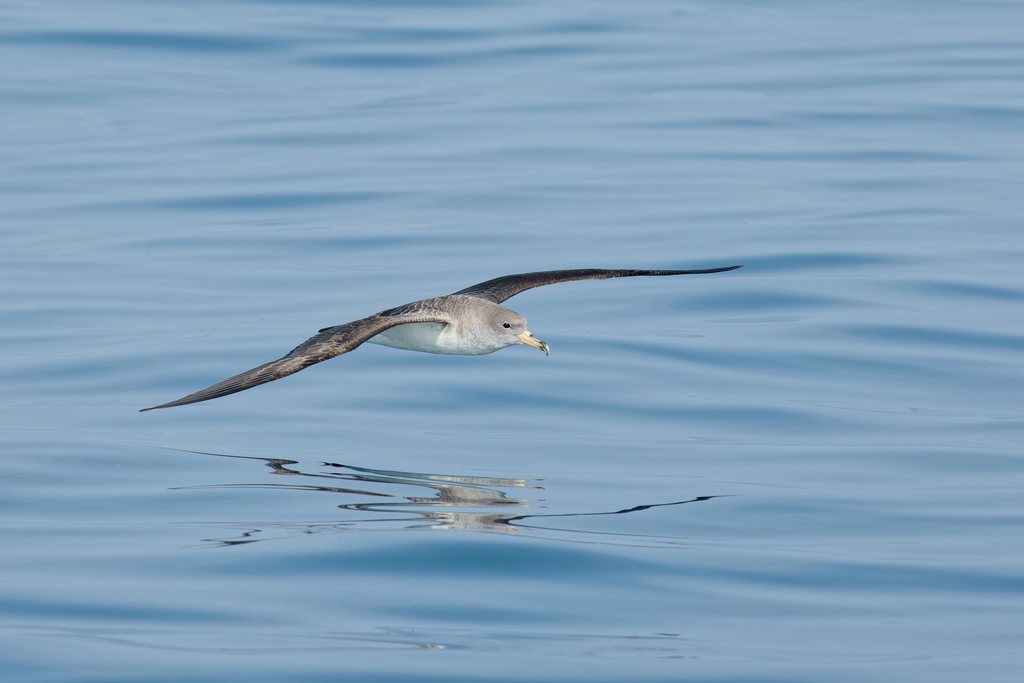 Scopoli's shearwaterCalonectris diomedeaSeen in 37 countries in the AtlasLeast Concern
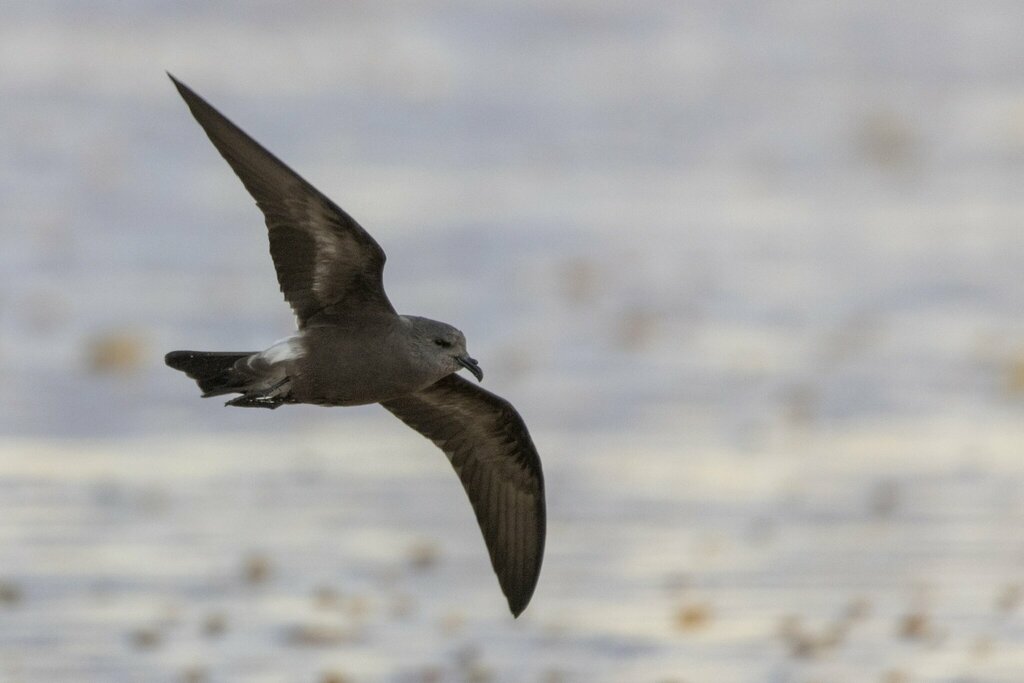 Leach's storm-petrelHydrobates leucorhousSeen in 35 countries in the AtlasVulnerable
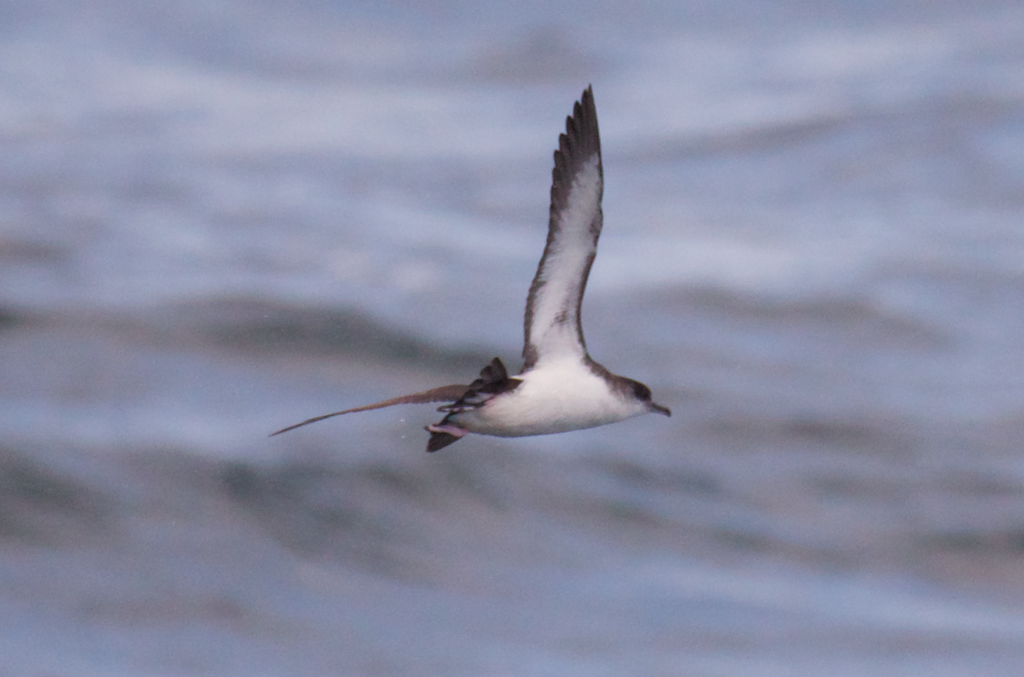 Manx shearwaterPuffinus puffinusSeen in 34 countries in the AtlasLeast Concern
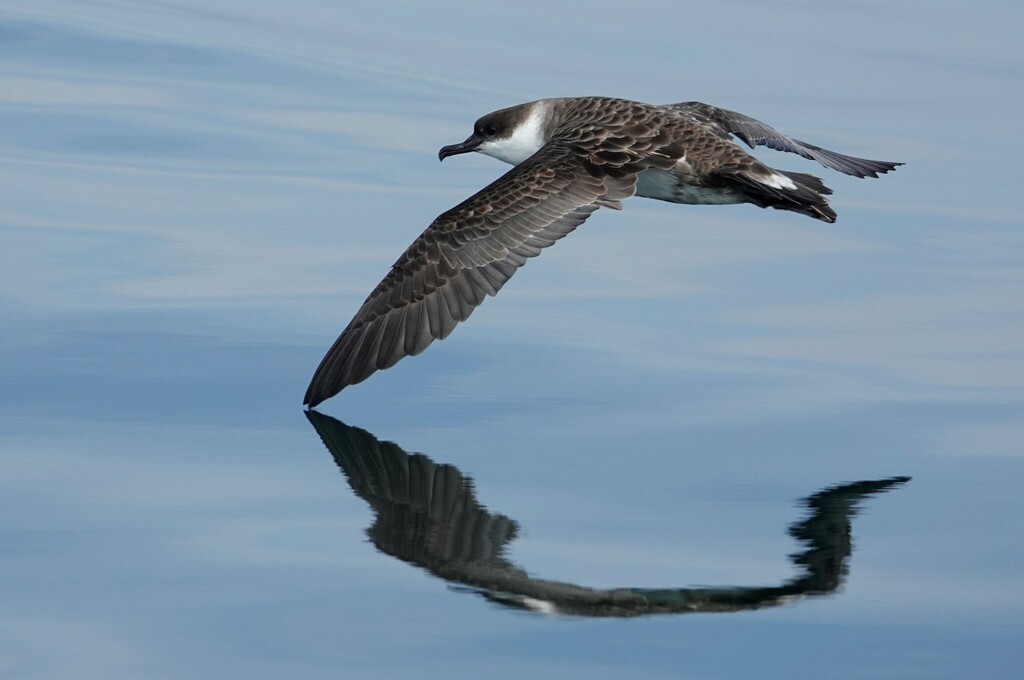 Great shearwaterArdenna gravisSeen in 32 countries in the AtlasLeast Concern
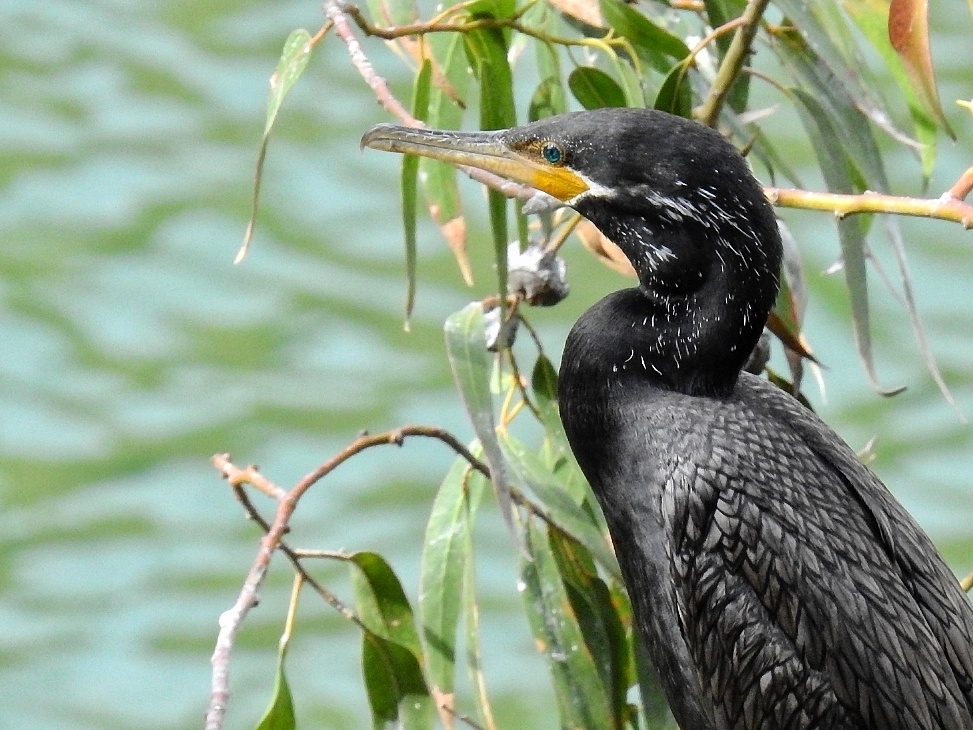 Neotropic cormorantNannopterum brasilianumSeen in 29 countries in the AtlasLeast Concern
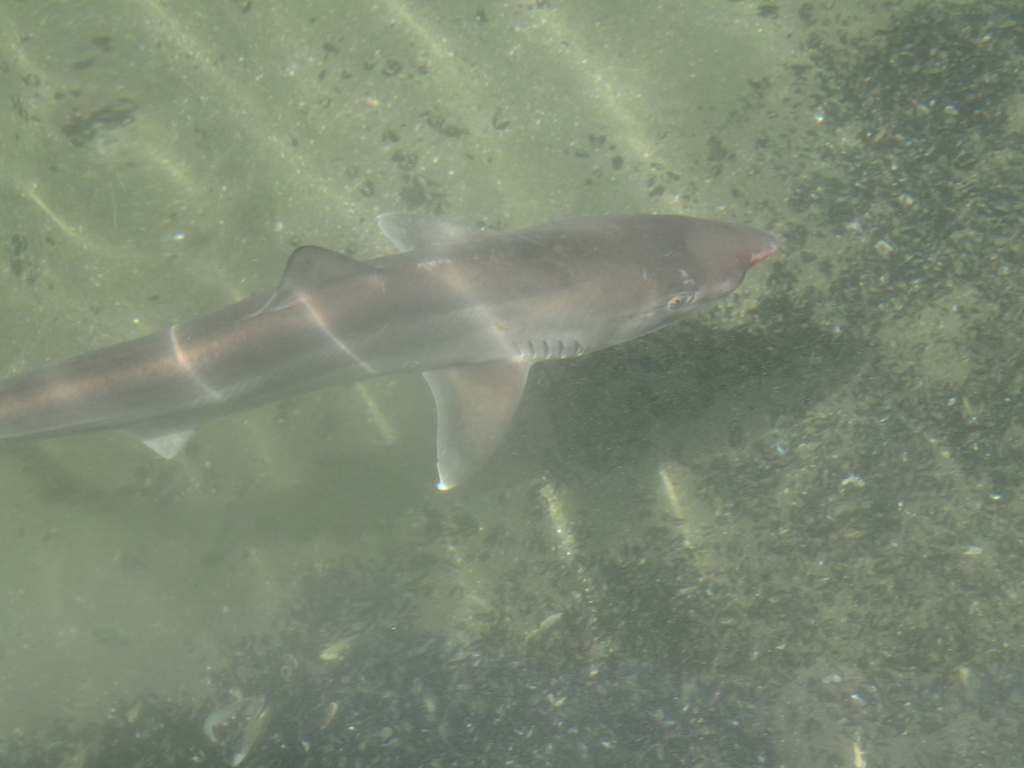 Tope shark (school shark)Galeorhinus galeusSeen in 25 countries in the AtlasCritically Endangered
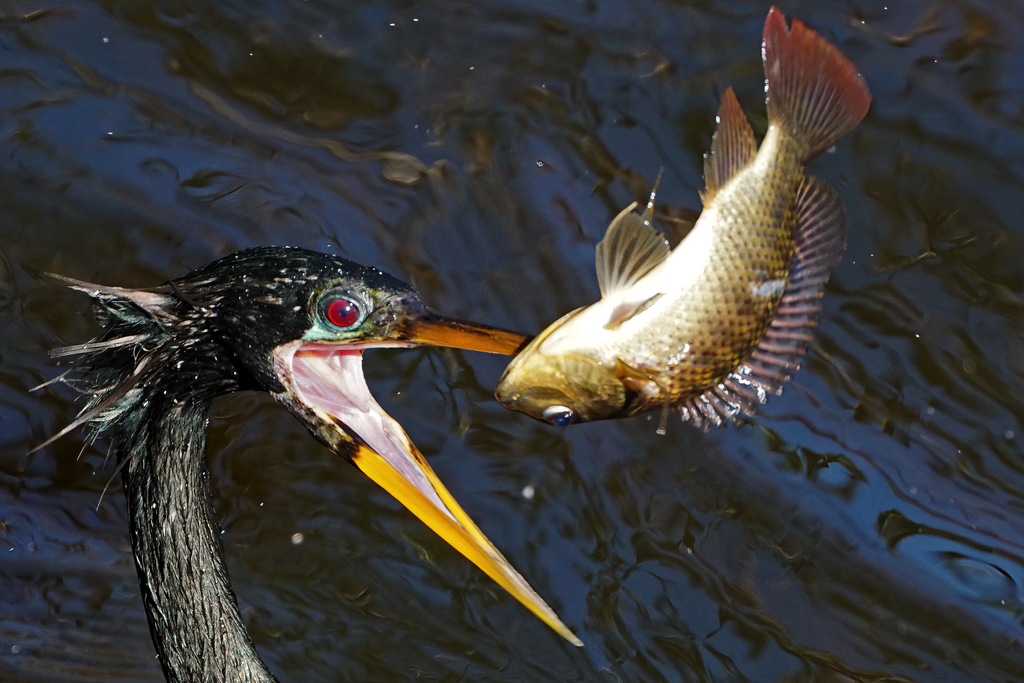 Anhinga (American darter)Anhinga anhingaSeen in 24 countries in the AtlasLeast Concern
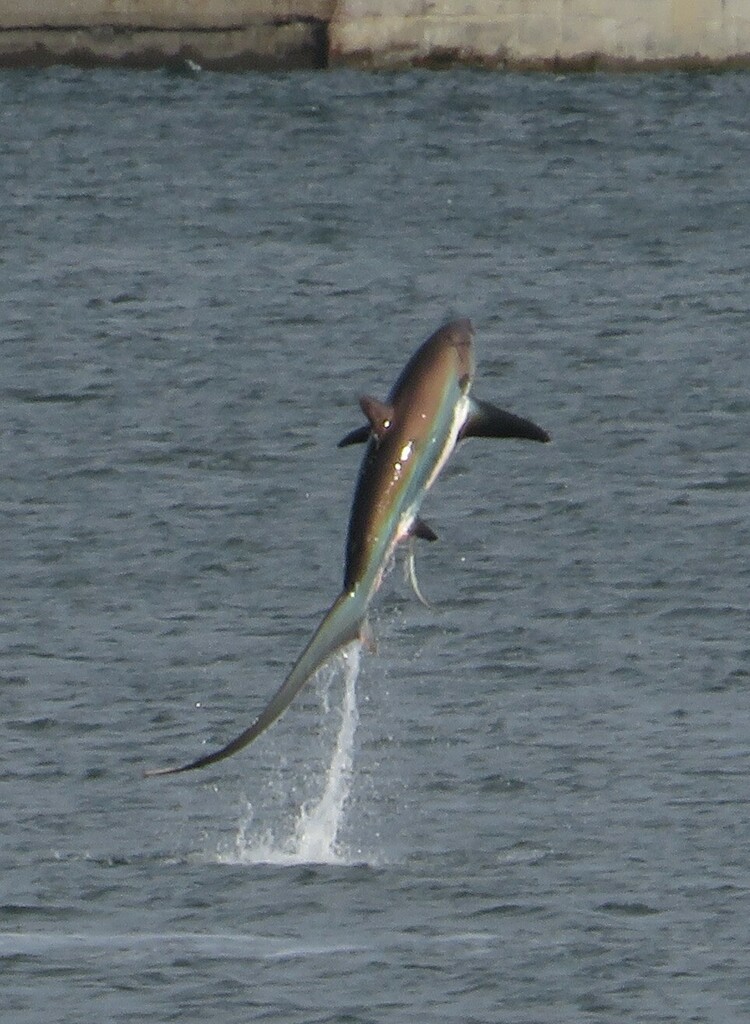 Common thresherAlopias vulpinusSeen in 16 countries in the AtlasVulnerableSharpnose sevengill sharkHeptranchias perloSeen in 15 countries in the AtlasNear Threatened
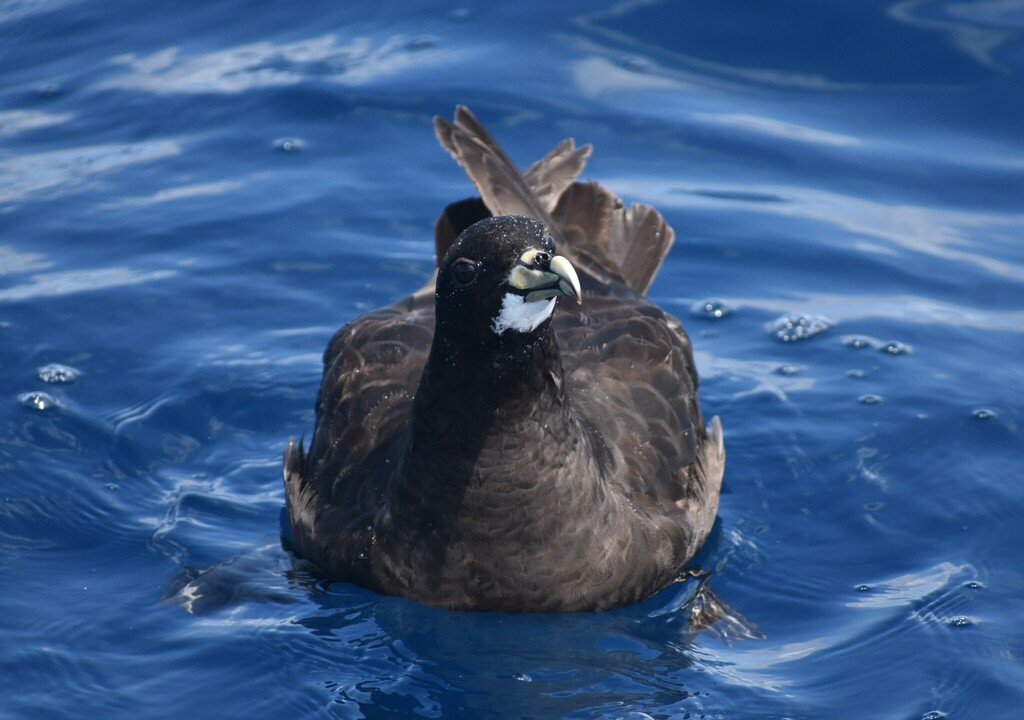 White-chinned petrelProcellaria aequinoctialisSeen in 14 countries in the AtlasVulnerable
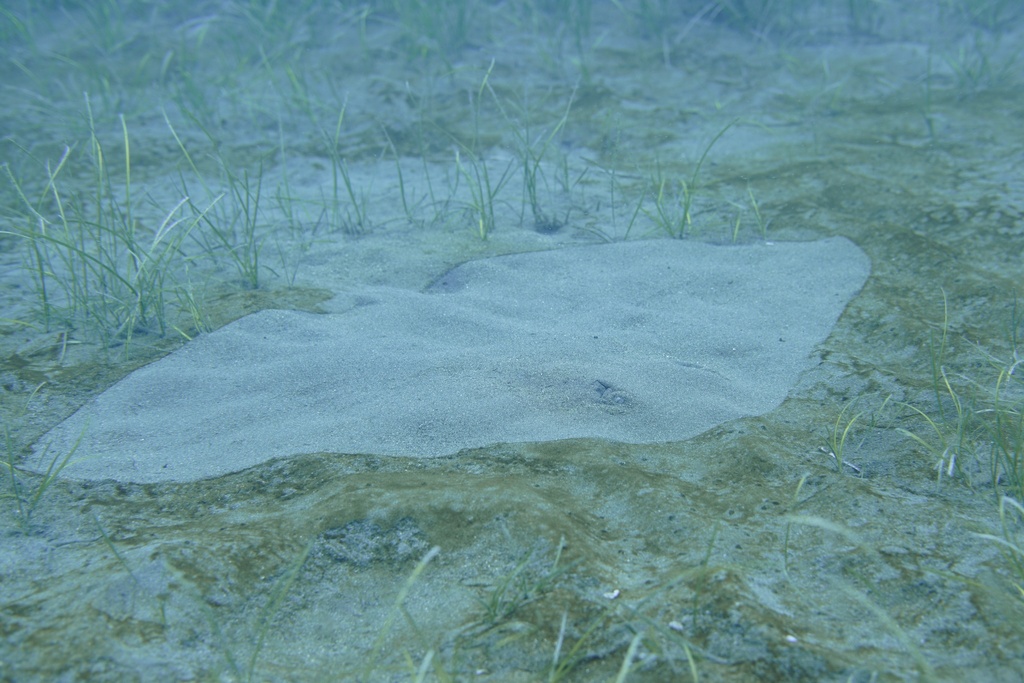 Spiny butterfly rayGymnura altavelaSeen in 14 countries in the AtlasEndangered
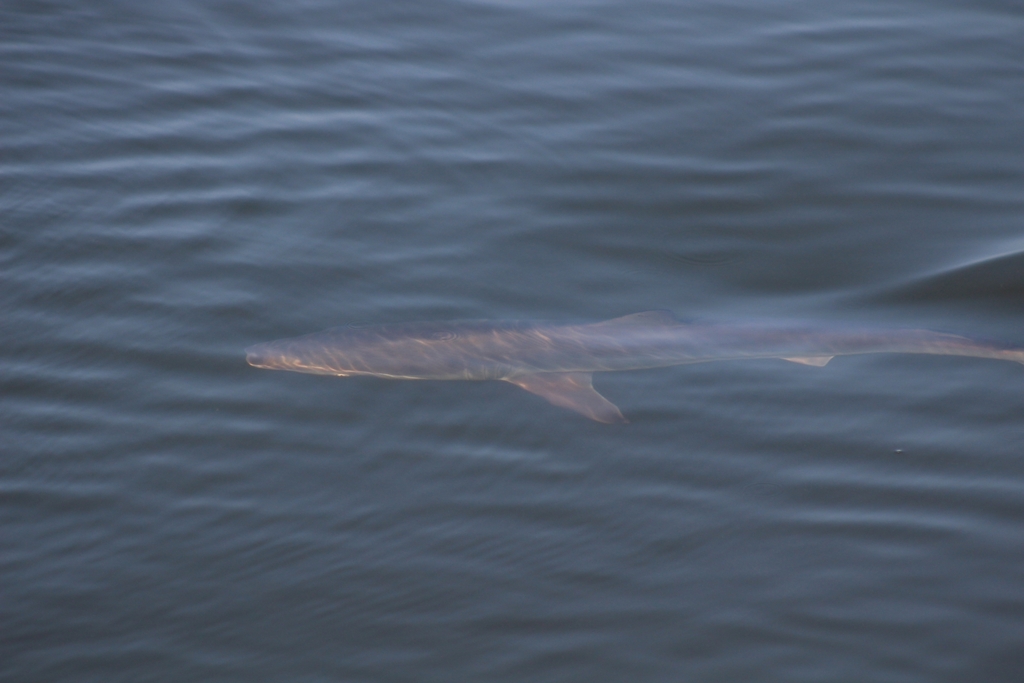 Spinner sharkCarcharhinus brevipinnaSeen in 14 countries in the AtlasVulnerableSmooth butterfly rayGymnura micruraSeen in 13 countries in the AtlasNear ThreatenedBigeye thresherAlopias superciliosusSeen in 13 countries in the AtlasVulnerable
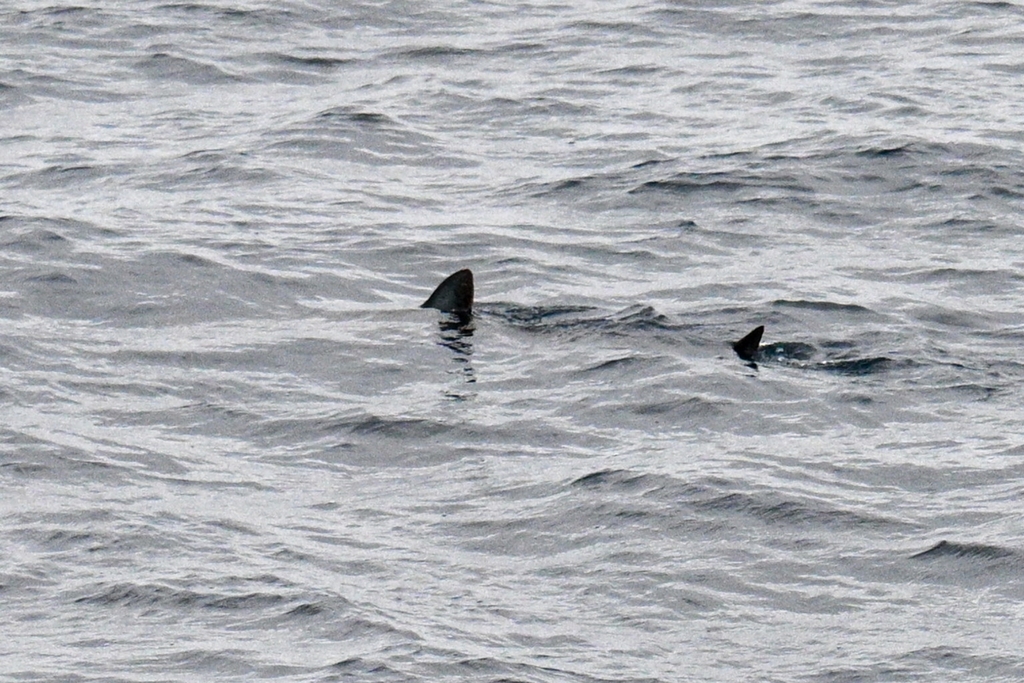 PorbeagleLamna nasusSeen in 11 countries in the AtlasVulnerable
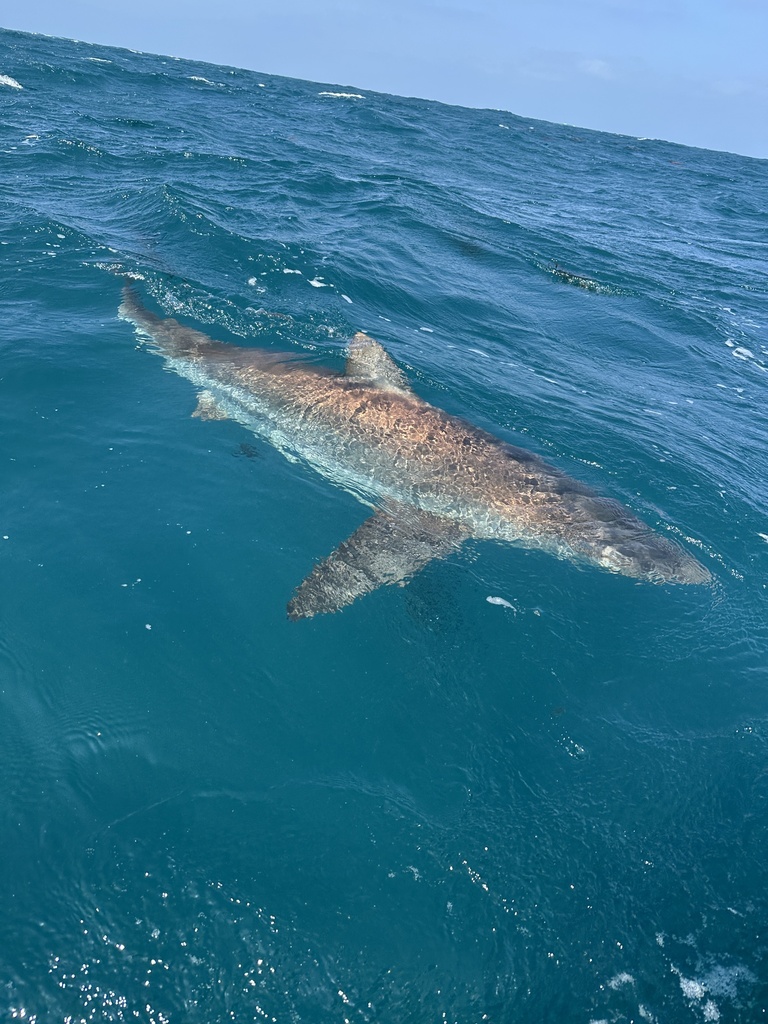 Dusky sharkCarcharhinus obscurusSeen in 11 countries in the AtlasEndangered
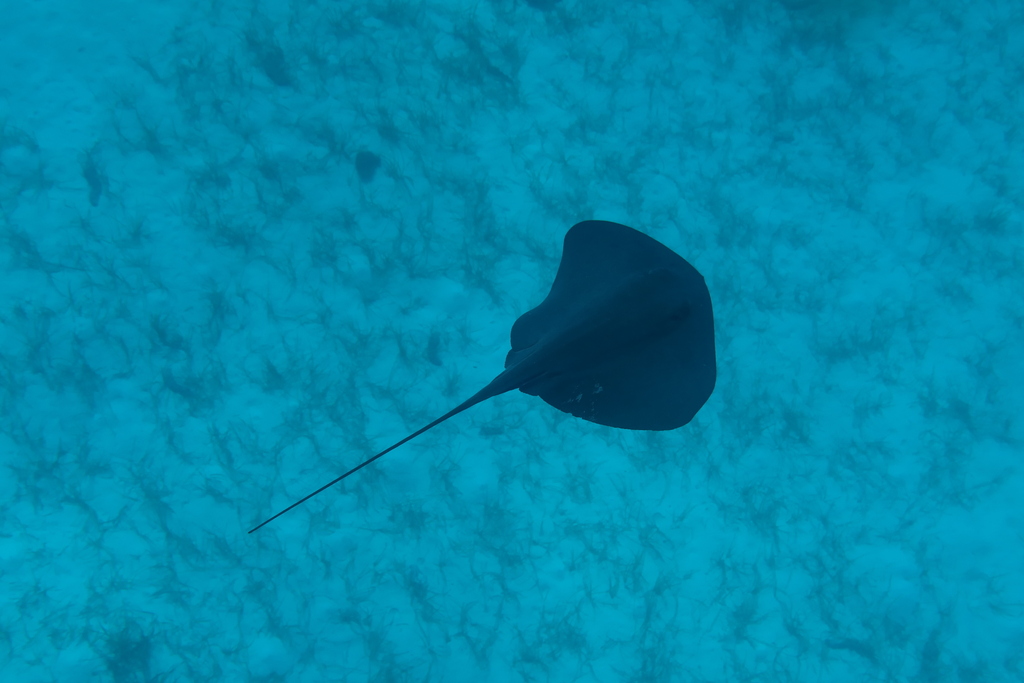 Pelagic stingrayPteroplatytrygon violaceaSeen in 11 countries in the AtlasLeast Concern
 Bignose sharkCarcharhinus altimusSeen in 11 countries in the AtlasNear ThreatenedFinetooth sharkCarcharhinus isodonSeen in 9 countries in the AtlasNear ThreatenedShortnose spurdogSqualus megalopsSeen in 6 countries in the AtlasLeast Concern
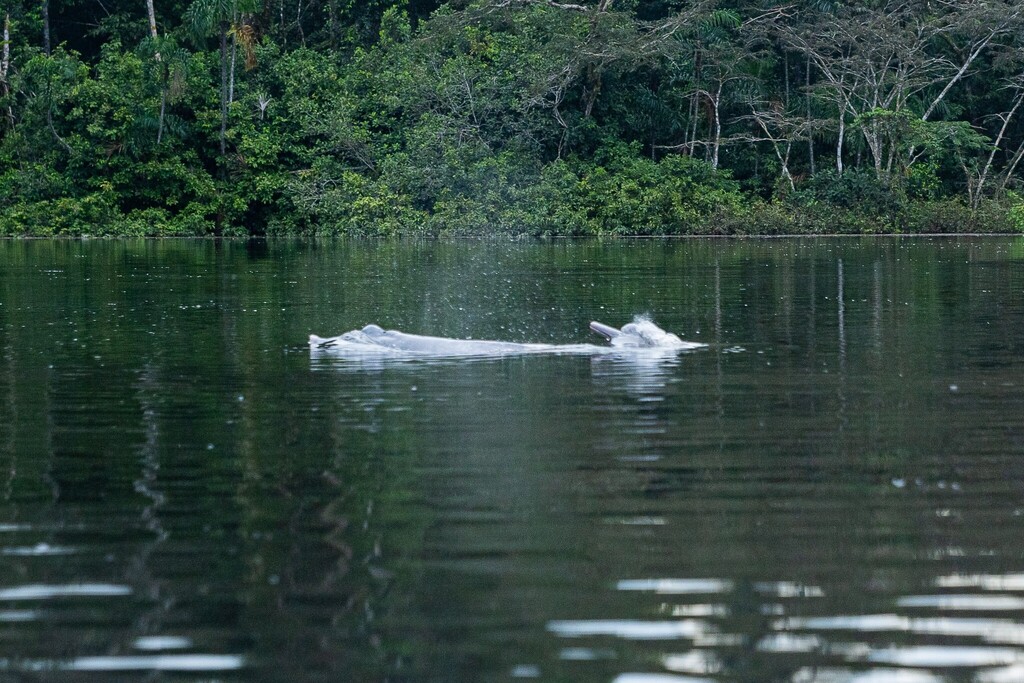 Amazon river dolphinInia geoffrensisSeen in 5 countries in the AtlasEndangered
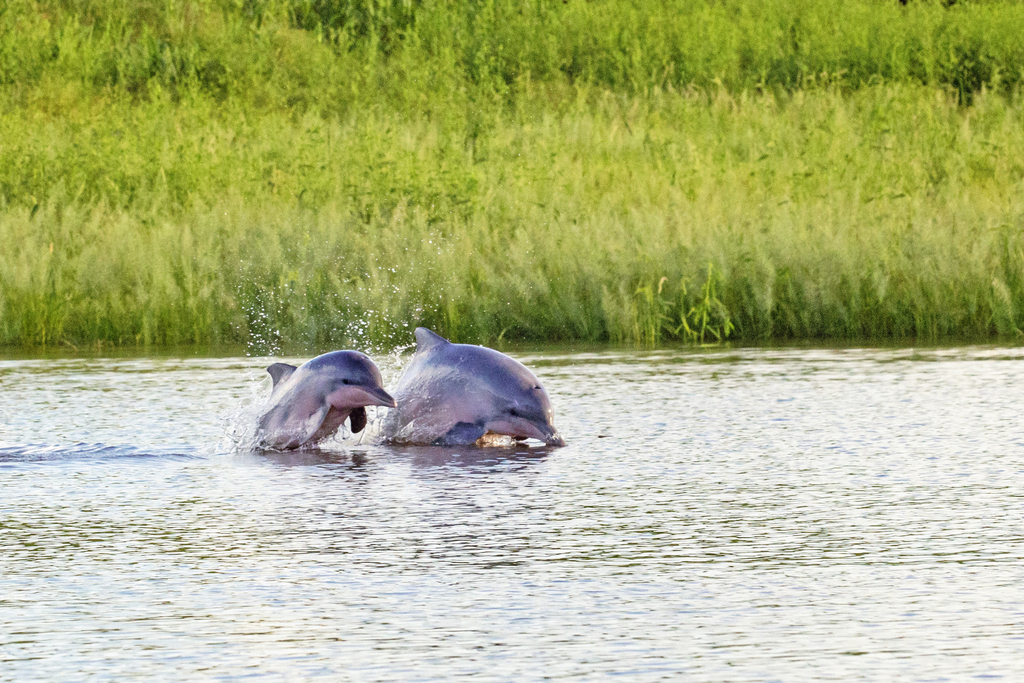 TucuxiSotalia fluviatilisSeen in 5 countries in the AtlasEndangered
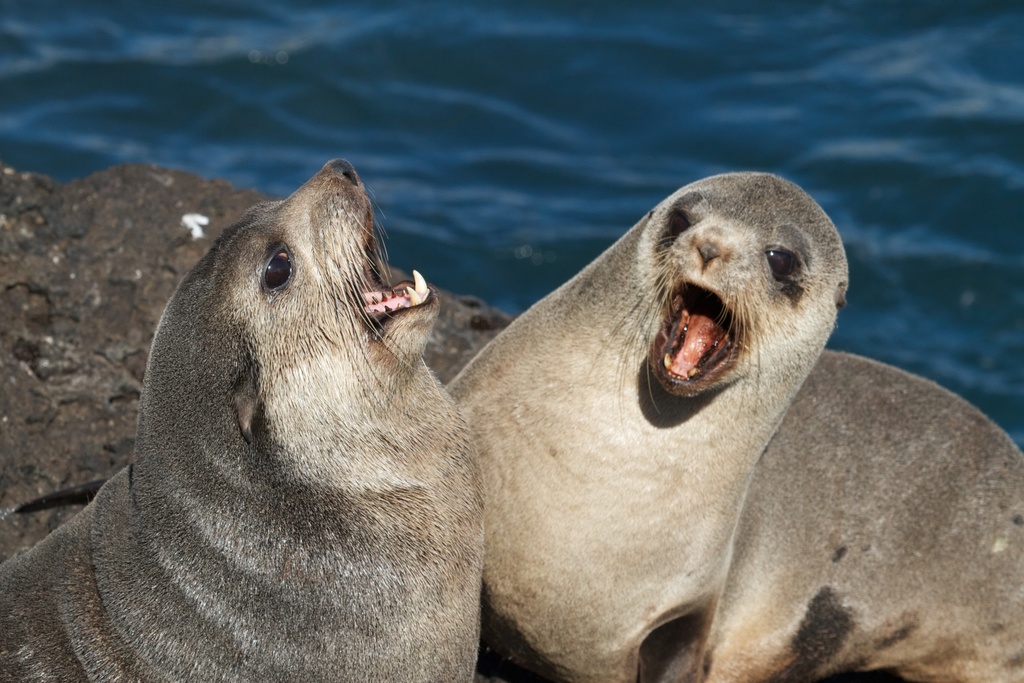 Subantarctic fur sealArctocephalus tropicalisSeen in 5 countries in the AtlasLeast Concern
Tell Rocío what you would love to see
There is no trip here yet. If enough people ask, it helps us decide where to go next.
 Antarctica
 Argentina
 Bermuda
 Canada
 Chile
Chile Colombia
 Costa Rica
 Ecuador
 El Salvador
 Falkland Islands
 French Guiana
 Guatemala
 Guyana
 Mexico
 Nicaragua
 Panama
 Peru
Peru Suriname
 United States
 Uruguay
Based in Brazil?
We are always happy to hear from exceptional local operators, accommodation, conservation organisations and destination experts in Brazil. If your work fits responsible, small-group ocean travel, we would love to learn more.
Partner with Ocean CallingSwim with humpback whales in Moʻorea, September 2027
from CHF 4,500