
Fraser's dolphin
Lagenodelphis hosei
Fast deep-water travellers that may pack into tight schools, sometimes with other whales and dolphins. Enjoy them from a distance and never chase.
Least Concern (IUCN, 2018) means it is not at high risk of extinction worldwide today.
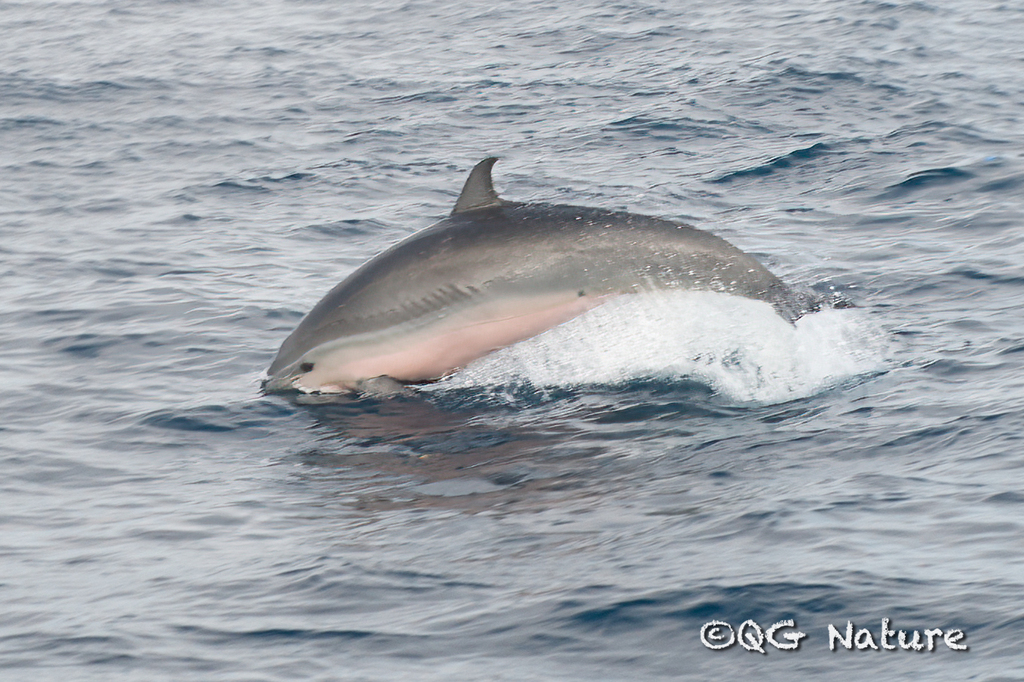
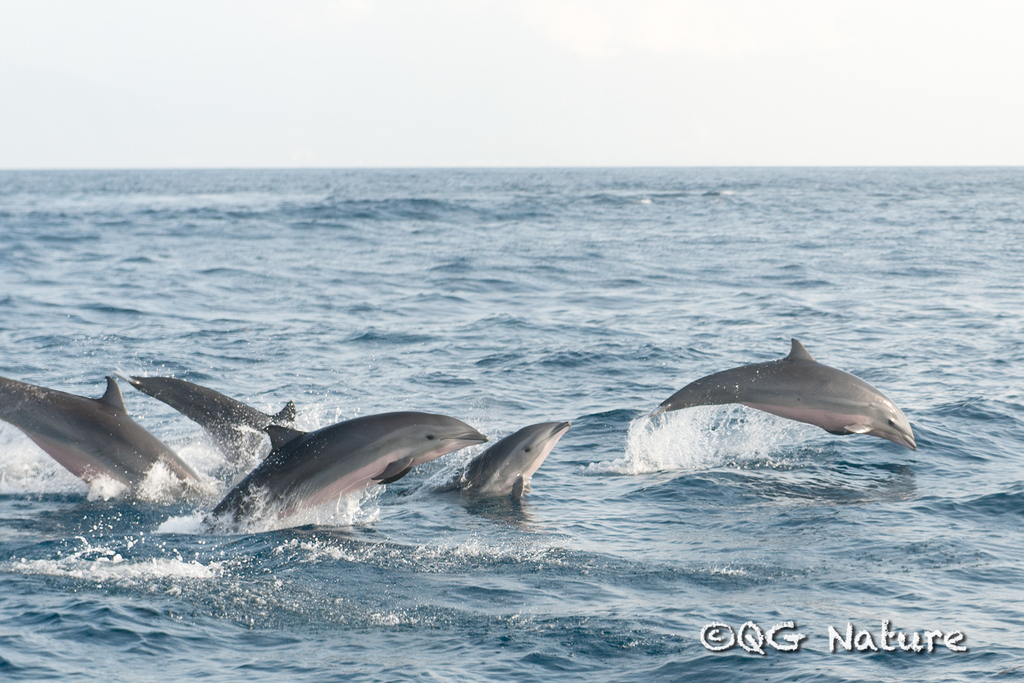
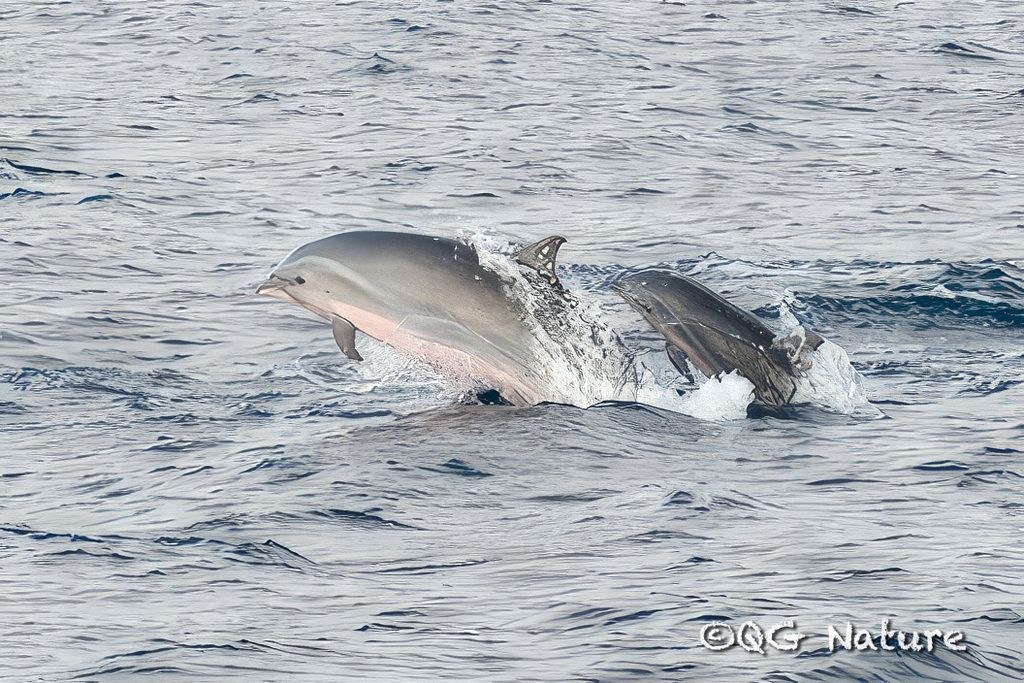
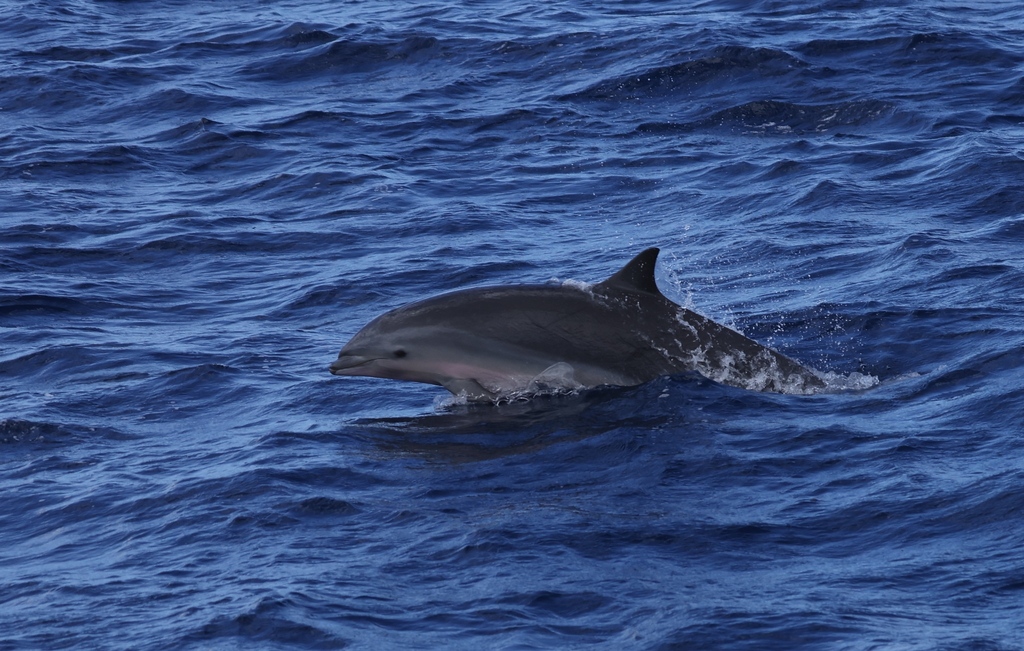
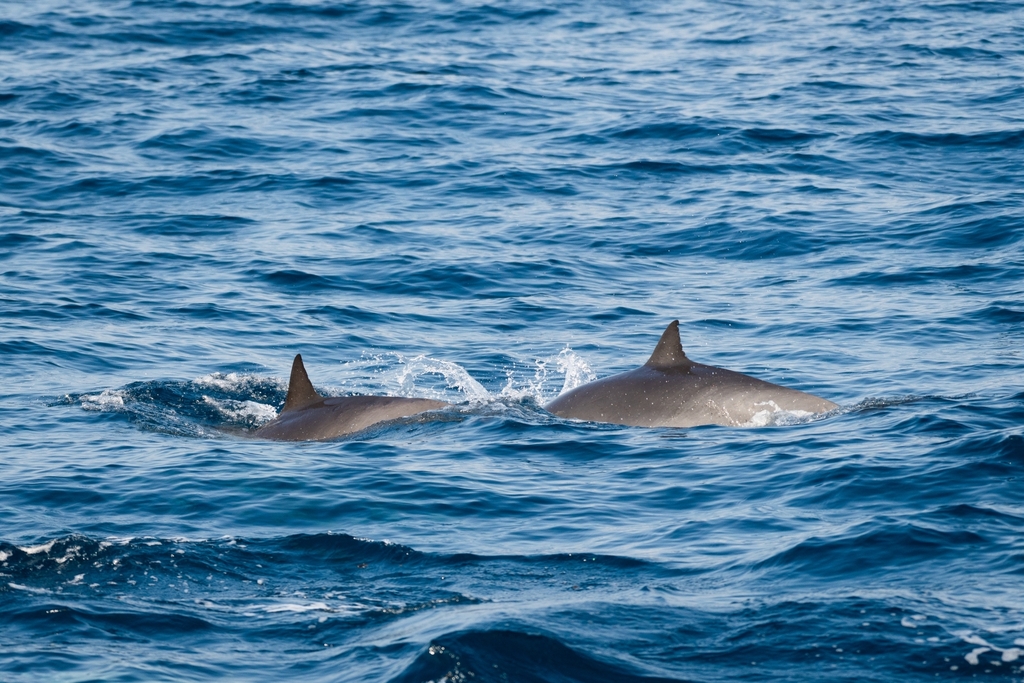
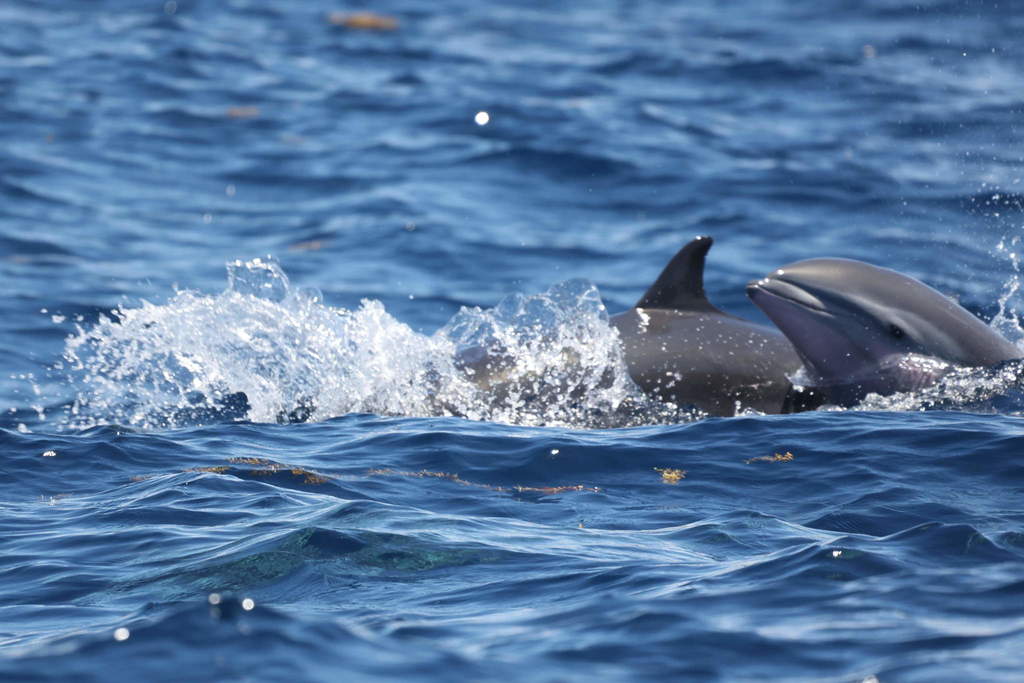
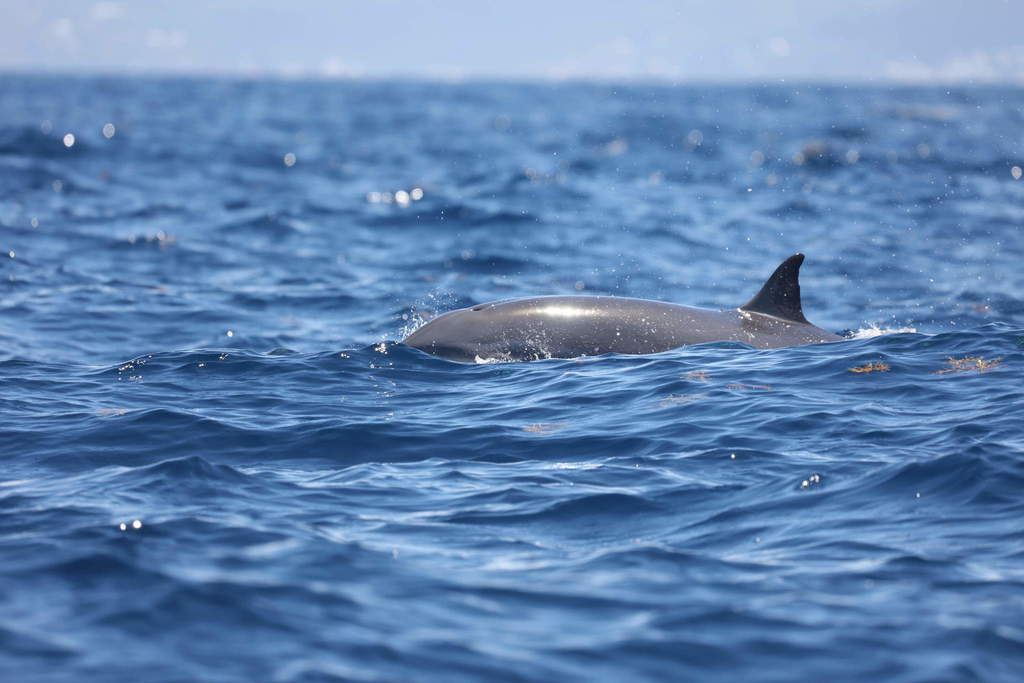
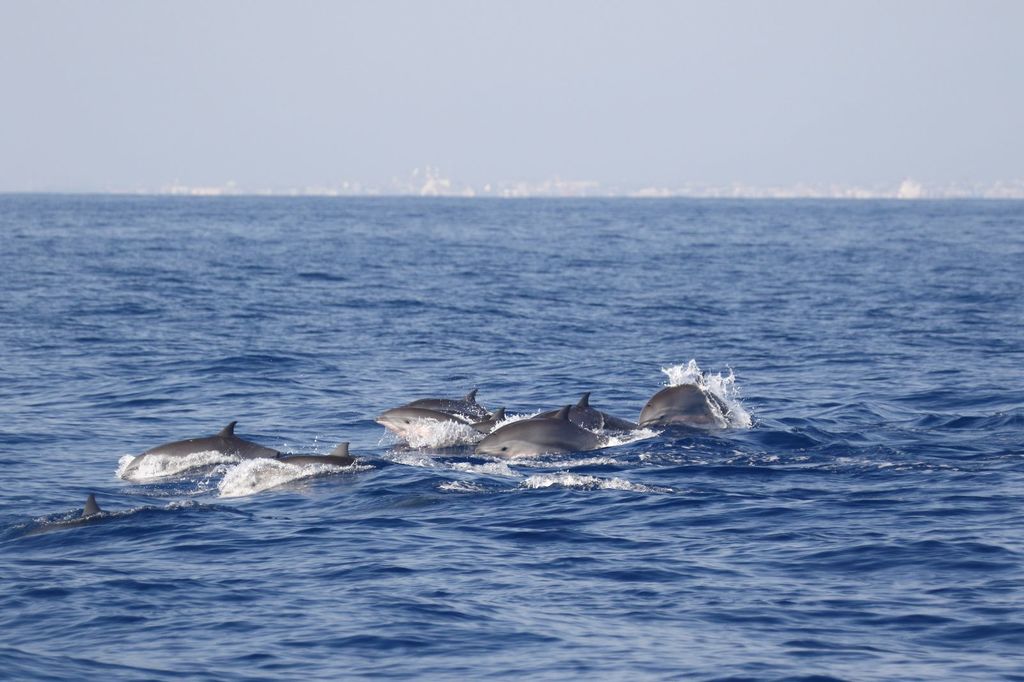
Photos show the species, not always the places on this page.
Length
About 1.8-2.7 m (6-9 ft)
Weight
About 159-204 kg (350-450 lb)
Next to a person
From about a tall person's height to roughly 1.5 times a person
What it eats
Deep-sea fish such as lanternfish, shrimp and other crustaceans, and squid and octopus. Prey is swallowed whole.
Around people
Calm, give space
How it lives
Fraser's dolphins are fast, very social dolphins of deep water. They usually travel in groups of 10 to 100, but groups can reach about 1,000. They sometimes mix with false killer whales, melon-headed whales, Risso's dolphins and short-finned pilot whales. NOAA reports feeding dives to about 610 m to catch deep-sea fish, shrimp and squid.
Populations
An ocean species of the tropics that prefers deep water. How shy or curious it is around boats differs from region to region. In Timor-Leste it has been recorded in national surveys and in mixed groups with other species, but how often it appears there is not well known. Worldwide numbers are not known.
Meet it respectfully
Watch quietly from a boat moving alongside the group, and never chase, split or surround it. Never feed or touch wild dolphins. In US waters, NOAA guidance asks people to stay at least 45 m (50 yards) away and watch for no more than 30 minutes; other countries have their own rules.
Fun fact
Tap the bulb to light it up.
They can travel in tight 'chorus line' formations.
Groups can come close to 1,000 animals.
They are one of the dolphins recorded in Timor-Leste's large mixed-species groups.
It was described in 1956 from a skull found on a beach in Borneo, and first seen alive in the wild only in 1971.
Fraser's dolphin in the Ocean Atlas
Places we have researched where this animal is recorded. It is never guaranteed, and some places are for watching from the boat only.
Travel with usComing soonTrusted referralExploringOn pause, story onlyEthics pass
Country colour: pink where we travel, blue where we are exploring or refer, grey for story only.
 Australia
 Brazil
 Dominica
 France
 French Polynesia
 Ghana
Ghana Indonesia
 Japan
Japan Martinique
 Mayotte
 New Caledonia
 Philippines
 Réunion
 Saint Lucia
 Taiwan
 Timor-Leste
 United States
 Vietnam
Read more about the fraser's dolphin
Sources for this page
- NOAA Fisheries, 2026
- IUCN SSC Cetacean Specialist Group, 2026
- Timor-Leste Country Synthesis Report, 2023
- Dethmers et al., 2009
Facts checked 26 September 2026. Photos: Unsplash licence, or Creative Commons as shown on each photo.
Work in ocean travel?
We are always happy to hear from exceptional local operators, accommodation, conservation organisations and destination experts. If your work fits responsible, small-group ocean travel, we would love to learn more.
Partner with Ocean CallingSwim with humpback whales in Moʻorea, September 2027
from CHF 4,500