
Ocean Atlas · Caribbean
 Saint Lucia
Reefs under the Pitons in a managed marine area, with sperm whales and dolphins in the deep water just offshore.

Ethics pass, with care. We found a way to visit this country that meets our animal-welfare standard, as long as we work with the right local operator. Checked by Ocean Calling on 26 Sep 2026. Sources: Soufriere Marine Management Area, CBD submission, Saint Lucia, 2018; Vachon et al., Eastern Caribbean sperm whale vocal clans, Ecology and Evolution, 2022; MOA: sea turtle closed season from Jan 1, The Voice St. Lucia, Dec 2025.
🧭 Travel advice, checked 30 Sep 2026. The US State Department rates Saint Lucia at Level 2, exercise increased caution, because of crime, in a snippet dated 10 Jul 2026. It says violent crime can occur anywhere, and petty theft is common in tourist areas. Sources: US State Department travel advisory, Saint Lucia Advice differs by passport: check your own government before you plan.
Why Saint Lucia
On the west coast of Saint Lucia, the land drops fast into deep water. Near Soufrière, under the two Pitons, a marine area with zones, rangers and moorings protects the reefs, and divers pay a small daily fee to help. Reefs start close to the beach at Anse Chastanet, with turtles, eagle rays and many small reef animals. A few kilometres offshore, sperm whales, pilot whales and spinner dolphins live in the deep water. Scientists found that one sperm whale family group, or clan, stays mostly around Saint Lucia and Martinique. We watch them from the boat and we do not swim with them. On the wild east coast, leatherback turtles come to nest at night from about March to August, and guided local turtle watches keep the beach dark and calm. Big cruise ships visit from October to April, so some bays can feel busy. Hurricane season runs from June to November.
Conservation-led. Ocean Calling guests never chase, touch or bait animals.
When to go
Dec-May. Timing changes by place and by animal, so check each place below.
We have researched this place and keep learning about it. There is no trip here yet.
Can we travel here ethically?
Ethics pass, with care
Good with the right operator. Here is how we choose.
Near Soufriere, a managed marine area with zones, moorings and rangers protects the reefs. Offshore, a sperm whale clan lives mostly around Saint Lucia and Martinique, but we found no legal watching code, so we follow our own calm distance rules and watch only from the boat. Sea turtles can still be taken legally outside the closed season, so we never buy turtle meat or shell.
Checked 26 Sep 2026. Places change, so we look again every year.
Sources for this check
- Soufriere Marine Management Area, CBD submission, Saint Lucia, 2018
- Vachon et al., Eastern Caribbean sperm whale vocal clans, Ecology and Evolution, 2022
- MOA: sea turtle closed season from Jan 1, The Voice St. Lucia, Dec 2025
- A governance analysis of Soufriere Marine Management Area, Marine Policy, 2020
Where in Saint Lucia
Short notes from our research. Wildlife is never guaranteed.
Soufrière and the Pitons
ExploringA managed marine area under the two Pitons, where reef walls drop into deep blue water.
🤿 In the water: Reef walls and coral slopes, Hawksbill and green turtles, Spotted eagle rays (sometimes), Reef fish, moray eels and octopus, Southern stingrays in the sand
⛵ From the boat or shore, never in the water: Spinner dolphins (often, from the boat)
When: Dec-May. Diving runs all year. December to May is drier and often calmer. There can be strong currents at some points, so guides choose the site on the day.
Rules and fees: Divers in the Soufrière Marine Management Area pay a small park fee of US$5 a day or US$15 a year. Boats tie up to moorings here, because anchoring is restricted to protect the reef.
Anse Chastanet
ExploringA bay north of Soufrière where the reef starts a few metres from the sand.
🤿 In the water: Shallow reef from the beach, Hawksbill turtles (sometimes), Reef fish and small reef life, Night dives with octopus
When: Dec-May. Good most of the year. Swell can reach the bay in winter, and after heavy rain the water can be less clear.
West coast deep water
ExploringThe deep sea off the west coast, home to sperm whales, pilot whales and many dolphins.
⛵ From the boat or shore, never in the water: Sperm whales (a family clan that stays mostly around Saint Lucia and Martinique), Short-finned pilot whales, Spinner and pantropical spotted dolphins, Bottlenose, Fraser's and Risso's dolphins (less often), Humpback whales (sometimes, about February to April)
When: Dec-May. Whales and dolphins live here all year. The sea is often calmer from December to May. Sightings are never sure.
Grande Anse
ExploringA wild beach on the Atlantic side where leatherback turtles come to nest at night.
⛵ From the boat or shore, never in the water: Leatherback turtles nesting (guided night watch, no lights), Hawksbill and green turtles nesting (fewer), Hatchlings going to the sea (later in the season)
When: Mar-Aug. Leatherbacks nest from about March to August, and hatchlings go to the sea until about October. The sea here is rough and not for swimming.
Animals recorded in Saint Lucia
Tap an animal to learn how it lives, where it travels and how to meet it respectfully.
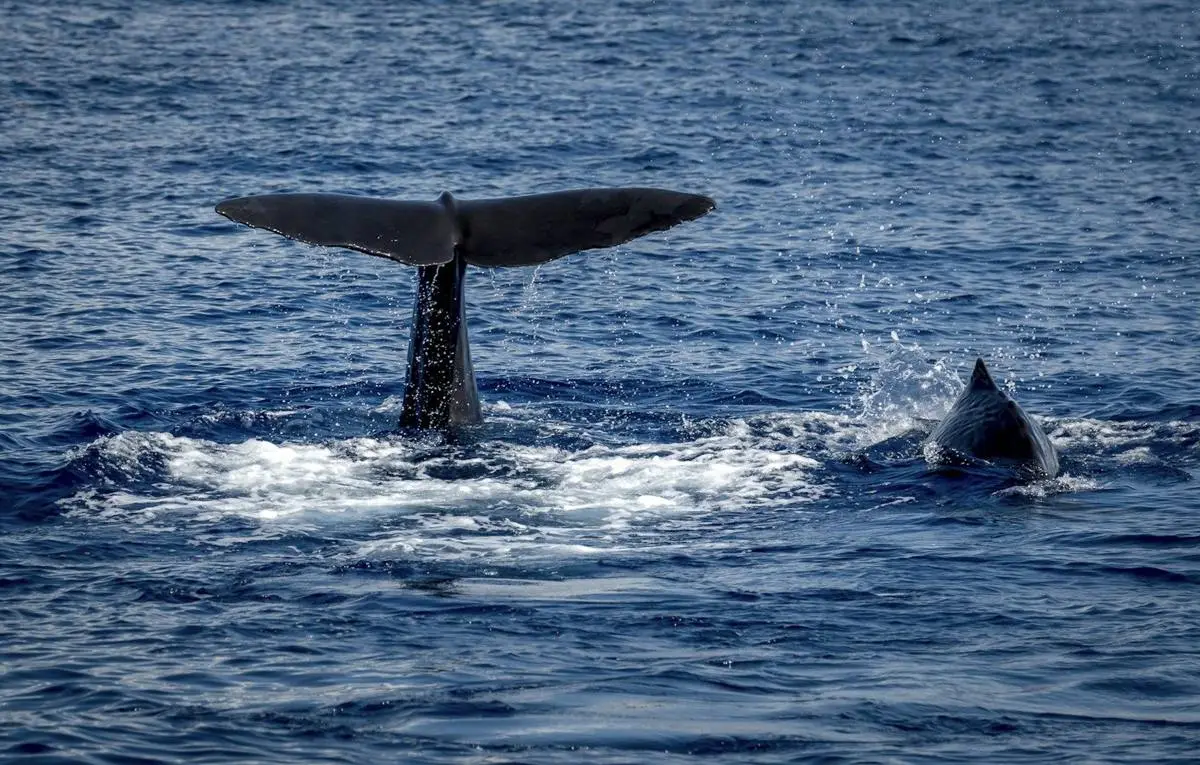 Sperm whalePhyseter macrocephalusSeen in 114 countries in the AtlasVulnerable
 Short-finned pilot whaleGlobicephala macrorhynchusSeen in 43 countries in the AtlasLeast Concern
 Humpback whaleMegaptera novaeangliaeSeen in 87 countries in the AtlasLeast Concern
 Spinner dolphinStenella longirostrisSeen in 66 countries in the AtlasLeast Concern
 Pantropical spotted dolphinStenella attenuataSeen in 56 countries in the AtlasLeast Concern
 Common bottlenose dolphinTursiops truncatusSeen in 89 countries in the AtlasLeast Concern
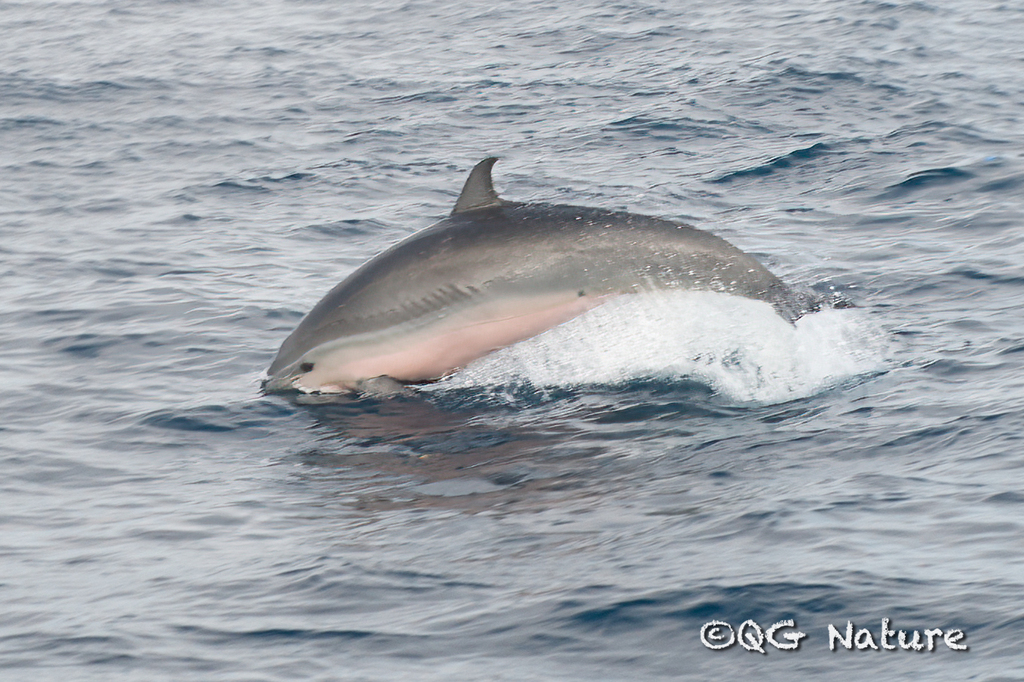 Fraser's dolphinLagenodelphis hoseiSeen in 18 countries in the AtlasLeast Concern
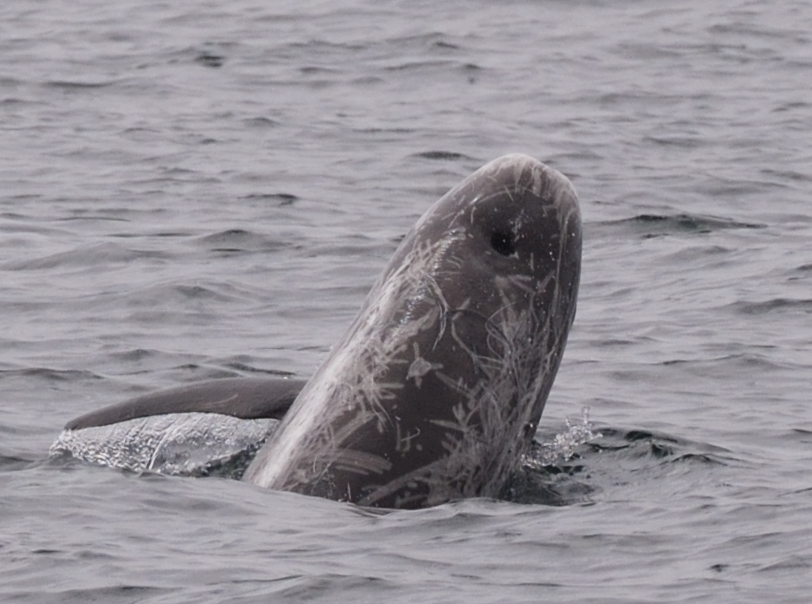 Risso's dolphinGrampus griseusSeen in 56 countries in the AtlasLeast Concern
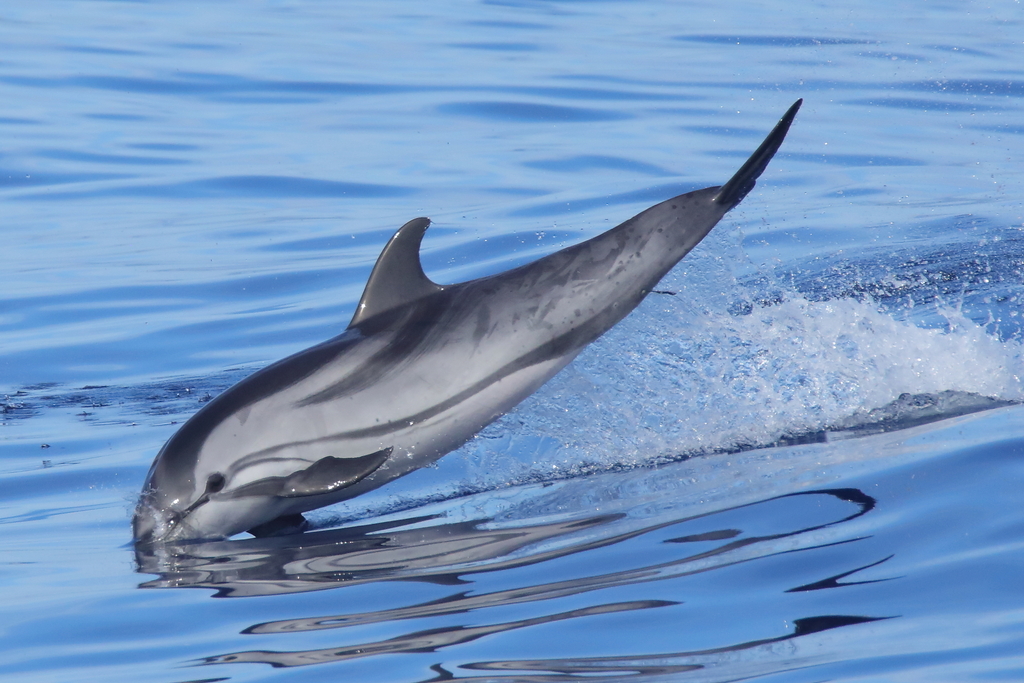 Striped dolphinStenella coeruleoalbaSeen in 43 countries in the AtlasLeast Concern
 Leatherback turtleDermochelys coriaceaSeen in 76 countries in the AtlasVulnerable
 Hawksbill turtleEretmochelys imbricataSeen in 88 countries in the AtlasCritically Endangered
 Green turtleChelonia mydasSeen in 103 countries in the AtlasLeast Concern
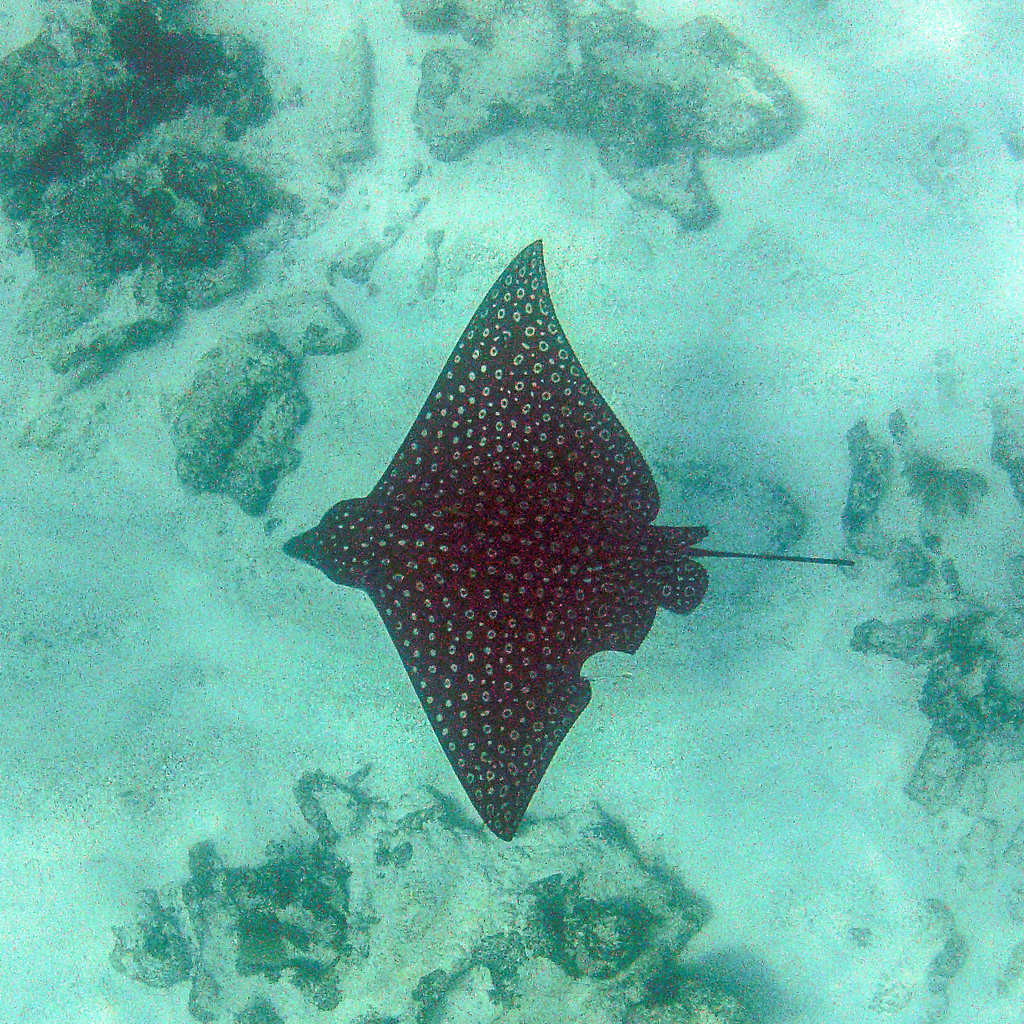 Whitespotted eagle rayAetobatus narinariSeen in 58 countries in the AtlasEndangered
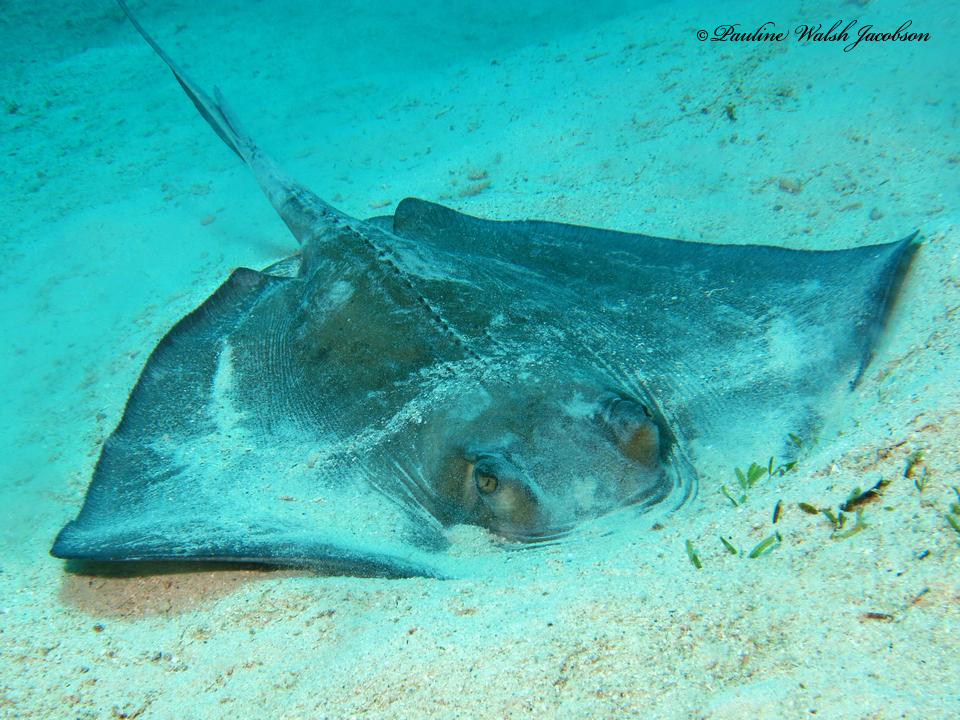 Southern stingrayHypanus americanusSeen in 33 countries in the AtlasNear Threatened
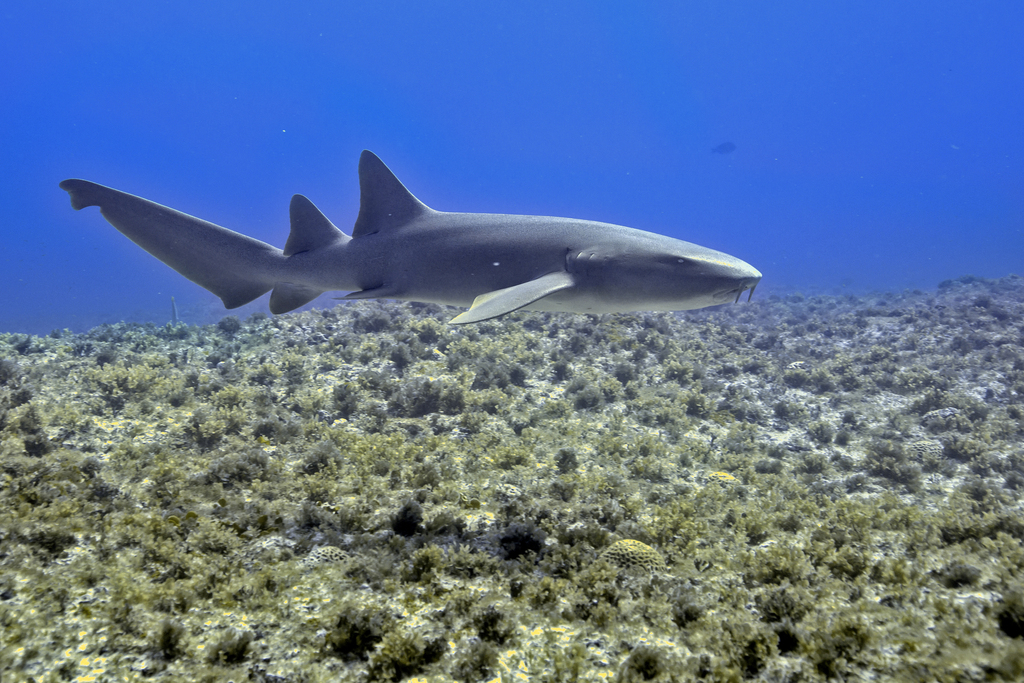 Atlantic nurse sharkGinglymostoma cirratumSeen in 38 countries in the AtlasVulnerable
 Great barracudaSphyraena barracudaSeen in 84 countries in the AtlasLeast Concern
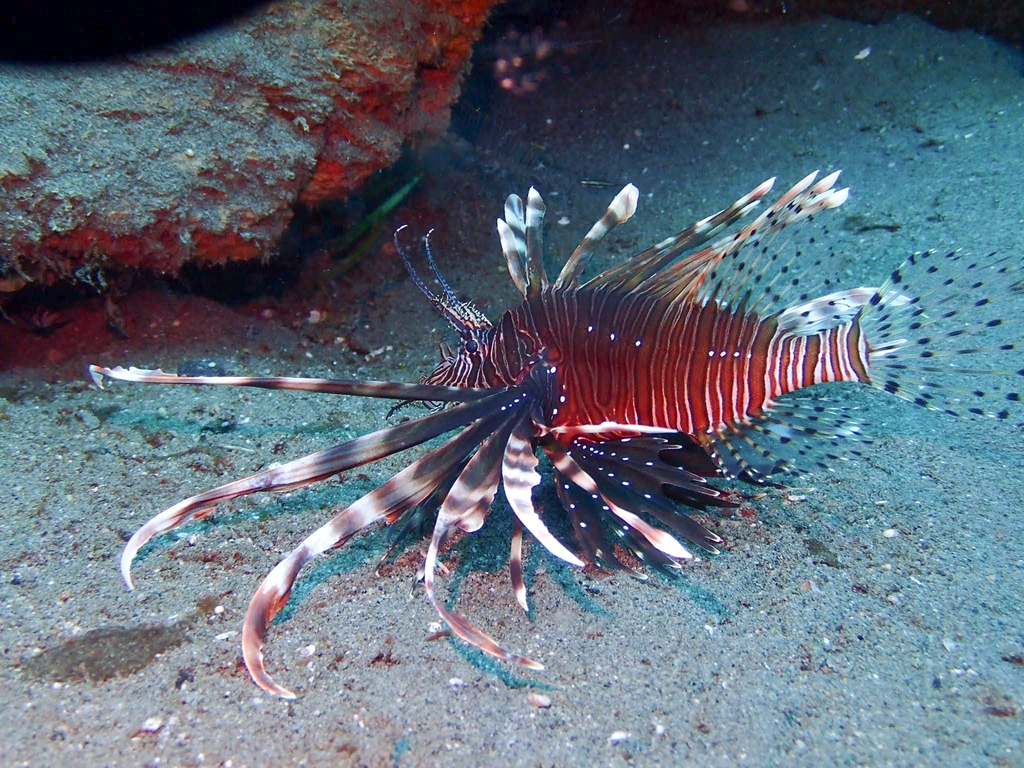 Lionfish (red and common lionfish)Pterois volitans and Pterois milesSeen in 80 countries in the AtlasLeast Concern
 Spotted eagle ray (ocellated eagle ray)Aetobatus ocellatusSeen in 28 countries in the AtlasEndangered
 Magnificent frigatebirdFregata magnificensSeen in 52 countries in the AtlasLeast Concern
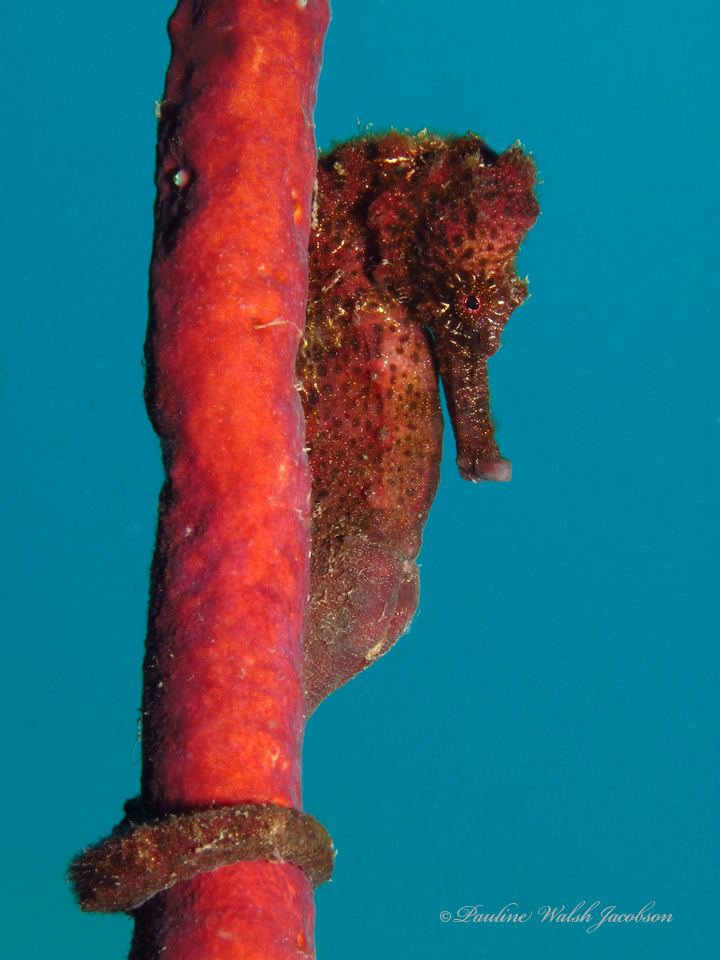 Longsnout seahorseHippocampus reidiSeen in 25 countries in the AtlasNear Threatened
 Masked boobySula dactylatraSeen in 80 countries in the AtlasLeast Concern
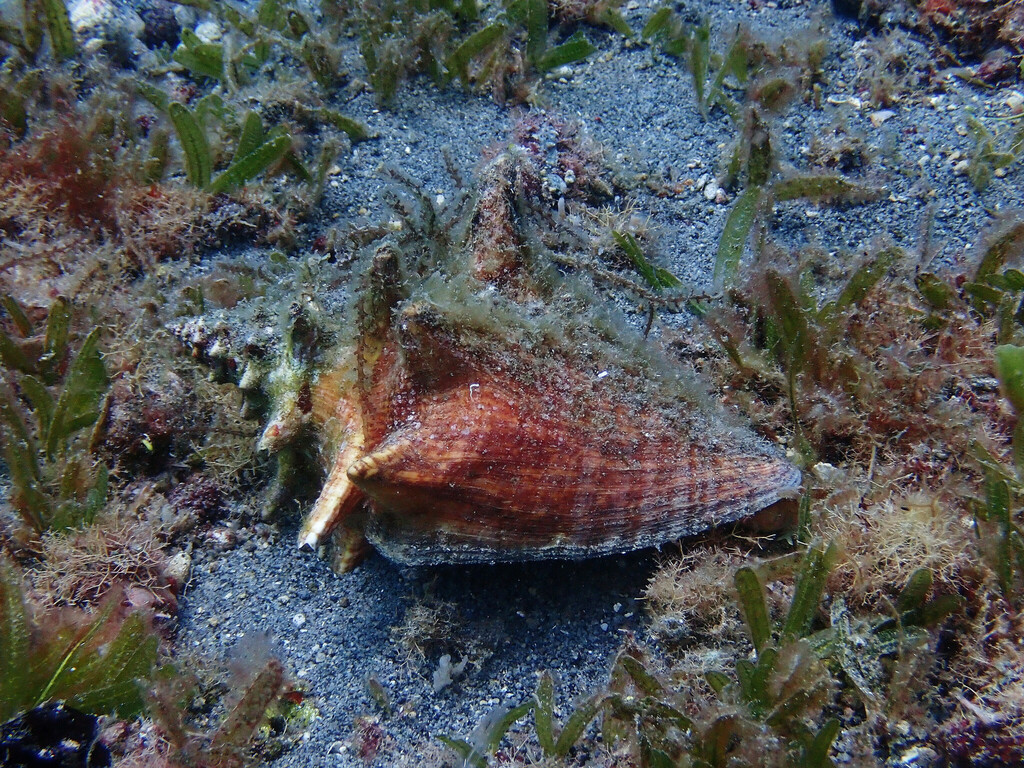 Queen conchAliger gigasSeen in 32 countries in the AtlasNear Threatened
 Brown boobySula leucogasterSeen in 104 countries in the AtlasLeast Concern
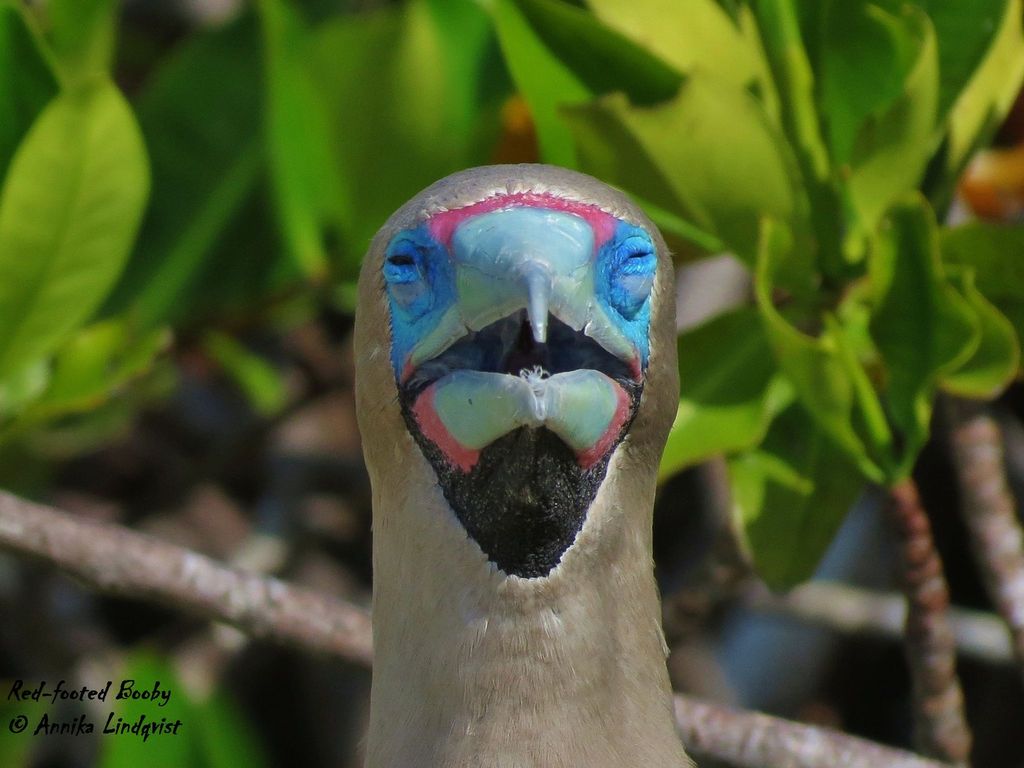 Red-footed boobySula sulaSeen in 91 countries in the AtlasLeast Concern
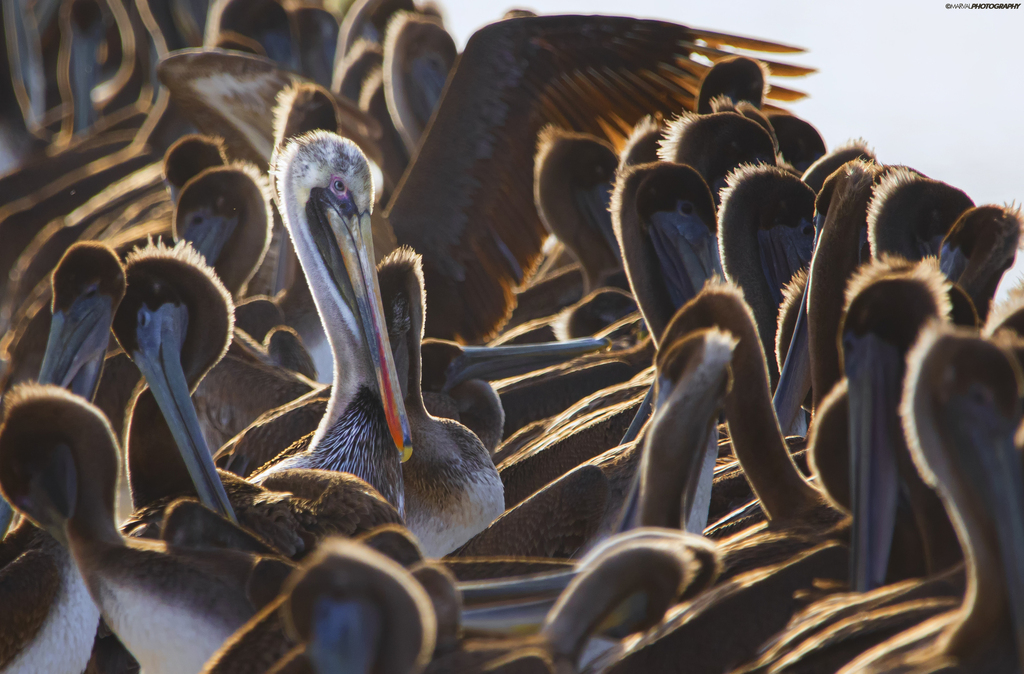 Brown pelicanPelecanus occidentalisSeen in 48 countries in the AtlasLeast Concern
Tell Rocío what you would love to see
There is no trip here yet. If enough people ask, it helps us decide where to go next.
 Anguilla
 Antigua and Barbuda
 Aruba
Aruba The Bahamas
 Barbados
 Belize
 British Virgin Islands
 Caribbean Netherlands
 Cayman Islands
 Cuba
Cuba Curaçao
 Dominica
 Dominican Republic
 Grenada
 Guadeloupe
 Haiti
Haiti Honduras
 Jamaica
 Martinique
 Montserrat
 Puerto Rico
 Saint Barthélemy
 Saint Kitts and Nevis
 Saint Martin
 Saint Vincent and the Grenadines
 Sint Maarten
 Trinidad and Tobago
 Turks and Caicos Islands
 US Virgin Islands
 Venezuela
Based in Saint Lucia?
We are always happy to hear from exceptional local operators, accommodation, conservation organisations and destination experts in Saint Lucia. If your work fits responsible, small-group ocean travel, we would love to learn more.
Partner with Ocean CallingNew: tiger sharks in Fuvahmulah, January or March 2027
from CHF 2,900