
Ocean Atlas · Caribbean
 Venezuela
A Caribbean atoll where the reef drops into deep water, with hawksbill turtles and lemon shark nurseries. Shared as a story only, with no trips.

On pause, travel not recommended. A government travel advisory says not to travel here, so we do not offer trips. Sources: Venezuela travel advice, Government of Canada; Ramsar information sheet, Archipielago Los Roques; Fundacion Cientifica Los Roques, adopt programme.
Why: We follow government travel advice, and we will look again when it changes. This is story only and we do not go. We also would not visit the turtle station on Dos Mosquises, where young turtles are kept in tanks and fed, because the local science foundation itself says that does not help conservation.
We share this country as a story and do not offer trips. This is not a judgement of the people or the ocean here. It only means that today we could not find a visit that meets our animal-welfare and safety standards. Places change, so we look again every year.
⚠️ Official travel advice is a separate question, and it differs by passport. EU citizens or US citizens may be advised against travelling there, so please check your own government’s website before you plan.
Why Venezuela
Los Roques is a large Caribbean atoll with 57 hard coral species and 21 shark species, and hawksbill turtles nest on its beaches. Whale sharks are seen off the central coast and humpback whales pass the north-east, mostly from January to April. The 2010 bleaching hit the reefs hard, and we do not know how they look now. Governments advise against or warn against travel, the main airport was damaged by the June 2026 earthquakes and we could not confirm a working dive chamber, so Ocean Calling only researches it.
Conservation-led. Ocean Calling guests never chase, touch or bait animals.
When to go
Timing changes a lot from place to place. See each place below.
Official travel advice or our ethics check means we do not send guests here.
Can we travel here ethically?
On pause, travel not recommended
We follow government travel advice. We will look again when it changes.
This is not a judgement of the people or the ocean here. It only means that today we could not find a visit that meets our animal-welfare and safety standards. Places change, so we look again every year. Checked 30 Sep 2026.
⚠️ Official travel advice is a separate question, and it differs by passport. EU citizens or US citizens may be advised against travelling there, so please check your own government’s website before you plan.
Where in Venezuela
We share these places as stories and research notes. We do not offer or sell trips here.
Los Roques Archipelago
On pause, travel not recommendedA national park atoll with lemon shark nurseries and hawksbill nesting beaches.
Also seen: Hawksbill turtles (nesting, about June to October), Lemon sharks (young ones in nursery areas)
When: Jun-Oct. Turtles nest from about June to October, and we are not sure of the exact months. Heat in July to September raises bleaching risk. Power on the main island is unreliable.
Mochima
On pause, travel not recommendedA coastal park in the east known as the home of freediving record holder Carlos Coste.
Also seen: Bottlenose and common dolphins (recorded, but we found no viewing rules)
Animals recorded in Venezuela
Tap an animal to learn how it lives, where it travels and how to meet it respectfully.
 Hawksbill turtleEretmochelys imbricataSeen in 88 countries in the AtlasCritically Endangered
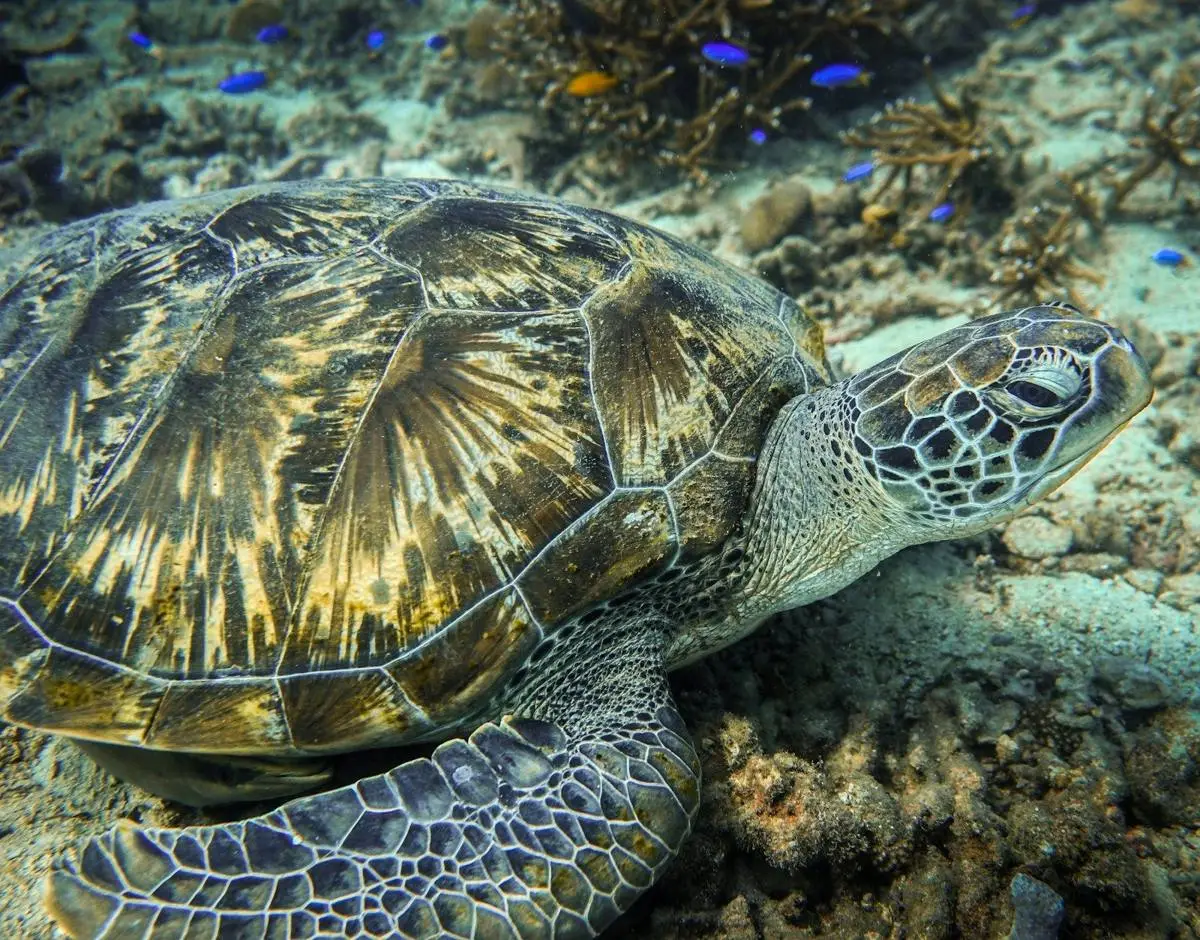 Green turtleChelonia mydasSeen in 103 countries in the AtlasLeast Concern
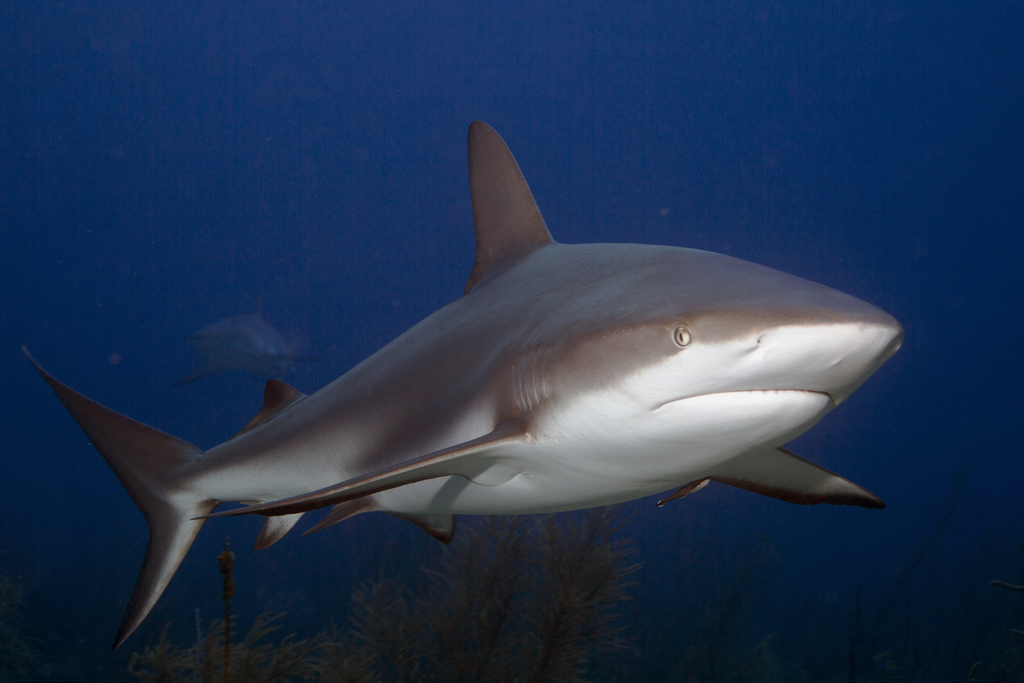 Caribbean reef sharkCarcharhinus pereziSeen in 19 countries in the AtlasEndangered
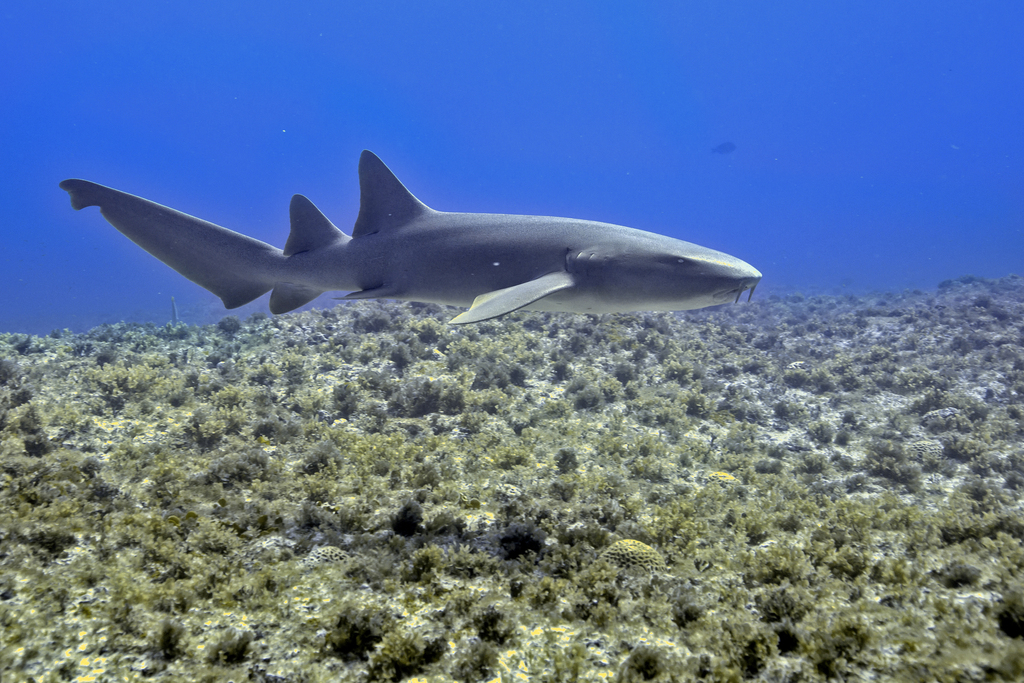 Atlantic nurse sharkGinglymostoma cirratumSeen in 38 countries in the AtlasVulnerable
 Lemon sharkNegaprion brevirostrisSeen in 16 countries in the AtlasVulnerable
 Spotted eagle ray (ocellated eagle ray)Aetobatus ocellatusSeen in 28 countries in the AtlasEndangered
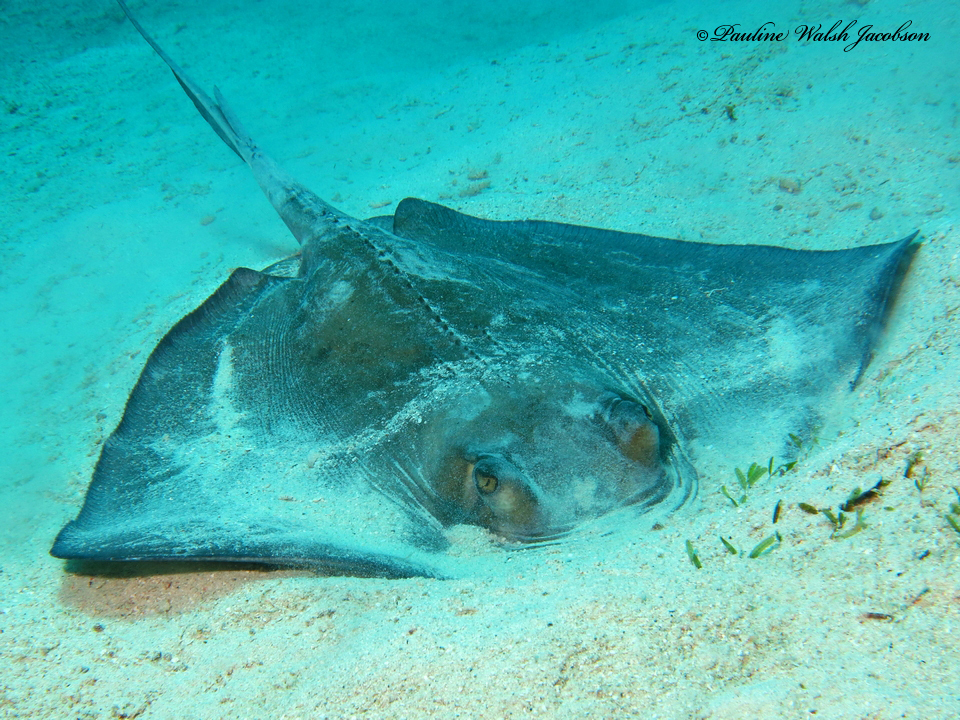 Southern stingrayHypanus americanusSeen in 33 countries in the AtlasNear Threatened
 Whale sharkRhincodon typusSeen in 54 countries in the AtlasEndangered
 Humpback whaleMegaptera novaeangliaeSeen in 87 countries in the AtlasLeast Concern
 Common bottlenose dolphinTursiops truncatusSeen in 89 countries in the AtlasLeast Concern
 Common dolphinDelphinus delphisSeen in 53 countries in the AtlasLeast Concern
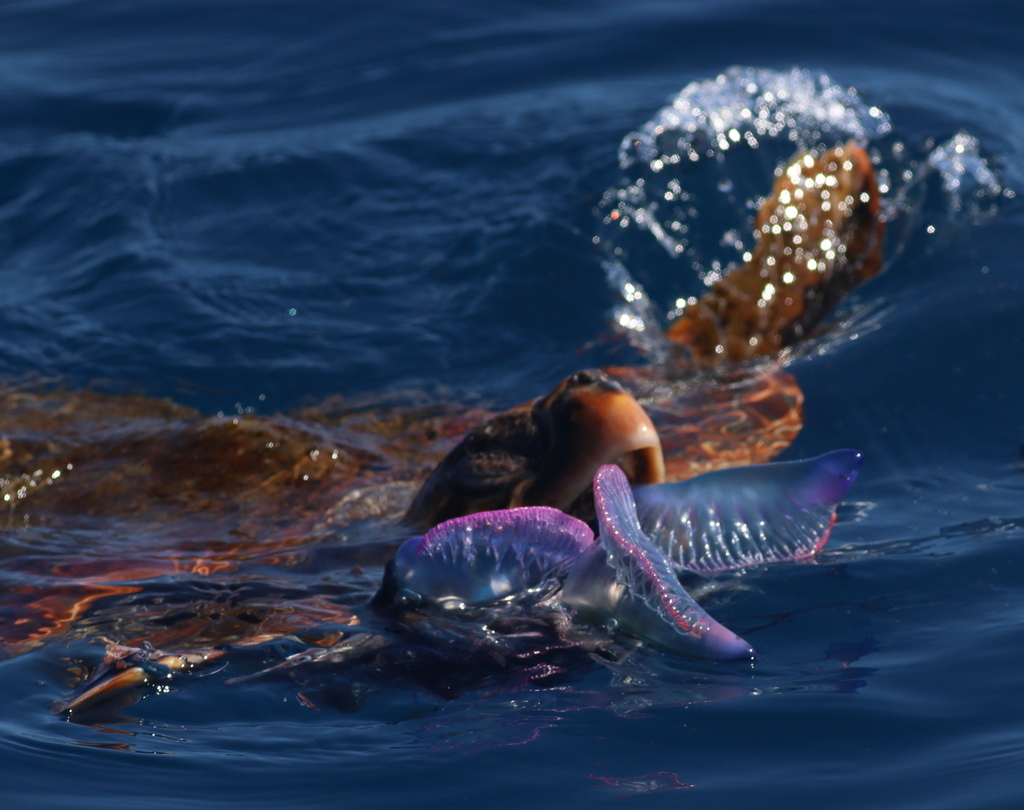 Loggerhead turtleCaretta carettaSeen in 89 countries in the AtlasVulnerable
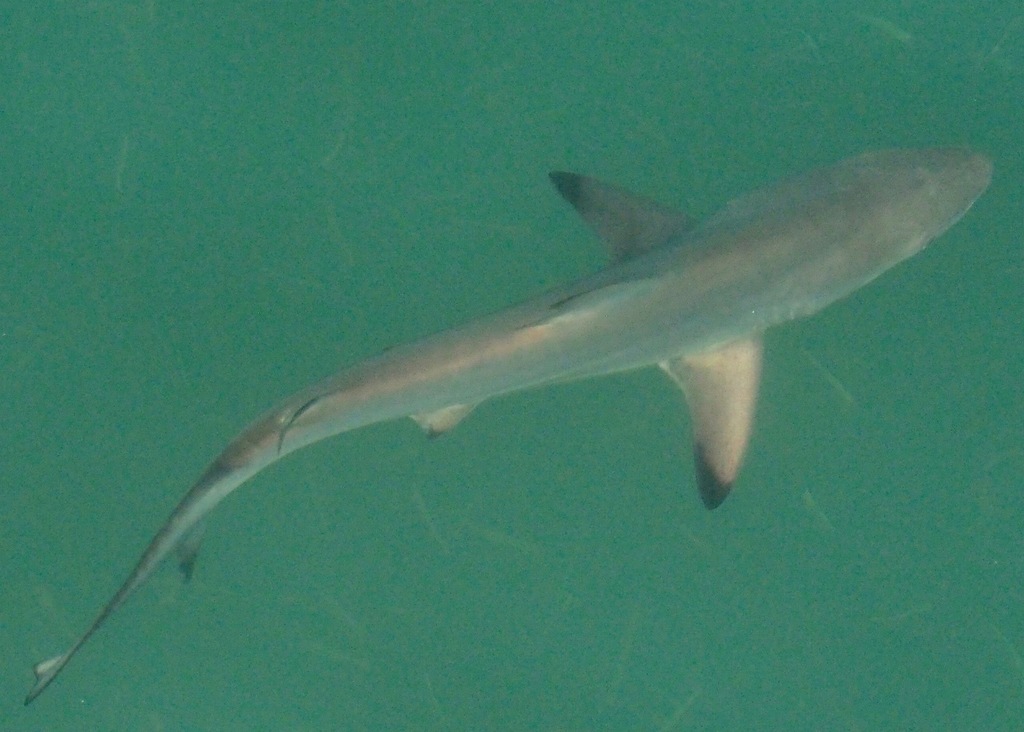 Blacktip sharkCarcharhinus limbatusSeen in 49 countries in the AtlasVulnerable
 Tiger sharkGaleocerdo cuvierSeen in 47 countries in the AtlasNear Threatened
 Bryde's whaleBalaenoptera edeniSeen in 36 countries in the AtlasLeast Concern
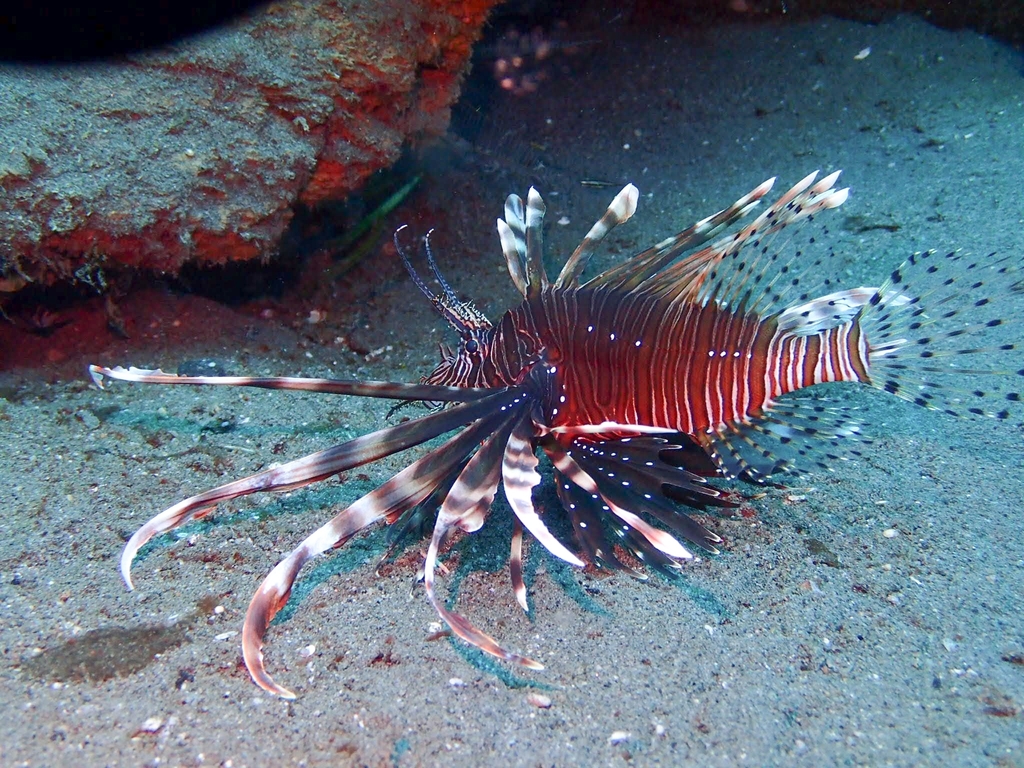 Lionfish (red and common lionfish)Pterois volitans and Pterois milesSeen in 80 countries in the AtlasLeast Concern
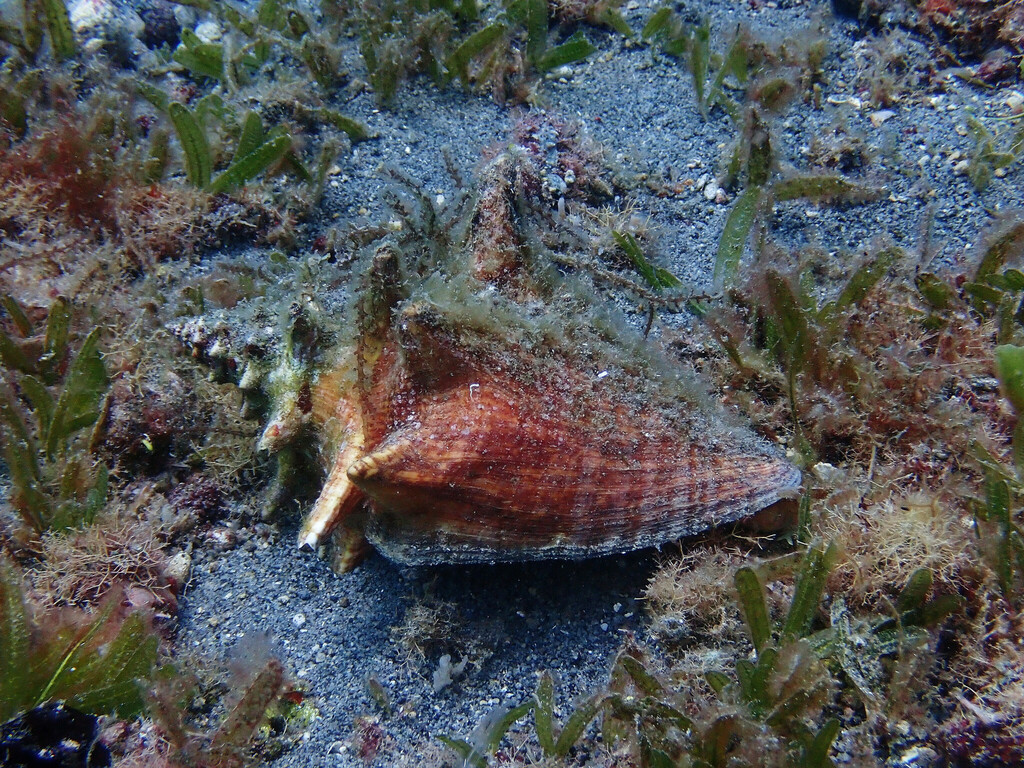 Queen conchAliger gigasSeen in 32 countries in the AtlasNear Threatened
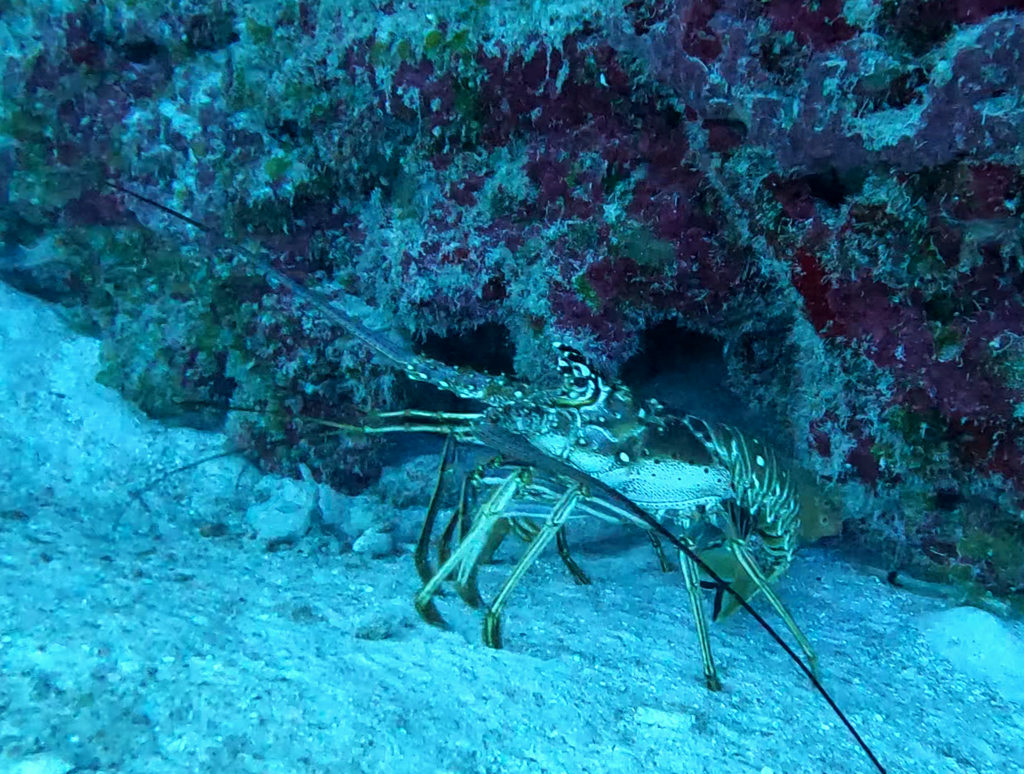 Caribbean spiny lobsterPanulirus argusSeen in 30 countries in the AtlasData Deficient
 Orca (killer whale)Orcinus orcaSeen in 55 countries in the AtlasData Deficient
 Great barracudaSphyraena barracudaSeen in 84 countries in the AtlasLeast Concern
 Magnificent frigatebirdFregata magnificensSeen in 52 countries in the AtlasLeast Concern
 Atlantic spotted dolphinStenella frontalisSeen in 22 countries in the AtlasLeast Concern
 Leatherback turtleDermochelys coriaceaSeen in 76 countries in the AtlasVulnerable
 Masked boobySula dactylatraSeen in 80 countries in the AtlasLeast Concern
 Black noddyAnous minutusSeen in 37 countries in the AtlasLeast Concern
 Brown boobySula leucogasterSeen in 104 countries in the AtlasLeast Concern
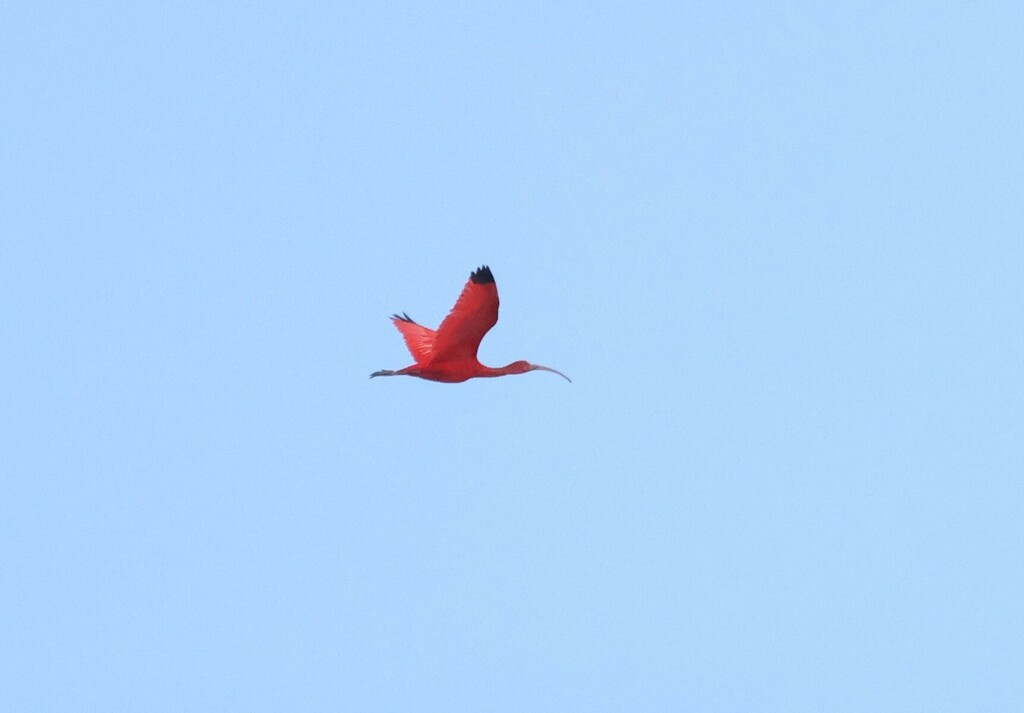 Scarlet ibisEudocimus ruberSeen in 22 countries in the AtlasLives on landLeast Concern
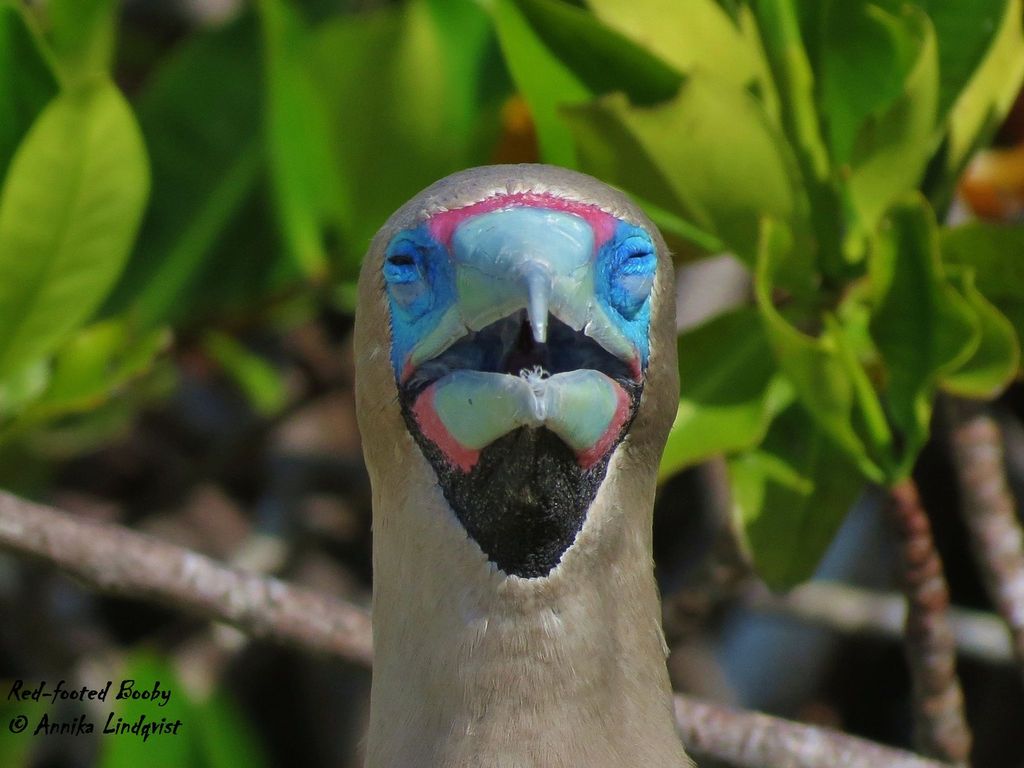 Red-footed boobySula sulaSeen in 91 countries in the AtlasLeast Concern
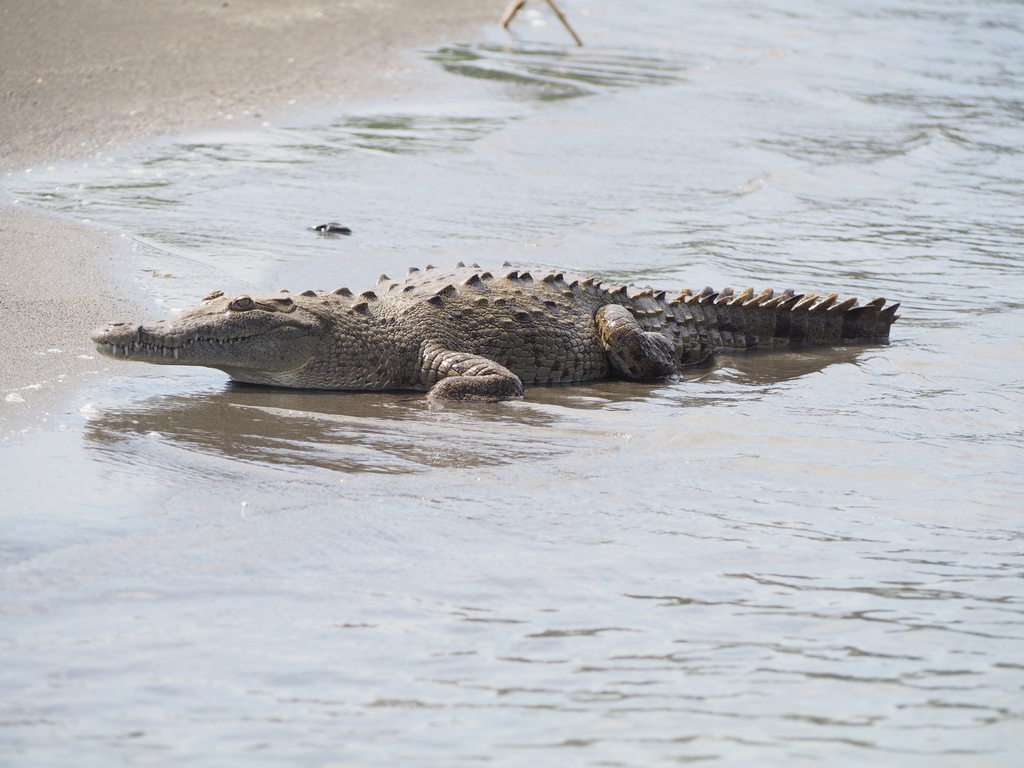 American crocodileCrocodylus acutusSeen in 17 countries in the AtlasVulnerable
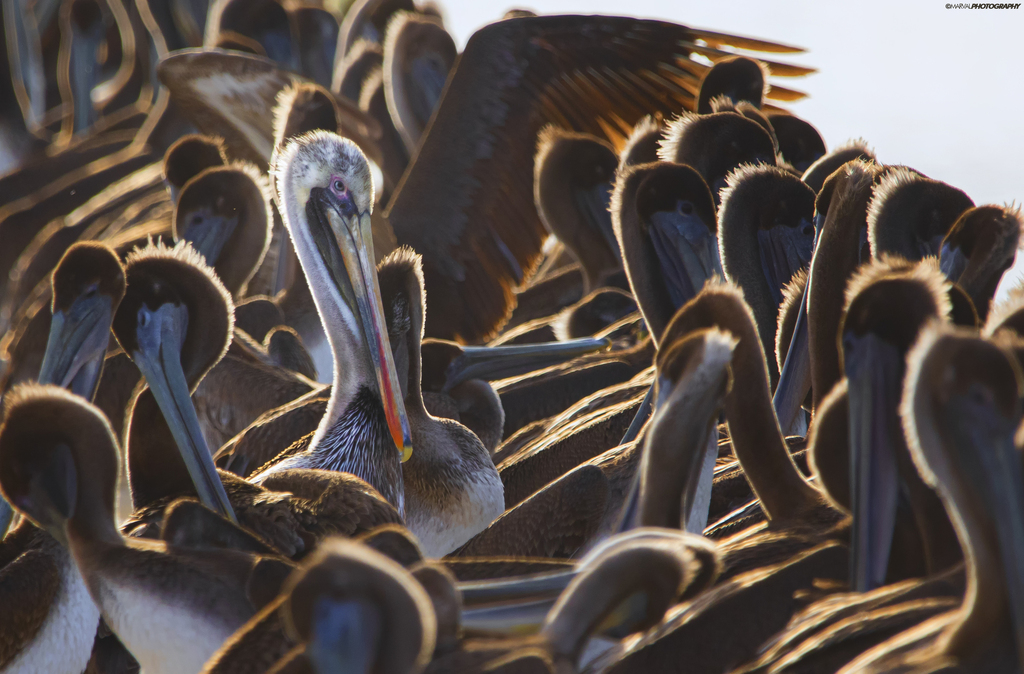 Brown pelicanPelecanus occidentalisSeen in 48 countries in the AtlasLeast Concern
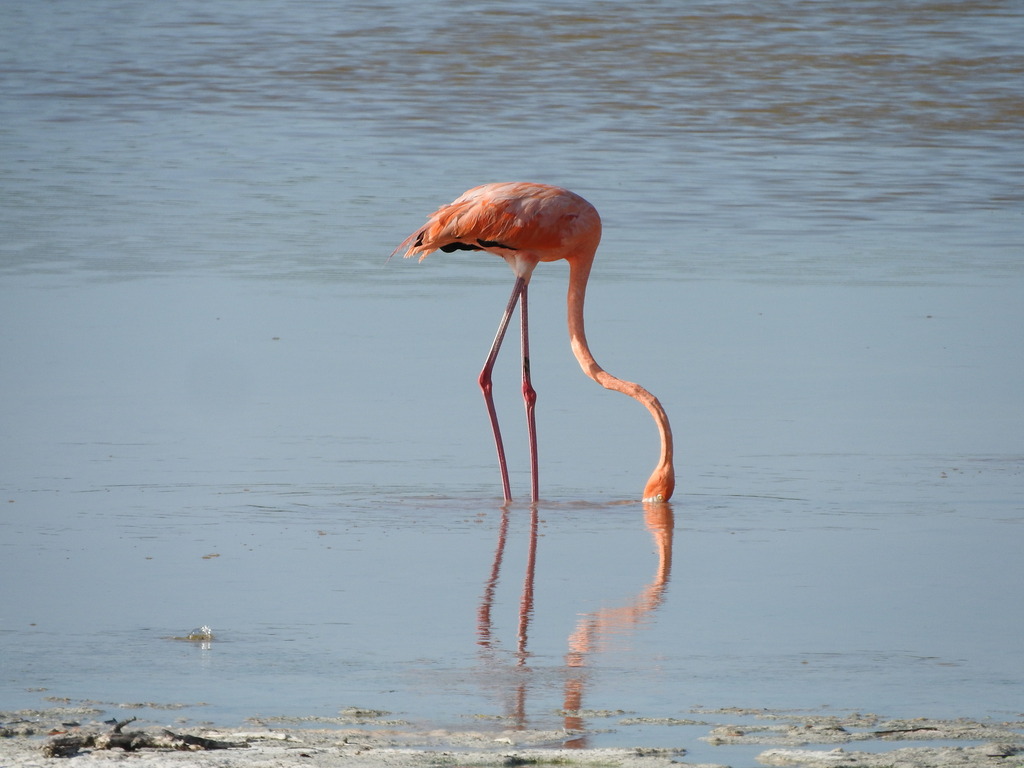 American flamingoPhoenicopterus ruberSeen in 47 countries in the AtlasLives on landLeast Concern
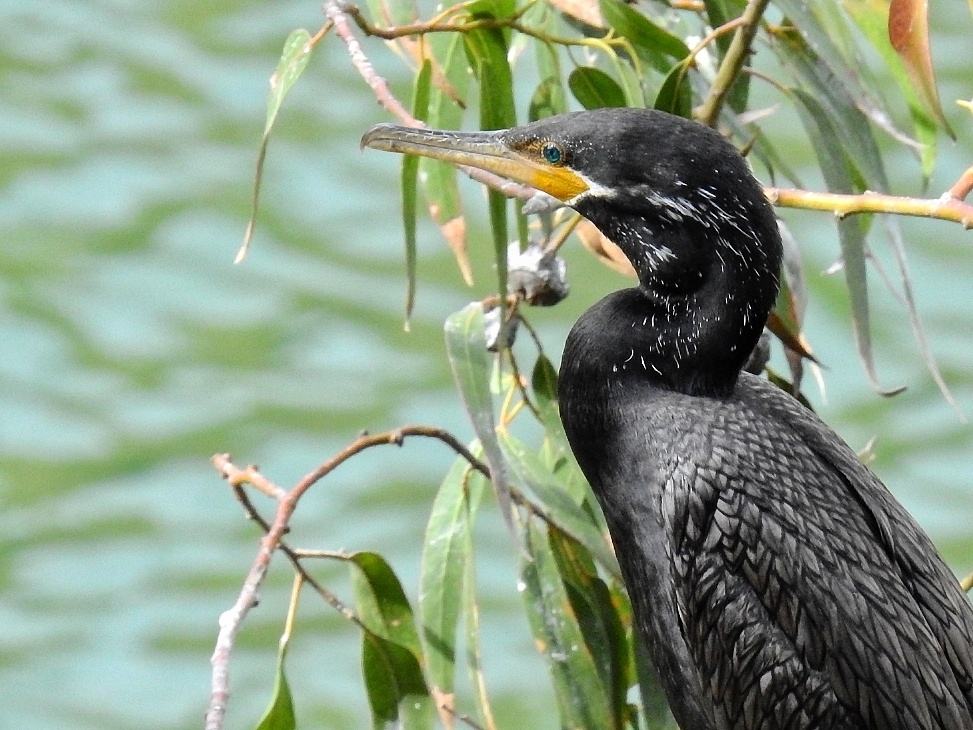 Neotropic cormorantNannopterum brasilianumSeen in 29 countries in the AtlasLeast Concern
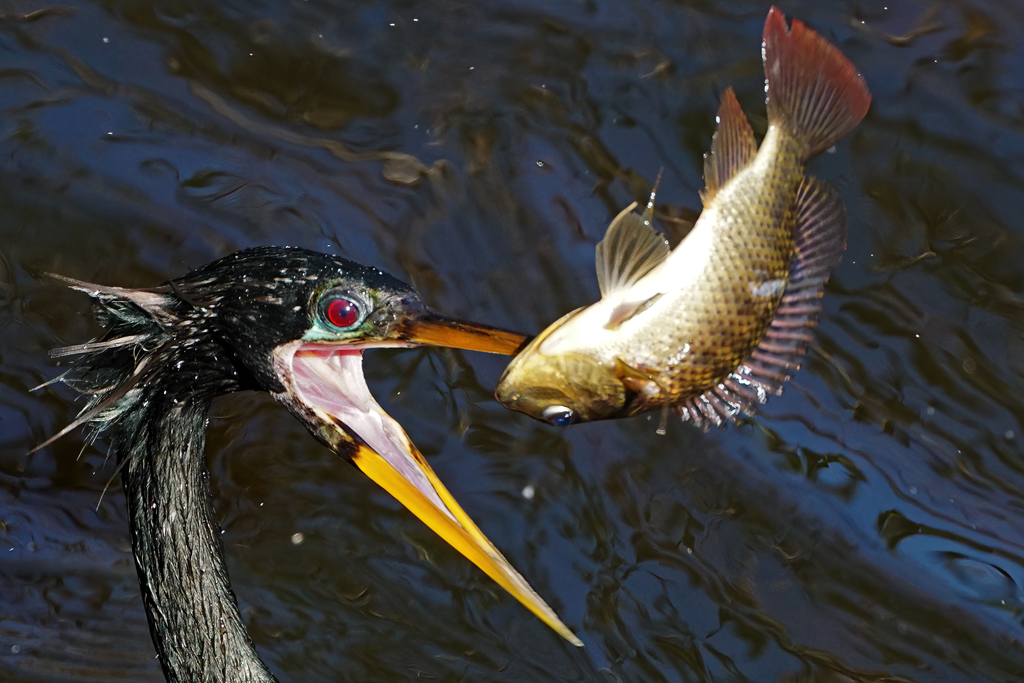 Anhinga (American darter)Anhinga anhingaSeen in 24 countries in the AtlasLeast Concern
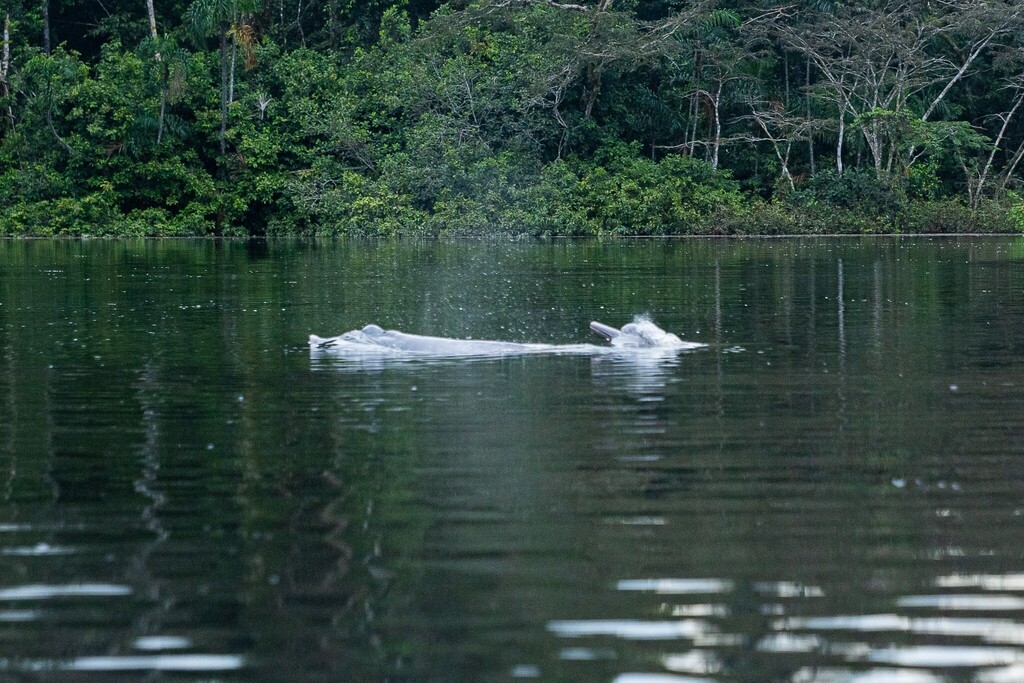 Amazon river dolphinInia geoffrensisSeen in 5 countries in the AtlasEndangered
Why this is a story, not a trip
Read our ethics check above. If you would like to talk about it, Rocío is happy to explain.
 Anguilla
 Antigua and Barbuda
 Aruba
 The Bahamas
 Barbados
 Belize
 British Virgin Islands
 Caribbean Netherlands
 Cayman Islands
 Cuba
 Curaçao
 Dominica
 Dominican Republic
 Grenada
 Guadeloupe
 Haiti
 Honduras
 Jamaica
 Martinique
 Montserrat
 Puerto Rico
 Saint Barthélemy
 Saint Kitts and Nevis
 Saint Lucia
 Saint Martin
 Saint Vincent and the Grenadines
 Sint Maarten
 Trinidad and Tobago
 Turks and Caicos Islands
 US Virgin Islands
Based in Venezuela?
We are always happy to hear from exceptional local operators, accommodation, conservation organisations and destination experts in Venezuela. If your work fits responsible, small-group ocean travel, we would love to learn more.
Partner with Ocean CallingShop with Ocean Calling
Visit the Ocean Calling storefront on Amazon.
As an Amazon Associate I earn from qualifying purchases. You are not only choosing products that respect the ocean, you are also helping us keep going: paying our local partners fairly and keeping our retreats ethical, sustainable and honestly priced for you. 💗