
Ocean Atlas · Caribbean
 Antigua and Barbuda
Reefs off Antigua's calm south and west coasts, and on Barbuda one of the largest frigatebird colonies in the Caribbean.

Ethics pass, with care. We found a way to visit this country that meets our animal-welfare standard, as long as we work with the right local operator. Checked by Ocean Calling on 26 Sep 2026. Sources: Stingray City Antigua, operator site ('pet and feed friendly stingrays'); Blue Halo Barbuda, Waitt Institute; Fisheries Regulations 2013, Antigua and Barbuda, FAOLEX.
🧭 Travel advice, checked 30 Sep 2026. The UK FCDO travel advice for Antigua and Barbuda was updated on 13 March 2026 and is shown as current. It covers safety, insurance and entry requirements. Sources: UK FCDO travel advice, Antigua and Barbuda Advice differs by passport: check your own government before you plan.
Why Antigua and Barbuda
Antigua has sheltered reefs on its south and west coasts, like Cades Reef inside a marine reserve where fishing is not allowed, and Nelson's Dockyard, a World Heritage site inside a national park. Barbuda, a small flat island to the north, has Codrington Lagoon, a Ramsar wetland with one of the largest magnificent frigatebird colonies in the Caribbean, and since 2014 its local council protects about one third of its coastal waters as sanctuaries. Off Antigua's north coast, a hawksbill turtle nesting study has run every year since 1987, one of the longest in the world. Humpback whales pass from about January to April, and we only watch them from the boat. There is a stingray attraction where rays are fed and held, so Ocean Calling does not go there. Barbuda was almost destroyed by Hurricane Irma in 2017 and there are still open questions about land and new resorts, so we want to visit in a way that helps local people. There is no working recompression chamber on the islands that we could confirm, so dive plans stay conservative. Hurricane season is June to November, so late winter and spring look best.
Conservation-led. Ocean Calling guests never chase, touch or bait animals.
When to go
Feb-May. Timing changes by place and by animal, so check each place below.
We have researched this place and keep learning about it. There is no trip here yet.
Can we travel here ethically?
Ethics pass, with care
Good with the right operator. Here is how we choose.
Antigua and Barbuda protects its turtles by law, and on Barbuda the local council keeps about one third of the coastal waters as marine sanctuaries. There is also a popular attraction where stingrays are fed and held by visitors, so Ocean Calling does not go there. We choose quiet reef snorkelling and diving, and we watch passing humpback whales only from the boat.
Checked 26 Sep 2026. Places change, so we look again every year.
Where in Antigua and Barbuda
Short notes from our research. Wildlife is never guaranteed.
Cades Reef and the southwest coast
ExploringA long reef off Antigua's southwest coast inside a marine reserve, with calm water for snorkelling and easy diving.
🤿 In the water: Reef fish and corals, Turtles (possible), Southern stingrays and eagle rays in the wild (possible)
When: Feb-May. The reserve protects the reef, seagrass and mangroves, and all fishing is banned inside it. Calmer water on the leeward side in most winds.
English Harbour and Nelson's Dockyard
ExploringA historic sailing harbour in a national park and World Heritage site, a base for dives and snorkels on the south coast.
🤿 In the water: Reef fish and corals on south coast reefs, Turtles (possible), Nurse sharks (possible)
⛵ From the boat or shore, never in the water: Humpback whales from the boat, about January to April
When: Feb-May. In late April and early May there is a big sailing regatta, with crowds, noise and high prices, so we plan around it. The national park has rules on anchoring and fishing in sensitive areas.
Barbuda and Codrington Lagoon
ExploringA quiet flat island with long beaches, marine sanctuaries and a large lagoon where frigatebirds nest.
🤿 In the water: Shallow reef fish and corals, Turtles (possible)
⛵ From the boat or shore, never in the water: Magnificent frigatebirds at the nesting colony, from a local boat, Humpback whales offshore, about January to April
When: Feb-May. The frigatebird colony is only reached by boat with a local guide, and the lagoon is a protected Ramsar wetland. Barbuda is still rebuilding after 2017 and has only basic health care, so we keep visits simple and use local guides.
Animals recorded in Antigua and Barbuda
Tap an animal to learn how it lives, where it travels and how to meet it respectfully.
 Humpback whaleMegaptera novaeangliaeSeen in 87 countries in the AtlasLeast Concern
 Green turtleChelonia mydasSeen in 103 countries in the AtlasLeast Concern
 Hawksbill turtleEretmochelys imbricataSeen in 88 countries in the AtlasCritically Endangered
 Leatherback turtleDermochelys coriaceaSeen in 76 countries in the AtlasVulnerable
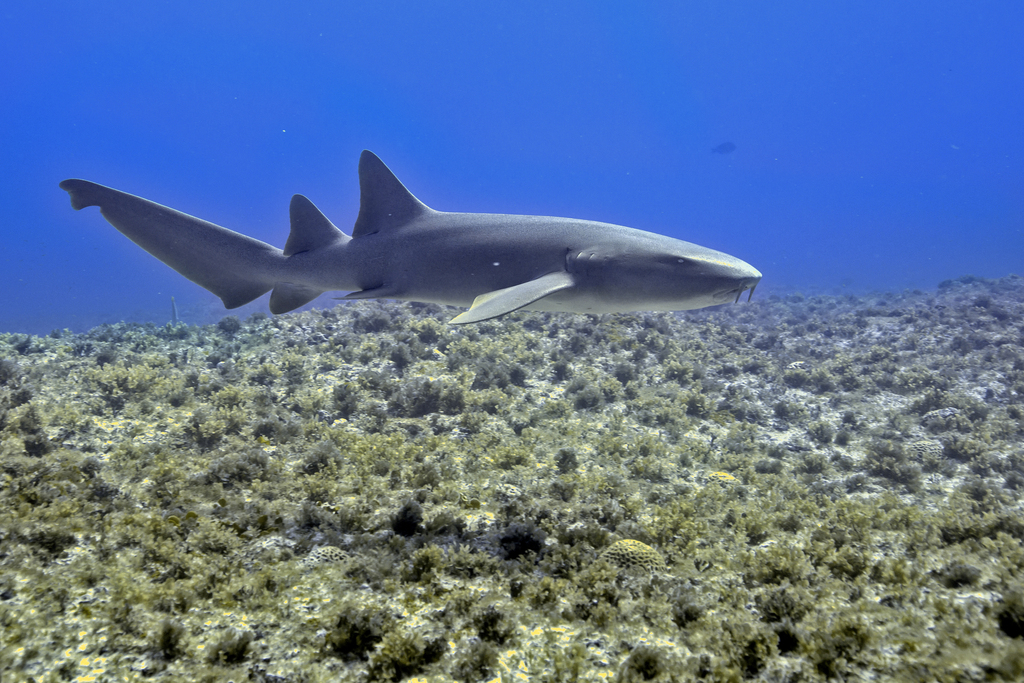 Atlantic nurse sharkGinglymostoma cirratumSeen in 38 countries in the AtlasVulnerable
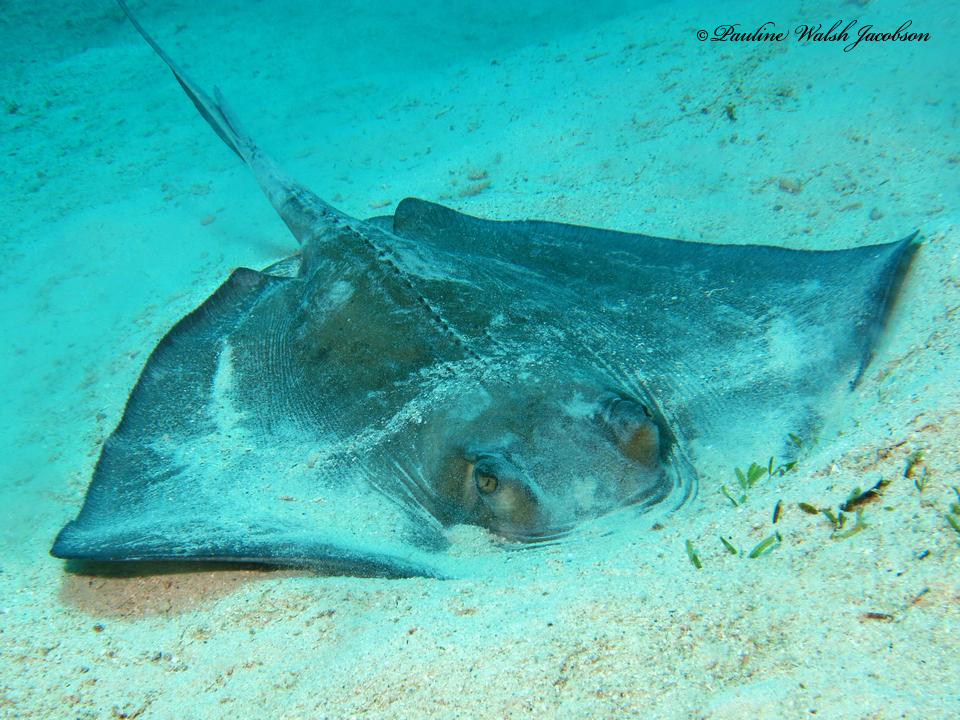 Southern stingrayHypanus americanusSeen in 33 countries in the AtlasNear Threatened
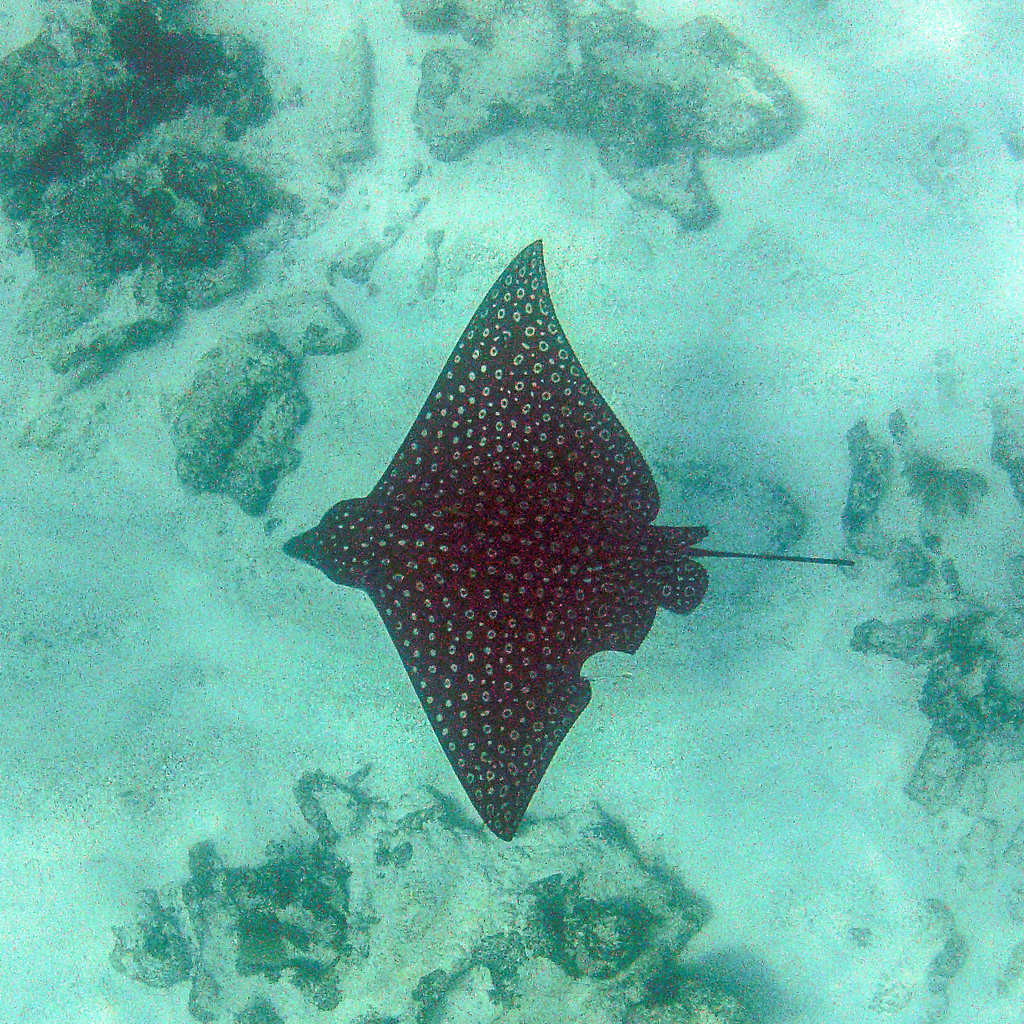 Whitespotted eagle rayAetobatus narinariSeen in 58 countries in the AtlasEndangered
 Great barracudaSphyraena barracudaSeen in 84 countries in the AtlasLeast Concern
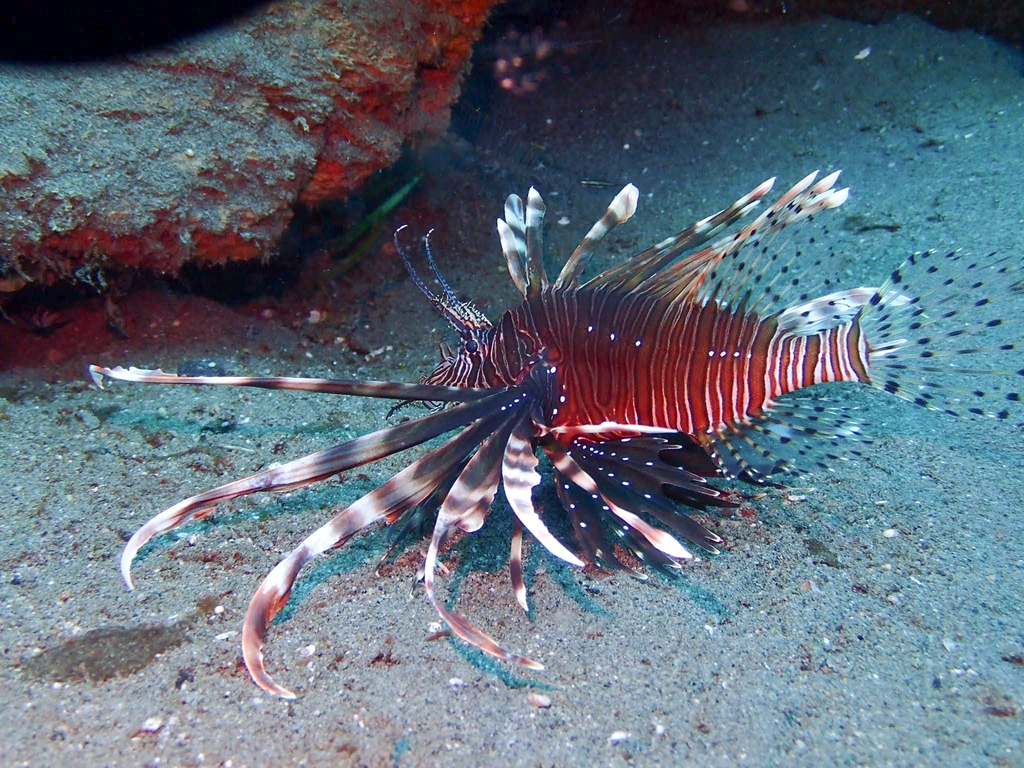 Lionfish (red and common lionfish)Pterois volitans and Pterois milesSeen in 80 countries in the AtlasLeast Concern
 Magnificent frigatebirdFregata magnificensSeen in 52 countries in the AtlasLeast Concern
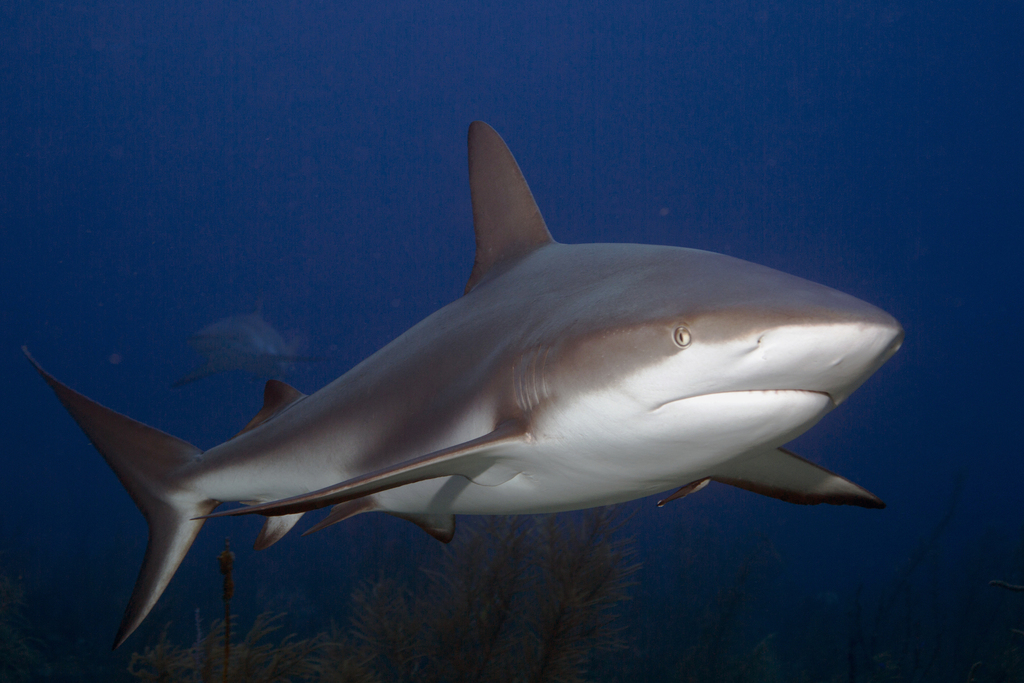 Caribbean reef sharkCarcharhinus pereziSeen in 19 countries in the AtlasEndangered
 Nassau grouperEpinephelus striatusSeen in 20 countries in the AtlasCritically Endangered
 Masked boobySula dactylatraSeen in 80 countries in the AtlasLeast Concern
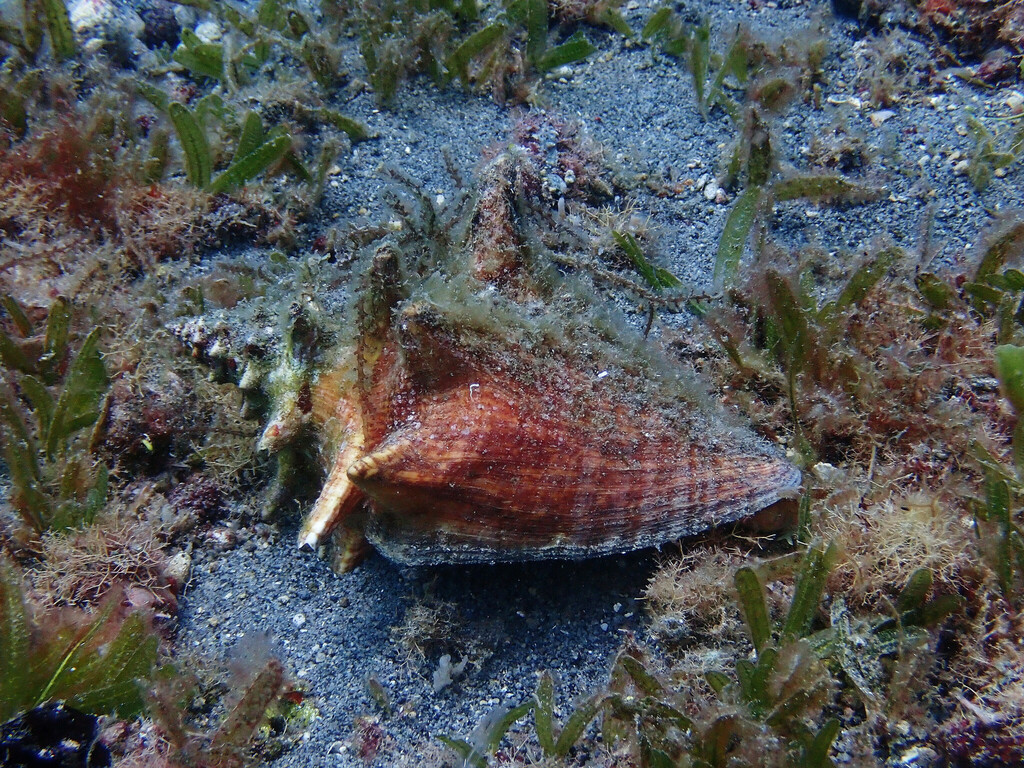 Queen conchAliger gigasSeen in 32 countries in the AtlasNear Threatened
 Brown boobySula leucogasterSeen in 104 countries in the AtlasLeast Concern
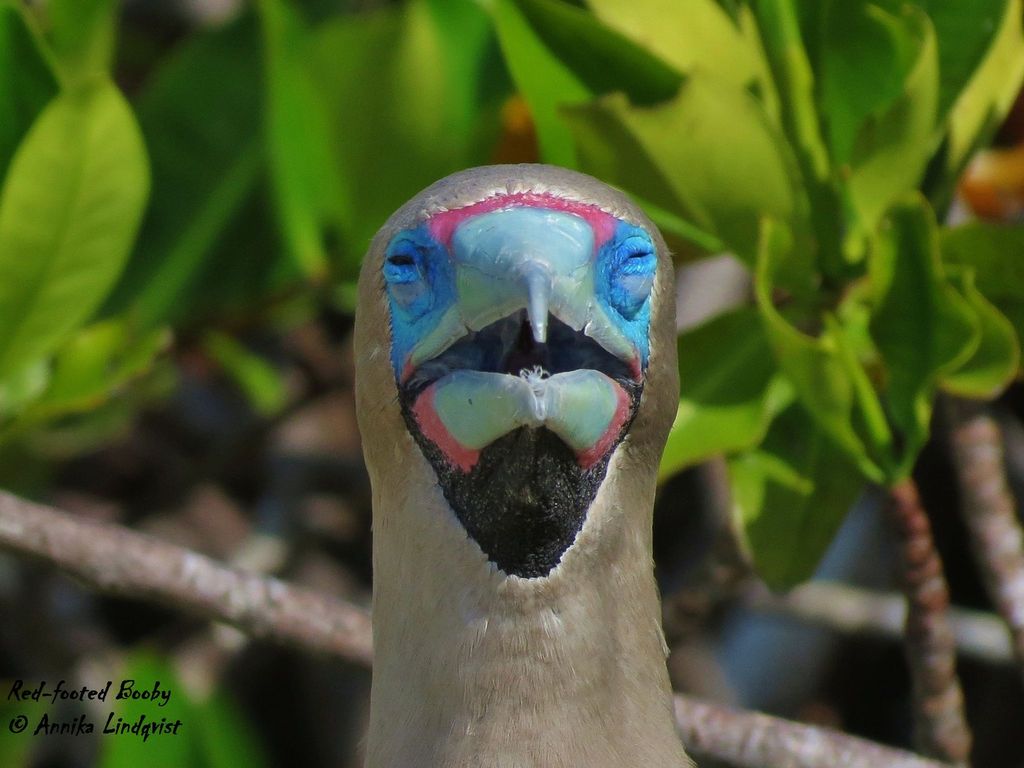 Red-footed boobySula sulaSeen in 91 countries in the AtlasLeast Concern
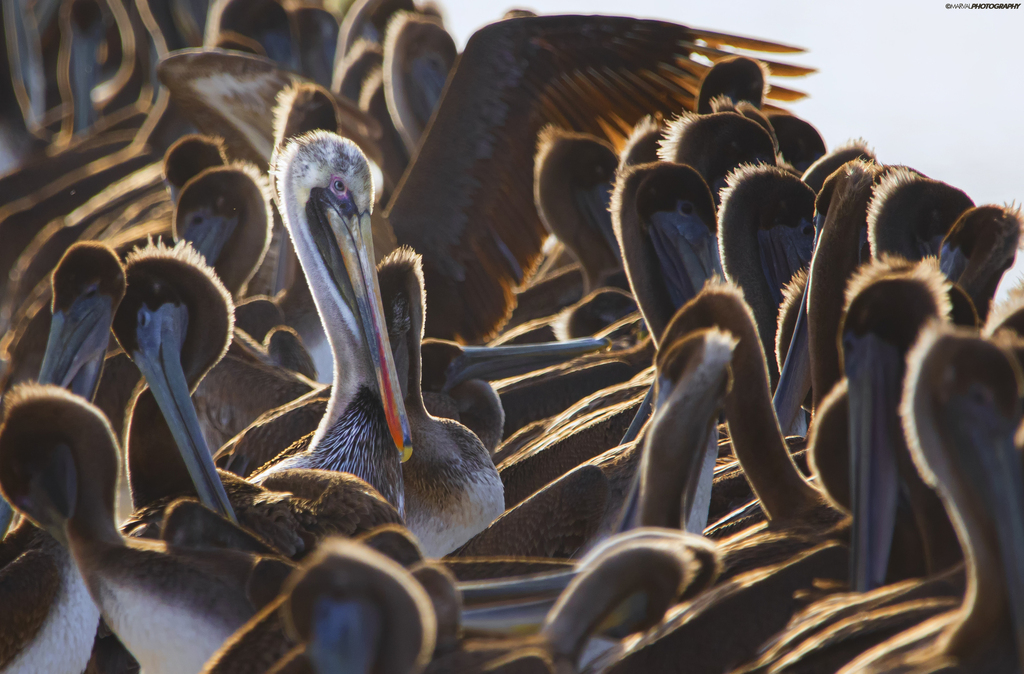 Brown pelicanPelecanus occidentalisSeen in 48 countries in the AtlasLeast Concern
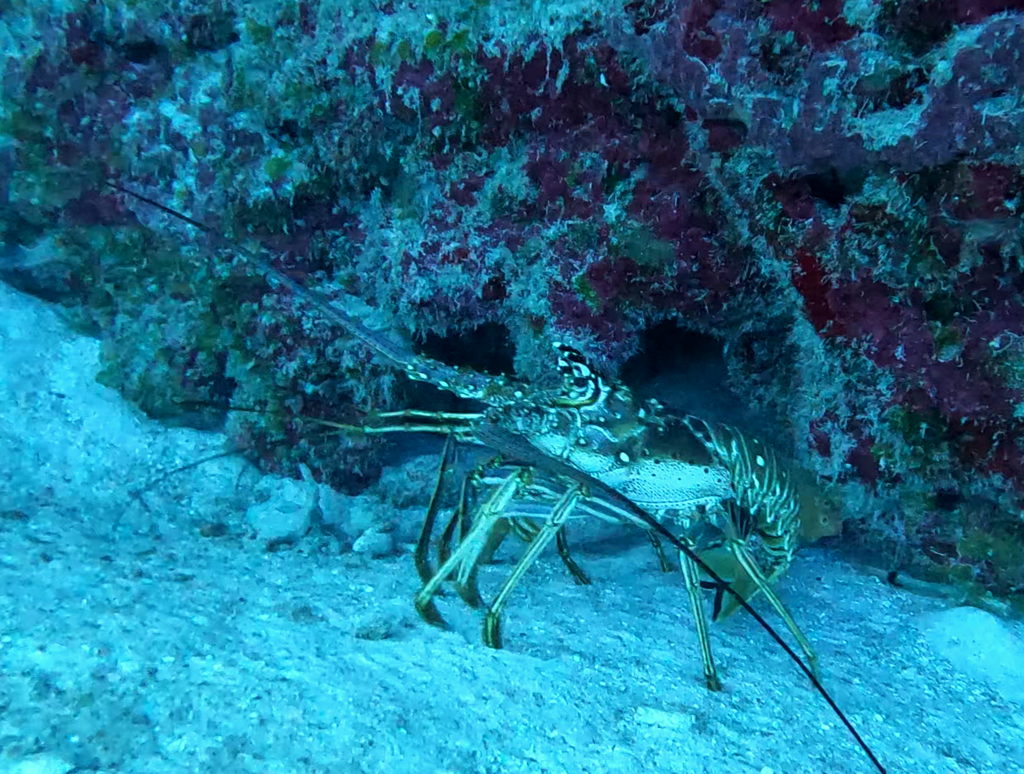 Caribbean spiny lobsterPanulirus argusSeen in 30 countries in the AtlasData Deficient
Tell Rocío what you would love to see
There is no trip here yet. If enough people ask, it helps us decide where to go next.
 Anguilla
 Aruba
Aruba The Bahamas
 Barbados
 Belize
 British Virgin Islands
 Caribbean Netherlands
 Cayman Islands
 Cuba
Cuba Curaçao
 Dominica
 Dominican Republic
 Grenada
 Guadeloupe
 Haiti
Haiti Honduras
 Jamaica
 Martinique
 Montserrat
 Puerto Rico
 Saint Barthélemy
 Saint Kitts and Nevis
 Saint Lucia
 Saint Martin
 Saint Vincent and the Grenadines
 Sint Maarten
 Trinidad and Tobago
 Turks and Caicos Islands
 US Virgin Islands
 Venezuela
Based in Antigua and Barbuda?
We are always happy to hear from exceptional local operators, accommodation, conservation organisations and destination experts in Antigua and Barbuda. If your work fits responsible, small-group ocean travel, we would love to learn more.
Partner with Ocean CallingNew: mobula rays in La Ventana, May 2027
CHF 2,720