
Ocean Atlas · Caribbean
 Haiti
Haiti
A long, mountainous coast with reefs, mangroves and young marine parks, where the sea needs time to recover.

On pause, travel not recommended. A government travel advisory says not to travel here, so we do not offer trips. Sources: Haiti travel advice, UK FCDO, updated 10 Dec 2025; Haiti travel advisory, Level 4 Do not travel, US State Department, 10 Jul 2026; Haiti's reefs most overfished in the world, Reef Check, 2011.
Why: The UK and the United States advise against all travel to Haiti because of the security situation, so our ethics check is paused. What we know: a 2011 survey found Haitian reefs among the most overfished in the world, with very few large fish left. For now we only share Haiti's ocean story, with no trips.
We share this country as a story and do not offer trips. This is not a judgement of the people or the ocean here. It only means that today we could not find a visit that meets our animal-welfare and safety standards. Places change, so we look again every year.
⚠️ Official travel advice is a separate question, and it differs by passport. EU citizens or US citizens may be advised against travelling there, so please check your own government’s website before you plan.
Why Haiti
Haiti has more than 1,500 km of coast, with the calm Arcadins coast north of the capital, the small island of Île-à-Vache in the south and the Three Bays Protected Area in the northeast, with the longest fringing reef in the country, mangroves and manatees. The first marine protected areas were created in 2013 and 2014. A 2011 survey found the reefs among the most overfished in the world, with very few large fish, so recovery will take many years. Green, hawksbill, loggerhead and leatherback turtles use these waters. EU, UK and US citizens may be advised against all travel to Haiti because of gang violence, so please check your own government's website. Ocean Calling has no trips here and shares only the ocean story.
Conservation-led. Ocean Calling guests never chase, touch or bait animals.
When to go
Dec-Mar. Timing changes by place and by animal, so check each place below.
Official travel advice or our ethics check means we do not send guests here.
Can we travel here ethically?
On pause, travel not recommended
We follow government travel advice. We will look again when it changes.
This is not a judgement of the people or the ocean here. It only means that today we could not find a visit that meets our animal-welfare and safety standards. Places change, so we look again every year. Checked 26 Sep 2026.
⚠️ Official travel advice is a separate question, and it differs by passport. EU citizens or US citizens may be advised against travelling there, so please check your own government’s website before you plan.
Where in Haiti
We share these places as stories and research notes. We do not offer or sell trips here.
Côte des Arcadins
On pause, travel not recommendedA calm coast north of the capital, facing the small Arcadins cays, with reefs that are heavily fished.
Also seen: Reef fish (few large fish, after long overfishing), Sea turtles (rare)
When: Dec-Mar. December to March is the drier, calmer season. Hurricane season runs from June to November. This coast is close to areas with serious gang violence, and governments advise against all travel.
Île-à-Vache
On pause, travel not recommendedA small, car-free island off the south coast, with mangroves, seagrass and old turtle nesting beaches.
Also seen: Sea turtles (they once nested here, now rare), Humpback whales (passing offshore in winter, rarely recorded)
When: Dec-Mar. December to March is the drier season. Hurricane season runs from June to November. The island is part of a marine protected area in the south created in 2013.
Three Bays Protected Area
On pause, travel not recommendedThree bays and a lagoon in the northeast, with the longest fringing reef in Haiti, mangroves and manatees.
Also seen: Antillean manatees (rare), Sea turtles, Water birds in the mangroves and lagoon
When: Dec-Mar. December to March is the drier season. Hurricane season runs from June to November. The park is co-managed by the national protected areas agency and a local marine NGO.
Animals recorded in Haiti
Tap an animal to learn how it lives, where it travels and how to meet it respectfully.
 Green turtleChelonia mydasSeen in 103 countries in the AtlasLeast Concern
 Hawksbill turtleEretmochelys imbricataSeen in 88 countries in the AtlasCritically Endangered
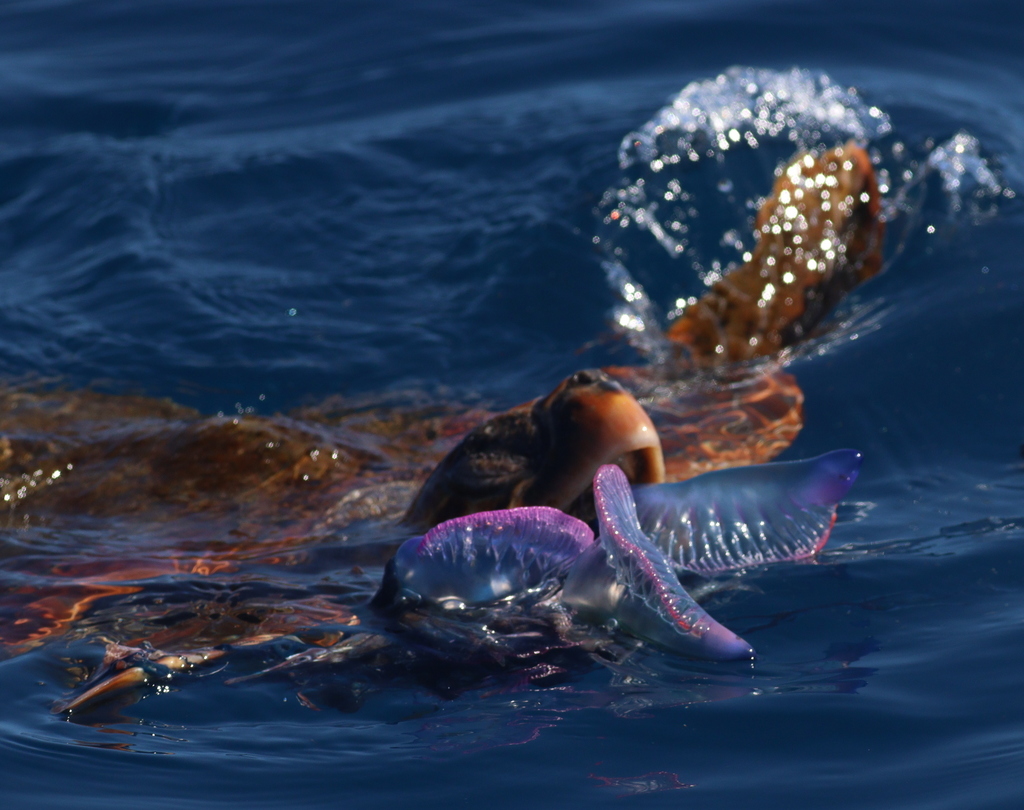 Loggerhead turtleCaretta carettaSeen in 89 countries in the AtlasVulnerable
 Leatherback turtleDermochelys coriaceaSeen in 76 countries in the AtlasVulnerable
 Great barracudaSphyraena barracudaSeen in 84 countries in the AtlasLeast Concern
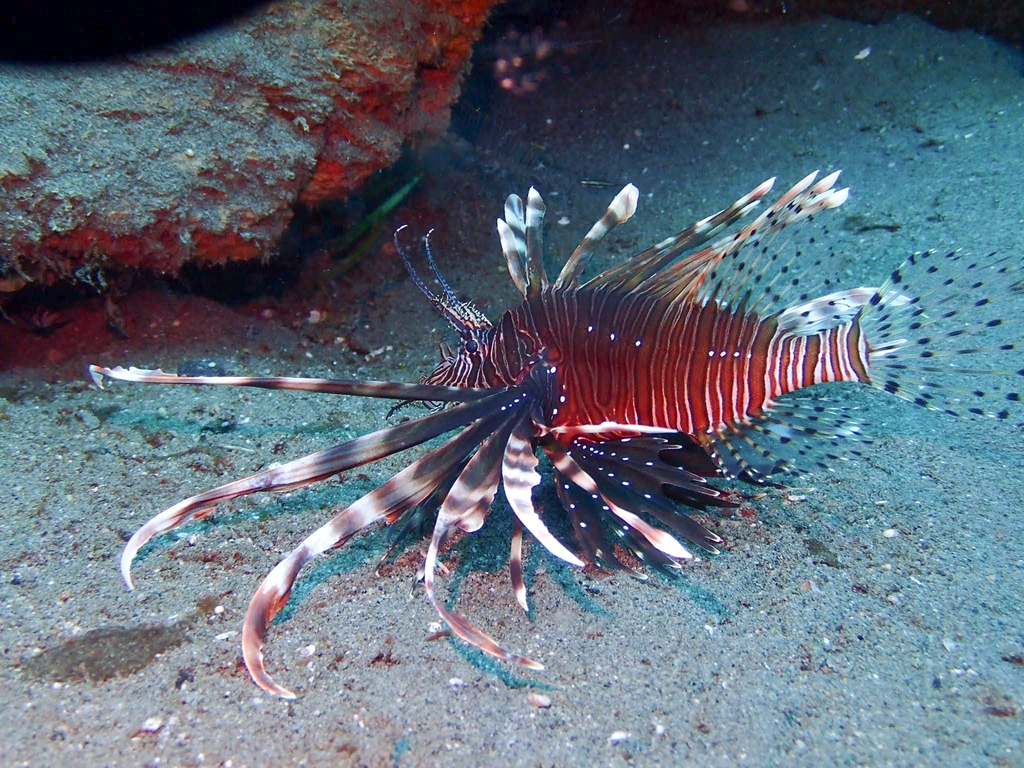 Lionfish (red and common lionfish)Pterois volitans and Pterois milesSeen in 80 countries in the AtlasLeast Concern
 Magnificent frigatebirdFregata magnificensSeen in 52 countries in the AtlasLeast Concern
 Humpback whaleMegaptera novaeangliaeSeen in 87 countries in the AtlasLeast Concern
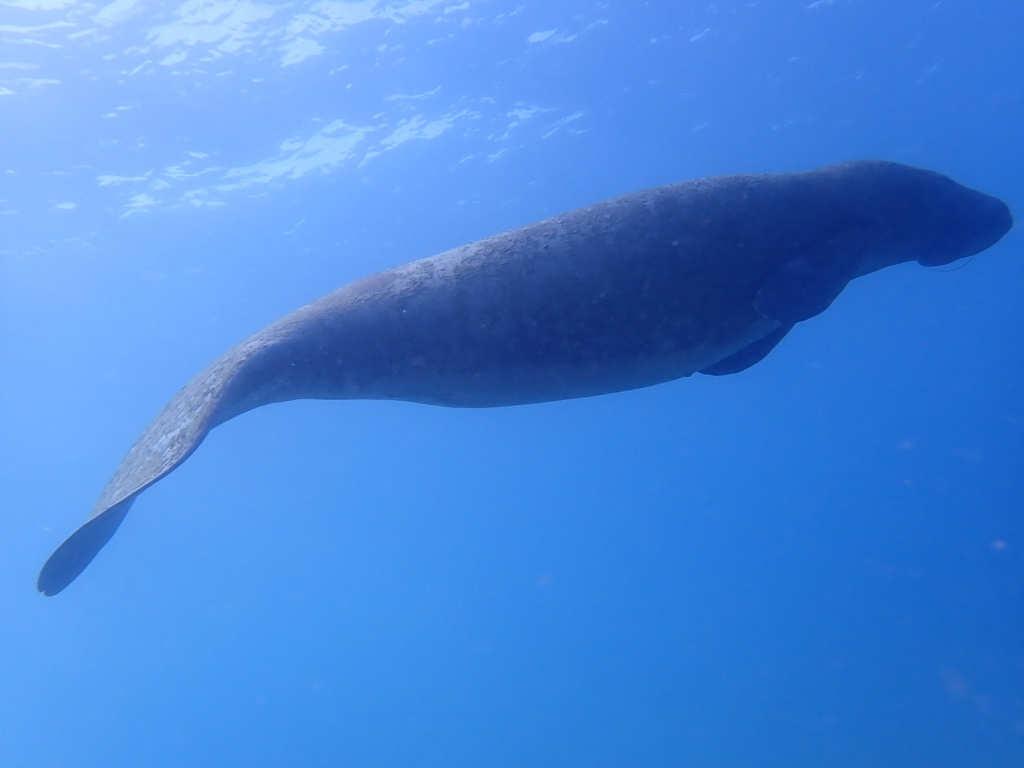 Antillean manateeTrichechus manatus manatusSeen in 14 countries in the AtlasEndangered
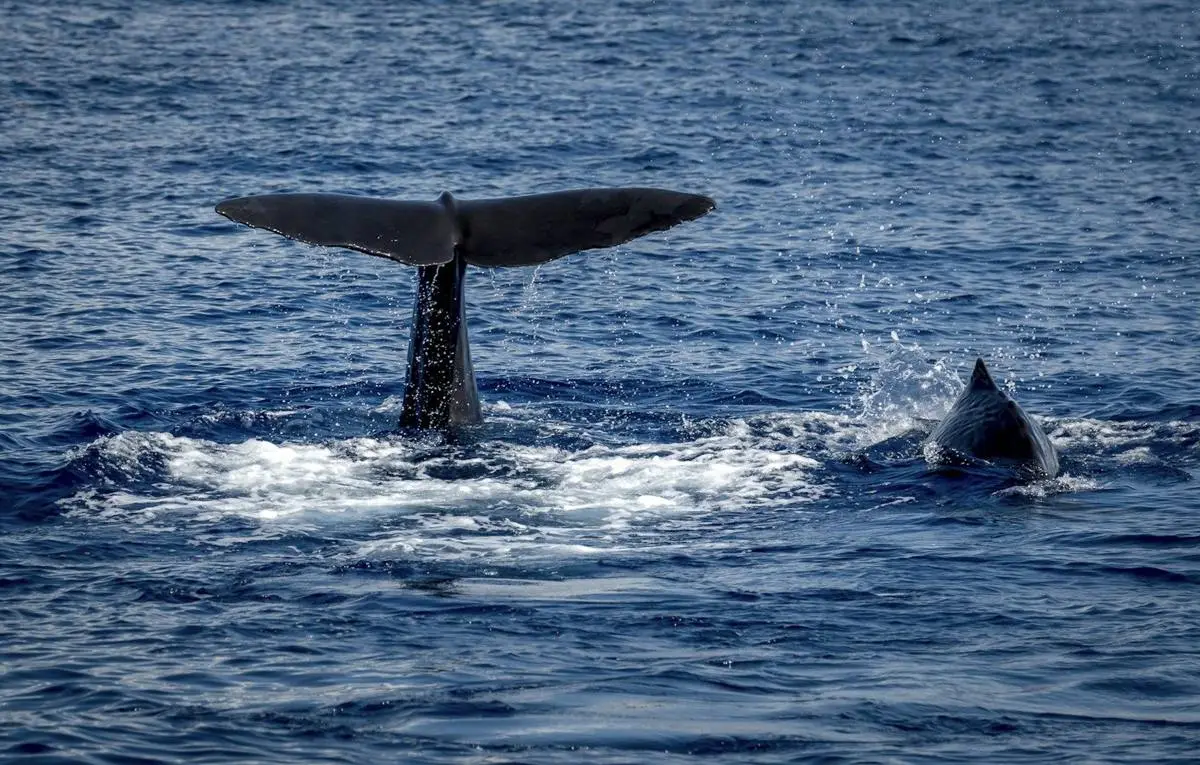 Sperm whalePhyseter macrocephalusSeen in 114 countries in the AtlasVulnerable
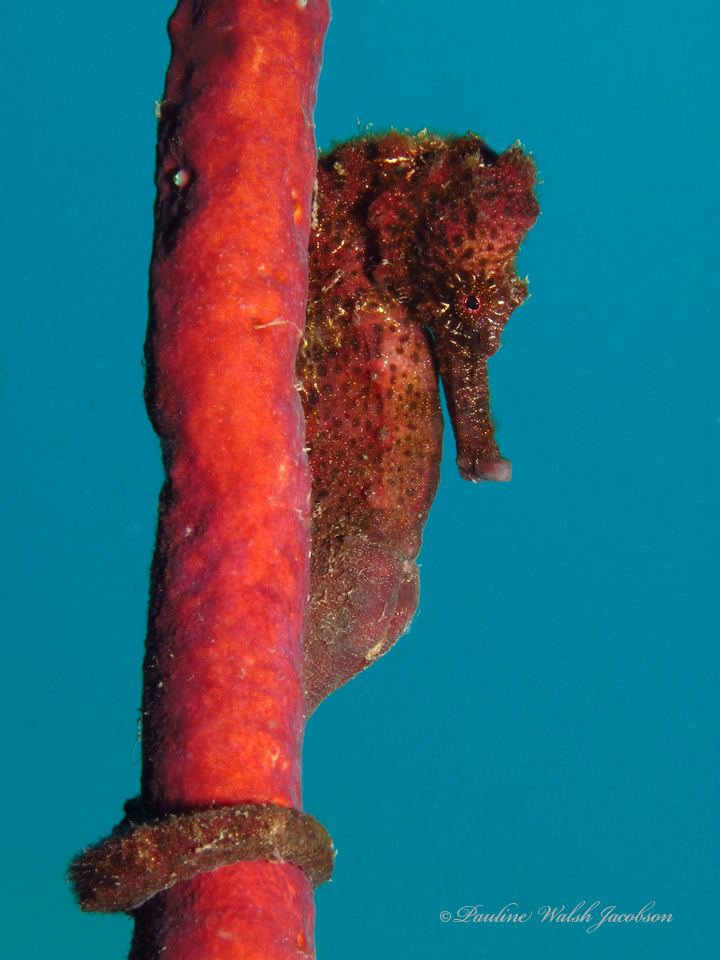 Longsnout seahorseHippocampus reidiSeen in 25 countries in the AtlasNear Threatened
 Nassau grouperEpinephelus striatusSeen in 20 countries in the AtlasCritically Endangered
 Masked boobySula dactylatraSeen in 80 countries in the AtlasLeast Concern
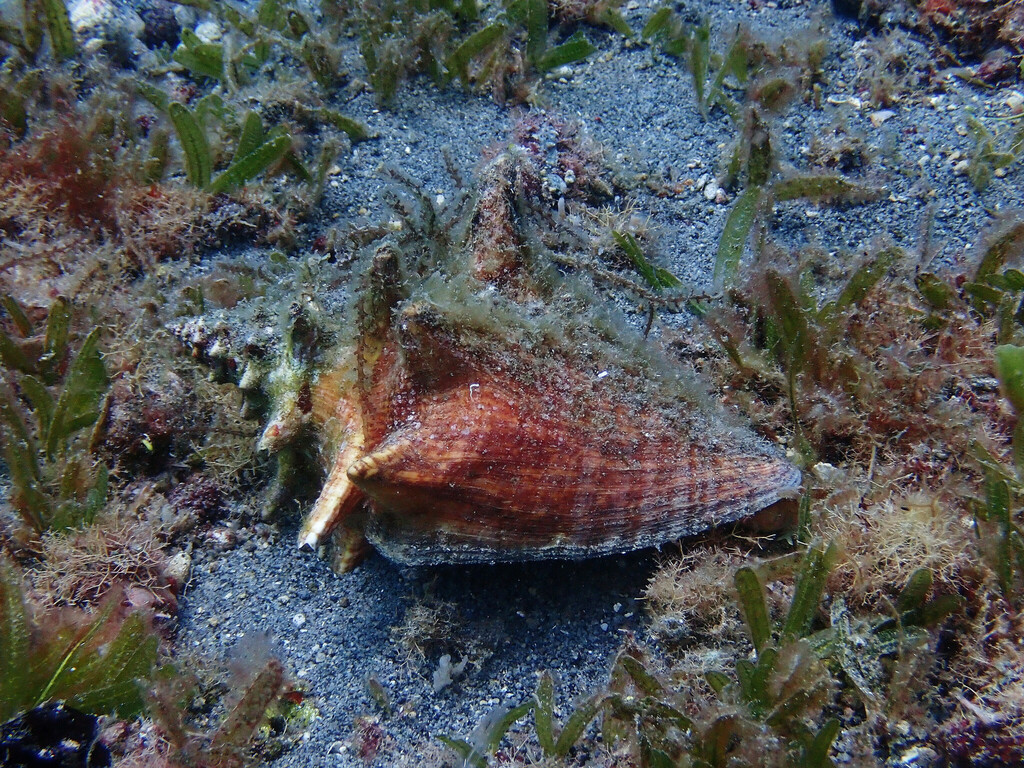 Queen conchAliger gigasSeen in 32 countries in the AtlasNear Threatened
 Brown boobySula leucogasterSeen in 104 countries in the AtlasLeast Concern
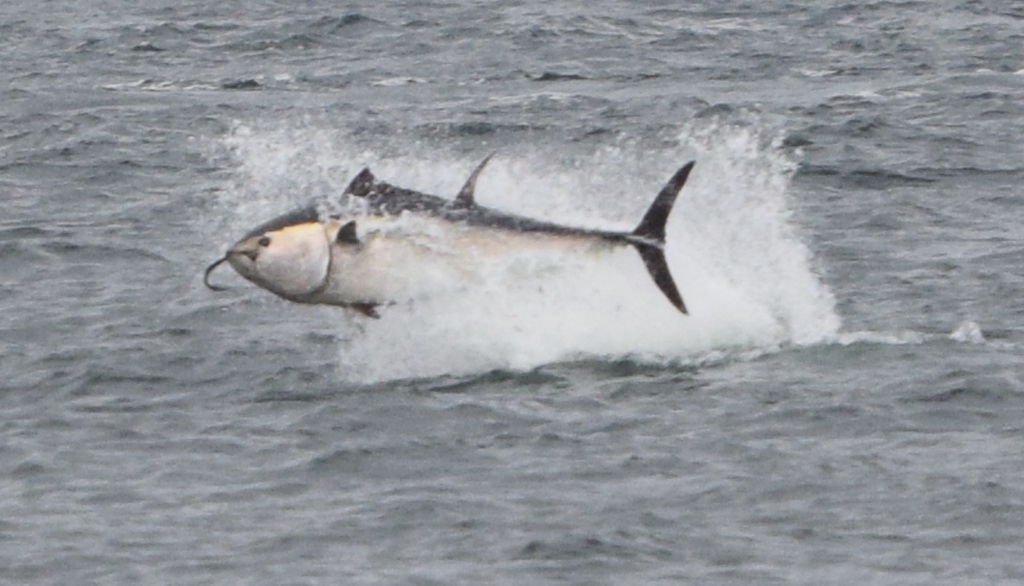 Atlantic bluefin tunaThunnus thynnusSeen in 39 countries in the AtlasLeast Concern
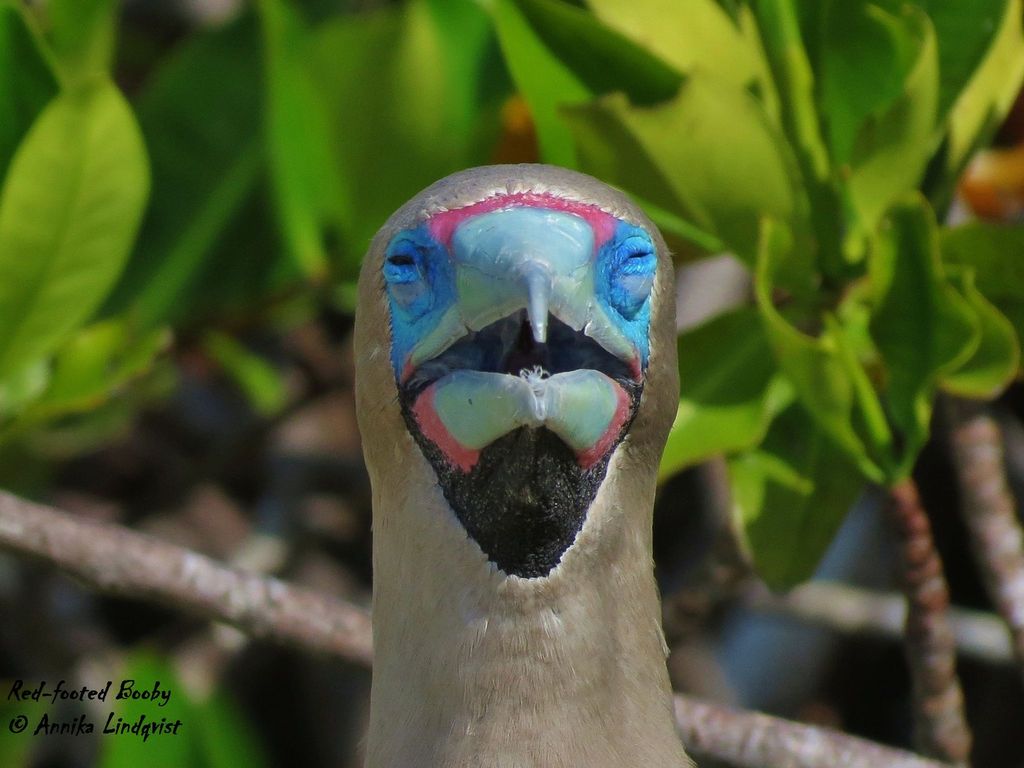 Red-footed boobySula sulaSeen in 91 countries in the AtlasLeast Concern
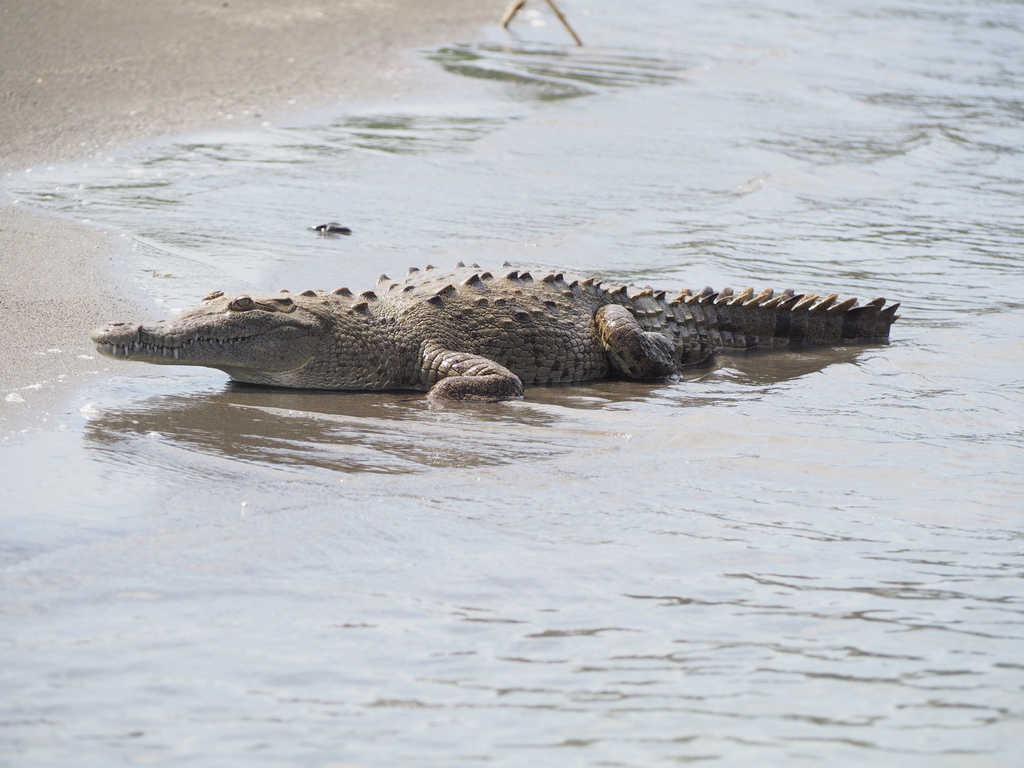 American crocodileCrocodylus acutusSeen in 17 countries in the AtlasVulnerable
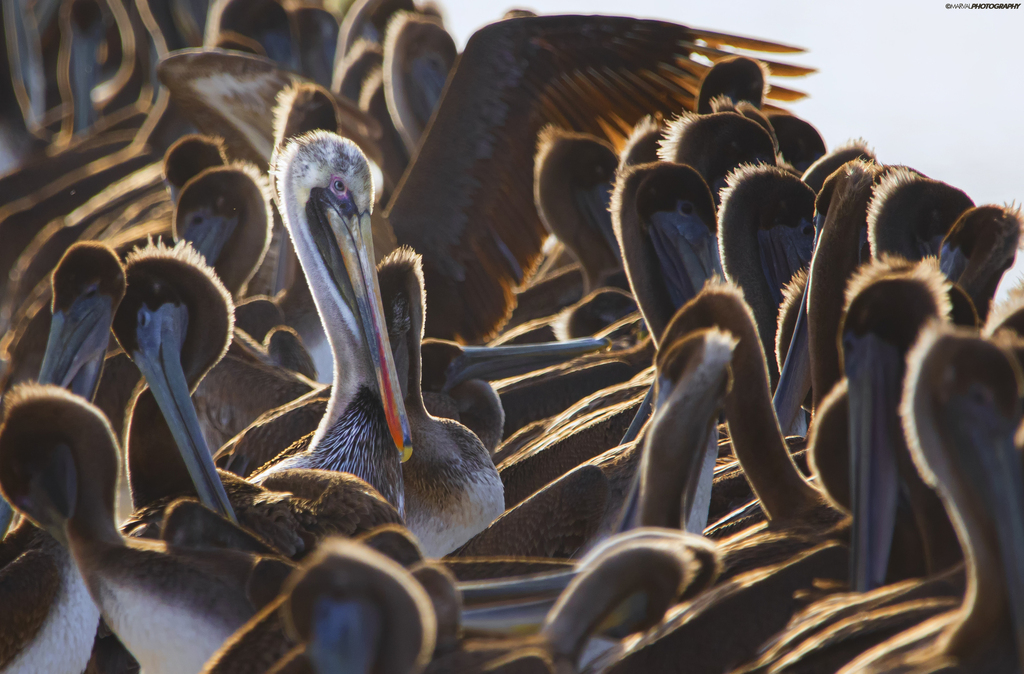 Brown pelicanPelecanus occidentalisSeen in 48 countries in the AtlasLeast Concern
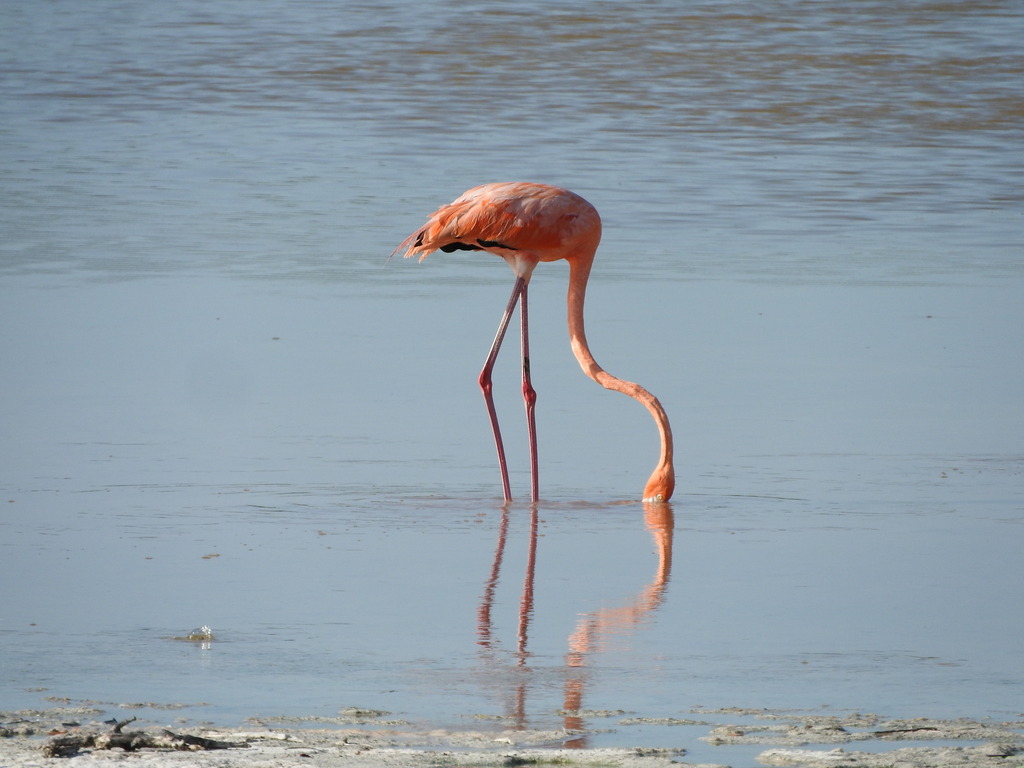 American flamingoPhoenicopterus ruberSeen in 47 countries in the AtlasLives on landLeast Concern
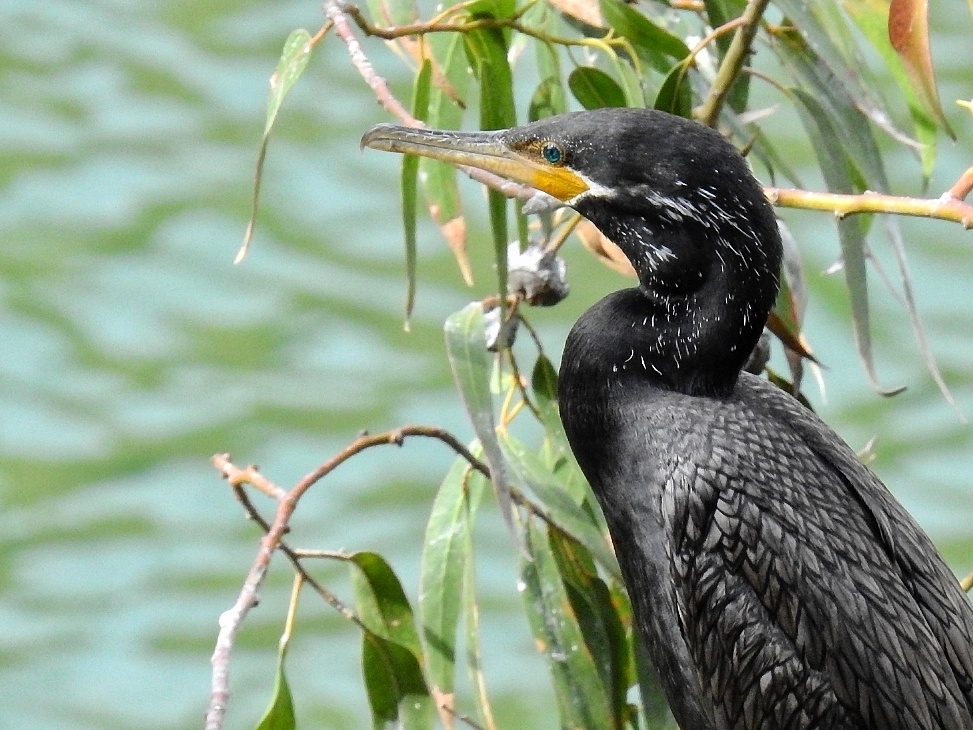 Neotropic cormorantNannopterum brasilianumSeen in 29 countries in the AtlasLeast Concern
Why this is a story, not a trip
Read our ethics check above. If you would like to talk about it, Rocío is happy to explain.
 Anguilla
 Antigua and Barbuda
 Aruba
Aruba The Bahamas
 Barbados
 Belize
 British Virgin Islands
 Caribbean Netherlands
 Cayman Islands
 Cuba
Cuba Curaçao
 Dominica
 Dominican Republic
 Grenada
 Guadeloupe
 Honduras
 Jamaica
 Martinique
 Montserrat
 Puerto Rico
 Saint Barthélemy
 Saint Kitts and Nevis
 Saint Lucia
 Saint Martin
 Saint Vincent and the Grenadines
 Sint Maarten
 Trinidad and Tobago
 Turks and Caicos Islands
 US Virgin Islands
 Venezuela
Based in Haiti?
We are always happy to hear from exceptional local operators, accommodation, conservation organisations and destination experts in Haiti. If your work fits responsible, small-group ocean travel, we would love to learn more.
Partner with Ocean CallingNew: mobula rays in La Ventana, May 2027
CHF 2,720