
Ocean Atlas · Caribbean
 US Virgin Islands
Three US islands with a national park and strict federal rules for whales, dolphins and turtles.

Story only, for now. We love learning about this place and its ocean, so we share its story here and do not sell trips yet. Checked by Ocean Calling on 6 Oct 2026. Sources: Marine Life Viewing Guidelines: Guidelines and Distances, NOAA Fisheries; Virgin Islands Marine Visitor Use Information, National Park Service; Snorkeling at Virgin Islands National Park, National Park Service.
Why: Over 40 percent of Virgin Islands National Park on St John is underwater, with seagrass beds, mangroves and reefs where green and hawksbill turtles can be seen from a respectful distance. Federal law (the Marine Mammal Protection Act and Endangered Species Act) protects whales, dolphins and turtles, and NOAA asks boats to keep 100 yards from whales and 50 yards from dolphins, seals and turtles for no more than 30 minutes, with no swimming with, touching or feeding. In the national park, boats use marked moorings and anchor only on sand so reefs stay safe, and we follow those park rules. We watch turtles and reefs gently from the surface, never chase them, and we avoid the captive dolphin attractions on St Thomas.
🧭 Travel advice, checked 30 Sep 2026. The UK FCDO covers the US Virgin Islands within its USA travel advice, last updated on 18 August 2026, and gives information on the hurricane season. Sources: UK FCDO travel advice, US Virgin Islands Advice differs by passport: check your own government before you plan.
Why US Virgin Islands
People come for the cruise stop at St Thomas, the national park on St John and diving at St Croix. Snorkelling with wildlife is an add on. NOAA guidance says keep 100 yards from whales and 50 yards from dolphins and turtles. Federal law bans harassment, and NOAA does not support swimming with, touching or feeding them. We offer no swim with whales here, and captive dolphin shows fail our check. Story only for now.
Conservation-led. Ocean Calling guests never chase, touch or bait animals.
When to go
Year-round. Timing changes by place and by animal, so check each place below.
We share this place as a story so you can learn. There is no Ocean Calling trip.
Can we travel here ethically?
Story only
We tell the story. We do not sell a trip here.
Checked 6 Oct 2026. Places change, so we look again every year.
Sources for this check
- Marine Life Viewing Guidelines: Guidelines and Distances, NOAA Fisheries
- Virgin Islands Marine Visitor Use Information, National Park Service
- Snorkeling at Virgin Islands National Park, National Park Service
- Coral World welcomes four dolphins, St Thomas Source
- Foreign travel advice USA (includes US Virgin Islands), UK FCDO
Where in US Virgin Islands
We share these places as stories and research notes. We do not offer or sell trips here.
St John and the national park
Story onlyA national park island with protected bays, where the park adds its own rules.
Also seen: Sea turtles at a distance of 50 yards, from the boat or shore, Whales at 100 yards, from the boat only
When: Year-round. Turtles graze on the reefs around St John through the year. The park is a gentle place to watch from the surface, with no touching and plenty of space.
Animals recorded in US Virgin Islands
Tap an animal to learn how it lives, where it travels and how to meet it respectfully.
 Leatherback turtleDermochelys coriaceaSeen in 76 countries in the AtlasVulnerable
 Green turtleChelonia mydasSeen in 103 countries in the AtlasLeast Concern
 Hawksbill turtleEretmochelys imbricataSeen in 88 countries in the AtlasCritically Endangered
 Humpback whaleMegaptera novaeangliaeSeen in 87 countries in the AtlasLeast Concern
 Common bottlenose dolphinTursiops truncatusSeen in 89 countries in the AtlasLeast Concern
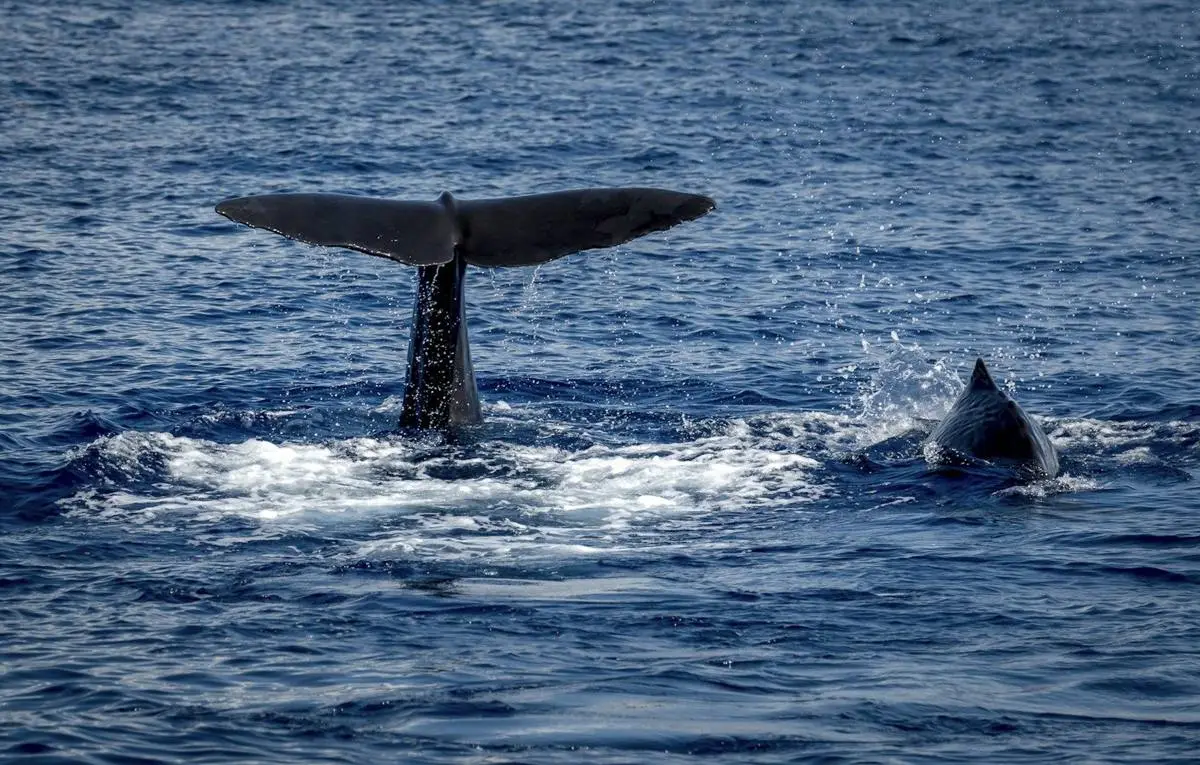 Sperm whalePhyseter macrocephalusSeen in 114 countries in the AtlasVulnerable
 Tiger sharkGaleocerdo cuvierSeen in 47 countries in the AtlasNear Threatened
 Great barracudaSphyraena barracudaSeen in 84 countries in the AtlasLeast Concern
 Magnificent frigatebirdFregata magnificensSeen in 52 countries in the AtlasLeast Concern
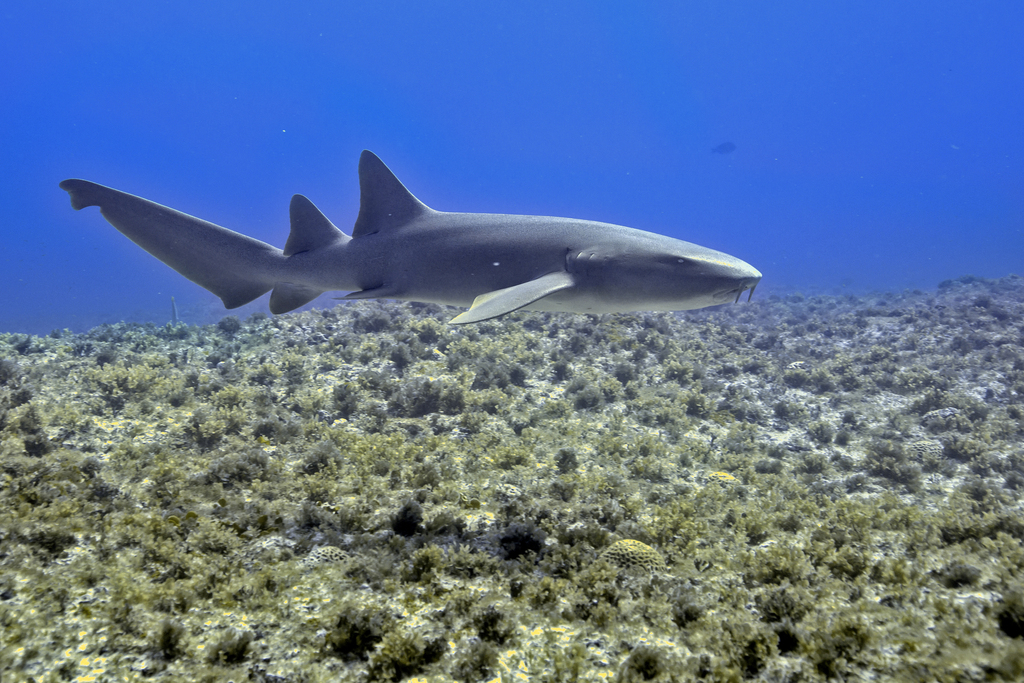 Atlantic nurse sharkGinglymostoma cirratumSeen in 38 countries in the AtlasVulnerable
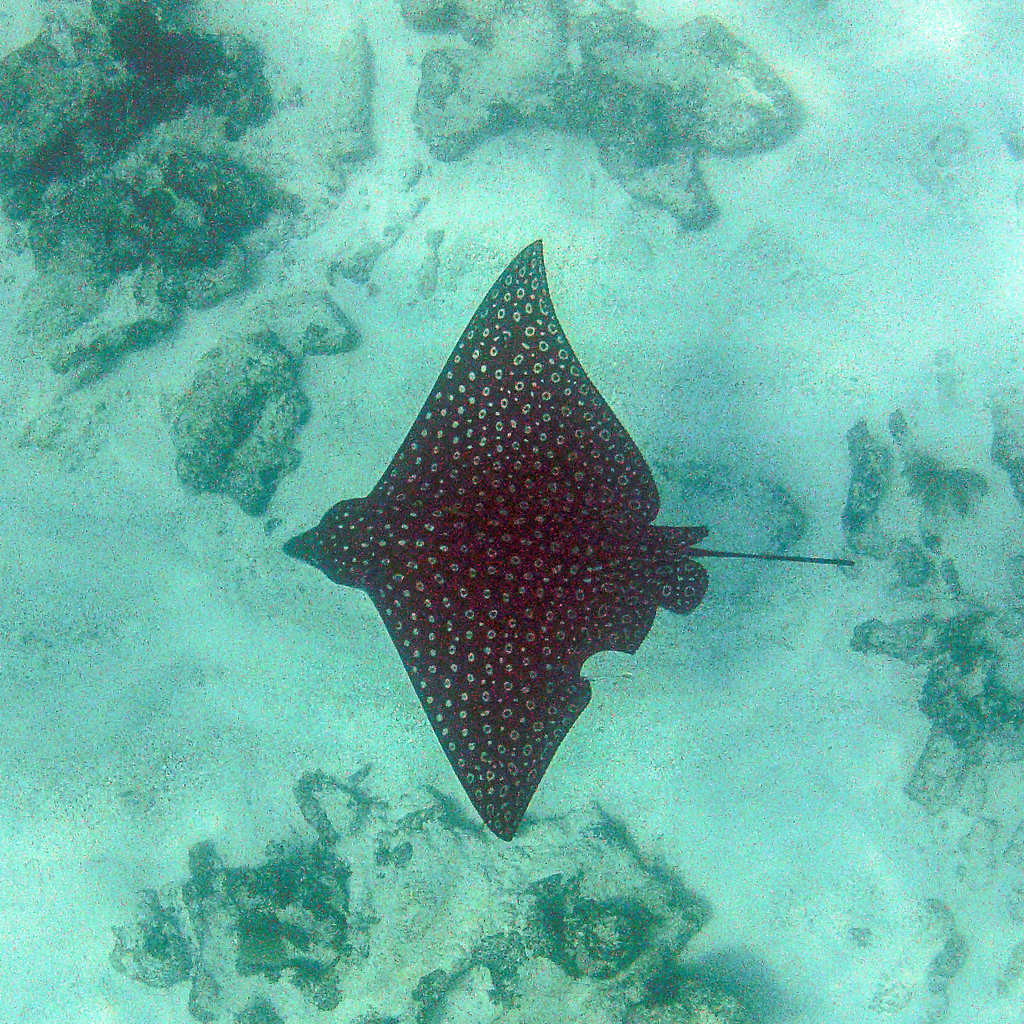 Whitespotted eagle rayAetobatus narinariSeen in 58 countries in the AtlasEndangered
 Lemon sharkNegaprion brevirostrisSeen in 16 countries in the AtlasVulnerable
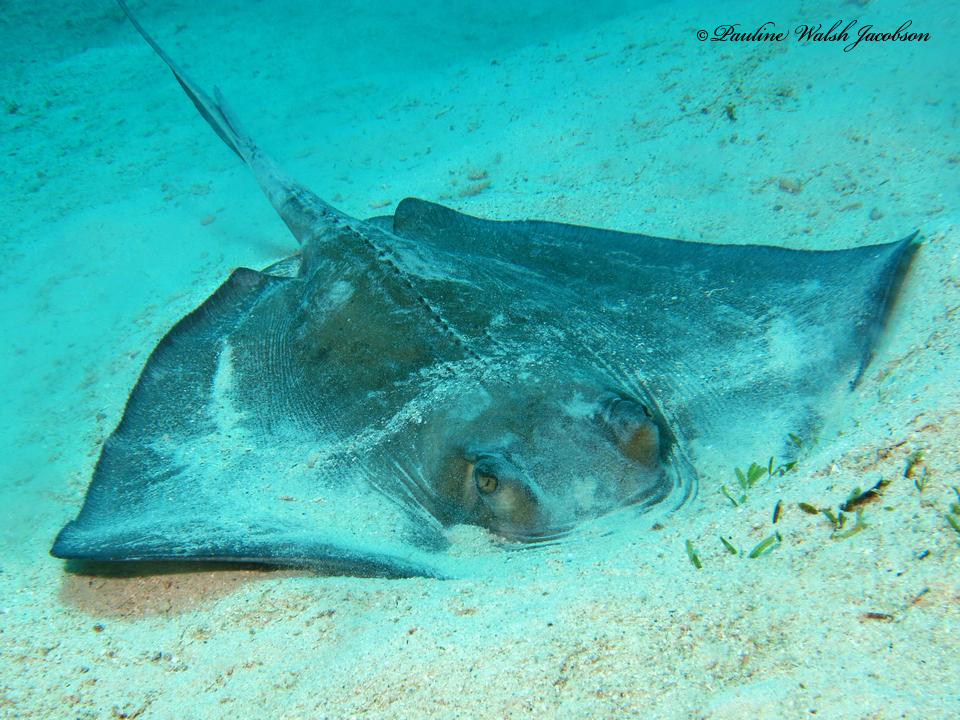 Southern stingrayHypanus americanusSeen in 33 countries in the AtlasNear Threatened
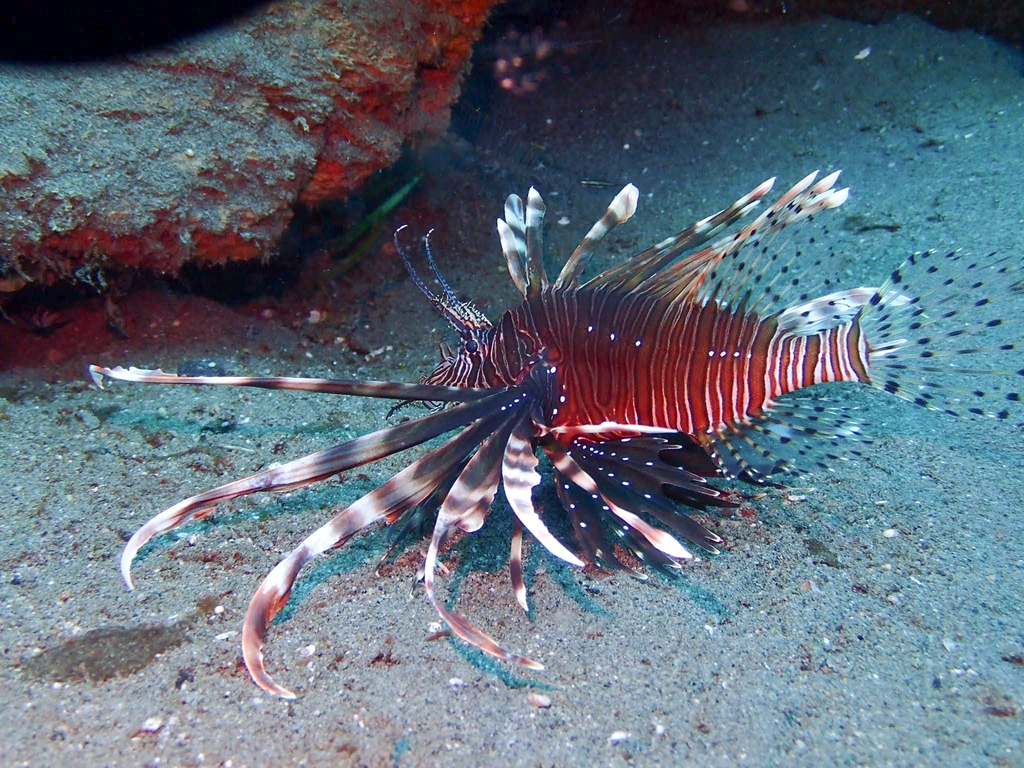 Lionfish (red and common lionfish)Pterois volitans and Pterois milesSeen in 80 countries in the AtlasLeast Concern
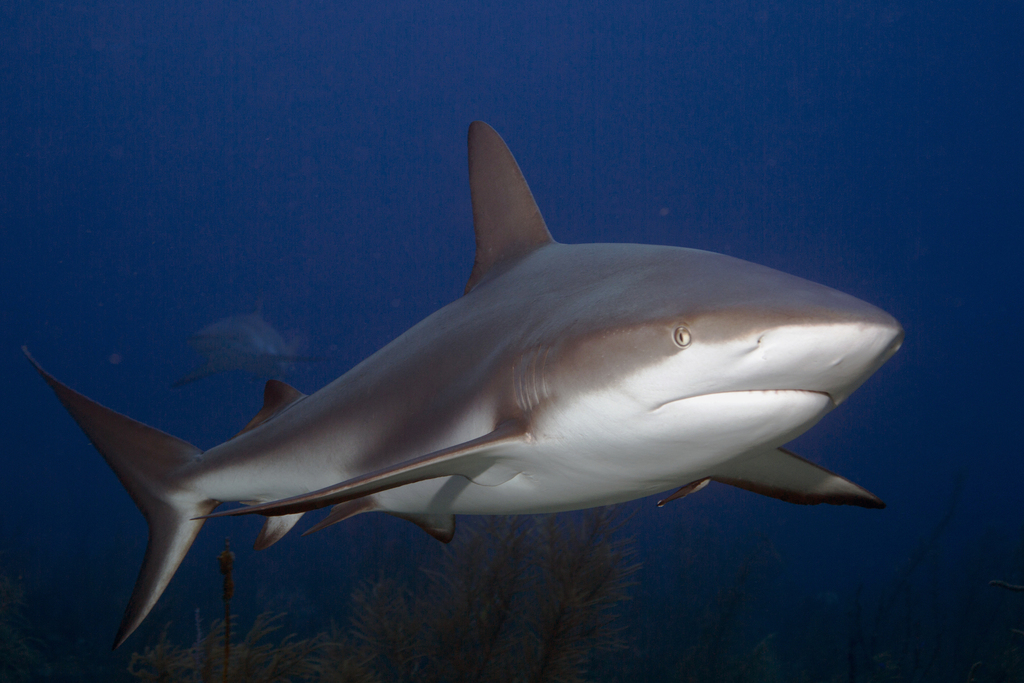 Caribbean reef sharkCarcharhinus pereziSeen in 19 countries in the AtlasEndangered
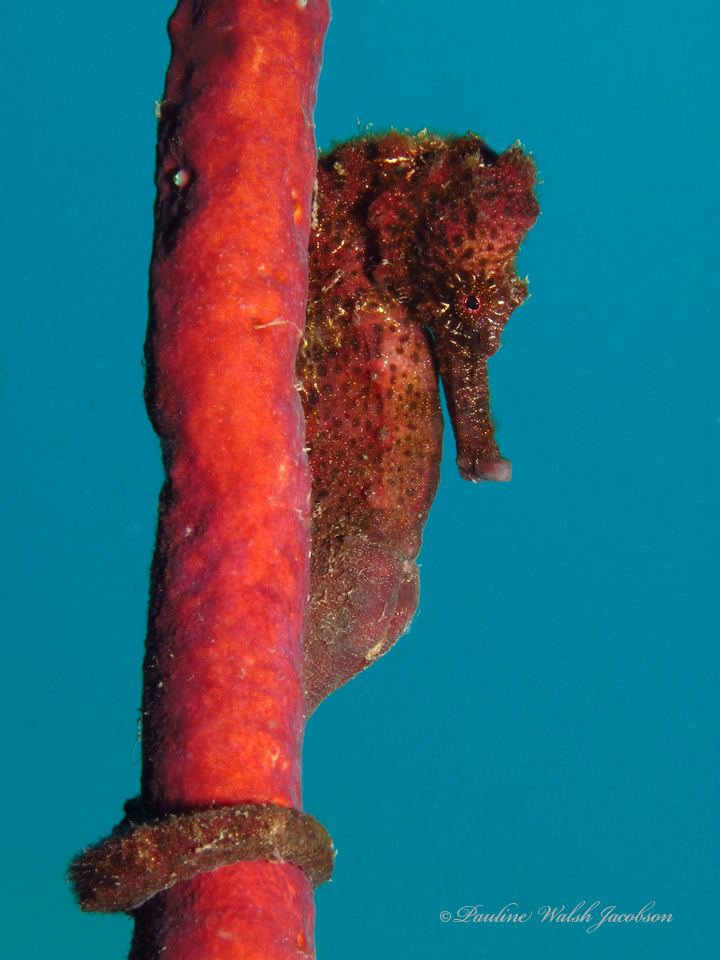 Longsnout seahorseHippocampus reidiSeen in 25 countries in the AtlasNear Threatened
 Nassau grouperEpinephelus striatusSeen in 20 countries in the AtlasCritically Endangered
 Masked boobySula dactylatraSeen in 80 countries in the AtlasLeast Concern
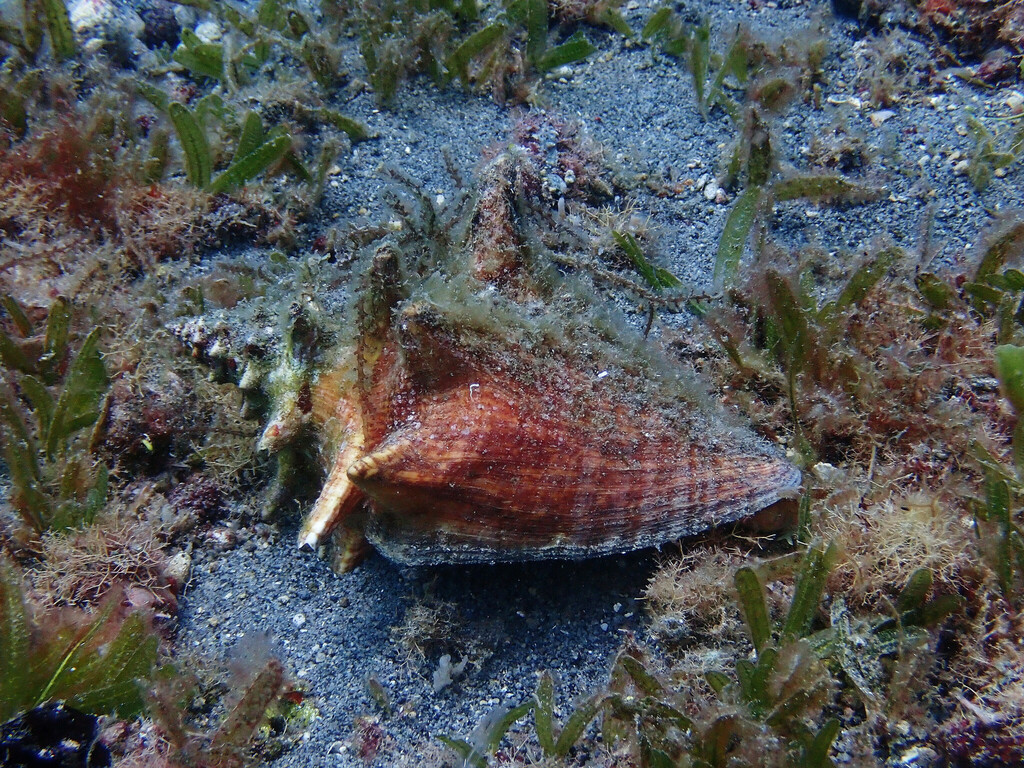 Queen conchAliger gigasSeen in 32 countries in the AtlasNear Threatened
 Brown boobySula leucogasterSeen in 104 countries in the AtlasLeast Concern
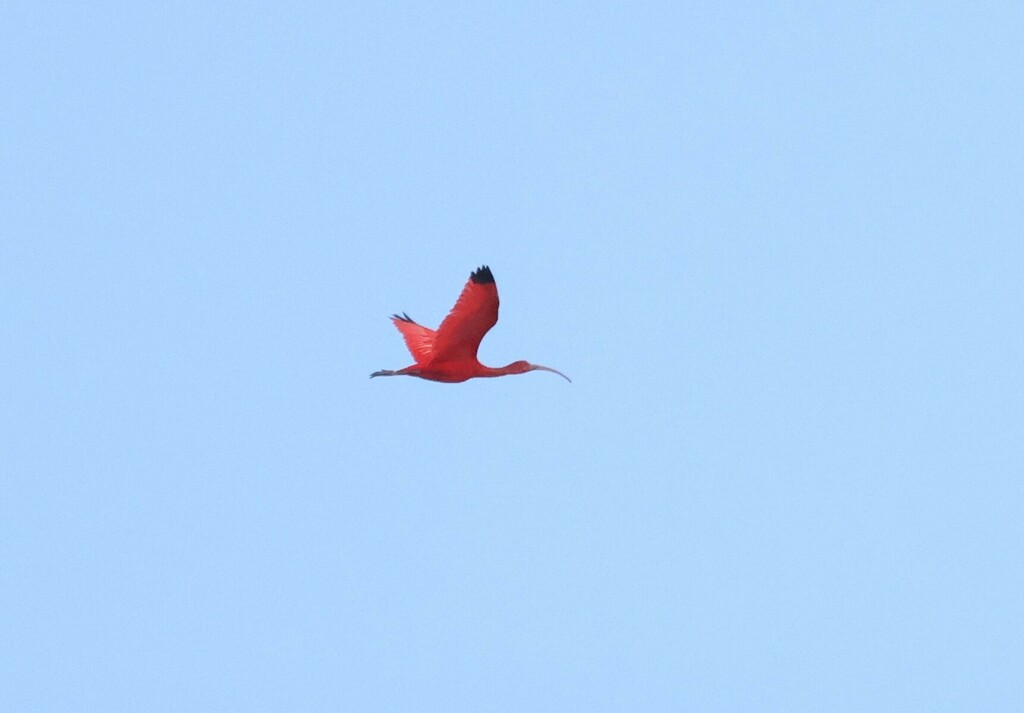 Scarlet ibisEudocimus ruberSeen in 22 countries in the AtlasLives on landLeast Concern
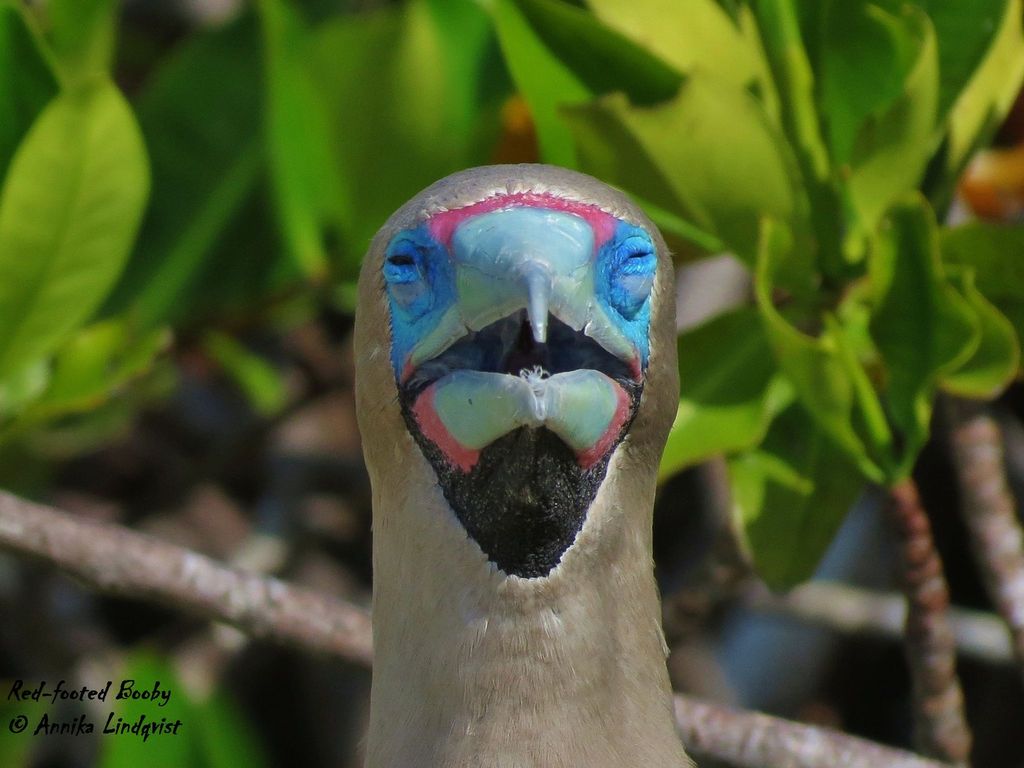 Red-footed boobySula sulaSeen in 91 countries in the AtlasLeast Concern
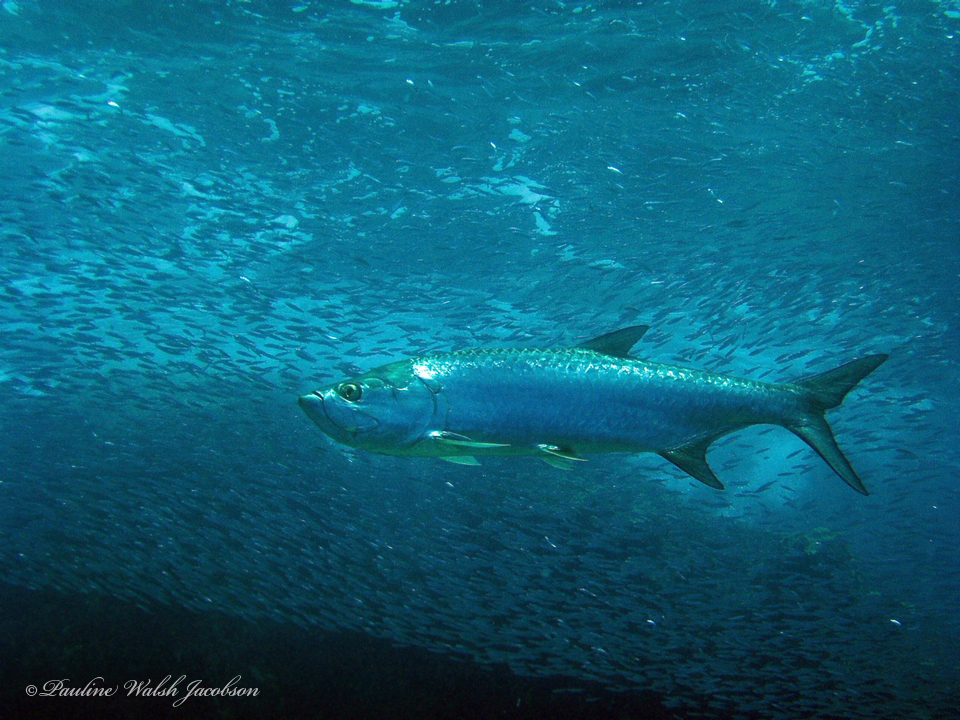 Atlantic tarponMegalops atlanticusSeen in 24 countries in the AtlasVulnerable
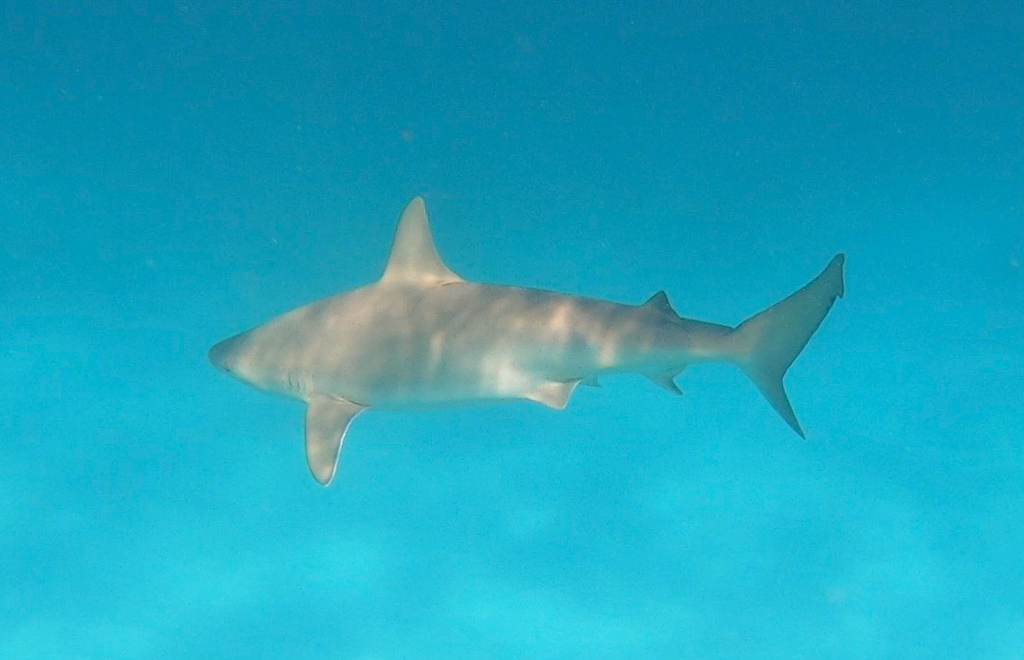 Blacknose sharkCarcharhinus acronotusSeen in 6 countries in the AtlasEndangered
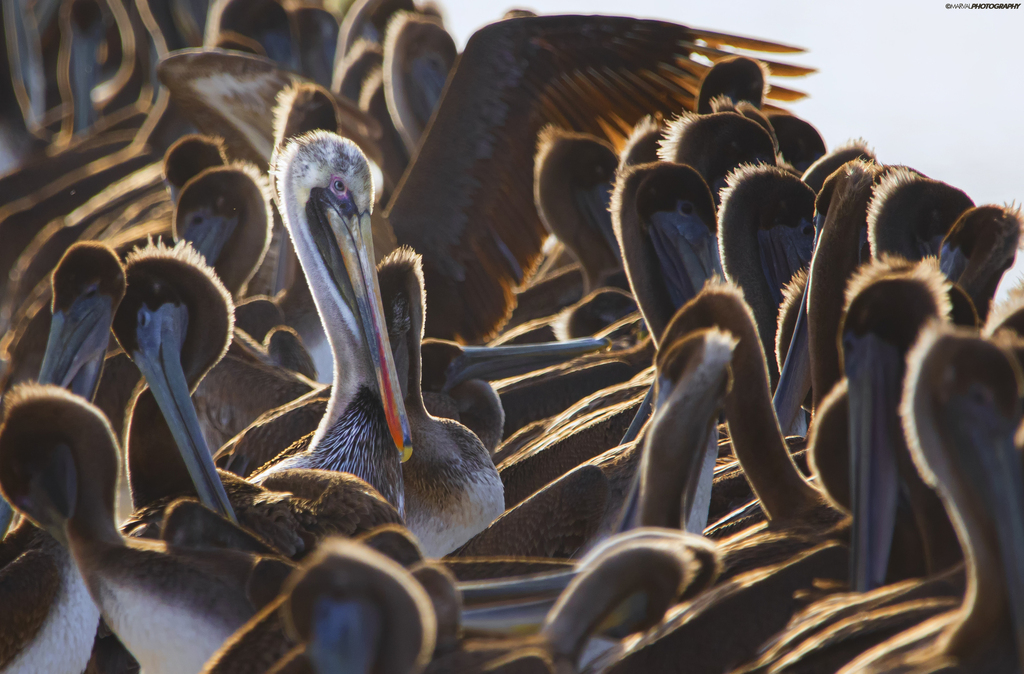 Brown pelicanPelecanus occidentalisSeen in 48 countries in the AtlasLeast Concern
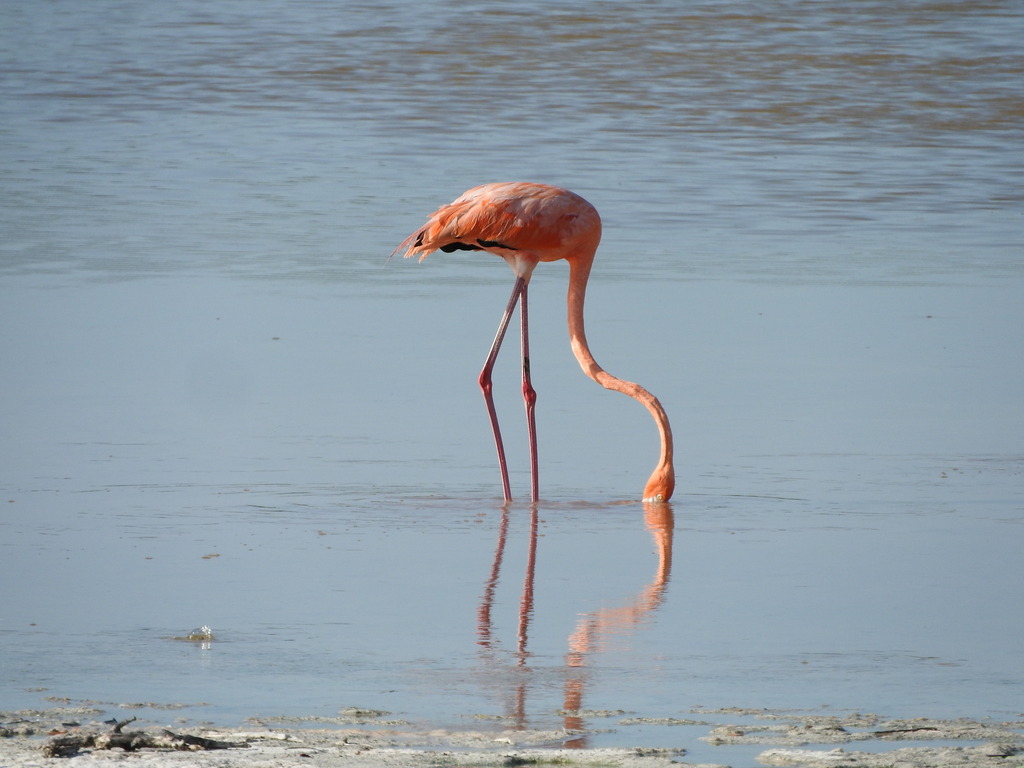 American flamingoPhoenicopterus ruberSeen in 47 countries in the AtlasLives on landLeast Concern
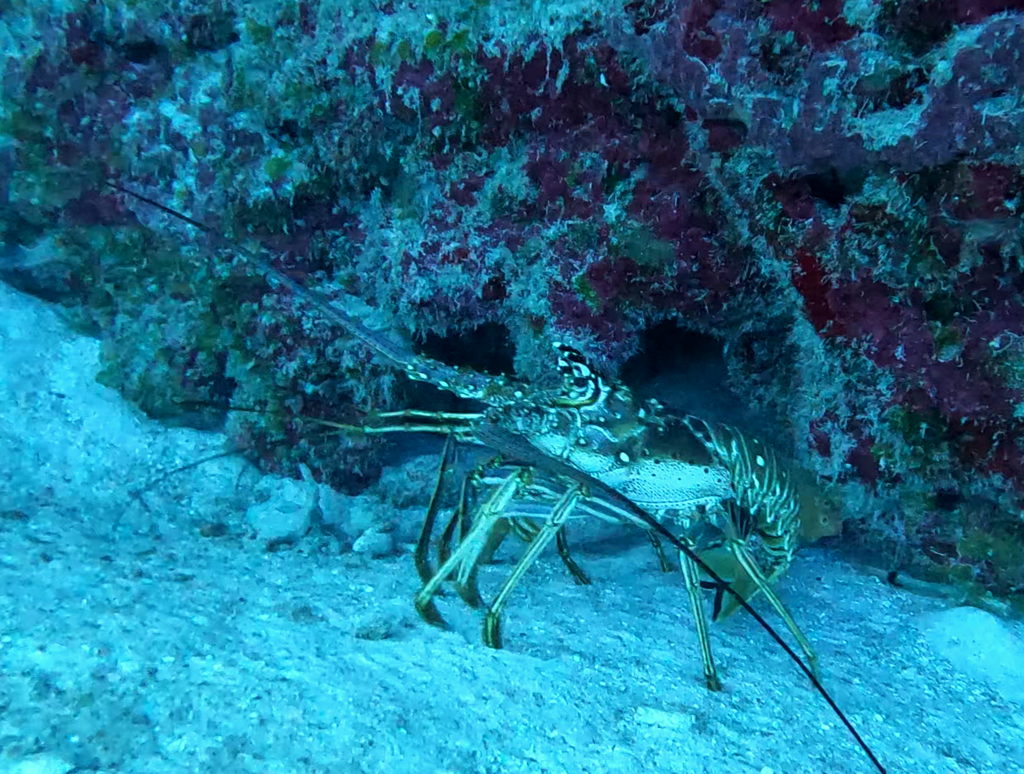 Caribbean spiny lobsterPanulirus argusSeen in 30 countries in the AtlasData Deficient
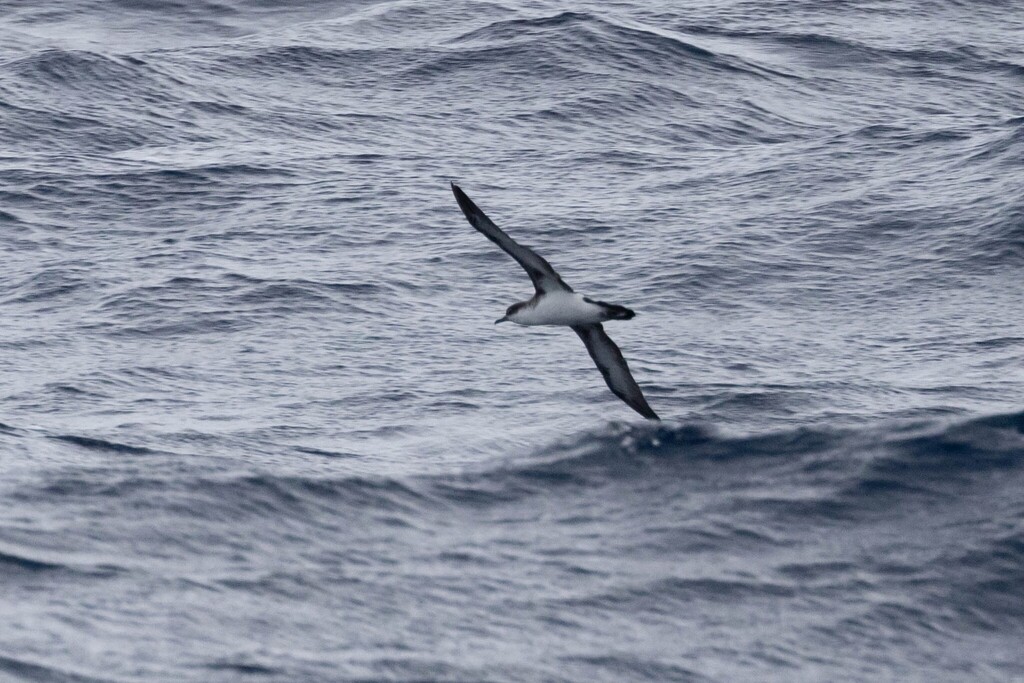 Sargasso shearwater (Audubon's shearwater)Puffinus lherminieriSeen in 27 countries in the AtlasLeast Concern
Why this is a story, not a trip
Read our ethics check above. If you would like to talk about it, Rocío is happy to explain.
 Anguilla
 Antigua and Barbuda
 Aruba
Aruba The Bahamas
 Barbados
 Belize
 British Virgin Islands
 Caribbean Netherlands
 Cayman Islands
 Cuba
Cuba Curaçao
 Dominica
 Dominican Republic
 Grenada
 Guadeloupe
 Haiti
Haiti Honduras
 Jamaica
 Martinique
 Montserrat
 Puerto Rico
 Saint Barthélemy
 Saint Kitts and Nevis
 Saint Lucia
 Saint Martin
 Saint Vincent and the Grenadines
 Sint Maarten
 Trinidad and Tobago
 Turks and Caicos Islands
 Venezuela
Based in US Virgin Islands?
We are always happy to hear from exceptional local operators, accommodation, conservation organisations and destination experts in US Virgin Islands. If your work fits responsible, small-group ocean travel, we would love to learn more.
Partner with Ocean CallingSwim with humpback whales in Moʻorea, September 2027
from CHF 4,500