
Common thresher
Alopias vulpinus
A shy ocean shark with a tail as long as its body. It keeps its own distance, and no sighting is a promise.
Vulnerable (IUCN, assessed 2018) means the species faces a high risk of extinction in the wild, mainly because fishing has reduced its numbers worldwide.
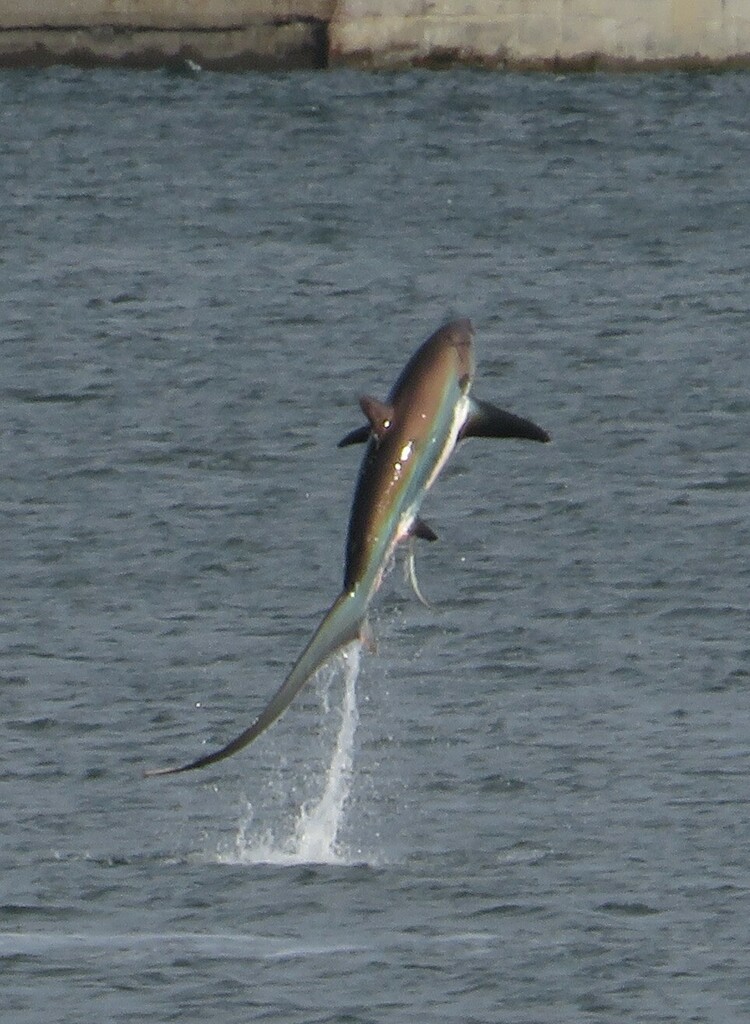
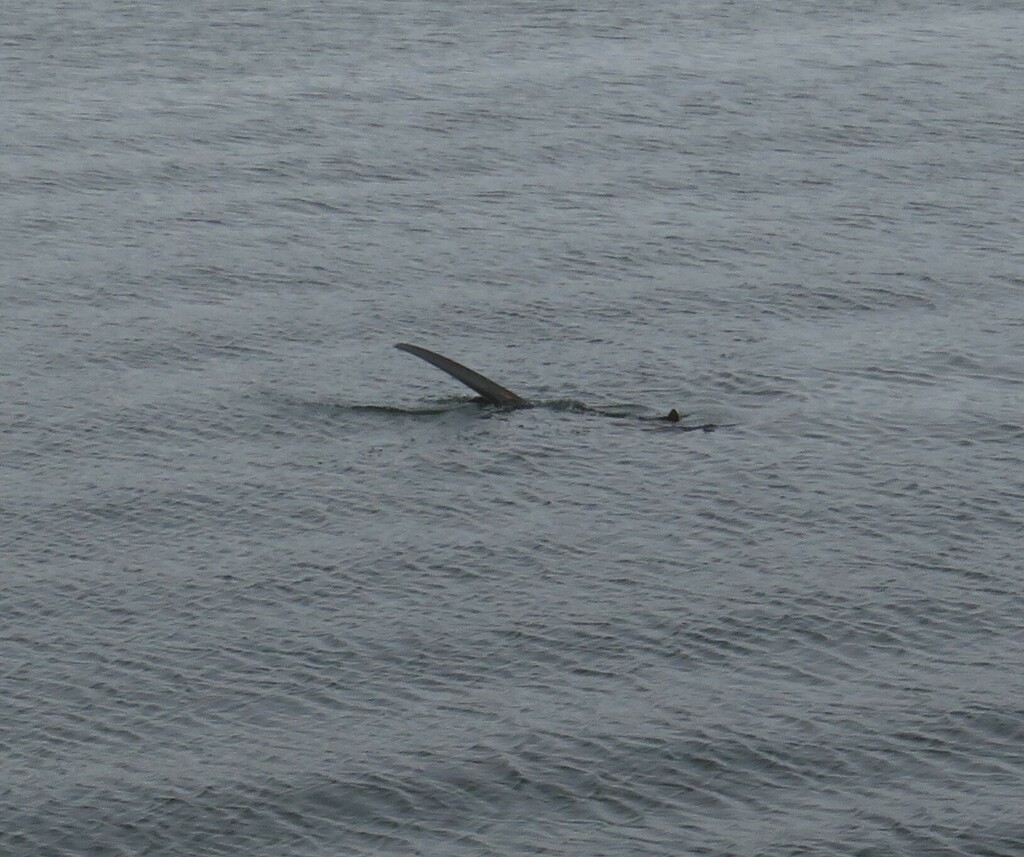
Photos show the species, not always the places on this page.
Length
Often up to about 5 m (16 ft); confirmed up to about 5.7 m (18.7 ft), and FishBase lists a maximum of 573 cm (18 ft 10 in), with females to 549 cm. About half of this length is the upper tail lobe. Larger sizes are unverified (Wikipedia, FishBase)
Weight
FishBase gives a maximum published weight of 348 kg (767 lb). Wikipedia gives the heaviest on record as 510 kg (1,120 lb). Sources differ, so treat these as rough limits
Next to a person
About three adults lying head to toe, with half of that length being tail. Adults can weigh as much as several people
What it eats
Mostly small schooling fish such as mackerel, sardine, anchovy, herring, needlefish and lanternfish, plus squid, octopus and small crustaceans, and rarely seabirds. About 97 percent of the diet is bony fish (Wikipedia). It herds schools with its tail and stuns prey with it (FishBase, Fishes of Australia).
Around people
Shy, give space
How it lives
A pelagic shark found from the surface to about 650 m (2,130 ft), mostly in the upper 200 m (FishBase). Adults live offshore. Pregnant females move inshore to give birth, and the young stay in shallow coastal water before moving out (Fishes of Australia). Pups develop inside the mother and feed on unfertilised eggs. Litters are usually 2 to 4 pups, with 3 to 7 reported in the eastern Atlantic, after about 9 months of pregnancy. Pups are about 114 to 150 cm long at birth. Males mature at about 5 years and females at about 7 (Wikipedia). Reported maximum ages differ between sources, from 25 years (FishBase) to 38 (Fishes of Australia) and 45 to 50 (Wikipedia).
Where it goes
It occurs worldwide in tropical and temperate seas and prefers cooler water (Wikipedia). Adults live offshore, while females come inshore to give birth. Detailed migration routes were not covered in the sources I read.
We only draw a journey on the map when scientists have tracked it or clearly documented it. For this animal we have not found one yet.
Populations
Worldwide: Vulnerable on the IUCN Red List (assessed in 2018, FishBase). It is caught in targeted fisheries and as bycatch, and CMS lists it on Appendix II since 2014 under the Sharks MOU. In California the population fell by more than half within three generations, with some signs of recovery (Wikipedia). Trends for other regions were not read.
Meet it respectfully
Most divers describe this shark as shy and hard to approach underwater (Wikipedia), so let it come to you, or not. Stay calm, keep a clear distance and never chase, surround, touch, feed or bait it. Keep boats slow and steady near leaping or surfacing sharks. Follow your guide and local rules. No sighting is ever a promise.
Fun fact
Tap the bulb to light it up.
About half of its body length is the upper lobe of its tail.
It uses that long tail to bunch up schooling fish and stun them (FishBase, Fishes of Australia).
Pups are fed by unfertilised eggs their mother produces while they grow inside her.
Common thresher in the Ocean Atlas
Places we have researched where this animal is recorded. It is never guaranteed, and some places are for watching from the boat only.
Travel with usComing soonTrusted referralExploringOn pause, story onlyEthics pass
Country colour: pink where we travel, blue where we are exploring or refer, grey for story only.
 Australia
 Brazil
 Canada
 Chile
Chile Faroe Islands
 France
 Germany
 India
India Indonesia
 Japan
Japan Netherlands
 New Zealand
 Philippines
 Spain
Spain United Kingdom
 United States
Sources for this page
- FishBase, Alopias vulpinus
- Wikipedia, Common thresher
- CMS, Alopias vulpinus
- Fishes of Australia, Thresher Shark
- GBIF, IUCN category lookup, 2026
Facts checked 5 October 2026. Photos: Unsplash licence, or Creative Commons as shown on each photo.
Work in ocean travel?
We are always happy to hear from exceptional local operators, accommodation, conservation organisations and destination experts. If your work fits responsible, small-group ocean travel, we would love to learn more.
Partner with Ocean Calling5-day freediving course in Bali
CHF 1,180