
Sandbar shark
Carcharhinus plumbeus
Sandbar sharks grow slowly and many travel along the coast with the seasons. In some regions, young sharks return to the same nursery bays year after year.
Endangered (IUCN, 2021) means it is at very high risk of extinction in the wild.
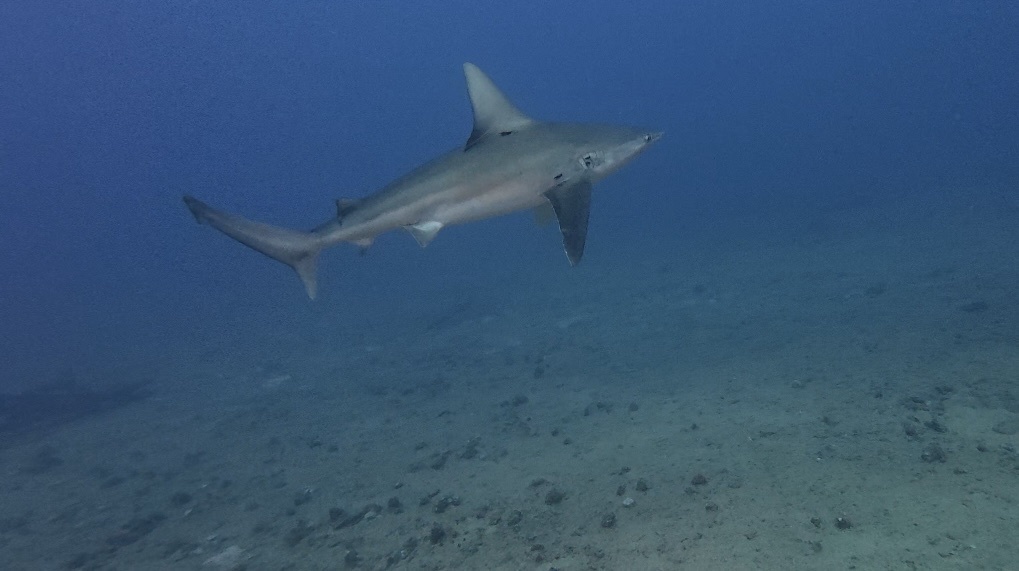
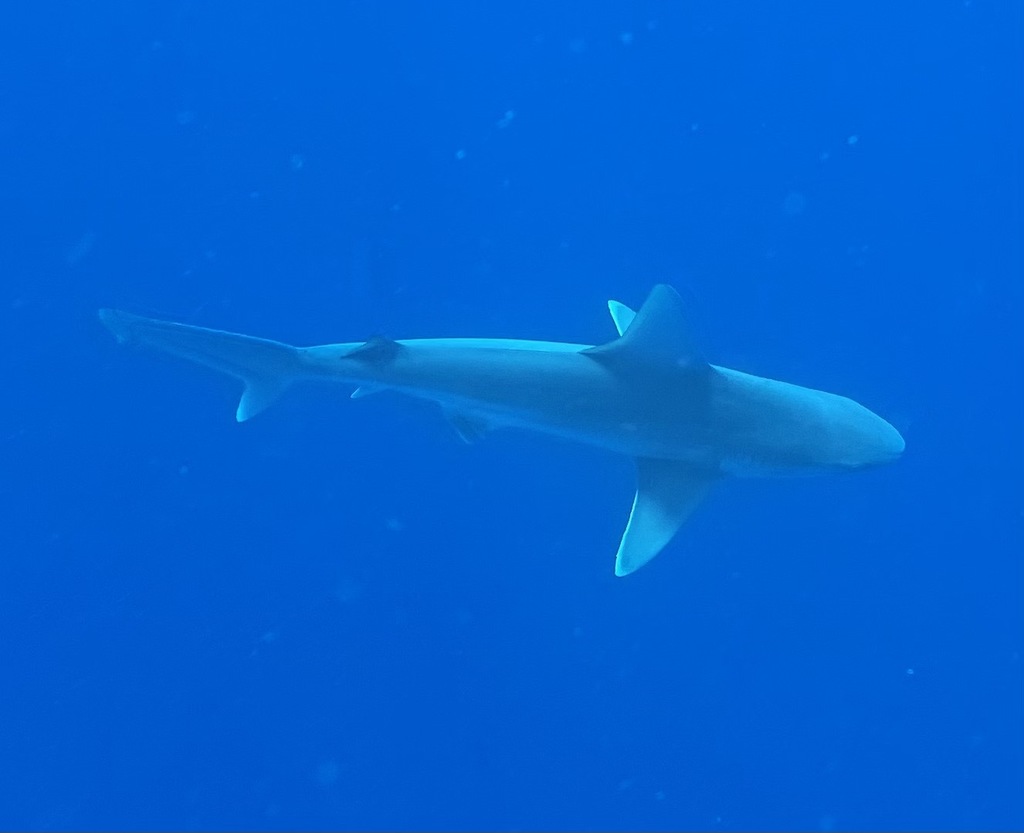
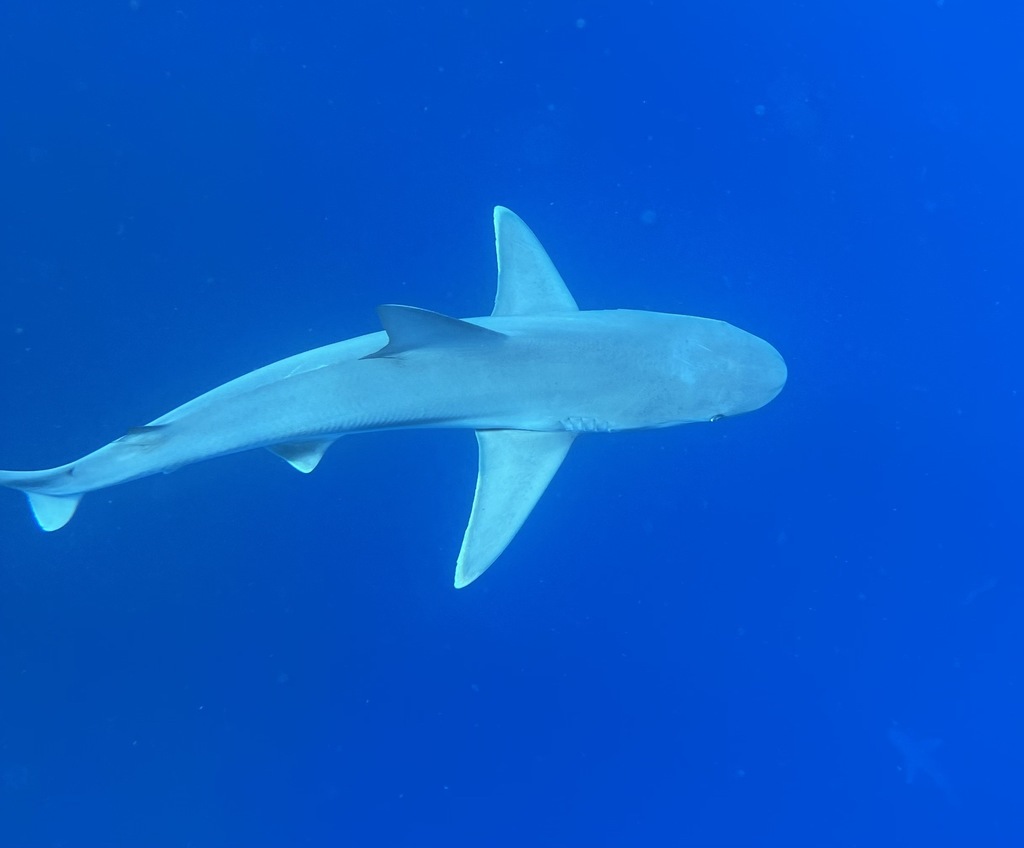
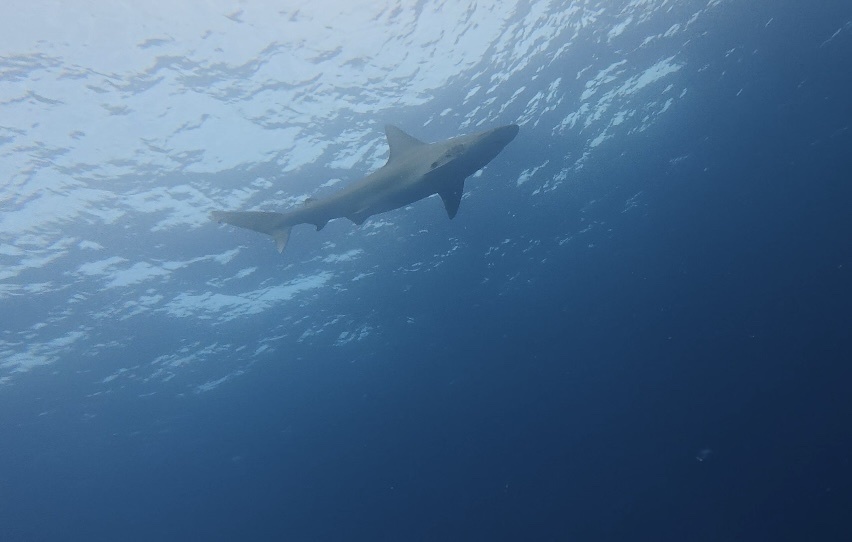
Photos show the species, not always the places on this page.
Length
Usually about 2 m (6.6 ft); largest recorded about 3 m (9.8 ft). In the US Atlantic, females reach about 2.5 m (8.2 ft) and males about 1.8 m (5.9 ft)
Weight
Typical weight varies by region and is not reliably measured; largest published about 118 kg (260 lb)
Next to a person
An adult is about as long as a person or a little longer
What it eats
Mainly bony fish, also small sharks, squid, shrimps, rays and snails.
Around people
Calm, give space
How it lives
The sandbar shark lives on warm continental and island shelves, in bays, river mouths and harbours, usually near the bottom. It avoids surf beaches and coral reefs. Litters are about 8 pups, born in shallow nursery bays such as Chesapeake Bay. It grows slowly and can live about 34 years.
Where it goes
On the US East Coast, sandbar sharks migrate with the seasons, south in winter and north in summer. Young sharks spend summer in the bays and lagoons of Virginia, then move to central North Carolina coastal waters for winter, as shown by satellite tags. In Hawaiʻi, seasonal changes in numbers at offshore sites may be linked to migration.
Populations
Chesapeake Bay is one of the main nurseries in the Northwest Atlantic. The population there was reduced 65% by overfishing from the late 1970s to the early 1990s. In the Mediterranean, known nurseries are Boncuk Cove in Gökova Bay, Türkiye, and the Gulf of Gabès, Tunisia, with a possible second Turkish nursery at Yumurtalık. The species is Endangered worldwide, and trends differ from region to region.
Meet it respectfully
Watch from a calm distance. Never feed, chase or corner sharks, and never carry speared fish near them. Feeding sharks is not allowed in Hawaiʻi state waters or while diving in Florida state waters, and catching sharks is banned in Hawaiʻi state waters. Nursery bays are sensitive, so we avoid disturbing young sharks in the shallows.
Fun fact
Tap the bulb to light it up.
Chesapeake Bay is one of the main sandbar shark nurseries in the Northwest Atlantic.
Sandbar sharks mature late and grow slowly, so populations recover slowly after overfishing.
Young sandbar sharks from Virginia were fitted with satellite tags that popped off in winter; most came up off central North Carolina.
Source: Conrath & Musick, 2008, Environmental Biology of Fishes
In Oʻahu cage-dive logbooks from 2004 to 2008, Galápagos and sandbar sharks made up more than 98% of the sharks seen.
Follow its journey
Watch it travel. Every line comes from satellite tracking or documented research, and the source is named.
StartEndJourney (the line joins documented areas; real paths vary)
Sandbar shark in the Ocean Atlas
Places we have researched where this animal is recorded. It is never guaranteed, and some places are for watching from the boat only.
Travel with usComing soonTrusted referralExploringOn pause, story onlyEthics pass
Country colour: pink where we travel, blue where we are exploring or refer, grey for story only.
 Australia
 Brazil
 Faroe Islands
 France
 Israel
 Italy
Italy Japan
Japan Mexico
 Mozambique
 New Caledonia
 Norfolk Island
 Oman
Oman Portugal
 Seychelles
 South Africa
 Tunisia
 Türkiye
 United Kingdom
 United States
Sources for this page
- FishBase, Carcharhinus plumbeus
- Virginia Institute of Marine Science, sandbar shark
- Conrath & Musick, 2008, Environmental Biology of Fishes
- Meyer et al., 2009, Environmental Conservation
- Basusta et al., Mediterranean Marine Science
- Hawaii DLNR, sandbar shark
- Hawaii Revised Statutes 188-40.6, shark feeding
- Florida Fish and Wildlife Conservation Commission, fish feeding rule
Facts checked 26 September 2026. Photos: Unsplash licence, or Creative Commons as shown on each photo.
Work in ocean travel?
We are always happy to hear from exceptional local operators, accommodation, conservation organisations and destination experts. If your work fits responsible, small-group ocean travel, we would love to learn more.
Partner with Ocean Calling7-day freediving course in Coron, Palawan
CHF 1,480