
Pygmy killer whale
Feresa attenuata
Pygmy killer whales are rare, dark ocean dolphins that often rest together in close groups at the surface.
Least Concern (IUCN, 2018) means it is not at high risk of extinction worldwide today.
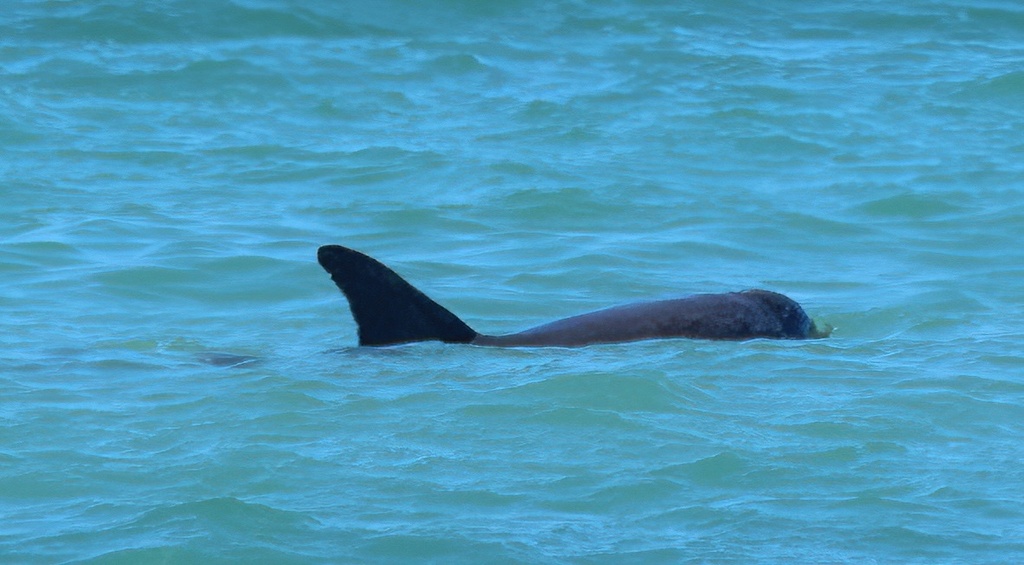
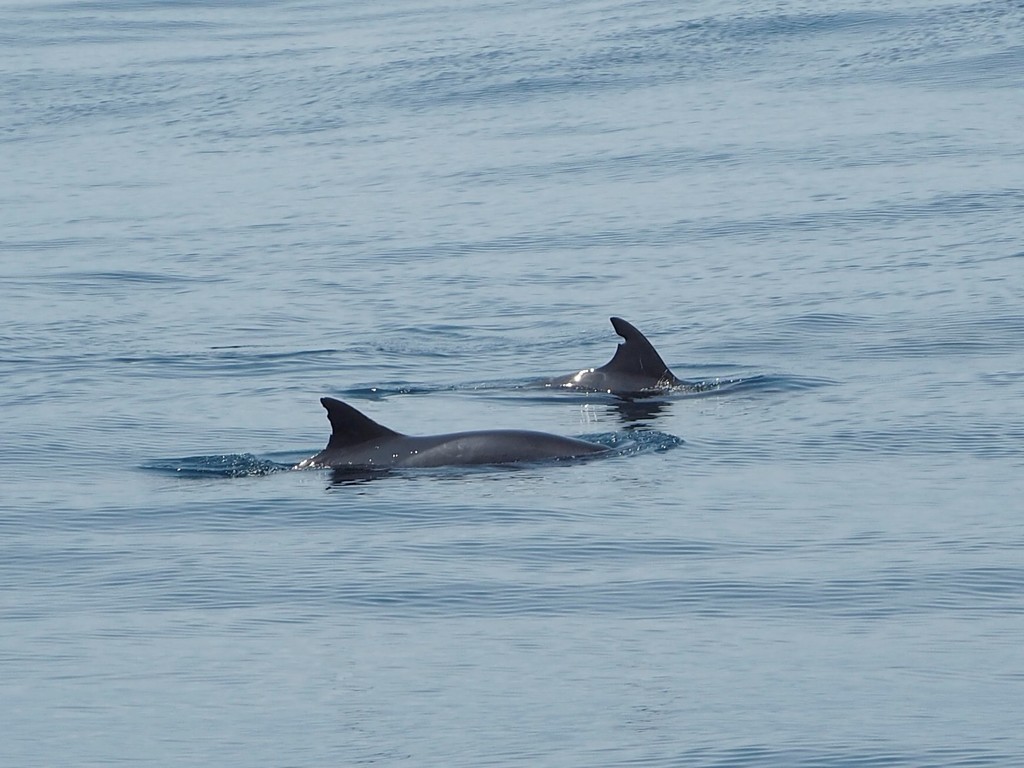
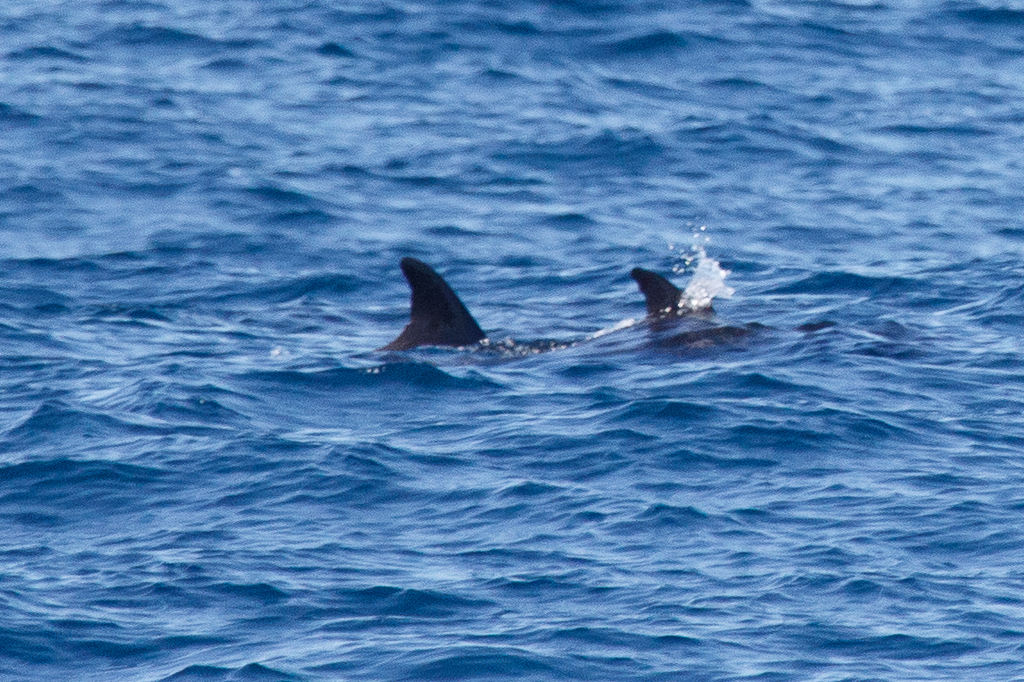
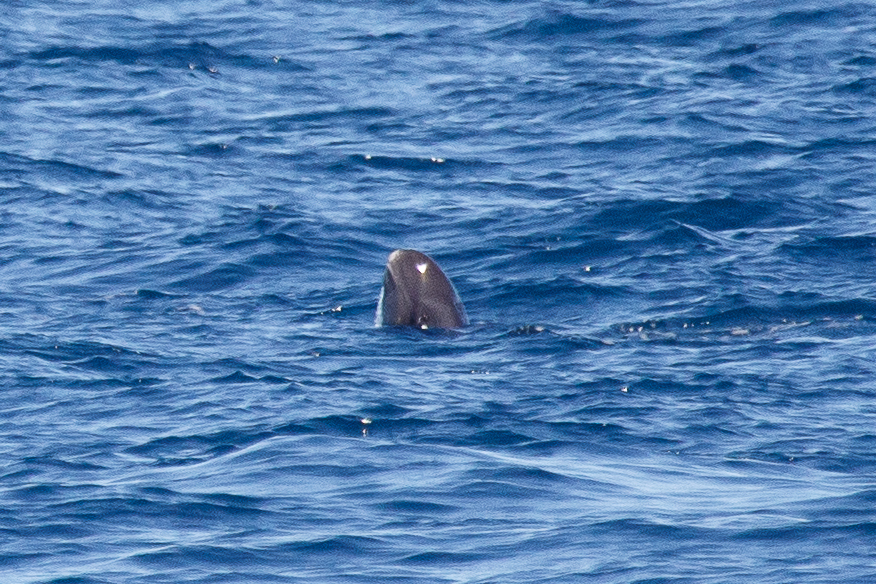
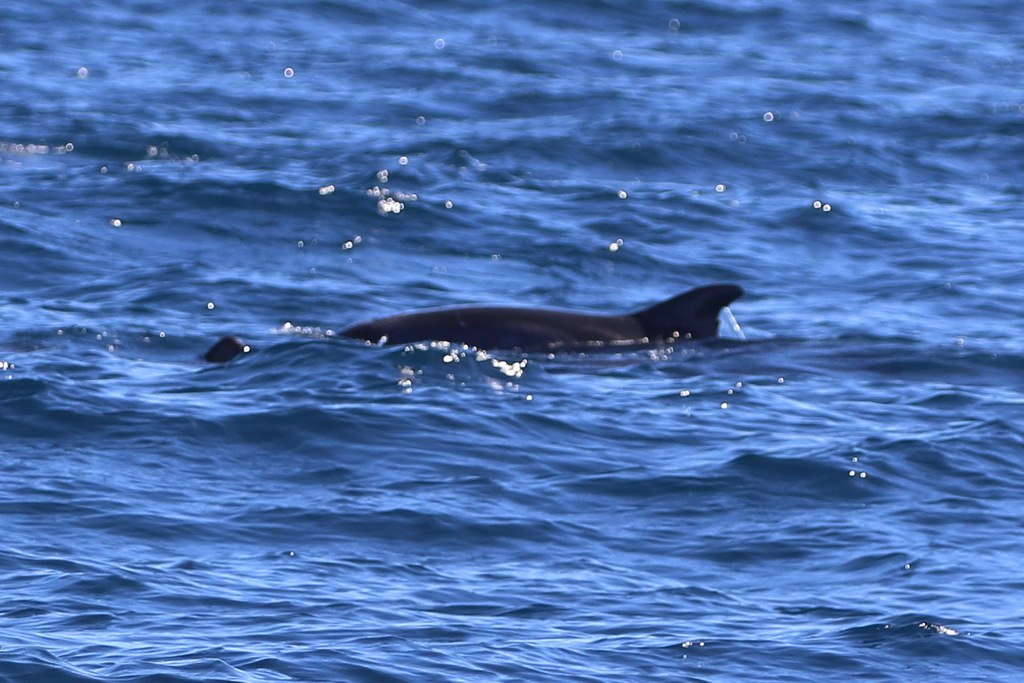
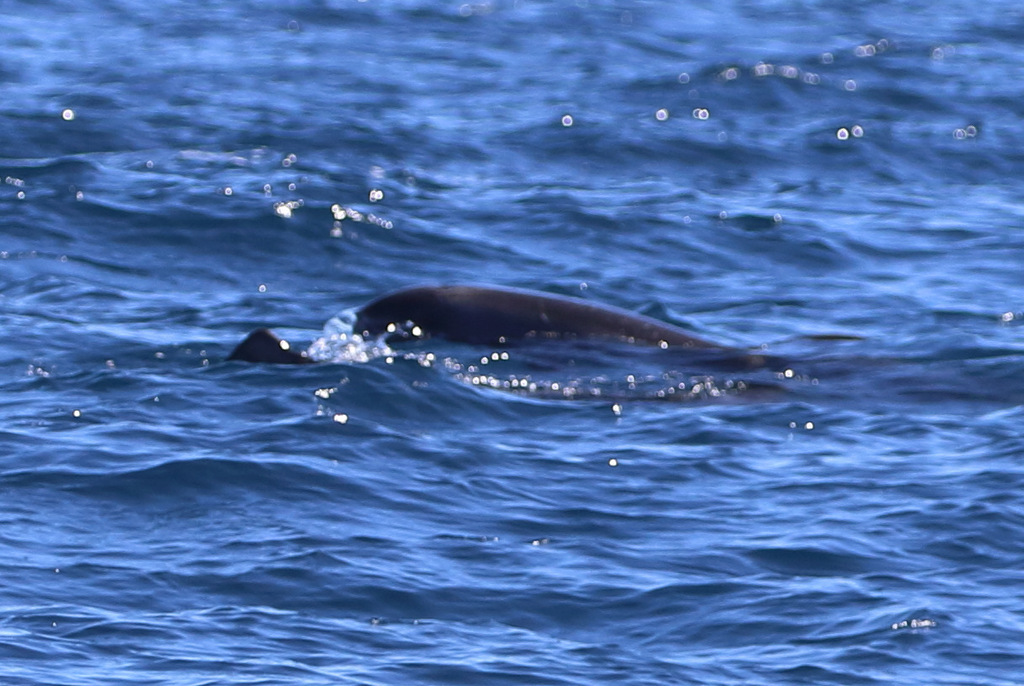
Photos show the species, not always the places on this page.
Length
Up to about 2.6 m (8.5 ft); adults about 2.0 m and above
Weight
Up to about 225 kg (496 lb)
Next to a person
About 1-1.5 times a person's height, despite the word 'whale' in its name
What it eats
Fish and squid; how it feeds is still poorly known.
Around people
Defensive if pressured
How it lives
Pygmy killer whales are naturally rare and little known. They usually live in groups of about 12-50, and sometimes several hundred. They often rest at the surface, lying close together and all facing the same way. They are reported to eat fish and squid.
Where it goes
They live in deep tropical and subtropical water. In parts of Hawai'i, some populations are resident, staying close to particular islands.
We only draw a journey on the map when scientists have tracked it or clearly documented it. For this animal we have not found one yet.
Populations
A species of deep tropical and subtropical seas. Some populations in parts of Hawai'i are resident around islands. Timor-Leste's 2016 survey confirmed the species around Dili, Tibar and Ataúro.
Meet it respectfully
Treat it as a rare wild dolphin. Do not chase, crowd, feed or split a group, and never swim towards resting animals. Follow local rules where they exist; where there are none, we keep a generous distance and short viewing times. In US waters, NOAA guidance suggests at least 45 m (50 yards) and no more than 30 minutes.
Fun fact
Tap the bulb to light it up.
For more than a century it was known only from two skulls, until a living animal was recorded in 1954.
It is easily confused with the melon-headed whale.
Pygmy killer whale in the Ocean Atlas
Places we have researched where this animal is recorded. It is never guaranteed, and some places are for watching from the boat only.
Travel with usComing soonTrusted referralExploringOn pause, story onlyEthics pass
Country colour: pink where we travel, blue where we are exploring or refer, grey for story only.
 Australia
 Brazil
 French Guiana
 French Polynesia
 Guadeloupe
 Japan
Japan Martinique
 Mexico
 New Caledonia
 Taiwan
 United States
Sources for this page
- NOAA Fisheries, 2026
- IUCN SSC Cetacean Specialist Group, 2018
- Timor-Leste Country Synthesis Report, 2023
Facts checked 26 September 2026. Photos: Unsplash licence, or Creative Commons as shown on each photo.
Work in ocean travel?
We are always happy to hear from exceptional local operators, accommodation, conservation organisations and destination experts. If your work fits responsible, small-group ocean travel, we would love to learn more.
Partner with Ocean Calling7-day freediving course in Coron, Palawan
CHF 1,480