
False killer whale
Pseudorca crassidens
False killer whales are powerful, highly social ocean dolphins that sometimes travel in mixed groups with other whales and dolphins.
Near Threatened (IUCN, 2018) means it is close to becoming threatened.

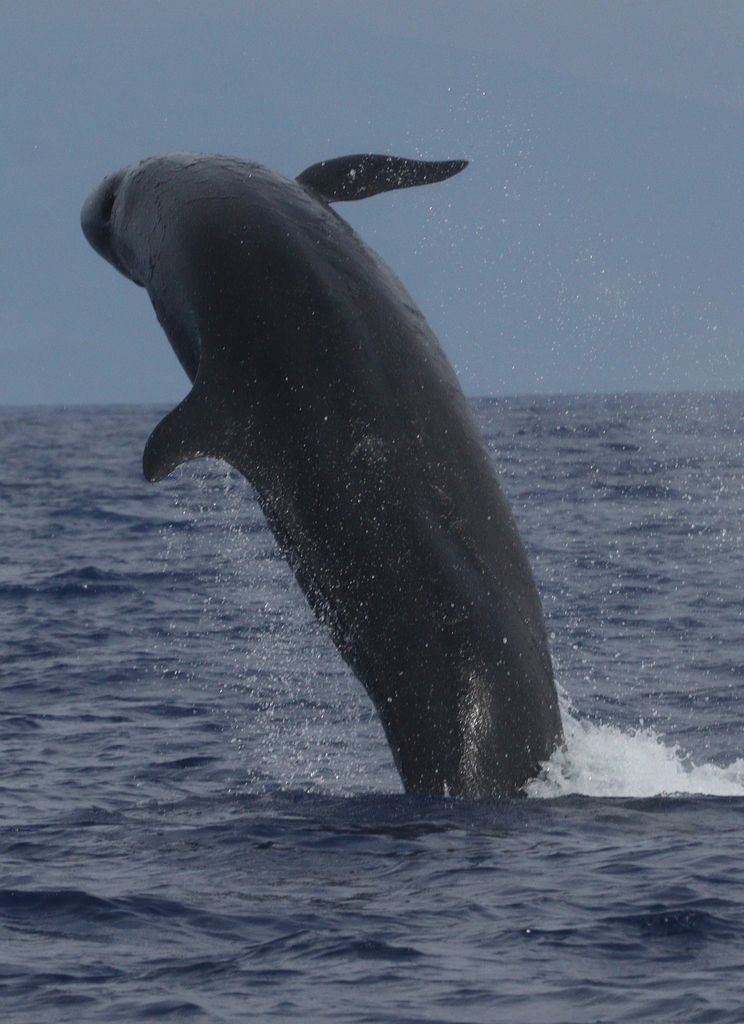
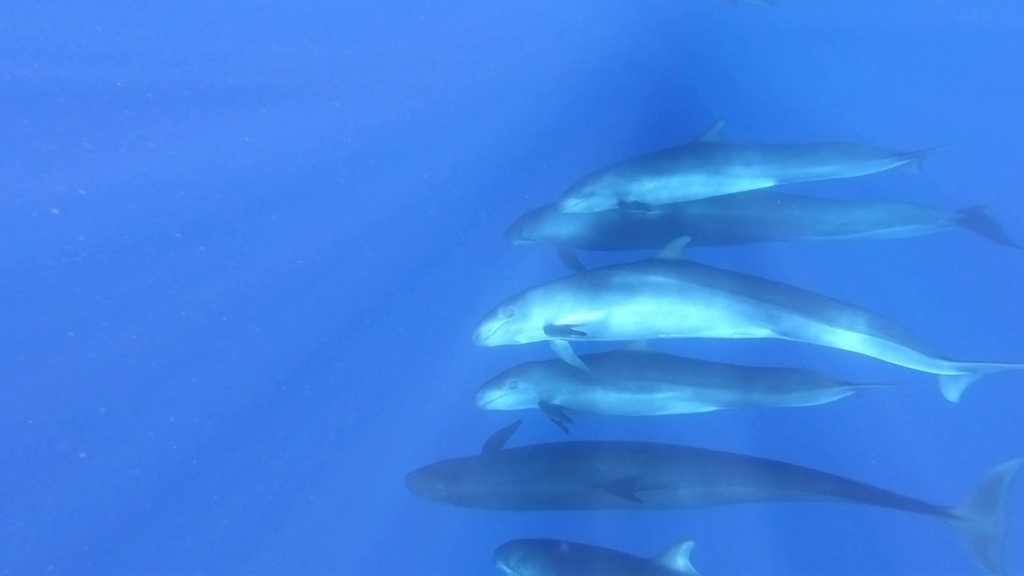
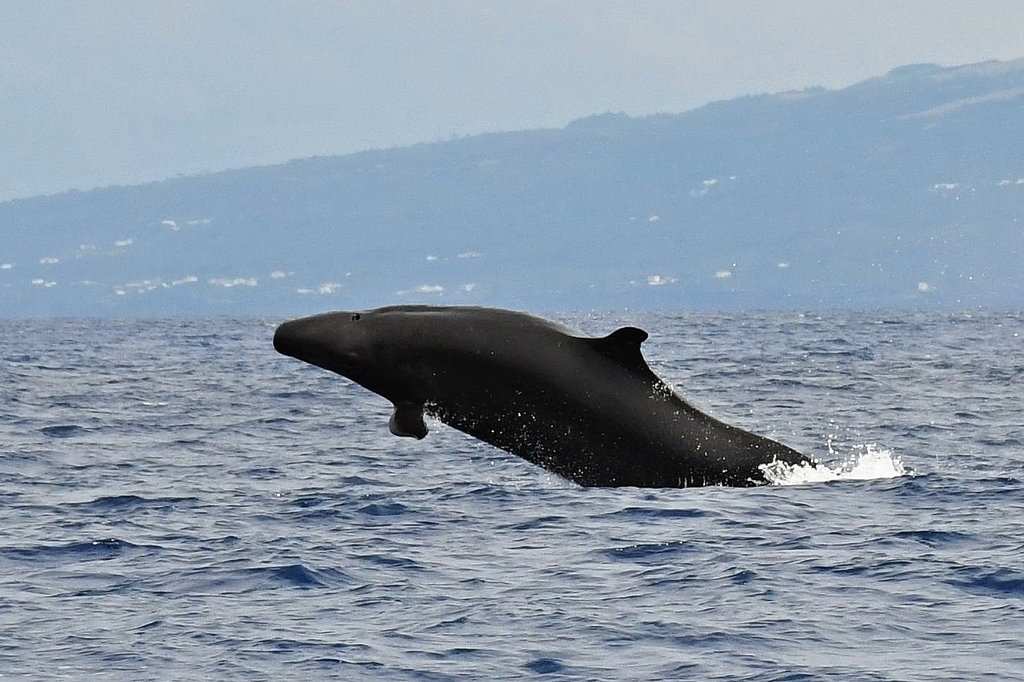
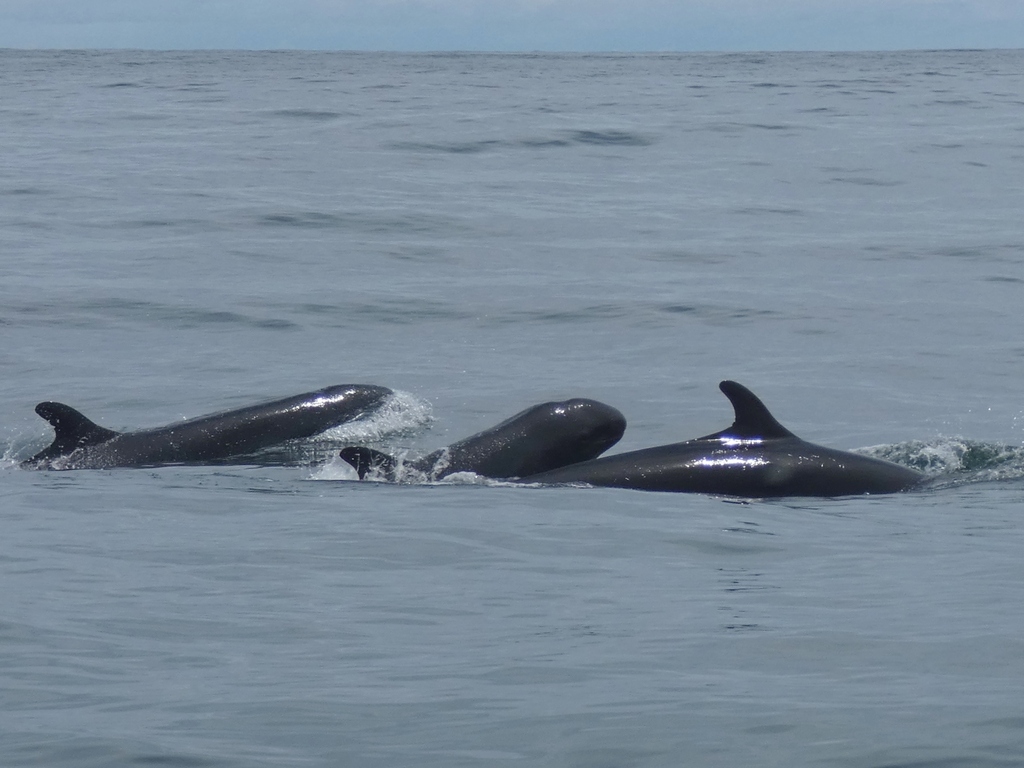
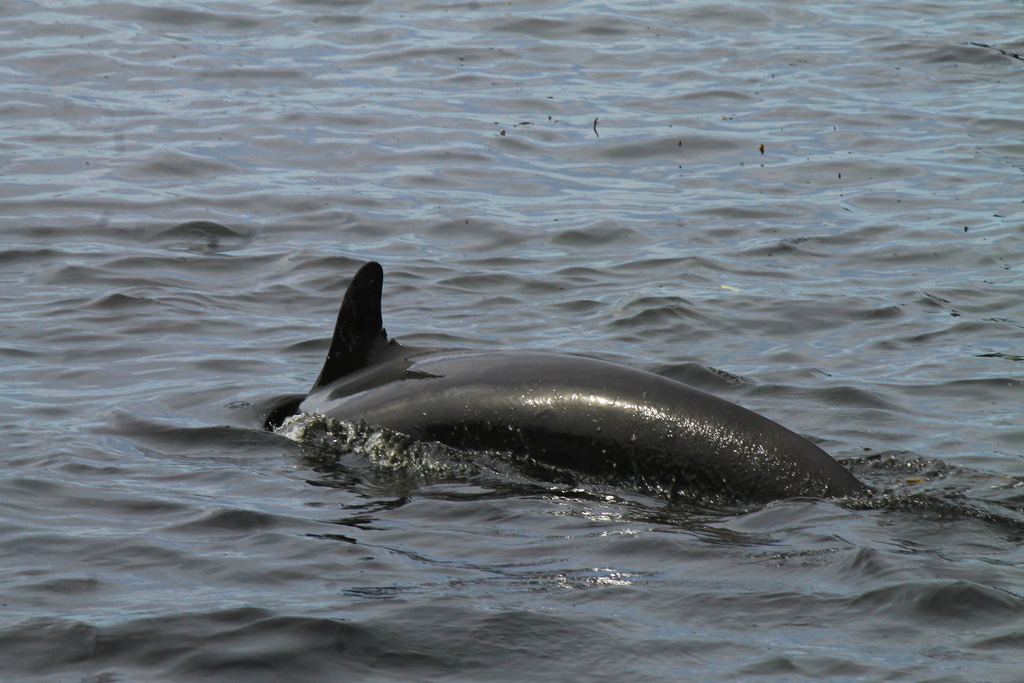
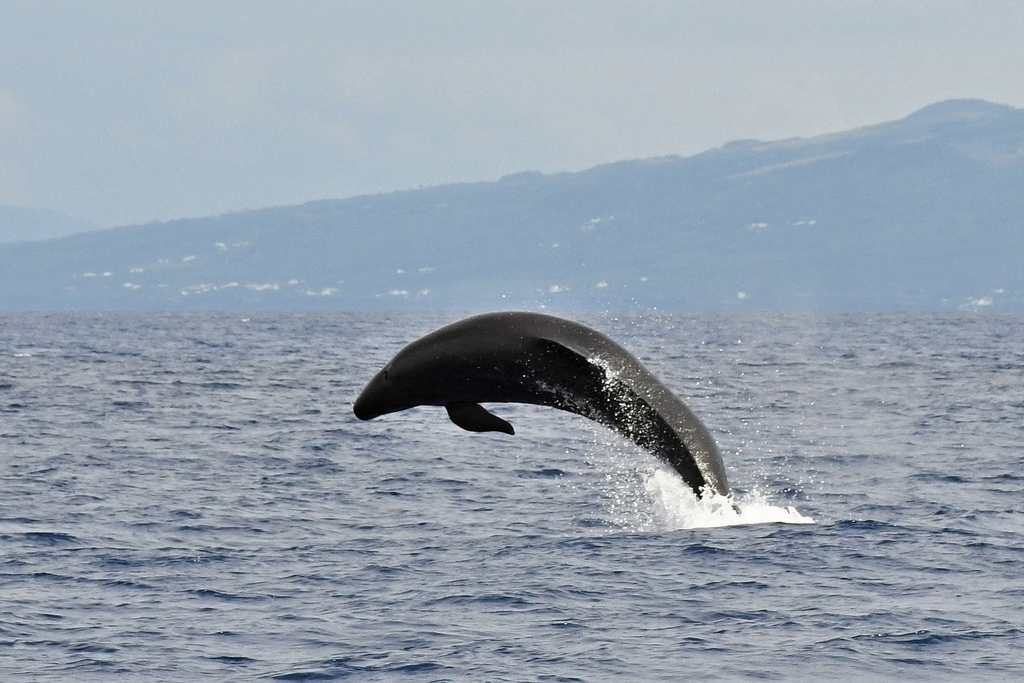
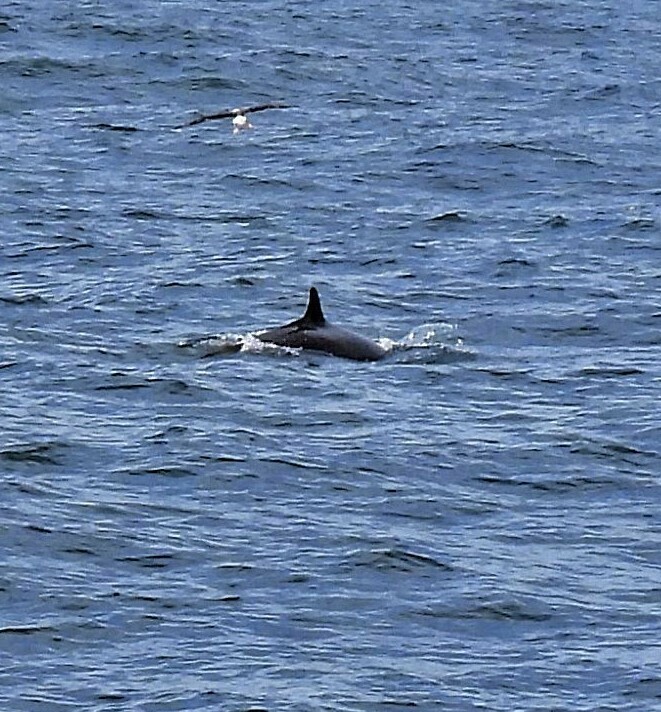
Photos show the species, not always the places on this page.
Length
Females up to about 4.9 m (16 ft); males nearly 6.1 m (20 ft)
Weight
Up to about 1,360 kg (3,000 lb)
Next to a person
Adults can be about 3 times a person's height and weigh well over a tonne
What it eats
Mainly fish and squid, including large ocean fish in some regions.
Around people
Defensive if pressured
How it lives
Despite its name, the false killer whale is a highly social ocean dolphin. Group members form strong bonds that last for years, and small groups can belong to much larger networks. It eats mainly fish and squid, and individuals sometimes share their catch.
Populations
How populations are organised and how they behave differs from region to region. In Hawaiʻi, one small island population of about 140 whales is listed as endangered under US law, but this is not the status of the whole species. In Timor-Leste, a 2008 survey recorded false killer whales in mixed groups with other species; how often they appear now is unknown.
Meet it respectfully
These are large, powerful wild predators. Do not approach, feed, touch or chase them, never split a group, and do not try to start an interaction. Watch slowly from a boat moving alongside. If they come close, slow down and let the animals choose how near to come.
Fun fact
Tap the bulb to light it up.
It is not a true killer whale: it is a large dolphin.
Some groups share the prey they catch, a sign of strong social bonds.
False killer whale in the Ocean Atlas
Places we have researched where this animal is recorded. It is never guaranteed, and some places are for watching from the boat only.
Travel with usComing soonTrusted referralExploringOn pause, story onlyEthics pass
Country colour: pink where we travel, blue where we are exploring or refer, grey for story only.
 Argentina
 Australia
 Bangladesh
 Brazil
 Cayman Islands
 Chile
Chile Costa Rica
 Cyprus
 Ecuador
 Egypt
Egypt El Salvador
 French Guiana
 French Polynesia
 Grenada
 Guam
Guam Indonesia
 Iran
Iran Israel
 Japan
Japan Kenya
Kenya Madagascar
 Mayotte
 Mexico
 Netherlands
 New Caledonia
 New Zealand
 Nicaragua
 Northern Mariana Islands
 Oman
Oman Panama
 Portugal
 Réunion
 Seychelles
 South Africa
 Spain
Spain Sri Lanka
 Taiwan
 United Kingdom
 United States
 Vietnam
 Wallis and Futuna
Sources for this page
Facts checked 26 September 2026. Photos: Unsplash licence, or Creative Commons as shown on each photo.
Work in ocean travel?
We are always happy to hear from exceptional local operators, accommodation, conservation organisations and destination experts. If your work fits responsible, small-group ocean travel, we would love to learn more.
Partner with Ocean CallingNew: mobula rays in La Ventana, May 2027
CHF 2,720