
Ocean Atlas · Africa
 Kenya
Kenya
Warm Indian Ocean reefs with turtles and seasonal whale sharks, and humpback whales and dolphins watched from the boat.

Ethics pass, with care. We found a way to visit this country that meets our animal-welfare standard, as long as we work with the right local operator. Checked by Ocean Calling on 5 Oct 2026. Sources: Whale Watching Handbook: Kenya country profile, IWC; A citizen science approach for documenting mass coral bleaching in the Western Indian Ocean, Environments (MDPI), 2025; Perez-Jorge et al. 2016, boat traffic and dolphin emigration at Kisite, Biological Conservation.
🧭 Travel advice, checked 5 Oct 2026. The UK FCDO (4 Sep 2026) advises against all travel to Mandera, parts of Wajir, most of Garissa and Lamu County except Lamu and Manda islands, and against all but essential travel to Garissa Town, Tana River north of the Tana, and within 15 km of the east coast between the Tana and Galana rivers. Terrorism is the main threat. Zone boundaries differ between governments. Sources: Kenya travel advice, UK FCDO · Kenya travel advice, Government of Canada Advice differs by passport: check your own government before you plan.
Why Kenya
Kenya's south and north coast have old marine parks with coral reefs, green and hawksbill turtles and reef sharks, for scuba and snorkelling. At Watamu a turtle rescue project works with local fishers, and humpback whales pass from about July to October. On the south coast near Diani, whale sharks are seen in some years from about November to March, and at Kisite near Shimoni dolphins live around the reefs. We watch whales and dolphins only from the boat, because the local guidelines ask people not to swim with dolphins. In 2024 many corals on this coast bleached in a marine heatwave, so reef health is part of what we are still checking. Lamu, in the far north, is under travel warnings from several governments, so Ocean Calling is only researching it for now. As with all wildlife, sightings are never certain.
Conservation-led. Ocean Calling guests never chase, touch or bait animals.
When to go
Oct-Mar. Timing changes by place and by animal, so check each place below.
We have researched this place and keep learning about it. There is no trip here yet.
Can we travel here ethically?
Ethics pass, with care
Good with the right operator. Here is how we choose.
Kenya's marine parks protect reefs and turtles, and the wildlife service code asks boats to stay 100 metres from dolphins, with no swimming. This code is only voluntary, and at Kisite more boats around the dolphins made them more likely to leave the area for a season. We watch dolphins and whales only from one calm boat, and because many corals bleached in 2024, we check reef health before each trip.
Checked 5 Oct 2026. Places change, so we look again every year.
Where in Kenya
Short notes from our research. Wildlife is never guaranteed.
Watamu
ExploringAn old marine park with turtles and reef life, and humpback whales and dolphins watched from the boat in season.
🤿 In the water: Green and hawksbill turtles, Reef fish and corals, Whitetip and blacktip reef sharks (on some dives), Octopus and small reef life
⛵ From the boat or shore, never in the water: Humpback whales (about Jul-Oct, from the boat), Indo-Pacific bottlenose dolphins (from the boat)
When: Oct-Mar. The sea is often calmer and clearer from about October to March. Humpback whales pass from about July to October, when the sea can be rough. A turtle rescue project here works with local fishers.
Diani
ExploringA long white beach with reef diving, and whale sharks in some years.
🤿 In the water: Reef fish and small reef life, Turtles, Freediving training on calm days
⛵ From the boat or shore, never in the water: Whale sharks (some years, about Nov to Mar, never certain), Humpback whales (about Jul-Oct, from the boat), Dolphins (from the boat)
When: Oct-Mar. October to March often brings calmer, clearer water. Whale sharks are seen in some years from about November to March, but not every year. Humpbacks pass from about July to October.
Shimoni and Kisite
ExploringA protected reef near the Tanzanian border, with turtles, coral gardens and dolphins watched from the boat.
🤿 In the water: Coral gardens and reef fish, Turtles, Deeper walls for experienced divers
⛵ From the boat or shore, never in the water: Indo-Pacific bottlenose dolphins (from the boat), Indian Ocean humpback dolphins (rare, from the boat), Spinner dolphins (about Jan-Apr, from the boat), Humpback whales (about Jul-Oct, from the boat)
When: Oct-Mar. Kisite is a marine national park. The local guidelines ask boats to keep a calm distance and not to swim with the dolphins, and we follow this. The sea is usually calmer from about October to March.
Animals recorded in Kenya
Tap an animal to learn how it lives, where it travels and how to meet it respectfully.
 Humpback whaleMegaptera novaeangliaeSeen in 87 countries in the AtlasLeast Concern
 Whale sharkRhincodon typusSeen in 54 countries in the AtlasEndangered
 Indo-Pacific bottlenose dolphinTursiops aduncusSeen in 29 countries in the AtlasNear Threatened
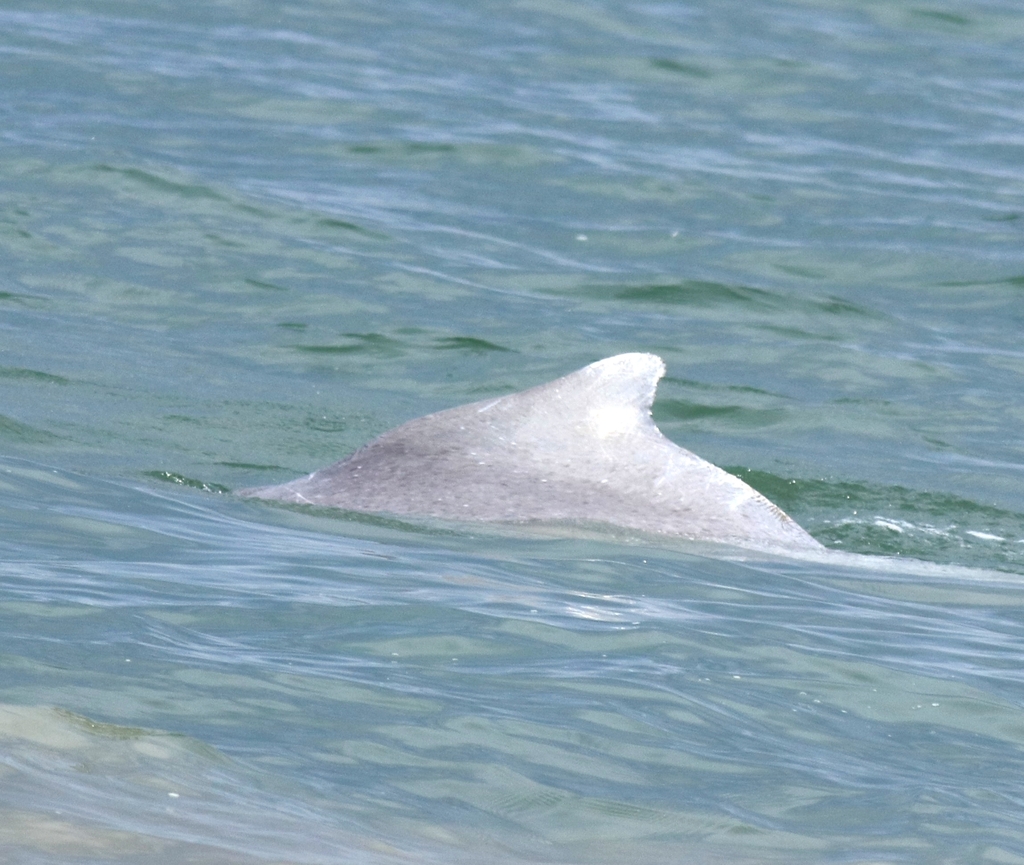 Indian Ocean humpback dolphinSousa plumbeaSeen in 13 countries in the AtlasEndangered
 Spinner dolphinStenella longirostrisSeen in 66 countries in the AtlasLeast Concern
 Green turtleChelonia mydasSeen in 103 countries in the AtlasLeast Concern
 Hawksbill turtleEretmochelys imbricataSeen in 88 countries in the AtlasCritically Endangered
 Blacktip reef sharkCarcharhinus melanopterusSeen in 38 countries in the AtlasVulnerable
 Whitetip reef sharkTriaenodon obesusSeen in 43 countries in the AtlasVulnerable
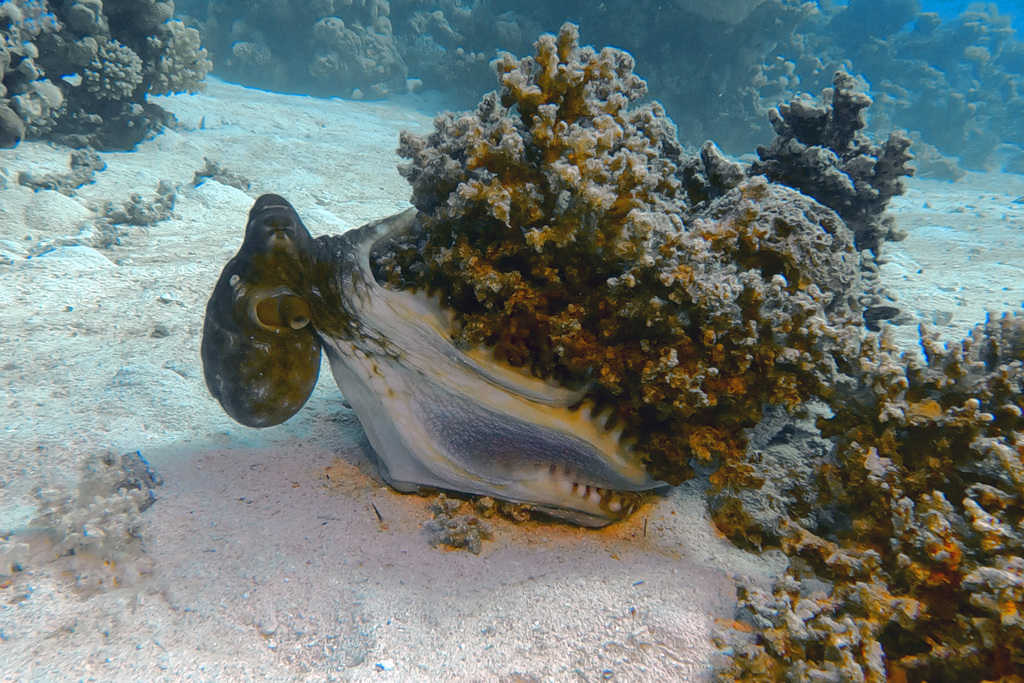 Day octopusOctopus cyaneaSeen in 35 countries in the AtlasLeast Concern
 Bryde's whaleBalaenoptera edeniSeen in 36 countries in the AtlasLeast Concern
 Orca (killer whale)Orcinus orcaSeen in 55 countries in the AtlasData Deficient
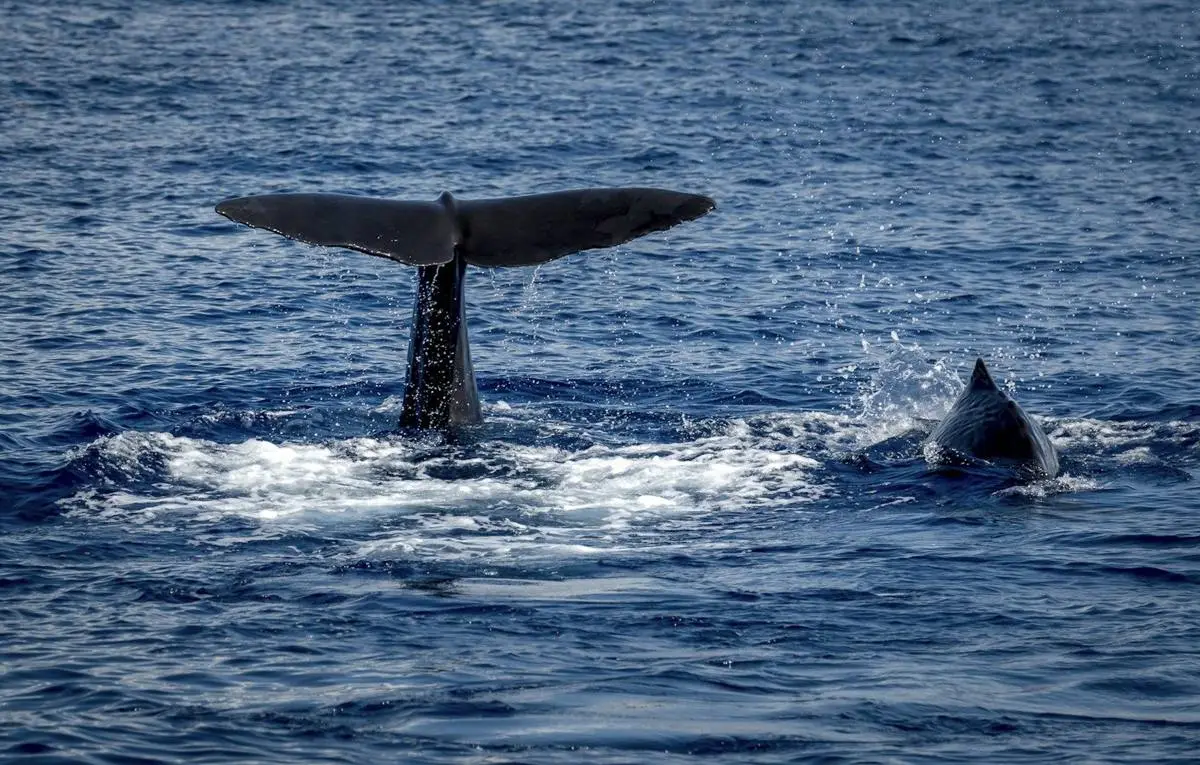 Sperm whalePhyseter macrocephalusSeen in 114 countries in the AtlasVulnerable
 False killer whalePseudorca crassidensSeen in 41 countries in the AtlasNear Threatened
 Scalloped hammerheadSphyrna lewiniSeen in 57 countries in the AtlasCritically Endangered
 DugongDugong dugonSeen in 32 countries in the AtlasVulnerable
 CoelacanthLatimeria chalumnaeSeen in 4 countries in the AtlasCritically Endangered
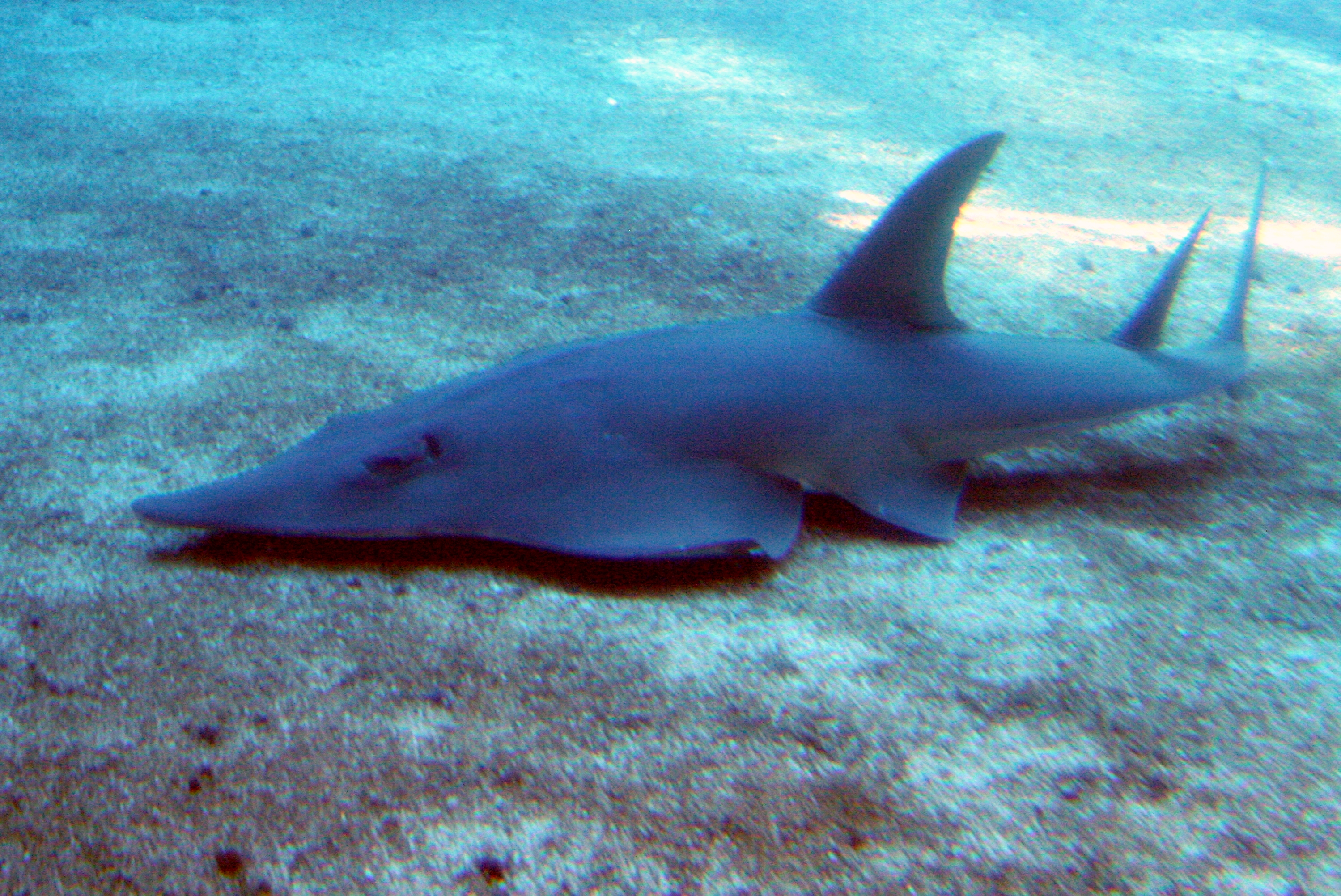 Whitespotted wedgefishRhynchobatus djiddensisSeen in 9 countries in the AtlasCritically Endangered
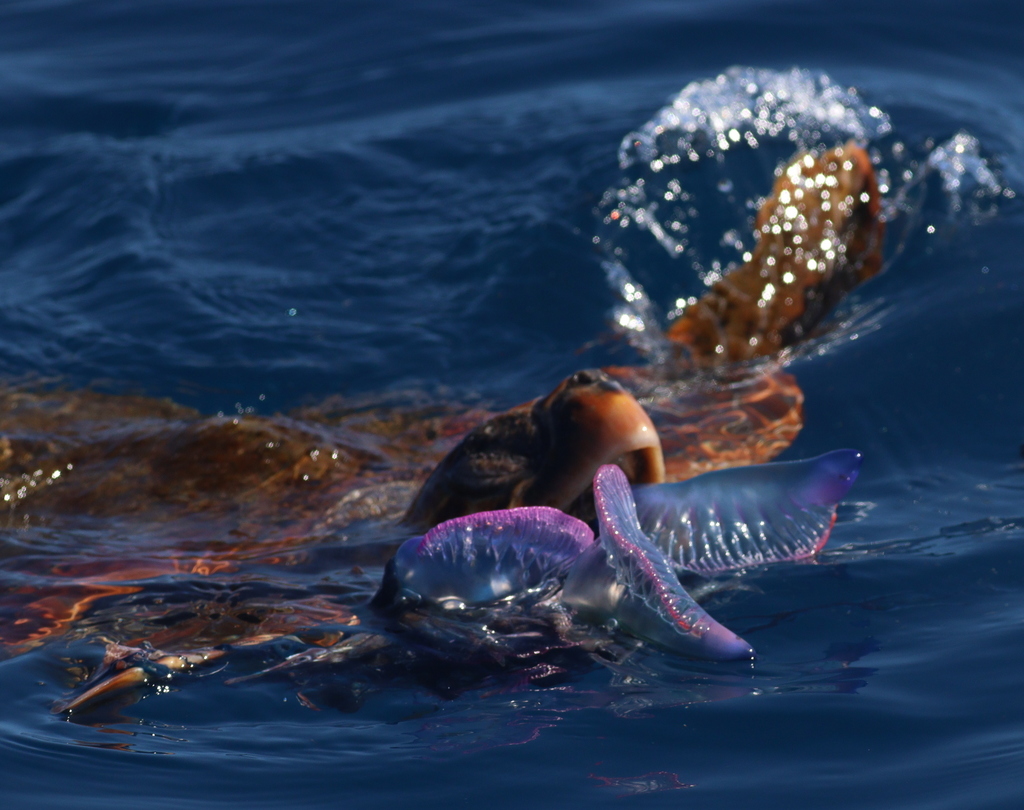 Loggerhead turtleCaretta carettaSeen in 89 countries in the AtlasVulnerable
 Bigeye trevallyCaranx sexfasciatusSeen in 48 countries in the AtlasLeast Concern
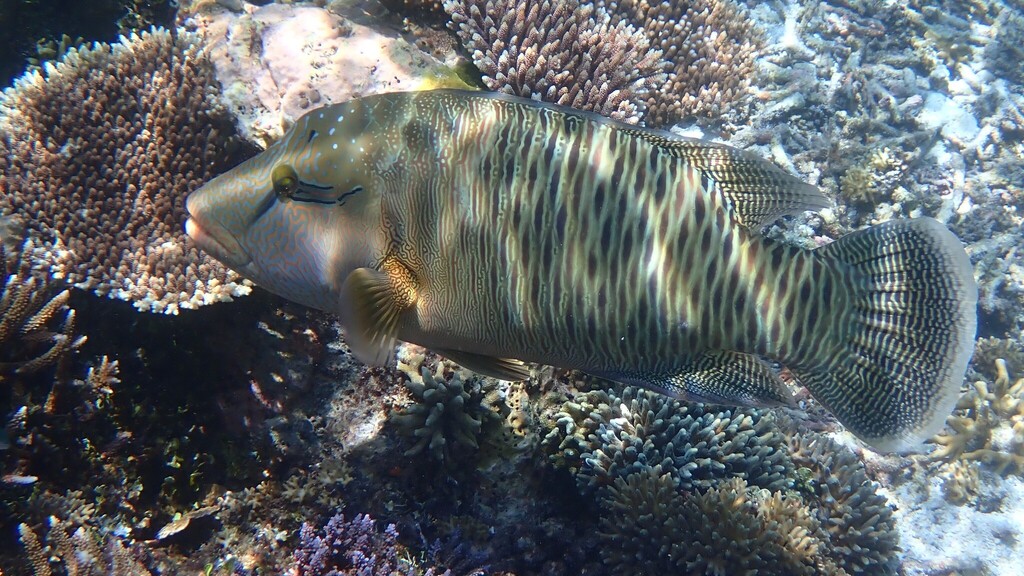 Humphead wrasse (Napoleon wrasse)Cheilinus undulatusSeen in 34 countries in the AtlasEndangered
 Blue-spotted ribbontail rayTaeniura lymmaSeen in 22 countries in the AtlasLeast Concern
 Great barracudaSphyraena barracudaSeen in 84 countries in the AtlasLeast Concern
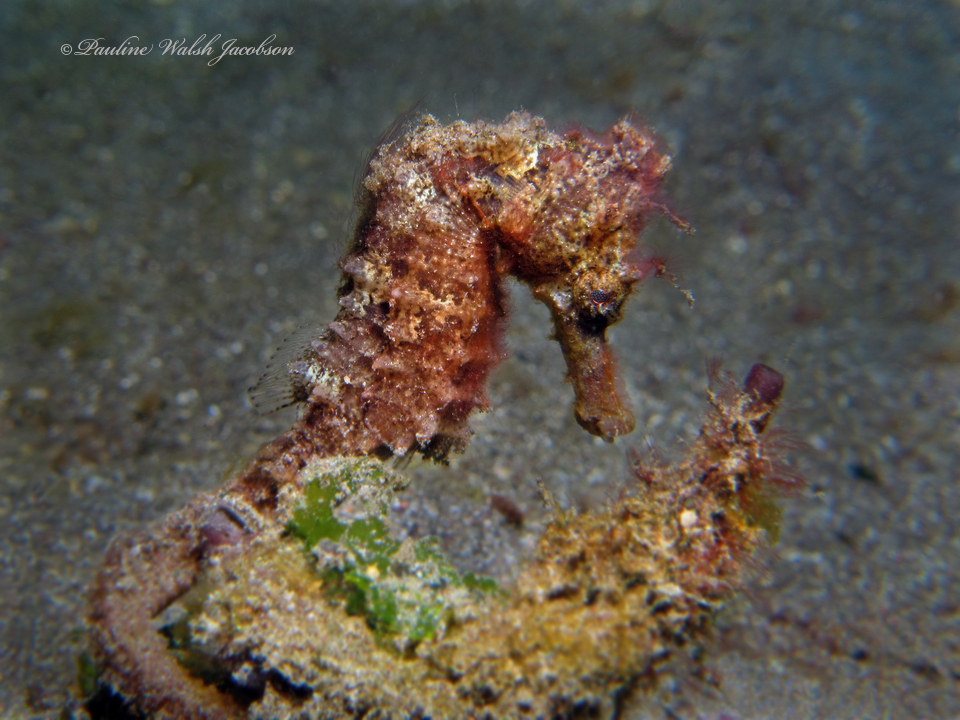 Common (estuary) seahorseHippocampus kudaSeen in 25 countries in the AtlasVulnerable
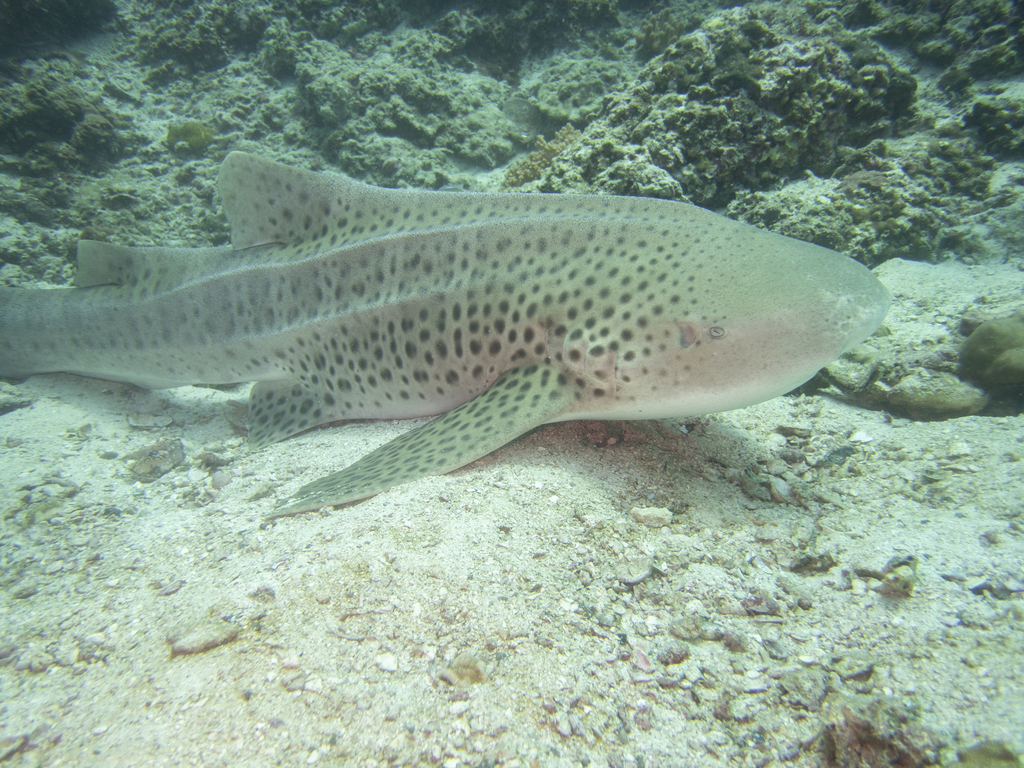 Zebra sharkStegostoma tigrinumSeen in 17 countries in the AtlasEndangered
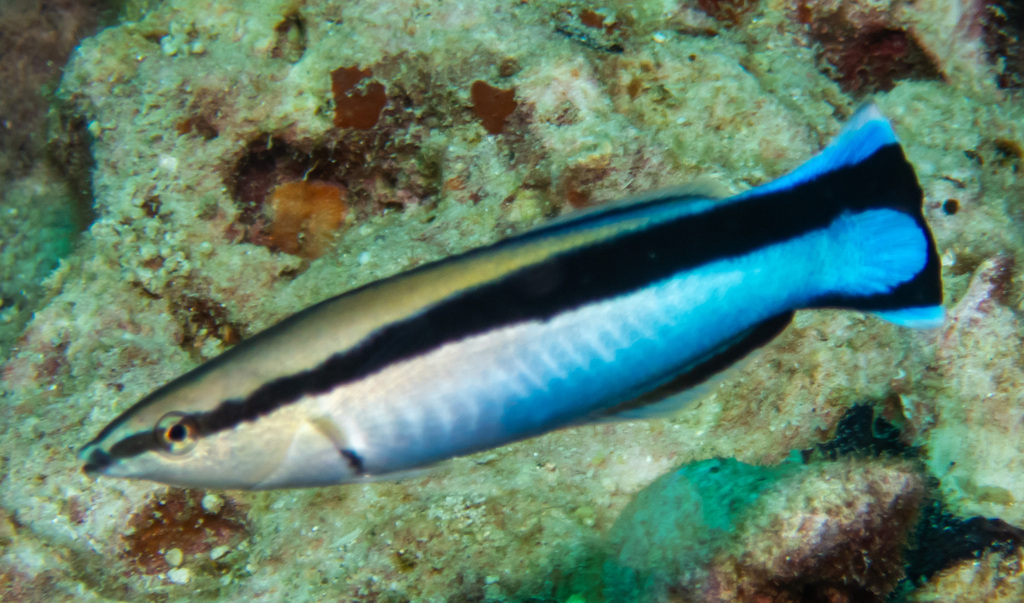 Bluestreak cleaner wrasseLabroides dimidiatusSeen in 51 countries in the AtlasLeast Concern
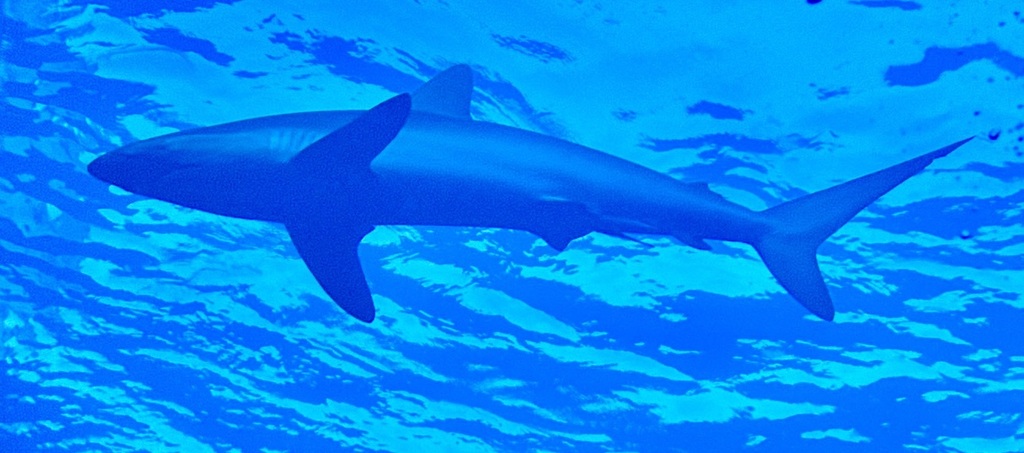 Silky sharkCarcharhinus falciformisSeen in 48 countries in the AtlasVulnerable
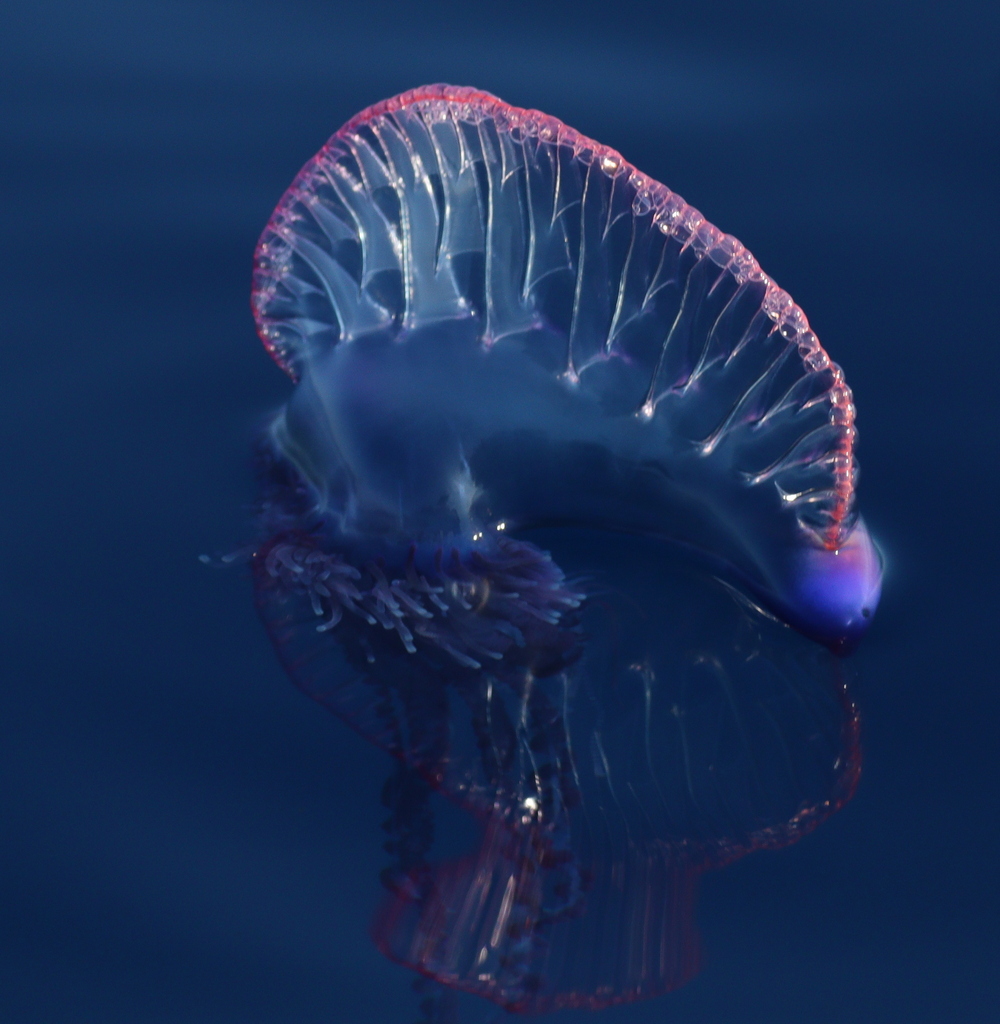 Portuguese man o' warPhysalia physalisSeen in 36 countries in the AtlasNot Evaluated
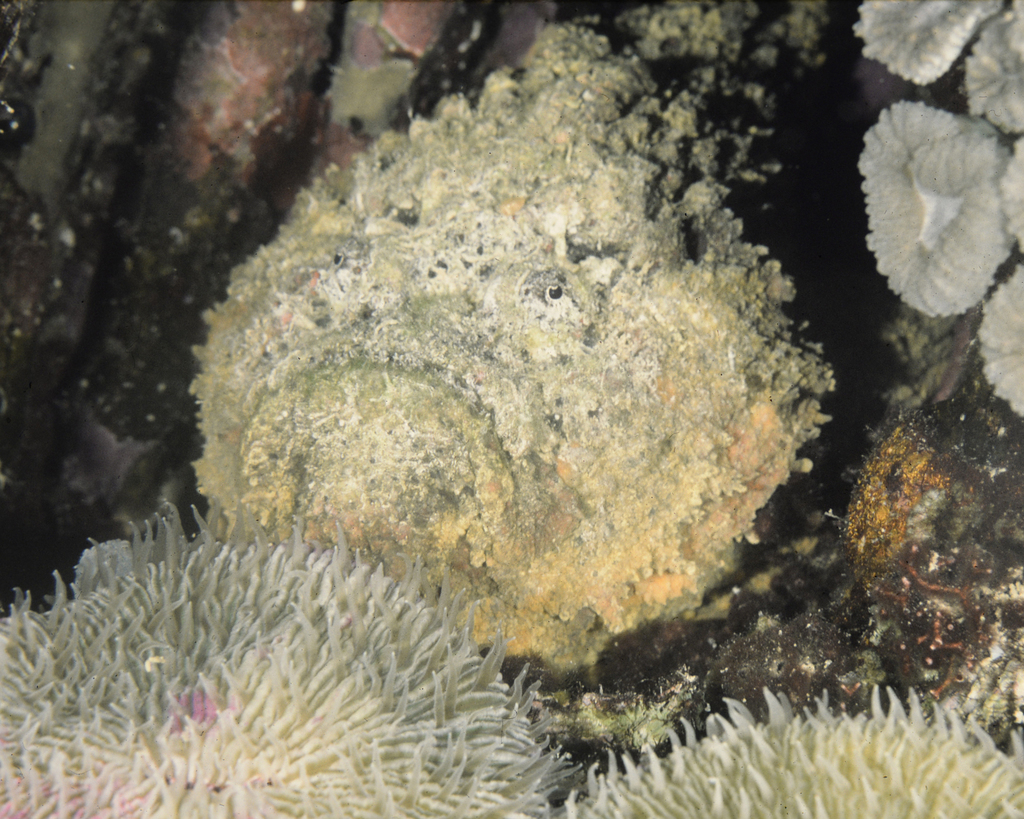 Reef stonefishSynanceia verrucosaSeen in 25 countries in the AtlasLeast Concern
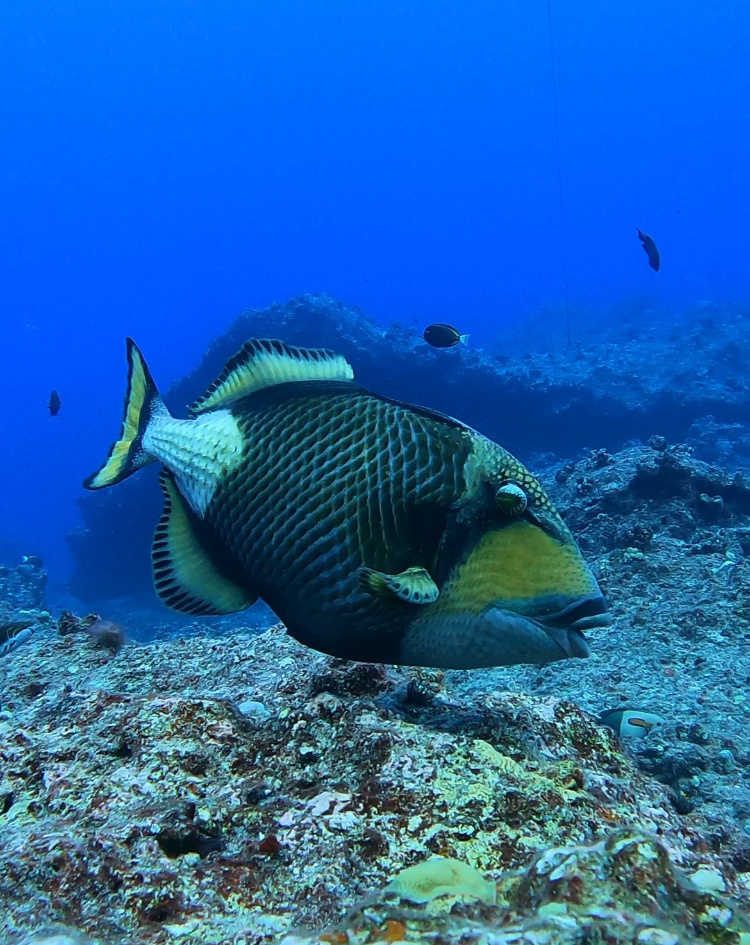 Titan triggerfishBalistoides viridescensSeen in 40 countries in the AtlasLeast Concern
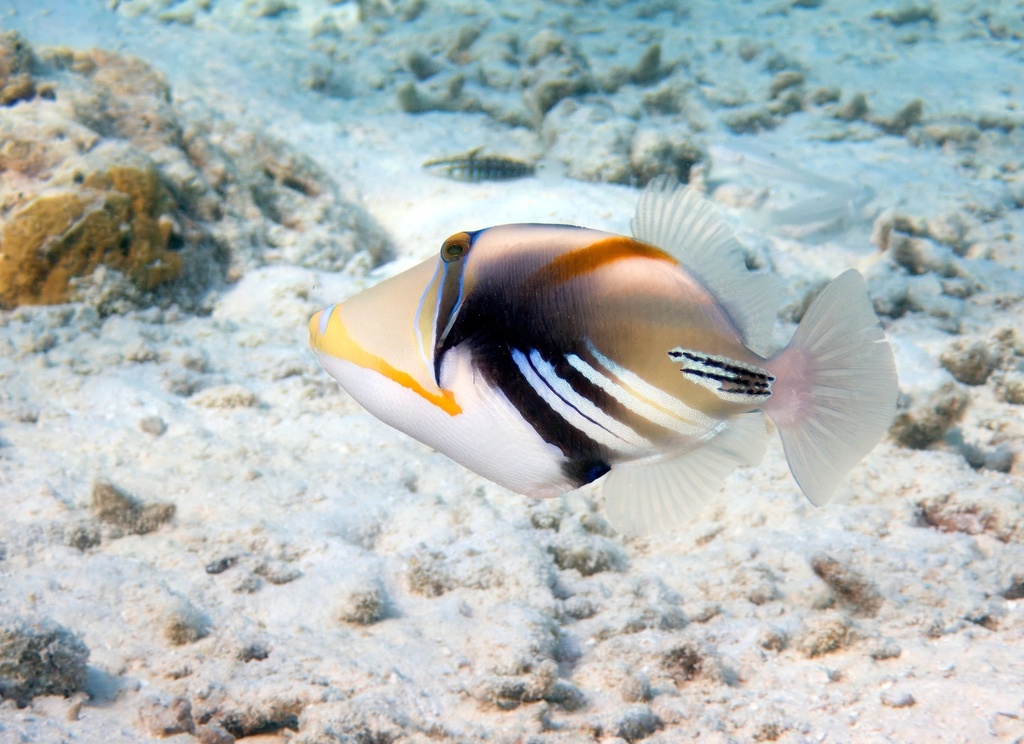 Picasso triggerfish (lagoon triggerfish)Rhinecanthus aculeatusSeen in 41 countries in the AtlasLeast Concern
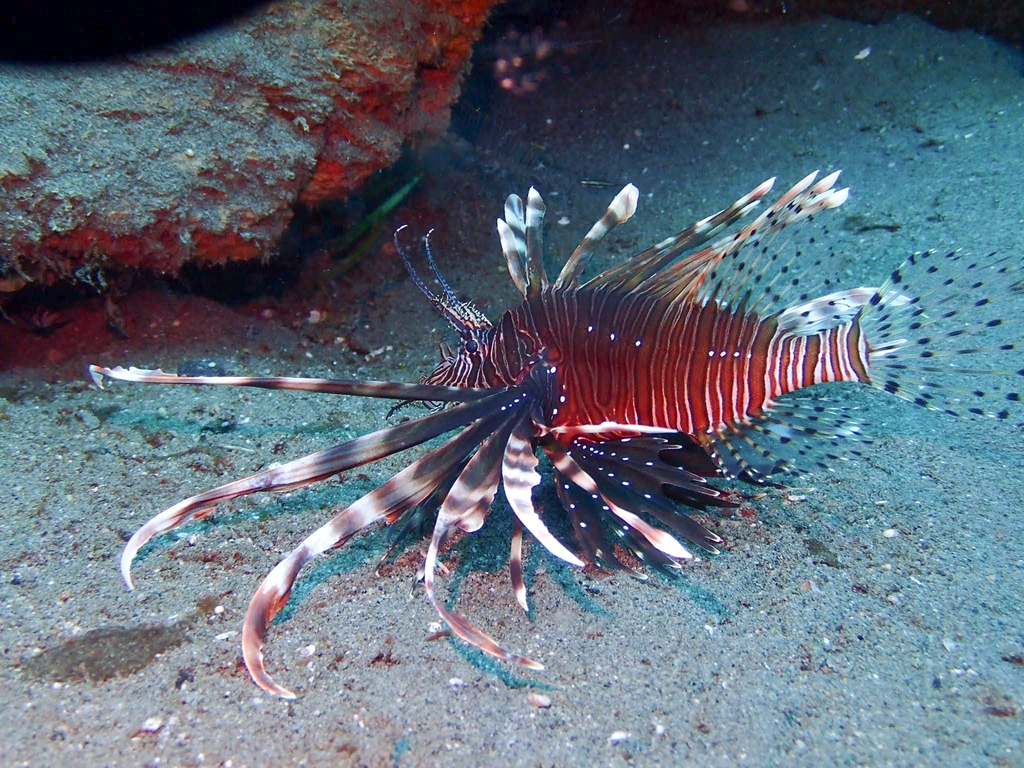 Lionfish (red and common lionfish)Pterois volitans and Pterois milesSeen in 80 countries in the AtlasLeast Concern
 Common hippopotamusHippopotamus amphibiusSeen in 17 countries in the AtlasLives on landVulnerable
 Wedge-tailed shearwaterArdenna pacificaSeen in 46 countries in the AtlasLeast Concern
 Masked boobySula dactylatraSeen in 80 countries in the AtlasLeast Concern
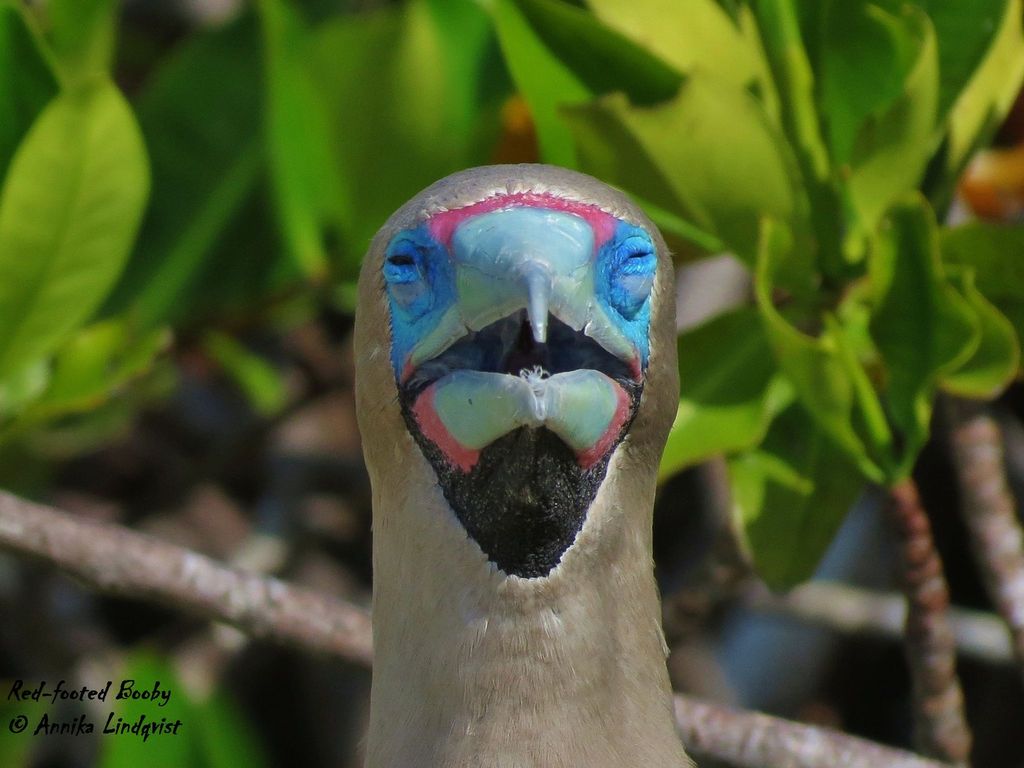 Red-footed boobySula sulaSeen in 91 countries in the AtlasLeast Concern
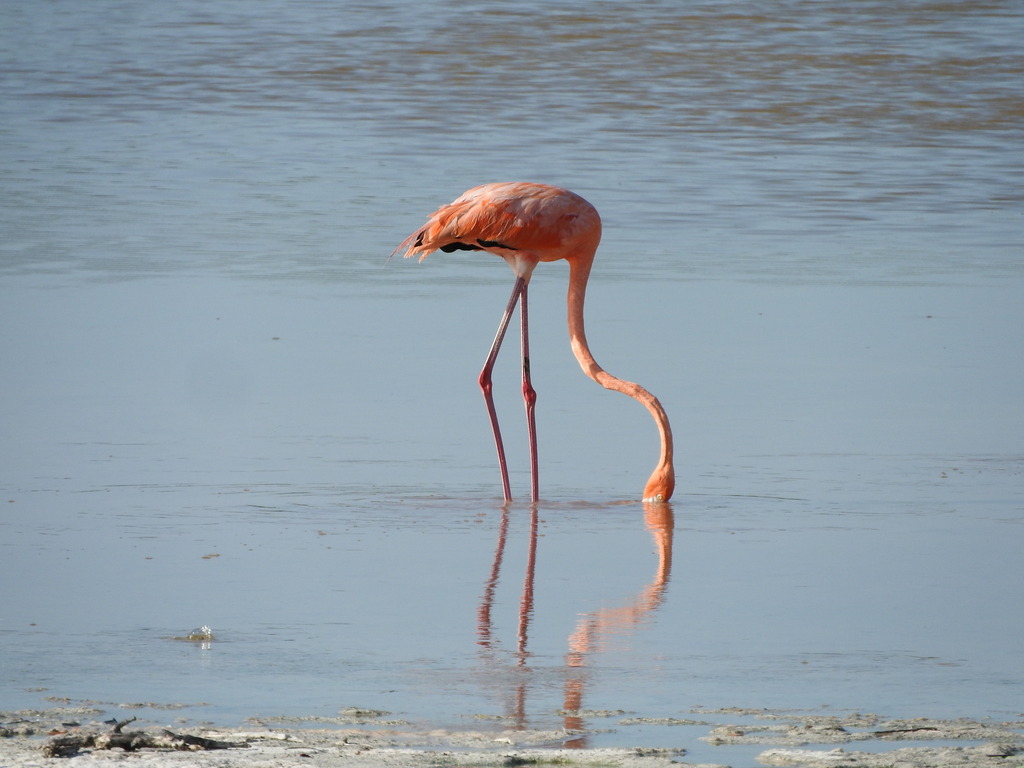 American flamingoPhoenicopterus ruberSeen in 47 countries in the AtlasLives on landLeast Concern
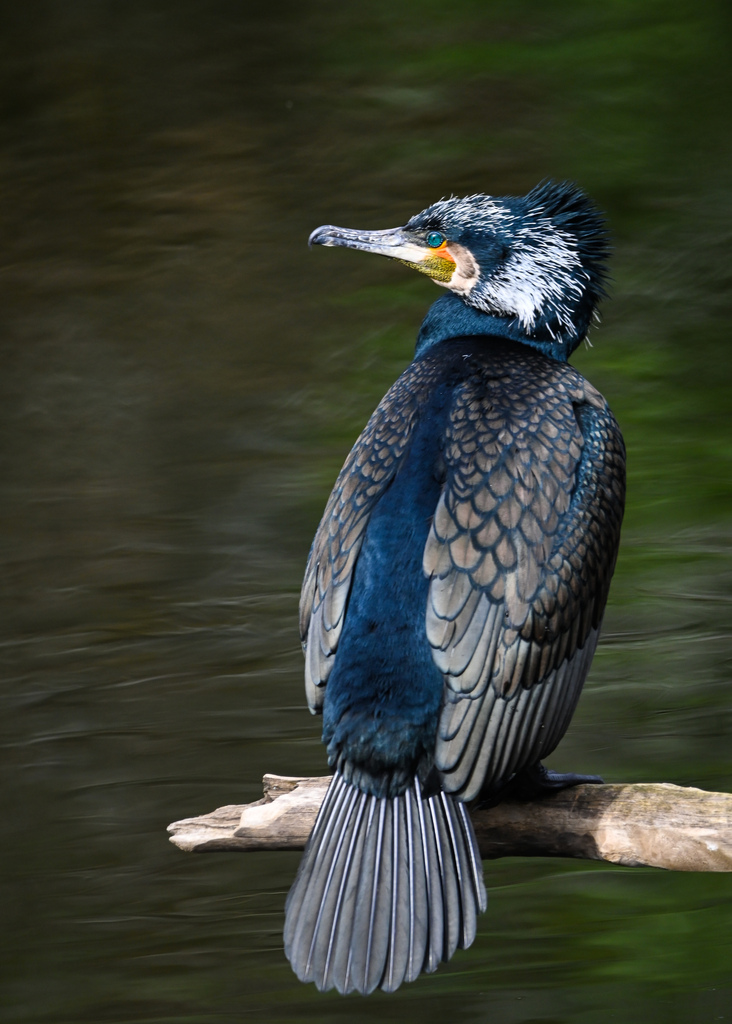 Great cormorantPhalacrocorax carboSeen in 90 countries in the AtlasLeast Concern
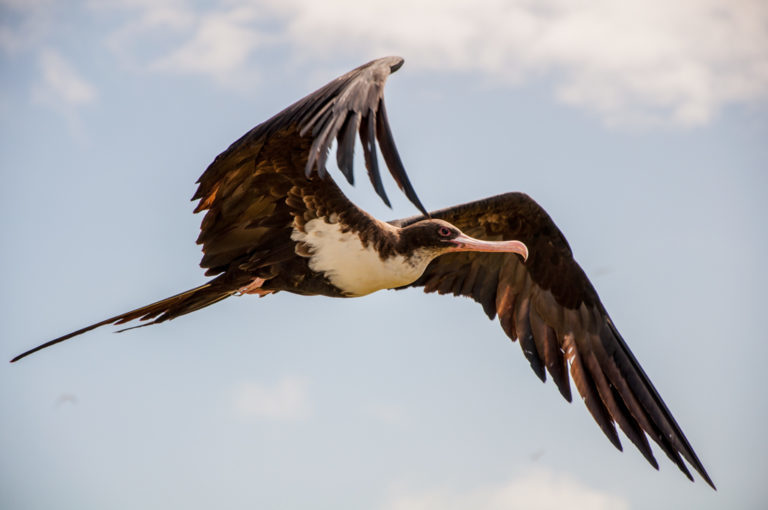 Great frigatebirdFregata minorSeen in 44 countries in the AtlasLeast Concern
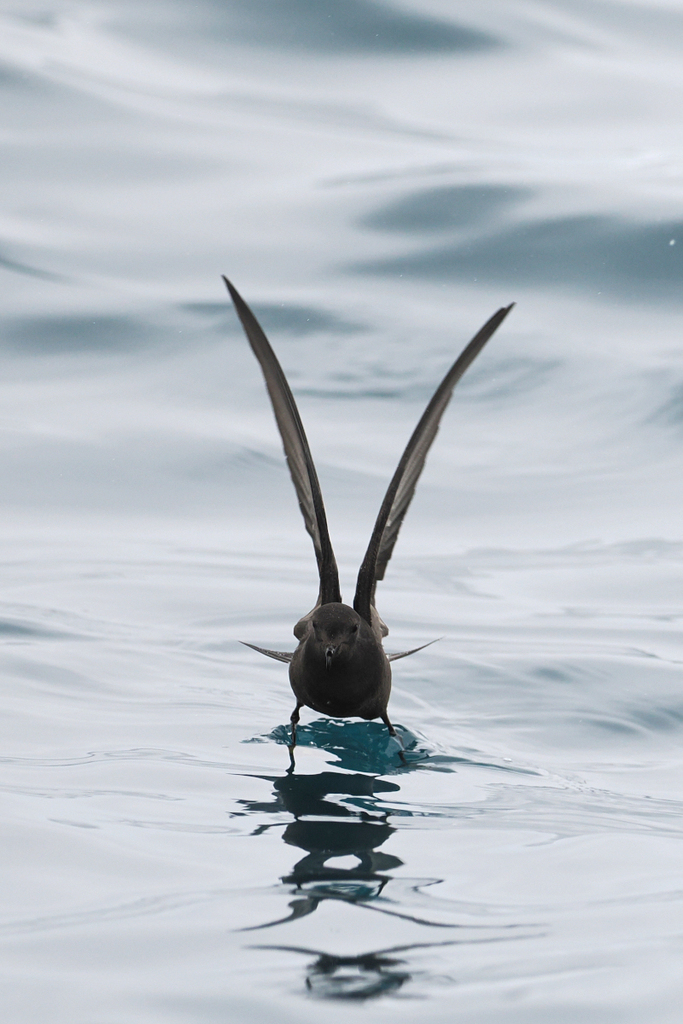 Wilson's storm-petrelOceanites oceanicusSeen in 41 countries in the AtlasLeast Concern
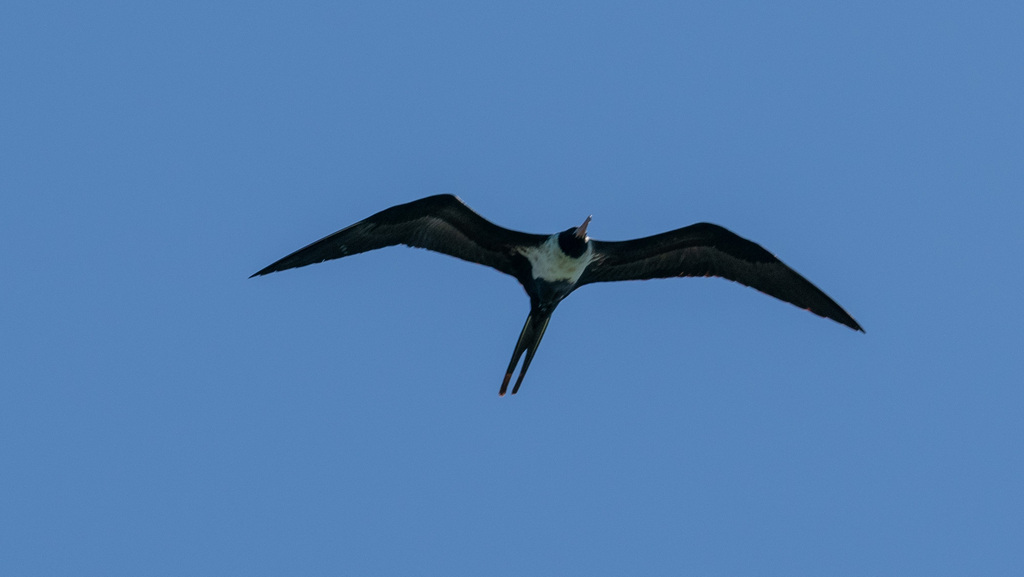 Lesser frigatebirdFregata arielSeen in 39 countries in the AtlasLeast Concern
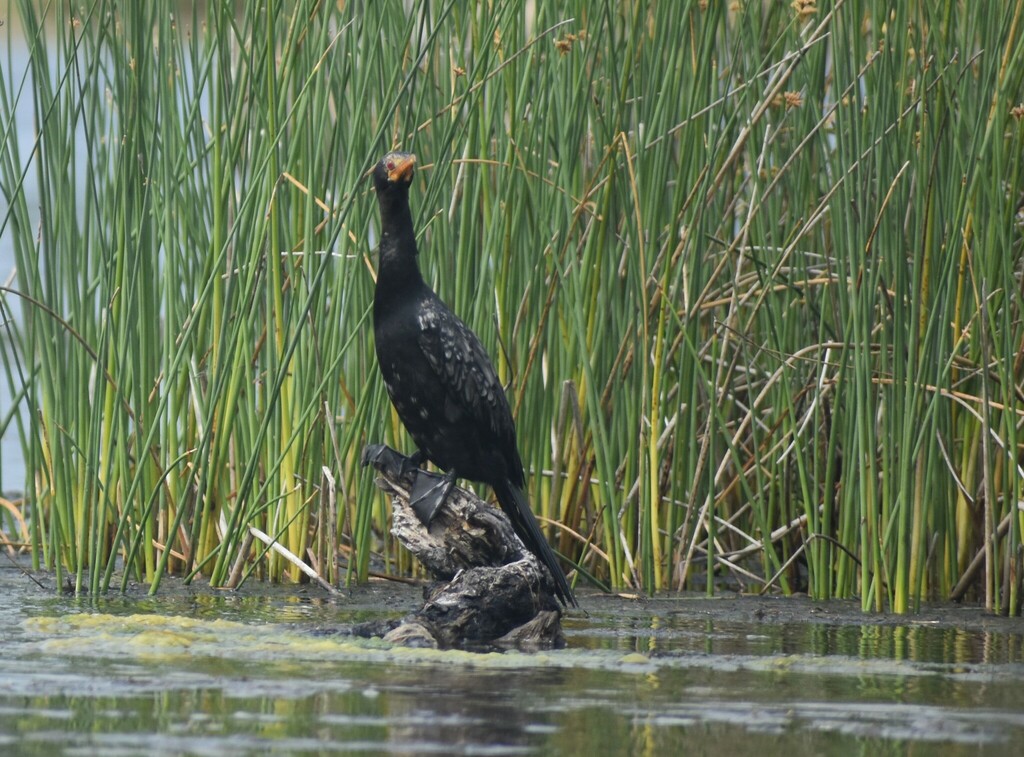 Reed cormorant (long-tailed cormorant)Microcarbo africanusSeen in 27 countries in the AtlasLeast Concern
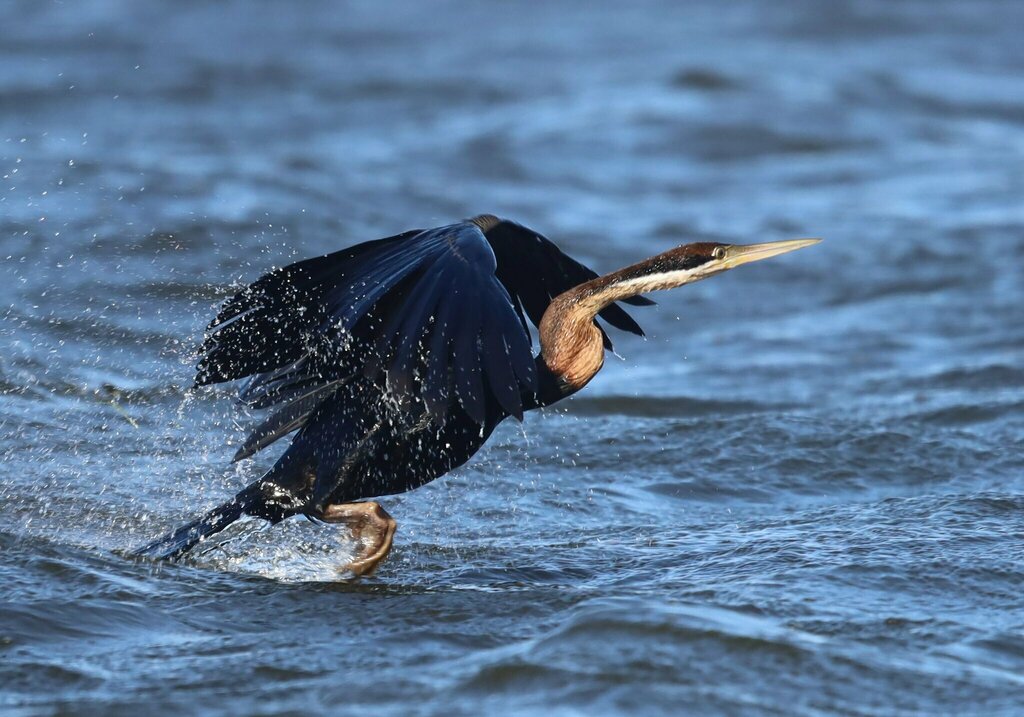 African darterAnhinga rufaSeen in 21 countries in the AtlasLeast Concern
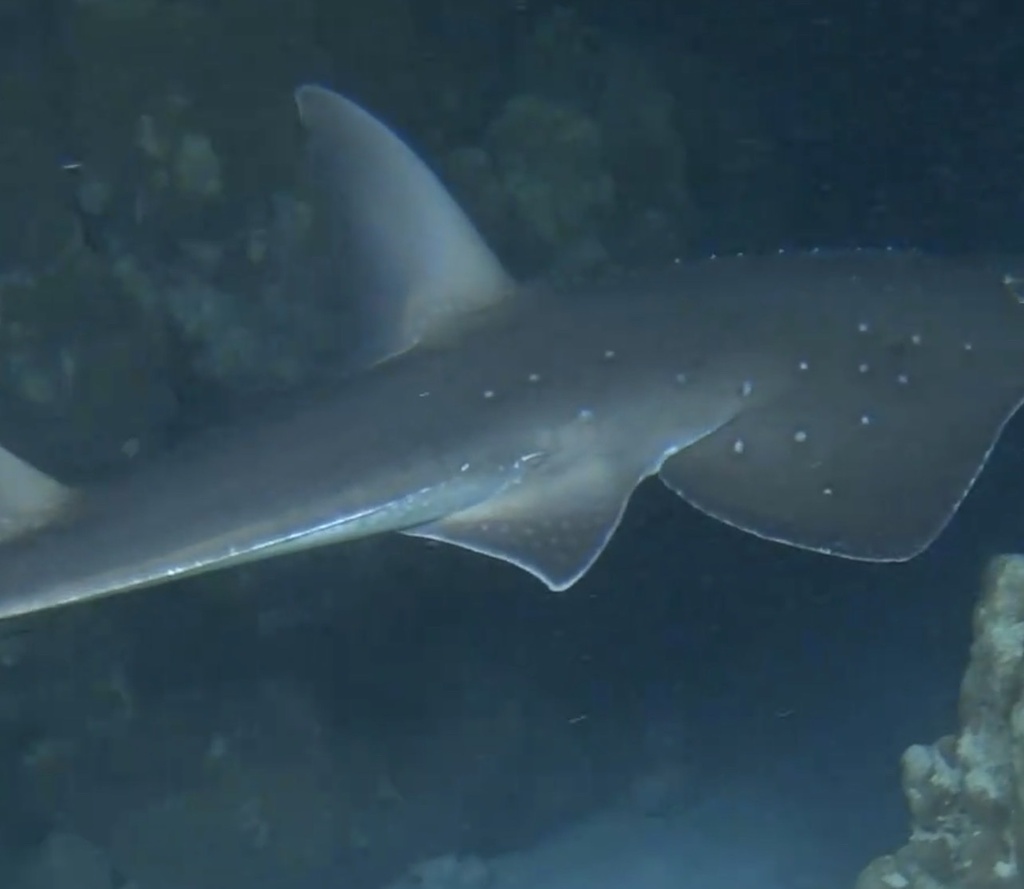 Bottlenose wedgefishRhynchobatus australiaeSeen in 9 countries in the AtlasCritically Endangered
Tell Rocío what you would love to see
There is no trip here yet. If enough people ask, it helps us decide where to go next.
 Angola
 Benin
Benin Cabo Verde
 Cameroon
 Côte d'Ivoire
 Democratic Republic of the Congo
 Equatorial Guinea
 Gabon
Gabon Gambia
 Ghana
Ghana Guinea
 Guinea-Bissau
 Liberia
 Mauritania
 Mozambique
 Namibia
 Nigeria
 Republic of the Congo
 Saint Helena
 São Tomé and Príncipe
 Senegal
 Sierra Leone
 South Africa
 Tanzania
 Togo
Togo Western Sahara
Based in Kenya?
We are always happy to hear from exceptional local operators, accommodation, conservation organisations and destination experts in Kenya. If your work fits responsible, small-group ocean travel, we would love to learn more.
Partner with Ocean CallingNew: mobula rays in La Ventana, May 2027
CHF 2,720