
Indian Ocean humpback dolphin
Sousa plumbea
A shy, Endangered coastal dolphin of shallow Indian Ocean shores. Often you see only a low grey roll and a distinctive hump, if they appear at all.
Endangered (IUCN, 2023) means it is at very high risk of extinction in the wild.
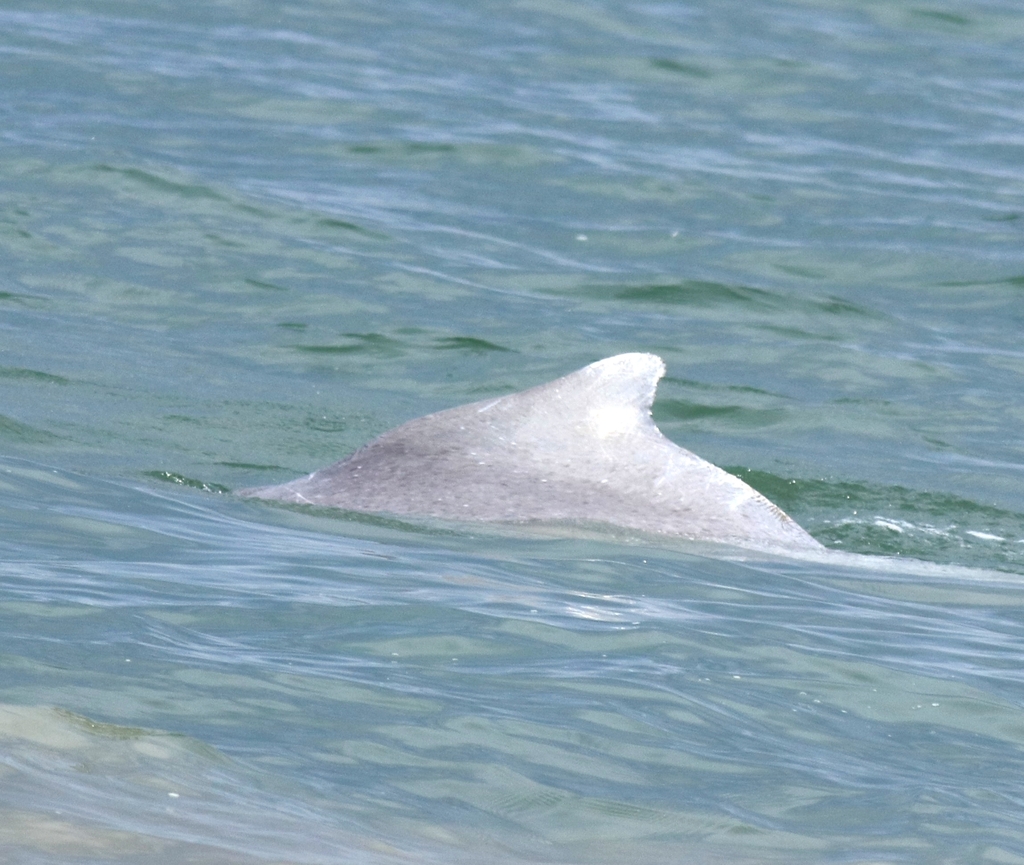
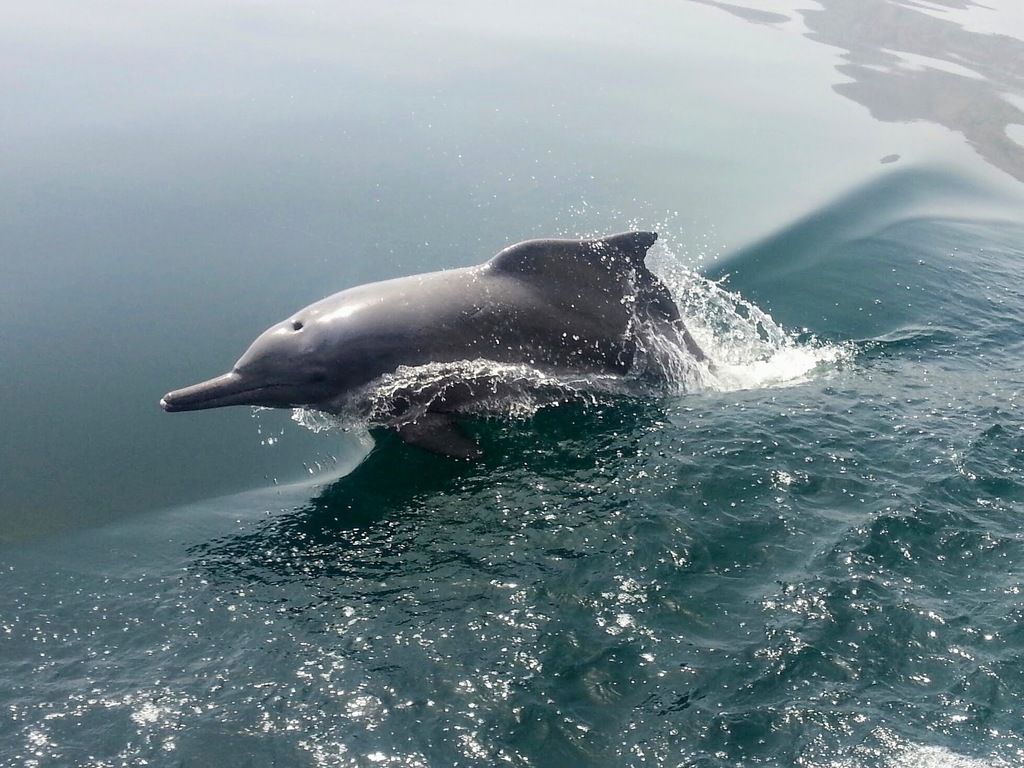
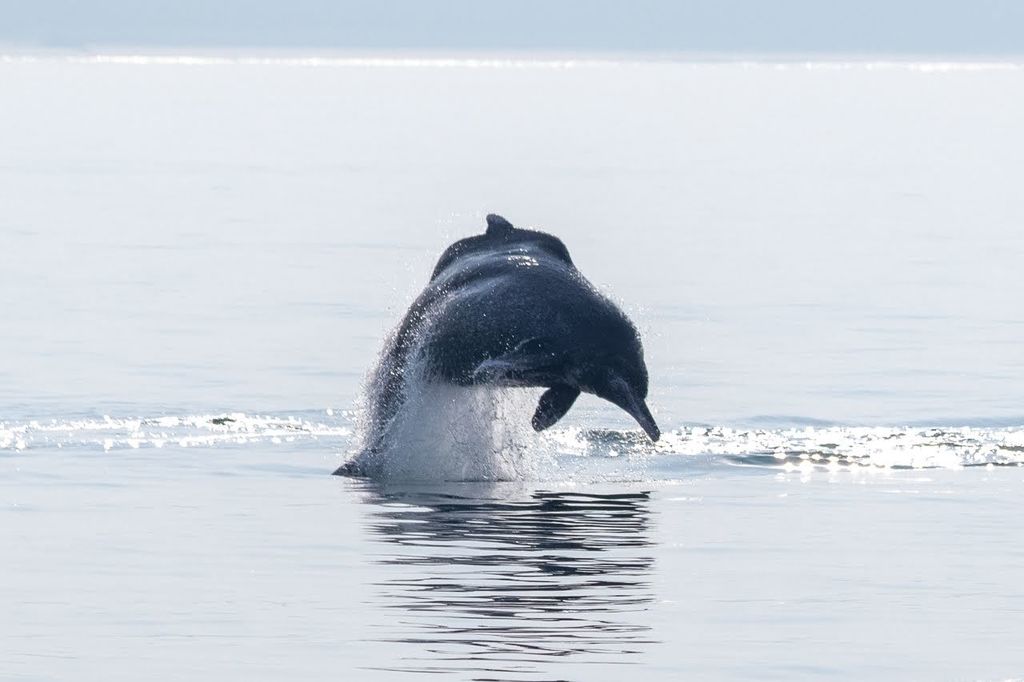
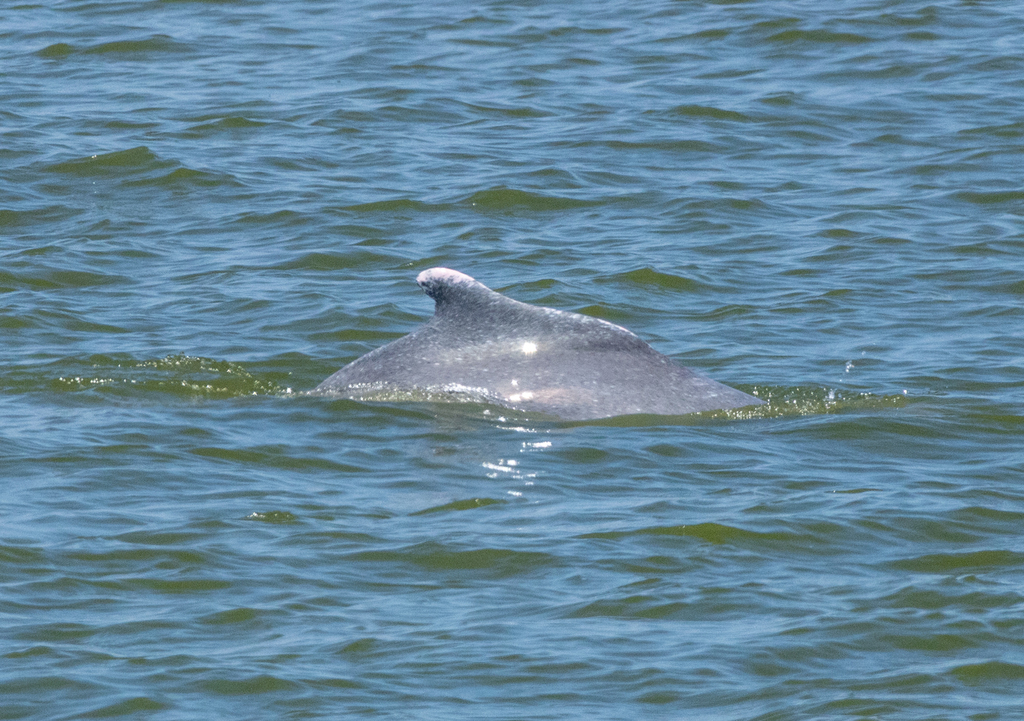
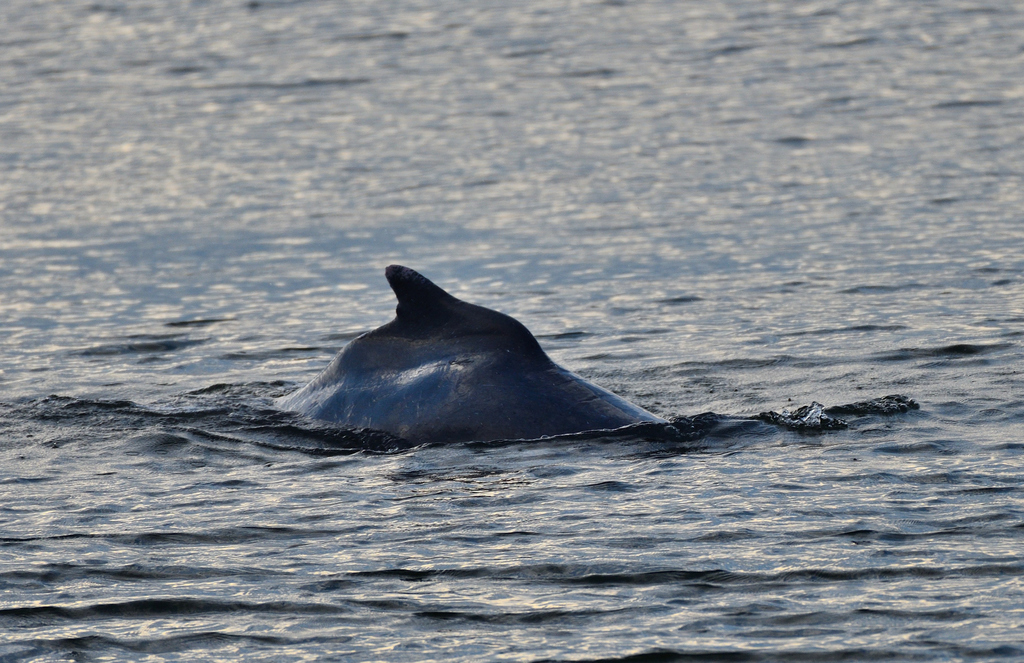
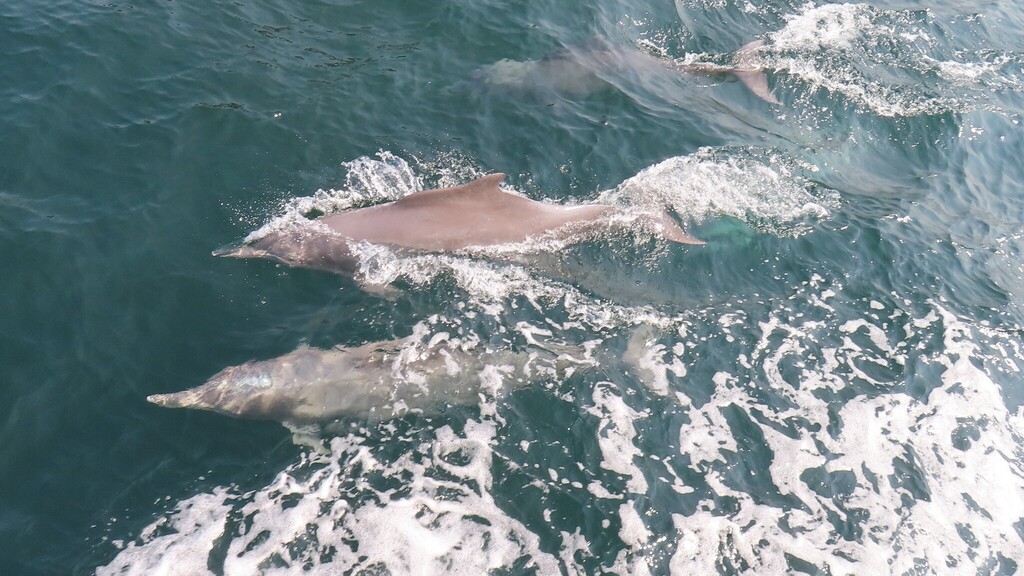
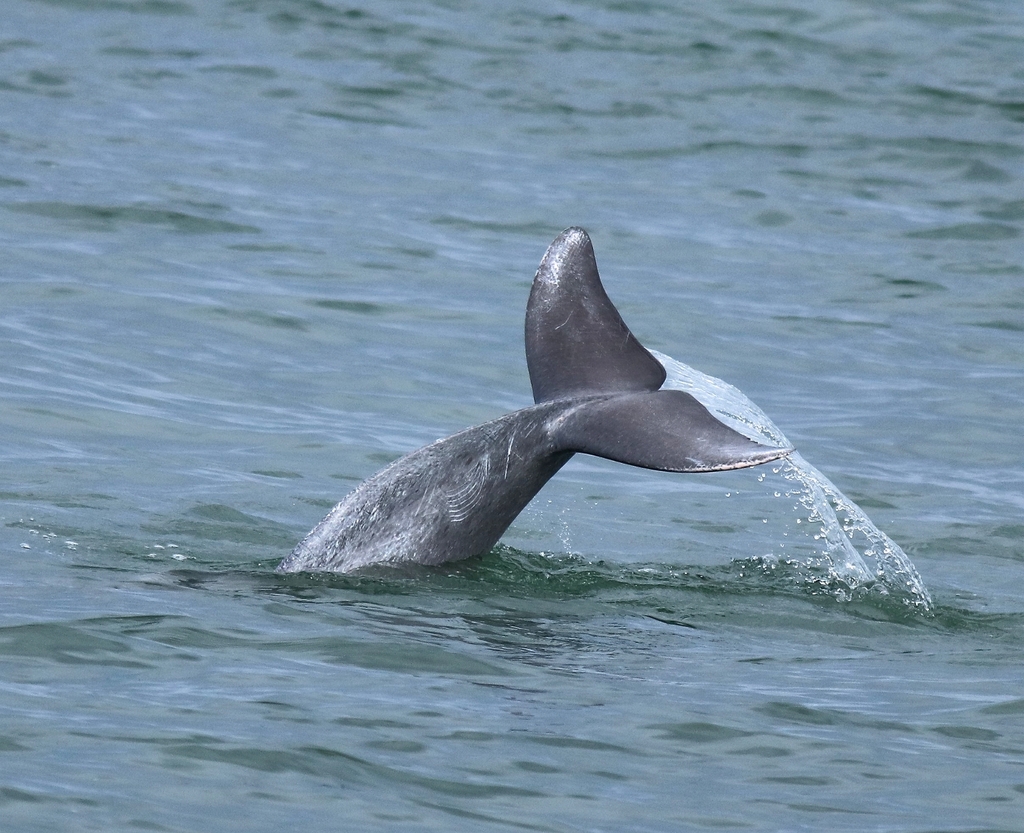
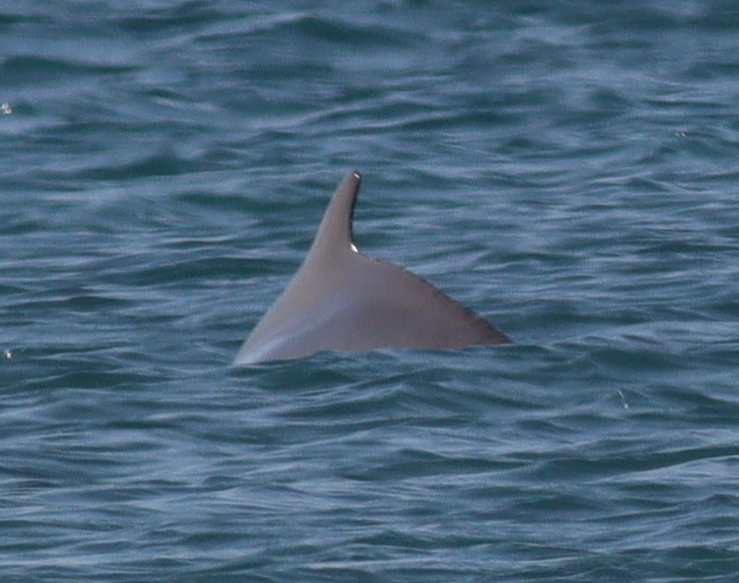
Photos show the species, not always the places on this page.
Length
Usually about 2 to 2.8 m (6.6 to 9.2 ft); in South Africa, males reach about 2.7 m (8.8 ft) and females about 2.4 to 2.5 m (7.9 to 8.1 ft)
Weight
In South Africa, adult males average about 262 kg (578 lb) and females about 164 kg (362 lb); the heaviest recorded male was 289 kg (637 lb)
Next to a person
About as long as one to one-and-a-half adults; the largest males weigh as much as three to four adults
What it eats
Many kinds of fish, especially mackerel, mullet and sardines, plus some crustaceans, squid, octopus and cuttlefish.
Around people
Calm, give space
How it lives
Indian Ocean humpback dolphins feed in shallow water near the shore, usually less than 25 m deep and often around river mouths, reefs and sheltered bays. They usually live in small groups of 2 to 6 in South Africa, while groups off Arabia and Oman can be larger. Females mature at about 8 years, and South African studies suggest about 5 years between calves.
Where it goes
They stay within fairly fixed home ranges close to the shore. In South Africa they are highly resident and make only short movements along the coast.
We only draw a journey on the map when scientists have tracked it or clearly documented it. For this animal we have not found one yet.
Populations
Found only along the coasts of the Indian Ocean. South African numbers are tiny and falling, probably fewer than about 500 in the country. Dolphins off Arabia and Oman can form larger groups and are genetically different from those of South Africa and Mozambique.
Meet it respectfully
This is an Endangered species that depends on the coast, so careful watching matters. Watch from the boat or the shore. Boats should move slowly, keep their distance and never chase, surround or block the dolphins, especially mothers with calves. We never swim with them. Rules differ by country: in South Africa, for example, boats need a special permit to approach closer than 300 m.
Fun fact
Tap the bulb to light it up.
It was recognised as its own species only in 2014; before that it was grouped with the Chinese white dolphin.
A humpback dolphin is not a baby humpback whale. The name comes from the fatty hump under its small dorsal fin.
Newborn calves are only about 1 m long.
In Mozambique, one Indian Ocean humpback dolphin living alongside bottlenose dolphins used the same distinctive whistle for 11 years. It may work like a personal name.
Indian Ocean humpback dolphin in the Ocean Atlas
Places we have researched where this animal is recorded. It is never guaranteed, and some places are for watching from the boat only.
Travel with usComing soonTrusted referralExploringOn pause, story onlyEthics pass
Country colour: pink where we travel, blue where we are exploring or refer, grey for story only.
 Bahrain
 India
India Iran
Iran Kenya
Kenya Kuwait
 Madagascar
 Mozambique
 Oman
Oman Pakistan
 Saudi Arabia
 South Africa
 Tanzania
 United Arab Emirates
Sources for this page
- Plön et al., 2026
- Whale & Dolphin Conservation
- IUCN Red List, 2023
- IUCN SSC Cetacean Specialist Group, 2024
- South Africa DFFE
Facts checked 26 September 2026. Photos: Unsplash licence, or Creative Commons as shown on each photo.
Work in ocean travel?
We are always happy to hear from exceptional local operators, accommodation, conservation organisations and destination experts. If your work fits responsible, small-group ocean travel, we would love to learn more.
Partner with Ocean CallingShop with Ocean Calling
Visit the Ocean Calling storefront on Amazon.
As an Amazon Associate I earn from qualifying purchases. You are not only choosing products that respect the ocean, you are also helping us keep going: paying our local partners fairly and keeping our retreats ethical, sustainable and honestly priced for you. 💗