
Ocean Atlas · Africa
 Tanzania
Surface-feeding whale sharks off Mafia Island, protected reefs and Swahili island culture on Zanzibar.

Ethics pass, with care. We found a way to visit this country that meets our animal-welfare standard, as long as we work with the right local operator. Checked by Ocean Calling on 30 Sep 2026. Sources: Visitor guide, Marine Parks and Reserves Unit, Tanzania; Occurrence and foraging activity of coastal dolphins in Menai Bay, Zanzibar, Temple et al., PLOS ONE, 2016; Mafia Island whale shark research, Marine Megafauna Foundation.
🧭 Travel advice, checked 30 Sep 2026. The UK FCDO advises against all but essential travel within 20km of the border with Mozambique's Cabo Delgado province, due to attacks by groups linked with Islamic extremism. Sources: UK FCDO travel advice, Tanzania Advice differs by passport: check your own government before you plan.
Why Tanzania
Mafia Island is a quiet place where whale sharks often feed near the surface from October to April. Zanzibar, around Matemwe, Mnemba and Chumbe, has coral reefs, turtles and a protected reef sanctuary, with Swahili food and island culture. On the quiet southern coast at Mikindani and Mnazi Bay, coral restoration work is under way, and humpback whales may be watched from about July to November.
Conservation-led. Ocean Calling guests never chase, touch or bait animals.
When to go
Oct-Jan. Timing changes by place and by animal, so check each place below.
We have researched this place and keep learning about it. There is no trip here yet.
Can we travel here ethically?
Ethics pass, with care
Good with the right operator. Here is how we choose.
Mafia Island's whale sharks feed in Kilindoni Bay, near the marine park, and the park fee is paid at the gate. There is no full government swim code, so we follow the local operator network code and our own: small groups, short and calm swims, good distance, no touching. In southern Zanzibar, scientists name tourism as a threat to the resident dolphins, so we skip dolphin swim tours and do not join dolphin boats.
Checked 30 Sep 2026. Places change, so we look again every year.
Where in Tanzania
Short notes from our research. Wildlife is never guaranteed.
Mafia Island
ExploringA quiet island where whale sharks often feed near the surface in season, with reefs and turtles.
🤿 In the water: Whale sharks (seasonal), Turtles, Coral reef
⛵ From the boat or shore, never in the water: Humpback whales (Jul-Sep), Dugongs (rare)
When: Oct-Apr. Whale sharks often feed at the surface from Oct to Apr, most often Oct to Jan.
Rules and fees: Visitors to Mafia Island Marine Park pay a park fee at the gate. Whale shark swims follow the local operator code: no touching, no blocking the head, no flash and a quiet entry.
Mikindani and Mnazi Bay
ExploringA quiet southern coast with reef, coral restoration work and humpback whales to watch in season.
🤿 In the water: Reef fish, Corals, Small reef life
⛵ From the boat or shore, never in the water: Humpback whales (seasonal)
When: Jul-Nov. Humpback whales can be watched from about Jul to Nov.
Zanzibar - Matemwe, Mnemba and Chumbe
ExploringCoral reefs, turtles and a protected reef sanctuary, combined with Swahili food and island culture.
🤿 In the water: Reef fish, Turtles, Rays, Reef sharks, Corals and small reef life
⛵ From the boat or shore, never in the water: Reef life from the boat, with no dolphin trips offered or referred
When: Year-round. Diving runs all year. The dry season, often Jun to Oct, is usually easier for travel.
Whale sharks on Mafia, then a safari in Nyerere
In the water
Whale sharks feed near the surface in Kilindoni Bay, off Mafia Island, mostly from October to March, with the peak from November to January.
On land
Nyerere National Park, on the mainland, is about 30,900 km², the largest national park in Tanzania, and the Rufiji River runs through it. It is the northern part of the old Selous Game Reserve, which UNESCO lists for its elephants, African wild dogs, hippos and wild river system.
Late October to November is when both fit in one trip: the end of the dry season inland, and the start of the whale shark season at sea.
The wider Selous area has been on the UNESCO List of World Heritage in Danger since 2014, first because of elephant poaching, then because of a large dam on the Rufiji. In 2026 UNESCO kept it on that list. Go with a licensed park guide, stay in the vehicle or boat, and never feed or call animals.
Wildlife is never guaranteed, on land or at sea. This is research, not a trip on sale.
Sources for this section
- UNESCO World Heritage Committee, decision on Selous Game Reserve, 2026
- UNESCO, state of conservation, Selous Game Reserve, 2021
- IUCN World Heritage Outlook, Selous Game Reserve
- National Parks, Nyerere National Park
- Ocean Calling research, Mafia Island whale sharks, checked 23 Sep 2026
Checked 7 Oct 2026.
Animals recorded in Tanzania
Tap an animal to learn how it lives, where it travels and how to meet it respectfully.
 Humpback whaleMegaptera novaeangliaeSeen in 87 countries in the AtlasLeast Concern
 Whale sharkRhincodon typusSeen in 54 countries in the AtlasEndangered
 Green turtleChelonia mydasSeen in 103 countries in the AtlasLeast Concern
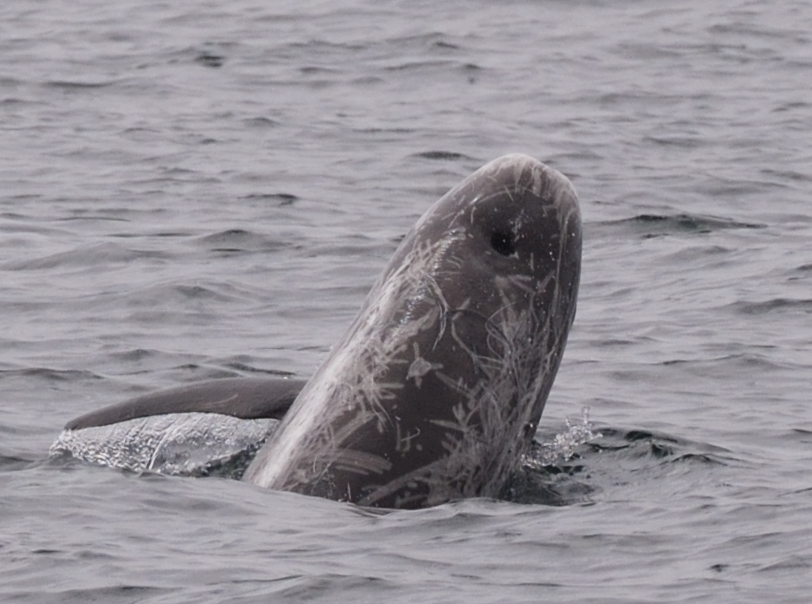 Risso's dolphinGrampus griseusSeen in 56 countries in the AtlasLeast Concern
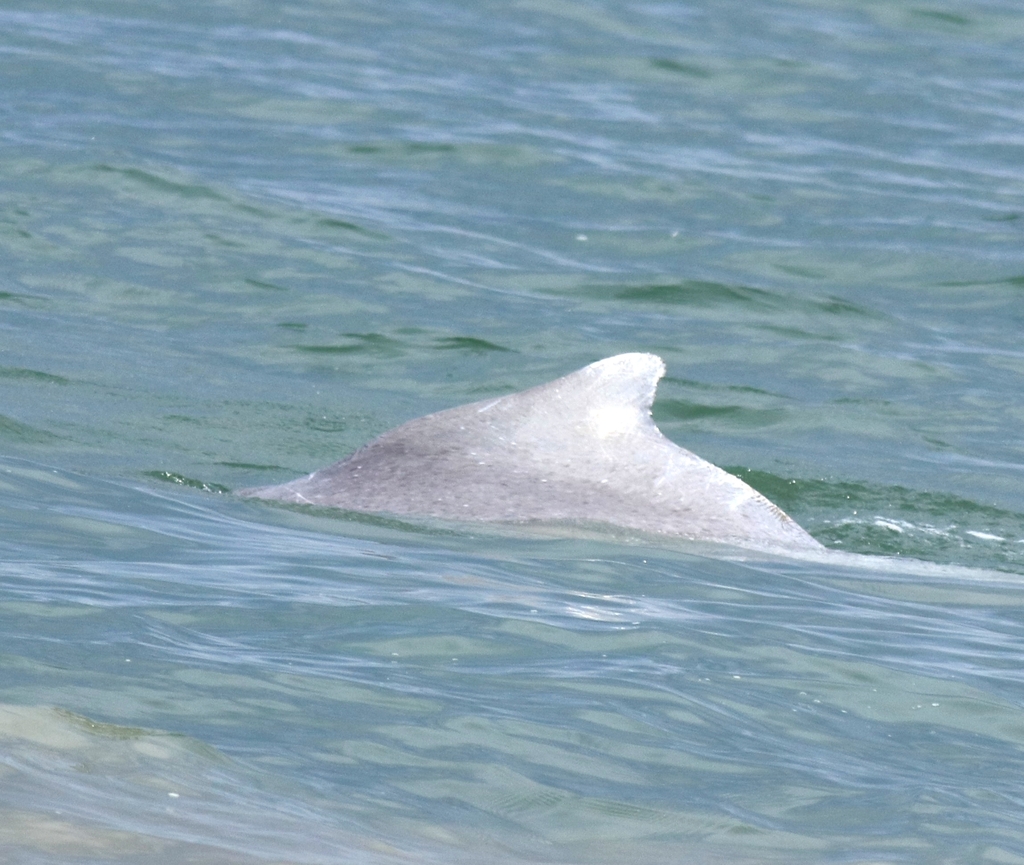 Indian Ocean humpback dolphinSousa plumbeaSeen in 13 countries in the AtlasEndangered
 Indo-Pacific bottlenose dolphinTursiops aduncusSeen in 29 countries in the AtlasNear Threatened
 Spinner dolphinStenella longirostrisSeen in 66 countries in the AtlasLeast Concern
 Blue-spotted ribbontail rayTaeniura lymmaSeen in 22 countries in the AtlasLeast Concern
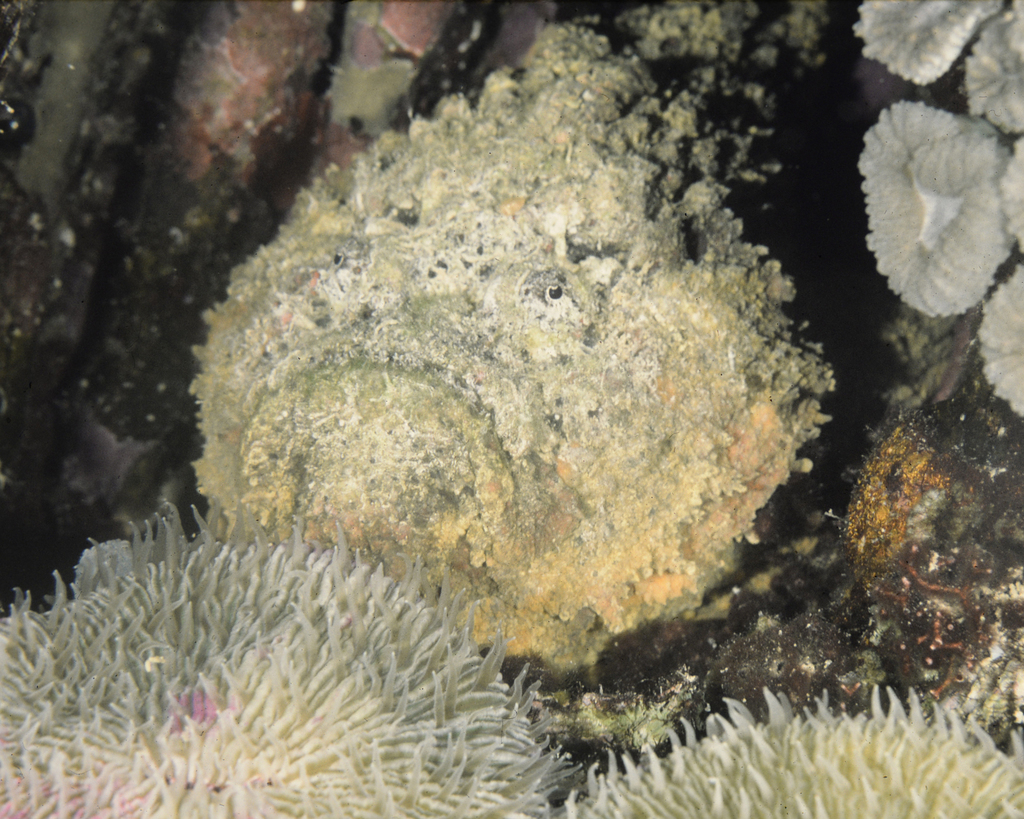 Reef stonefishSynanceia verrucosaSeen in 25 countries in the AtlasLeast Concern
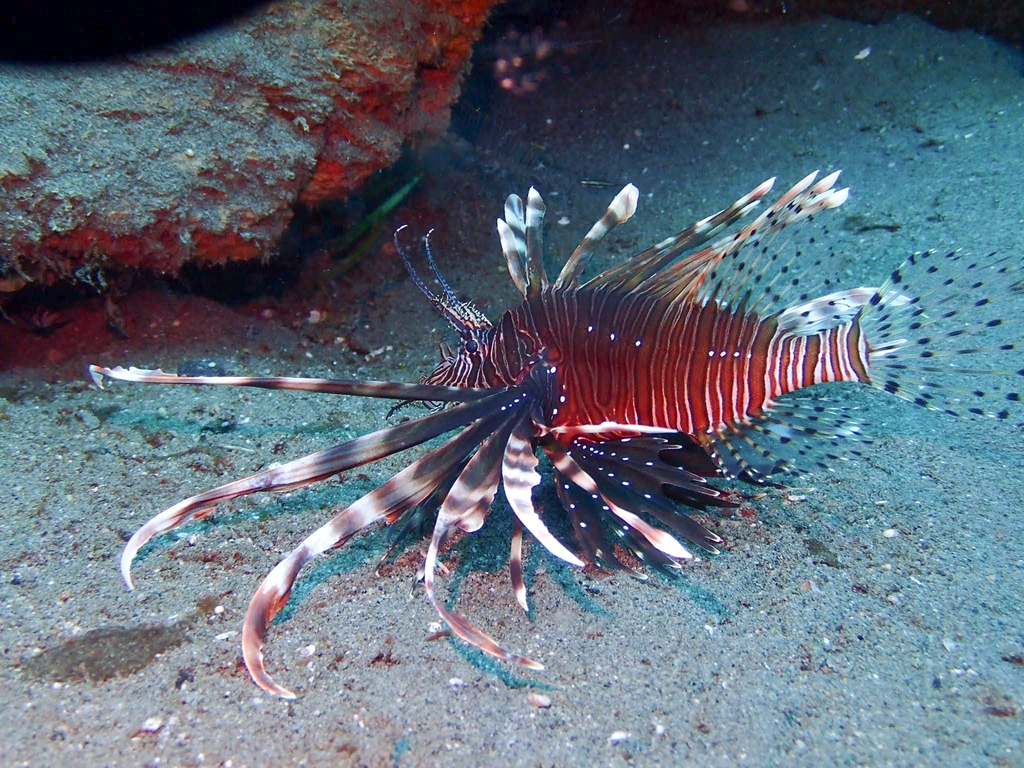 Lionfish (red and common lionfish)Pterois volitans and Pterois milesSeen in 80 countries in the AtlasLeast Concern
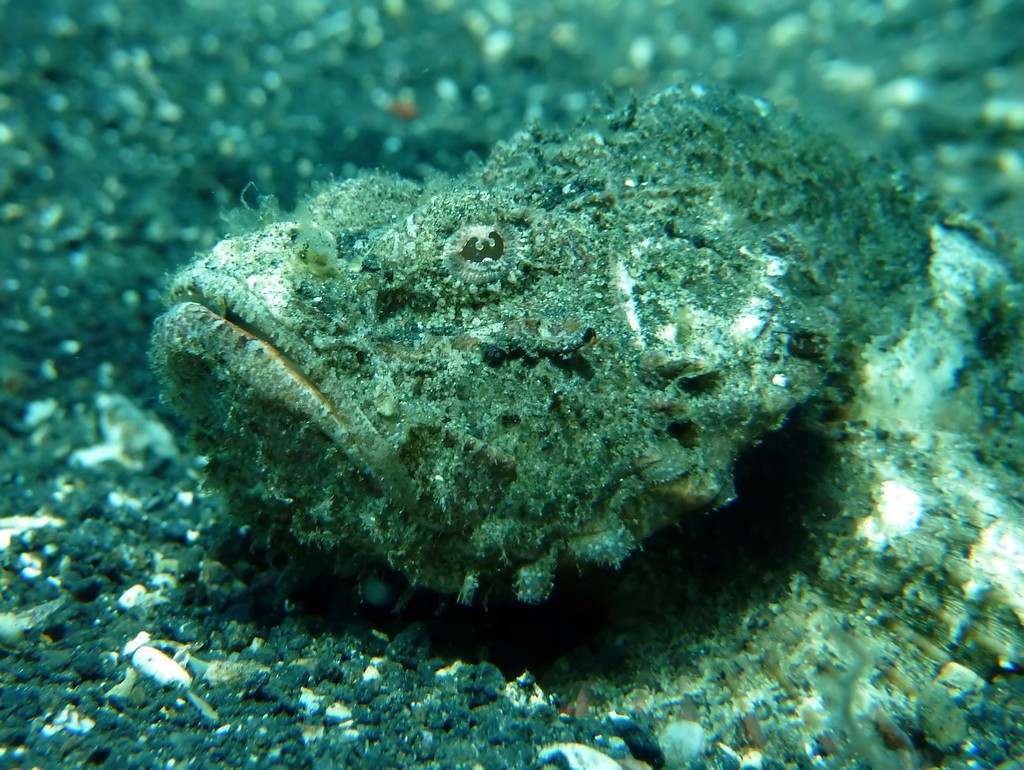 ScorpionfishScorpaenopsis speciesSeen in 22 countries in the AtlasVaries by species
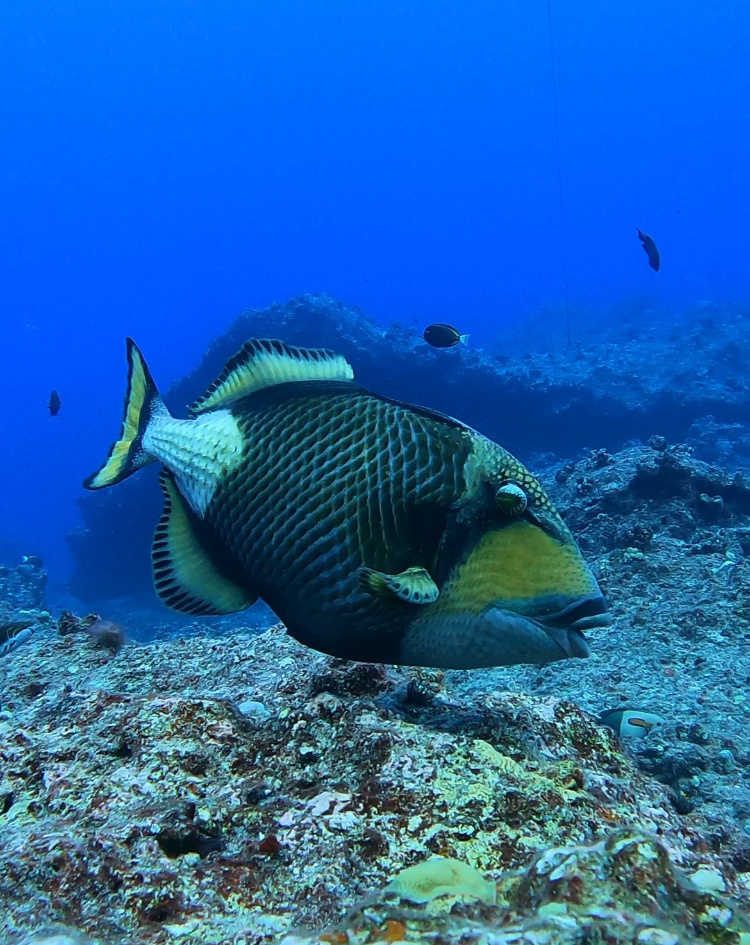 Titan triggerfishBalistoides viridescensSeen in 40 countries in the AtlasLeast Concern
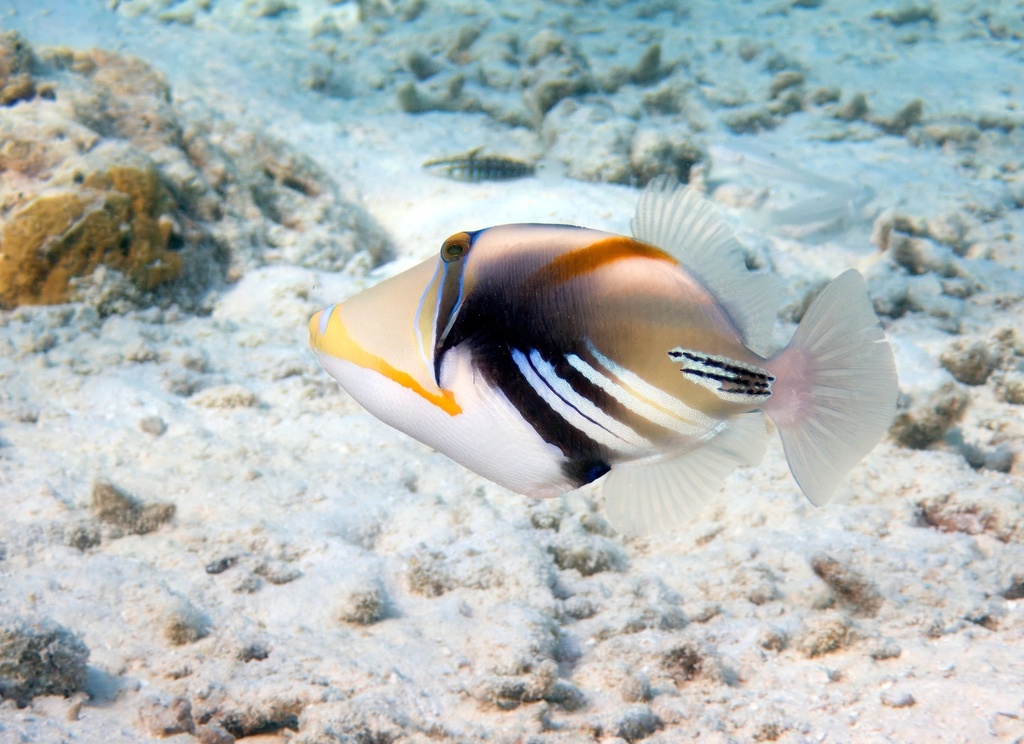 Picasso triggerfish (lagoon triggerfish)Rhinecanthus aculeatusSeen in 41 countries in the AtlasLeast Concern
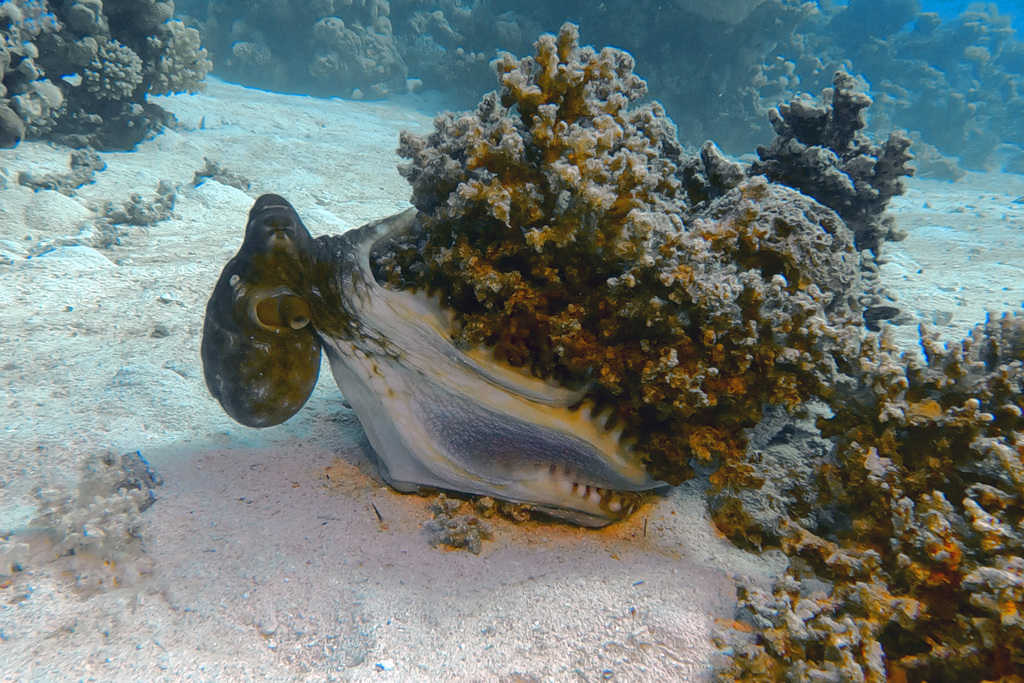 Day octopusOctopus cyaneaSeen in 35 countries in the AtlasLeast Concern
 DugongDugong dugonSeen in 32 countries in the AtlasVulnerable
 Hawksbill turtleEretmochelys imbricataSeen in 88 countries in the AtlasCritically Endangered
 Common bottlenose dolphinTursiops truncatusSeen in 89 countries in the AtlasLeast Concern
 Blacktip reef sharkCarcharhinus melanopterusSeen in 38 countries in the AtlasVulnerable
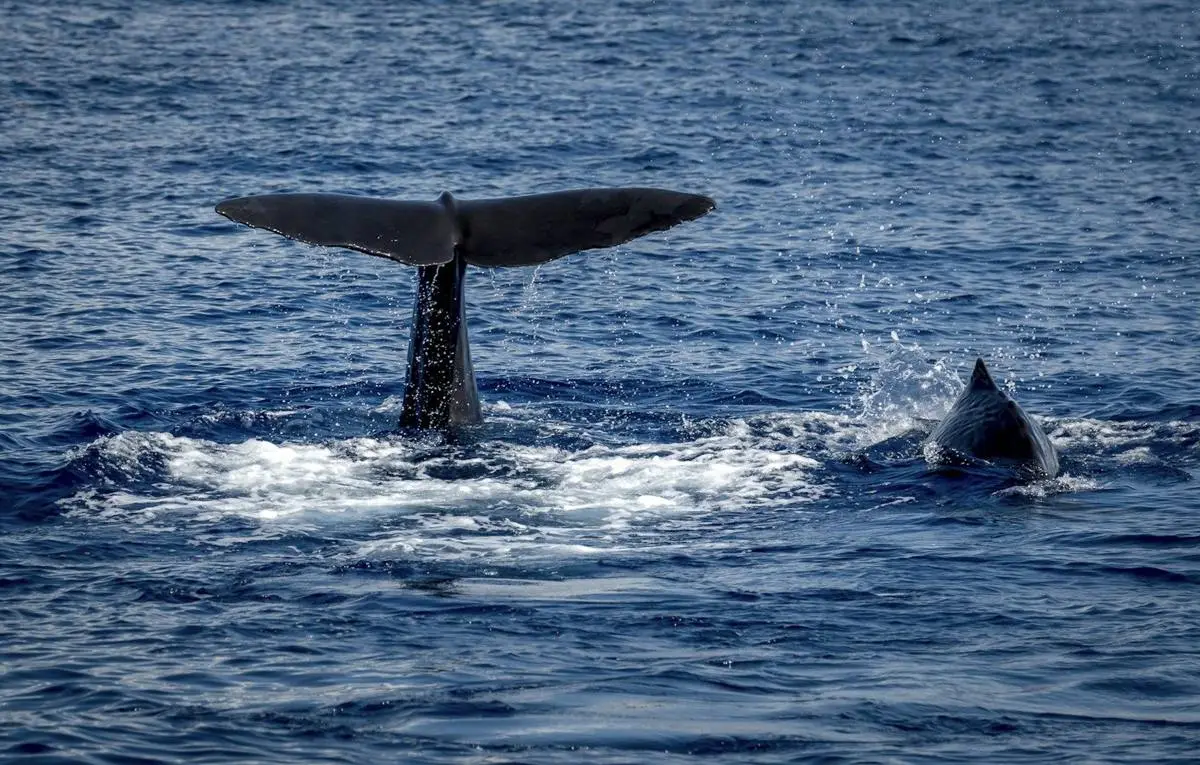 Sperm whalePhyseter macrocephalusSeen in 114 countries in the AtlasVulnerable
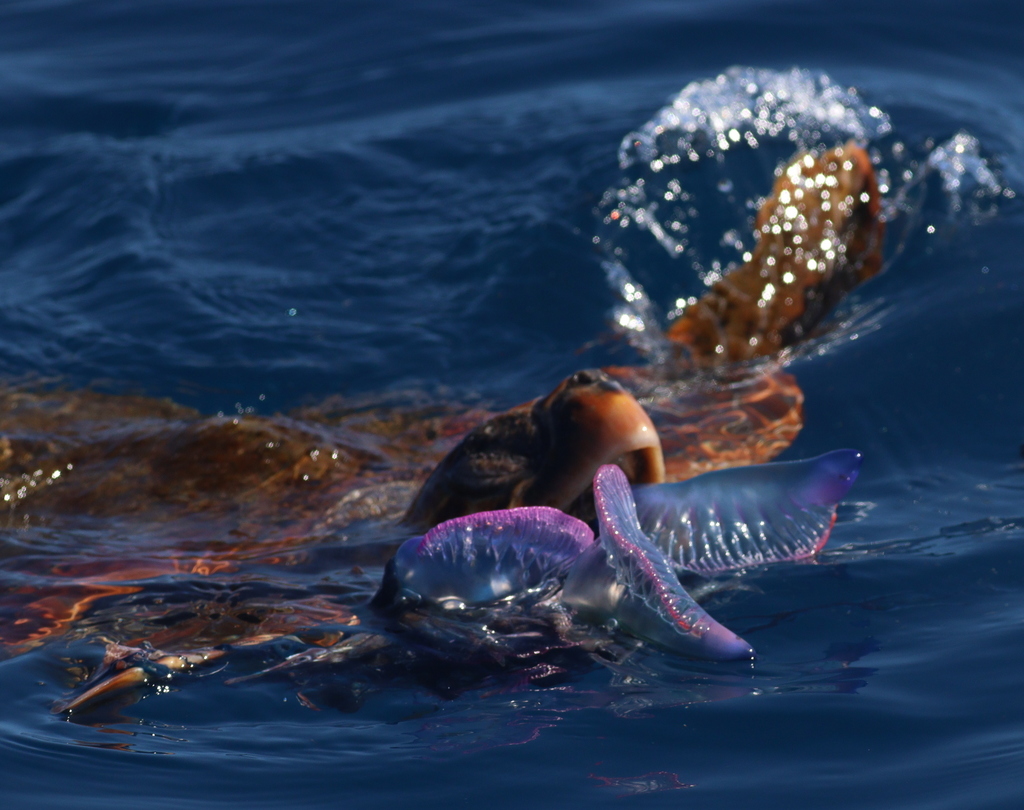 Loggerhead turtleCaretta carettaSeen in 89 countries in the AtlasVulnerable
 Bigeye trevallyCaranx sexfasciatusSeen in 48 countries in the AtlasLeast Concern
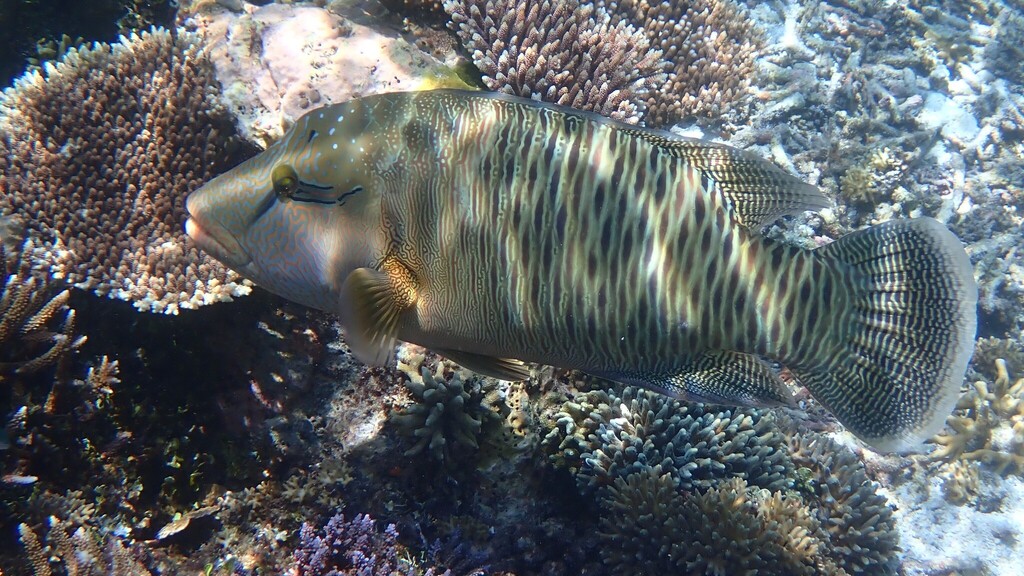 Humphead wrasse (Napoleon wrasse)Cheilinus undulatusSeen in 34 countries in the AtlasEndangered
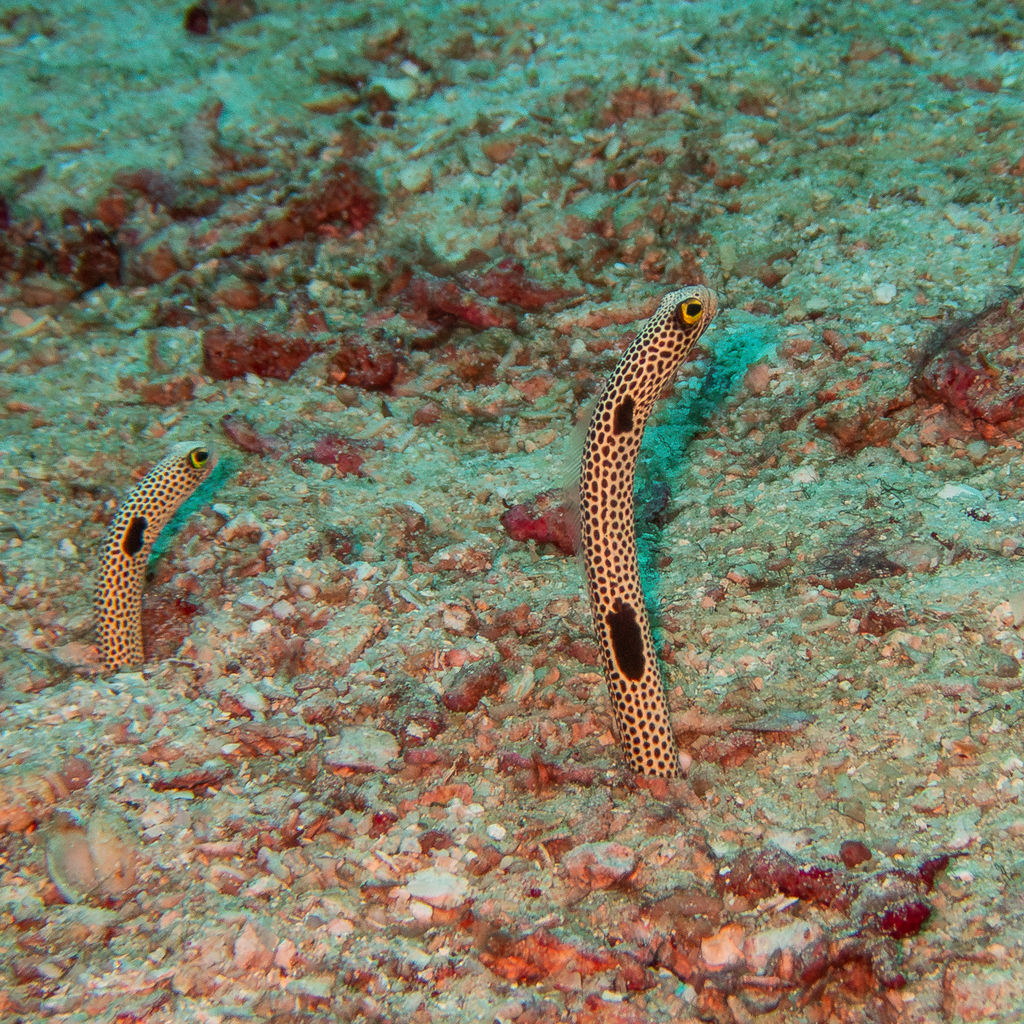 Spotted garden eelHeteroconger hassiSeen in 19 countries in the AtlasLeast Concern
 Great barracudaSphyraena barracudaSeen in 84 countries in the AtlasLeast Concern
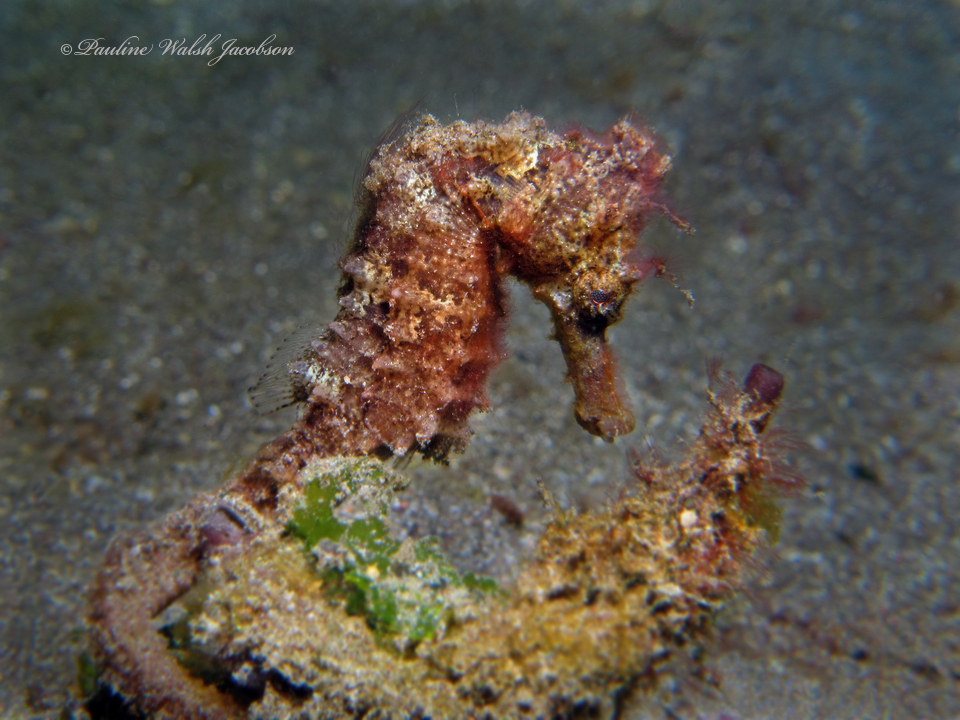 Common (estuary) seahorseHippocampus kudaSeen in 25 countries in the AtlasVulnerable
 CoelacanthLatimeria chalumnaeSeen in 4 countries in the AtlasCritically Endangered
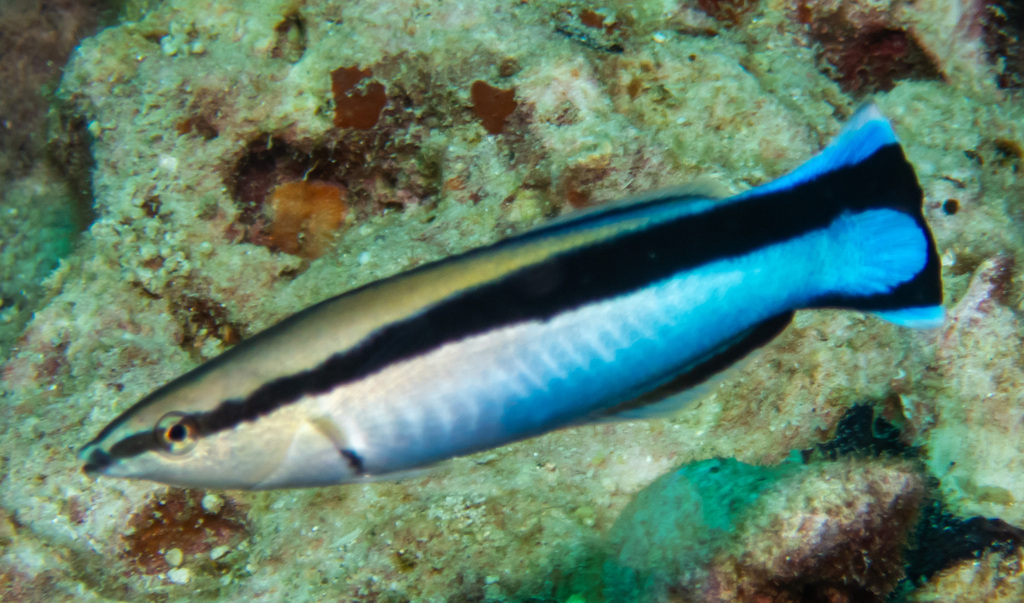 Bluestreak cleaner wrasseLabroides dimidiatusSeen in 51 countries in the AtlasLeast Concern
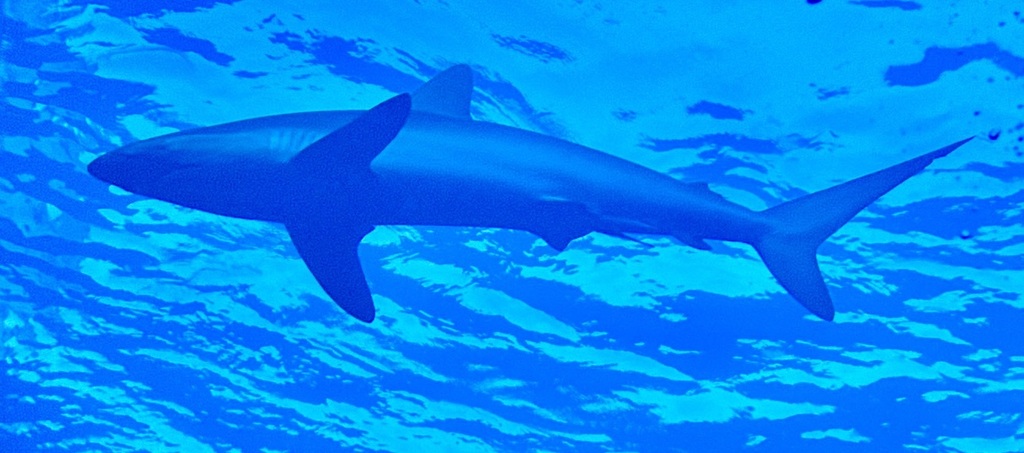 Silky sharkCarcharhinus falciformisSeen in 48 countries in the AtlasVulnerable
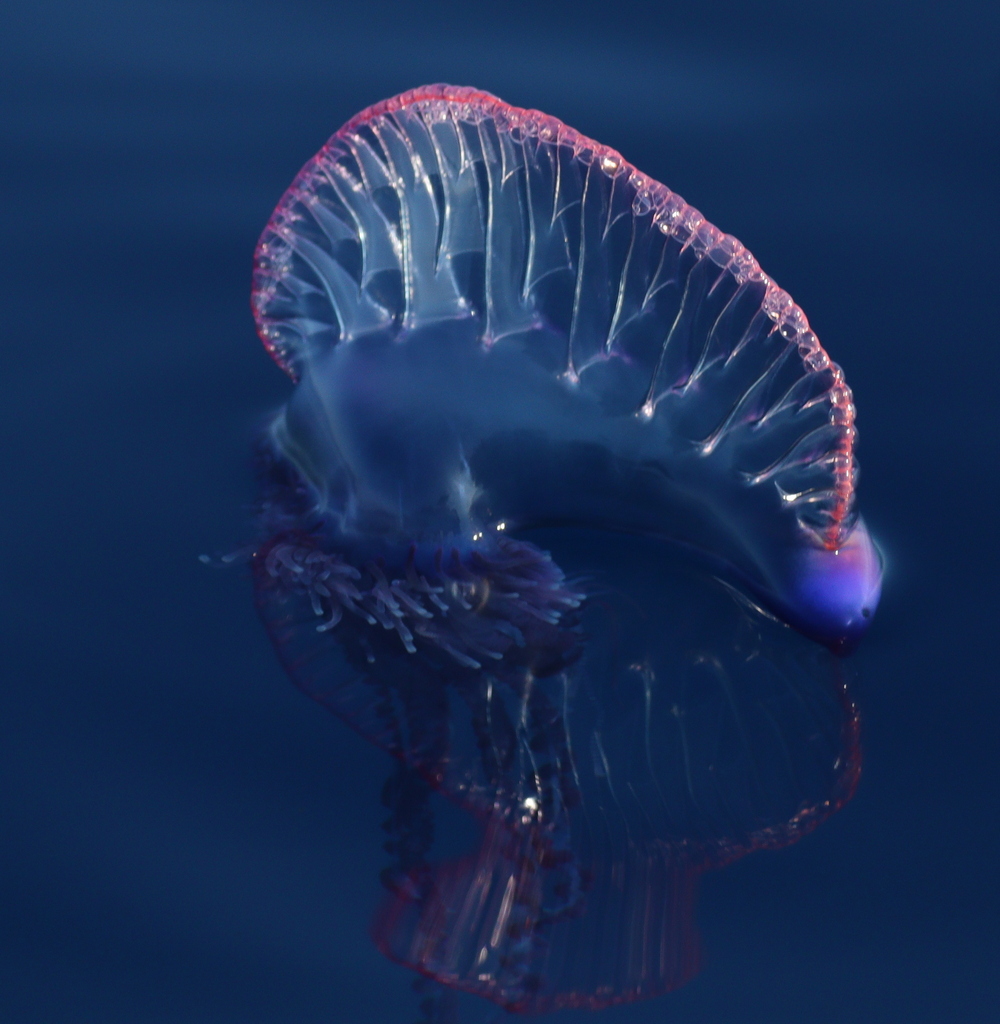 Portuguese man o' warPhysalia physalisSeen in 36 countries in the AtlasNot Evaluated
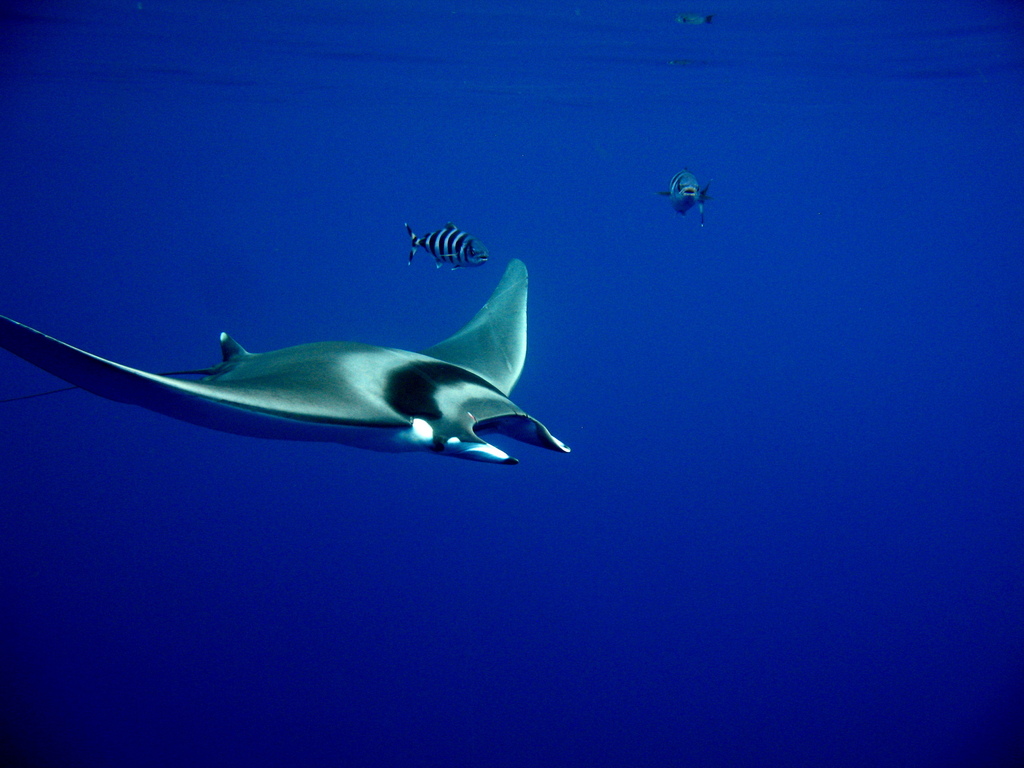 Spinetail devil rayMobula mobularSeen in 18 countries in the AtlasCritically Endangered
 Common hippopotamusHippopotamus amphibiusSeen in 17 countries in the AtlasLives on landVulnerable
 Masked boobySula dactylatraSeen in 80 countries in the AtlasLeast Concern
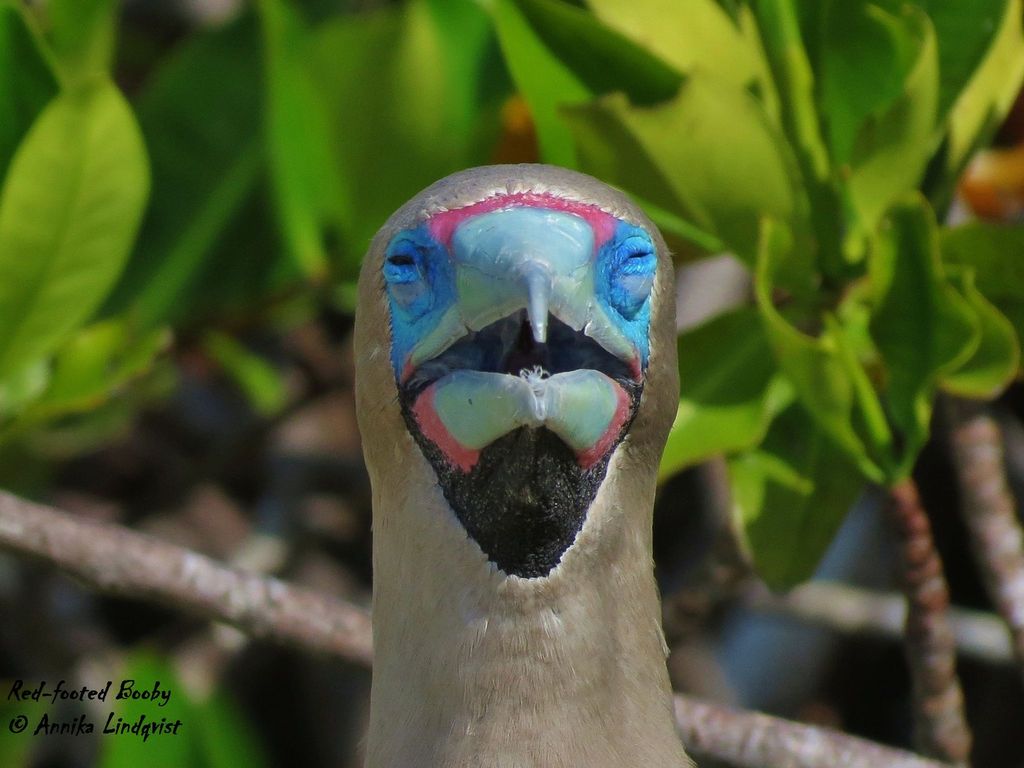 Red-footed boobySula sulaSeen in 91 countries in the AtlasLeast Concern
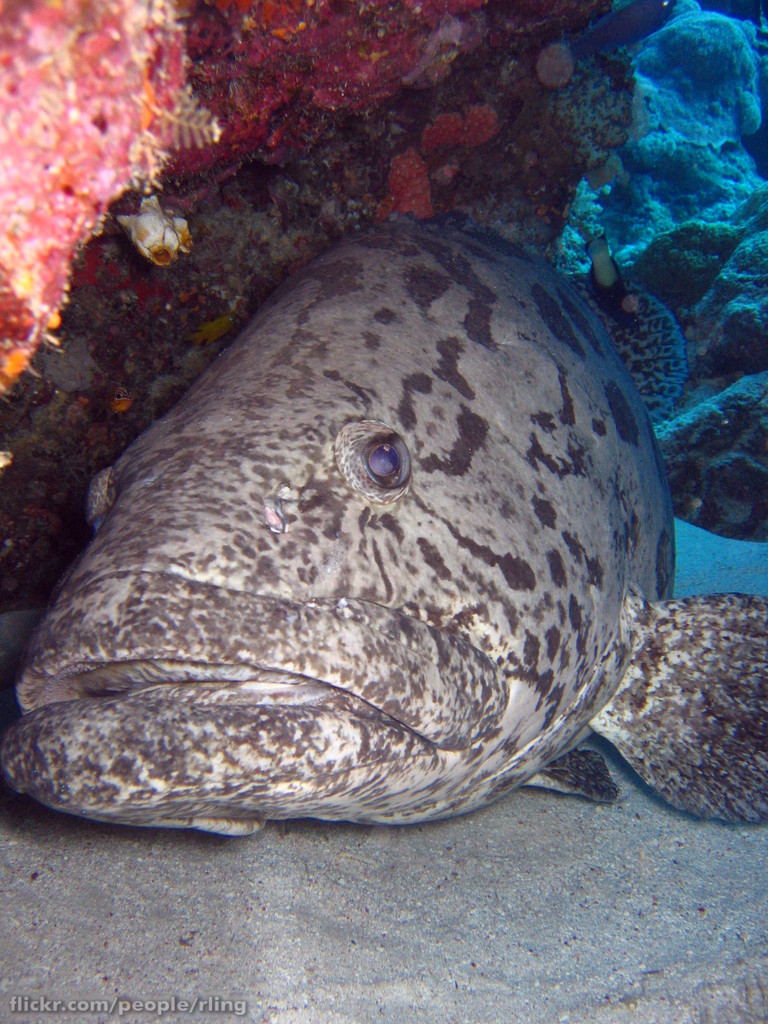 Potato codEpinephelus tukulaSeen in 6 countries in the AtlasLeast Concern
 Giant trevallyCaranx ignobilisSeen in 33 countries in the AtlasLeast Concern
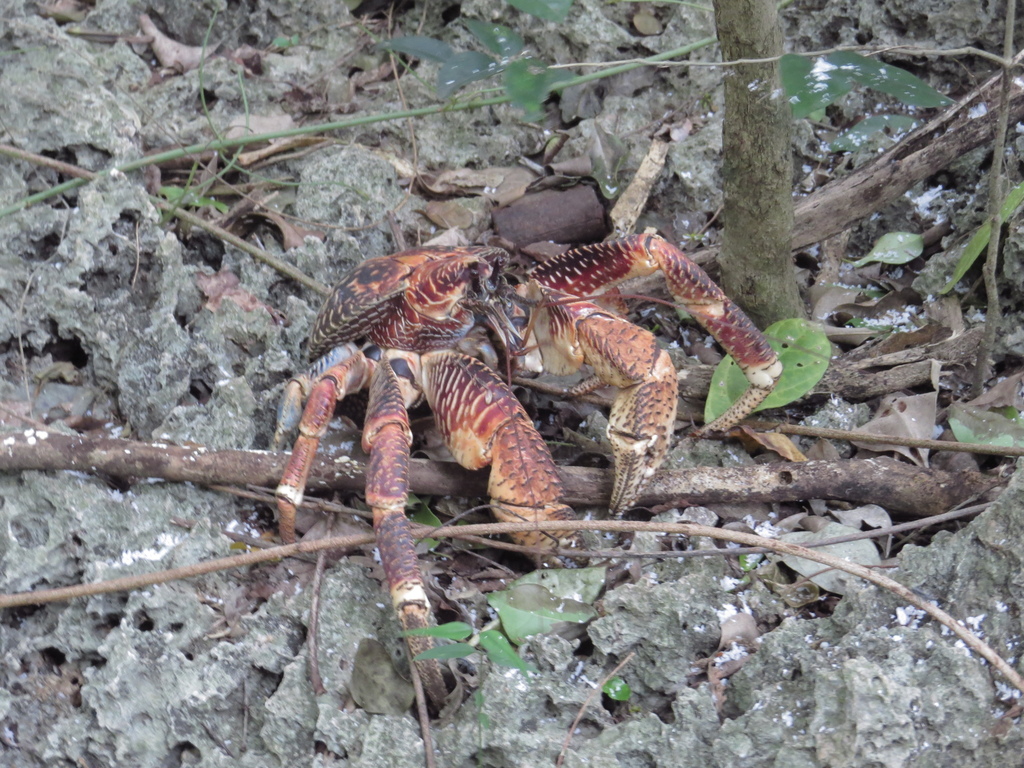 Robber crab (coconut crab)Birgus latroSeen in 17 countries in the AtlasLives on landVulnerableMilk sharkRhizoprionodon acutusSeen in 33 countries in the AtlasVulnerable
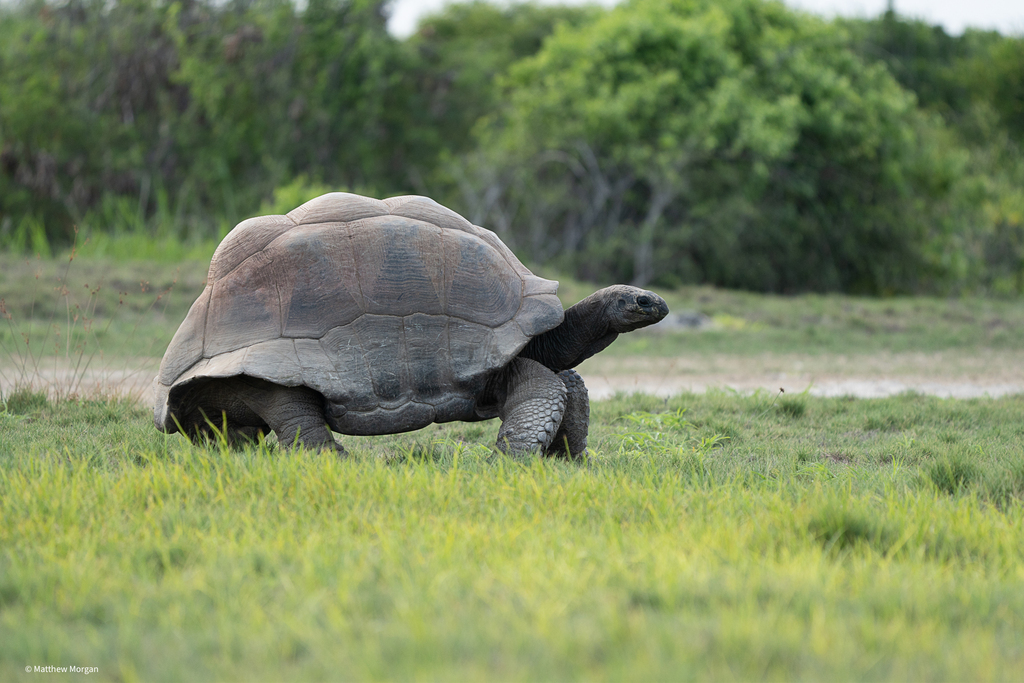 Aldabra giant tortoiseAldabrachelys giganteaSeen in 4 countries in the AtlasLives on landVulnerable
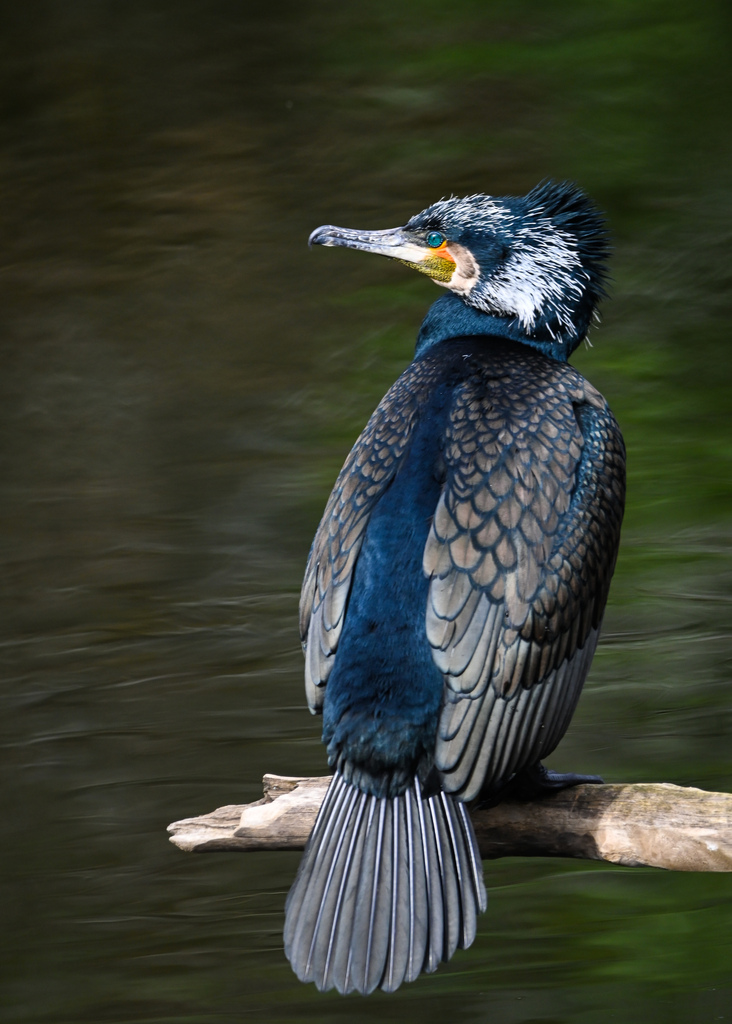 Great cormorantPhalacrocorax carboSeen in 90 countries in the AtlasLeast Concern
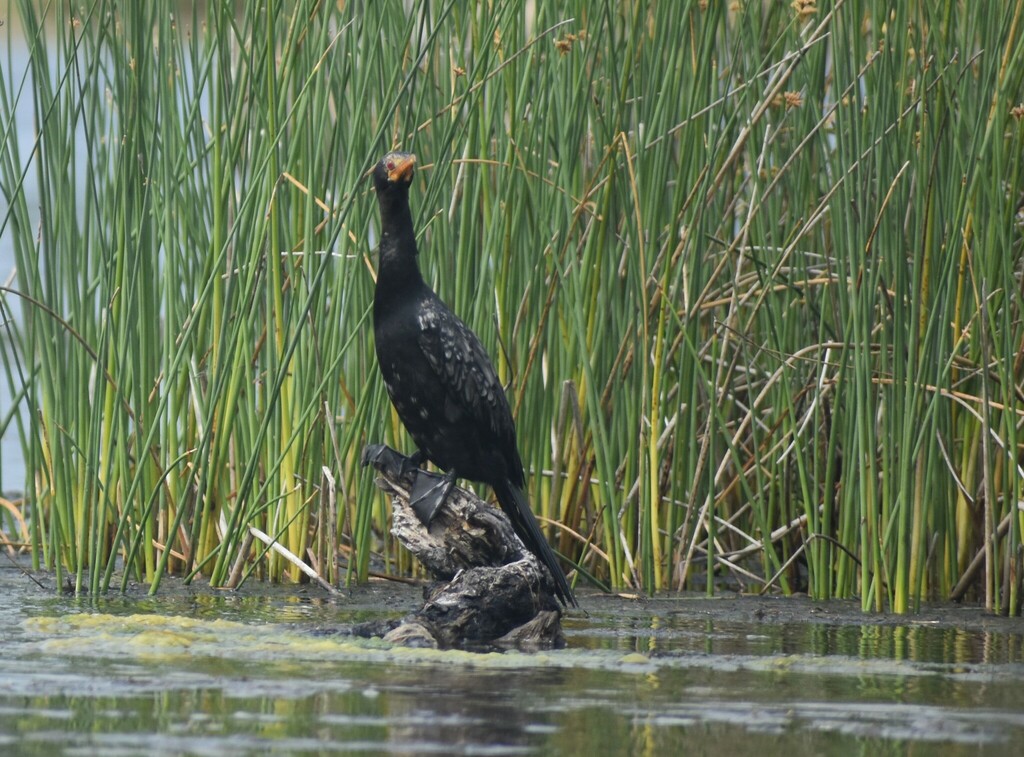 Reed cormorant (long-tailed cormorant)Microcarbo africanusSeen in 27 countries in the AtlasLeast Concern
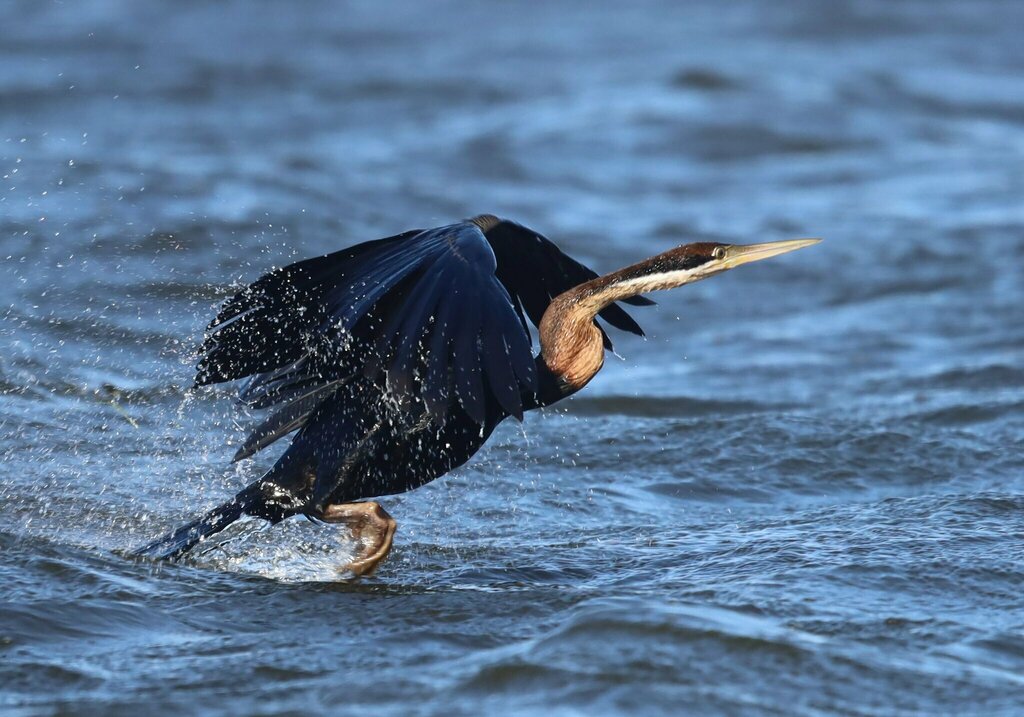 African darterAnhinga rufaSeen in 21 countries in the AtlasLeast Concern
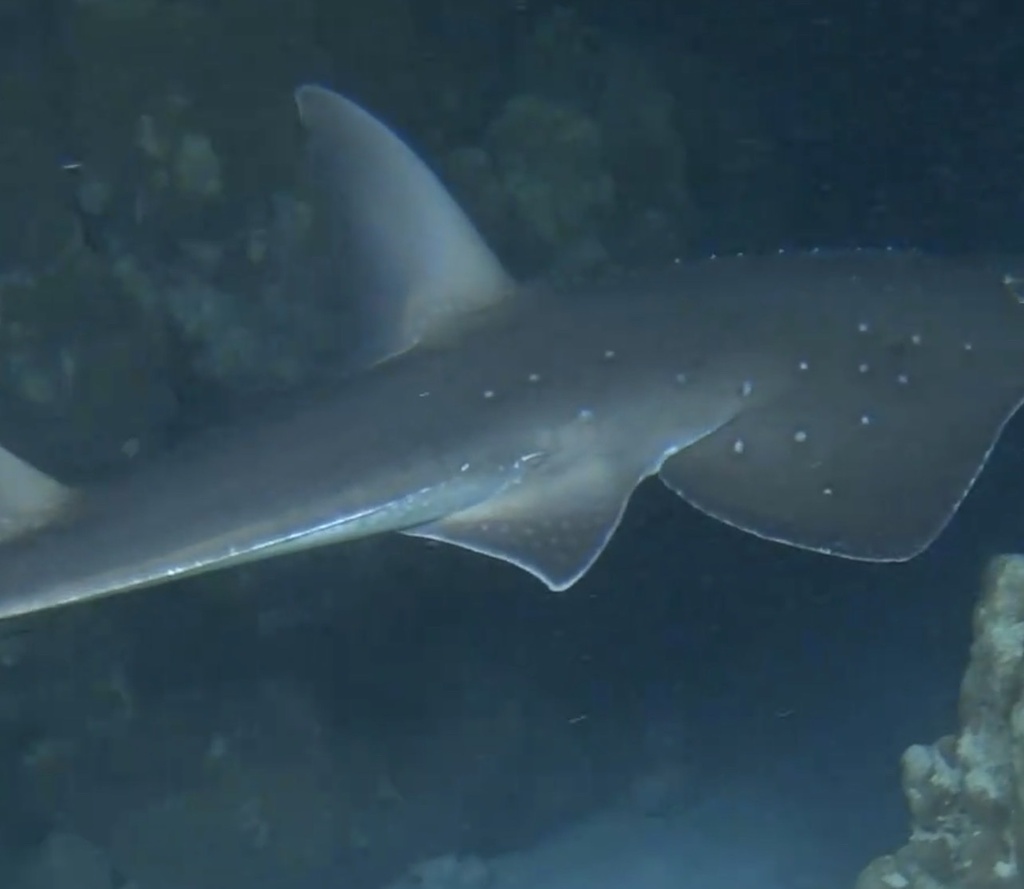 Bottlenose wedgefishRhynchobatus australiaeSeen in 9 countries in the AtlasCritically Endangered
Read before you go
Tell Rocío what you would love to see
There is no trip here yet. If enough people ask, it helps us decide where to go next.
 Angola
 Benin
Benin Cabo Verde
 Cameroon
 Côte d'Ivoire
 Democratic Republic of the Congo
 Equatorial Guinea
 Gabon
Gabon Gambia
 Ghana
Ghana Guinea
 Guinea-Bissau
 Kenya
Kenya Liberia
 Mauritania
 Mozambique
 Namibia
 Nigeria
 Republic of the Congo
 Saint Helena
 São Tomé and Príncipe
 Senegal
 Sierra Leone
 South Africa
 Togo
Togo Western Sahara
Based in Tanzania?
We are always happy to hear from exceptional local operators, accommodation, conservation organisations and destination experts in Tanzania. If your work fits responsible, small-group ocean travel, we would love to learn more.
Partner with Ocean CallingSwim with humpback whales in Moʻorea, September 2027
from CHF 4,500