
Breakfast Before an Early Boat on a Remote Island
It is still half dark on a small island. The boat leaves soon, the kitchen is only just waking up, and you wonder whether to eat something or simply go. On places like Tonga, Niue, Mafia Island or the outer Maldives, breakfast before a boat trip is a bigger question than it looks.
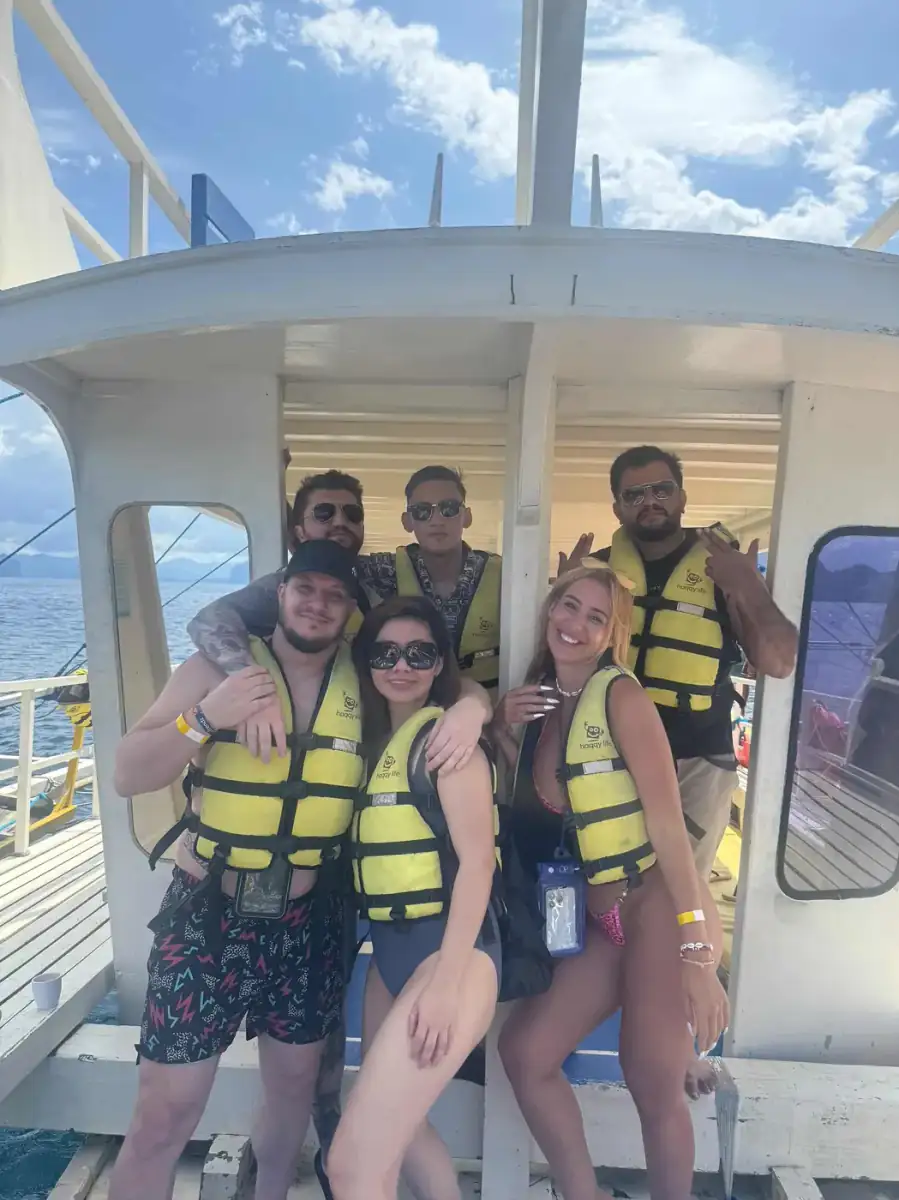
So, should you eat before an early boat? For most people, yes: a light breakfast and a full bottle of water. A guest who cannot eat what is on the table, or who has not had enough water, can start the day already uncomfortable. Then the swell, the sun and the cold of a long session feel much bigger than they really are.
A calm breakfast and enough water do the opposite. They give everyone more room to enjoy the sea.
Why breakfast before a boat trip is part of the ocean day
There is no perfect menu for everyone. The answer is simpler, and a bit less romantic: ask each guest, early, what they need, and then find out honestly what that island can offer.
On small and remote islands, this has to be checked place by place. What is easy in a city can be complicated when supplies arrive by boat or by plane.
What we ask before you travel
Our pre-trip form asks about food allergies, dietary needs, the timing of any medication, and whether you need to eat before a boat leaves. Some people take medication that must go with food. Some people simply feel unwell in the water with an empty stomach. Both are good reasons to tell us.
With this, we confirm the practical details with the local team: the real breakfast hours, whether early food can be prepared on boat days, and what can be packed for the boat. We do not promise a particular cuisine or a medical accommodation until the local team has confirmed it in writing. It is better to say "this is what is possible" than to discover on the first morning that it is not.
What a far-away island can really provide
Remote islands are beautiful partly because they are far from everything. That includes pharmacies, specialist shops and hospitals.
The UK Foreign Office, for example, describes health facilities in Tonga as basic, with a limited range of medicines and modern equipment in short supply. It notes that medical evacuation is often needed for anything beyond basic care. So if you depend on a medicine, or on a specific food because of an allergy or a condition, bring what you need from home and check the rules for travelling with it.
Local food is one of the joys of island life, and we love to share it. If you are curious, our guide to eating in Niue shows how much a small island kitchen can offer.
For basic food safety, the CDC’s advice is simple. Fully cooked food served hot is safest. Fruit is safest when you peel it yourself after rinsing it with safe water. Drinking water should come from a factory-sealed bottle or be properly disinfected. And ice is only a good idea when you are reasonably sure it was made with safe water.
How much water should you drink before a dive or freedive?
Salt, sun, wind and long boat days all take water from the body, often without you noticing.
DAN Europe, the divers’ safety organisation, describes dehydration as a contributing risk factor for decompression sickness, the illness divers can get when gas bubbles form in the body after a dive. Dehydration reduces the liquid part of the blood and makes the exchange of gases less efficient. DAN Europe lists flights, sun, alcohol, caffeine and salt on the skin among the things that add up on a dive holiday. It suggests drinking regularly, before you feel thirsty, rather than a lot at once.
In practice, we keep safe drinking water easy to reach before and after every session. A reusable bottle you actually like to carry helps more than any rule. If you become unwell, with diarrhoea, vomiting or signs of dehydration, please follow a qualified clinician, not a general article. A doctor can judge your situation. A blog cannot.
A light stomach on a moving boat
Even people who never feel seasick on land can feel different on a small boat in swell. The NHS advises not to eat heavy meals or spicy food, or drink alcohol, shortly before or during travel. It also suggests sitting in the middle of a boat and looking at a fixed point, such as the horizon.
This is also why a late night with many drinks is not a kind gift to your body before an early ocean morning. Most people feel better with a light breakfast than with nothing, or with a big plate.
Kind to the kitchen, kind to the island
Eating well on a remote island is also about respecting the people who cook for you. Small island kitchens often start very early to feed a boat group, and they work with what arrives. Telling us your needs in advance is kinder than asking for something special at five in the morning.
Try to leave as little waste as you can. Refilling a bottle from a safe source means fewer plastic bottles on an island where rubbish is hard to take away. If you like snacks on the boat, pack them in small reusable containers, and take every wrapper home. I keep mine, with a dry layer, in a small roll-top dry bag so nothing blows overboard.
It is the same quiet care we try to bring to every Ocean Calling retreat: the boat, the sea and the breakfast table, all planned together.
Questions people ask
Should I eat before freediving or diving?
Most people feel better with a light breakfast than with nothing or with a heavy meal, and the NHS advises against heavy meals shortly before travelling on a boat. If you have a medical condition or take medication with food, ask your doctor what is right for you, and tell us so we can plan the timing.
Can you guarantee my special diet on a remote island?
We only confirm what the local team has confirmed to us in writing. Some islands have a small range of products, so for serious allergies or medical diets we may ask you to bring certain foods from home.
Is the tap water safe to drink?
It depends on the island, so ask what is safe at each place. When in doubt, the CDC recommends sealed bottled water or water that has been properly disinfected.
How much water should I drink on a dive day?
DAN Europe suggests drinking regularly and before you feel thirsty, rather than a large amount at once. Your own needs depend on your health, so follow your doctor’s advice if you have a condition.
Every island is different, and what we can offer is always confirmed locally first. Ocean Calling works only with vetted, ethical local operators, and every animal we meet at sea is free to approach, or not, entirely on its own terms.
Sources & further reading
- DAN Europe. Hydration.
- DAN Southern Africa, 2022. Could optimising a diver’s hydration and temperature improve their decompression safety?
- NHS. Motion sickness.
- CDC Yellow Book. Food and water precautions for travelers.
- UK Foreign, Commonwealth and Development Office. Tonga travel advice: health.
Further reading on Ocean Calling: Food ethics for ocean travellers · Packing guide for ocean retreats · Tonga in the Ocean Atlas · Niue in the Ocean Atlas
Tiger shark diving in Fuvahmulah, Maldives
Dive retreat · Fuvahmulah, Maldives
Dive with wild tiger sharks around a quiet local island in the far south of the Maldives. This story is about the Maldives, where we run our Fuvahmulah retreat.
Explore in the Ocean Atlas
Places in this article