
Ocean Atlas · Red Sea and Arabia
 Iran
Iran
Gulf islands with hawksbill nesting beaches, wild dolphins near Hengam and the mangrove forests of Qeshm. Shared as a story only, with no trips.
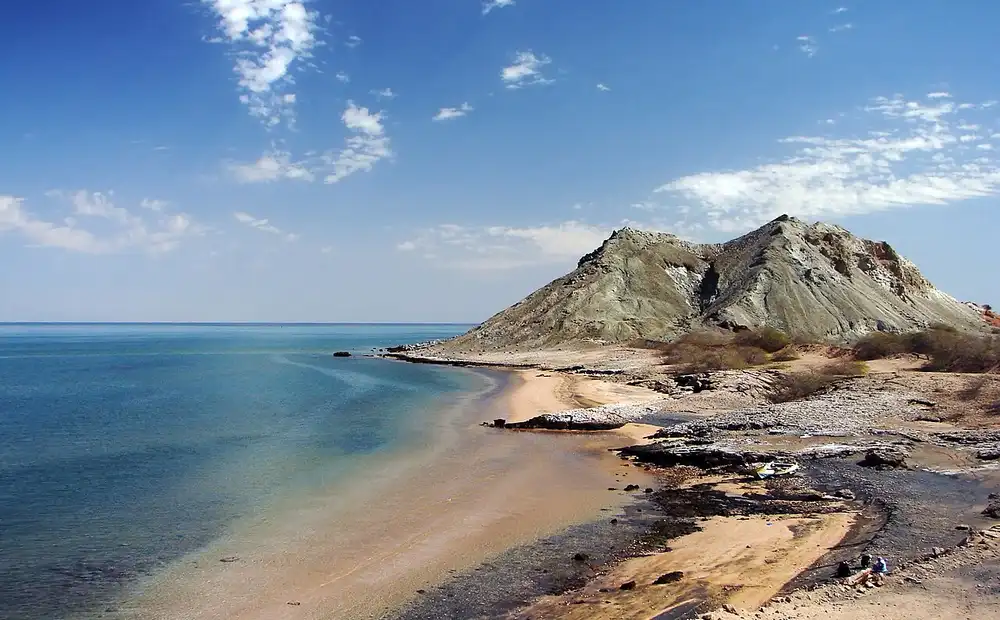
On pause, travel not recommended. A government travel advisory says not to travel here, so we do not offer trips. Sources: Iran travel advice, UK FCDO, updated 13 Aug 2026; Iran travel advisory, Level 4 Do not travel, US State Department, 2025; Estimating abundance of bottlenose dolphins at Hengam, Qeshm Environmental Conservation Institute.
Why: EU, UK and US citizens may be advised against all travel to Iran, so please check your own government's website. We offer no trips. What we know: the bottlenose dolphins of Dolphins' Bay near Hengam live in a protected area, but researchers report very high tourist boat traffic and unregulated fishing. We only share the story of these Gulf waters.
We share this country as a story and do not offer trips. This is not a judgement of the people or the ocean here. It only means that today we could not find a visit that meets our animal-welfare and safety standards. Places change, so we look again every year.
⚠️ Official travel advice is a separate question, and it differs by passport. EU citizens or US citizens may be advised against travelling there, so please check your own government’s website before you plan.
Why Iran
Iran's Gulf and Gulf of Oman islands hold some of the region's most important hawksbill turtle nesting beaches, and tracked females swim up to about 536 km across the Gulf to feed. Indo-Pacific bottlenose dolphins live in the bay between Hengam and Qeshm, where many tourist boats gather at busy times, and the Hara mangroves of Qeshm are a protected area. Kish has hard coral reefs, but surveys show strong coral loss after the 2015 to 2016 heat. A small resident group of Indian Ocean humpback dolphins lives in the Dayer-Nakhiloo marine park, and dugongs and whale sharks also use these waters. Beaches are separated for men and women, and women must cover their hair in public. Governments advise against all travel to Iran, so Ocean Calling is only researching it for now.
Conservation-led. Ocean Calling guests never chase, touch or bait animals.
When to go
Nov-Mar. Timing changes by place and by animal, so check each place below.
Official travel advice or our ethics check means we do not send guests here.
Can we travel here ethically?
On pause, travel not recommended
We follow government travel advice. We will look again when it changes.
This is not a judgement of the people or the ocean here. It only means that today we could not find a visit that meets our animal-welfare and safety standards. Places change, so we look again every year. Checked 30 Sep 2026.
⚠️ Official travel advice is a separate question, and it differs by passport. EU citizens or US citizens may be advised against travelling there, so please check your own government’s website before you plan.
Where in Iran
We share these places as stories and research notes. We do not offer or sell trips here.
Kish Island
On pause, travel not recommendedThe largest island in the Gulf, with a protected grey mangrove forest of about 20 by 20 km.
What lives here: Hard corals (27 species recorded), Reef fish
When: Nov-Mar. The cooler months, November to March, are the usual season. Summer is extremely hot. Hawksbills nest from about April.
Hengam Island and Dolphins' Bay
On pause, travel not recommendedA small island near Qeshm where Indo-Pacific bottlenose dolphins live, often with too many tourist boats around them.
Also seen: Indo-Pacific bottlenose dolphins (from the boat, at a distance)
When: Nov-Mar. Dolphins are present all year. Boat traffic is heaviest in the holiday season, when the bay can be crowded.
Qeshm Island and the Hara mangroves
On pause, travel not recommendedThe largest island in the Gulf, with a protected grey mangrove forest of about 20 by 20 km.
Also seen: Mangrove birds
When: Nov-Mar. The cooler months are best for walking and quiet boat trips through the mangroves.
Dayer-Nakhiloo Marine National Park
On pause, travel not recommendedA protected Bushehr coast where a small group of Indian Ocean humpback dolphins stays all year and hawksbills nest on Nakhiloo island.
Also seen: Indian Ocean humpback dolphins (resident, from the boat), Hawksbill turtles (nesting, from about April)
When: Nov-Mar. The dolphins are seen in all seasons. Hawksbills nest from about April into summer, when it is extremely hot.
Animals recorded in Iran
Tap an animal to learn how it lives, where it travels and how to meet it respectfully.
 Hawksbill turtleEretmochelys imbricataSeen in 88 countries in the AtlasCritically Endangered
 Green turtleChelonia mydasSeen in 103 countries in the AtlasLeast Concern
 Indo-Pacific bottlenose dolphinTursiops aduncusSeen in 29 countries in the AtlasNear Threatened
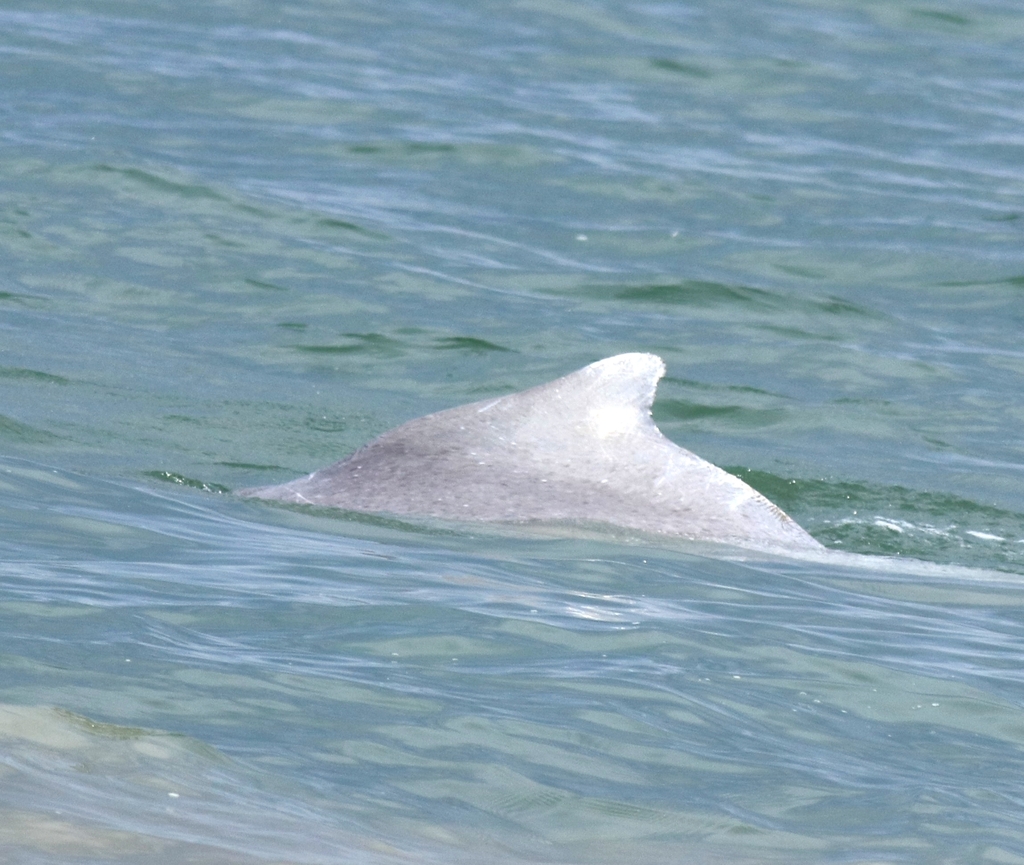 Indian Ocean humpback dolphinSousa plumbeaSeen in 13 countries in the AtlasEndangered
 DugongDugong dugonSeen in 32 countries in the AtlasVulnerable
 Whale sharkRhincodon typusSeen in 54 countries in the AtlasEndangered
 Scalloped hammerheadSphyrna lewiniSeen in 57 countries in the AtlasCritically Endangered
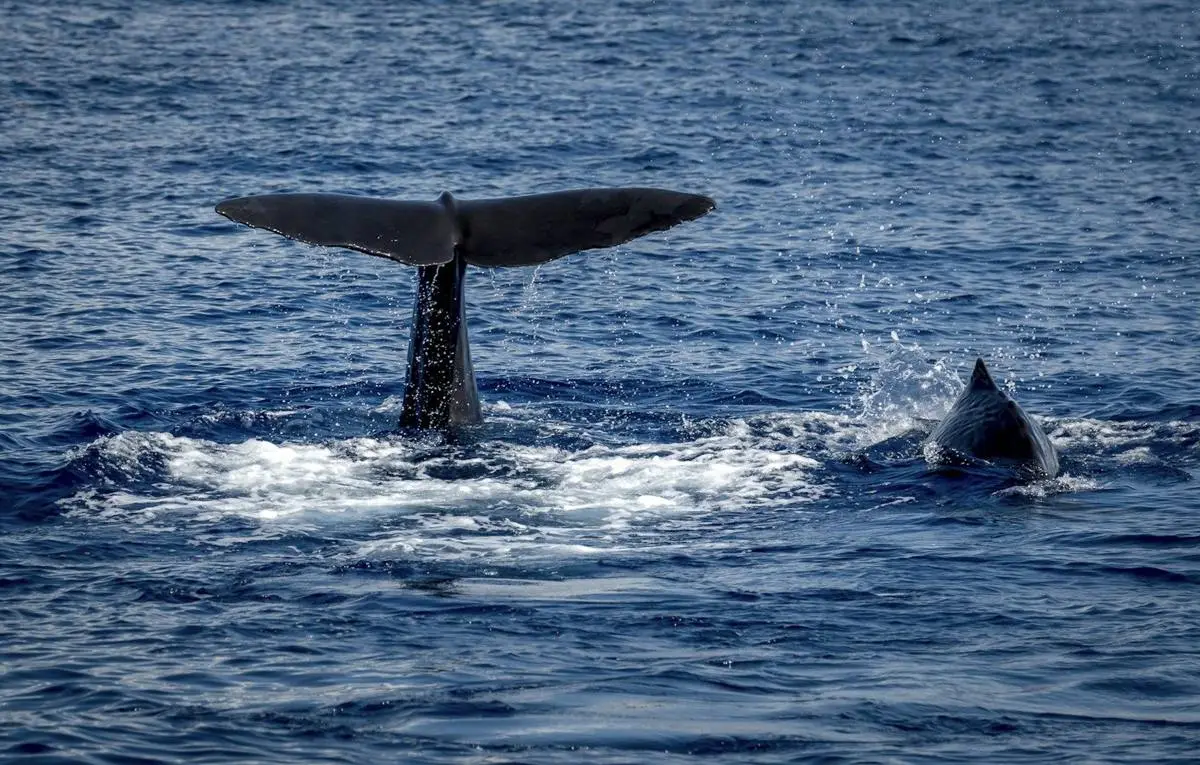 Sperm whalePhyseter macrocephalusSeen in 114 countries in the AtlasVulnerable
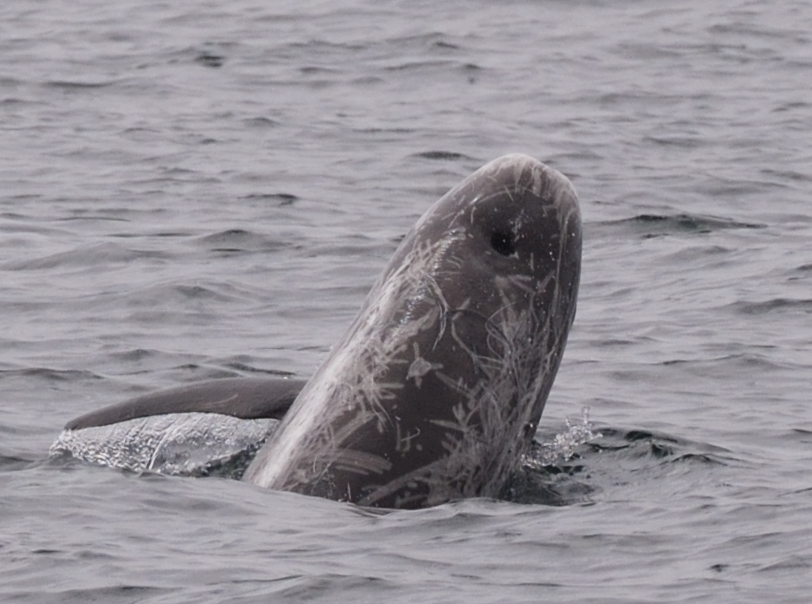 Risso's dolphinGrampus griseusSeen in 56 countries in the AtlasLeast Concern
 False killer whalePseudorca crassidensSeen in 41 countries in the AtlasNear Threatened
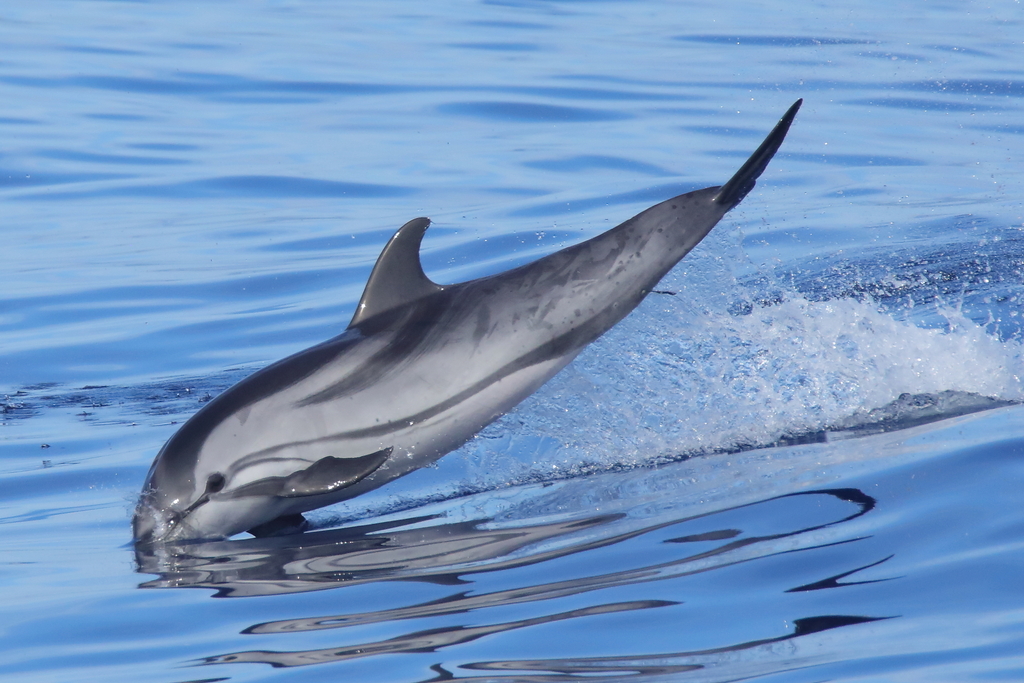 Striped dolphinStenella coeruleoalbaSeen in 43 countries in the AtlasLeast Concern
 Spinner dolphinStenella longirostrisSeen in 66 countries in the AtlasLeast Concern
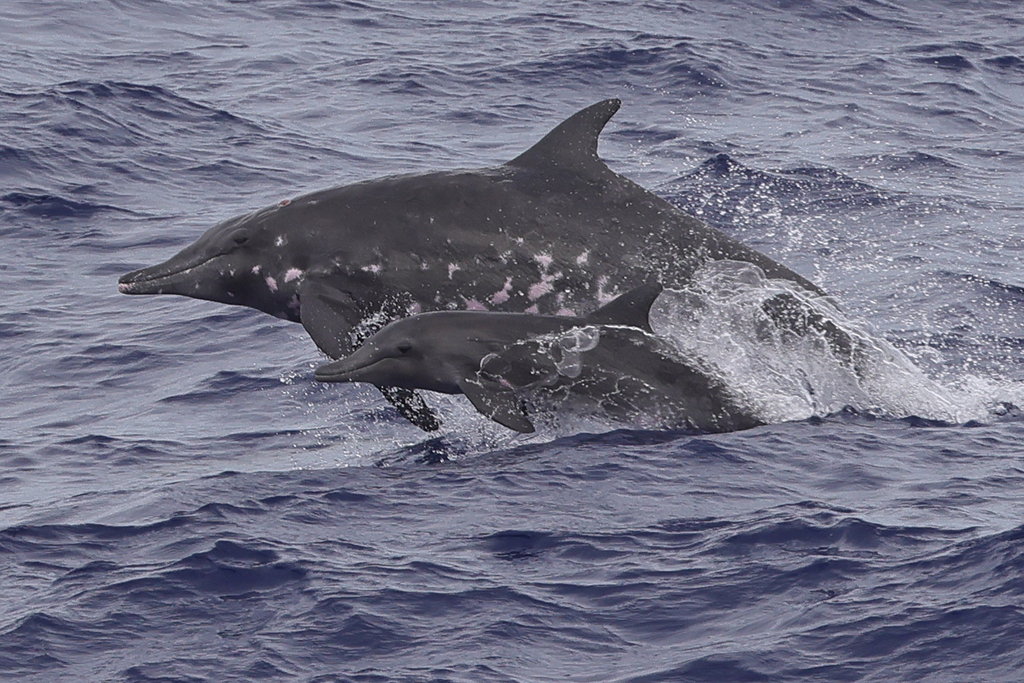 Rough-toothed dolphinSteno bredanensisSeen in 36 countries in the AtlasLeast ConcernFinless porpoiseNeophocaena phocaenoidesSeen in 11 countries in the AtlasVulnerable
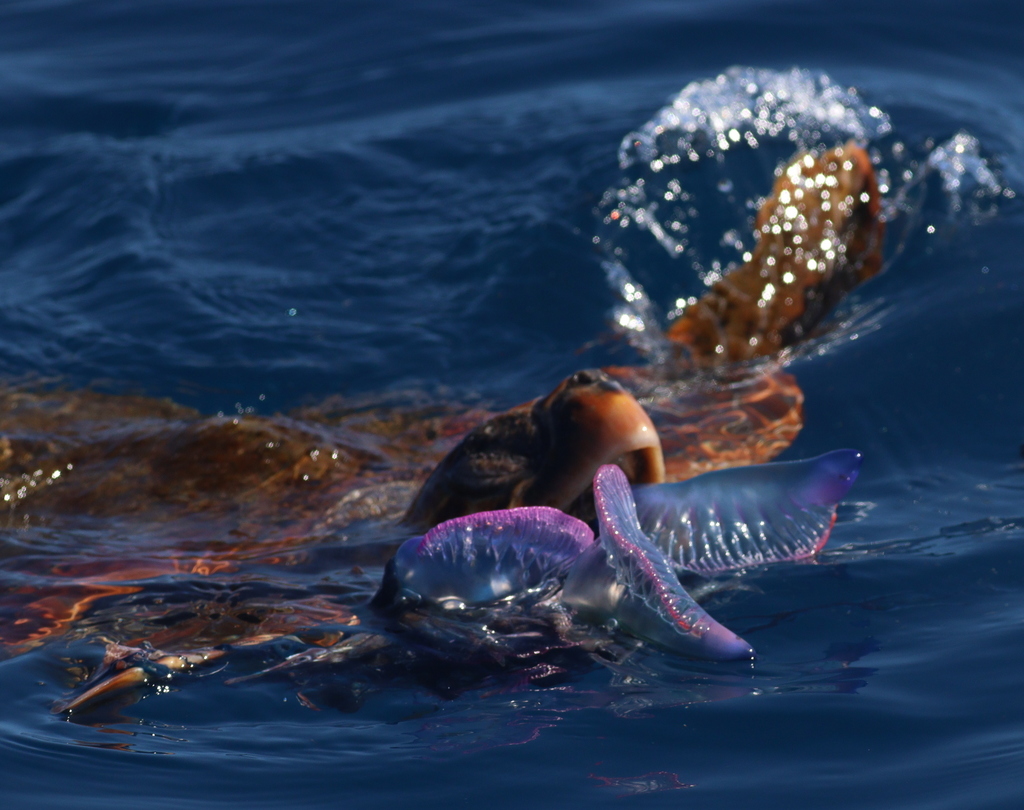 Loggerhead turtleCaretta carettaSeen in 89 countries in the AtlasVulnerable
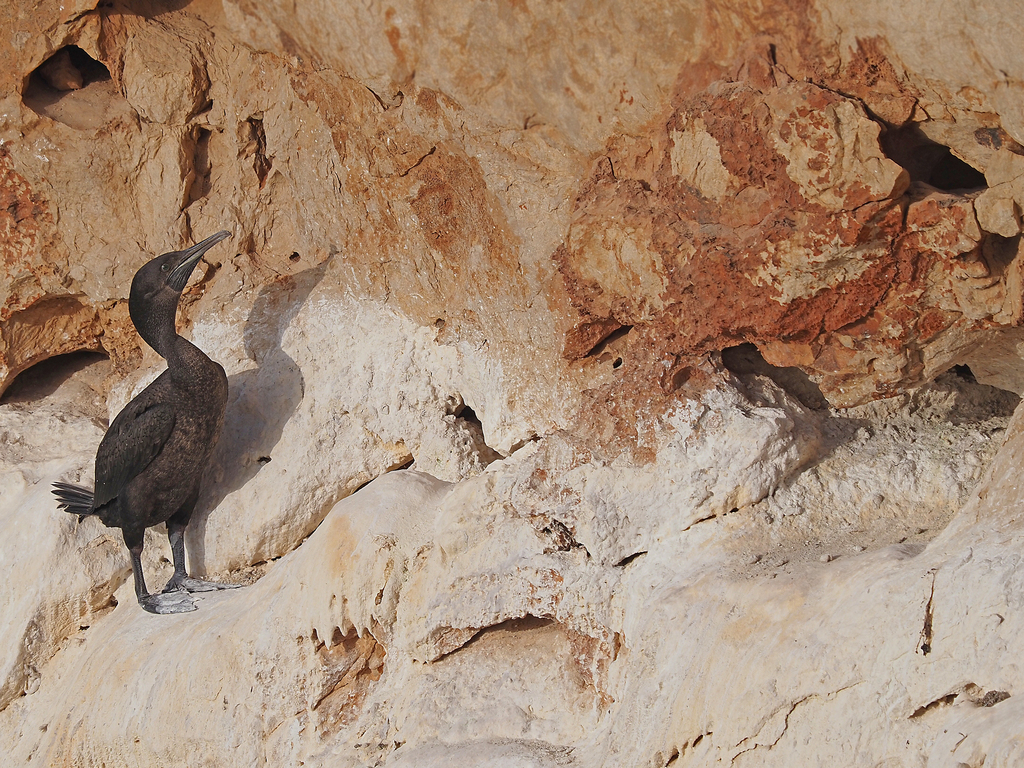 Socotra cormorantPhalacrocorax nigrogularisSeen in 8 countries in the AtlasVulnerable
 White-tailed eagleHaliaeetus albicillaSeen in 38 countries in the AtlasLives on landLeast Concern
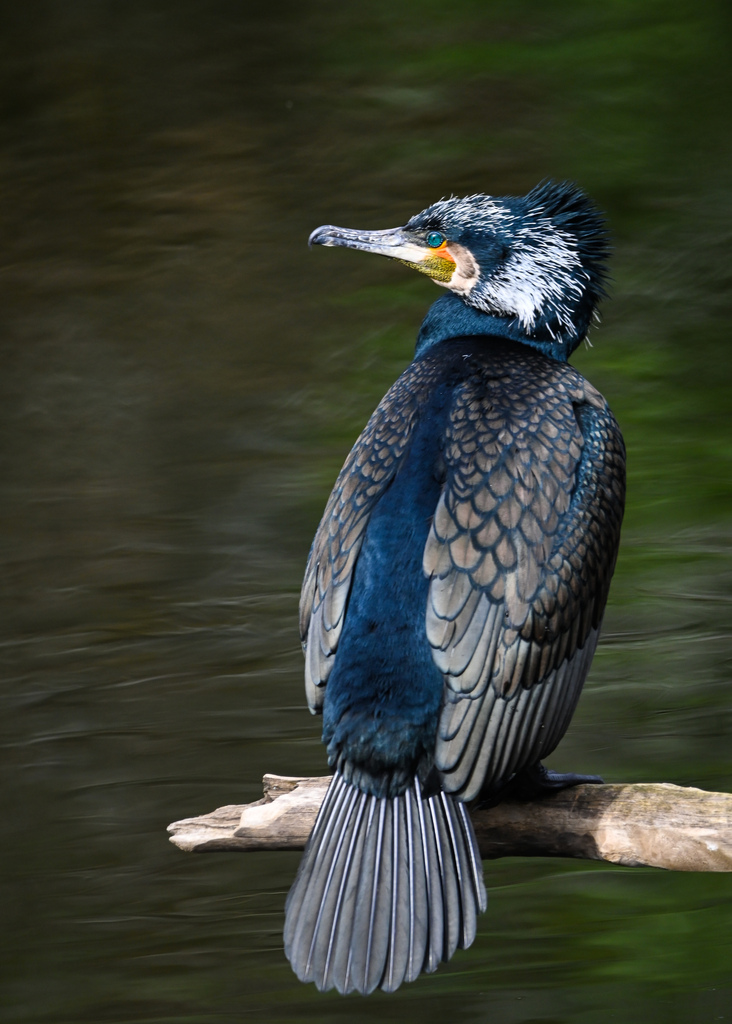 Great cormorantPhalacrocorax carboSeen in 90 countries in the AtlasLeast Concern
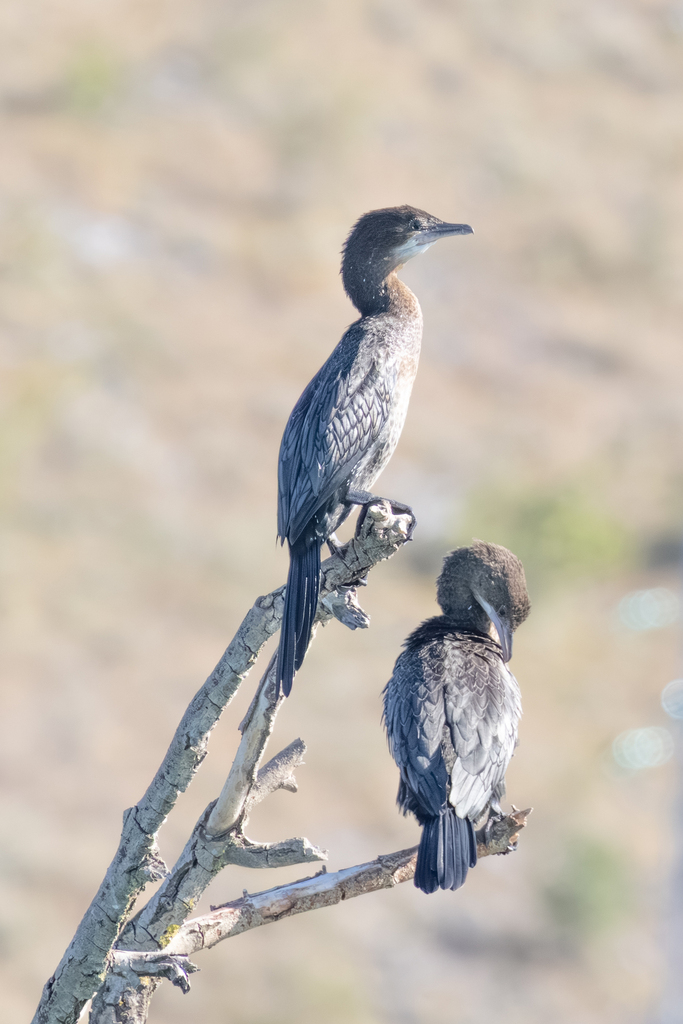 Pygmy cormorantMicrocarbo pygmaeusSeen in 26 countries in the AtlasLeast Concern
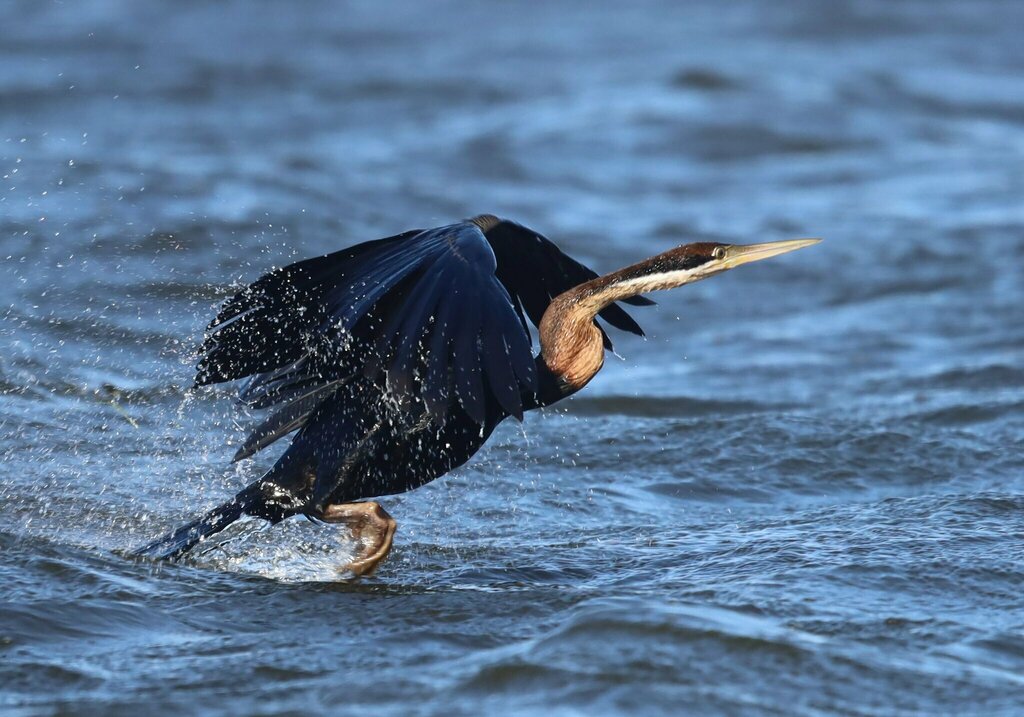 African darterAnhinga rufaSeen in 21 countries in the AtlasLeast Concern
Why this is a story, not a trip
Read our ethics check above. If you would like to talk about it, Rocío is happy to explain.
 Bahrain
 Djibouti
 Egypt
Egypt Eritrea
 Iraq
Iraq Israel
 Jordan
 Kuwait
 Oman
Oman Pakistan
 Qatar
Qatar Saudi Arabia
 Sudan
Sudan United Arab Emirates
 Yemen
YemenBased in Iran?
We are always happy to hear from exceptional local operators, accommodation, conservation organisations and destination experts in Iran. If your work fits responsible, small-group ocean travel, we would love to learn more.
Partner with Ocean Calling5-day freediving course in Bali
CHF 1,180