
Ocean Atlas · Red Sea and Arabia
 Saudi Arabia
Quiet Red Sea reefs, a spring nursery of young whale sharks and islands where turtles come ashore to nest.

On pause, travel not recommended. A government travel advisory says not to travel here, so we do not offer trips. Sources: Recomendaciones de viaje: Arabia Saudi, Embajada de Espana en Riad, 2026; Saudi Arabia travel advice, UK FCDO, 2026; Whale shark hot spot offers new conservation insights, KAUST, 2019.
Why: Because of the regional conflict, EU and US citizens may be advised against travelling to Saudi Arabia, and the UK reports missile and drone attacks on cities including Jeddah and Yanbu, so please check your own government's website. Our ethics check for trips is paused. What we know: Shib Habil reef near Al Lith is a rare gathering place for young whale sharks, which are endangered, and no clear tourism code has been confirmed. If trips ever happen, we would only join them in the water if a clear legal code exists, with no touching and no chasing.
We share this country as a story and do not offer trips. This is not a judgement of the people or the ocean here. It only means that today we could not find a visit that meets our animal-welfare and safety standards. Places change, so we look again every year.
⚠️ Official travel advice is a separate question, and it differs by passport. EU citizens or US citizens may be advised against travelling there, so please check your own government’s website before you plan.
Why Saudi Arabia
Saudi Arabia's Red Sea coast runs for hundreds of kilometres of reefs, lagoons and offshore islands that few divers have seen. Off Al Lith, young whale sharks gather in the first half of the year, most often in April and May. Scalloped hammerheads are sometimes met on deeper offshore dives, and green and hawksbill turtles nest on the northern islands in summer. A small number of shy dugongs graze the seagrass and are only ever seen by chance from the boat. November to April has the kindest air, while June to September is very hot. Government travel advice for Saudi Arabia changed in 2026, with warnings for several cities and the Yemen border area, so Ocean Calling is only researching it for now and does not offer trips there.
Conservation-led. Ocean Calling guests never chase, touch or bait animals.
When to go
Nov-Apr. Timing changes by place and by animal, so check each place below.
Official travel advice or our ethics check means we do not send guests here.
Can we travel here ethically?
On pause, travel not recommended
We follow government travel advice. We will look again when it changes.
This is not a judgement of the people or the ocean here. It only means that today we could not find a visit that meets our animal-welfare and safety standards. Places change, so we look again every year. Checked 30 Sep 2026.
⚠️ Official travel advice is a separate question, and it differs by passport. EU citizens or US citizens may be advised against travelling there, so please check your own government’s website before you plan.
Where in Saudi Arabia
We share these places as stories and research notes. We do not offer or sell trips here.
Umluj and the Red Sea islands
On pause, travel not recommendedCalm lagoons and island reefs where green and hawksbill turtles feed and nest.
What lives here: Reef fish, Bumphead parrotfish, Green and hawksbill turtles, Reef sharks, Rays
Also seen: Nesting turtles (Jun to Sep, science led only and not a guest visit)
When: Nov-Apr. November to April has milder air and calm lagoons. Turtles nest from June to September.
Yanbu
On pause, travel not recommendedOffshore reefs and walls known for barracuda, eagle rays and seasonal hammerheads.
What lives here: Hammerheads (cooler months, possible), Barracuda, Eagle rays, Reef sharks, Turtles
Also seen: Dolphins (from the boat, occasional)
When: Dec-Apr. Hammerheads are most often reported in the cooler months, roughly December to April.
Jeddah and Obhur
On pause, travel not recommendedCity diving on wrecks and coral walls, a short boat ride from the shore.
What lives here: Wrecks, Coral walls, Eagle rays, Napoleon wrasse, Barracuda
Also seen: Dolphins (from the boat, occasional)
When: Nov-Mar. November to March is the most comfortable time. Summer air is very hot.
Al Lith
On pause, travel not recommendedA reef where young whale sharks gather, mostly in the first half of the year.
What lives here: Reef fish, Rays
Also seen: Young whale sharks (Jan-Jun, most often Apr-May, not guaranteed)
When: Jan-Jun. Tagging research found young whale sharks here from about January to June, most often in April and May. Sightings are never certain.
Gulf of Aqaba coast
On pause, travel not recommendedClear northern reefs where turtles nest and hammerheads have been seen around offshore pinnacles.
What lives here: Reef fish, Green and hawksbill turtles, Whitetip reef sharks, Hammerheads (rare, offshore pinnacles)
Also seen: Dugongs (rare, from the boat)
Animals recorded in Saudi Arabia
Tap an animal to learn how it lives, where it travels and how to meet it respectfully.
 Whale sharkRhincodon typusSeen in 54 countries in the AtlasEndangered
 Scalloped hammerheadSphyrna lewiniSeen in 57 countries in the AtlasCritically Endangered
 Tiger sharkGaleocerdo cuvierSeen in 47 countries in the AtlasNear Threatened
 Whitetip reef sharkTriaenodon obesusSeen in 43 countries in the AtlasVulnerable
 Green turtleChelonia mydasSeen in 103 countries in the AtlasLeast Concern
 Hawksbill turtleEretmochelys imbricataSeen in 88 countries in the AtlasCritically Endangered
 DugongDugong dugonSeen in 32 countries in the AtlasVulnerable
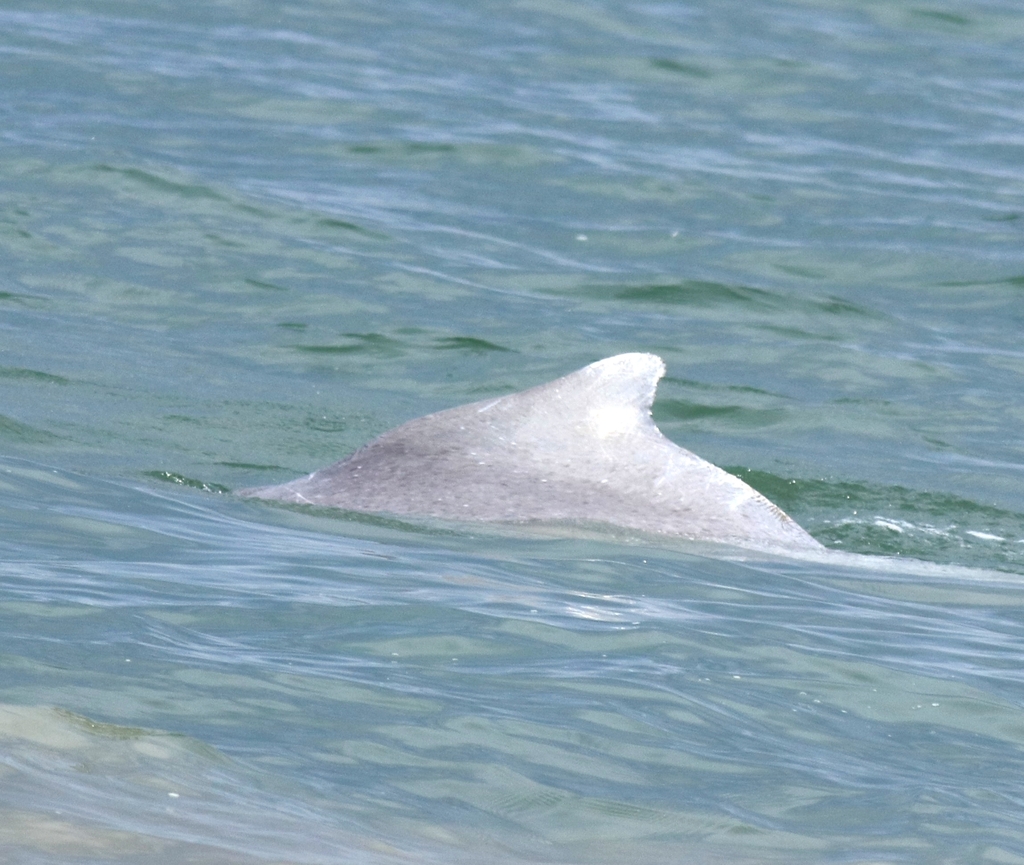 Indian Ocean humpback dolphinSousa plumbeaSeen in 13 countries in the AtlasEndangered
 Bumphead parrotfishBolbometopon muricatumSeen in 16 countries in the AtlasVulnerable
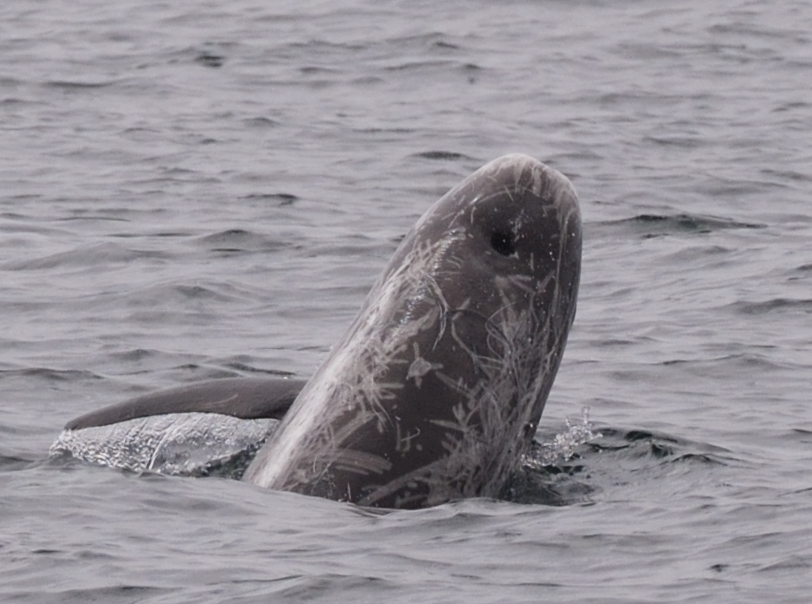 Risso's dolphinGrampus griseusSeen in 56 countries in the AtlasLeast Concern
 Oceanic whitetip sharkCarcharhinus longimanusSeen in 43 countries in the AtlasCritically Endangered
 Grey reef sharkCarcharhinus amblyrhynchosSeen in 33 countries in the AtlasEndangered
 Great hammerheadSphyrna mokarranSeen in 20 countries in the AtlasCritically Endangered
 Indo-Pacific bottlenose dolphinTursiops aduncusSeen in 29 countries in the AtlasNear Threatened
 Pantropical spotted dolphinStenella attenuataSeen in 56 countries in the AtlasLeast Concern
 Spinner dolphinStenella longirostrisSeen in 66 countries in the AtlasLeast Concern
 Blue-spotted ribbontail rayTaeniura lymmaSeen in 22 countries in the AtlasLeast Concern
 Spotted eagle ray (ocellated eagle ray)Aetobatus ocellatusSeen in 28 countries in the AtlasEndangered
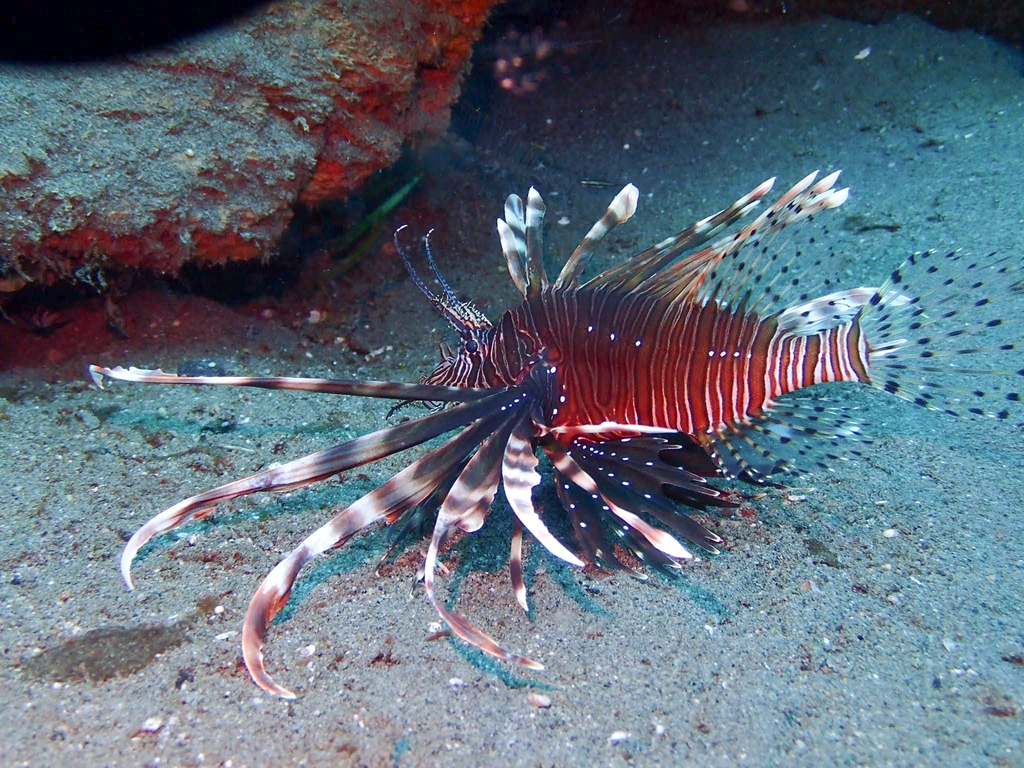 Lionfish (red and common lionfish)Pterois volitans and Pterois milesSeen in 80 countries in the AtlasLeast Concern
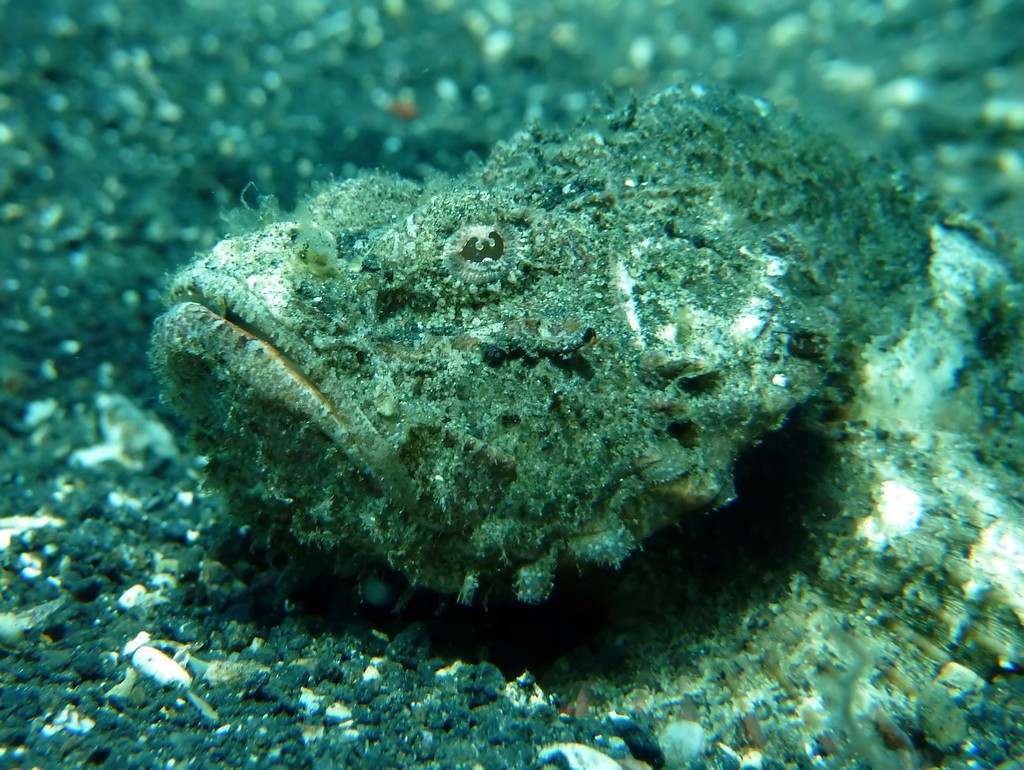 ScorpionfishScorpaenopsis speciesSeen in 22 countries in the AtlasVaries by species
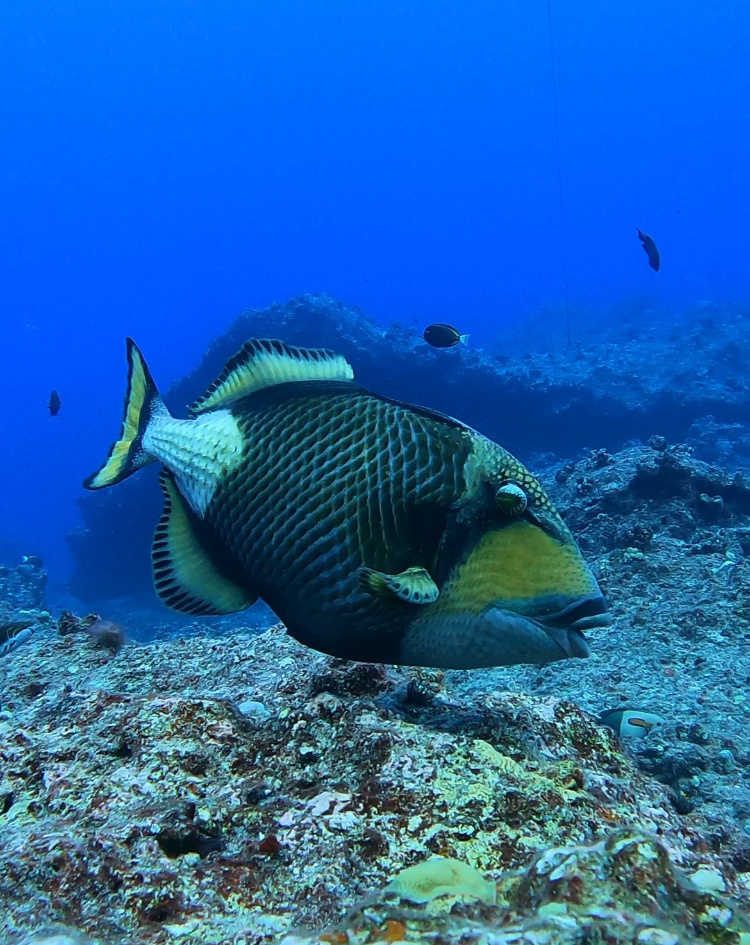 Titan triggerfishBalistoides viridescensSeen in 40 countries in the AtlasLeast Concern
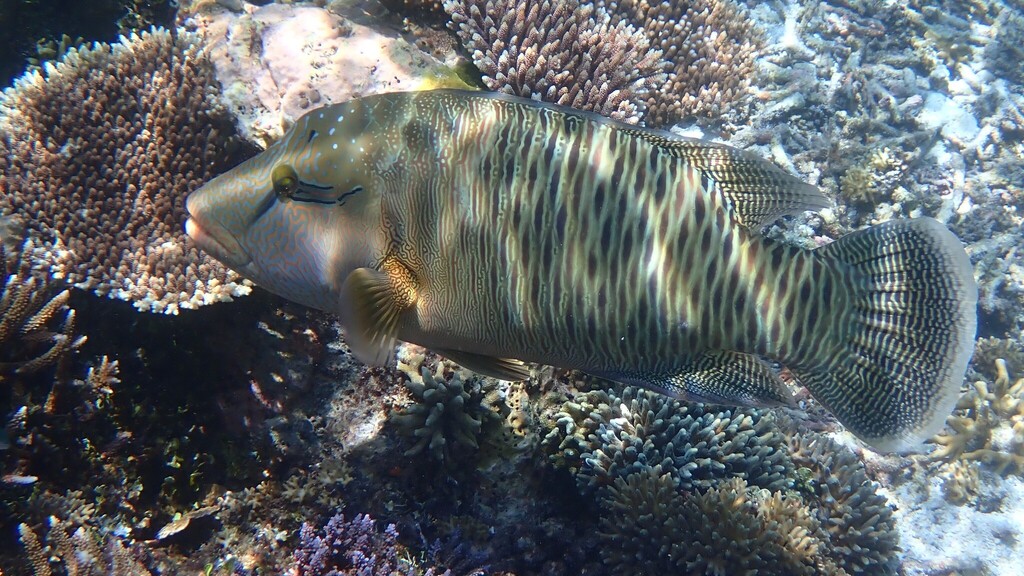 Humphead wrasse (Napoleon wrasse)Cheilinus undulatusSeen in 34 countries in the AtlasEndangered
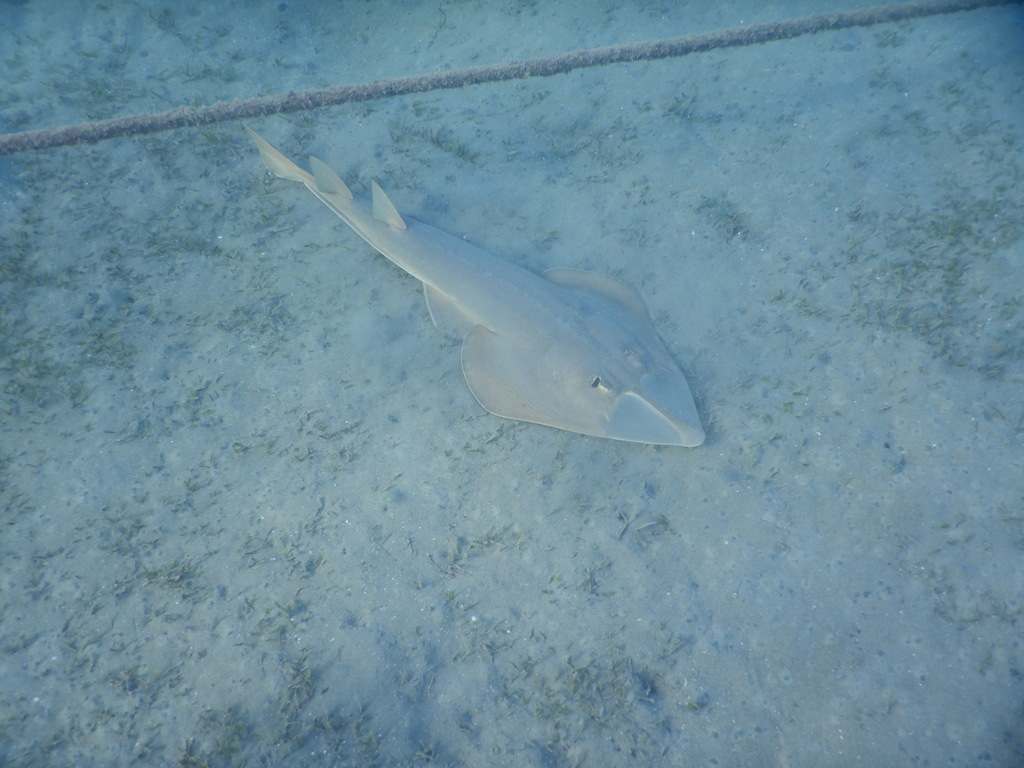 Halavi guitarfishGlaucostegus halaviSeen in 2 countries in the AtlasCritically Endangered
 Common bottlenose dolphinTursiops truncatusSeen in 89 countries in the AtlasLeast Concern
 Blacktip reef sharkCarcharhinus melanopterusSeen in 38 countries in the AtlasVulnerable
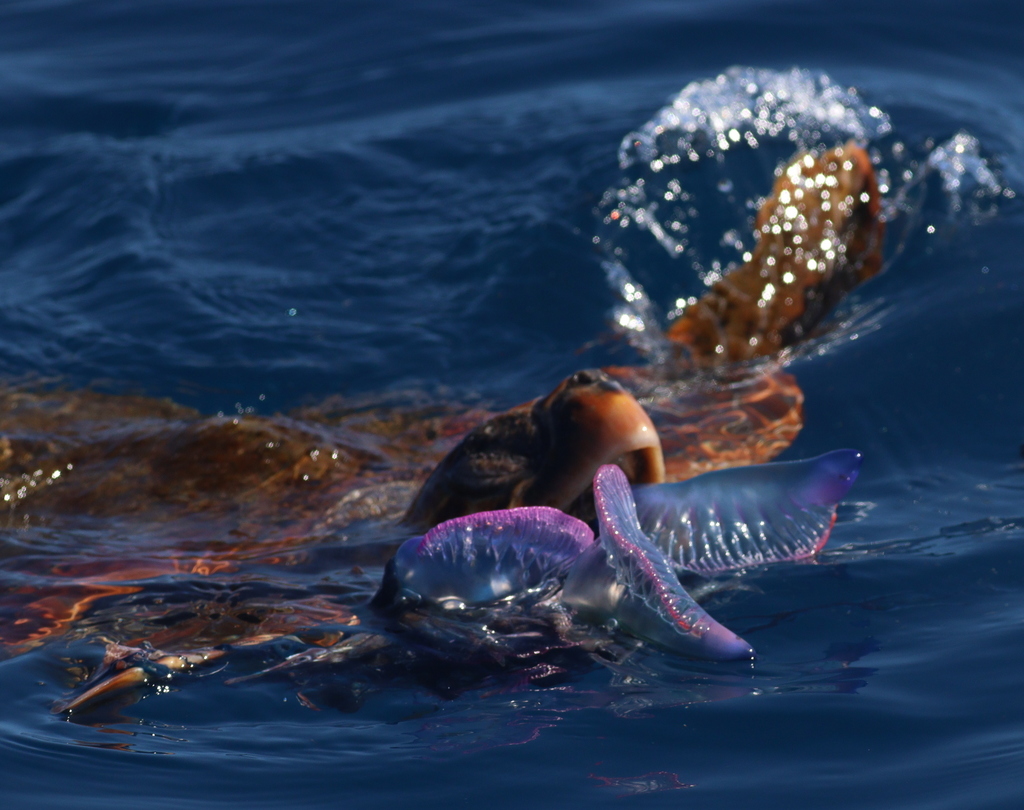 Loggerhead turtleCaretta carettaSeen in 89 countries in the AtlasVulnerable
 Bigeye trevallyCaranx sexfasciatusSeen in 48 countries in the AtlasLeast Concern
 Great barracudaSphyraena barracudaSeen in 84 countries in the AtlasLeast Concern
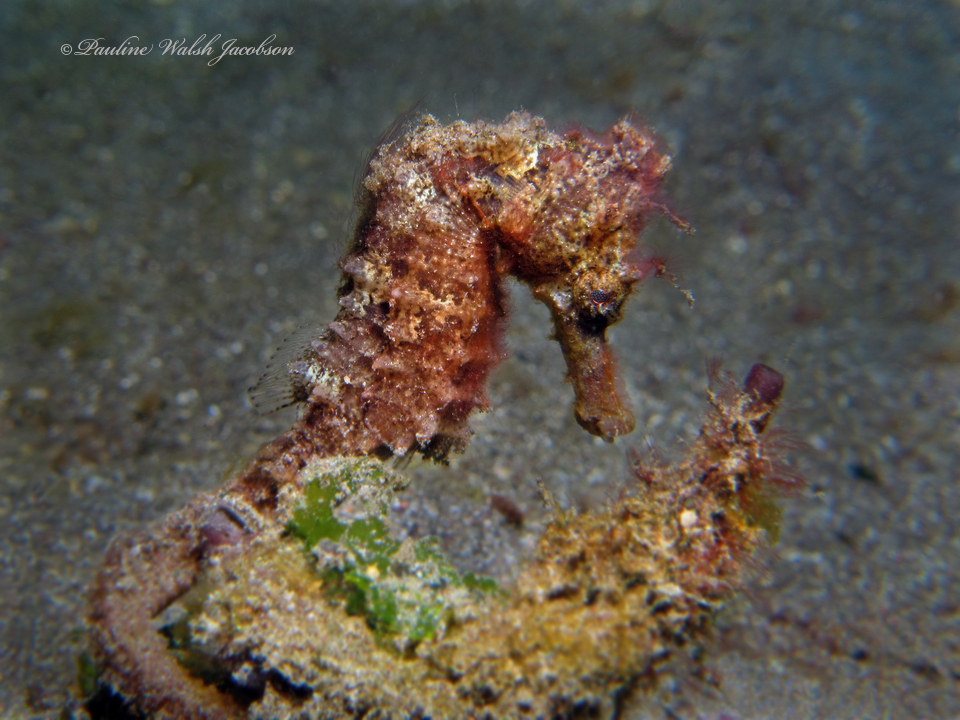 Common (estuary) seahorseHippocampus kudaSeen in 25 countries in the AtlasVulnerable
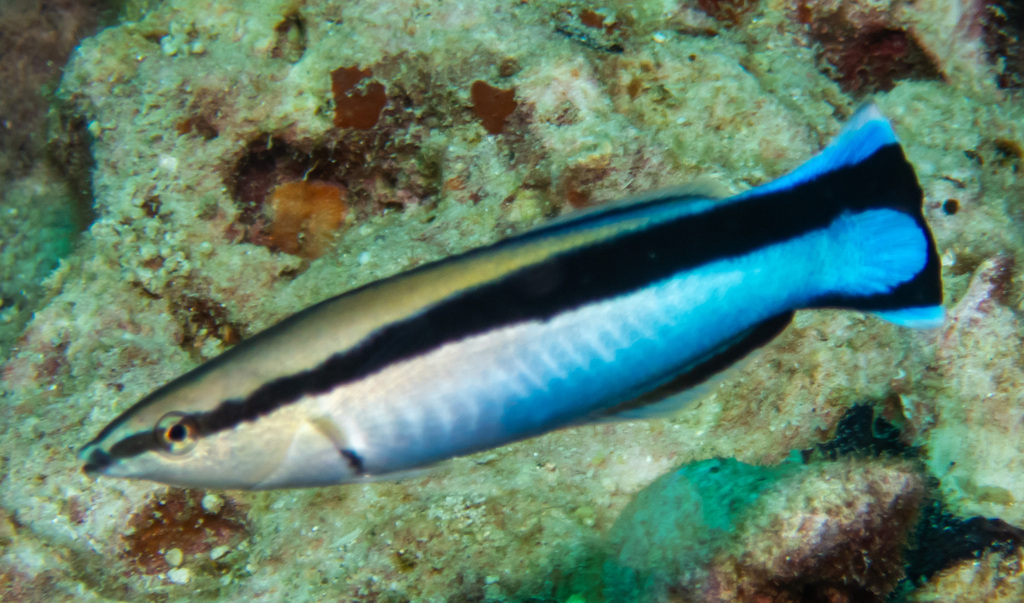 Bluestreak cleaner wrasseLabroides dimidiatusSeen in 51 countries in the AtlasLeast Concern
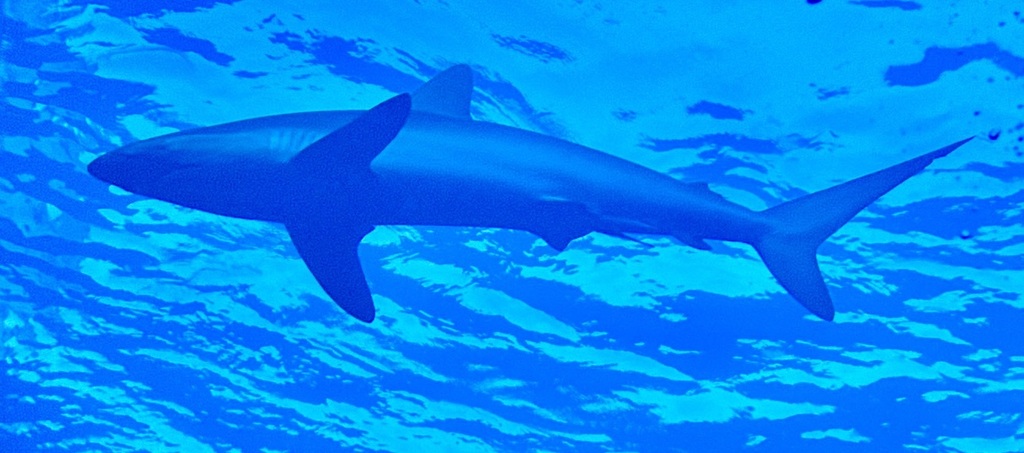 Silky sharkCarcharhinus falciformisSeen in 48 countries in the AtlasVulnerable
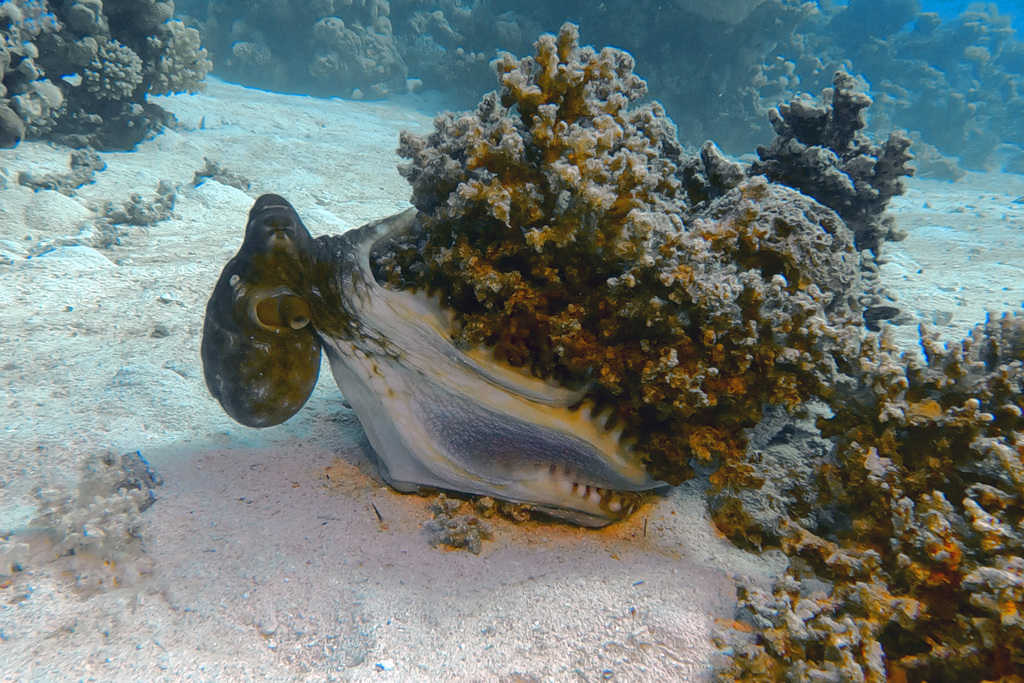 Day octopusOctopus cyaneaSeen in 35 countries in the AtlasLeast Concern
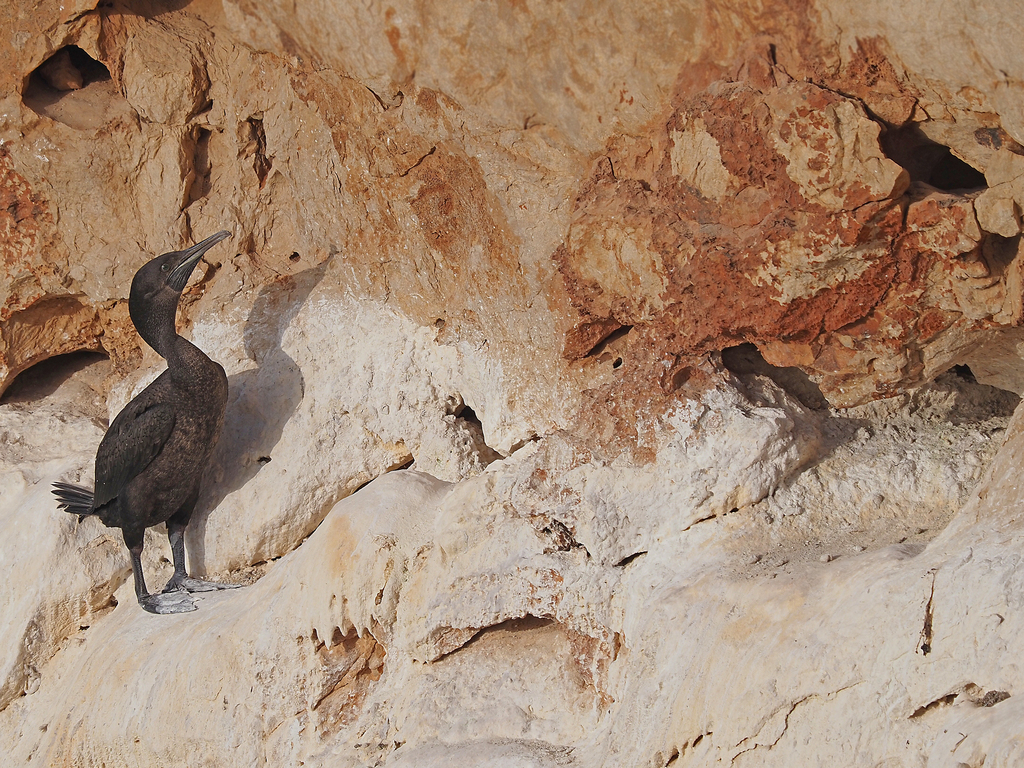 Socotra cormorantPhalacrocorax nigrogularisSeen in 8 countries in the AtlasVulnerable
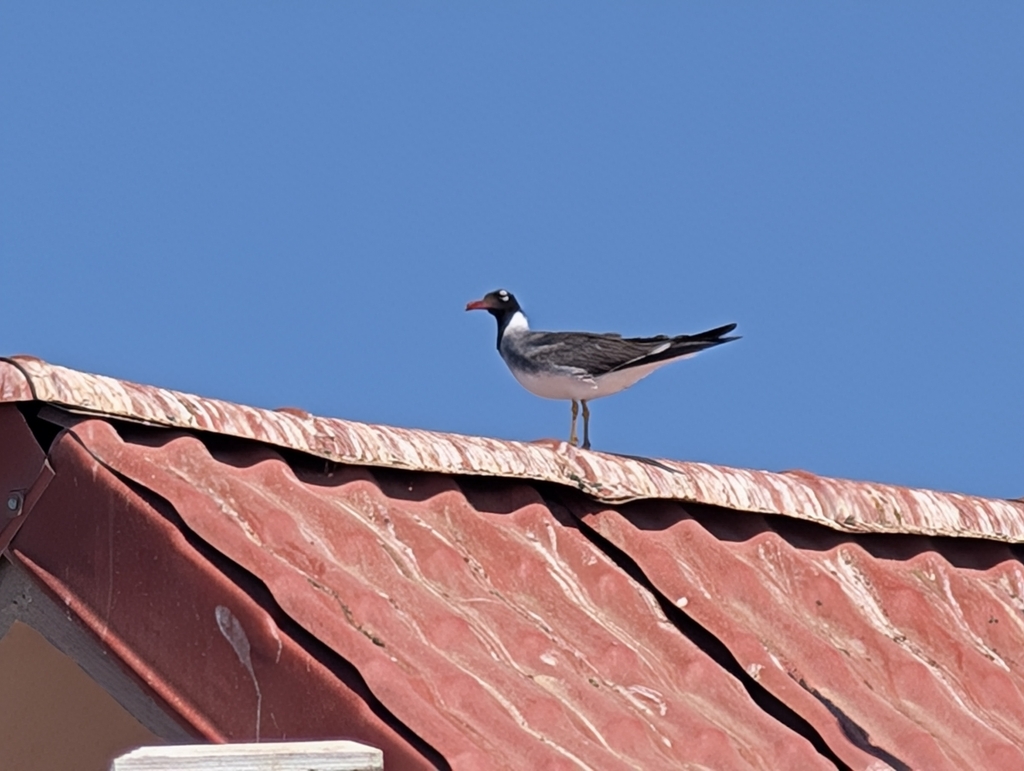 White-eyed gullIchthyaetus leucophthalmusSeen in 10 countries in the AtlasLeast Concern
 Brown boobySula leucogasterSeen in 104 countries in the AtlasLeast Concern
 Giant trevallyCaranx ignobilisSeen in 33 countries in the AtlasLeast Concern
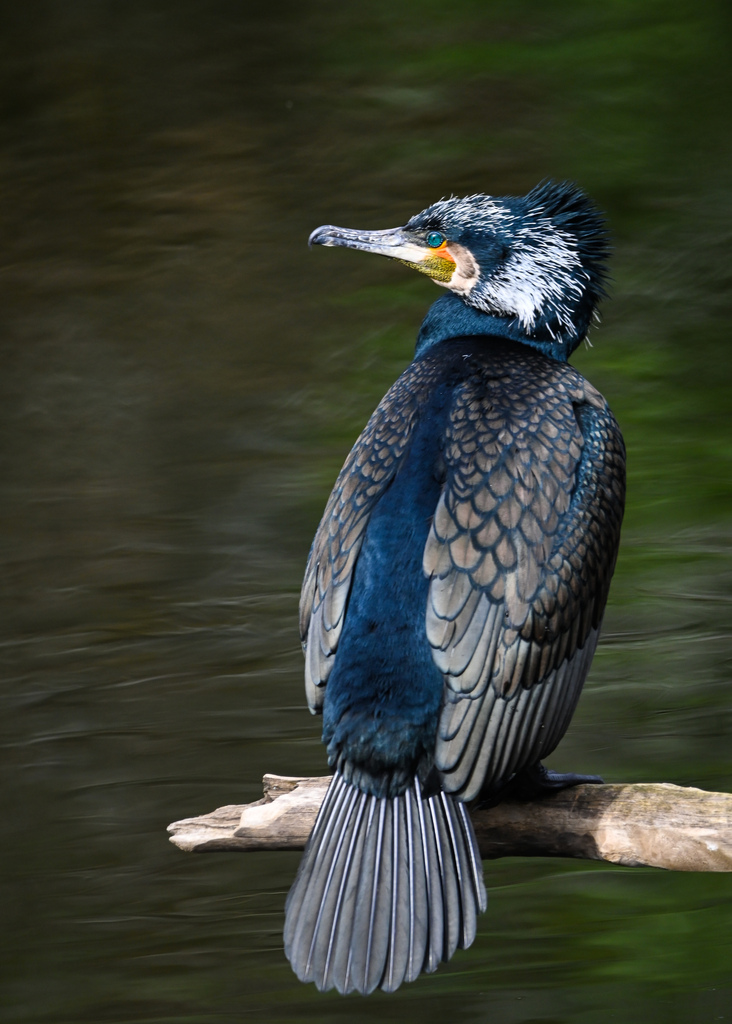 Great cormorantPhalacrocorax carboSeen in 90 countries in the AtlasLeast Concern
Why this is a story, not a trip
Read our ethics check above. If you would like to talk about it, Rocío is happy to explain.
 Bahrain
 Djibouti
 Egypt
Egypt Eritrea
 Iran
Iran Iraq
Iraq Israel
 Jordan
 Kuwait
 Oman
Oman Pakistan
 Qatar
Qatar Sudan
Sudan United Arab Emirates
 Yemen
YemenBased in Saudi Arabia?
We are always happy to hear from exceptional local operators, accommodation, conservation organisations and destination experts in Saudi Arabia. If your work fits responsible, small-group ocean travel, we would love to learn more.
Partner with Ocean Calling7-day freediving course in Coron, Palawan
CHF 1,480