
Ocean Atlas · Red Sea and Arabia
 Bahrain
Warm, shallow Gulf waters with seagrass, pearl oyster beds and one of the largest dugong groups in the world, watched only from a distance.

On pause, travel not recommended. A government travel advisory says not to travel here, so we do not offer trips. Sources: Recomendaciones de viaje Bahrein, Ministerio de Asuntos Exteriores de Espana, 2026; Bahrain travel advice, UK FCDO, 2026; Long-term persistence of large dugong groups around Hawar Island, Khamis et al., Aquatic Conservation 2023.
Why: EU and US citizens may be advised against travelling to Bahrain because of the regional conflict, so please check your own government's website. Our ethics check for trips is paused. What we know: dugongs around the Hawar Islands are protected by law and live in one of the largest groups in the world. If trips ever happen, we would only watch them from far away.
We share this country as a story and do not offer trips. This is not a judgement of the people or the ocean here. It only means that today we could not find a visit that meets our animal-welfare and safety standards. Places change, so we look again every year.
⚠️ Official travel advice is a separate question, and it differs by passport. EU citizens or US citizens may be advised against travelling there, so please check your own government’s website before you plan.
Why Bahrain
Bahrain is a group of low islands in the warm, shallow Gulf, with seagrass meadows, pearl oyster beds and some of the hottest reefs on the planet. Around the Hawar Islands in the south, researchers counted groups of about 650 to 700 dugongs in 2021, and more than half of the country's dugongs seem to live here. We only watch dugongs from far away and never follow or approach them. Green and hawksbill turtles feed in these waters, and the old pearl oyster beds in the north are part of a UNESCO site about pearl diving history. There is also an underwater park with a sunken Boeing 747, placed in 2019. The sea is very warm in summer, and heat waves in the 1990s killed most of the coral near the coast, so the reefs are not like the Red Sea. The air is kindest from about November to March. Since the 2026 conflict with Iran, several governments advise against travel to Bahrain or ask people to postpone it, so Ocean Calling is only researching it for now. As with all wildlife, sightings are never certain.
Conservation-led. Ocean Calling guests never chase, touch or bait animals.
When to go
Oct-Apr. Timing changes by place and by animal, so check each place below.
Official travel advice or our ethics check means we do not send guests here.
Can we travel here ethically?
On pause, travel not recommended
We follow government travel advice. We will look again when it changes.
This is not a judgement of the people or the ocean here. It only means that today we could not find a visit that meets our animal-welfare and safety standards. Places change, so we look again every year. Checked 26 Sep 2026.
⚠️ Official travel advice is a separate question, and it differs by passport. EU citizens or US citizens may be advised against travelling there, so please check your own government’s website before you plan.
Where in Bahrain
We share these places as stories and research notes. We do not offer or sell trips here.
Hawar Islands
On pause, travel not recommendedProtected islands and seagrass where large groups of dugongs feed, watched only from far away.
Also seen: Dugongs (from far away, never approached), Green turtles (from the boat), Socotra cormorants and other seabirds
When: Nov-Mar. Dugongs are recorded here in every month. In the cooler months, big groups have been seen near the border with Qatar. November to March is the kindest time for the air.
Northern pearl beds and reefs
On pause, travel not recommendedOld pearl oyster beds, small reefs and an underwater park with a sunken Boeing 747, north of the main island.
What lives here: Pearl oyster beds, Reef fish, Sunken Boeing 747 (reported to be in pieces, current state still to be checked), Green and hawksbill turtles (sometimes)
When: Apr-May, Oct-Nov. The water can be cool in January and February and very hot in August. Spring and autumn look best for diving. These beds are part of the UNESCO pearling site.
Animals recorded in Bahrain
Tap an animal to learn how it lives, where it travels and how to meet it respectfully.
 DugongDugong dugonSeen in 32 countries in the AtlasVulnerable
 Green turtleChelonia mydasSeen in 103 countries in the AtlasLeast Concern
 Hawksbill turtleEretmochelys imbricataSeen in 88 countries in the AtlasCritically Endangered
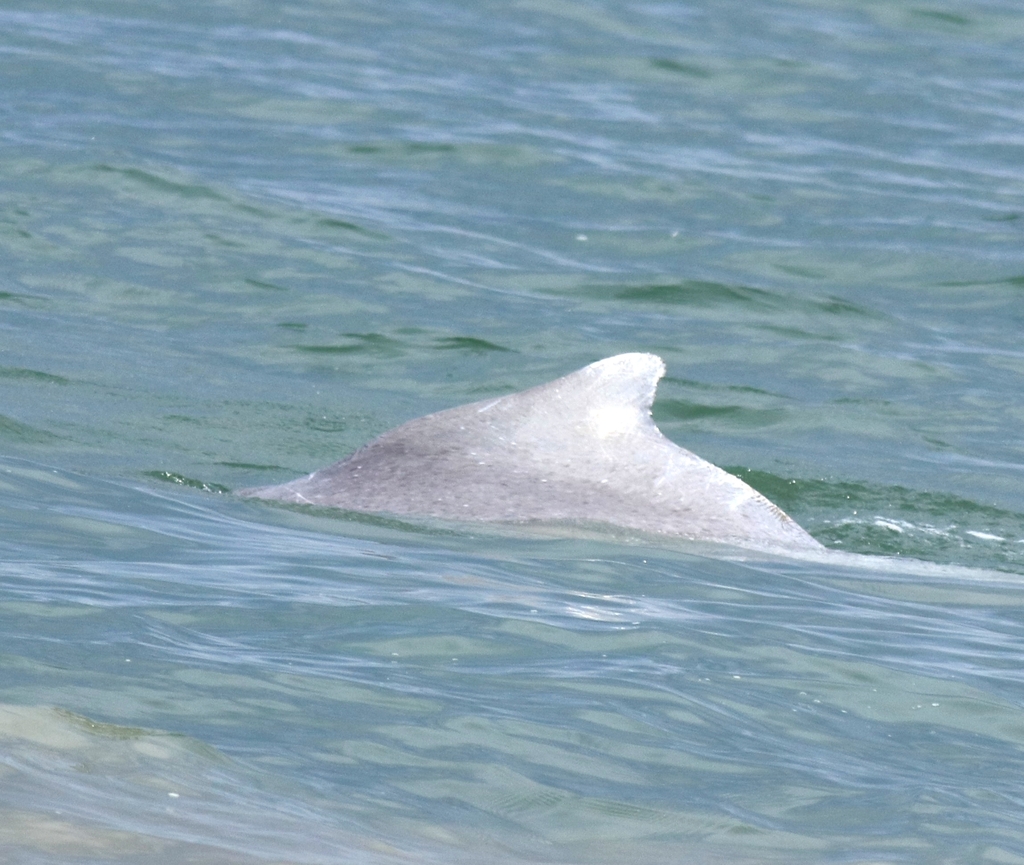 Indian Ocean humpback dolphinSousa plumbeaSeen in 13 countries in the AtlasEndangered
 Whale sharkRhincodon typusSeen in 54 countries in the AtlasEndangered
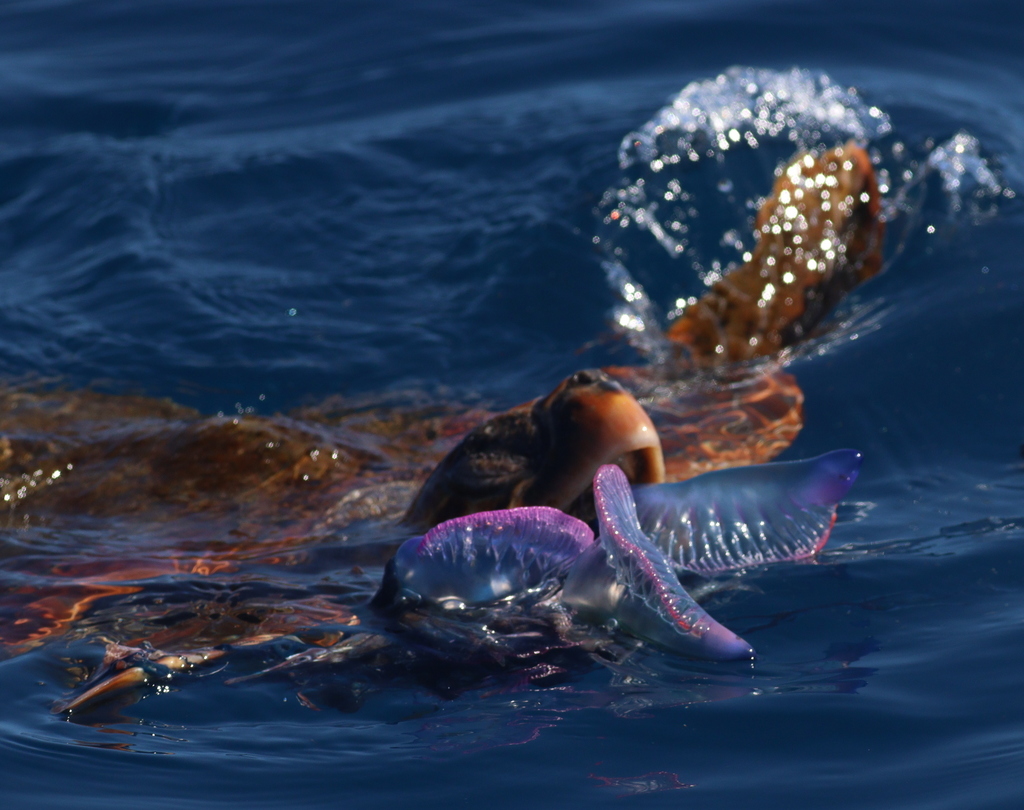 Loggerhead turtleCaretta carettaSeen in 89 countries in the AtlasVulnerable
 Leatherback turtleDermochelys coriaceaSeen in 76 countries in the AtlasVulnerable
 Olive ridley turtleLepidochelys olivaceaSeen in 40 countries in the AtlasVulnerable
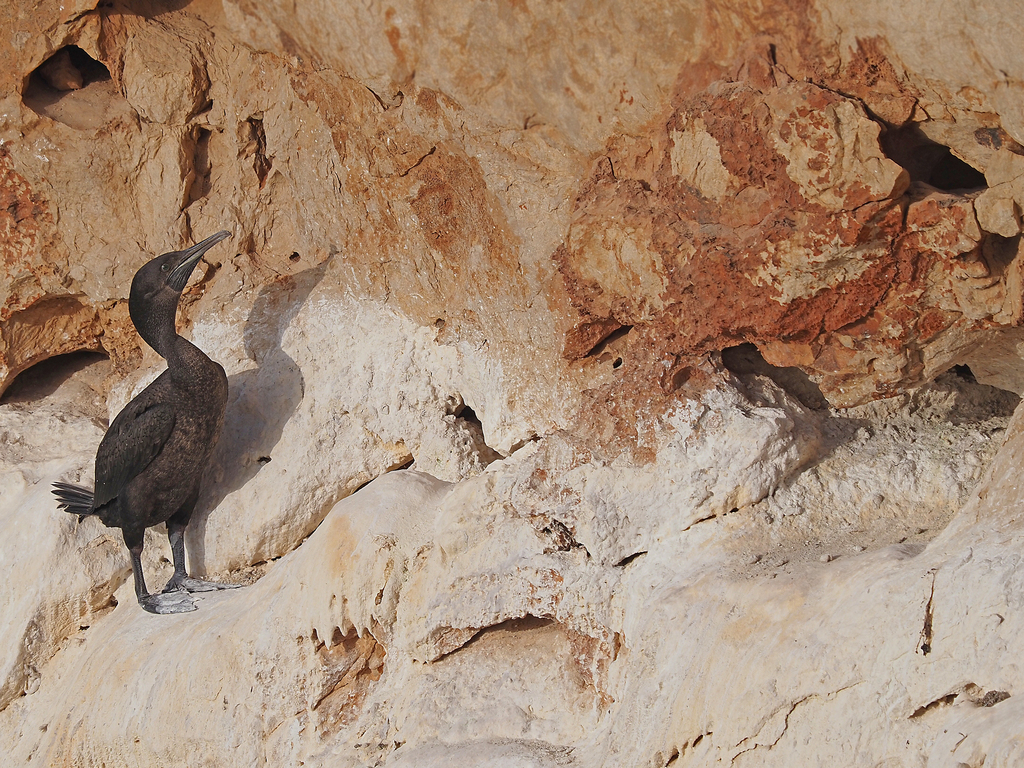 Socotra cormorantPhalacrocorax nigrogularisSeen in 8 countries in the AtlasVulnerable
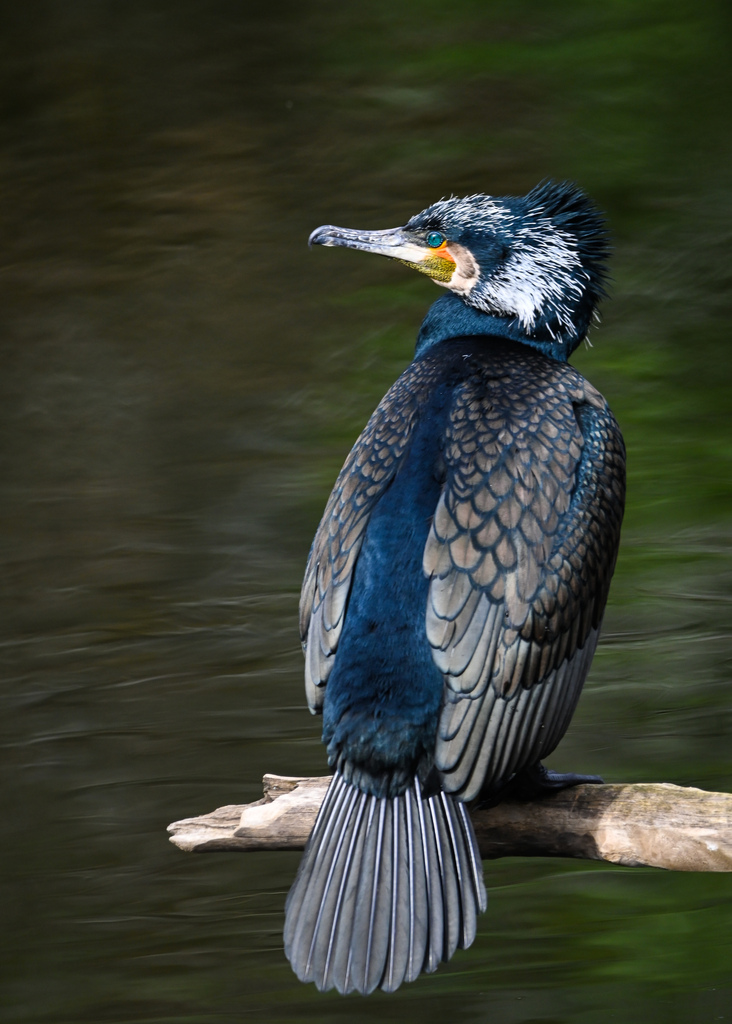 Great cormorantPhalacrocorax carboSeen in 90 countries in the AtlasLeast Concern
Why this is a story, not a trip
Read our ethics check above. If you would like to talk about it, Rocío is happy to explain.
 Djibouti
 Egypt
Egypt Eritrea
 Iran
Iran Iraq
Iraq Israel
 Jordan
 Kuwait
 Oman
Oman Pakistan
 Qatar
Qatar Saudi Arabia
 Sudan
Sudan United Arab Emirates
 Yemen
YemenBased in Bahrain?
We are always happy to hear from exceptional local operators, accommodation, conservation organisations and destination experts in Bahrain. If your work fits responsible, small-group ocean travel, we would love to learn more.
Partner with Ocean CallingNot sure where to go? Get your Ocean Match
from CHF 19