
Ocean Atlas · Europe and Mediterranean
 Sweden
Cold, quiet northern seas: kelp forests, harbour seals and very old Baltic wrecks, best in summer.

Ethics pass, open for travel. We found a way to visit this country that meets our animal-welfare standard. Checked by Ocean Calling on 30 Sep 2026. Sources: Kosterhavet National Park, Wikipedia; Kosterhavets nationalpark, Sveriges nationalparker (Swedish Environmental Protection Agency).
🧭 Travel advice, checked 30 Sep 2026. The US State Department rates Sweden at Level 2, exercise increased caution, because of terrorism. Smartraveller advises normal safety precautions and notes an elevated domestic terror alert, plus ticks from March to November. Sources: Smartraveller travel advice, Sweden Advice differs by passport: check your own government before you plan.
Why Sweden
Sweden is cold-water ocean travel, and we want to be honest that it is a special interest. On the west coast, Kosterhavet became Sweden's first marine national park in 2009. It holds more than 6,000 marine species, kelp forests, shallow snorkel trails and the biggest harbour seal colony in Sweden. Its cold-water coral reefs live deeper than 40 m, and since late 2025 diving is closed there to let them recover. Nearby, the Gullmar fjord at Lysekil is a deep fjord with rich small life. In the Baltic, the low salt water keeps old wooden wrecks very well, which is why the Vasa ship could be raised almost whole. Wrecks from before 1850 are protected: you can look, never touch or take. The sea is about 17 to 18°C in August and close to freezing in winter, the water is often green and not so clear, and good suits matter. Seals and porpoises are watched from a calm distance, never approached.
Conservation-led. Ocean Calling guests never chase, touch or bait animals.
When to go
Jun-Sep. Timing changes by place and by animal, so check each place below.
We have researched this place and keep learning about it. There is no trip here yet.
Can we travel here ethically?
Ethics pass
Meets the Ocean Calling standard.
Kosterhavet became Sweden's first marine national park in 2009 and holds the country's largest harbour seal colony, but the seals have been declining since about 2017 and pups at the main colony have halved. Diving is closed at six cold water coral sites deeper than 40 m. We snorkel the protected shallows in summer and watch seals and porpoises from a calm distance, never approaching them, and the seal areas stay closed to boats and people within 100 m from 15 May to 15 July.
Checked 30 Sep 2026. Places change, so we look again every year.
Where in Sweden
Short notes from our research. Wildlife is never guaranteed.
Kosterhavet National Park
ExploringSweden's first marine national park, with kelp forests, snorkel trails and the country's largest harbour seal colony.
🤿 In the water: Kelp forests and seaweed meadows, Crabs, flatfish and big oysters in the shallows, Sponges, sea squirts and anemones on the rock walls, Cold-water fish of the Skagerrak
⛵ From the boat or shore, never in the water: Harbour seals (from a calm distance, the seal areas are closed to boats and people within 100 m from 15 May to 15 July), Grey seals (sometimes), Sea birds and terns on the outer islands
When: Jun-Sep. Summer is the only easy time. The sea is about 17 to 18°C in August and much colder the rest of the year. The cold-water coral reefs are deeper than 40 m and closed to diving.
Gullmar fjord and Lysekil
ExploringSweden's only true threshold fjord, deep and cold, with rich small life along the walls.
🤿 In the water: Cuttlefish and small crabs, Sea pens and firework anemones on the soft bottom, Kelp and rocky walls near the fjord mouth, Dragonets and gurnards
⛵ From the boat or shore, never in the water: Harbour seals (from the boat or shore)
When: Jun-Sep. The fjord is about 40 m deep at the mouth and near 120 m inside. Cold water all year, with a clear thermocline in summer. A drysuit is the usual choice for scuba.
Stockholm archipelago
ExploringThousands of islands and very old Baltic wrecks, kept by the low-salt water, with grey seals on the outer skerries.
🤿 In the water: Historic wooden wrecks (look, never touch or take), Baltic fish like perch and pike in the brackish bays
⛵ From the boat or shore, never in the water: Grey seals (from a calm distance on the outer islands), White-tailed eagles
When: Jun-Sep. Wreck diving is for trained cold-water divers, often in a drysuit, with low light and a few metres of visibility. Some wrecks have diving bans. The Vasa Museum shows what the Baltic can keep.
Kullaberg
ExploringRocky drop-offs at the Öresund entrance, liked by Swedish freedivers, with seals and porpoises in the area.
🤿 In the water: Rock walls and kelp, Wrasse, crabs and small reef life of the north
⛵ From the boat or shore, never in the water: Harbour porpoises (from the shore or boat, never approached), Grey and harbour seals
When: Jun-Sep. Late summer is the warmest. Wind from the west can make the sea rough and cloudy.
Animals recorded in Sweden
Tap an animal to learn how it lives, where it travels and how to meet it respectfully.
 Harbor sealPhoca vitulinaSeen in 13 countries in the AtlasLeast Concern
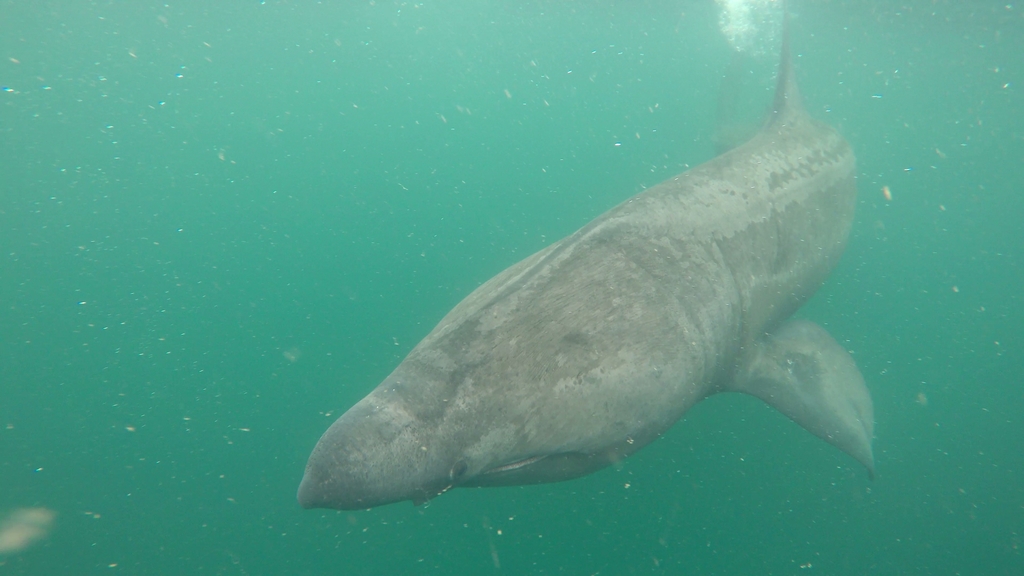 Basking sharkCetorhinus maximusSeen in 23 countries in the AtlasEndangered
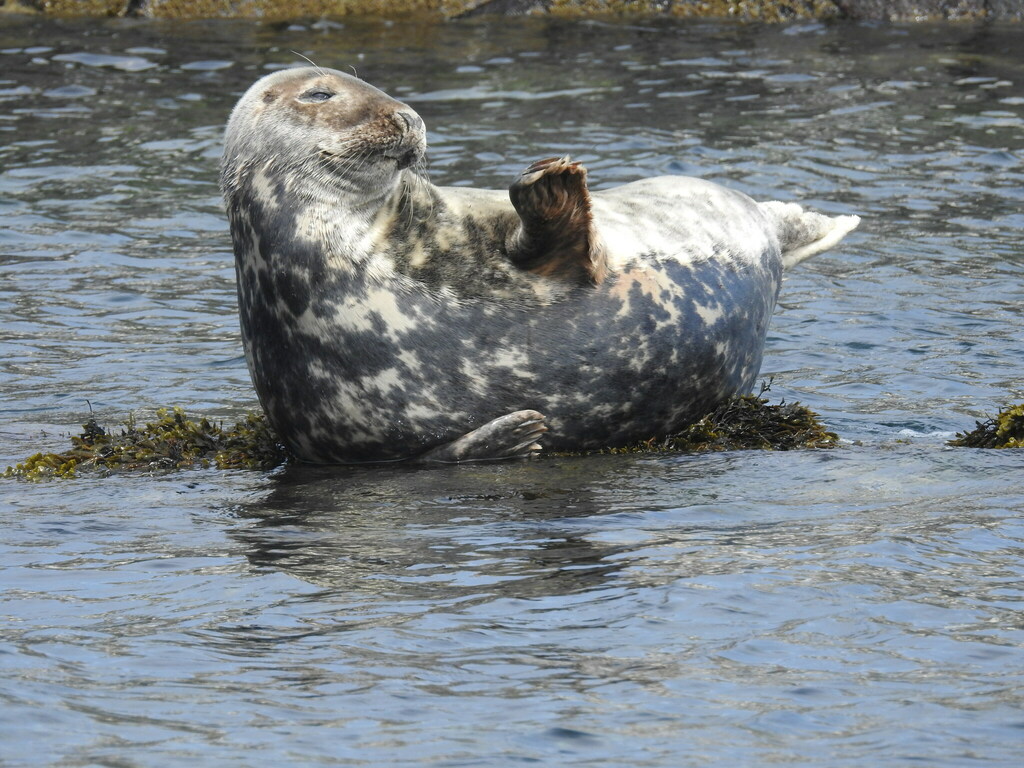 Grey sealHalichoerus grypusSeen in 13 countries in the AtlasLeast Concern
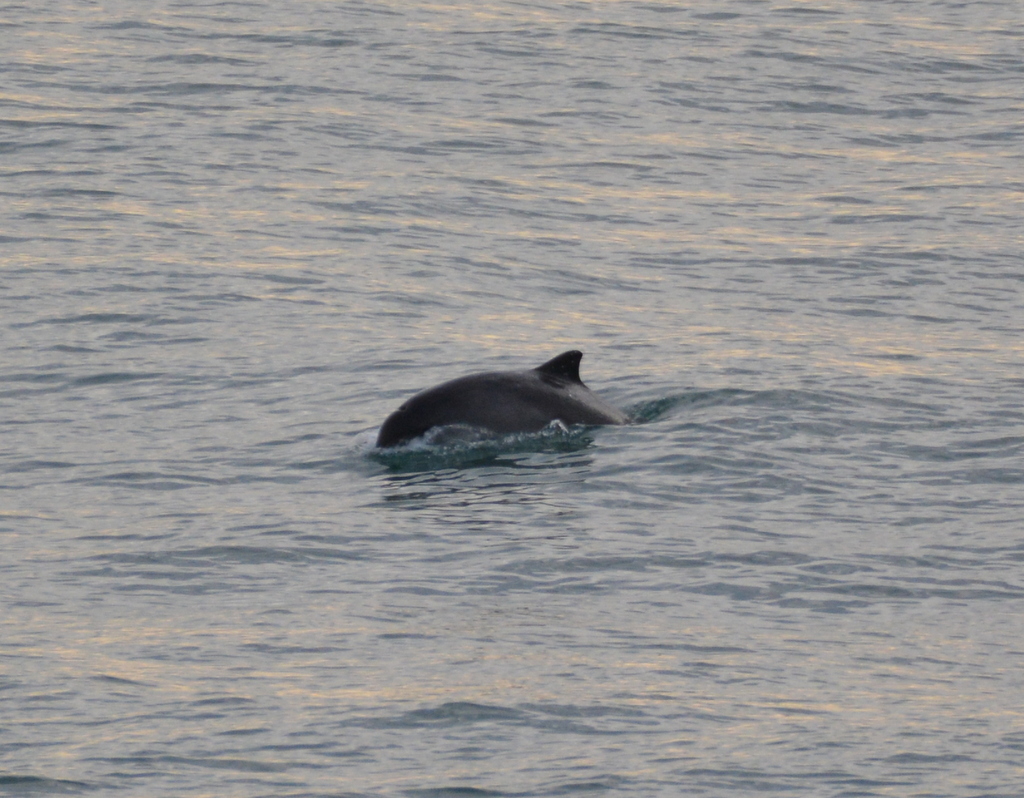 Harbour porpoisePhocoena phocoenaSeen in 20 countries in the AtlasLeast Concern
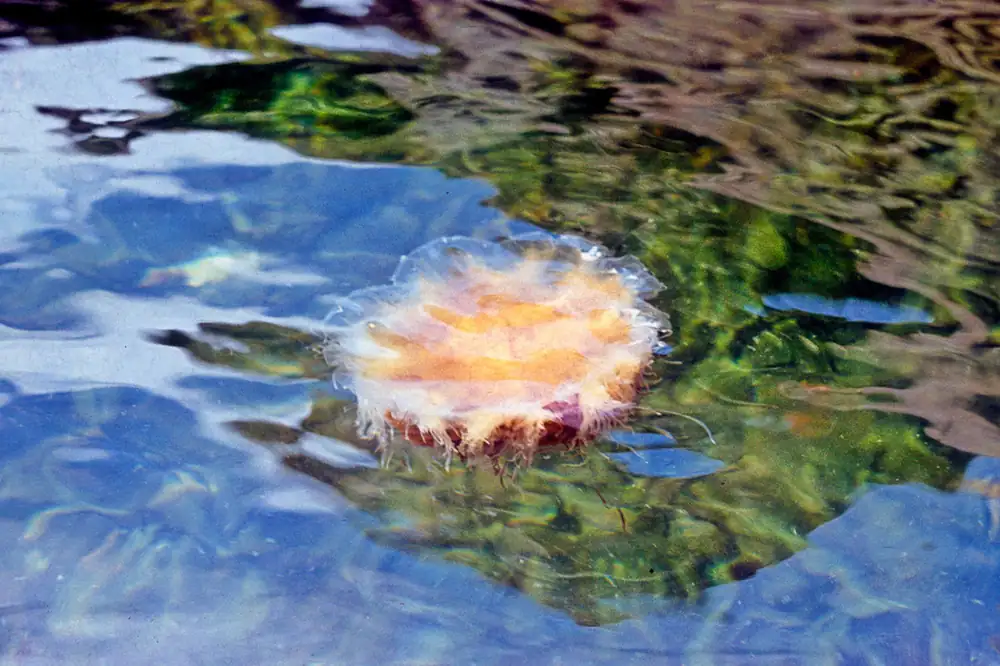 Lion's mane jellyfishCyanea capillataSeen in 13 countries in the AtlasNot Evaluated
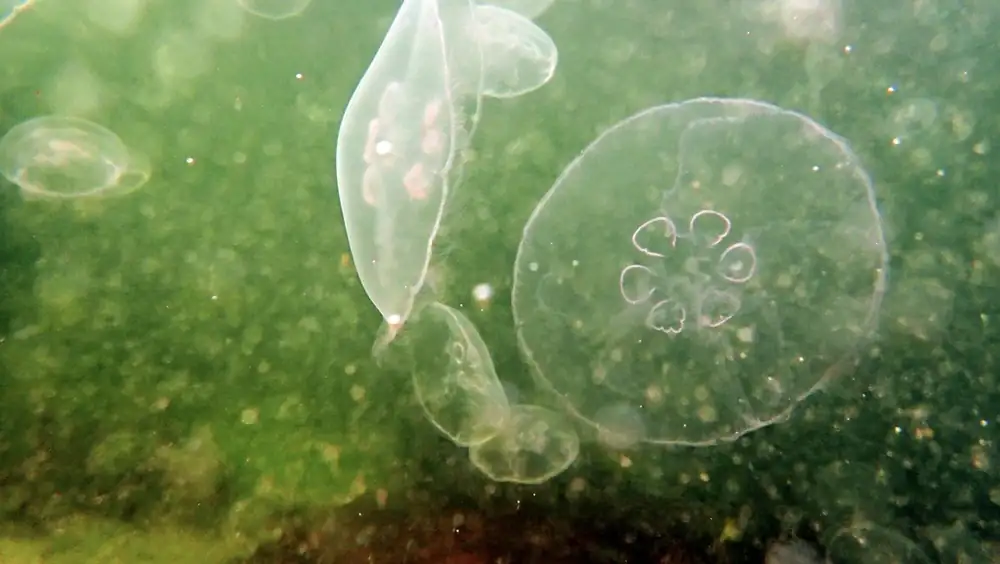 Moon jellyfishAurelia aurita and other Aurelia speciesSeen in 33 countries in the AtlasNot Evaluated
 Baltic ringed sealPusa hispida botnicaSeen in 4 countries in the AtlasLeast Concern
 Humpback whaleMegaptera novaeangliaeSeen in 87 countries in the AtlasLeast Concern
 Common bottlenose dolphinTursiops truncatusSeen in 89 countries in the AtlasLeast Concern
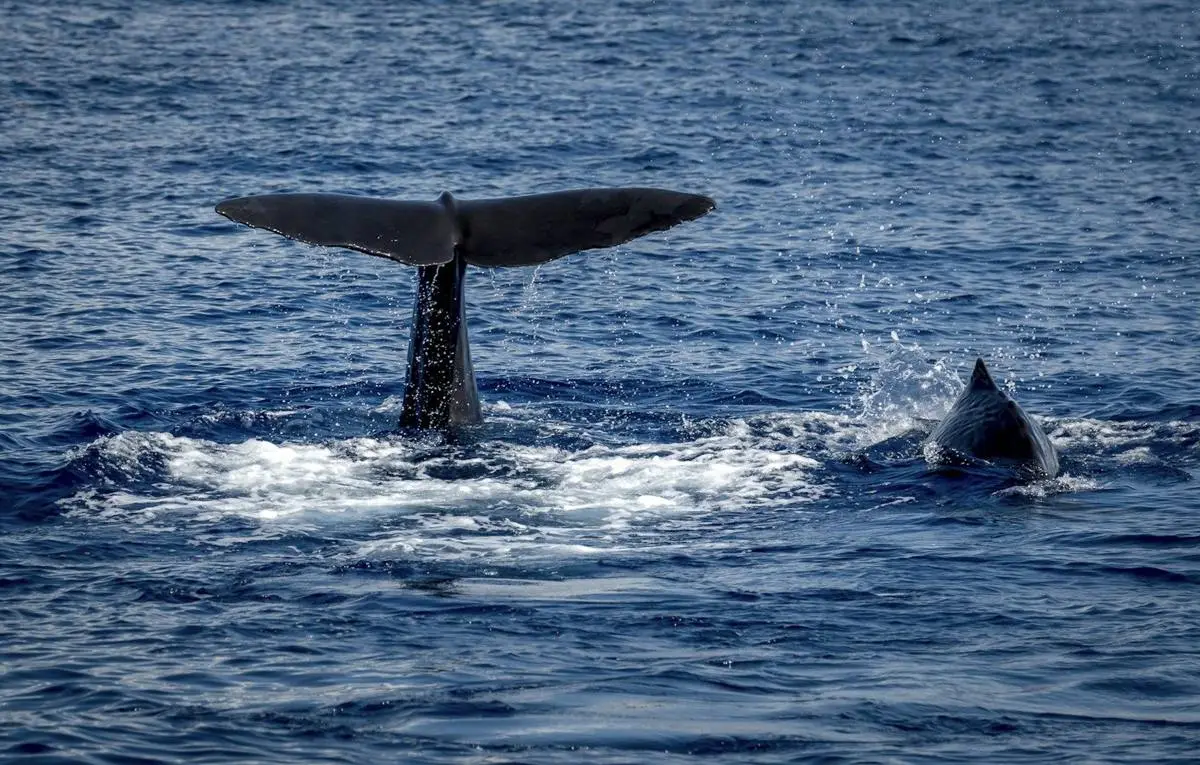 Sperm whalePhyseter macrocephalusSeen in 114 countries in the AtlasVulnerable
 Orca (killer whale)Orcinus orcaSeen in 55 countries in the AtlasData Deficient
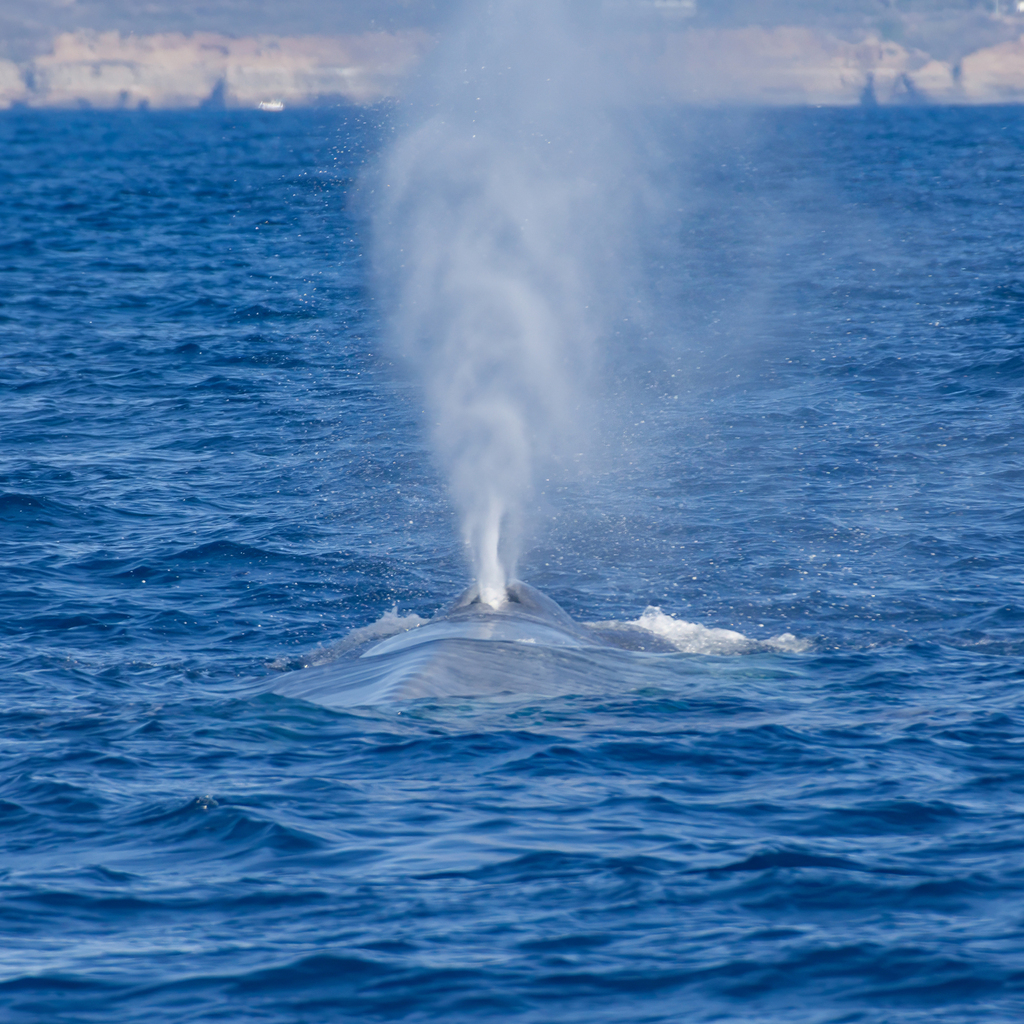 Blue whaleBalaenoptera musculusSeen in 29 countries in the AtlasEndangered
 Common dolphinDelphinus delphisSeen in 53 countries in the AtlasLeast Concern
 Fin whaleBalaenoptera physalusSeen in 37 countries in the AtlasVulnerable
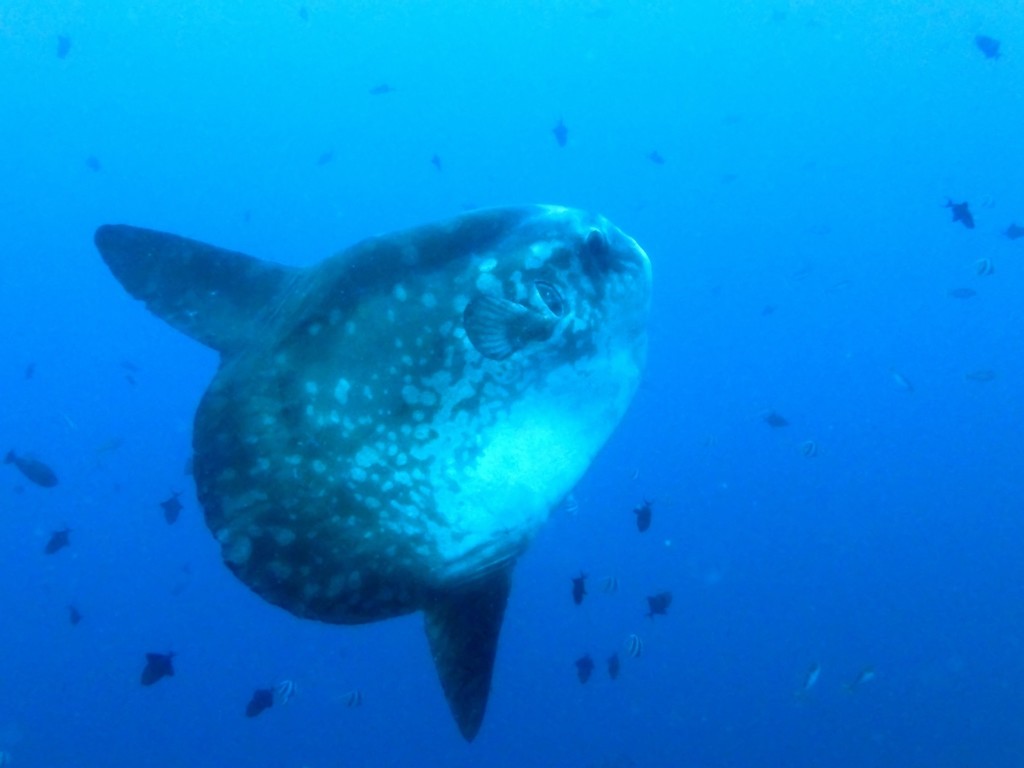 Ocean sunfish (mola)Mola molaSeen in 29 countries in the AtlasVulnerable
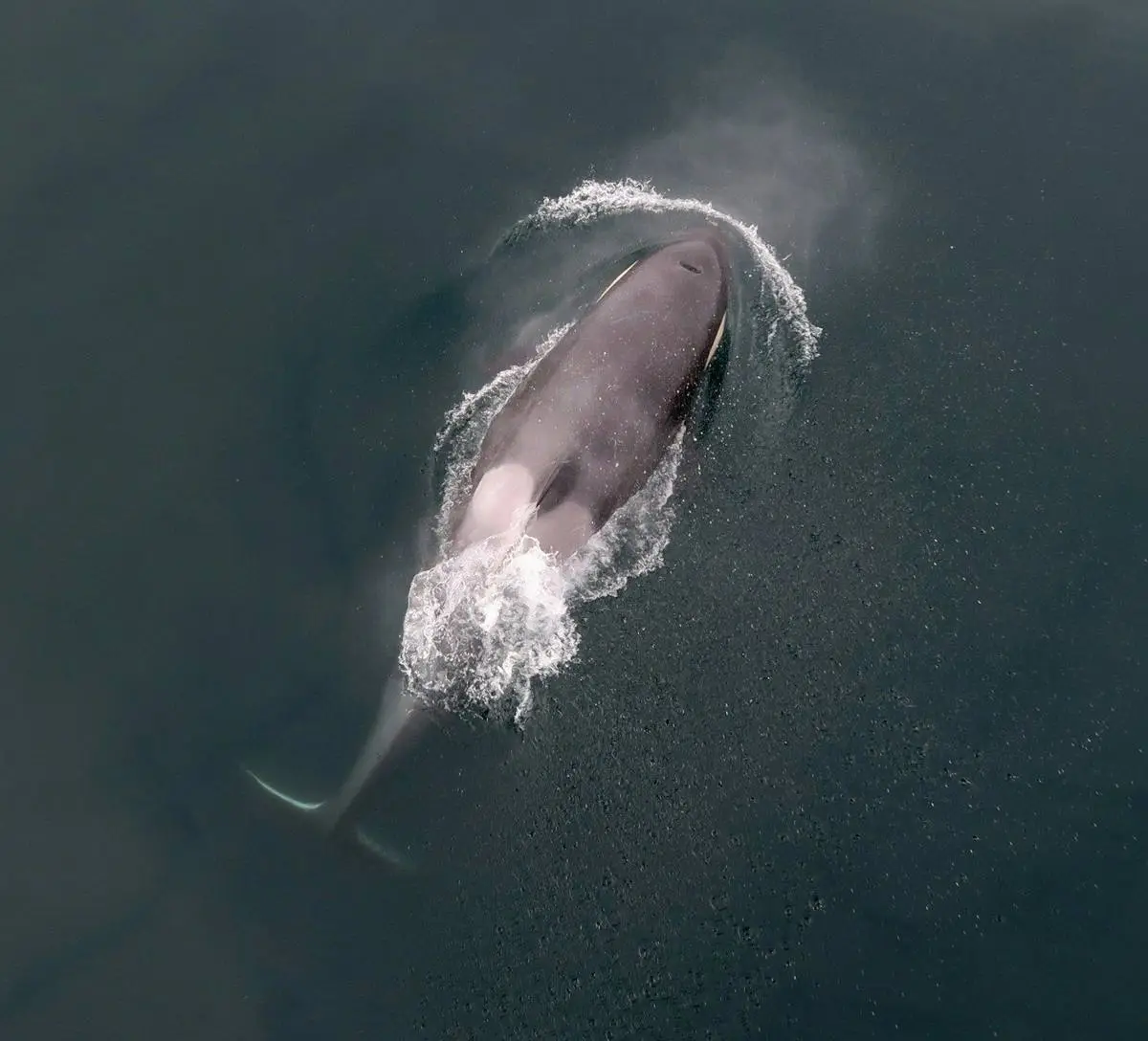 Common minke whale (North Atlantic)Balaenoptera acutorostrataSeen in 30 countries in the AtlasLeast Concern
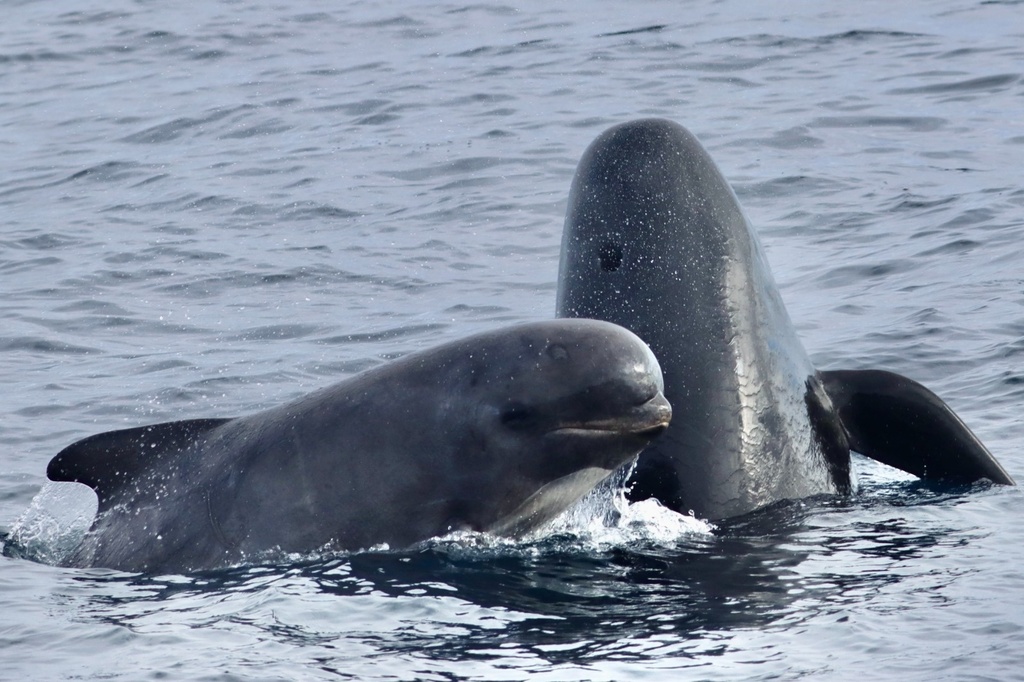 Long-finned pilot whaleGlobicephala melasSeen in 24 countries in the AtlasLeast Concern
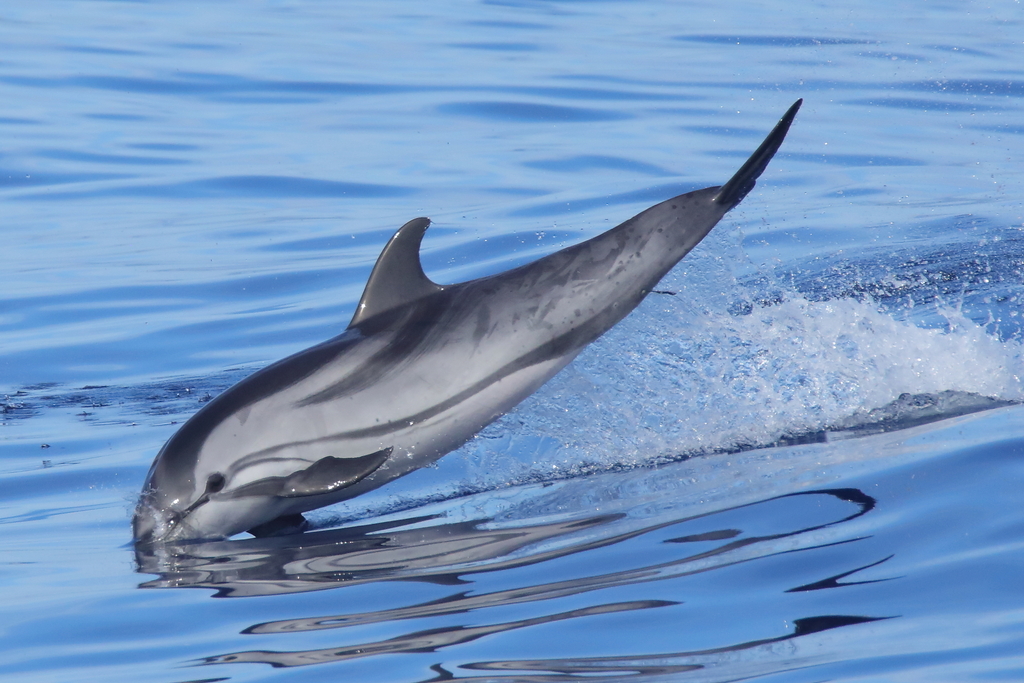 Striped dolphinStenella coeruleoalbaSeen in 43 countries in the AtlasLeast ConcernDwarf minke whaleBalaenoptera acutorostrata (dwarf form)Seen in 30 countries in the AtlasLeast Concern
 Beluga whaleDelphinapterus leucasSeen in 10 countries in the AtlasLeast Concern
 Oceanic whitetip sharkCarcharhinus longimanusSeen in 43 countries in the AtlasCritically Endangered
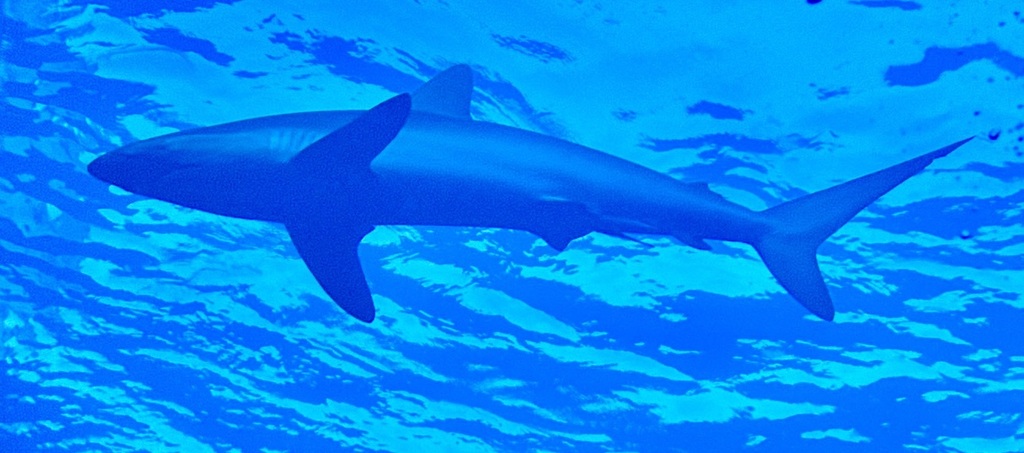 Silky sharkCarcharhinus falciformisSeen in 48 countries in the AtlasVulnerable
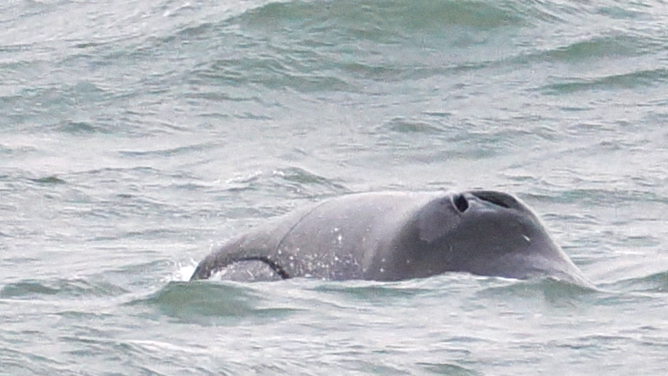 Bowhead whaleBalaena mysticetusSeen in 8 countries in the AtlasLeast Concern
 Northern bottlenose whaleHyperoodon ampullatusSeen in 15 countries in the AtlasNear Threatened
 Shortfin makoIsurus oxyrinchusSeen in 40 countries in the AtlasEndangered
 Spiny dogfishSqualus acanthiasSeen in 47 countries in the AtlasVulnerable
 Atlantic white-sided dolphinLagenorhynchus acutusSeen in 12 countries in the AtlasLeast Concern
 White-beaked dolphinLagenorhynchus albirostrisSeen in 14 countries in the AtlasLeast Concern
 Atlantic puffinFratercula arcticaSeen in 21 countries in the AtlasVulnerable
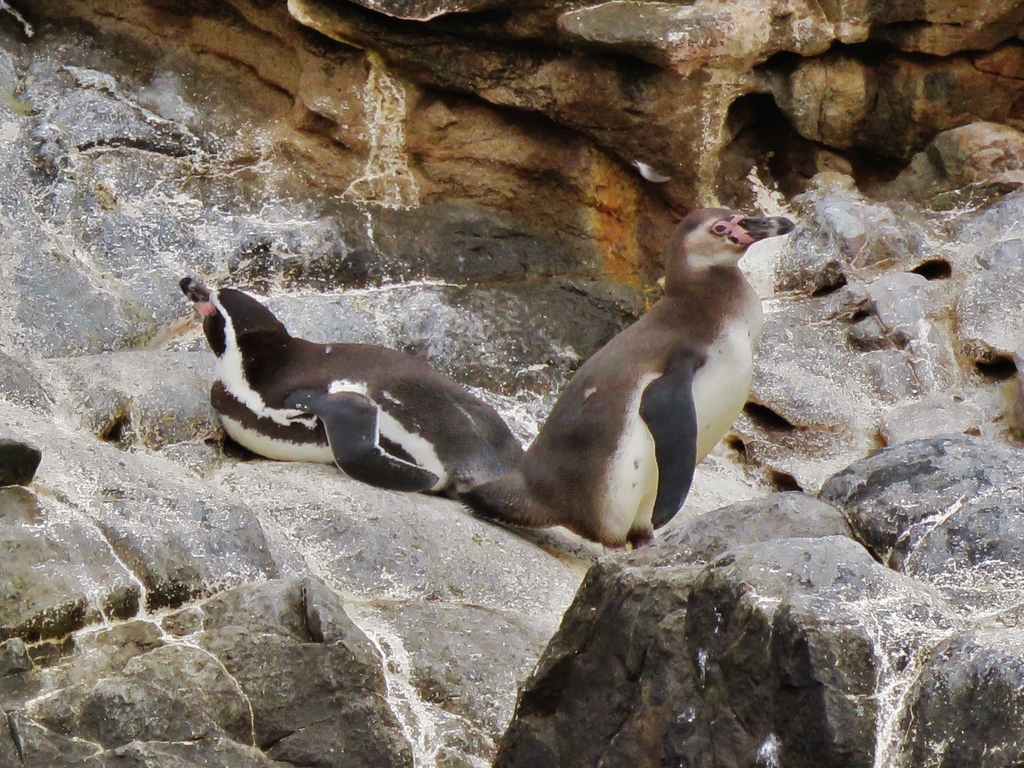 Humboldt penguinSpheniscus humboldtiSeen in 6 countries in the AtlasVulnerable
 Brown boobySula leucogasterSeen in 104 countries in the AtlasLeast Concern
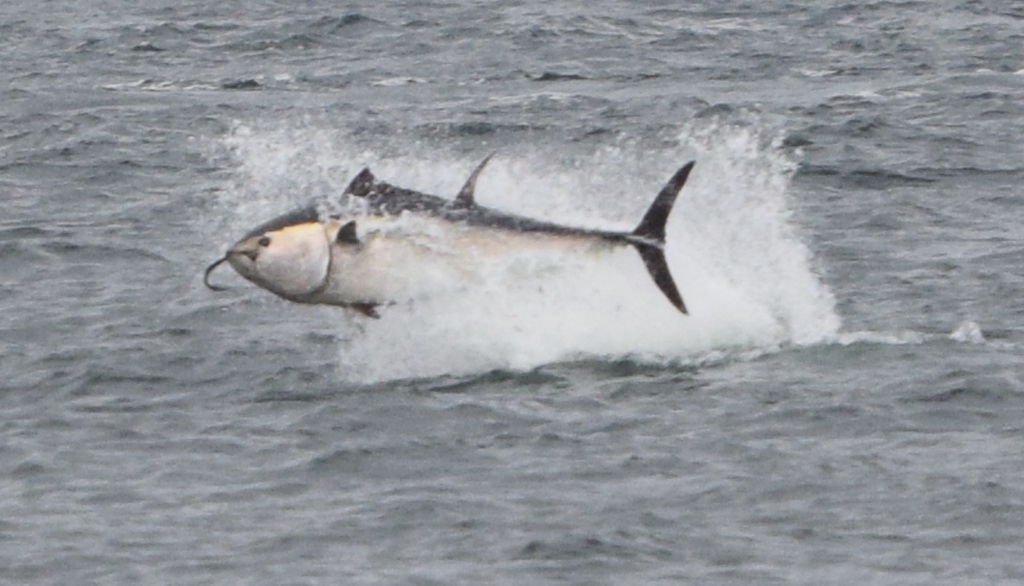 Atlantic bluefin tunaThunnus thynnusSeen in 39 countries in the AtlasLeast Concern
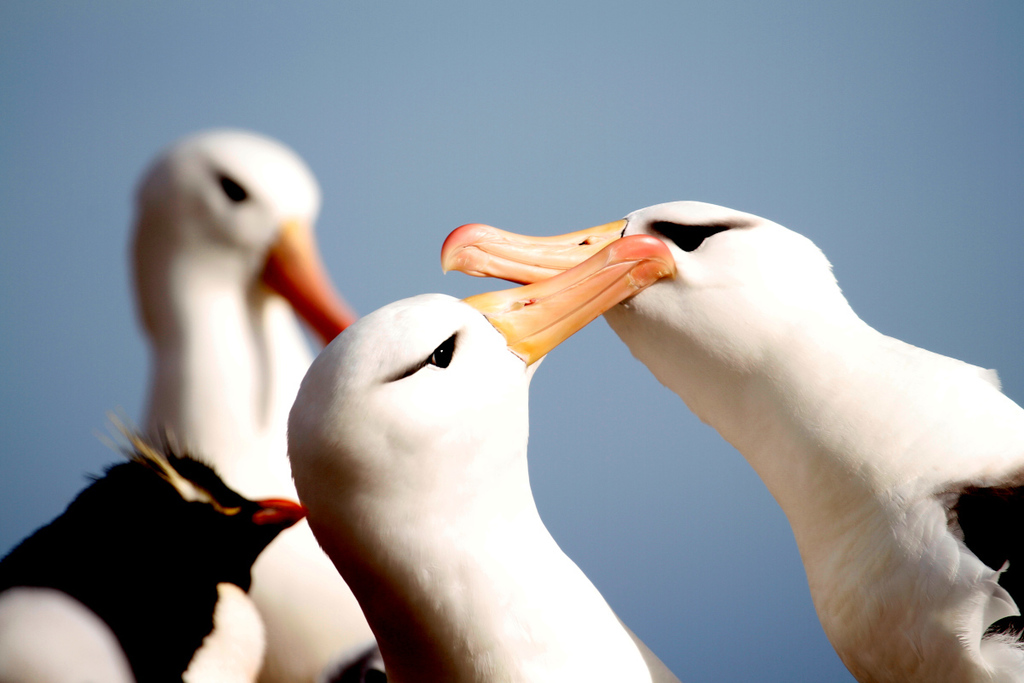 Black-browed albatrossThalassarche melanophrisSeen in 21 countries in the AtlasLeast Concern
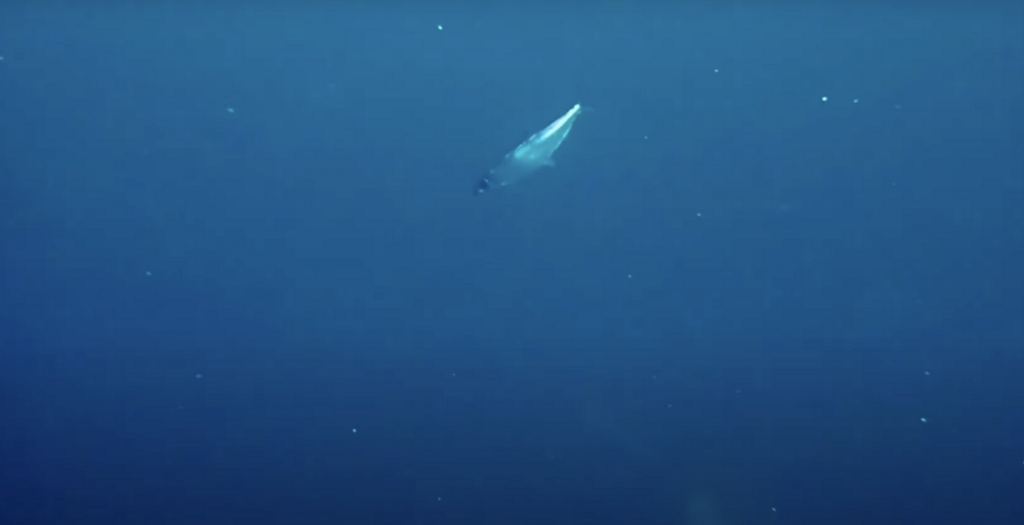 Atlantic herringClupea harengusSeen in 21 countries in the AtlasLeast Concern
 White-tailed eagleHaliaeetus albicillaSeen in 38 countries in the AtlasLives on landLeast Concern
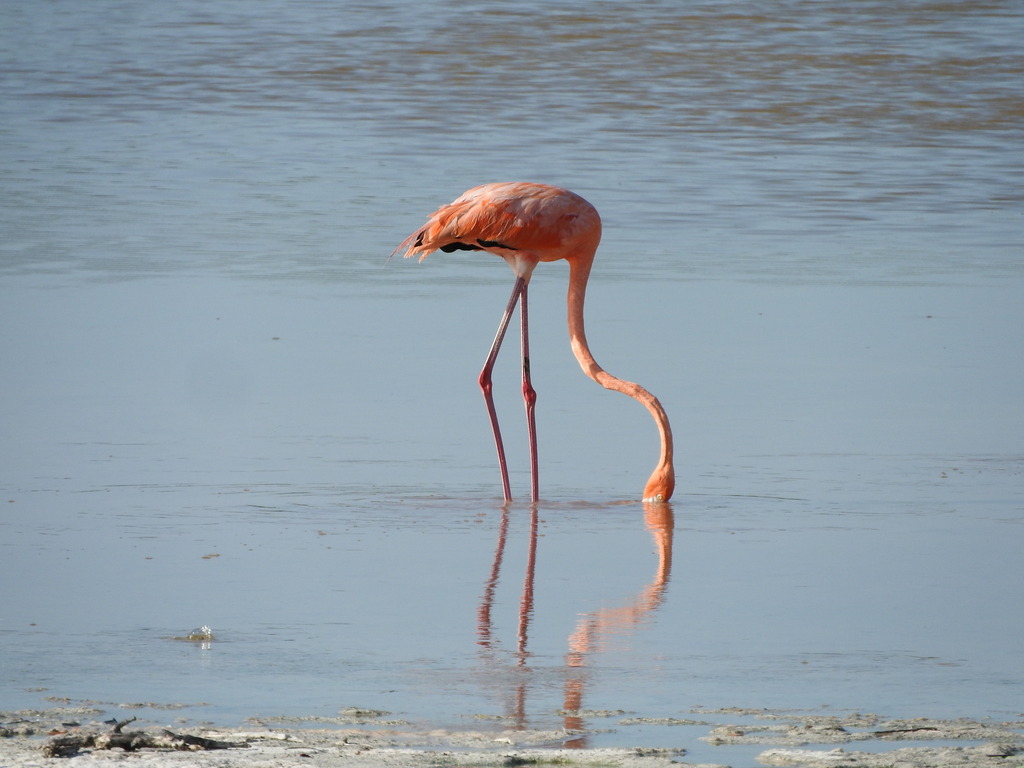 American flamingoPhoenicopterus ruberSeen in 47 countries in the AtlasLives on landLeast Concern
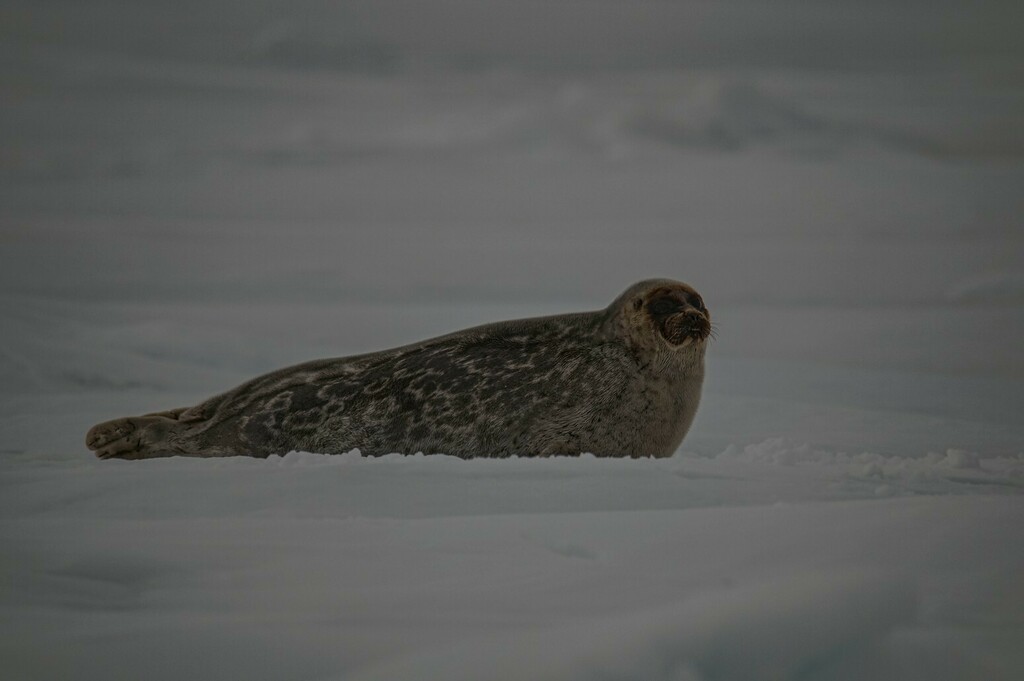 Ringed sealPusa hispidaSeen in 13 countries in the AtlasLeast Concern
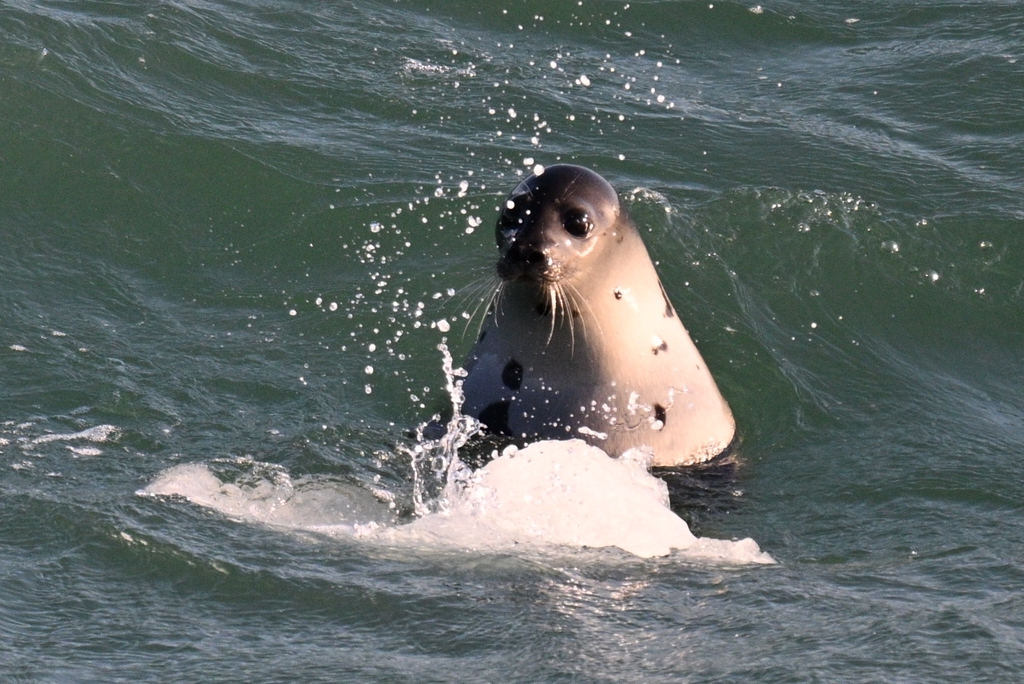 Harp sealPagophilus groenlandicusSeen in 10 countries in the AtlasNear Threatened
 Greenland sharkSomniosus microcephalusSeen in 8 countries in the AtlasVulnerable
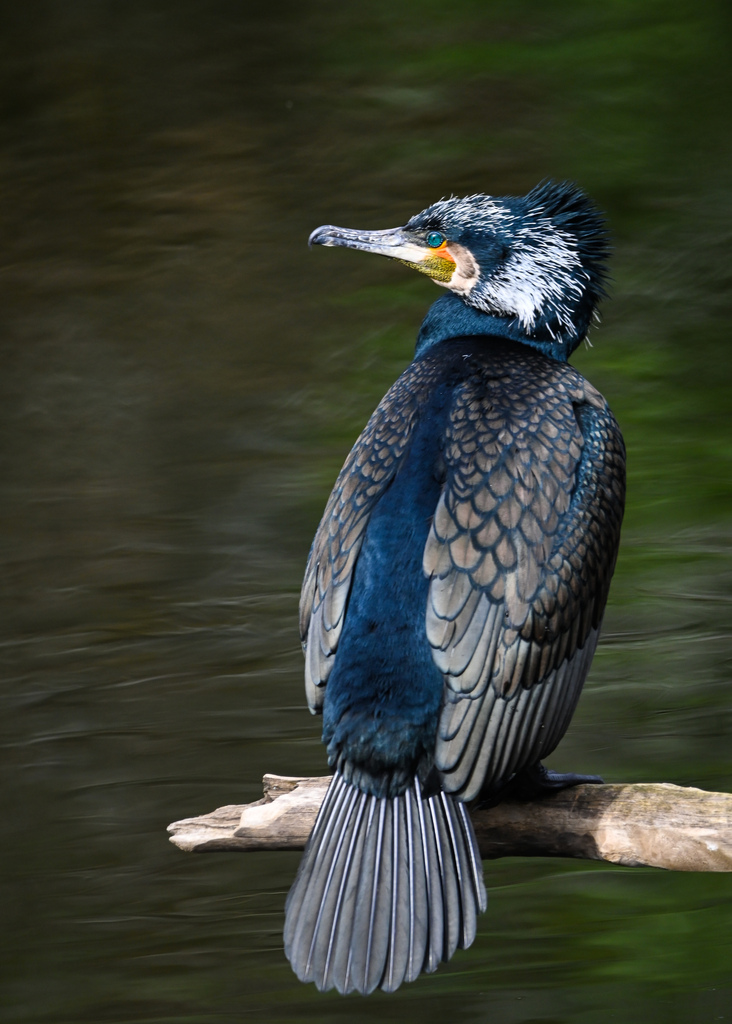 Great cormorantPhalacrocorax carboSeen in 90 countries in the AtlasLeast Concern
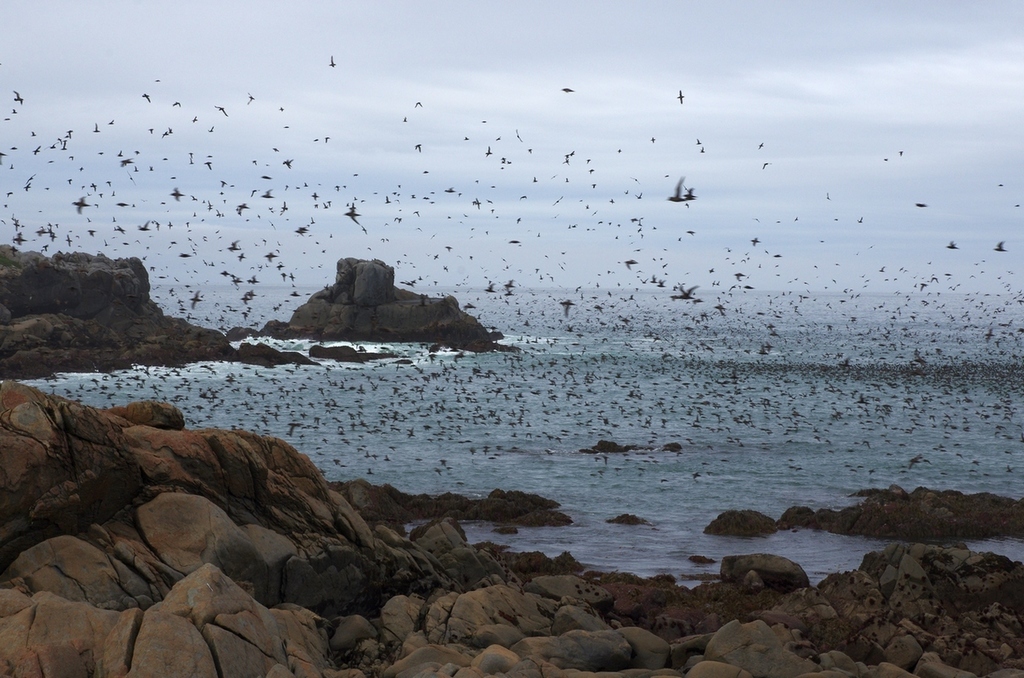 Sooty shearwaterArdenna griseaSeen in 53 countries in the AtlasNear Threatened
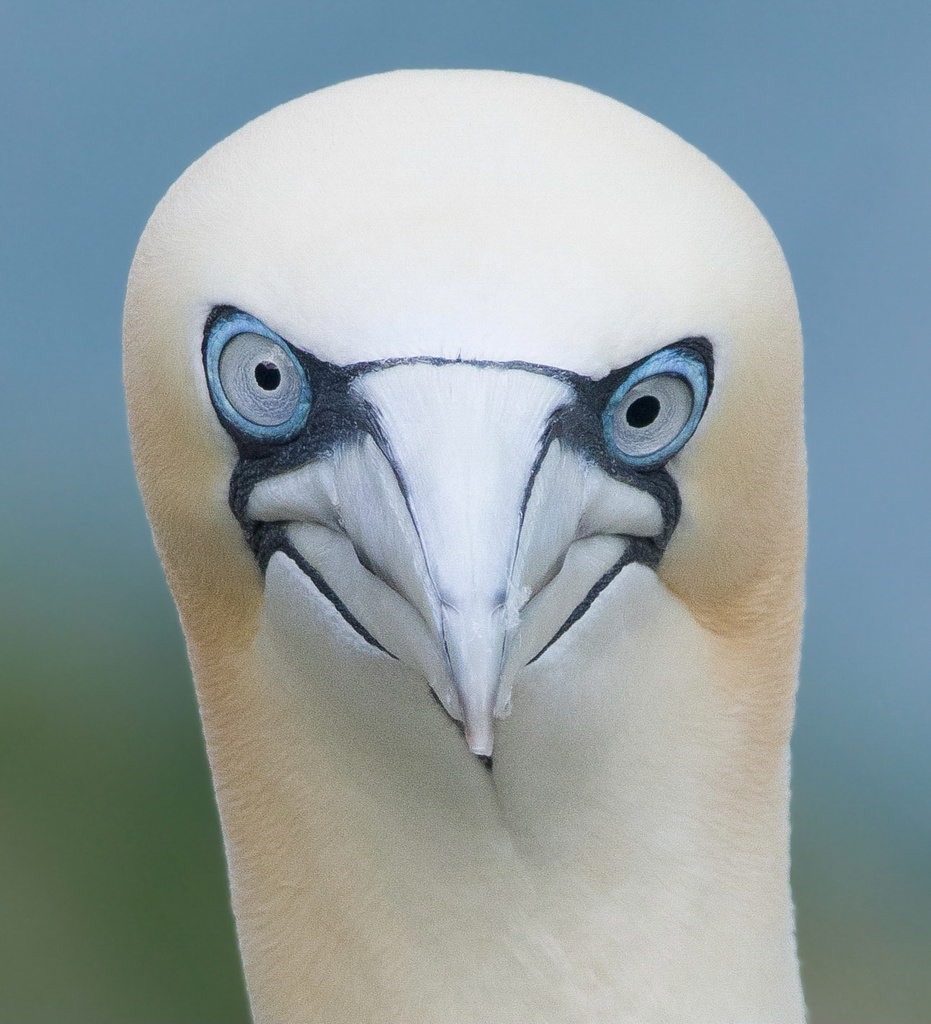 Northern gannetMorus bassanusSeen in 38 countries in the AtlasLeast Concern
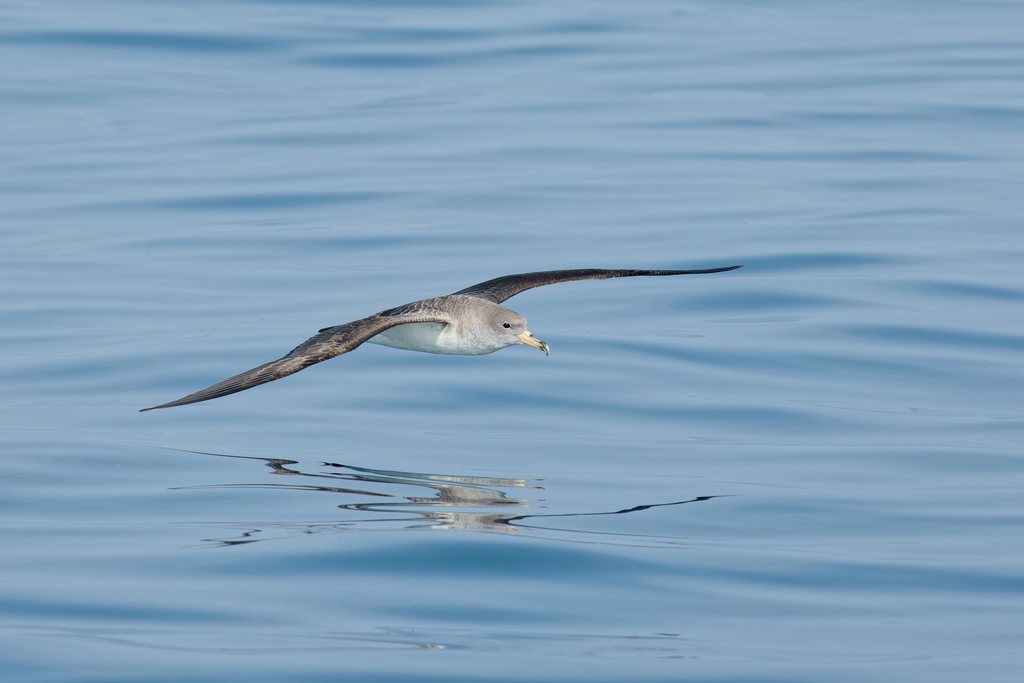 Scopoli's shearwaterCalonectris diomedeaSeen in 37 countries in the AtlasLeast Concern
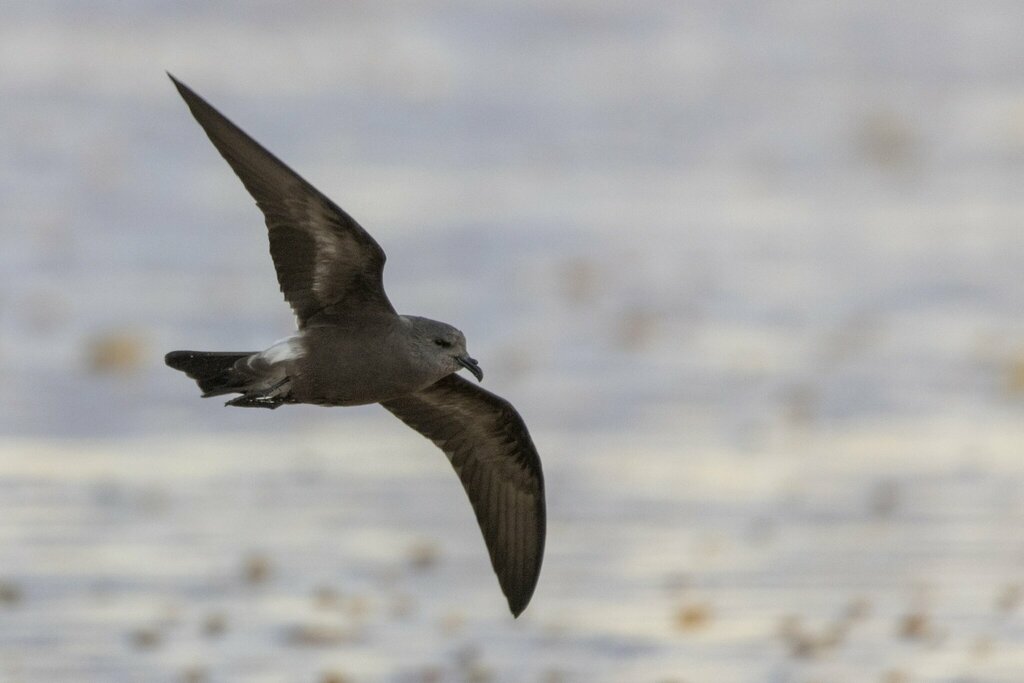 Leach's storm-petrelHydrobates leucorhousSeen in 35 countries in the AtlasVulnerable
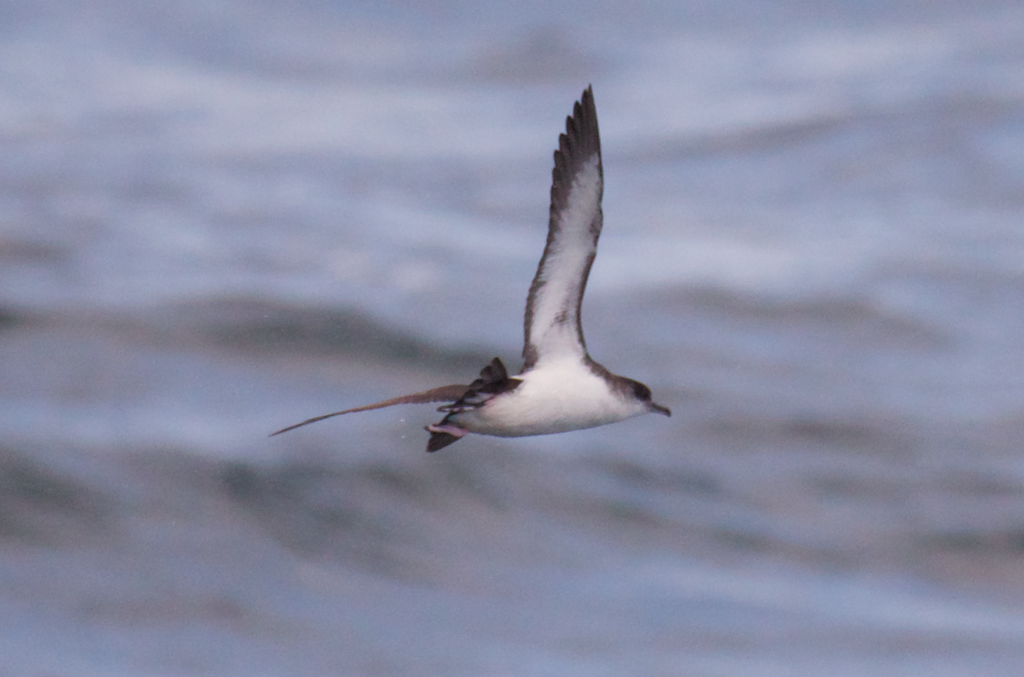 Manx shearwaterPuffinus puffinusSeen in 34 countries in the AtlasLeast Concern
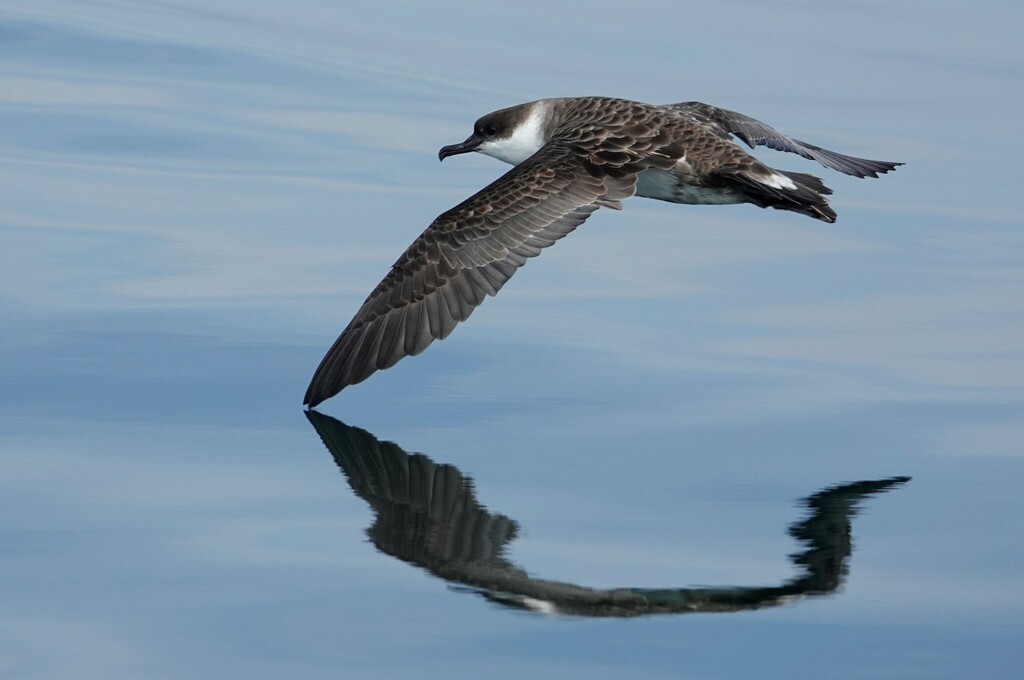 Great shearwaterArdenna gravisSeen in 32 countries in the AtlasLeast Concern
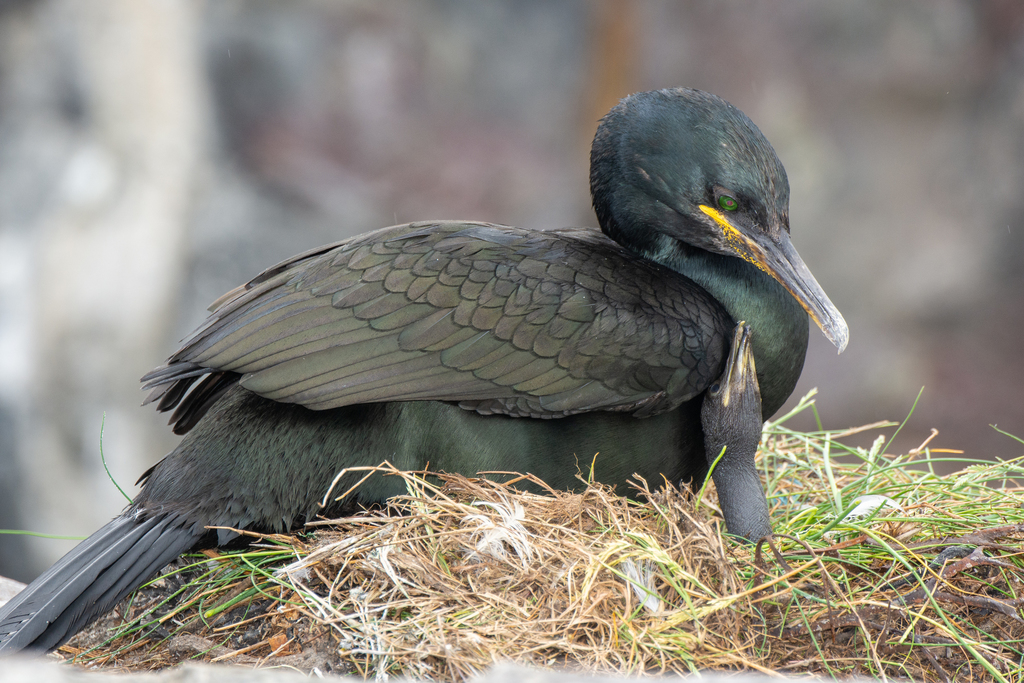 European shagGulosus aristotelisSeen in 31 countries in the AtlasLeast Concern
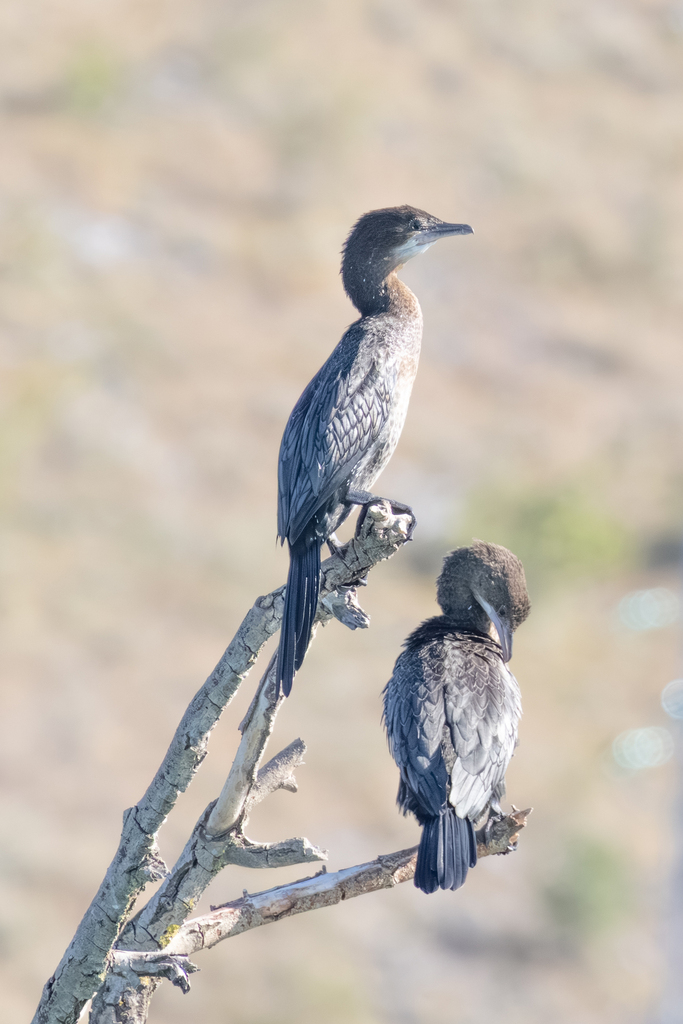 Pygmy cormorantMicrocarbo pygmaeusSeen in 26 countries in the AtlasLeast Concern
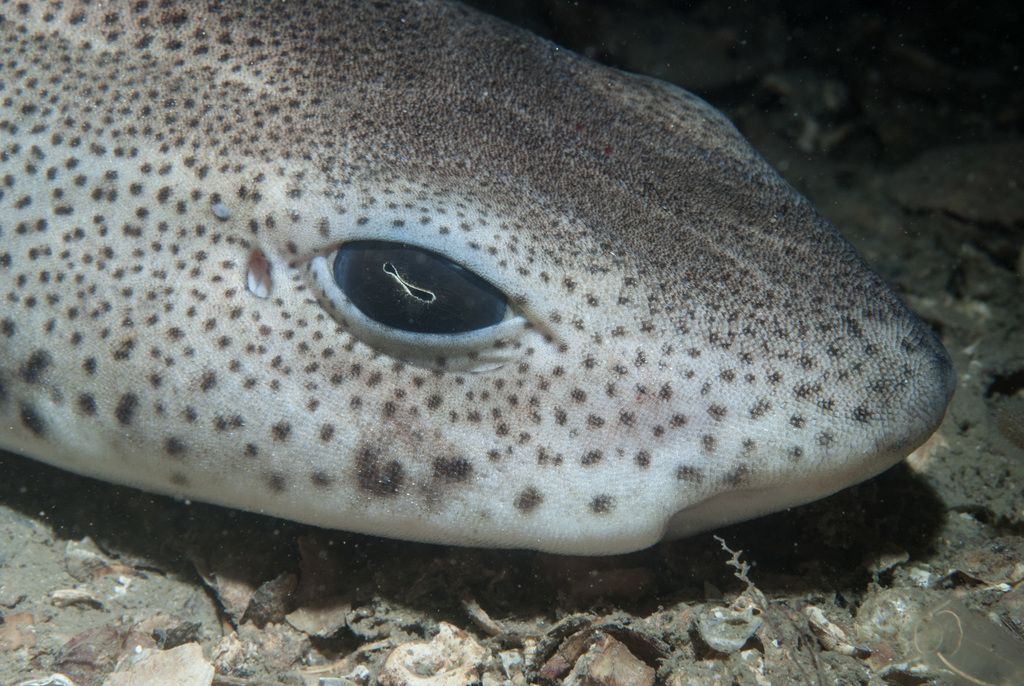 Small-spotted catshark (lesser spotted dogfish)Scyliorhinus caniculaSeen in 25 countries in the AtlasLeast Concern
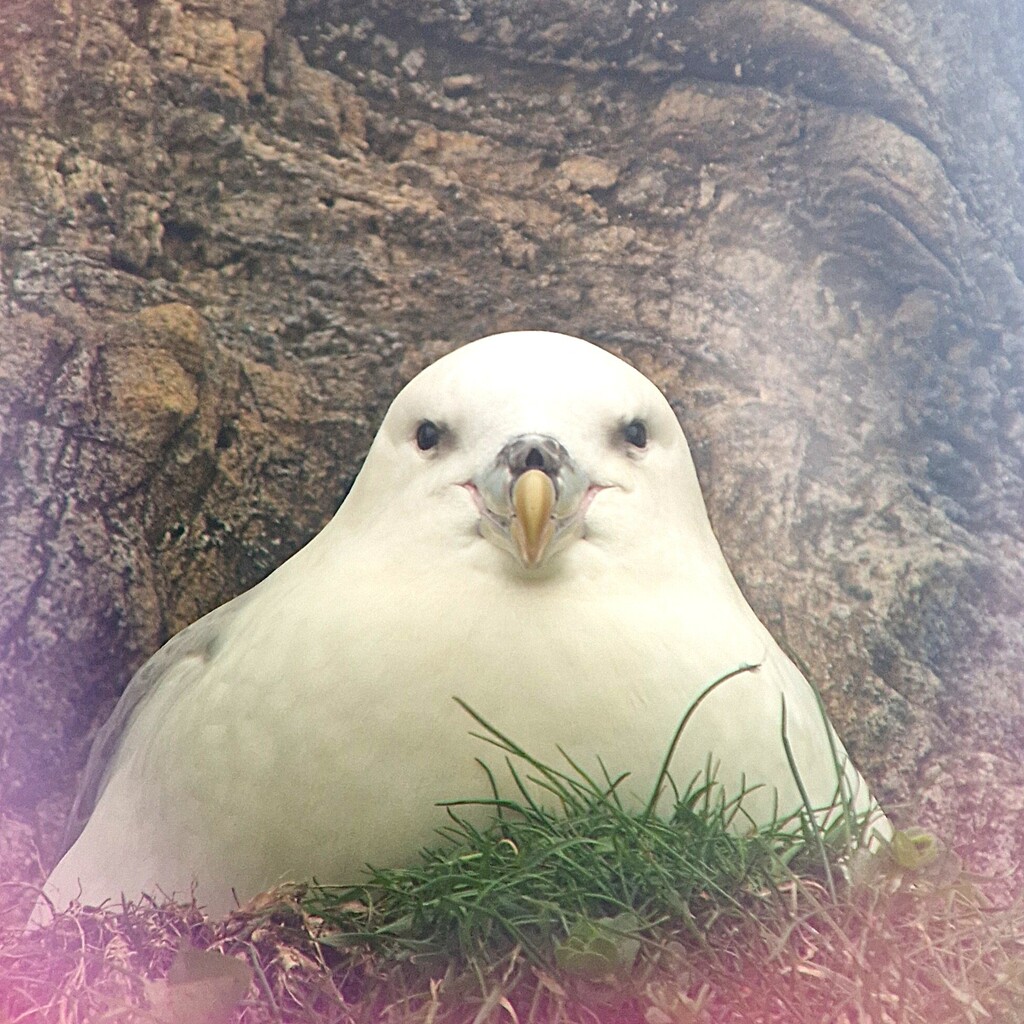 Northern fulmarFulmarus glacialisSeen in 19 countries in the AtlasLeast Concern
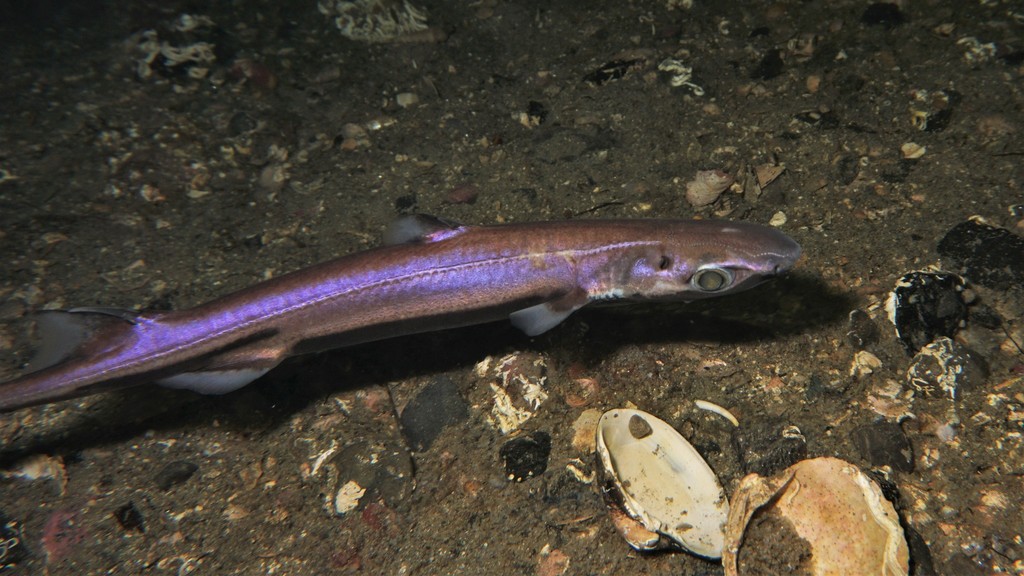 Velvet belly lanternsharkEtmopterus spinaxSeen in 17 countries in the AtlasVulnerable
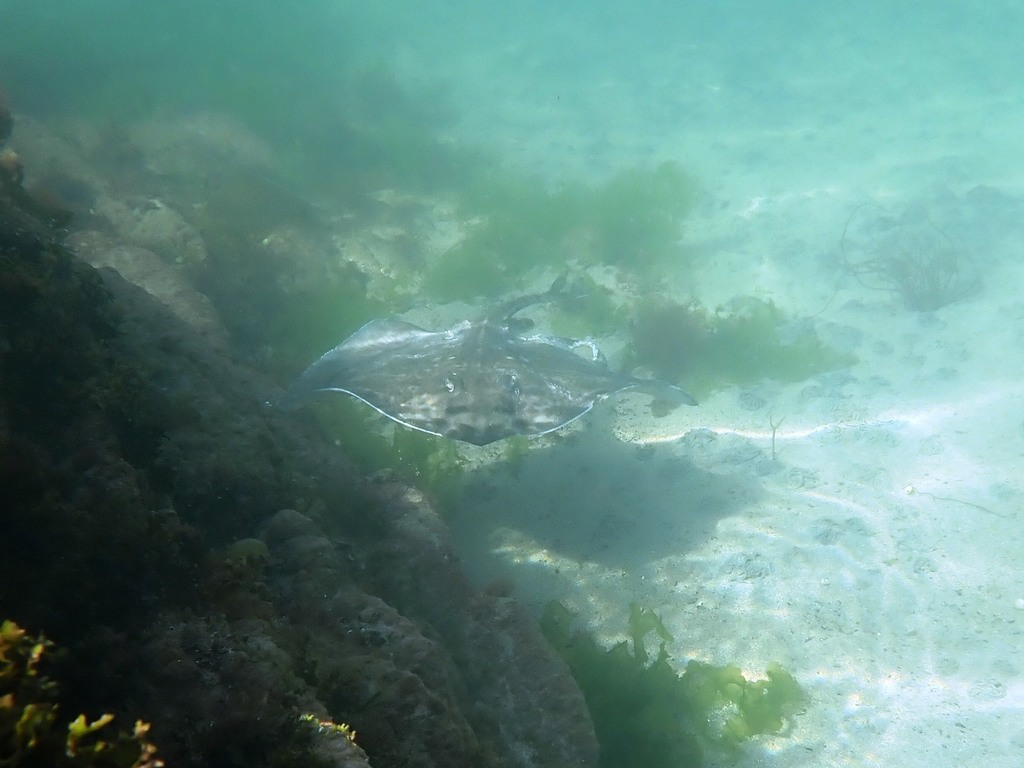 Thornback rayRaja clavataSeen in 16 countries in the AtlasNear Threatened
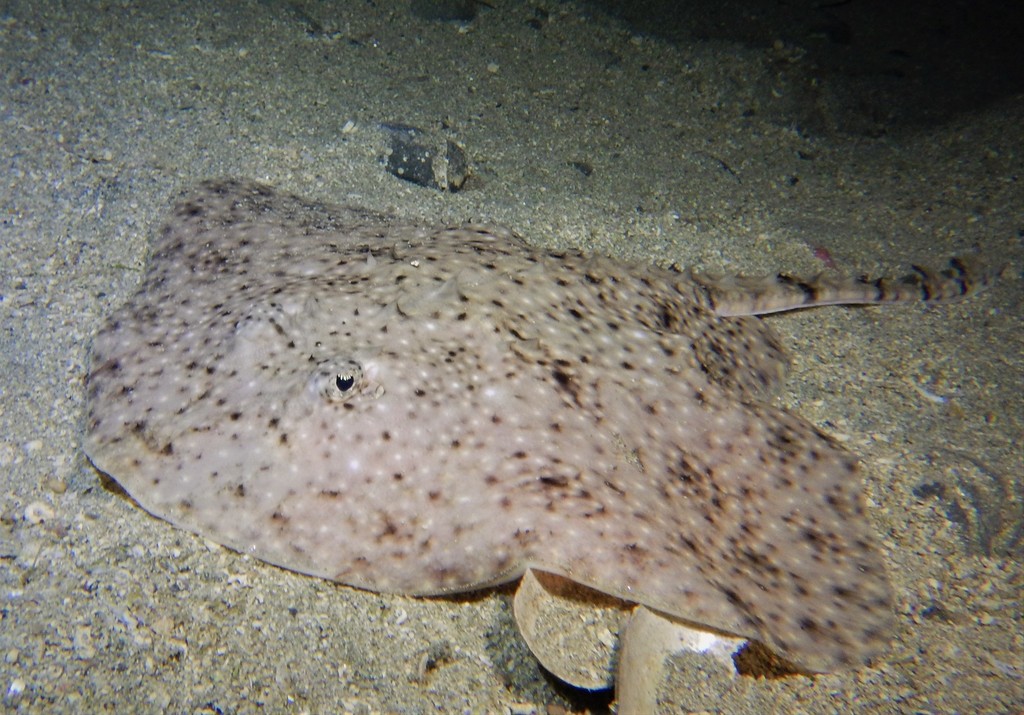 Starry ray (thorny skate)Amblyraja radiataSeen in 12 countries in the AtlasVulnerableBlue skateDipturus batisSeen in 9 countries in the AtlasCritically Endangered
Tell Rocío what you would love to see
There is no trip here yet. If enough people ask, it helps us decide where to go next.
 Albania
 Algeria
 Belgium
 Bulgaria
 Croatia
 Cyprus
 Denmark
 Estonia
 Faroe Islands
 Finland
 France
 Georgia
 Germany
 Gibraltar
 Greece
 Greenland
 Iceland
 Ireland
 Italy
Italy Latvia
 Lebanon
 Libya
Libya Lithuania
 Malta
Malta Monaco
 Montenegro
 Morocco
 Netherlands
 Norway
 Palestine
 Poland
 Portugal
 Romania
 Russia
 Slovenia
 Spain
Spain Syria
Syria Tunisia
 Türkiye
 Ukraine
 United Kingdom
Based in Sweden?
We are always happy to hear from exceptional local operators, accommodation, conservation organisations and destination experts in Sweden. If your work fits responsible, small-group ocean travel, we would love to learn more.
Partner with Ocean CallingNew: mobula rays in La Ventana, May 2027
CHF 2,720