
Bronchiectasis, Freediving and My Uncle’s Words
Before I left to learn to dive, my uncle, who was living with metastatic cancer, told me to follow my dream.
My way into the ocean carries a story of grief, fear, love, and a lung condition I did not yet know I had. Before I left to learn to dive and freedive, my uncle told me to follow my dream. He was living with metastatic cancer. While he was fighting for his life, he reminded me to live mine.
“Rocío, pursue your dream”
His message was simple: pursue your dream. You are happy in the sea. Don’t let the world bring you down or fill your life with stress. You always shine in the ocean.
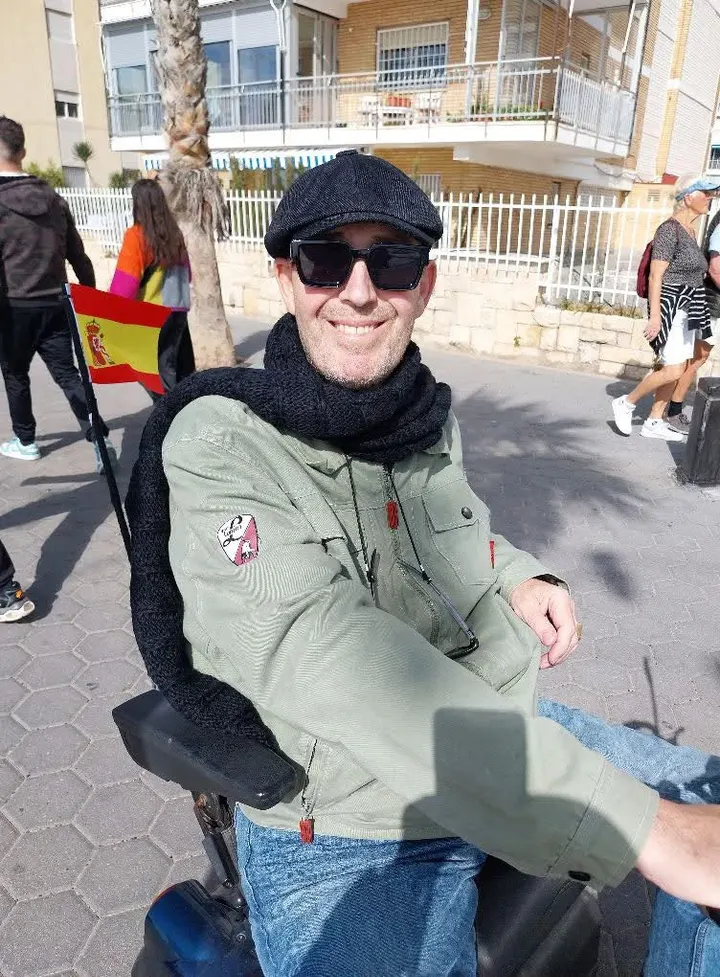
His cancer affected his lungs, pancreas and bowel. He was going through so much, and still he was pushing me towards something that made me happy.
I left to learn scuba diving and freediving. His words came with me.
Learning to freedive in Indonesia, when I wanted to give up
There were moments when I wanted to stop.
In Indonesia there was flooding, and the waves were hard. On top of the weather, I was struggling with the skills themselves.
My ears hurt so much. I couldn’t equalise, which means balancing the pressure in my ears as I go underwater. Sometimes I couldn’t dive at all. Even a duck dive, the movement that takes you below the surface, felt difficult. I was terrified of letting water into my mask and learning to clear it.
If that fear sounds familiar, a mask that fits your face well helps a lot. A low-volume mask holds less water to clear, which can make that first skill a little less scary.
I wanted to feel comfortable in the ocean, but I was afraid and frustrated.
In those moments, I thought of my uncle. I remembered what he had told me about how happy I was in the sea.
I also thought about people living with serious illness or disability, and people wishing for one more chance to do something they loved. It made me want to use the chances I had with more care.
Losing my uncles while I was far from home
My uncle passed away while I was still in Indonesia, learning to freedive.
That night, I had posted a photo on my personal Facebook with one word: Freedom. I thought I was doing what he had told me to do. I did not know that the photo had an aura, like a ring above my head.
That same night, Oksana, my uncle’s partner, messaged me to say that he had passed away. I knew he was okay. I had the support of my friends.
One month later, my second uncle, Kiko, passed away from prostate cancer.
Being so far away, I pushed my feelings down and focused on what I could do. I put my attention into animal welfare, the ocean and nature, the things they loved and had taught me to love.
I focused on my body and mind, and on the feeling of freedom I found in the sea.
It was how I coped at the time. My grief was still there, even when I was busy learning or caring about something outside myself.
My family’s love for nature is part of the story behind Ocean Calling. When I care for animals and the places they live, I carry that love with me.
Vietnam: another hard time, with more flooding
Later, in Vietnam, I had another hard time. My uncles had already passed away by then, and there was flooding there too.
His words came with me there as well: you always shine in the ocean.
Why I kept freediving
If you have never tried freediving, you really need to empty your thoughts before you go in. It is very meditative.
In the water I cannot smell anything, and the pollution that bothers my lungs on land does not bother me there. It relaxes me, and that is why I kept going.
Seeing so many colourful fish helped me get through things.
Freediving also has real risks, and I learned to respect them. The urge to breathe comes mostly from rising carbon dioxide, and breathing very fast before a dive can delay that urge until oxygen is dangerously low. That is why freedivers never dive alone, and always have a buddy watching from the surface.
Can you freedive with bronchiectasis? The diagnosis I didn’t expect
For a while, my cough was very bad and I kept getting sick very often. I could not be around allergens, cold air, smoke or perfumes. I thought it might be asthma, or just sensitivity.
Lung cancer is part of my family’s story. My uncle Daniel, my dad’s brother, and my great-grandmother both passed away from lung cancer. So when I realised how bad my cough was, I pushed my tests a bit further.
Three months after my second uncle passed away, I learned that it was bronchiectasis.
I live with permanent lung damage and a disability. This is part of my life, including the parts people may not see when they watch me enjoying the ocean.
Bronchiectasis damages the airways in the lungs. It cannot usually be cured, but treatment can help manage the symptoms and lower the risk of them getting worse.
For me, the diagnosis meant understanding that I needed to care for a lasting condition. I wanted to keep it as stable as possible, while still making space for the things that give my life meaning.
The sea is where I found peace. That is my personal experience, not a claim that it repaired my lungs. Diving-medicine references list bronchiectasis as a contraindication to diving, so this is never a question to answer alone: it belongs with your own doctor.
And following a dream does not mean ignoring what my body needs. Caring for my health is part of the life I want to live. I follow up with my doctors regularly, and I adjust my sessions to what they tell me.
This is why safety matters so much to me, and not only for our guests. It matters for me too. When I choose who we work with, I ask the questions I would want answered for myself.
Why whales feel so close to me
I live with permanent lung damage, so breathing is never something I take for granted. Maybe that is part of why whales feel so close to me.
Whales do not make the oxygen we breathe. The ocean’s tiny floating plants, called phytoplankton, do most of that work, and studies suggest that what whales leave in the water can help feed them. That is why I say that whales help us breathe. It is not a medical claim about my lungs or anyone else’s. It is a way of seeing how connected the sea and our breath are.
The full, sourced version is in Whales help us breathe: the whale pump, explained.
Time does not come back
When I say “pursue your passion”, I am thinking of my uncles.
I am thinking of someone facing cancer who still found the love to tell me: go, learn, be happy. You shine in the ocean.
I am thinking of the moments when I wanted to give up, and how his words helped me remember why I had started.
That love is part of the purpose behind Ocean Calling Retreats: the ocean, care for animals, and space to move at our own pace.
I cannot bring my uncles back. I can carry what they taught me into how I live and what I care for.
If there is something you love, give it a place in your life, in whatever way is possible for you now.
Time does not come back. My uncle’s words stay with me: Rocío, pursue your dream.
If this made you curious about meeting the ocean this way, you can explore our retreats.
Questions people ask
Can someone with bronchiectasis scuba dive or freedive?
This is a personal account, not medical advice. Standard diving-medicine references, such as the MSD Manual table of medical contraindications to diving, list bronchiectasis among the lung conditions that are contraindications to diving. Please talk to your own doctor, ideally one trained in dive medicine, before any diving. Dive and freediving schools also ask guests to complete a medical questionnaire.
What is bronchiectasis?
It is a long-term condition in which the airways in the lungs are damaged. It cannot usually be cured, but treatment can help manage the symptoms and lower the risk of them getting worse (NHS).
Do whales really help us breathe?
Whales do not make oxygen, but studies suggest that what they leave in the water can help feed the phytoplankton that do. How much this matters worldwide is still being studied. Read the full explanation.
Why should you never freedive alone?
Because a blackout from low oxygen can happen without warning, often near the surface at the end of a dive, and a diver who blacks out cannot rescue themselves. DAN warns that hyperventilating before a dive makes this more likely.
Where can I donate to cancer research in Daniel’s and Kiko’s memory?
You will find links to cancer research charities in the United States, Switzerland, Spain and the United Kingdom in the “In memory of Daniel Ruiz and Kiko” box above. Ocean Calling does not collect the donations. Each link goes straight to the charity.
This is a personal account based on my own recollections. It does not establish medical fitness for scuba diving or freediving. If you live with a lung condition, please talk to your own doctor, ideally one trained in dive medicine, before diving.
If you would like to find the ocean that fits you, our Ocean Match is a gentle place to start.
Sources & further reading
- Bronchiectasis. NHS, reviewed 2025.
- Specific medical contraindications to diving (table). MSD Manual Professional Edition, accessed 2026.
- Hypoxia in breath-hold diving. Divers Alert Network, Alert Diver, accessed 2026.
- How much oxygen comes from the ocean?. NOAA National Ocean Service, accessed 2026.
- Roman and McCarthy. The whale pump: marine mammals enhance primary productivity in a coastal basin. PLOS ONE, 2010.
More from Rocío: Rocío’s story · The experience that led me to create Ocean Calling Retreats · Whales help us breathe: the whale pump, explained · Ocean Atlas
Freediving certification in Bali: Amed, USAT Liberty wreck and Ubud
Freediving certification · Amed & Ubud, Bali, Indonesia
Ocean breath first, sacred water after. If this made you want to learn to freedive, this is our beginner-friendly course.