
How to Travel With Less Plastic When Visiting Islands
Simple, checked ways to travel with less plastic on islands, from what to pack to why remote beaches catch waste that is not theirs.
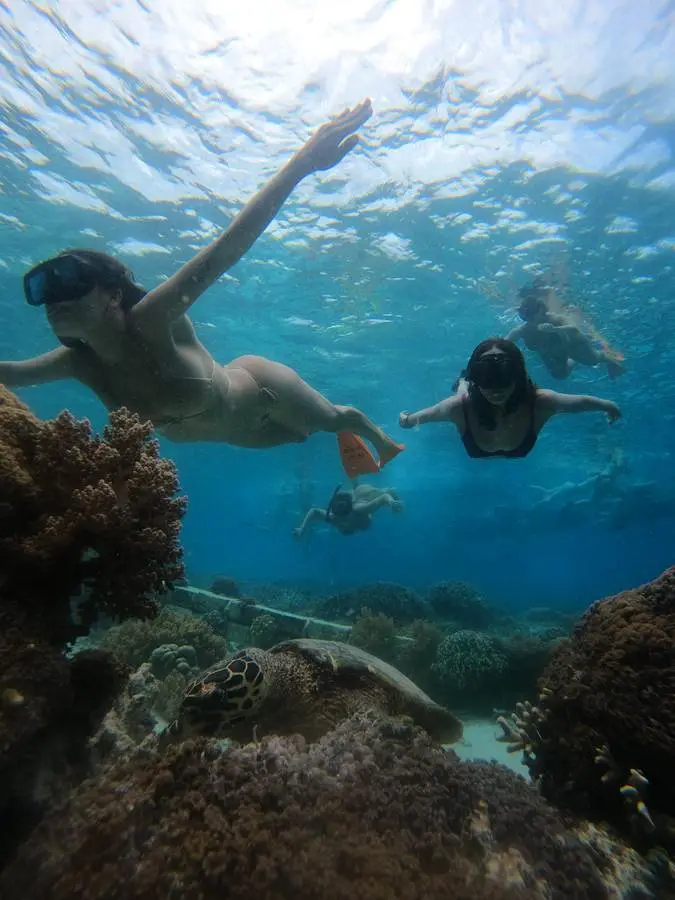
Imagine watching a small boat carry rubbish away from an island because there is nowhere on land to put it. After that, packing starts to look different. Islands do not make more plastic waste than other places. They just have fewer places to hide it, and the ocean is right there to carry it away or wash it back in. So how do you travel with less plastic on islands? Bring a few reusables from home, refill water instead of buying bottles, choose less packaging, and ask your local hosts what really helps on their island.
Why plastic behaves differently on islands
Most island communities live with little land. That means little space for landfill and, often, the extra cost and work of shipping waste somewhere else. Add a coastline on every side, and anything that is not managed well has a short trip to the water.
Once plastic reaches the ocean, it does not really go away. It breaks down. NOAA calls pieces smaller than five millimetres, about the size of a pencil eraser, “microplastics.” Many come from larger plastic items that break into smaller and smaller pieces. Others are made small on purpose, like resin pellets and microbeads, or come off as fibres from synthetic clothes and rope. NOAA is also honest that much is still unknown about their effects.
What we do know is that marine animals eat plastic. A 2025 study led by Ocean Conservancy, published in PNAS, looked at how much swallowed plastic is lethal for seabirds, sea turtles and marine mammals, and its dataset included all seven sea turtle species. According to summaries of the study, about 35% of the seabirds, 12% of the marine mammals and 47% of the sea turtles in the data had swallowed plastic. Ocean Conservancy staff also write that nearly 1,300 ocean animal species have been recorded with ingested plastic.
Even islands where nobody lives are not spared
This is not only a problem for busy tourist islands. In 2015, researchers surveyed the beaches of Henderson Island in the South Pacific, a UNESCO World Heritage site with no permanent residents. In a 2017 paper in PNAS, they estimated about 37.7 million pieces of debris weighing about 17.6 tonnes on the island, with up to 671.6 items per square metre on the beach surface. It was the highest density reported anywhere in the world at the time. Up to 26.8 new items per metre of beach were arriving every day.
Nobody living there produced it. The island sits near the centre of the South Pacific Gyre, a large system of ocean currents, and the debris simply arrived. The authors noted that all of it together equals only about two seconds of the world's yearly plastic production.
That is the part worth sitting with before a trip. Even a quiet, low-impact island can end up holding waste that travelled thousands of kilometres to get there.
What should you pack for low-plastic island travel?
You do not need to change your whole life. Just put a few things in the bag before you leave home, because plastic-free options are not always easy to find once you arrive:
- a reusable water bottle
- a fabric tote or foldable shopping bag
- a reusable food container
- metal or bamboo cutlery
- a reusable coffee cup
- solid shampoo or soap bars
- mineral sunscreen in minimal packaging
- a reusable straw, if you use one
- a light cloth pouch for snacks or fruit
Small, unglamorous things. But they cover most of the moments when a plastic bottle, bag or fork would otherwise be the only choice. Our tropical travel kit list includes reusable bottles and packing cubes, and the mineral sunscreen list covers the skin side. For a fuller checklist, see our reef-safe packing list for tropical ocean travel.
Water without the pile of bottles
Access to drinking water changes a lot from one place to another. Some islands have refill stations at guesthouses and dive centres. Others still depend on bottled water, because the infrastructure is not there yet. A refillable bottle, with a simple filter or purifying tablets where tap water is not recommended, can replace many single-use bottles in one week. Ask your accommodation about refill options before you arrive. The vetted local teams we work with can usually tell guests the least wasteful option.
The waste has to go somewhere
This is easy to forget from a hotel room. On many islands, what you throw away does not disappear into a big system. It is sorted, stored, sometimes burned, and often shipped out at real cost, if it is managed at all. Choosing snacks and toiletries with less packaging, reusing containers and simply making less waste matter a little more here than in a place with a large system to absorb the extra.
The ethical layer: honest about our own footprint
We want to be honest. A reusable bottle does not cancel a long-haul flight, and travel to islands has a real environmental cost. Low-plastic habits are not a way to feel good about that. They are just the part we can control once we arrive. What helps most is a mix: fewer and longer trips, small groups, local operators who are paid fairly to care for their own reef, and guests who do not leave more behind than they need to.
There is also the question of who carries the weight. Island communities live with waste they often did not produce, from visitors and from ocean currents. Asking before you act, listening to local rules, and joining local clean-ups when you are invited is a quiet form of respect. If you want to understand the effects on animals more deeply, our article on plastic pollution and marine life goes further.
Small habits that add up
Carrying your own bottle and cutlery means you can say no to the disposable version without a long conversation. Choosing fresh food without packaging, when it is on offer, helps too. None of this needs to be strict. It is closer to a habit you try while travelling, and then decide whether to keep.
Using less plastic is not about doing everything perfectly. It is close to what we ask of every guest: a bit of awareness, and a willingness to change when an easy, better option is right in front of you. The local experts we work with are usually the best people to ask, because they know which habits really help on their own island. If you would like a slower, lower-impact island trip, you can explore our small-group retreats.
Questions people ask
Why does plastic waste affect islands more than other places?
Land and space for waste are limited, waste often has to be shipped out, and the coast is never far away, so badly managed plastic reaches the ocean quickly.
Do islands really receive plastic waste from elsewhere?
Yes. Henderson Island in the South Pacific, where nobody lives, held an estimated 37.7 million pieces of debris weighing about 17.6 tonnes, carried there by ocean currents, according to a 2017 study.
What are microplastics?
NOAA defines them as plastic pieces smaller than five millimetres. They come from larger plastics breaking down, from manufactured pellets and microbeads, and from synthetic fibres.
How many marine animals eat plastic?
Ocean Conservancy staff write that nearly 1,300 ocean animal species have been recorded with ingested plastic. Summaries of their 2025 study report ingestion in about 35% of seabirds, 12% of marine mammals and 47% of sea turtles in the dataset.
Is bottled water always necessary on islands?
It depends on the place. Where refill stations exist, use them. Where tap water is not safe, a refillable bottle with a filter or purification tablets is usually the lower-waste choice. Ask your accommodation before you arrive.
Wildlife encounters are never guaranteed and never forced. Ocean Calling works only with vetted, ethical local operators, and every animal is free to approach, or not, entirely on its own terms.
Sources & further reading
- What are microplastics?. NOAA National Ocean Service, accessed 2026.
- Lavers & Bond. Exceptional and rapid accumulation of anthropogenic debris on one of the world's most remote and pristine islands. PNAS. PNAS (author copy), 2017.
- Nearly 38 million bits of litter on one of world's remotest islands. University of Tasmania, 2017.
- Does Eating Plastics Really Kill Ocean Animals?. Ocean Conservancy, 2025.
- More than 1,200 marine animal species eat plastic; ingesting even a tiny amount can kill them, a new study suggests. Smithsonian Magazine, 2025.
Further reading on Ocean Calling: More from the journal · Wildlife & the law · See the retreats · Ocean Atlas
Find the retreat that fits you
Small groups of up to six guests, unhurried days and local experts. Tell us how you feel in the water and we will point you to the right trip.