Yes. Coron Island and its lakes are protected, and the whole of Palawan is a UNESCO biosphere reserve.
Coron Island: Tagbanua ancestral domain and Natural Biotic Area Since 1998
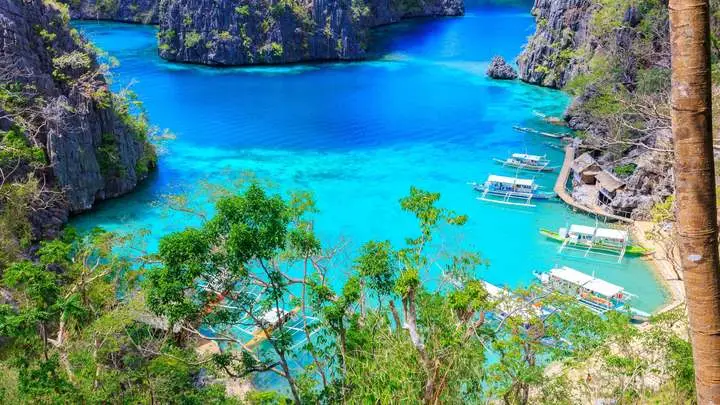
Coron Island, home to Barracuda Lake, is the ancestral domain of the Tagbanua people, who have looked after these waters for generations, and it is protected by several government proclamations.
UNESCO Tentative List Listed 2006
Coron Island Natural Biotic Area is on UNESCO’s Tentative List, the first step towards World Heritage status. It is not yet a World Heritage site.
Palawan Biosphere Reserve (UNESCO) Since 1990
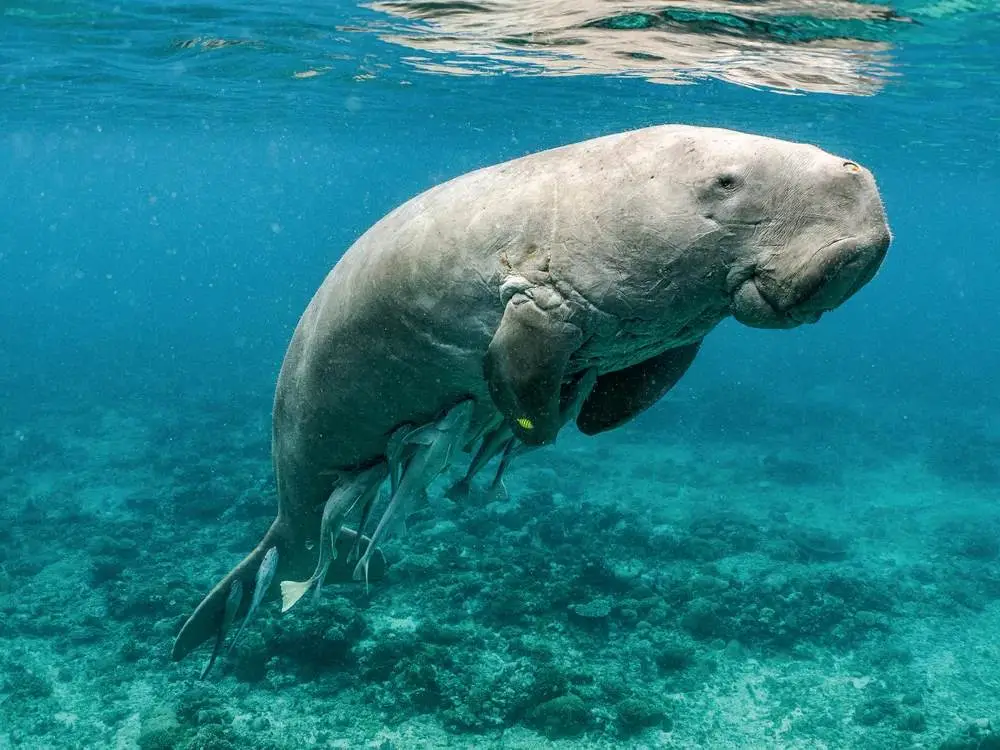
The whole province of Palawan, more than 1.4 million hectares of land and sea across the main island and over 1,700 smaller ones, has carried UNESCO Biosphere Reserve status since 1990. Unlike a World Heritage listing, which recognises outstanding natural or cultural value on its own, a Biosphere Reserve is UNESCO’s idea that people and nature belong together: it protects a living, working landscape where local fishing and farming continue alongside conservation, not apart from it. Palawan earns the description honestly, with well over a hundred of the Philippines’ threatened species, dozens found nowhere else on Earth, and reefs, seagrass meadows and mangroves that ring its coastline.
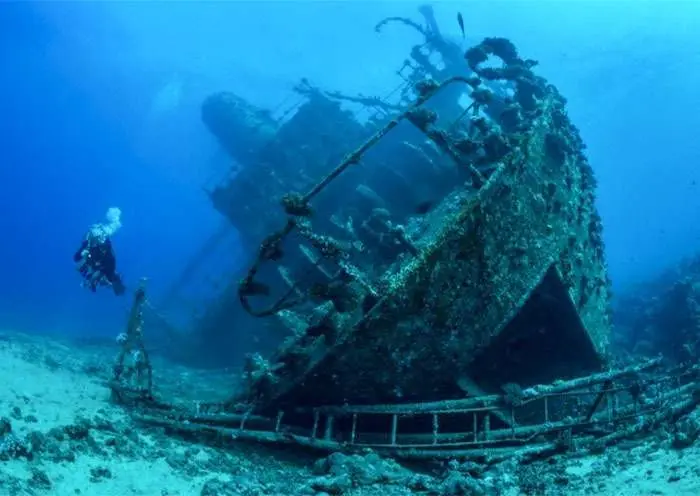
Coron Bay’s wrecks have a real, sober history: on 24 September 1944, US Navy aircraft found a Japanese supply fleet sheltering at anchor there and sank much of it in a single raid, which is why so many ships still rest here, some shallow enough for a snorkeller to see, some deeper for a diver. None of it is an official marine protected area, so it survives simply because people keep choosing to treat it with care. Nearby, Maquinit hot spring is a small, real curiosity worth knowing: a naturally geothermally-heated saltwater pool, one of very few of its kind in the Philippines. It is not a protected reserve, just a strange, warm gift from the ground.
A protected area still has rules. Your guide explains them before every session.