
La Paz: mobula rays and sea lions in the Sea of Cortez
A slow week on the bay of La Paz in May, with mobula rays, sea lions and time to rest.
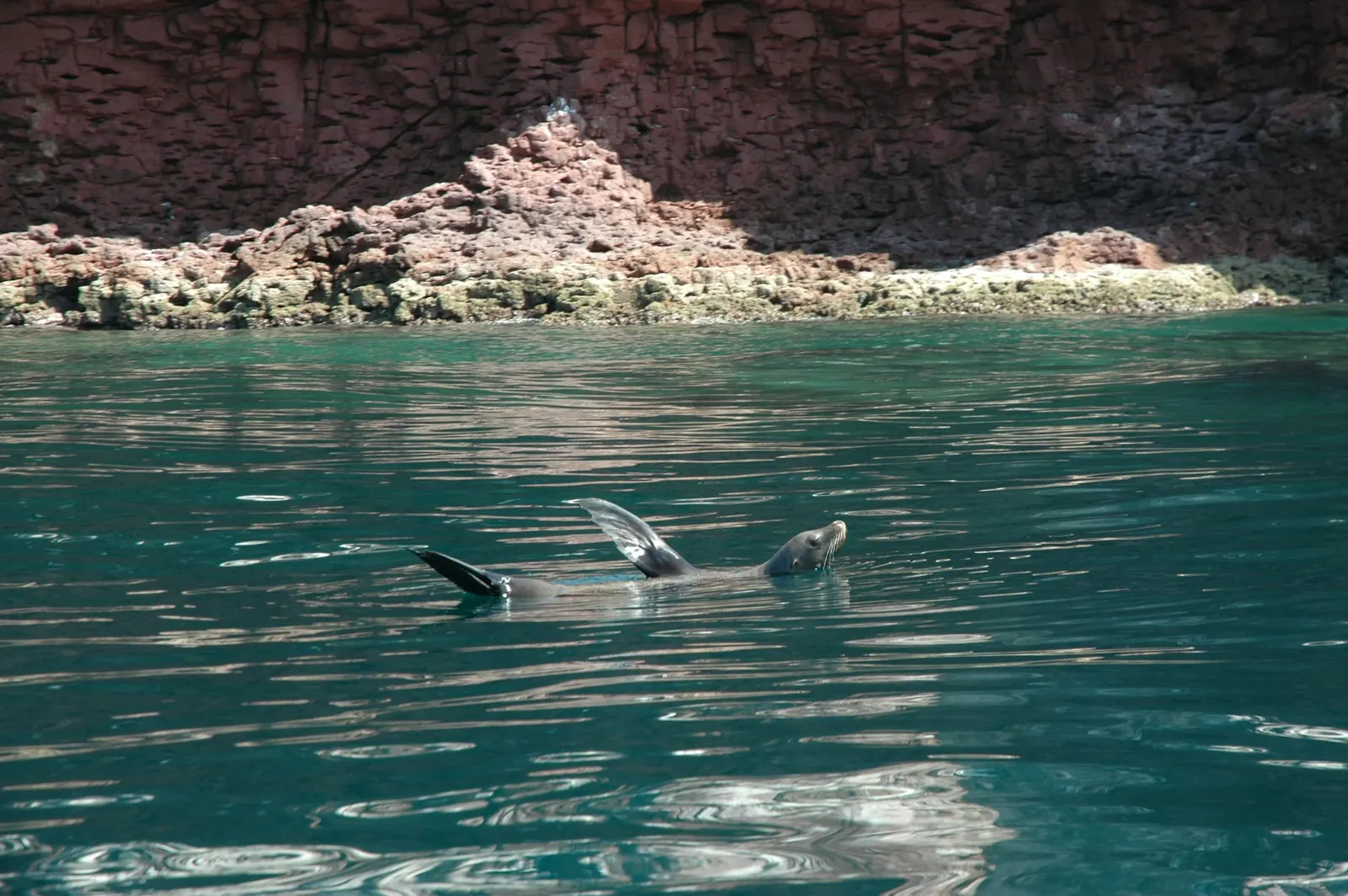
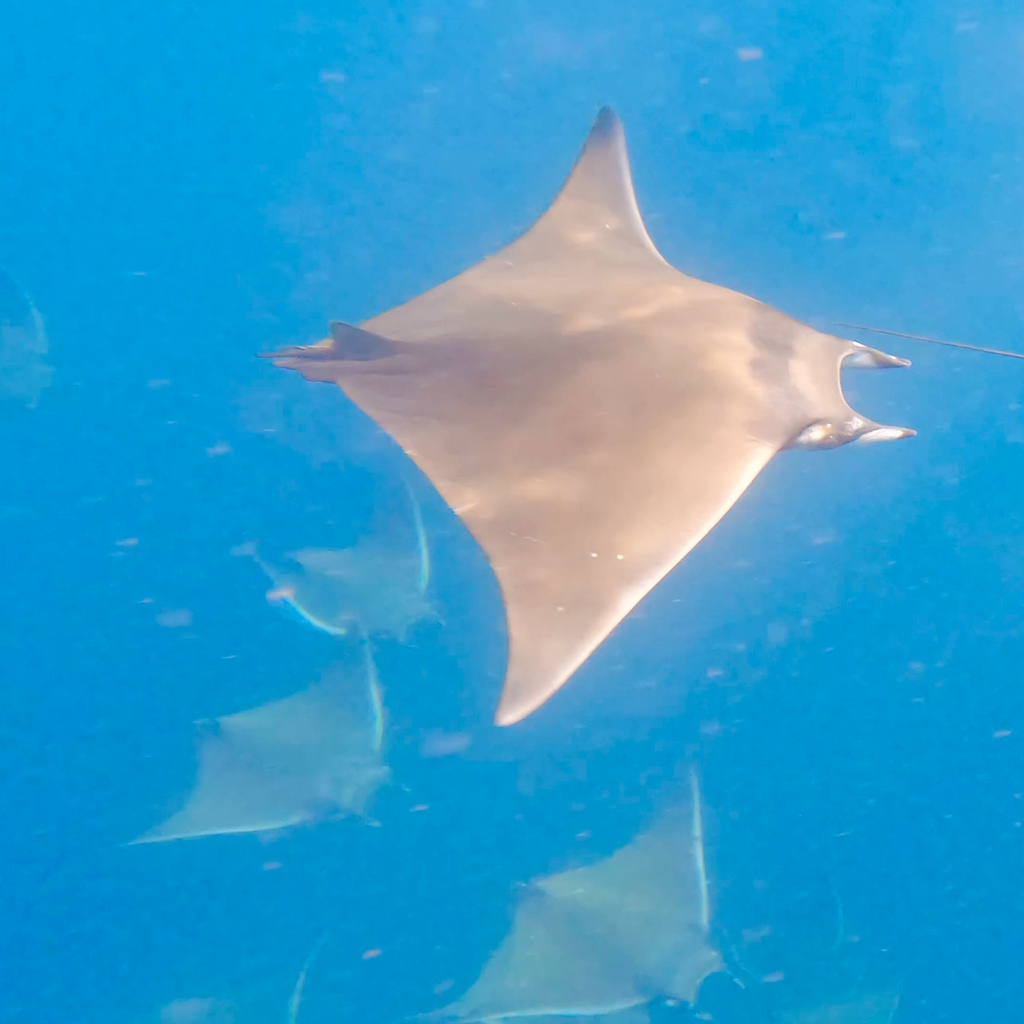
We meet in La Paz and stay all week in one place, on the malecón by the bay. May is the peak month for Munk’s devil rays, the small mobula rays of the Sea of Cortez. On three boat days we go out with a licensed local dive centre to look for them. We observe only and never chase a school, and some days the sea is just blue. One day we visit the sea lions of Los Islotes and let them come to us. The slower days are for La Paz town and the beach at Balandra.
- 5.00 from 33 public reviews on BookRetreats · Read guest stories
- Small group, six guests at most
- Licensed local boat operators
- Travel insurance required (water-activity cover from your own policy or the dive centre’s insurance)
- Pause or skip any activity, any time
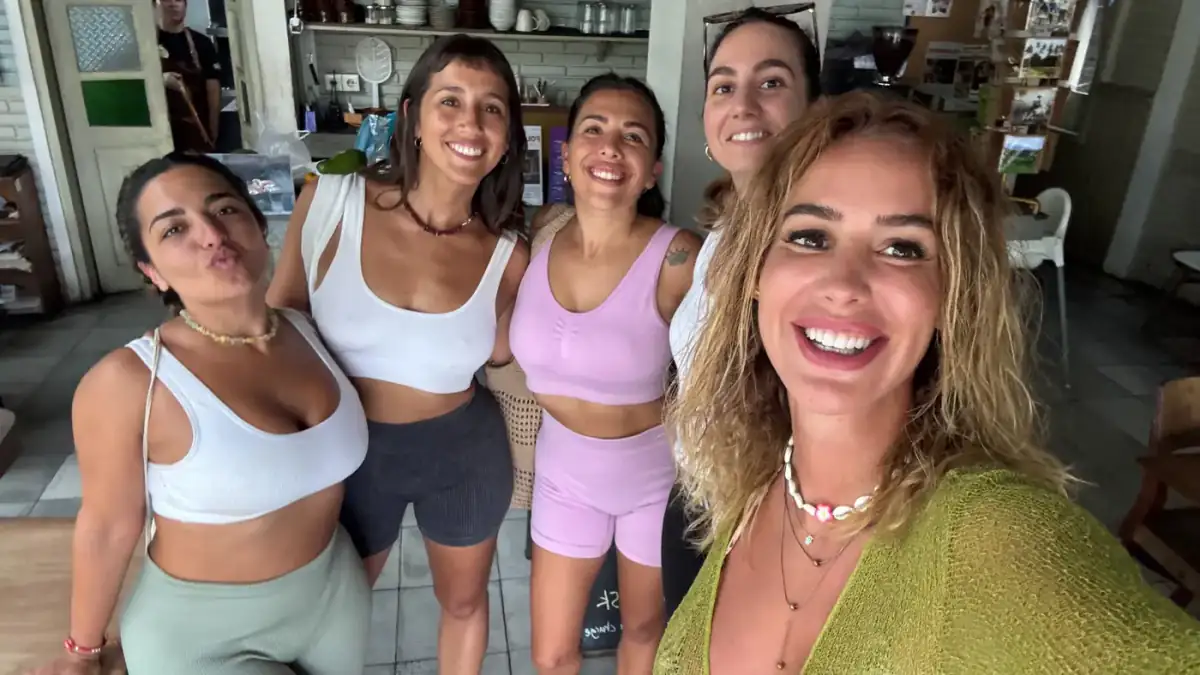
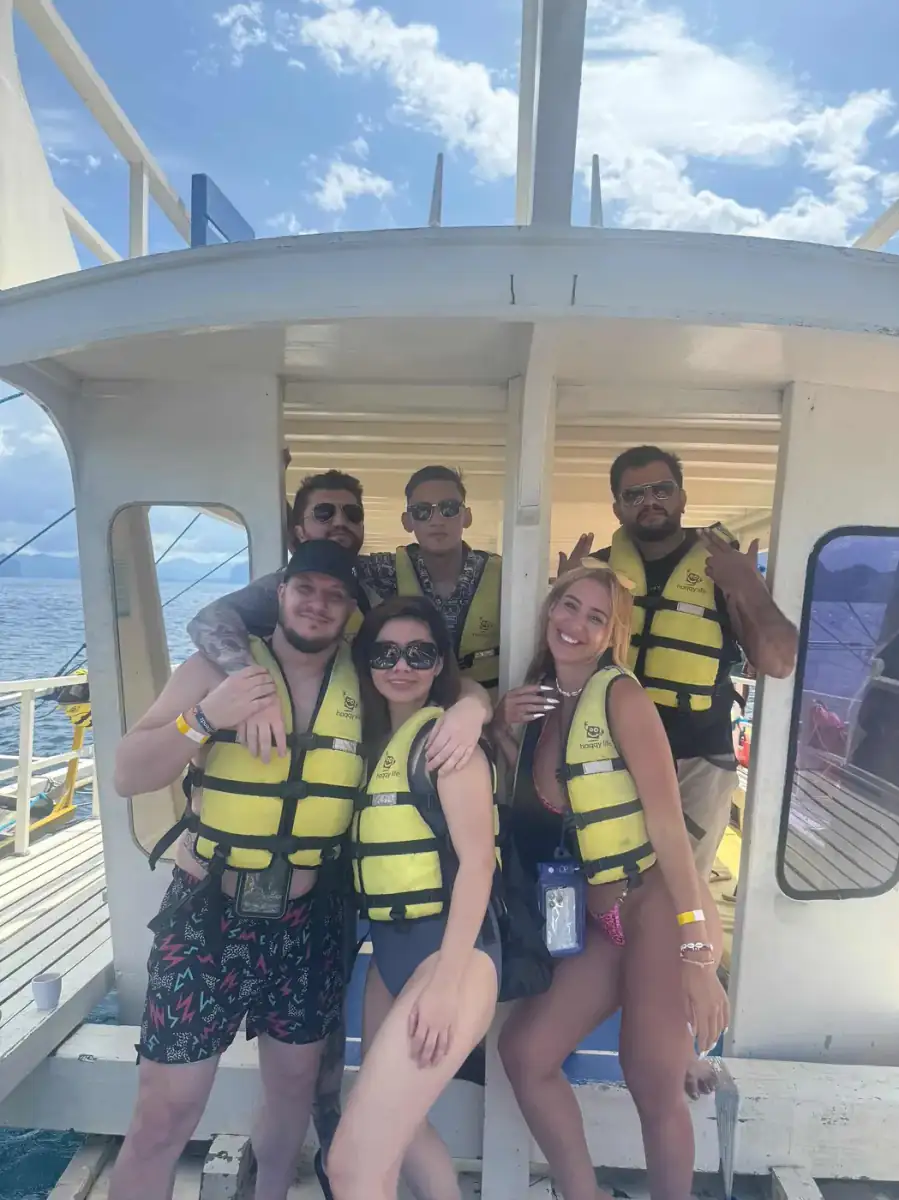
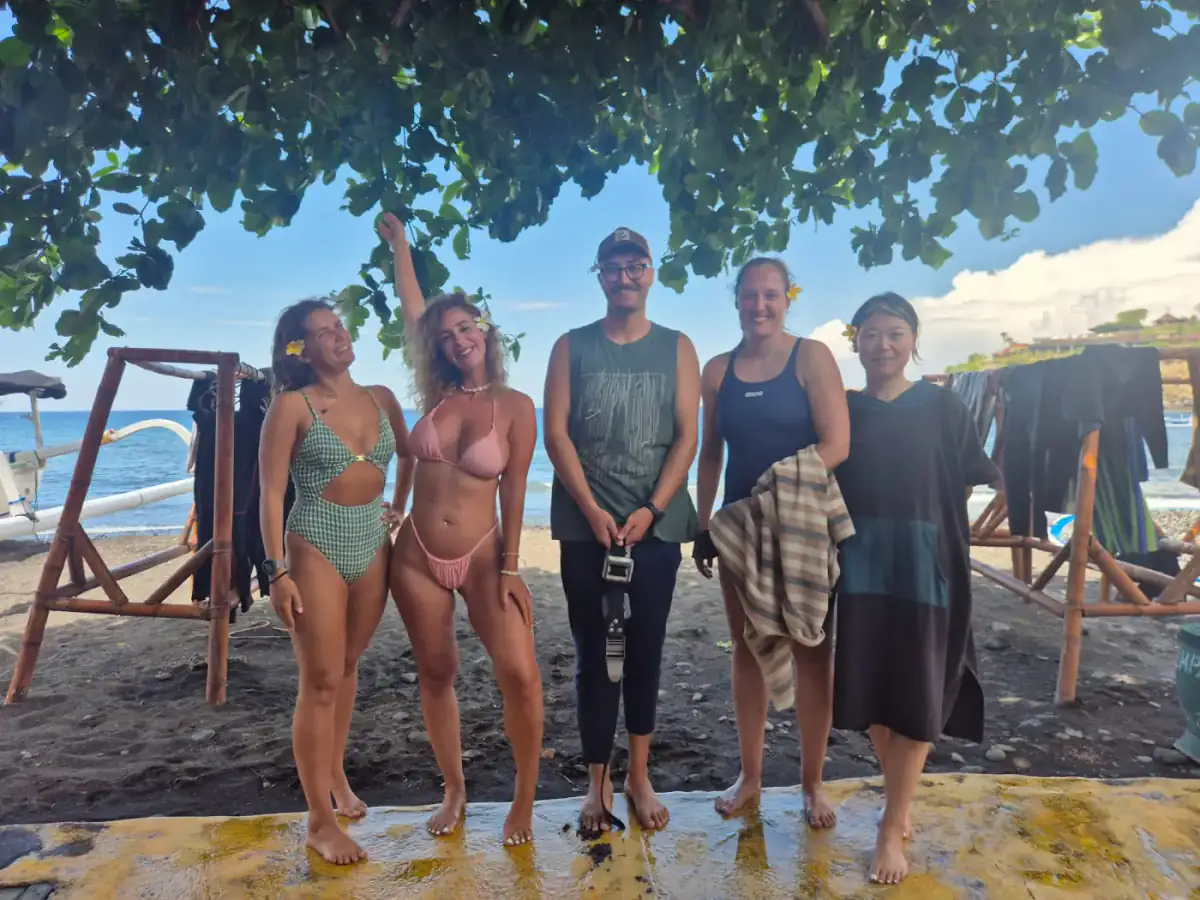
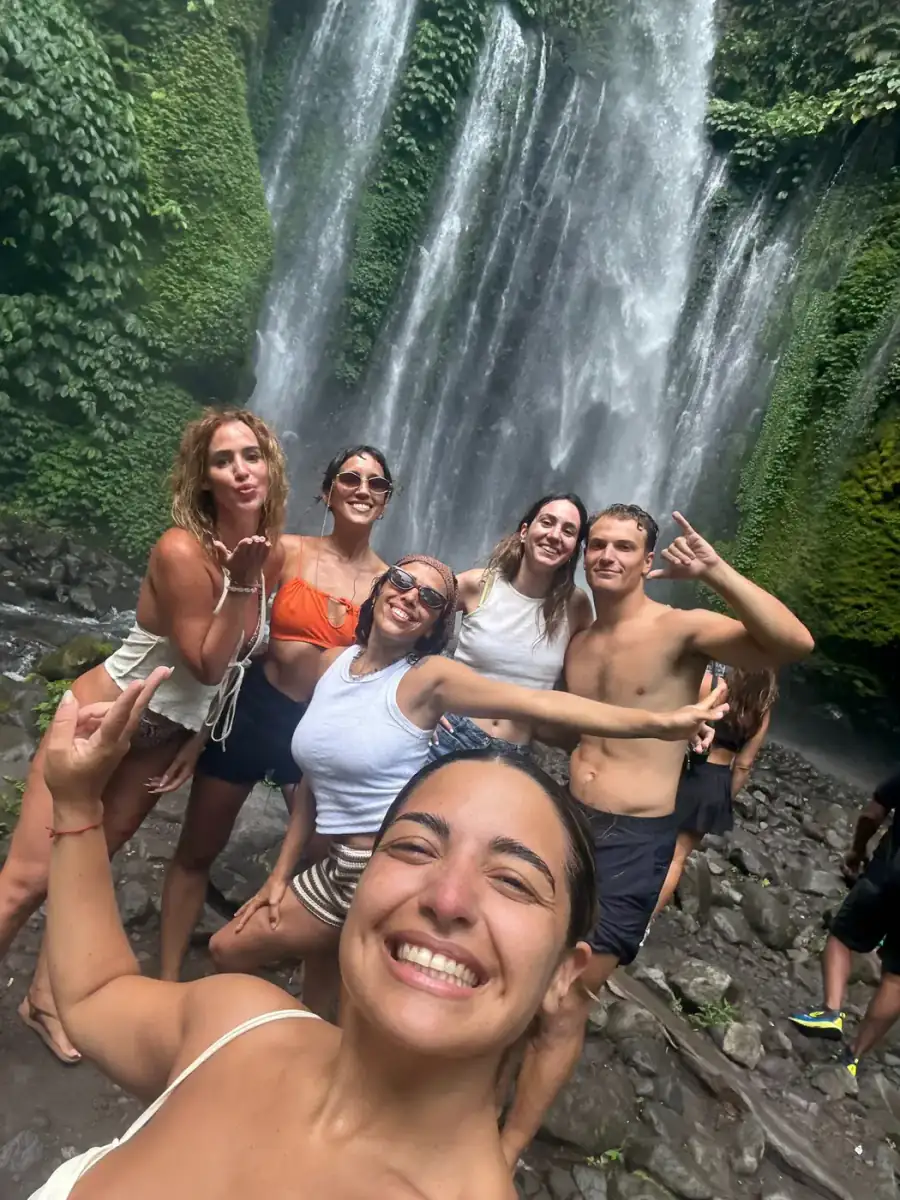
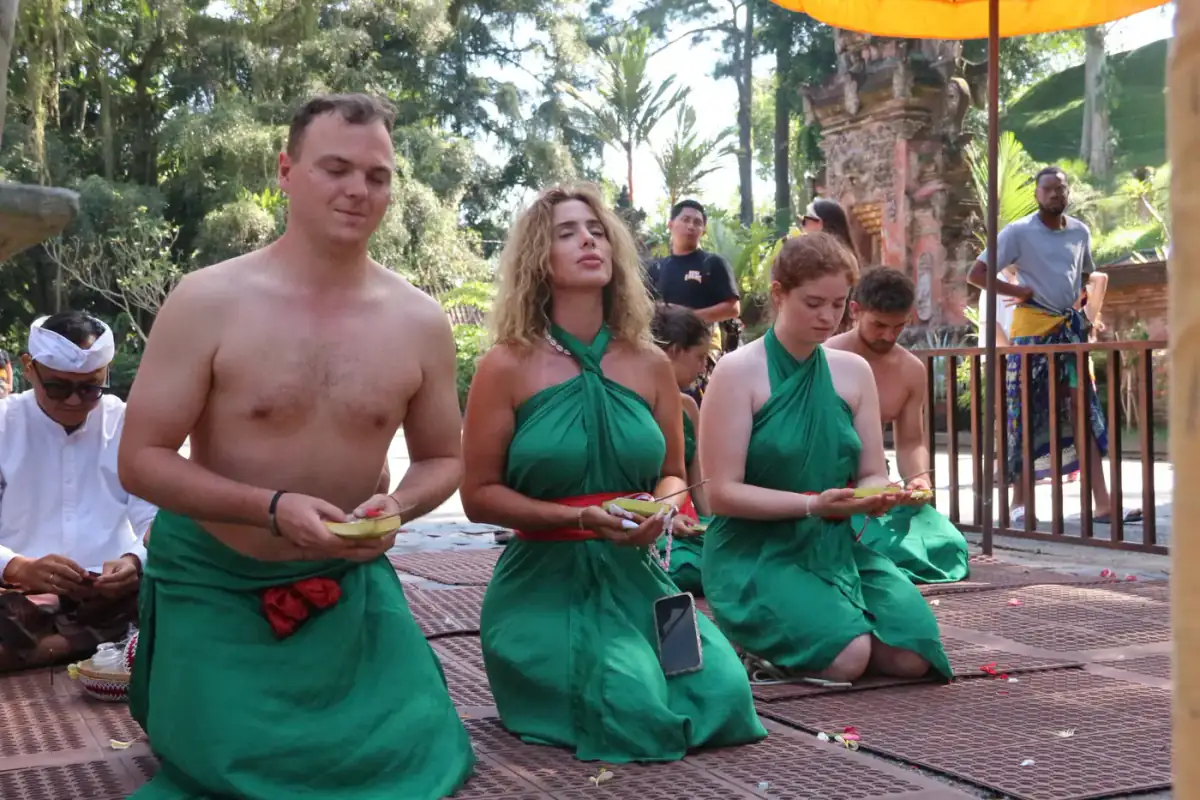
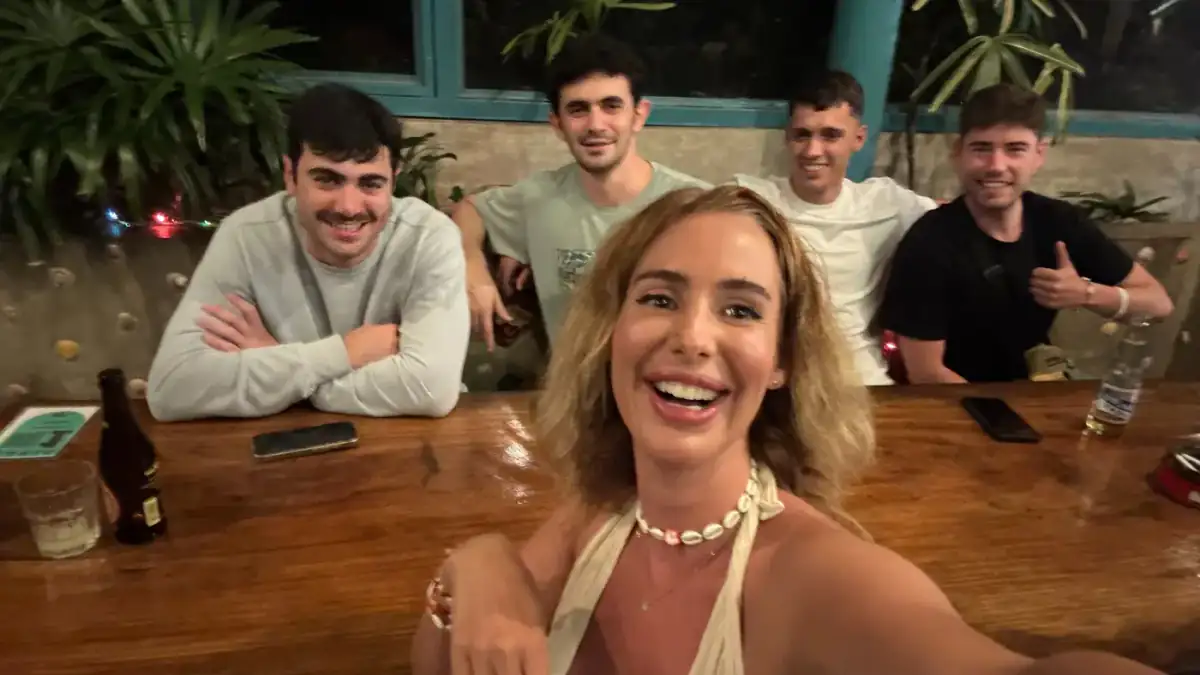 Real guests on past trips
“Rocío is amazing at organizing trips and ocean experiences. Everything was very well planned, and she helped find great diving spots. I highly recommend Ocean Calling Retreats.”
“Highly recommended! Rocio is an excellent guide and very knowledgeable about the best locations.”
Quotes are copied as written from public reviews on BookRetreats. See all guest photos · Read all reviews
At a glance
CHF 3,050 per person in a twin room. Single room price to follow. 15–21 May 2027, 7 days and 6 nights, six guests at most. International flights are not included.
Bookings open soon. Message Rocío to hold your interest.
Wildlife encounters are unpredictable. Snorkelling with mobula rays and sea lions should always follow local regulations and experienced professional guidance.
Real guest reviews: Google · BookRetreats
Conservation-led. Ocean Calling guests never chase, touch or bait animals.
Why Moderate? Open-water snorkelling from a boat. Mobula schools move fast and the sea can change, so you should feel comfortable in open water. The boat days are long.
Who it is for. Ocean lovers, solo travellers, women and mixed groups who are happy to wait for wild animals. You don’t need to arrive fearless, only open. Every activity is optional, and rest is always allowed.
Your first day, step by step
- Day 1: Arrive in La Paz. Check in on the malecón, then a welcome dinner and a short talk on how we share space with mobula rays.
- Your guide explains the plan and the signals before anything starts in the water.
- You choose your pace. You can pause, rest or skip any activity, at any moment, with no pressure to continue.
- Nobody chases, touches or baits an animal. The animals decide whether they come close.
Questions beginners ask
What if I feel nervous in the water?
What if I cannot clear my ears?
Will I hold the group back?
Do I need to be fit or experienced?
Highlights
- Three boat days to look for mobula rays in their peak month, with a licensed local dive centre. We observe only and never chase a school
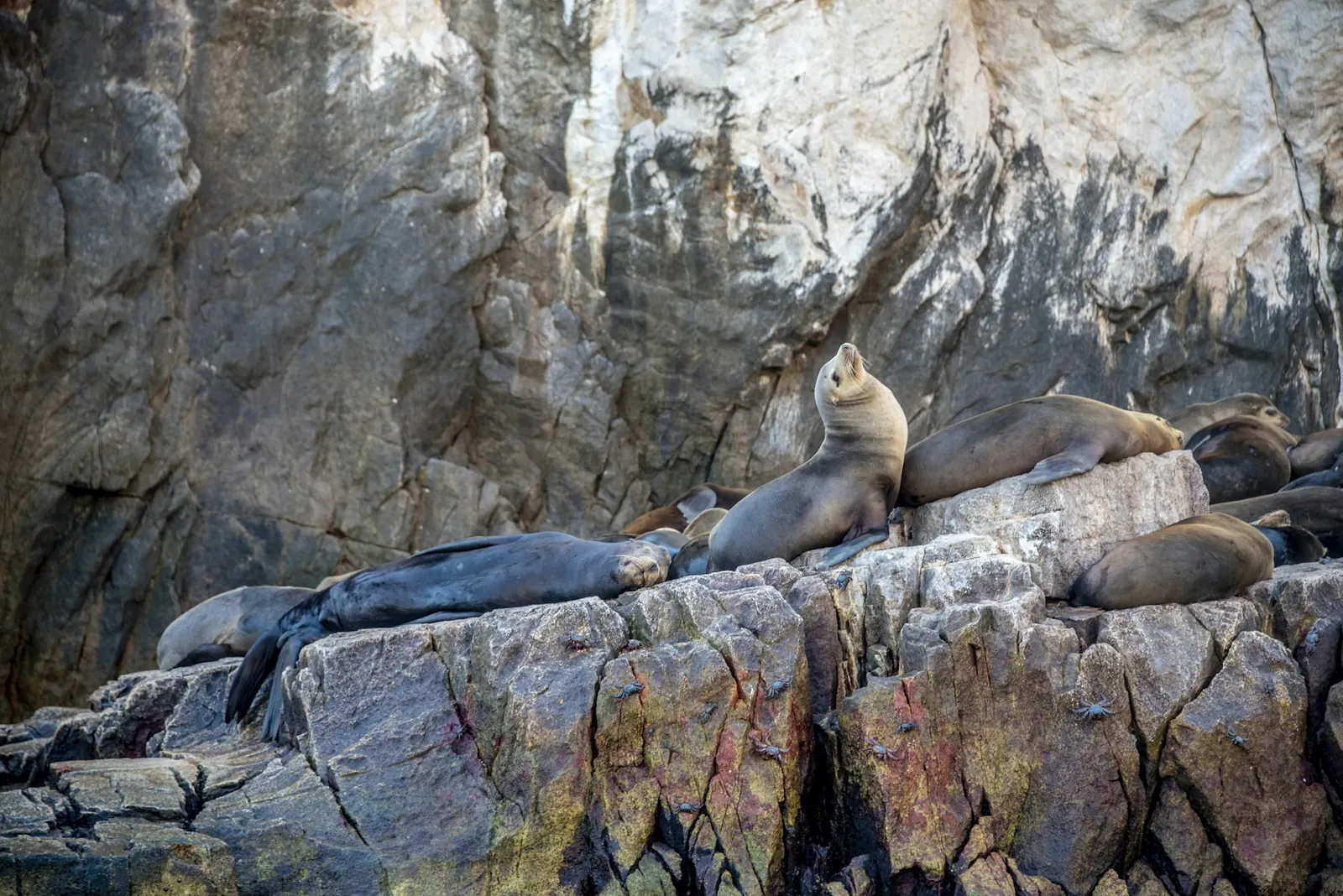
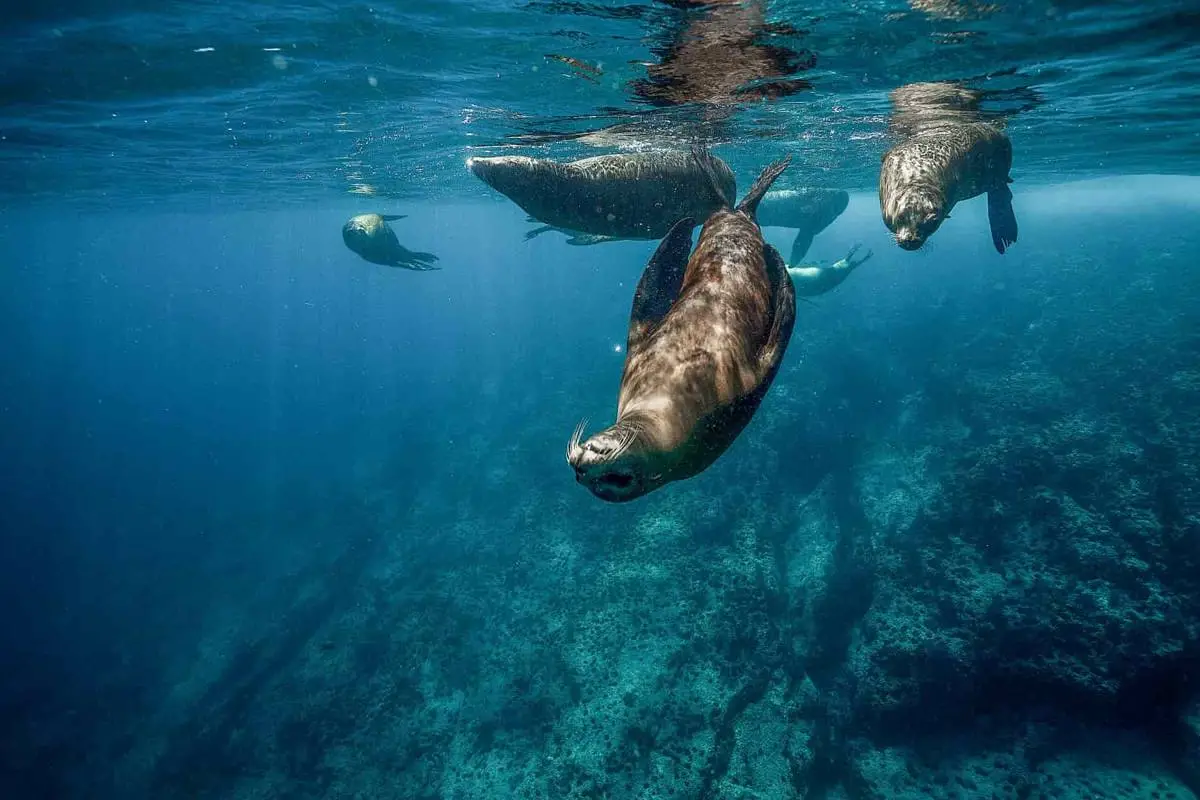
- The sea lions of Los Islotes, in the Espíritu Santo National Park, where we let them come to us
- One boat day with an in-water photographer. You receive your photos after the trip.
- Slow time in La Paz town and at Balandra beach
- One base all week: a waterfront hotel on the malecón
The rhythm of your days
- Day 1: Arrive in La Paz. Check in on the malecón, then a welcome dinner and a short talk on how we share space with mobula rays.
- Day 2: Mobula boat day, with lunch on board.
- Day 3: Mobula boat day.
- Day 4: The sea lions of Los Islotes, in the Espíritu Santo National Park, with lunch.
- Day 5: Mobula boat day.
- Day 6: A slow day in La Paz town or at Balandra beach, or a spare sea day if the weather cost us one.
- Day 7: Breakfast and departure.
- The order of the days follows the weather, the sea and the local rules. Rocío confirms the plan with you before you travel.
Trip details
Included
- Six nights in a twin room in a waterfront hotel on the La Paz malecón
- Breakfast and dinner, lunch on the boat days, and a welcome dinner
- Three mobula boat days with a licensed local dive centre, with the park fee and lunch
- The sea lion day at Los Islotes, with the park fee, lunch and wetsuit
- Wetsuits on the mobula days
- Taxis between the hotel and the marina
- Tips
- One boat day with an in-water photographer. You receive your photos after the trip.
- Rocío as your host
Not included
- International flights
- Getting to La Paz: fly into La Paz (LAP), or into Los Cabos (SJD) and take a shuttle to La Paz
- Travel insurance with cover for snorkelling and water activities (required)
- Single room: price to follow, ask Rocío
- Drinks and personal extras
Photo gallery
The animals and places of this trip. Each caption says where the photo was taken.
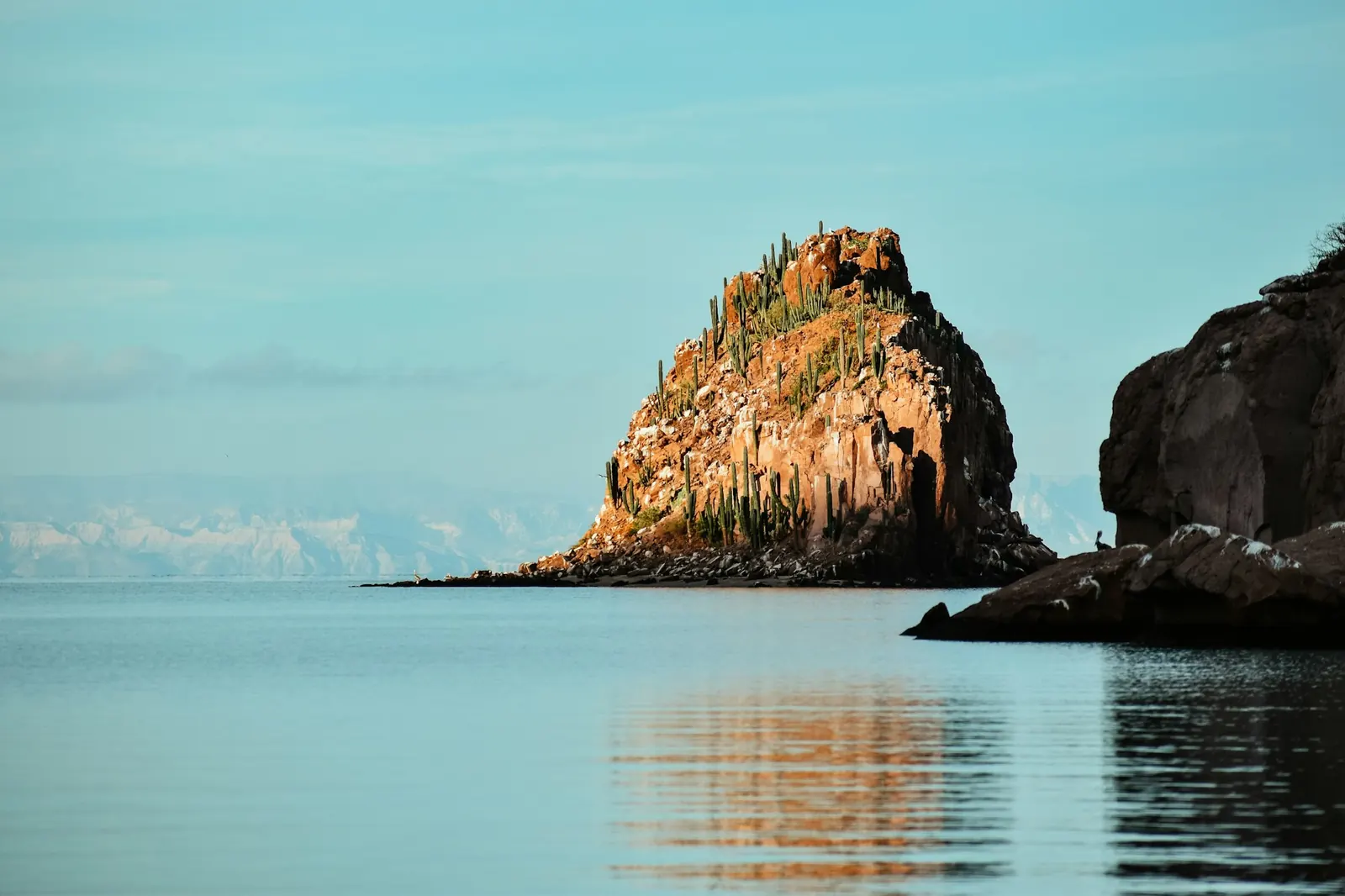
Animals you may meet
Never guaranteed, never chased. Tap an animal to see how it lives, where it travels and a fun fact.
Ethics and safety
- Mobula rays: we observe only. The boat never drives into, circles or chases a school. Quiet entries, about 3 metres of space, no touching.
- At Los Islotes we stay off the colony and let the sea lions choose how close they come. No touching, no feeding.
- Swimming with the sea lions at Los Islotes is allowed until 31 May and closed from 1 June to 31 August. Our week is inside the open window.
- Sightings are never promised. Mobula schools move, and a whole morning can be blue water.
- Wildlife encounters are unpredictable. Snorkelling with mobula rays and sea lions should always follow local regulations and experienced professional guidance.
Practical details
- Getting there: fly into La Paz (LAP), or into Los Cabos (SJD) and take a shuttle to La Paz. Getting to La Paz is not included.
- We meet in La Paz on Saturday 15 May and say goodbye on Friday 21 May 2027.
- Travel insurance with cover for snorkelling and water activities is required.
- Every activity is optional, and you can rest any day.
- Entry rules depend on your passport. Please check the rules for your own passport before you travel.
Why we choose slower boats
Speed is one of the simplest things a boat captain controls, and it matters a lot to the animals we visit. Research from many oceans shows the same pattern: a slower boat is less likely to hit a whale, turtle or manatee, gives animals time to move away, and makes less noise under the water.
Slower ships kill fewer whales
A study of 47 recorded ship strikes on large whales found the chance of a deadly injury was 21 per cent at 8.6 knots but 79 per cent at 15 knots. Below 11.8 knots, a strike is more likely to be survived than not.
A 10 knot limit works for right whales
Since 2008, the United States has required vessels 65 feet (about 20 metres) or longer to travel at 10 knots or less in set areas and seasons along the East Coast, to protect North Atlantic right whales. A later study estimated these limits cut the risk of deadly ship strikes by 80 to 90 per cent.
Turtles cannot escape fast boats
In Moreton Bay, Queensland, Australia, researchers watched 1,890 green turtle encounters. 60 per cent of turtles moved away from a boat going 4 km/h, but only 22 per cent at 11 km/h and 4 per cent at 19 km/h.
Slow zones save manatees
In Sykes Creek and the Barge Canal on Merritt Island, Florida, eight manatees were killed by boats in the 42 months before year-round slow speed was enforced. In the 42 months after, only one was killed.
Faster boats are louder
Recordings of 1,582 ships in Haro Strait, between Washington State and British Columbia, showed that most ships get about 1 decibel louder for every extra knot of speed. This noise reaches the high sounds that killer whales use to find food.
Going slow gives whales quiet time to feed
When ships in Haro Strait were asked to slow to 11 knots, underwater noise fell by 2.5 decibels, about 44 per cent less sound energy. Scientists estimated this cut the feeding time killer whales lose to noise by 22 per cent.
Questions
Will we definitely see mobula rays?
Can we swim with the sea lions in May?
How much does it cost?
How do I book?
CHF 3,050 per person in a twin room. Single room price to follow. 15–21 May 2027, 7 days and 6 nights, six guests at most. International flights are not included.
Bookings open soon. Message Rocío to hold your interest.
Wildlife encounters are unpredictable. Snorkelling with mobula rays and sea lions should always follow local regulations and experienced professional guidance.
Real guest reviews: Google · BookRetreats
Conservation-led. Ocean Calling guests never chase, touch or bait animals.
Shop with Ocean Calling
Visit the Ocean Calling storefront on Amazon.
As an Amazon Associate I earn from qualifying purchases. You are not only choosing products that respect the ocean, you are also helping us keep going: paying our local partners fairly and keeping our retreats ethical, sustainable and honestly priced for you. 💗