
How Cold Is the Water? A Wetsuit Guide by Destination
The ocean does not care that the air is warm. A 28 degree lagoon and an 18 degree upwelling can sit in the same week of a trip, so pack for the water, not the postcard.
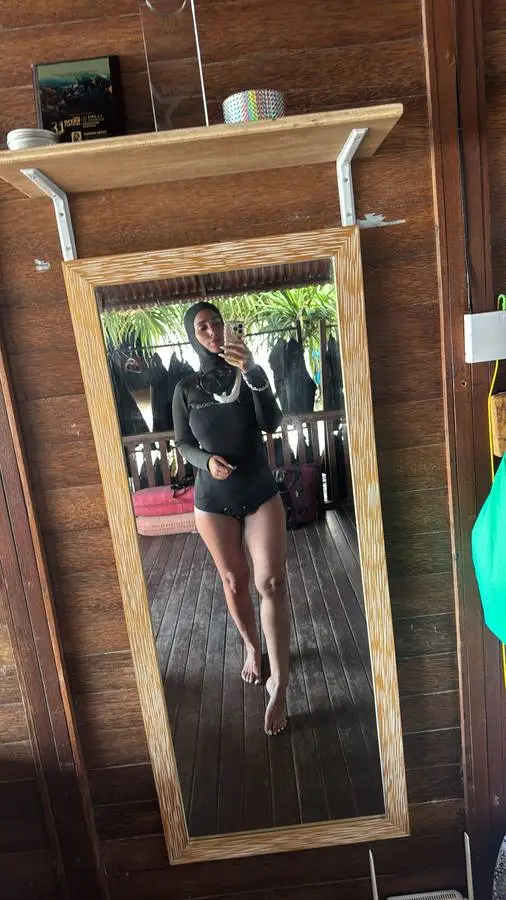
How thick should your wetsuit be? It depends on the water, not the air, and the honest answer is a range. In warm lagoons around 27 to 29°C, most people are happy in a rash guard or a thin 1 to 2 mm suit. In water around 18 to 20°C, many wetsuit makers suggest about 3 mm to 4 mm. Below that you need real neoprene, and a hood. This guide puts those numbers next to the places we talk about most.
Here is a small scene that happens every season. Someone steps off a boat in a place that looked like a postcard, and in twenty minutes their lips are blue and their jaw is tight. They are not weak, and the site is not boring. They are cold, and cold takes the attention out of a person before it takes anything else.
Why the air temperature tells you almost nothing
Water takes heat from your body much faster than air does. A figure repeated in marine safety guides, including by the US National Weather Service, is about 25 times faster. Sources differ, and some give higher numbers, so treat it as a rule of thumb. The practical result is simple. A warm afternoon on deck and a long hour floating at the surface are two very different kinds of weather for your body.
Moving makes it worse, not better. Fire-rescue sources describe experiments where activity, including shivering, led to faster heat loss than staying still. So the swimmer who kicks hard to warm up may be cooling quicker. This is why we ask for the water temperature before anything else, and why a thin layer you wear from the start beats a thick layer you put on once you are already cold.
What wetsuit thickness for which water temperature?
No two charts agree exactly, so here is the picture from the ones I compared. O’Neill suggests a UV shirt or lycra for 26°C and above, a 1 mm suit for roughly 21 to 25°C, and a 3/2 mm or 4/3 mm suit for 18 to 20°C. Another surf chart is more relaxed and puts a very thin suit, or even a rash guard, down to the low 20s. A third brand suggests adding 1 to 2 mm when the water is colder than the air. The makers call their charts guidelines, and I agree. They are written for surfers who paddle, while a snorkeller or freediver floats and loses heat faster.
My own rule for floating in the sea is to go one step thicker than the chart. If you run cold, go two. A snug 3 mm suit usually beats a loose 5 mm, because water that flushes through a loose suit carries your heat away.
Warm lagoons: Moʻorea, the Gilis and the Maldives
In Moʻorea, the temperature data I found show an average of about 28°C in June and 27°C in August and September, with daily ranges from about 25 to 29°C. That is whale season there, and it is also the coolest part of the year, so a spring suit or a 2 mm suit is a kind comfort for a long morning. These numbers come from a sea temperature website that averages many readings, so they are indications, not guarantees.
PADI gives 27 to 30°C for the Gili Islands, while another dive travel guide lists 23 to 29°C, so the range depends on the source and the month. For the Maldives, the climate tables I read put sea temperatures at about 28 to 30°C, with a broader yearly band of roughly 26 to 30°C. In places like these a rash guard or thin layer is often enough for short snorkels, and it also protects your back from sun and from small scrapes.
Upwellings: Komodo and Nusa Penida
Upwelling brings cold deep water to the surface, and a postcard-warm island can suddenly feel very different. In northern Komodo, dive guides report about 27 to 29°C, and 3 mm is the usual advice. In the south, sources put the water at about 21 to 26°C depending on the season, with the cold surge reported between June and September, and they recommend up to 5 mm with a hood.
Around Nusa Penida, the sunfish season from about July to October is also the cold season. A Bali operator quotes 18 to 21°C, and operators recommend 5 to 7 mm, a hood and gloves, mainly for divers in strong current. These are operator figures with a commercial interest, so confirm the current reading with the dive centre the week you travel. If a trip lists a very warm place in its brochure but includes Nusa Penida or southern Komodo in the plan, pack for those days separately.
Cooler coasts: the Azores
Not every trip is tropical. In the Azores, sources give about 22 to 24°C in late summer and about 16 to 18°C in spring. A surf guide suggests a 4/3 suit for water around 17°C, and a diving guide suggests thinking about 7 mm or a drysuit for winter and deeper dives. One guide says a 5 mm suit covers most of the year. If you are going to see sperm whales from a boat, you will probably stay dry, but the wind on deck is another reason to pack layers. For other cold regions, such as South Africa or Japan in winter, I did not check temperatures for this article, so please ask a local source.
What this means in real life, and the part about the ocean
Ask for the water temperature, not the air temperature. Try the suit on before the boat leaves. If you run cold, go one step thicker than the shop suggests. Children and slim people often feel cold sooner, though I do not have a study to quote for that, so I would simply plan shorter sessions with more breaks. Hypothermia is a real risk even in water that feels pleasant, so get out when you are shivering, not when you are finished.
There is an ocean reason too. A cold swimmer is clumsy. Clumsy swimmers kick coral, stand on reef and chase animals to warm up. A comfortable body is a quiet body, and quiet bodies see more. Neoprene also has a footprint, so buy one good suit that fits, rather than several. A roll-top dry bag keeps a dry towel and a warm jumper for the boat ride back, and the destination pages in the Ocean Atlas mention season, not only species, for exactly this reason. Our guides on wetsuit or rash guard in tropical diving and the packing guide for ocean retreats go further.
If this made you curious, you can explore our upcoming retreats. For the trips we host, we tell you the water temperature and the suit thickness we suggest before you book.
Questions people ask
Can I snorkel in a swimsuit only?
In still, warm lagoons around 27 to 29°C, sometimes, for a short time. In any current, or in the second hour, a thin rash guard or suit makes the day more comfortable and protects your skin from sun.
Do you supply suits on retreats?
It depends on the destination. We always tell you the expected water temperature and the thickness we suggest, so you can bring what your body already knows.
What about children?
Smaller bodies often feel the cold sooner, so plan shorter sessions and warm-up breaks. I do not have a study to quote, so ask a doctor or a local instructor about the child in question.
Is a 3 mm suit enough for 18°C?
Many charts suggest 3/2 mm or 4/3 mm for water around 18 to 20°C, but if you float without swimming, or you run cold, go thicker and add a hood. Try it before the boat leaves.
Why is the water colder than the guidebook says?
Upwelling and depth. At places such as southern Komodo and Nusa Penida, cold deep water rises, and the temperature can drop several degrees. Ask the local dive centre for this week’s reading.
Rash guard or wetsuit?
A rash guard is enough in the warmest lagoons for short sessions and protects from sun. As soon as you feel chilled, or the water is below the low 20s, a wetsuit is more comfortable and safer.
Wildlife encounters are never guaranteed and never forced. Ocean Calling works only with vetted, ethical local operators, and every animal is free to approach, or not, entirely on its own terms.
Sources & further reading
- O’Neill, What thickness wetsuit do I need at which water temperature?
- SurferToday, The wetsuit thickness and water temperature chart
- Barts, Wet suit thickness vs water temperature, a guide
- seatemperature.net, Moorea water temperature in June
- seatemperature.net, Moorea water temperature in August
- PADI, Diving in the Gili Islands
- Bluewater Dive Travel, Lombok scuba diving travel guide
- weather2travel, Maldives weather by month
- Komodo Resort, Komodo diving conditions
- Dive Planit, Komodo diving guide
- Bali Fun Diving, Crystal Bay dive Bali (operator)
- Azores Getaways, Diving on Pico Island: sites, conditions and what to expect
- Fox Weather, Why hypothermia happens faster in cold water
- Fire Engineering, Immersion hypothermia and winter water operations
- NOAA National Weather Service, 26 February 2019. Spring safety social media: cold water fact, body heat can be lost 25 times faster in cold water than in cold air.
Further reading on Ocean Calling: Wetsuit or rash guard? · Packing guide for ocean retreats · Eating well before an ocean morning · Upcoming retreats
Find the retreat that fits you
Small groups of up to six guests, unhurried days and local experts. Tell us how you feel in the water and we will point you to the right trip.