
Mediterranean monk seal
Monachus monachus
One of the rarest seals on Earth, resting in quiet sea caves of the Mediterranean and nearby Atlantic. Watch only from a distance if chance allows, never enter caves or chase.
Vulnerable (IUCN, 2023) means it is at high risk of extinction in the wild.
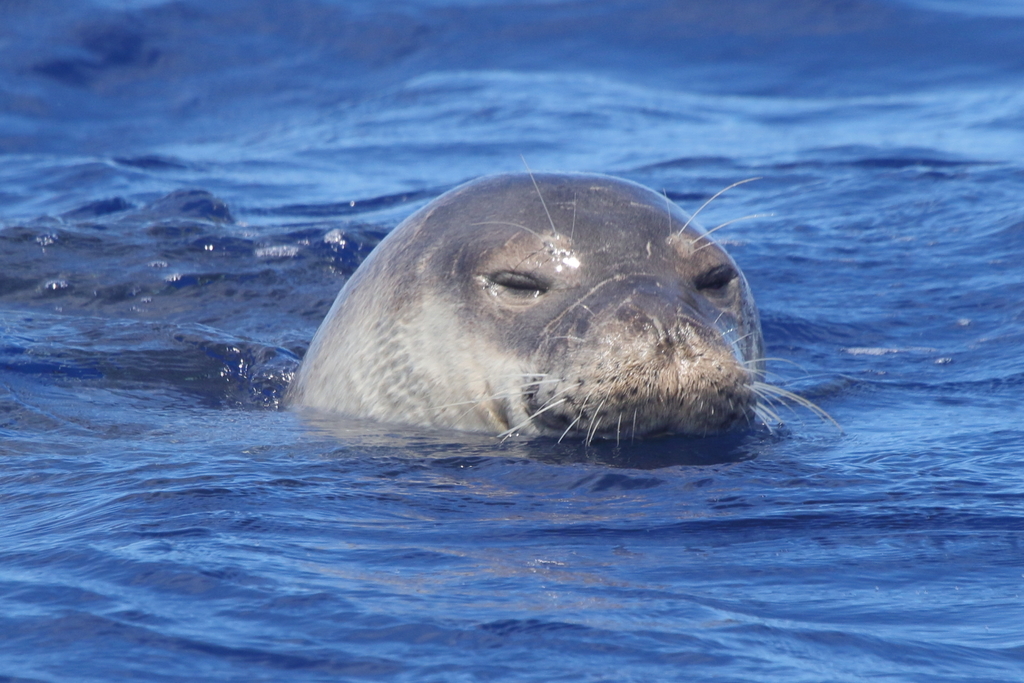
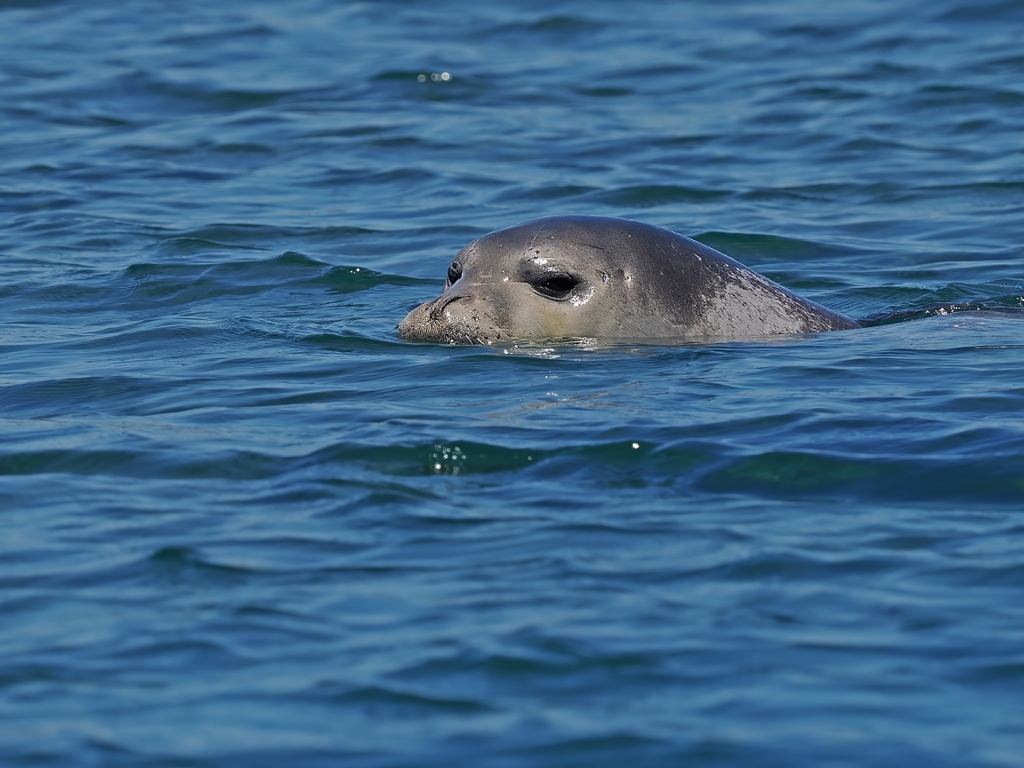
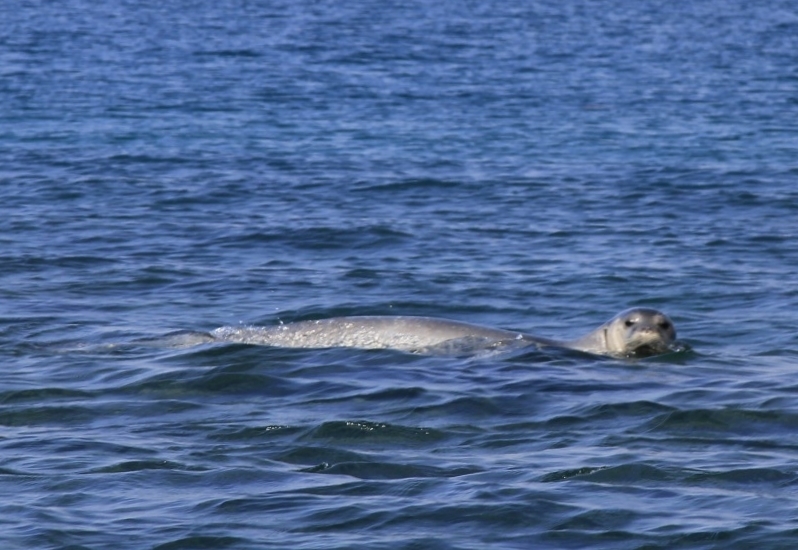
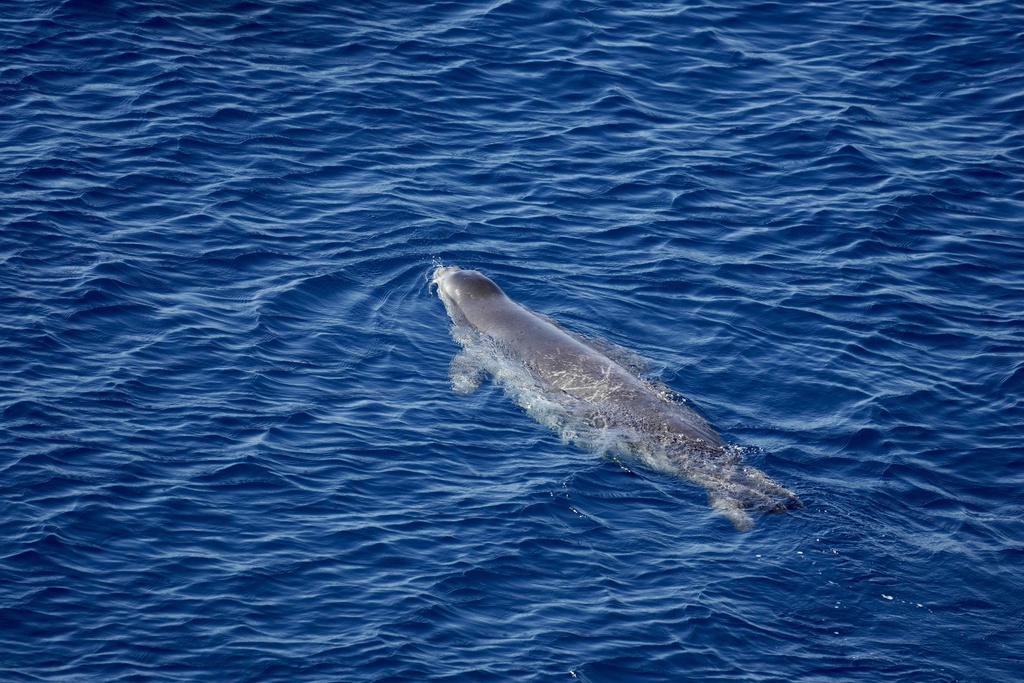
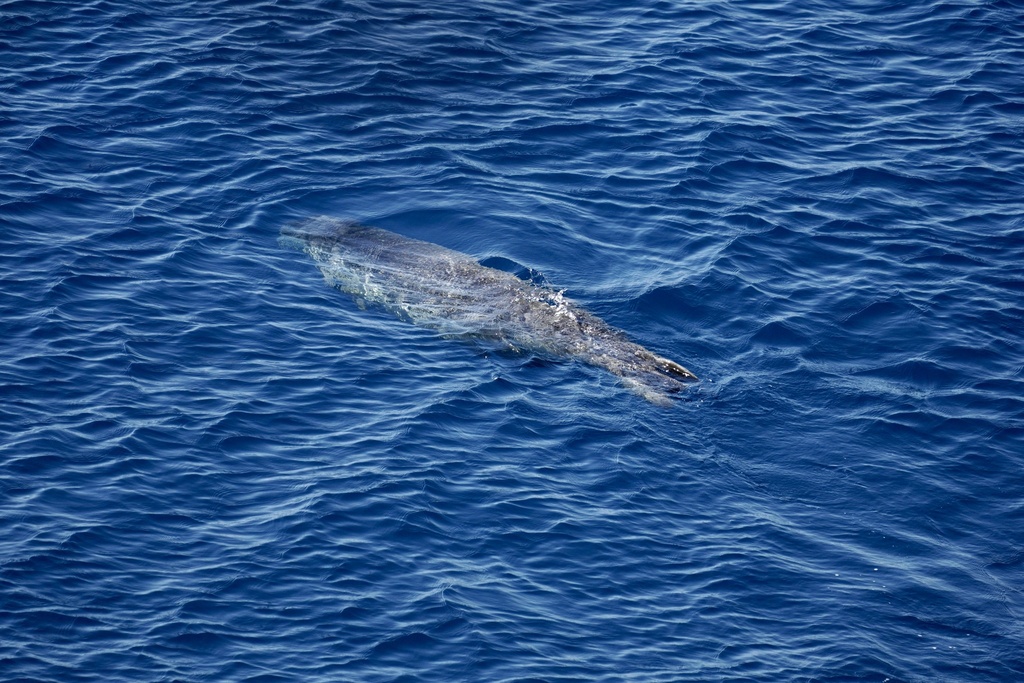
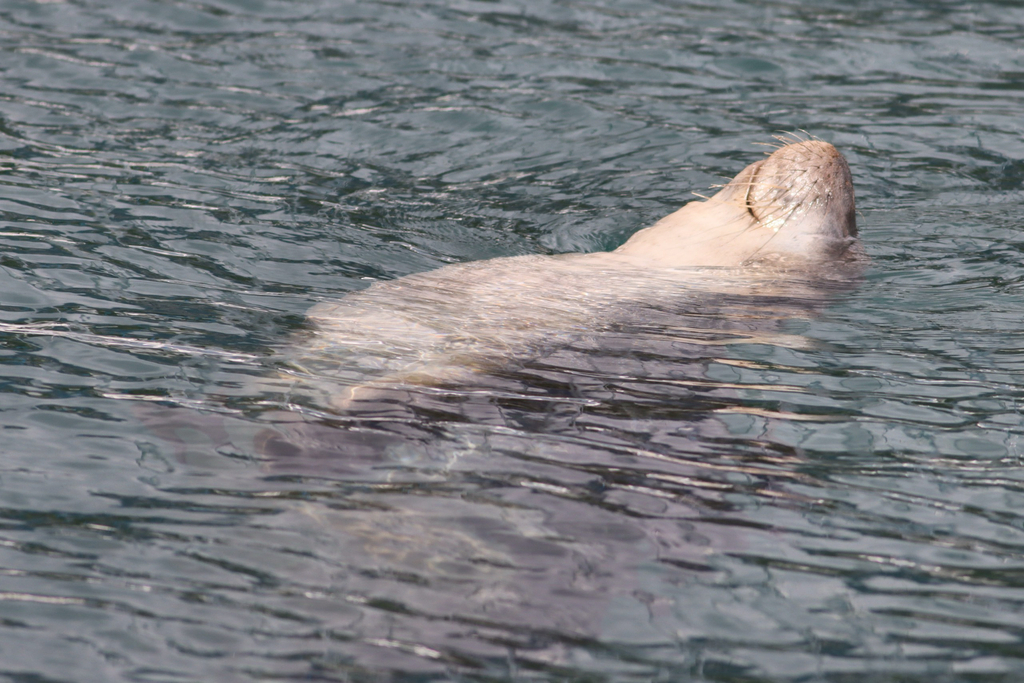
Photos show the species, not always the places on this page.
Length
Usually about 2.3 to 2.8 m (7.5 to 9 ft); males only slightly larger than females
Weight
Usually about 240 to 300 kg (530 to 660 lb); large males up to about 400 kg (880 lb) reported
Next to a person
Usually longer than an adult person is tall, and far heavier
What it eats
Bony fish, cephalopods (especially the common octopus) and crustaceans.
Around people
Calm, give space
How it lives
The Mediterranean monk seal is a true seal with no ear flaps. It feeds in coastal waters, hunting bony fish, octopus and crustaceans. After centuries of persecution, it now rests and gives birth mostly in remote sea caves. In the eastern Mediterranean and Madeira most pups are born in autumn, while at Cabo Blanco births can happen all year.
Where it goes
It is not a long-distance migrant. Seals mostly stay near their home coasts and caves, but local movements of up to about 300 km have been documented.
We only draw a journey on the map when scientists have tracked it or clearly documented it. For this animal we have not found one yet.
Populations
Only about 800 to 1,000 seals remain, in three main groups: Cabo Blanco on the Atlantic coast of Western Sahara and Mauritania, the Madeira archipelago, and the eastern Mediterranean, mainly Greece and Türkiye. In Albania sightings are occasional, and scientists do not yet agree how settled the seals are there. A pup was recorded there in 2019, but it is not a place to plan an encounter.
Meet it respectfully
Never follow, touch, feed or block a seal, and never enter a cave where one is resting or has a pup. In Greece, official guidance asks people to stay at least about 30 m away, and some seal areas are closed to visitors. In the water, do not swim towards a seal. Treat any sighting as a lucky surprise and give the seal plenty of space.
Fun fact
Tap the bulb to light it up.
It is the only seal species resident in the Mediterranean.
Pups are born with dark woolly fur and a pale patch on the belly.
Mothers leave their pups to go out and feed, unlike Hawaiian monk seals, which usually fast on land.
Its IUCN status improved to Vulnerable in 2023, but fewer than 1,000 seals remain.
Mediterranean monk seal in the Ocean Atlas
Places we have researched where this animal is recorded. It is never guaranteed, and some places are for watching from the boat only.
Travel with usComing soonTrusted referralExploringOn pause, story onlyEthics pass
Country colour: pink where we travel, blue where we are exploring or refer, grey for story only.
 Albania
 Croatia
 Cyprus
 Greece
 Israel
 Libya
Libya Montenegro
 Portugal
 Türkiye
Sources for this page
- IUCN Red List, Karamanlidis et al., 2023
- NOAA Fisheries, 2026
- Karamanlidis, 2024, Endangered Species Research
- MOm, monk seal viewing guidance
- WoRMS, 2026
Facts checked 26 September 2026. Photos: Unsplash licence, or Creative Commons as shown on each photo.
Work in ocean travel?
We are always happy to hear from exceptional local operators, accommodation, conservation organisations and destination experts. If your work fits responsible, small-group ocean travel, we would love to learn more.
Partner with Ocean Calling7-day freediving course in Coron, Palawan
CHF 1,480