
Tawny nurse shark
Nebrius ferrugineus
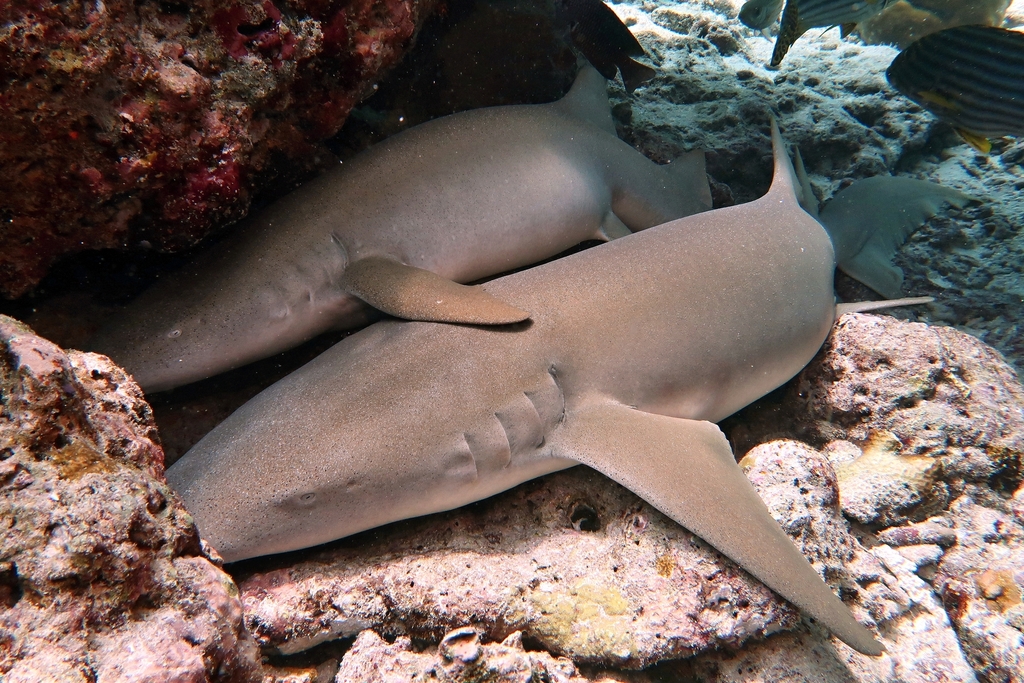
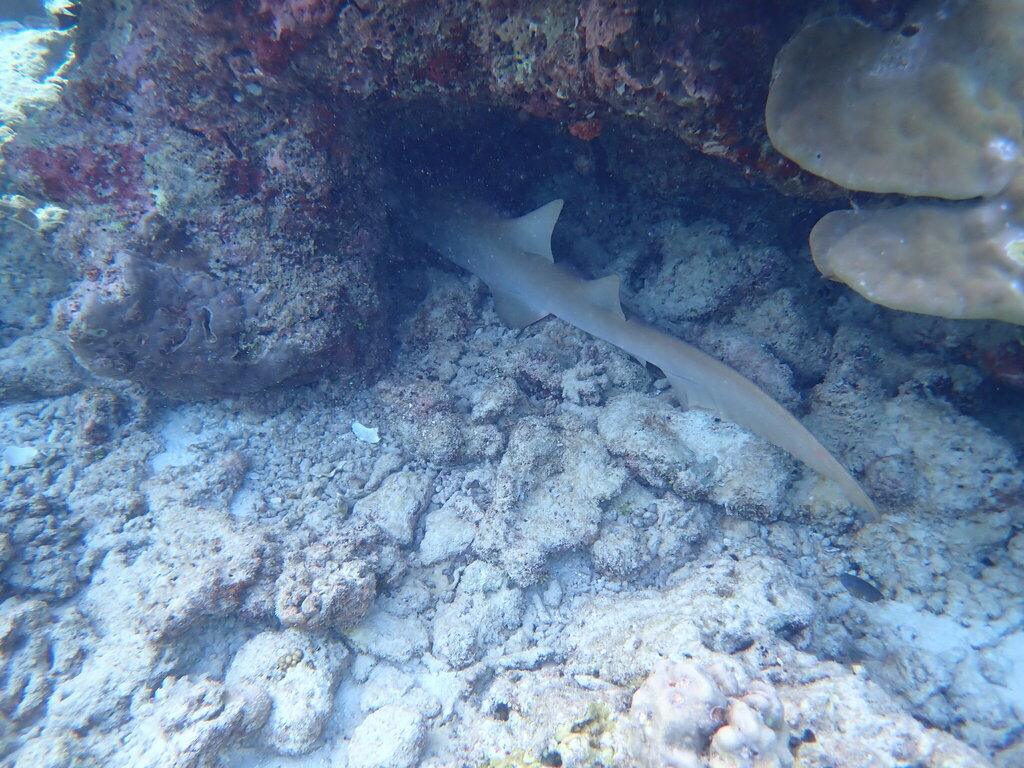
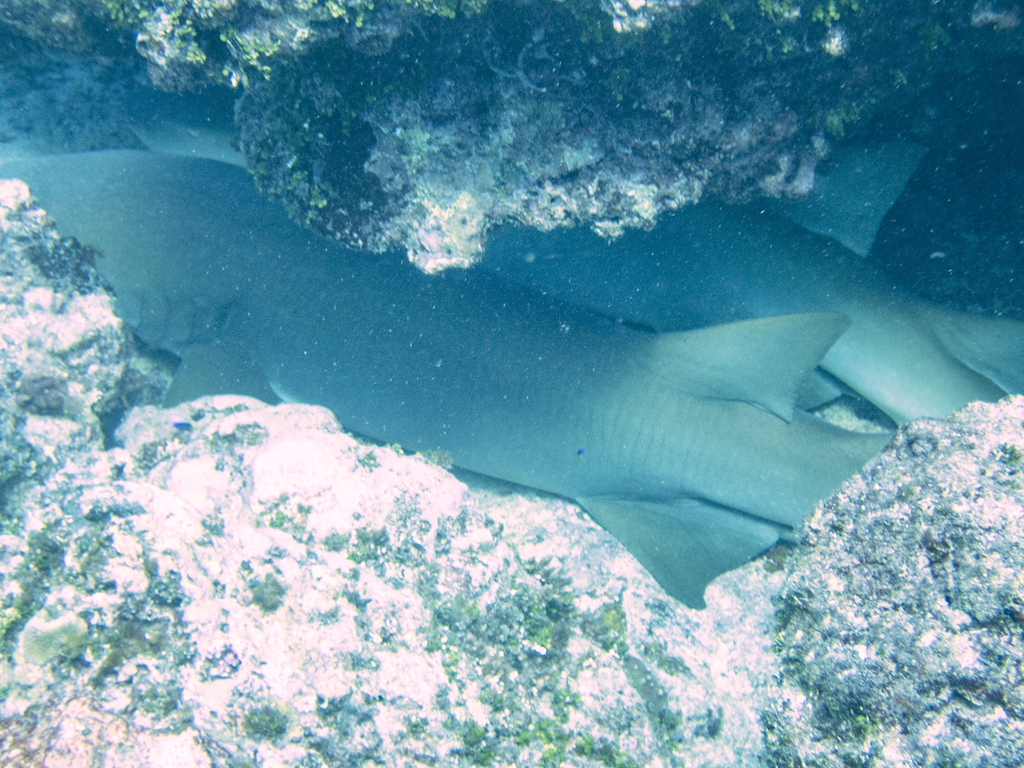
By day, tawny nurse sharks often rest shoulder to shoulder in reef caves. After dark they become powerful suction feeders, pulling octopus, crabs and fish from crevices.
Vulnerable (IUCN, 2020) means it is at high risk of extinction in the wild.


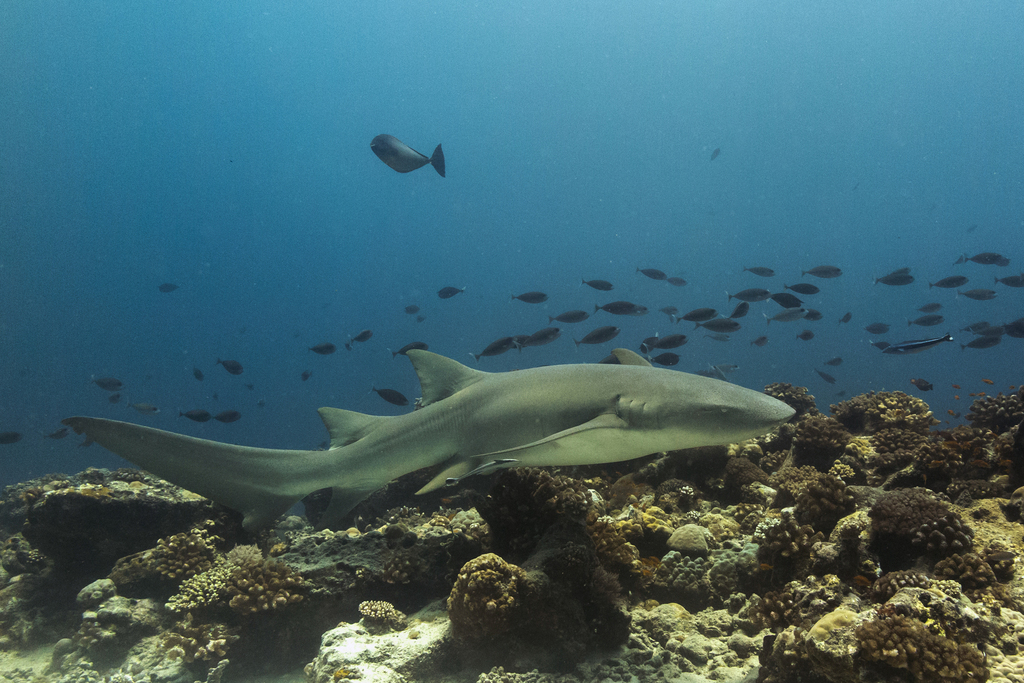
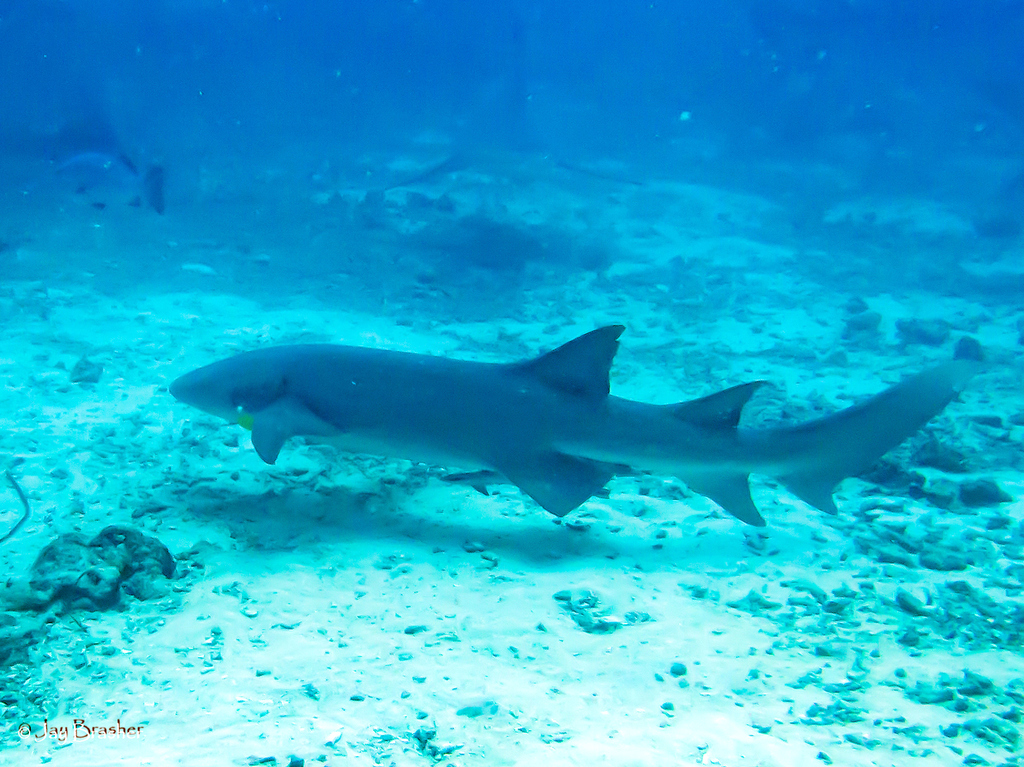
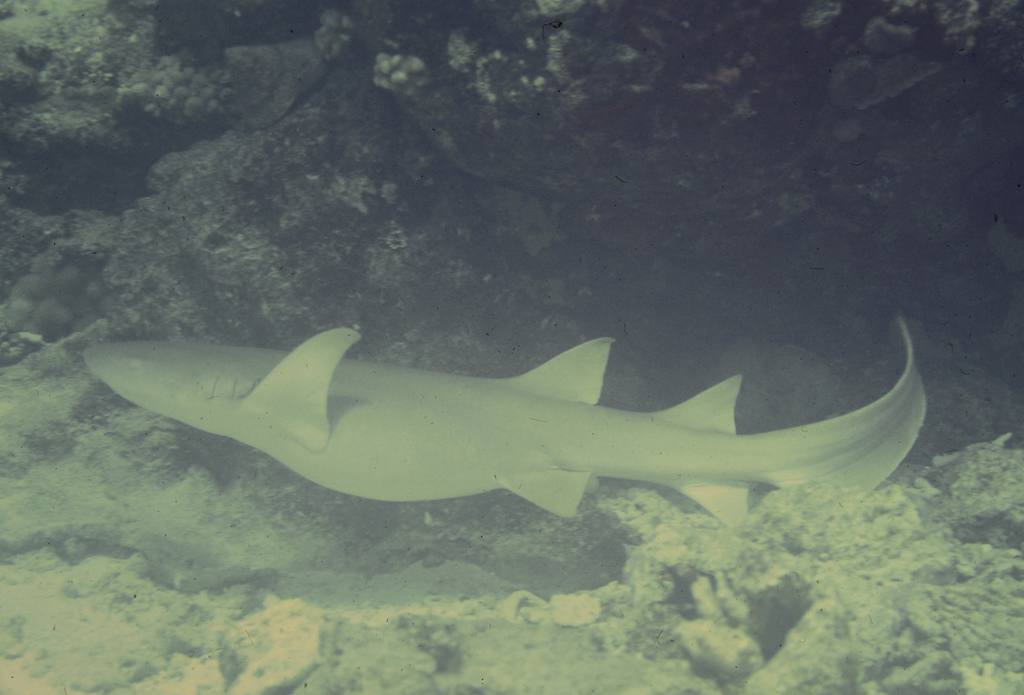
Photos show the species, not always the places on this page.
Length
Commonly about 2.5 m (8.2 ft); largest recorded about 3.2 m (10.5 ft)
Weight
Not reliably measured
Next to a person
About one-and-a-half times as long as an adult person
What it eats
Animals living on the sea floor, such as octopus and squid relatives, crabs and other crustaceans, sea urchins, shellfish and small reef fish. Bits of coral have also been found in their stomachs.
Around people
Calm, give space
How it lives
The tawny nurse shark is mostly active at night, sucking prey out of crevices with powerful suction. By day it rests in caves or under ledges, sometimes piled on top of other nurse sharks, and often comes back to the same resting spots. Females give birth to live pups. At Alimatha in the Maldives, groups gather where boats have long provided food.
Where it goes
By day, tawny nurse sharks often return to the same resting caves or wrecks, and they come out at night to hunt. Long-distance movements are not well studied, so we do not know how far they travel.
We only draw a journey on the map when scientists have tracked it or clearly documented it. For this animal we have not found one yet.
Populations
Found across the tropical Indo-Pacific. How many sharks are present, and how they behave, differs from reef to reef, including at sites where they are fed. There are no subspecies.
Meet it respectfully
Tawny nurse sharks are calm, but they have strong jaws and have bitten when harassed. Never touch, grab, sit on, block or crowd resting sharks. At Alimatha in the Maldives, sharks gather where boats have long fed them at night. Shark feeding is illegal under Maldives diving rules, so we do not support it. Stay still on the sand, keep your hands tucked in and simply watch.
Fun fact
Tap the bulb to light it up.
Tawny nurse sharks are mostly active at night and suck their prey out of reef crevices.
By day they often rest in caves, sometimes piled on top of each other.
It is a different species from the Atlantic nurse shark.
It can change colour, turning grey-brown or brown to match its background.
The tawny nurse shark can change its colour. Its back turns grey-brown or brown, depending on the background where it lives.
Source: Florida Museum of Natural History, Tawny nurse shark profile
Its scientific name is gentle and poetic. Nebrius comes from the Greek for the skin of a fawn, and ferrugineus is Latin for its brown colour.
Source: Florida Museum of Natural History, Tawny nurse shark profile
Tawny nurse shark in the Ocean Atlas
Places we have researched where this animal is recorded. It is never guaranteed, and some places are for watching from the boat only.
Travel with usComing soonTrusted referralExploringOn pause, story onlyEthics pass
Country colour: pink where we travel, blue where we are exploring or refer, grey for story only.
 Australia
 Egypt
 Fiji
 French Polynesia
 India
 Indonesia
 Maldives
 Marshall Islands
 Myanmar
 New Caledonia
 Northern Mariana Islands
 Palau
 Papua New Guinea
 Seychelles
 Thailand
Sources for this page
- Florida Museum of Natural History, 2026
- FishBase, 2020
- Marinewise, 2026
- Save Our Seas Foundation, 2026
- Brunnschweiler, 2014
- Times of Addu, 2021, shark feeding is illegal in the Maldives
- Maldives Ministry of Tourism, 2021, circular on shark feeding
- Australian Museum, Tawny shark
Facts checked 26 September 2026. Photos: Unsplash licence, or Creative Commons as shown on each photo.
Work in ocean travel?
We are always happy to hear from exceptional local operators, accommodation, conservation organisations and destination experts. If your work fits responsible, small-group ocean travel, we would love to learn more.
Partner with Ocean CallingNew: mobula rays in La Ventana, May 2027
CHF 2,720